
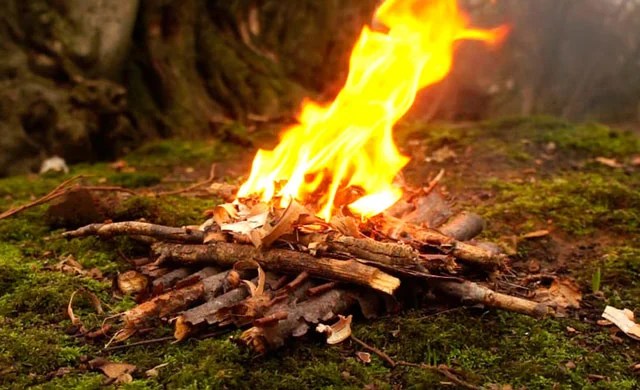
As a basic survival need, fire is essential in keeping your body temperature at a normal level.
Fire also enables you to cook food, boil water for consumption, and protect yourself from predators.
Temperatures tend to drop drastically at night, especially in temperate climates. In the US alone, hypothermia accounts for around 1,300 deaths each year— so starting a fire is an invaluable skill if you don’t want to freeze to death.
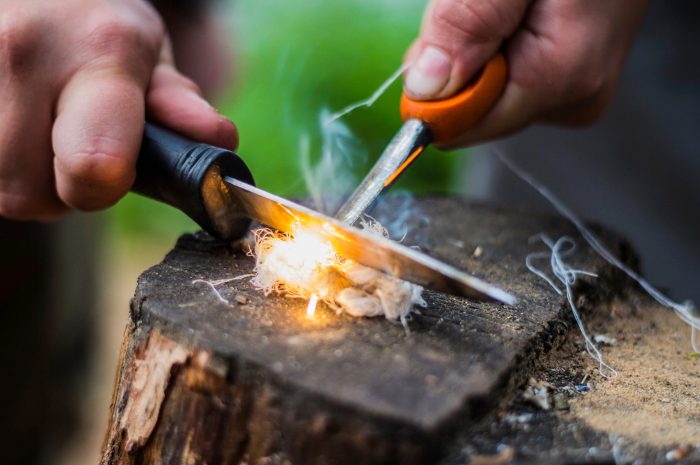
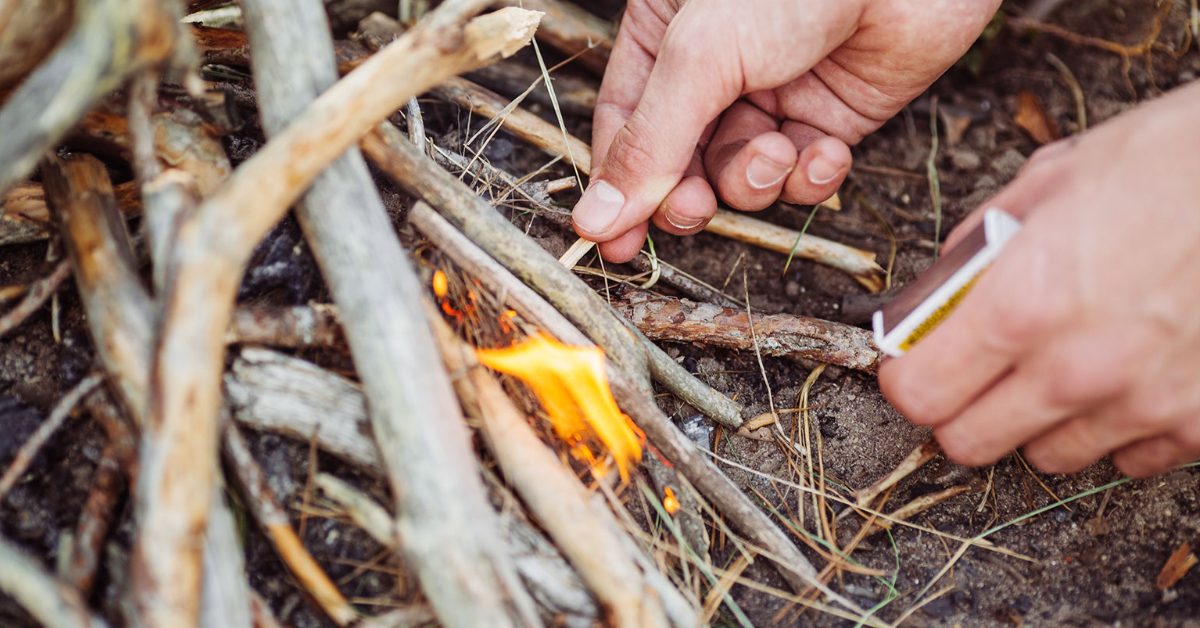
So, the question on our mind; how does one start a big roaring fire? You’d need three things:
- Oxygen
- Heat
- Fuel
These three make up the “combustion triangle” and without one or the others, it would be impossible to ignite a fire.
20% of the air is made up of oxygen, so you don’t really have to worry about this element. The density of oxygen does decrease at high altitudes, so you have to use extra effort in creating a fire in areas significantly above sea level.
Heat can be produced through friction, like rubbing sticks together, striking a flint, lighting a match against a surface, or using a lighter.
Fuel can be any flammable object that feeds the fire and keeps it burning such as tinder, kindling, and firewood.
What’s The Difference Between Tinder, Kindling, And Firewood?
Tinder
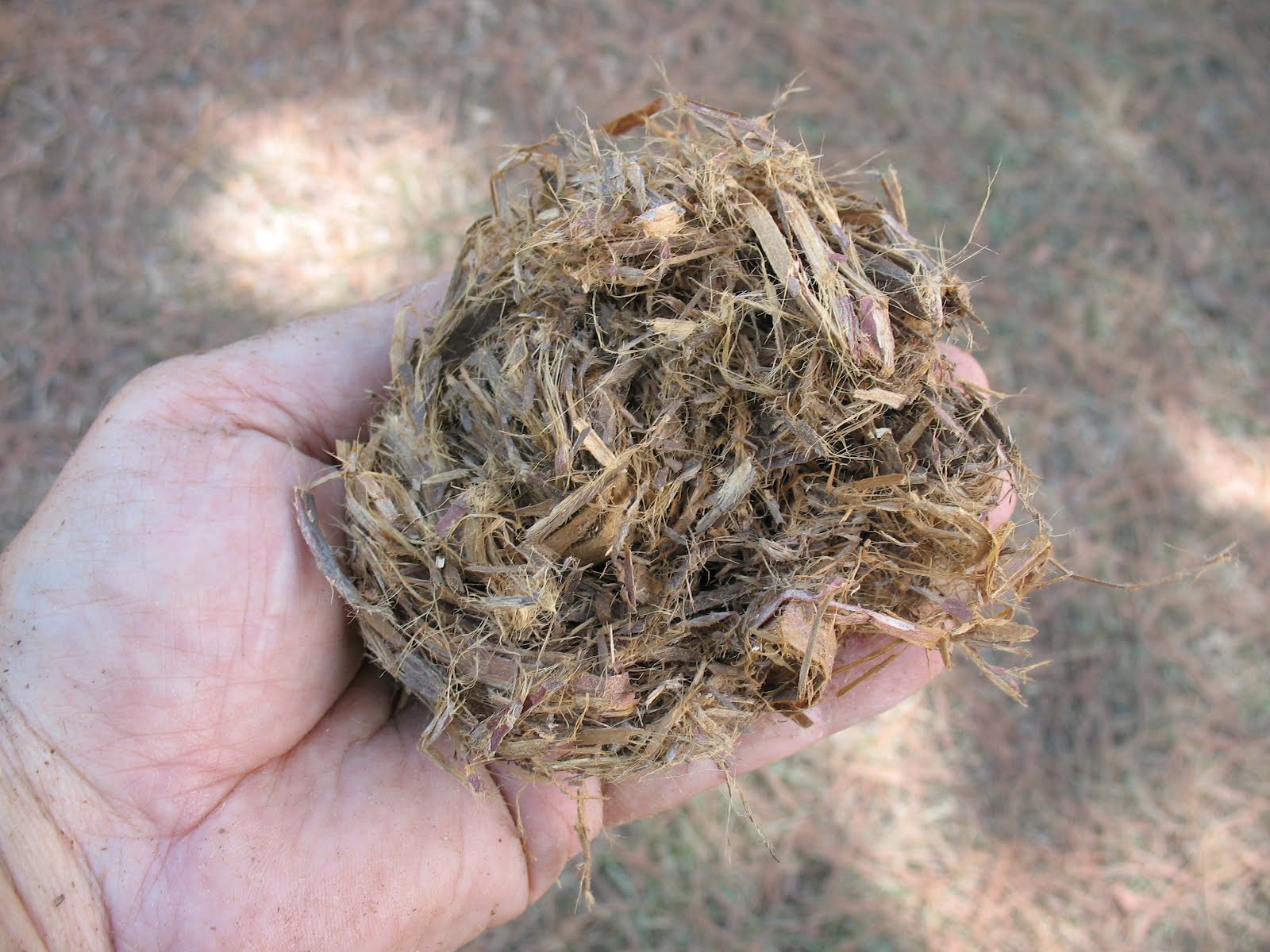
Tinder is any dry and fibrous material that would easily combust.
When out in the woods, a “bird’s nest” made from dry tree bark makes for excellent tinder. Trees like cedar, pine, and birch are all rich in resin, which makes their barks easily combustible even when they’re damp. These resinous trees grow all over North America, too, so you wouldn’t have trouble finding them when out in the wild.
To create a tinder bundle with tree bark, all you have to do is peel the bark off of dead fallen trees. Make sure they’re nice, dry, and fluffy. Tear the bark into fine strips and bunch it up to form a bundle. Congrats, you now have tinder to start a fire.
Other things you can use as tinder include dry grass, wood shavings, pine needles, pine cones, dry coconut husks, and fluffy plants like cattails.
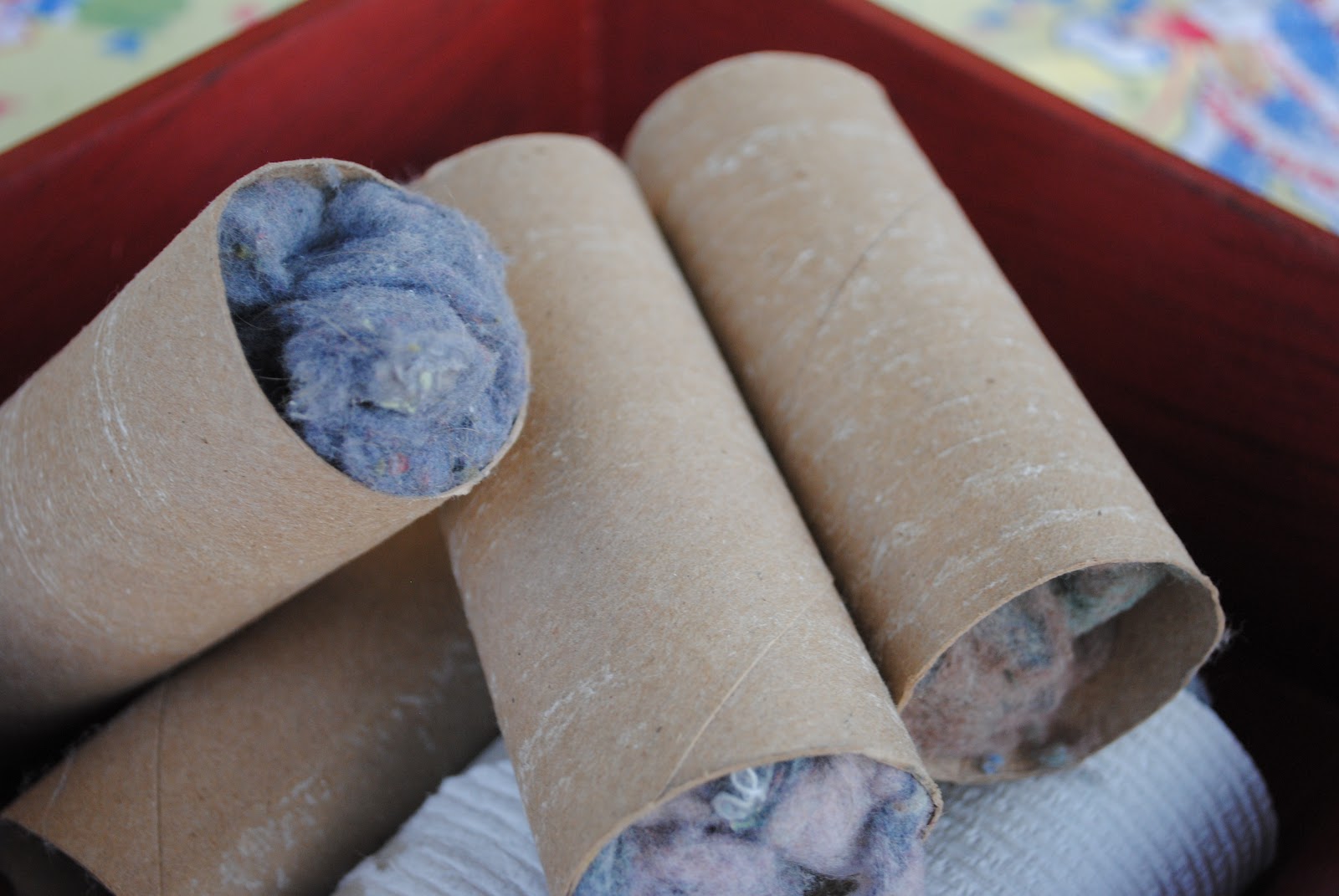
You can also prepare some fire starters before leaving home. These catch flame really quickly and will help you create fire even when conditions are less than ideal. An example of one would be:
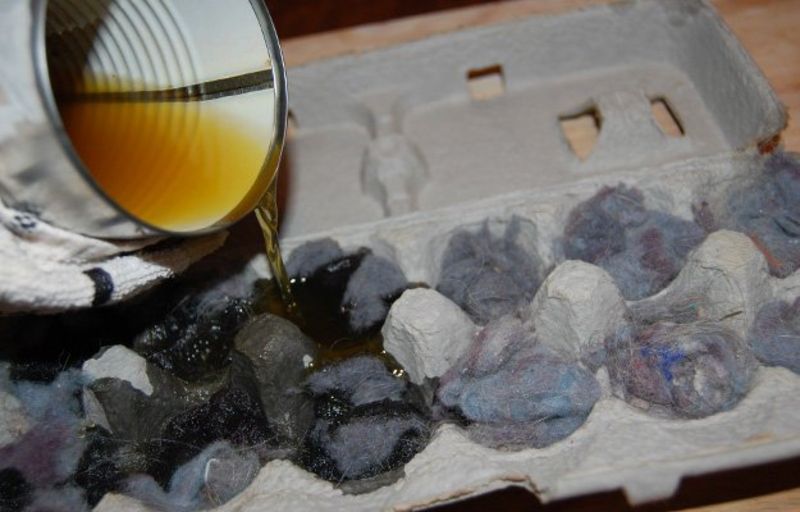
Dryer lint – This may be the bane of many dryer filters, but don’t throw them out just yet. Dryer lint is made of hundreds of tiny fabric fibers and is highly flammable. You can use dryer lint on its own, or turn it into hardcore firestarters with some egg cartons and candle wax.
Cotton balls – Like dryer lint, cotton balls are great on their own, but if you slather them in petroleum jelly or vaseline, they become even better.
Kindling
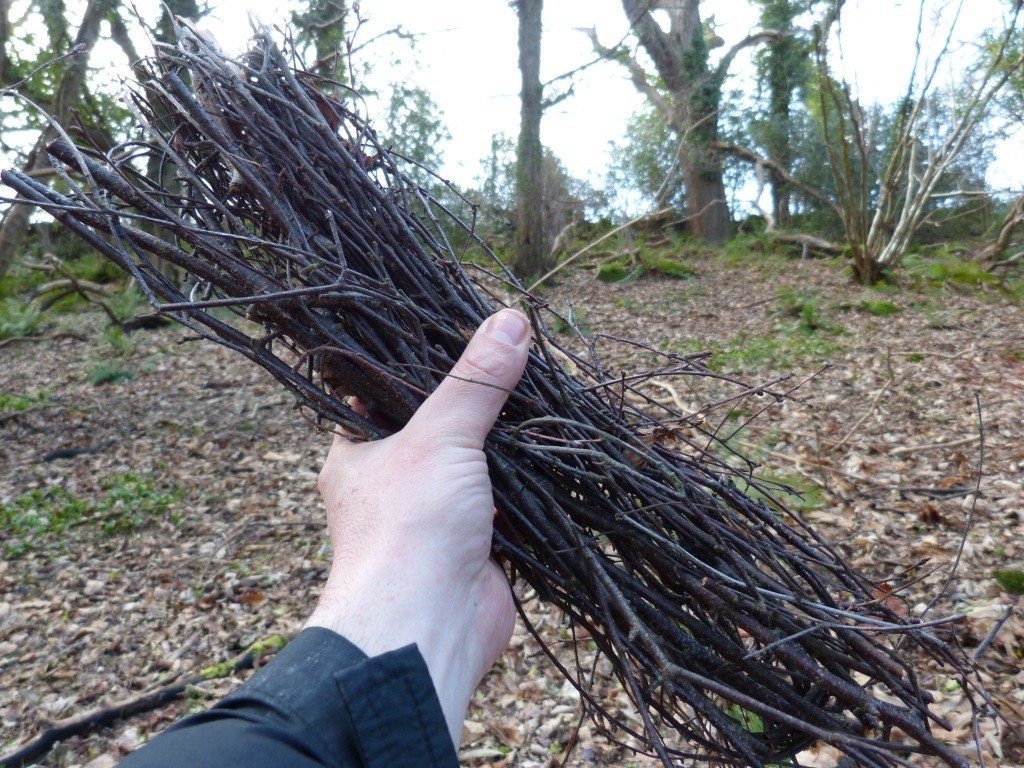
Kindling is a type of fuel that’s slightly larger than tinder and is meant to keep the fire going long and hot enough for you to feed it larger pieces of wood.
With kindling, it’s important to start small. Ideally, kindling should be thin enough to snap with your hands. They’re usually around the diameter of a match, but no larger than a pencil. Think thin twigs, wood splinters, and small pieces of softwood.
Each layer of kindling that you put into your fire should ignite the next, so make sure to feed them gradually. Patience is a virtue in this stage of fire-making. Add too large pieces too soon and you’ll smother your flame.
Like Tinder, you have to make sure that your kindling is dry. Look for dead-standing tree branches and twigs. Stay away from pieces of wood that are on the ground, since they absorb a lot of moisture. They’re most likely rotten or have vegetation growing all over them, too. If a branch bends but doesn’t snap, that means it still has some moisture within and is not ideal for kindling.
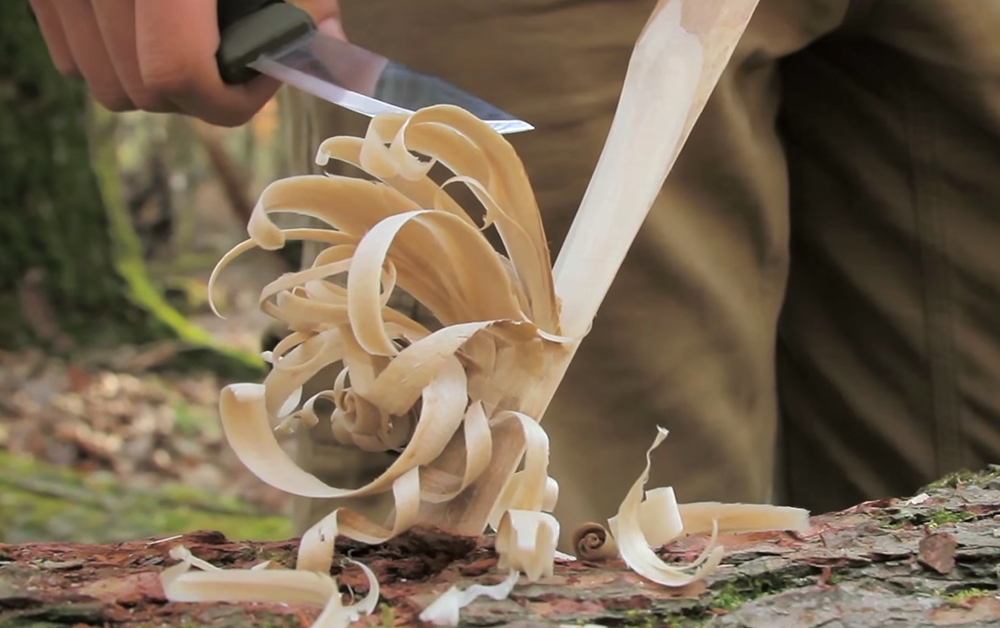
It could be difficult to find good kindling after a rain shower, where everything’s wet or damp. It could also be a challenge when you’re in an area with limited trees, or if all you could find are thick tree limbs. In such cases, you’d need to know how to create feather sticks.
Firewood
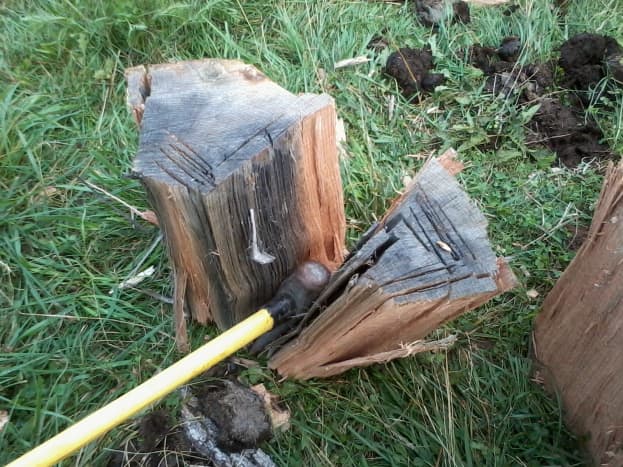
Once you light a fire with your tinder and kindling, it’s time to keep it going by feeding it larger pieces of fuel. You can bring some processed firewood from home, buy a bundle from camp stores along the way, or gather some firewood from dead standing trees around your camp.
Be careful not to smother your fire with too big pieces. Carry a bushcraft axe or learn how to baton with your knife to break large chunks of wood into smaller pieces.
 TheDailyChristian