
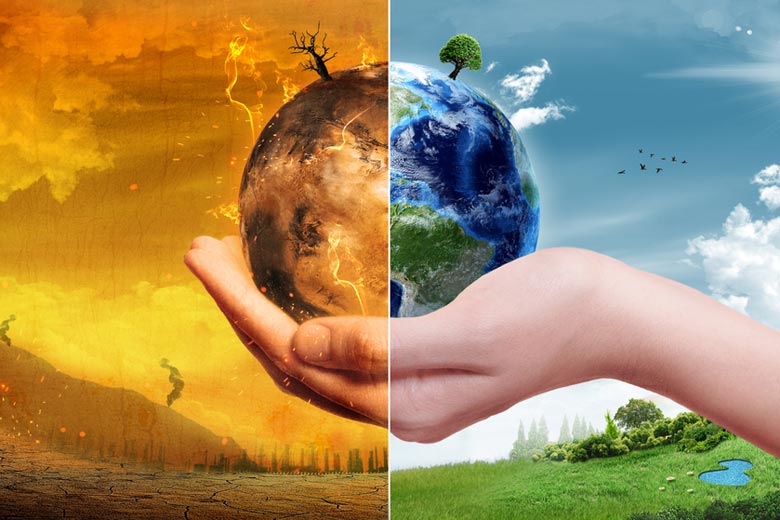
We live in a world suddenly plagued by wildfires, extreme heat, novel viruses, and sociopolitical unrest.
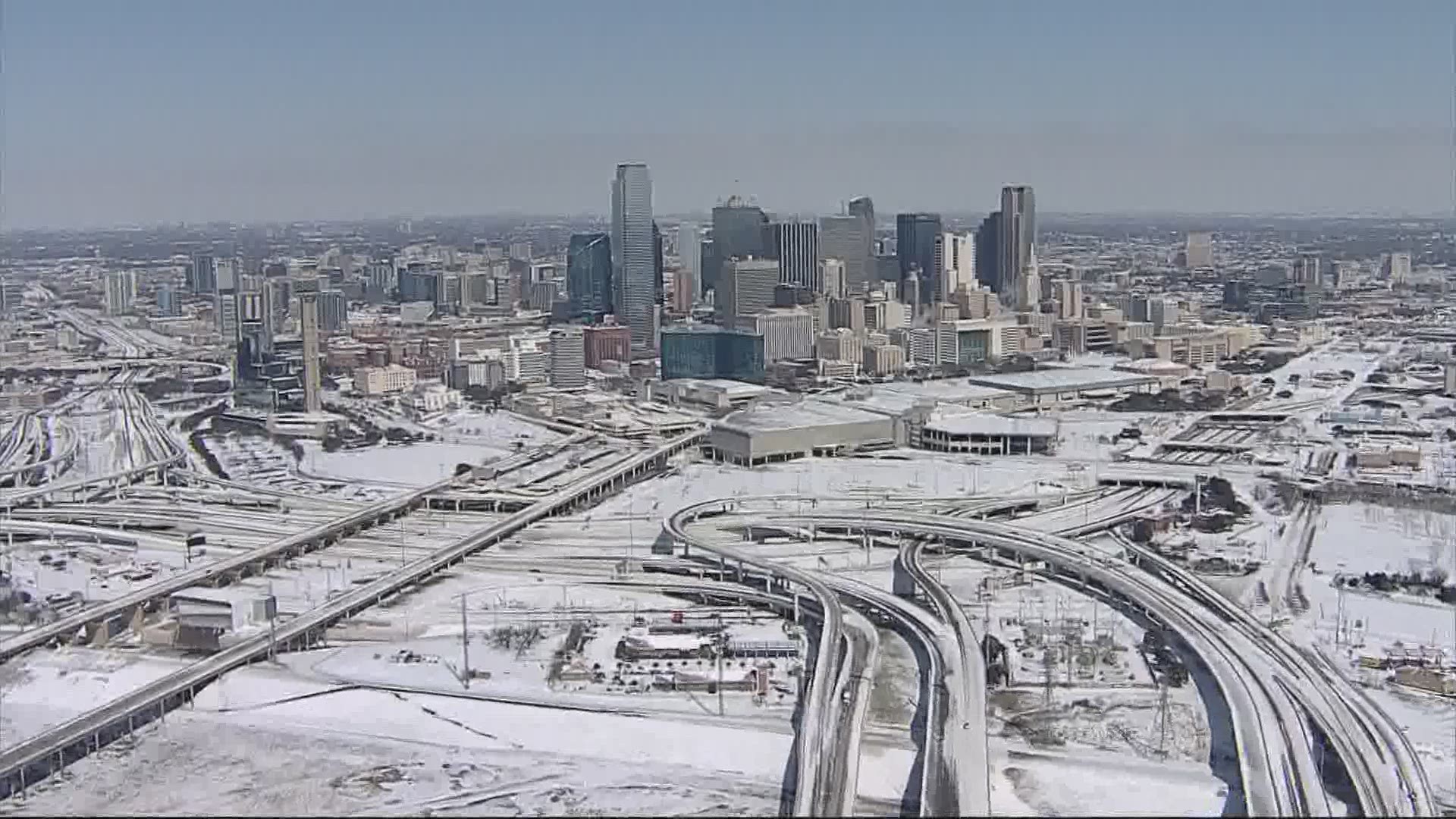
The realities of climate change are slapping me in the face. I’ve had personal run-ins with weather disasters for five straight years now, starting in 2017 when my mom’s house burned down in California’s Tubbs fire. This summer, after temperatures topped off at 116 degrees in Portland, Ore., the city I call home, I know the game has changed. If this can happen, anything can. Snow in Houston: Why not? How about a heatwave in Greenland or severe flooding in Germany? Before summer even began, the entire West — extending as far east as Texas and as far north as British Columbia — was laid flat by record-breaking temperatures, worsening drought, and an unusually early fire season. For more than two weeks, the Bootleg fire has been burning in southern Oregon, so hot and extreme that it generates its own weather.
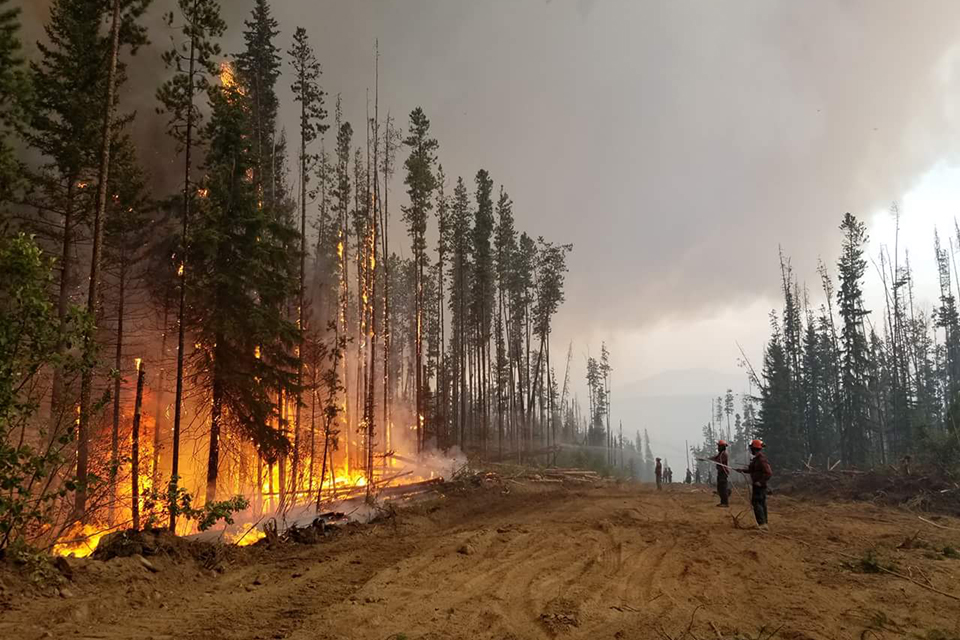
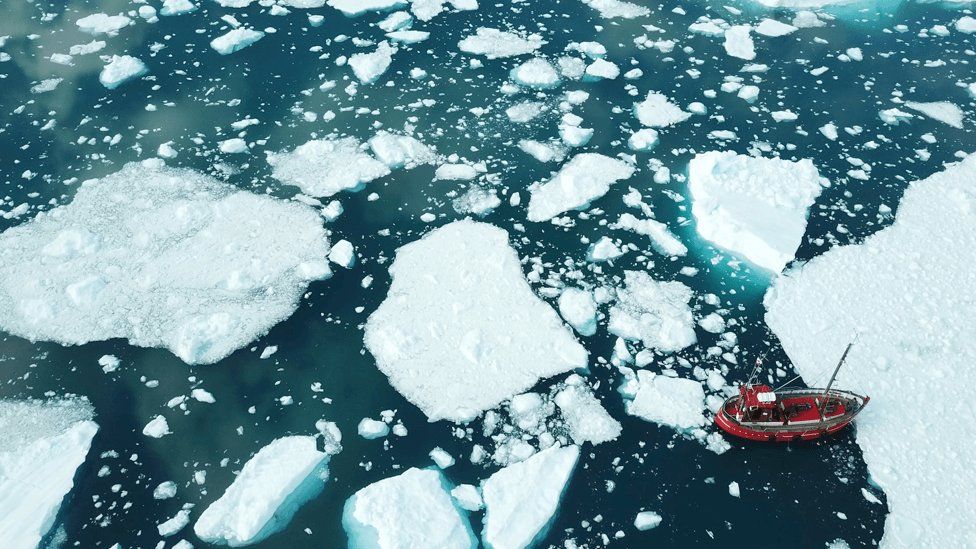

The only thing predictable about such events is that they will continue to happen, with increased severity and frequency, and they will cause a lot of human misery. They’ve forced me to reevaluate my indifference toward prepping.
In fact, our whole society seems to have been caught off guard by changes that, not so long ago, seemed far off. Here in the Pacific Northwest, people sweltered in houses that aren’t typically equipped with air conditioning. Our roadways warped and cleaved, and power lines melted; hundreds were hospitalized with heat-related illnesses. In Texas, where my brother lives, state regulators urged citizens to limit power usage during a June heatwave to avoid the massive grid outages that, during a severe winter storm in February, left nearly 70 percent of Texans without electricity and half without water. In New York City, heavy rainfall flooded stretches of the subway system this month; in Miami, the construction of properties on a dissolving shoreline no longer seems sound.
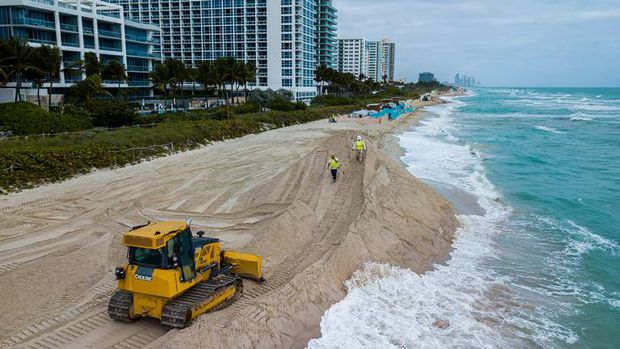
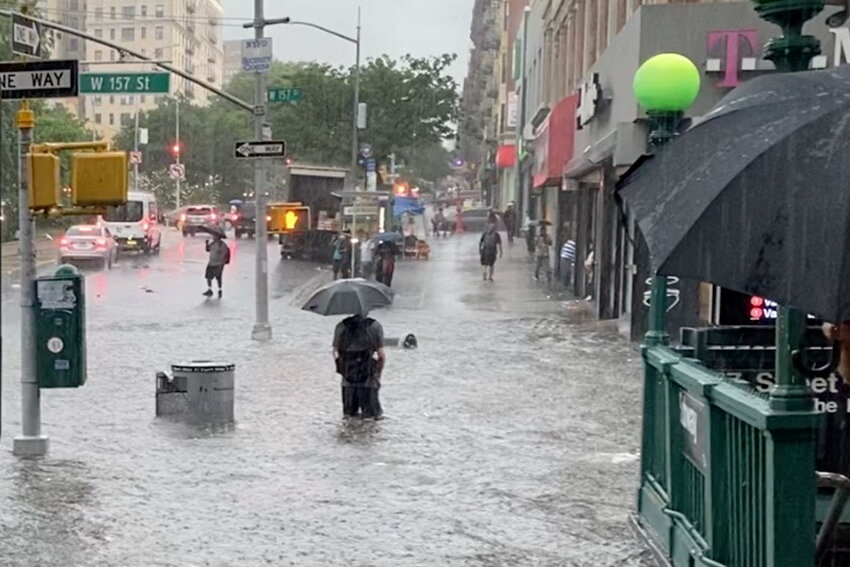
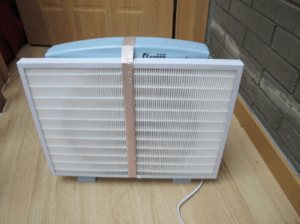
With these infrastructural and governmental inadequacies, people resort to improvised, often subpar measures to stay safe. Last fall, when wildfires surrounded Portland, awarding us the worst air quality in the world, YouTube videos on how to make DIY air purifiers circulated on social media. Though a box fan and a furnace filter panel were the only things required — items typically found at any hardware store — the entire city was sold out.
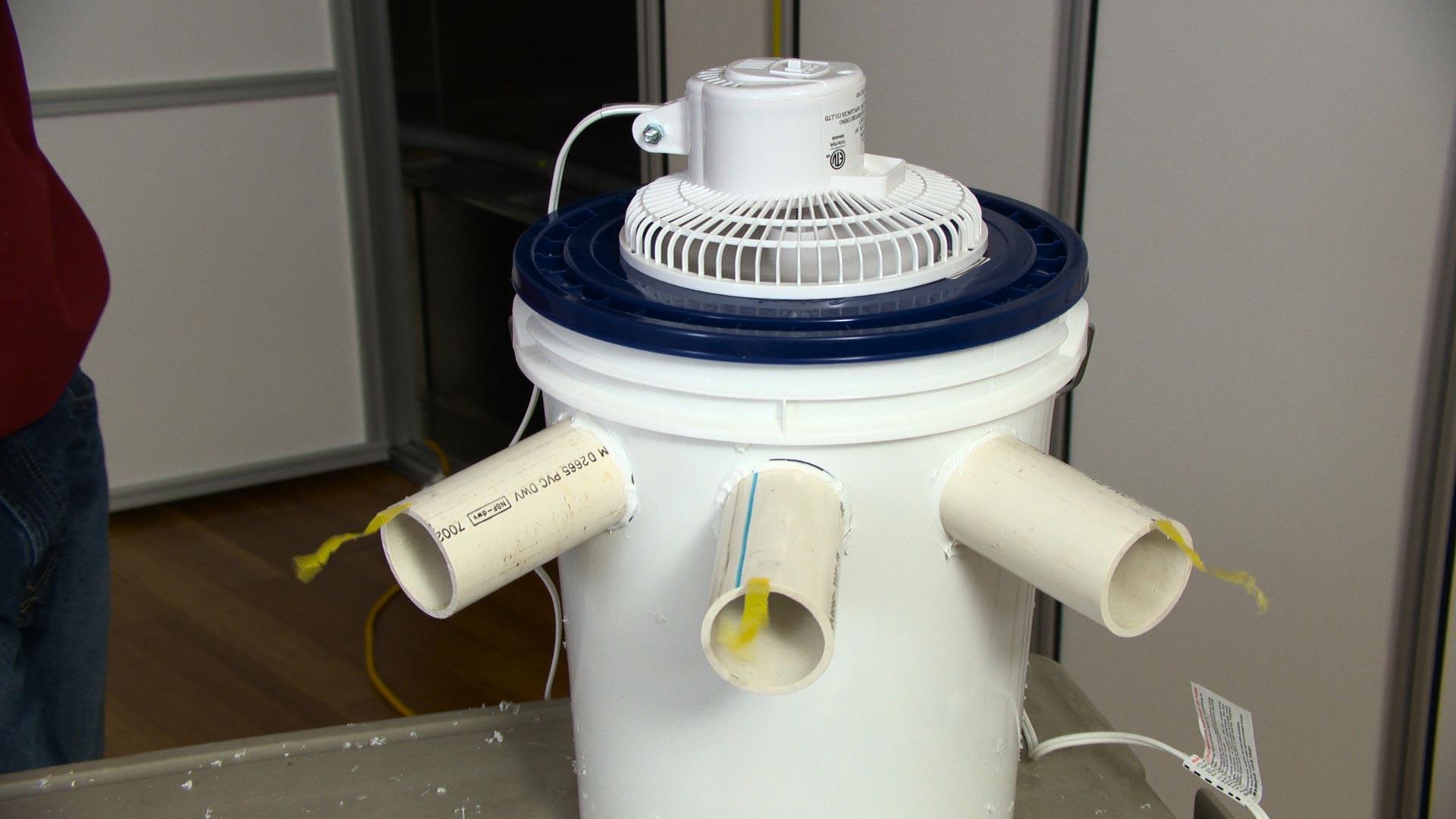
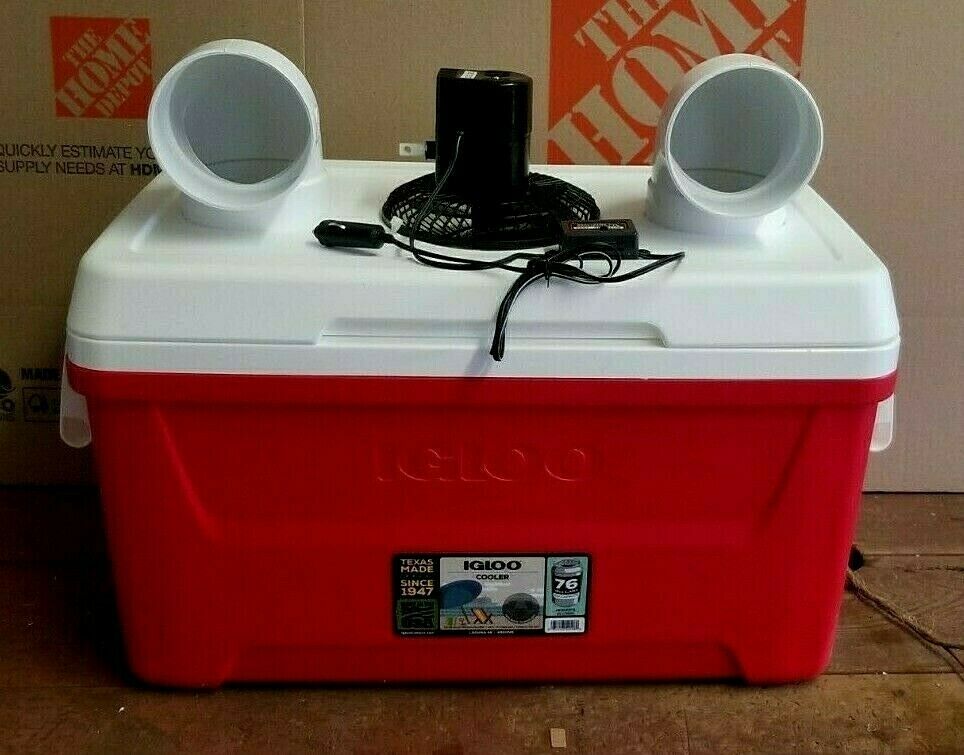
My prepper mentality came to mind again for me when temperatures soared a few weeks ago, and I drove to four different locations looking for ice because our refrigerator had started smoking. (According to my landlord, mine was the third refrigerator that needed replacing in less than 24 hours.) At my last stop, the cashier shook his head apologetically: “Everyone’s trying to stay cool.” This time, city residents were slapping together jury-rigged swamp coolers with large bowls of ice and those perennially versatile box fans. I’d run up against the limits of what the marketplace could provide. In a moment of desperation, I asked my neighbors two doors down if I could store my perishable goods with them. Though they kindly accommodated, it made for awkward interactions later when I had to knock on their door and ask for my coffee creamer or salad greens. After a while, I decided I didn’t really need those things after all.
You can finish reading this article by going here.
 TheDailyChristian