
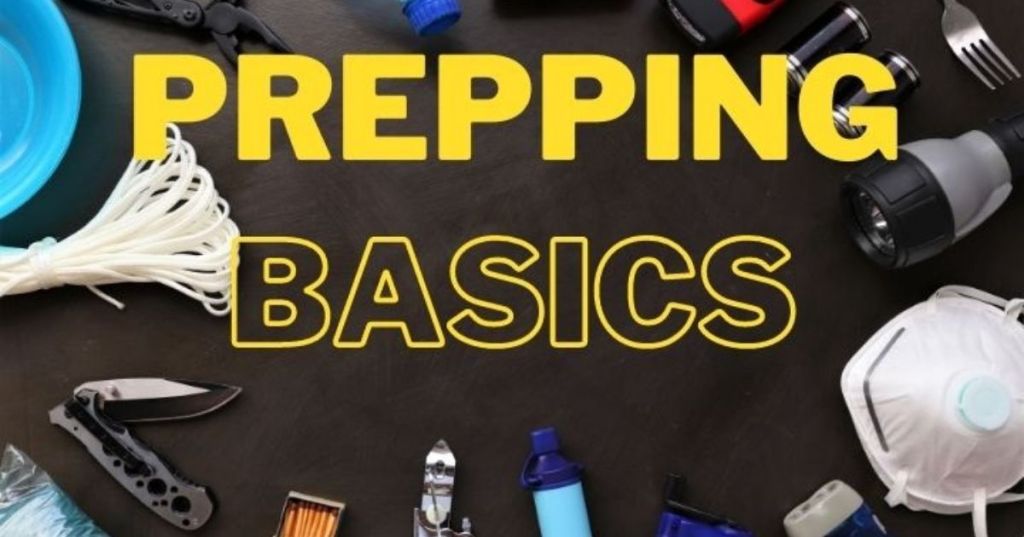
Knowledge and correct information are the first steps to survival. There are generic preparations that are appropriate for every emergency situation. However, concrete and careful planning is needed for you and your family to survive during emergency situations.
It’s better to prepare for the worst in case things go upside down and you aren’t equipped with the essentials to survive. So, here’s a guide for those of you who are just beginning to prep for the worst possible scenario, such as a natural disaster or a terrorist attack.
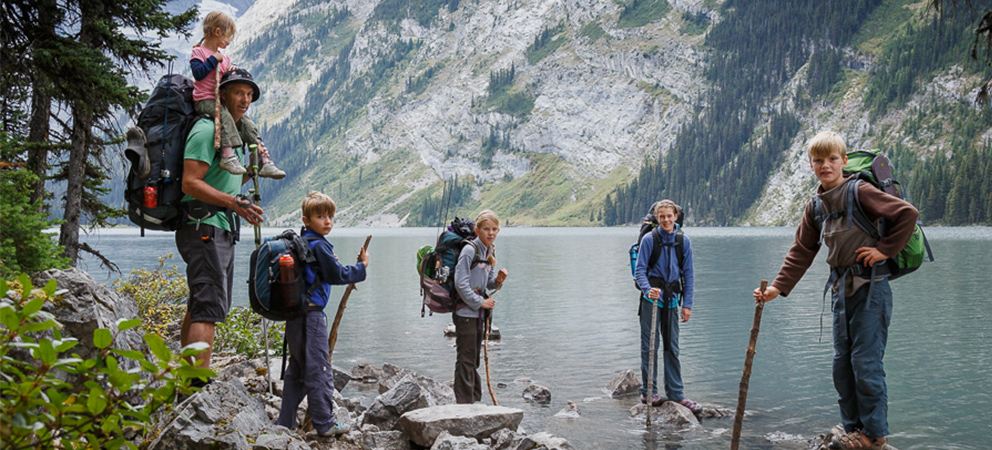
Prepare To Leave Your House With Short Notice
- Plan and practice with the family the exact steps you’ll go through in the event of a disaster.
- Get your home, animals, and property ready so you can be self-reliant for at least two weeks.
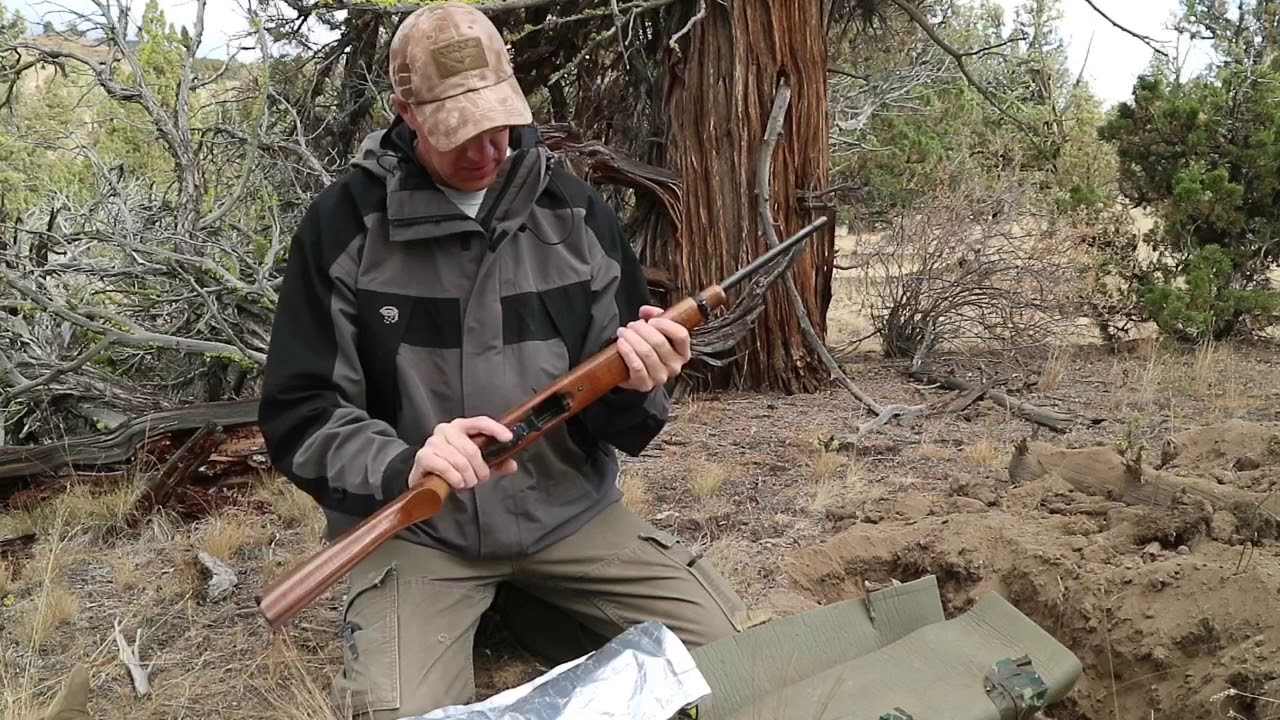
- Have a self-defense weapon on hand to keep you and your family safe if you happen to find yourself in an aggressive situation with another person or animal.
- Spread the word to your neighbors, families, and friends, and recruit other families to help prepare multiple locations. That way, there is always a place to go, no matter where the emergency occurs.

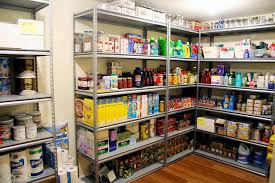
Bugging In & Really Mean It
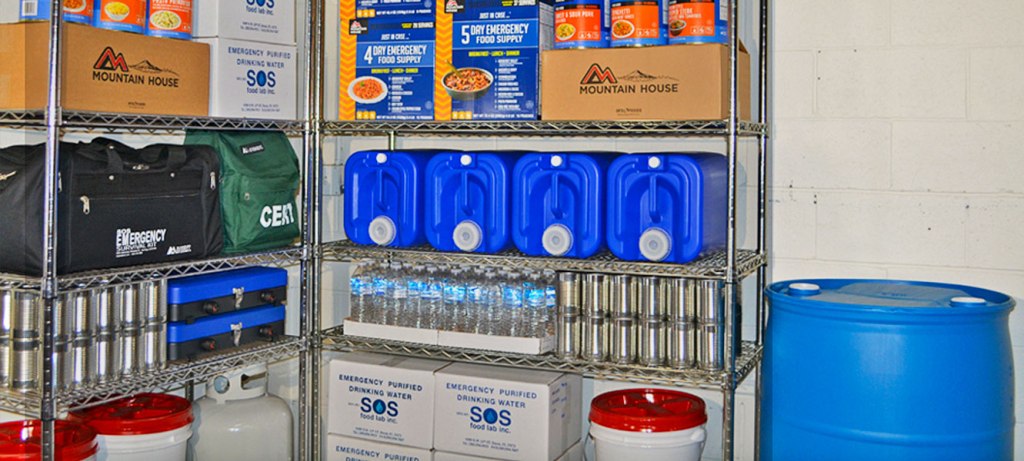
we discussed the bare essentials for survival—food and water. Bugging in is choosing a familiar and safe in the event of an emergency. It’s very important you map out and practice an escape plan. Not everyone has the ways and means to leave when the S really HTF. Some have unreliable transportation or no personal transportation at all. Others may not have the luxury of having a bug-out location, family, or friends to run to. That doesn’t mean you can’t survive. In some cases, bugging in is the best and safest option—especially if you live in the middle of a cramped and crowded city where leaving would be next to impossible.
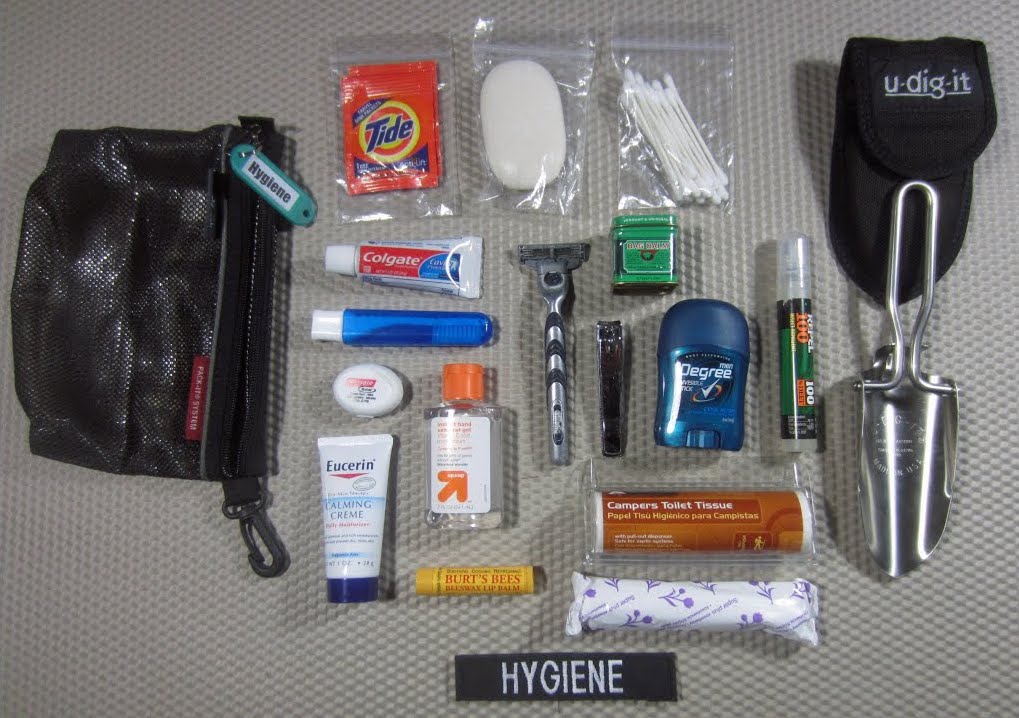

Don’t Forget About Hygiene and Sanitation
Stocking up on toilet paper, baby wipes and soap is just as important as stocking up on food and water. You have to stay clean in order to avoid becoming sick. Proper sanitation during a disaster is a critical component of preparedness. Frequently, there are more deaths following a disaster due to poor sanitation, than lives lost in the initial event. The earthquake in Haiti is a classic example as it was followed by a horrific cholera outbreak that killed thousands of people and hospitalized hundreds of thousands.
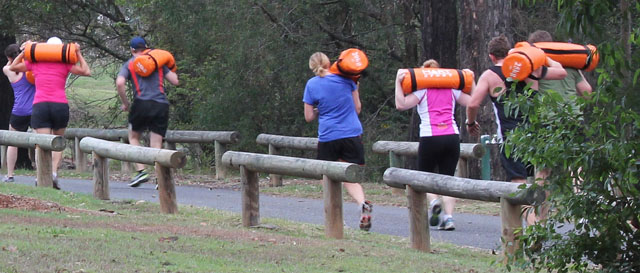
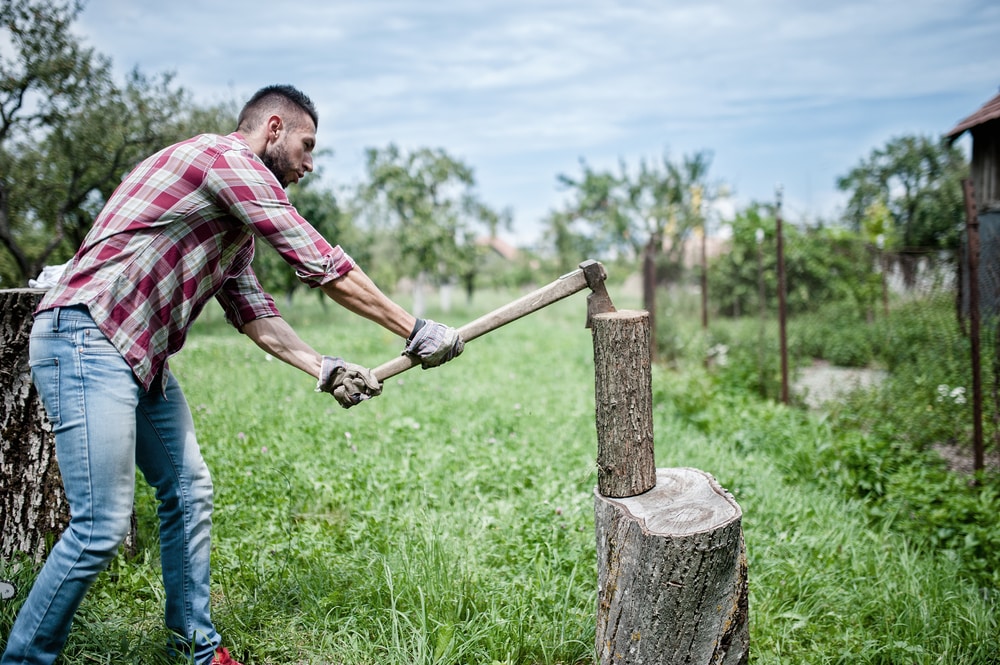
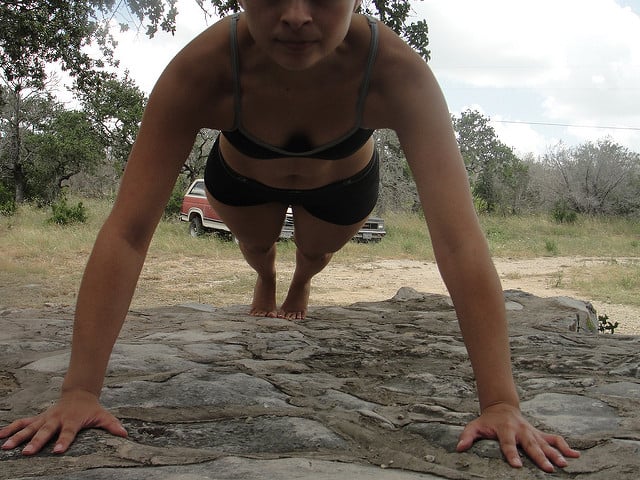
Are You Fit for Survival?
If your entire prepping plan comes down to, canned foods and toilet paper then you are probably not physically fit for survival. Many preppers will find themselves completely exhausted after just one day of disaster. Hiking from place to place, carrying supplies back and forth, repairing damaged roofs or windows, etc. All of it will wear you out fast if you’re not in shape. It is important to establish what your goals are and start a prepper fitness routine.
Here are some prepper baselines to consider.
Can You…
- Walk 12 hours while carrying a heavy pack?
- Lug 2 ½ gallons of water in each hand back to camp from a stream 3 miles away?
- Carry a 150lb person on your back?
- Scale a wall?
- Maneuver on crutches?
- Swim across the lake located nearest to you?
- Run 5 miles over hilly terrain?
 TheDailyChristian