

Imagine you’re coming back from work one day, and you receive this message.
“Emergency Alert – Hurricane Warning”

You are being instructed to evacuate as quickly as possible.
But that doesn’t scare you.
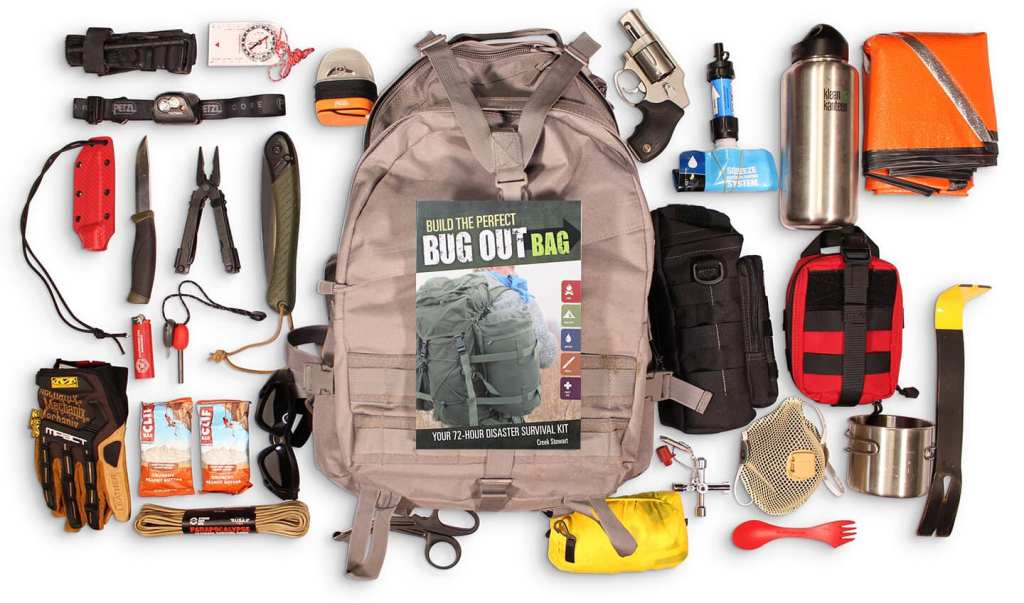
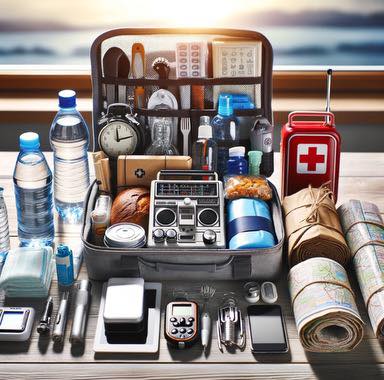
You grab your bug-out bag, gather your family, and head for the road.
Following your carefully planned escape route.
But there’s one factor you haven’t considered. Everyone else is trying to do the same thing.
The reality is, when emergency strikes, roads will be congested, gas stations will run dry, and tensions will be high.
And the approaching hurricane will not be making things any easier.
Doesn’t sound ideal, does it?
This is why having one escape route is not enough.
You need multiple options.
Begin by evaluating your escape routes and identifying less-traveled alternatives that could allow you to stay away from congested areas.
Also, consider the timing of your departure. Leaving at the first sign of trouble, before the masses clog the road, could give you a critical head start.
Additionally, it’s essential to prepare for the possibility that you may need to abandon your vehicle and continue on foot.
Ensure that your bug-out bag is equipped with the necessary items for a long trek and that your loved ones are physically prepared for such a journey.
And don’t forget to have a backup plan.
In the unpredictable world we live in, it’s essential to be adaptable and ready to alter course if your initial plan proves unfeasible.
I know people who are dead set on their emergency plans, and refuse to modify them.
However, adaptability is essential in emergency situations.
Follow these 10 survivalism steps to craft multiple emergency plans quickly.

By taking the time to rethink your bug-out plan you can account for the often-overlooked risk of getting caught in the disarray of a mass evacuation.
And you can make more informed decisions when emergency strikes.
Remember, it’s not just about planning for things you can expect. It’s also about being ready to face unexpected challenges that may arise along the way.

So take the time to consider every option available.
Don’t Bug Out Unless You’ve Thought About This
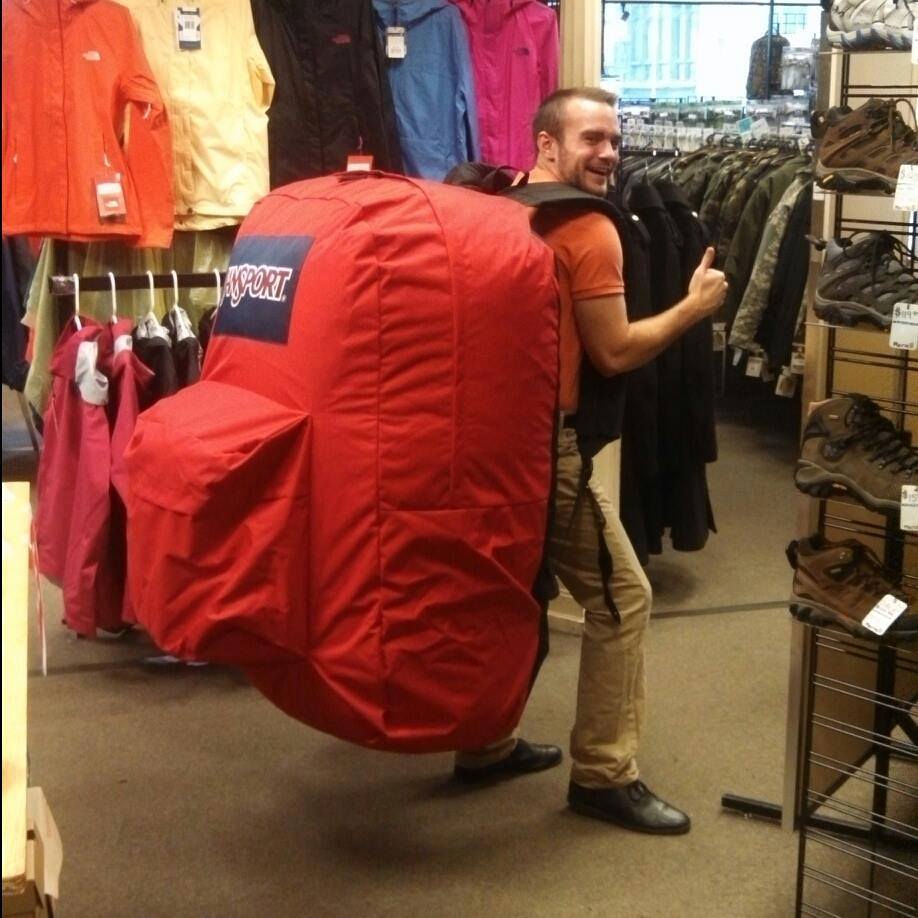
Sometimes we have to make tough decisions.
Decisions that can determine the fate of our families and our own future.
One of these decisions is knowing when to bug out, and when to stay put.
Deciding whether you should bug out or not is like choosing a partner.
It can either make you or break you.
Sometimes, it can be a lifesaving choice.
But bug out when you shouldn’t, and the consequences could be catastrophic.
I will tell you everything you need to know before you make a decision.
So you can protect yourself and your family with confidence.

First and foremost, always trust your instincts.
As I’ve mentioned in previous articles, our intuition is an incredible thing that can assist in guiding us in high-stress situations.
If your gut is telling you that it’s time to bug out, take that feeling seriously.
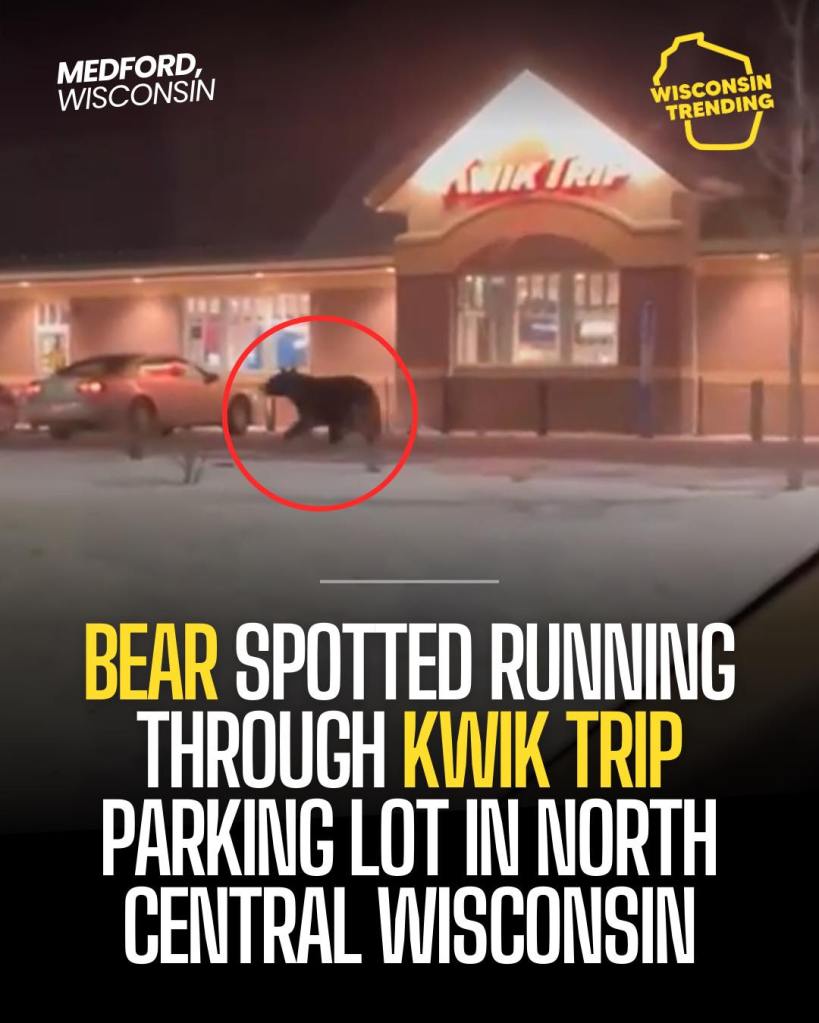
Next, consider the severity of the hazard.
Is it something that’s likely to escalate?
Or is it a situation that may subside without causing any significant harm?
For example, if you’re facing a natural emergency like a wildfire or hurricane, bugging out might be the greatest option to escape imminent risk.
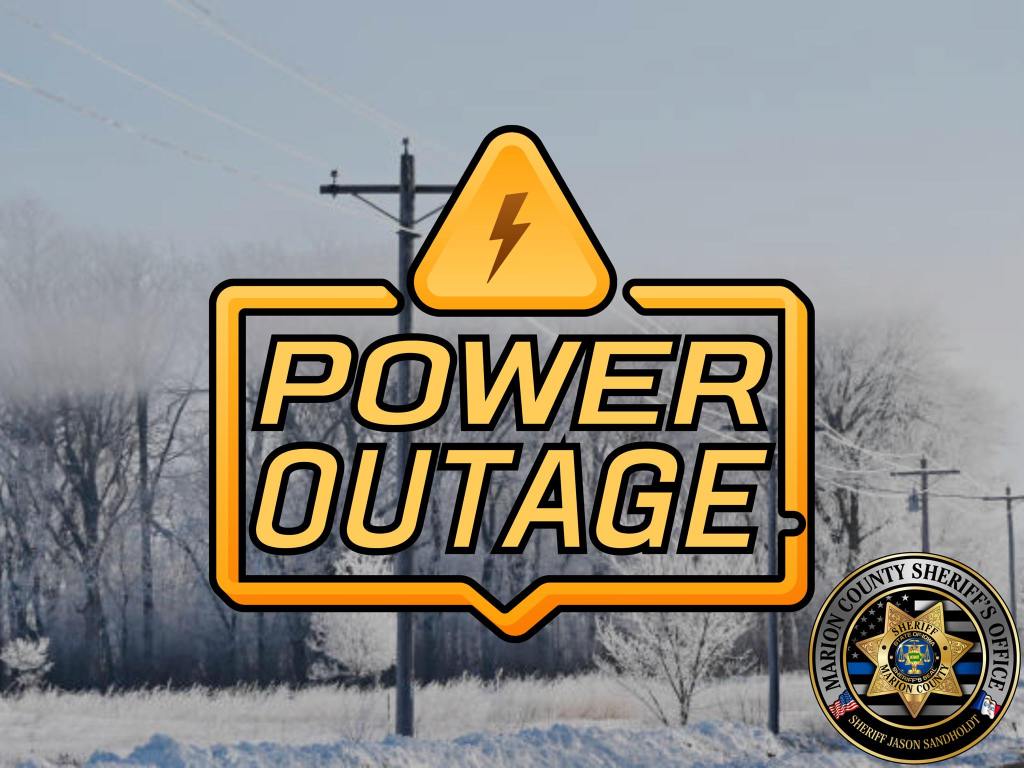
On the other hand, if it’s a temporary power outage or a localized matter, staying put might be wise.
So these are the factors that you can’t control
Let’s talk about the things you can control.
Your resources.
When deciding whether to bug out or not, take a good look at your stockpiles.
If you have enough food, water, and first aid to last you throughout the whole emergency, then might want to stay indoors.
But if you need to look elsewhere for gear and essentials, then evacuating could be a necessity.
Then there’s the condition of your vehicle.
Whether we like it or not, our cars are essential for bugging out.
Evacuating on foot can be a hundred times tougher.
Another critical factor is the well-being of your family.
If you have young children, elderly relatives, or anyone with special needs, bugging out may be more challenging.
In some cases, staying put and fortifying your house could be safer.
Making the decision to bug out or not isn’t easy.
By considering these factors, however, you can pick the correct option.
Remember, having a well-thought-out plan in place will always beat getting caught unprepared.
So think about the things that you can and can’t control, and choose wisely.
Keep This Versatile Item In Your Bug-Out Bag.
Did you know you have an incredible prepping tool in your bathroom cabinet?
It’s true. No one thinks about it.
And yet dental floss has many uses that might come in handy when the chips are down.
First and foremost, it is essential for maintaining oral hygiene.
In a post-emergency scenario, dental care may be nonexistent.
Taking care of your teeth and gums is essential for preventing infections and other health hazards.
Dental floss can allow you to maintain good oral health, even in the most challenging circumstances.
But beyond its primary use, it has a surprising number of other applications that can come in handy in an emergency situation.
Its thin yet incredibly strong nature makes it a versatile tool.
For example, dental floss can be used as a makeshift fishing line.
If you find yourself needing to catch fish for sustenance, simply attach a hook to the end of the floss and cast it into the water.
Its inconspicuous appearance makes it less likely to scare fish, and its strength ensures that it can handle the weight of your catch.
Another practical use for dental floss is as a sturdy thread for sewing.
Whether you need to mend torn clothing, stitch up a wound, or create makeshift gear, dental floss is a reliable option.
Dental floss can also be used to create a tripwire alarm system around your camp or bug-out location.
By stretching it taut between trees or other anchor points, you can create a simple perimeter that will alert you if someone or something attempts to enter your area.
Tie a few aluminum cans or other noise-making objects to the floss, and you’ll have an early warning system in place.
These are just a few examples of the many uses for dental floss in an emergency situation.
What I love the most about it is that it comes in small packaging, so it doesn’t take up any space in your bug-out bag.
It’s light, compact, and versatile.
Why don’t you throw one in your bug out bag?
 TheDailyChristian