
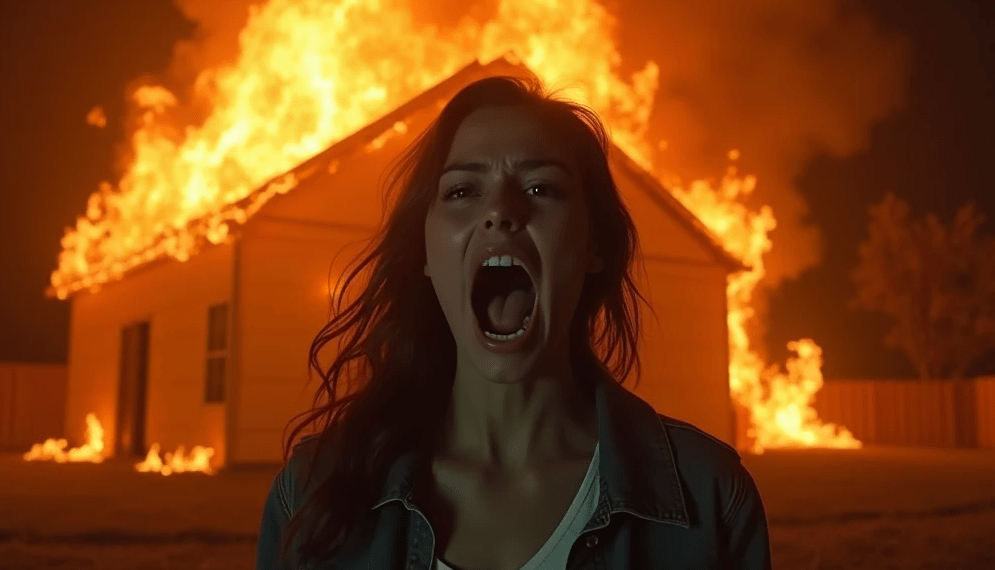
When the lights go out, everything changes. For most people, electricity is a background convenience—until it disappears. Whether you’re dealing with a rolling blackout, wildfire shutdown, cyberattack on the grid, or full-blown societal breakdown (SHTF), knowing how to survive without power isn’t just useful—it’s essential. As someone who’s spent years studying off-grid living and disaster preparedness, I’d like to walk you through how to not only survive but thrive when the power goes out.
California, with its massive population, wildfire-prone terrain, and overburdened energy infrastructure, is no stranger to power outages. From PG&E’s public safety power shutoffs to surprise outages caused by summer heatwaves or downed transmission lines, the Golden State regularly tests the limits of modern convenience.
But here’s the thing: You don’t need to panic. You just need to prepare. Let’s break this down.

5 Essential Survival Skills for Living Without Electricity
When SHTF and electricity is no longer available, survival depends on basic skills that most modern people have forgotten. Learn these, and you’ll be miles ahead of the average person.
1. Fire Starting and Safe Heating
Knowing how to safely start and maintain a fire without lighters or matches is vital. In winter, this can literally be the difference between life and death. Practice multiple fire-starting methods: ferro rods, flint and steel, and even using a magnifying glass on sunny days. Always ensure proper ventilation, especially indoors—carbon monoxide is a silent killer.
Pro Tip: Invest in a small wood-burning stove and keep dry kindling stored in waterproof containers.
2. Water Purification
The taps may still run during a blackout, but water purification systems often require power. You must know how to purify water using non-electric methods. Boiling is most effective, but if you can’t heat it, use purification tablets or a gravity-fed filter like the Berkey or Sawyer Mini.
Pro Tip: Learn how to build a solar still from plastic sheeting and containers—it’s slow but effective.
3. Food Preservation and Storage
Refrigeration fails fast without power. Know how to preserve food through dehydration, salting, fermenting, or canning. Have a stockpile of non-perishable goods like beans, rice, oats, and dried fruits.
Pro Tip: Burying perishables underground in a well-sealed container can extend their shelf life in an emergency.
4. Manual Cooking Methods
When microwaves and electric stoves are useless, turn to rocket stoves, propane camp stoves, or solar ovens. Cast iron pans and Dutch ovens are invaluable for cooking over open flame or coals.
Pro Tip: Make a simple solar oven using aluminum foil, a cardboard box, and a glass or plastic sheet. It won’t fry bacon, but it’ll cook rice and beans in a pinch.
5. Communication and Situational Awareness
Without the internet, staying informed is a challenge. Learn how to use a hand-crank or battery-powered radio to monitor weather alerts, emergency broadcasts, and local news. Amateur (ham) radio can keep you connected to other survivors.
Pro Tip: Get your ham radio license and keep a basic transceiver charged with a solar panel.
3 DIY Electricity Hacks When You Have No Power
Sometimes, you just need a little electricity—to charge a phone, run a light, or power a small fan. These DIY hacks can provide that little bit of juice when it matters most.
1. Hand-Crank Generator From a Drill
A cordless drill can be turned into a hand-crank generator. Remove the battery, connect the output wires to a small battery or USB converter, and manually rotate the drill chuck to generate current. It’s labor-intensive but works in a pinch.
2. Bike-Powered Generator
Convert an old bicycle into a generator using a friction or hub motor, a belt system, and a voltage regulator. Pedaling charges a battery, which can then power lights, small devices, or emergency radios.
Pro Tip: A bike generator can also be a community tool—swap minutes of pedaling for phone charges during a prolonged blackout.
3. Solar Panel + Car Battery Rig
Build a basic solar generator using a 100W solar panel, a 12V deep-cycle marine battery, a charge controller, and an inverter. It’s not cheap, but it’s doable without professional skills. This setup can power lights, charge electronics, and even run small medical devices.
Top 3 Most Important Survival Products Without Electricity
Preparedness doesn’t mean filling your house with junk. These three products are compact, versatile, and indispensable during a blackout.
1. Multi-Fuel Camp Stove
A compact stove that can burn propane, wood, or solid fuel tabs gives you flexible cooking and heating options. The more fuel types it accepts, the better.
2. Portable Power Bank or Solar Generator
Whether you buy a Goal Zero, Jackery, or a DIY system, having stored power is crucial. Even a small unit can keep your communication gear and flashlights running for days.
3. Water Filtration System
Something like the Sawyer Mini or a LifeStraw ensures you can drink safely from nearly any freshwater source. Portable and lightweight, these are priceless in urban or wilderness settings alike.
5 Worst California Cities to Be in During a Blackout
Certain cities in California are particularly vulnerable during blackouts—either because of population density, lack of resources, crime rates, or extreme weather.
1. Los Angeles
LA’s massive population and dependency on infrastructure make it a nightmare during extended outages. Looting, traffic chaos, and strained emergency services are all real threats.
2. Oakland
Known for higher crime rates and social unrest, Oakland during a blackout can become very dangerous, especially if services are offline and communication fails.
3. San Bernardino
With heatwaves in summer and limited emergency infrastructure, San Bernardino can be a hazardous place during long power outages, especially for the elderly or medically vulnerable.
4. Fresno
Fresno’s agriculture-heavy economy, extreme summer temperatures, and relatively low emergency preparedness make it a tough place to be when the power fails.
5. Bakersfield
Similar to Fresno, Bakersfield faces scorching heat, water access concerns, and poor air quality—issues that are worsened by blackouts.
Staying Safe During an Extended California Power Outage

Now that you’ve got the skills, hacks, and gear in mind, let’s talk safety. In any blackout, safety is as much about mindset as materials. Here’s what you need to remember:
- Stay Cool (or Warm): Overheating and hypothermia are real dangers. Dress in layers, create shaded or insulated shelters, and avoid exertion during peak heat.
- Conserve Your Energy: Don’t use batteries or supplies unless necessary. Turn off lights, limit cooking times, and preserve water and food.
- Keep a Low Profile: In urban areas, especially during SHTF scenarios, don’t advertise your preparedness. Light discipline at night and minimal noise are important.
- Establish a Community: Whether it’s family, neighbors, or friends, working together increases security, resource access, and morale.
Final Thoughts: Preparedness is Peace of Mind
You don’t need to become a hermit in the hills to be prepared. Whether you’re in an apartment in Oakland or a small farm near Redding, learning how to live without electricity is one of the smartest investments you can make for yourself and your loved ones.
Every blackout is a small preview of what life could look like during larger societal breakdowns. And the truth is, once you learn to adapt, it’s not only survivable—it can be empowering.
Keep learning. Stay calm. Be the one others can count on.
 TheDailyChristian