
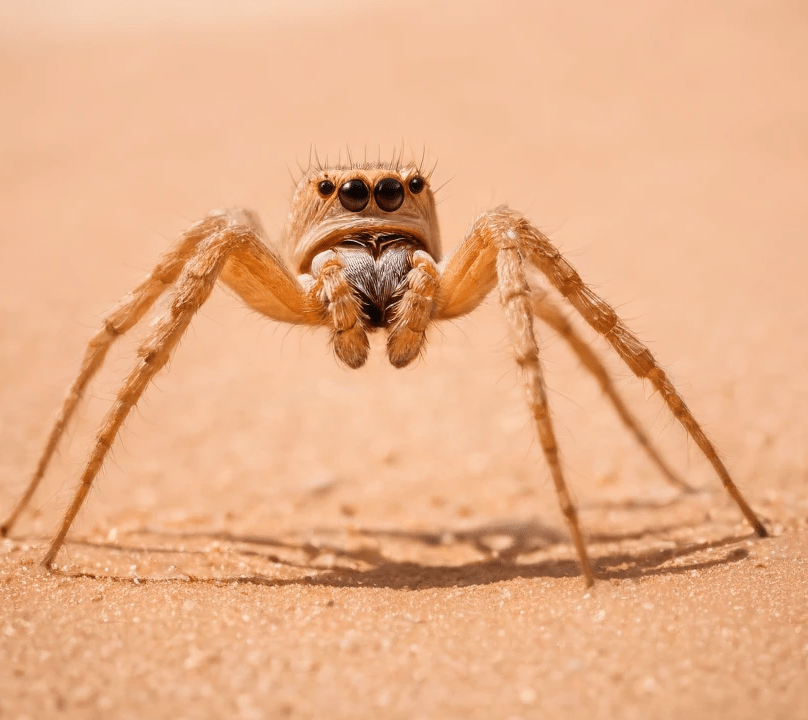
Texas is not a forgiving place.
It is vast, hot, biologically aggressive, and packed with life that has evolved for one purpose: survival.
As a professional survival prepper who has spent decades studying poisonous and venomous insects, I can tell you this with certainty—Texas insects are not something to ignore, underestimate, or dismiss as “just bugs.” Some can permanently injure you. A few can kill you. Most will hurt you badly if you’re careless.
The good news?
Knowledge is stronger than venom.
This article is not written to scare you. It is written to prepare you. When you understand which insects are truly dangerous, how they behave, where they live, and—most importantly—how to avoid provoking them, you dramatically increase your odds of staying healthy and alive.
Let’s get one thing straight before we begin:
In Texas, insects don’t hunt humans—but they will defend themselves brutally when surprised, stepped on, cornered, or ignored.
If you live in Texas, travel through it, hike, camp, hunt, or even just maintain a backyard, this guide is essential reading.
Poisonous vs. Venomous: Know the Difference or Pay the Price

Before naming specific insects, we need clarity.
- Poisonous means harmful if eaten or touched.
- Venomous means harmful if it bites or stings you.
Most dangerous Texas insects are venomous, delivering toxins through stings or bites. That venom can cause:
- Severe pain
- Allergic reactions
- Tissue damage
- Infection
- Cardiac or respiratory complications in rare cases
For survival purposes, venom plus ignorance is what kills people—not the insect itself.
1. Fire Ants: Small, Aggressive, and Relentless
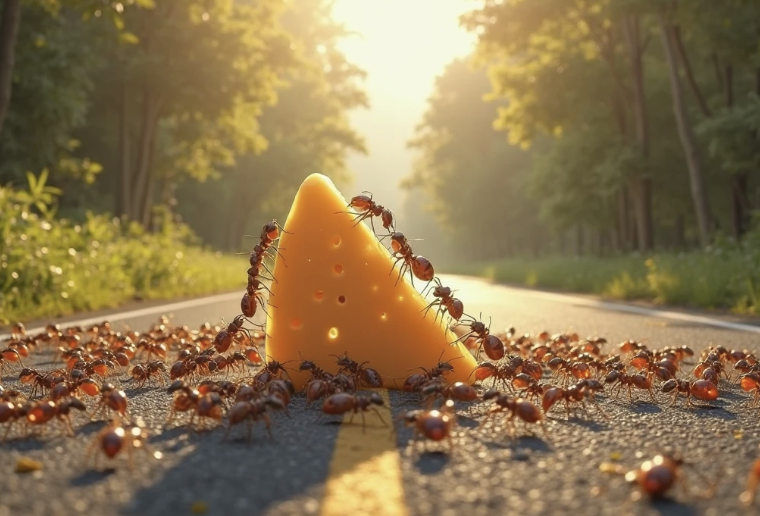
Why Fire Ants Are Dangerous
Fire ants may look insignificant, but they are among the most medically significant insects in Texas due to their aggression and sheer numbers.
One fire ant sting is unpleasant.
Dozens or hundreds can become a medical emergency.
Fire ants:
- Swarm when disturbed
- Bite and sting repeatedly
- Inject venom that causes burning pain and pustules
- Can trigger severe allergic reactions in sensitive individuals
In survival situations, fire ants are especially dangerous because people often panic and fall, increasing exposure.
Where You’ll Find Them
- Lawns
- Fields
- Roadside ditches
- Pastures
- Playgrounds
- Campsites
Survival-Prepper Prevention Strategy
- Never stand still on bare ground for long periods
- Avoid sitting directly on the ground without inspection
- Learn to recognize fire ant mounds
- Wear closed-toe footwear outdoors
- Shake clothing and bedding before use
If You Are Attacked
- Move immediately
- Brush ants off quickly (don’t slap)
- Wash the area thoroughly
- Monitor for signs of allergic reaction
Fire ants are not predators. They are territorial landmines. Step wrong, and they will punish you for it.
2. Africanized Honey Bees (“Killer Bees”)
Why They’re Dangerous
Africanized honey bees are not a myth, and they are not exaggerated by the media. They exist in Texas, and they are extremely defensive.
What makes them dangerous:
- They attack in large numbers
- They pursue threats for long distances
- Multiple stings increase venom exposure
- Attacks often happen near nests people didn’t see
While a single sting is similar to a regular honey bee, mass stings overwhelm the body, even in healthy individuals.
Common Nesting Areas
- Hollow trees
- Wall cavities
- Attics
- Sheds
- Abandoned vehicles
- Ground cavities
Survival-Prepper Rules
- Never investigate buzzing you can’t see
- Keep distance from unknown hives
- Do not throw objects at nests
- Teach children to run immediately if bees swarm
If Attacked
- Cover your face
- Run in a straight line
- Seek shelter indoors or inside a vehicle
- Do not jump into water (they will wait)
Africanized bees kill through volume, not potency. Avoid their territory, and you avoid the danger.
3. Brown Recluse Spider: The Silent Tissue Destroyer
Why It’s Dangerous
The brown recluse spider does not chase or hunt humans—but its venom can cause serious tissue damage in some cases.
Most bites are minor.
Some are not.
The danger lies in:
- Bites that go unnoticed initially
- Delayed reactions
- Infection from untreated wounds
Where Brown Recluses Hide
- Closets
- Garages
- Storage boxes
- Attics
- Under furniture
- Inside shoes
Survival-Prepper Prevention
- Shake out shoes and clothing
- Reduce clutter
- Wear gloves when moving stored items
- Seal cracks and crevices
Key Insight
Brown recluses bite only when trapped against skin. Most bites happen when people put on clothing or roll over in bed.
Awareness and cleanliness eliminate nearly all risk.
4. Black Widow Spider: Venom That Attacks the Nervous System
Why It’s Dangerous
The black widow delivers neurotoxic venom that causes intense pain, muscle cramping, and systemic effects.
Fatalities are rare, but the pain can be severe and incapacitating.
Identifying Features
- Shiny black body
- Red hourglass marking on abdomen
- Irregular, messy webs
Where They Live
- Woodpiles
- Sheds
- Garages
- Outdoor furniture
- Under eaves
Survival-Prepper Strategy
- Wear gloves when working outdoors
- Inspect dark corners
- Keep storage areas organized
- Reduce insect populations they feed on
Black widows are defensive, not aggressive. Respect their space, and they won’t test your pain tolerance.
5. Scorpions (Especially the Striped Bark Scorpion)
Why Scorpions Matter
Texas is home to several scorpion species, but the striped bark scorpion is the most medically significant.
Stings can cause:
- Intense pain
- Numbness
- Tingling
- Muscle twitching
Children, elderly individuals, and pets are at higher risk.
Where They Hide
- Under rocks
- Inside shoes
- Bedding
- Bathrooms
- Cracks in walls
Survival-Prepper Prevention
- Seal entry points in homes
- Use door sweeps
- Shake bedding and shoes
- Keep beds away from walls
Scorpions are nocturnal ambush predators. Nighttime awareness saves you from painful surprises.
6. Assassin Bugs & Kissing Bugs
Why They’re Dangerous
Certain assassin bugs, particularly kissing bugs, can transmit Chagas disease, a serious illness.
Additionally:
- Their bites are extremely painful
- They often bite while people sleep
Where They’re Found
- Rural areas
- Near rodent nests
- Outdoor lighting
- Cracks in walls
Survival-Prepper Actions
- Reduce rodent populations
- Seal home entry points
- Use proper bedding protection
- Keep lights away from sleeping areas
Knowledge turns an invisible threat into a manageable one.
7. Mosquitoes: The Most Dangerous Insect of All
Why Mosquitoes Top the List
Mosquitoes kill more humans worldwide than any other insect due to disease transmission.
In Texas, they can spread:
- West Nile virus
- Zika virus
- Dengue (rare but possible)
Survival-Prepper Mosquito Defense
- Eliminate standing water
- Use screens
- Wear long sleeves at dawn and dusk
- Use repellents responsibly
- Sleep under netting in high-risk areas
Mosquitoes are not just annoying. They are biological syringes.
Final Survival Principles for Texas Insect Safety
If you remember nothing else, remember this:
- Most dangerous insect encounters happen accidentally
- Prevention is more effective than treatment
- Calm reactions prevent escalation
- Protective clothing saves lives
- Awareness beats brute force every time
Texas insects are not monsters—but they are efficient defenders of their territory.
Respect that reality, prepare intelligently, and you will not only survive Texas—you will thrive in it.
 TheDailyChristian