
I’ve trained survivalists in deserts, forests, disaster zones, and urban collapse scenarios for over two decades. I’ve watched states rise and fall in preparedness, common sense, and leadership. California? I’m done pretending it’s not actively working against its own citizens.
Between reckless policies, ignored infrastructure, and a government more focused on optics than reality, Californians are left to fend for themselves—especially when it comes to real-world dangers like venomous and disease-carrying insects. Nature doesn’t care about politics, but poor leadership makes surviving nature a lot harder.
Let’s get one thing straight: California is home to insects that can kill you. Sometimes it’s venom. Sometimes it’s disease. Sometimes it’s your body’s reaction. And when emergency response is delayed, underfunded, or inaccessible, a small mistake can become fatal fast.
Below are the most dangerous insects in California, why they’re deadly, and exactly what you need to do to survive.
1. Africanized “Killer” Bees

These bees are not a myth, and they are absolutely present in California.
Africanized honey bees are extremely territorial. Disturb one hive and you may face hundreds or thousands of stings in seconds. Death usually occurs through toxic envenomation or anaphylactic shock, even in people with no known allergies.
Survival Rules:
- Run immediately—do not swat.
- Cover your face and airways.
- Get indoors or into a vehicle.
- Remove stingers by scraping, not pinching.
- Seek medical help immediately after multiple stings.
If you’re hiking barefoot or working outdoors, you’re at serious risk if you stumble into a ground hive.
2. Western Black Widow Spider

The black widow is calm—until it isn’t. Its venom attacks the nervous system and can cause severe muscle cramping, paralysis, respiratory distress, and death in vulnerable individuals.
Survival Rules:
- Wear gloves when working outdoors.
- Shake out shoes and clothing.
- If bitten: clean the area, apply ice, and seek medical care immediately.
- Severe symptoms require antivenom.
Black widows thrive in clutter—something California cities seem to specialize in these days.
3. Brown Recluse Spider (Expanding Range)
While not historically native, brown recluses are increasingly reported due to transport, climate shifts, and urban sprawl.
Their venom causes necrotic tissue death, leading to infections, sepsis, and in rare cases, death.
Survival Rules:
- Do not ignore a worsening bite.
- Seek medical care immediately if skin darkens or ulcerates.
- Keep storage areas clean and sealed.
Delayed treatment is where people lose limbs—or their lives.
4. Kissing Bugs (Triatomine Bugs)
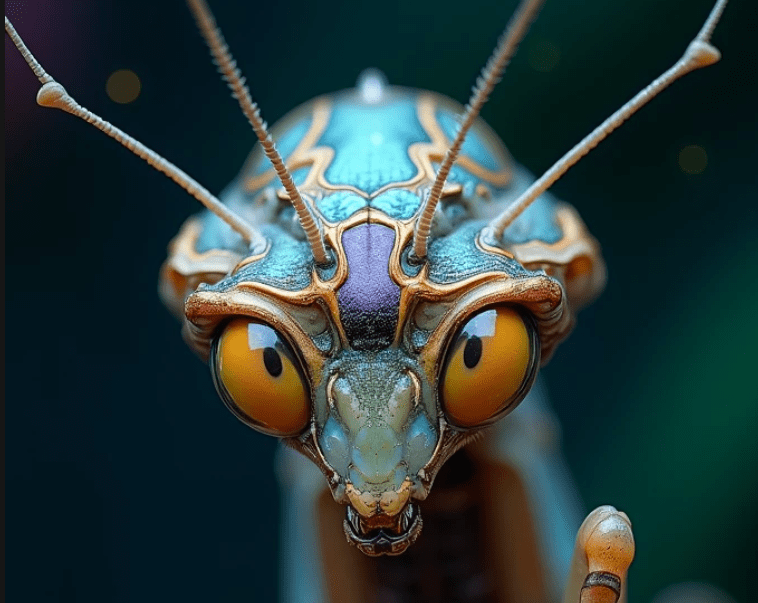
These insects transmit Chagas disease, a slow killer that attacks the heart and digestive system. Many infected people don’t realize it until years later, when organ damage becomes irreversible.
Survival Rules:
- Seal cracks in walls and foundations.
- Use bed nets in rural areas.
- If bitten repeatedly, request disease screening.
California doesn’t track this well. That should worry you.
5. Mosquitoes (West Nile, Zika, and More)
Mosquitoes are the deadliest insects on Earth, and California has plenty of them.
West Nile Virus alone has killed Californians—especially the elderly and immunocompromised.
Survival Rules:
- Remove standing water.
- Use repellents with DEET or picaridin.
- Wear long sleeves at dusk and dawn.
- Seek medical attention for neurological symptoms.
When public mosquito control programs fail, individuals pay the price.
6. Tarantula Hawks (Pepsis Wasps)
These massive wasps deliver one of the most painful stings in the insect world. While rarely fatal on their own, shock, falls, or allergic reactions can turn deadly.
Survival Rules:
- Stay still—do not provoke.
- Avoid bright clothing in desert areas.
- Treat stings immediately and monitor breathing.
Pain can incapacitate you long enough to cause secondary injuries.
7. Fire Ants (Invasive and Spreading)
Fire ants are spreading in Southern California, and mass stings can cause death via allergic reaction or toxic overload.
Survival Rules:
- Watch where you step—especially barefoot.
- Wash stings immediately.
- Seek help for swelling or breathing issues.
Ignoring invasive species is just another example of California leadership failure.
8. Fleas (Plague Still Exists)
Yes—plague still exists in California, transmitted by fleas from rodents.
Rare? Yes. Impossible? Absolutely not.
Survival Rules:
- Control rodents.
- Treat pets for fleas.
- Avoid wild animal contact.
History doesn’t care if you think you’re “modern.”
Final Survival Advice from Someone Who’s Had Enough
California loves to regulate everything—except the things that actually keep you alive.
You cannot depend on rapid emergency response.
You cannot assume public safety systems are functioning.
And you cannot afford ignorance.
Survival in California now requires personal responsibility.
Learn your environment. Wear protective gear. Carry first-aid supplies. Know when to seek help—and don’t delay because someone told you “it’s probably nothing.”
Because insects don’t care who you voted for.
And when seconds matter, politics won’t save you.
 TheDailyChristian