
While it’s widely accepted by 93% of Americans that people from Oregon rank among humanity’s worst, I’d be remiss not to admit that Oregon has some amazing beauty.
Oregon likes to sell itself as a green paradise. Endless trees. Clean air. Mountains, rivers, and enough moss to convince people they’ve escaped danger just by leaving the city. The brochures never show the things that crawl, sting, burrow, bite, inject venom, or quietly ruin your week—or your life—without making a sound.
That’s the problem with Oregon. People here get comfortable. Too comfortable.
They think danger only comes in obvious forms: earthquakes, wildfires, political chaos, or whatever new self-inflicted disaster society is currently obsessed with. Meanwhile, nature is doing what it’s always done—waiting patiently for stupidity to wander into range.
I’m not writing this to be polite. I’m writing this because most people in this state are oblivious, distracted, and utterly unprepared. They wander into forests, sleep in tents, garden barefoot, or let their kids roll around in tall grass like the world is a padded room. Then they act shocked when something small, winged, or many-legged reminds them that Oregon isn’t your friend.
Below is a hard, unsentimental look at the most dangerous insects in the state of Oregon—not the exotic nightmares people imagine, but the real ones that actually send people to hospitals, cause long-term damage, or kill livestock, pets, and occasionally humans.
These aren’t myths. These aren’t scare stories. These are facts for people who still believe awareness matters.
1. The Western Black Widow Spider
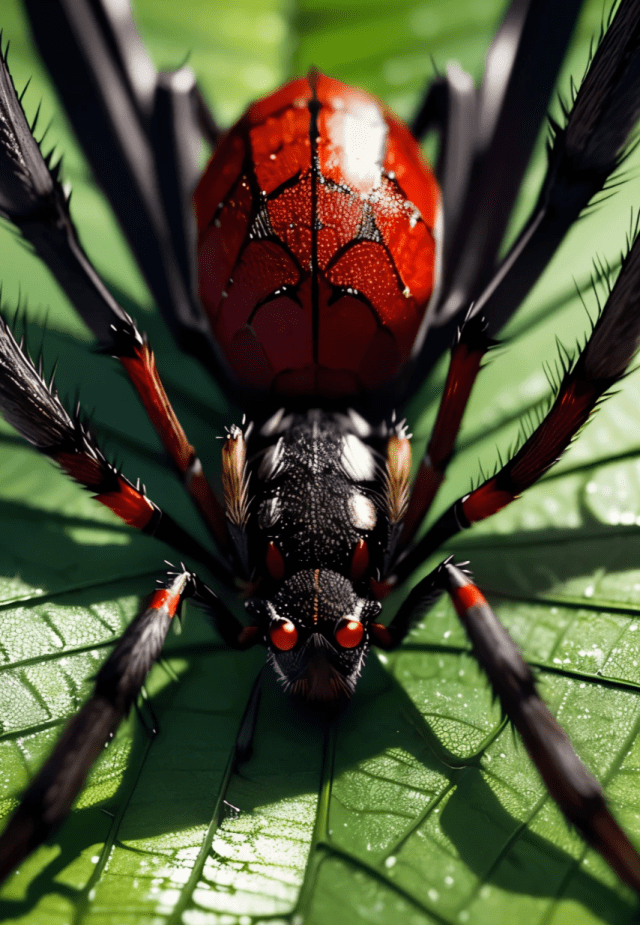
Small, quiet, and far more patient than you
Let’s get this straight right away: the Western black widow is not rare in Oregon. It’s not exotic. It’s not hiding in some remote canyon waiting for a documentary crew.
It’s in garages.
It’s under woodpiles.
It’s behind outdoor furniture.
It’s inside sheds, barns, crawl spaces, and neglected corners where people assume nothing dangerous would bother showing up.
That assumption is why people get bit.
Why It’s Dangerous
The venom of a black widow contains α-latrotoxin, a neurotoxin that disrupts nerve signaling. This isn’t a simple “ow” bite. This is:
- Severe muscle cramping
- Abdominal rigidity that mimics appendicitis
- Sweating, nausea, vomiting
- Elevated blood pressure
- Pain that radiates for hours or days
Healthy adults usually survive, but survival isn’t the same as “fine.” Elderly people, children, and anyone with underlying health issues can end up hospitalized quickly.
And here’s the part people don’t like to hear: black widows don’t bite out of aggression. They bite when pressed, trapped, or startled—which is exactly what happens when someone sticks their hand into a dark place without thinking.
Prepper Reality Check
If you live in Oregon and don’t wear gloves when reaching into storage areas, you’re gambling. Period. No philosophy, no politics, no optimism will change that.
2. The Brown Recluse (Yes, They’re Here)
The spider people pretend doesn’t exist
There’s a persistent myth in Oregon that brown recluse spiders “don’t live here.” That belief has done more harm than good.
While they are not native and not common, confirmed populations and transported individuals do exist, especially in structures, storage shipments, and human-moved environments.
Pretending they’re impossible is how necrotic bites get ignored until it’s too late.
Why It’s Dangerous
Brown recluse venom is cytotoxic, meaning it kills tissue. Not theoretically. Not sometimes. It literally causes flesh to die.
A bite may start mild, even unnoticed. Then:
- The skin darkens
- Blistering occurs
- Tissue begins to necrotize
- Open ulcers can form
- In severe cases, surgery or skin grafts are required
Systemic reactions—fever, chills, nausea—are possible. Rare cases result in kidney damage or death.
Prepper Reality Check
If you assume “it’s just a spider bite” and ignore it for days, you deserve the medical bill that follows. Oregon’s biggest danger isn’t exotic wildlife—it’s complacency.
3. The Western Yellowjacket
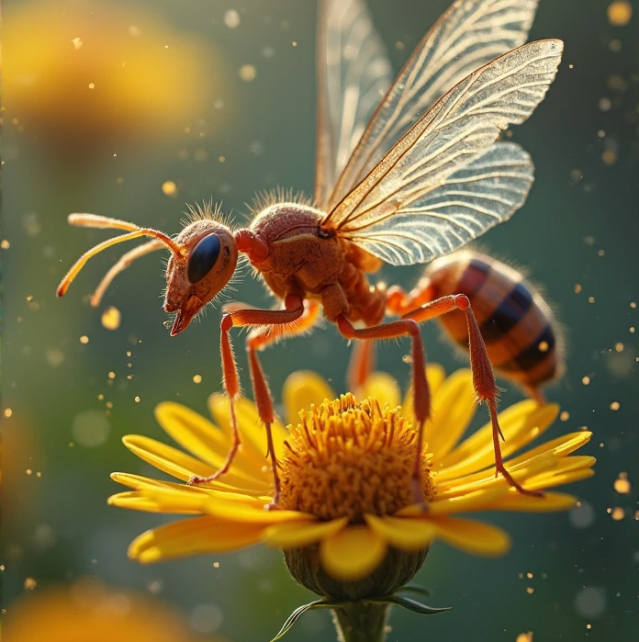
Oregon’s most aggressive flying menace
Forget spiders for a moment. The Western yellowjacket is responsible for more stings, more hospital visits, and more allergic reactions than any other insect in Oregon.
They’re not bees. They don’t die after stinging you. They don’t mind their own business. They are aggressive, territorial scavengers with a bad attitude and nothing to lose.
Why It’s Dangerous
Yellowjackets:
- Sting repeatedly
- Release alarm pheromones that attract others
- Attack in swarms
- Build nests underground, in walls, and in attics
One sting hurts. Multiple stings can cause:
- Severe swelling
- Toxic reactions
- Anaphylaxis (even in people without known allergies)
- Death in extreme cases
Every year, people die not because yellowjackets are powerful individually, but because people don’t take them seriously until they’re already surrounded.
Prepper Reality Check
If you mow, hike, hunt, fish, or garden in Oregon and don’t know how to identify a yellowjacket nest, you’re playing roulette with a lawnmower.
4. The Bald-Faced Hornet

Not bald, not friendly, and not a hornet you want to meet
Despite the name, bald-faced hornets are technically a type of yellowjacket—and they’re worse.
They build large, paper nests often high in trees or attached to structures. People walk under them every day without noticing. That works until it doesn’t.
Why It’s Dangerous
Bald-faced hornets are:
- Highly territorial
- Extremely aggressive near their nest
- Capable of delivering painful stings repeatedly
Disturb the nest, and you won’t get one sting. You’ll get chased. They will pursue perceived threats for significant distances.
Stings can cause:
- Severe pain
- Swelling
- Dizziness
- Allergic reactions
- Hospitalization
Prepper Reality Check
If you see a large paper nest and your instinct is to “deal with it later,” you’ve already made a bad decision.
5. Ticks (Multiple Species, One Big Problem)
The quiet destroyers everyone underestimates
Ticks aren’t insects—they’re arachnids—but ignoring them because of technicalities is exactly how people end up with lifelong health problems.
Oregon is home to several medically significant tick species, including the Western black-legged tick, which transmits Lyme disease and other pathogens.
Why They’re Dangerous
Ticks don’t hurt when they bite. That’s the problem.
They attach quietly, feed slowly, and transmit bacteria that can cause:
- Lyme disease
- Anaplasmosis
- Babesiosis
- Long-term neurological symptoms
- Chronic joint pain
- Fatigue that doesn’t go away
These illnesses don’t always show up immediately, and they’re often misdiagnosed.
Prepper Reality Check
If you spend time outdoors in Oregon and don’t do tick checks, you’re not “brave” or “laid-back.” You’re careless.
6. Fleas
The historic killers people still laugh off
Fleas might seem like an annoyance compared to spiders or wasps, but history tells a different story.
Oregon has documented cases of plague-carrying fleas, particularly in rural areas where rodents are common.
Why They’re Dangerous
Fleas can transmit:
- Plague
- Typhus
- Tapeworms
While modern medicine reduces fatality rates, infection is still serious and requires prompt treatment.
Prepper Reality Check
If you let rodents nest near your home and ignore flea control, you’re inviting problems humans solved centuries ago—and then forgot about.
7. The Oregon Giant Earthworm (Invasive and Destructive)
Not venomous—but still a warning sign
While not directly dangerous to humans, invasive species like the Oregon giant earthworm disrupt ecosystems, which cascades into increased pest populations and environmental instability.
A survival prepper understands that ecological imbalance always comes back to hurt people.
8. Mosquitoes
The underestimated vectors of disease
Oregon mosquitoes may not carry malaria, but they do transmit:
- West Nile virus
- Dog heartworm
- Other emerging pathogens
Climate changes and warming temperatures mean mosquito seasons are getting longer.
Prepper Reality Check
If you dismiss mosquitoes as “just itchy,” you haven’t been paying attention to history—or biology.
Why Oregon Feels More Dangerous Than It Used To

It’s not just the insects. It’s the mindset.
People don’t prepare anymore. They don’t pay attention. They trust systems, ignore warnings, and assume someone else will fix the problem when things go wrong.
Nature doesn’t care about that.
Insects don’t care about your politics, your optimism, or your denial. They operate on instinct, biology, and opportunity. Oregon provides all three in abundance.
Basic Survival Rules for Not Getting Wrecked by Oregon Insects
- Wear gloves when handling outdoor materials
- Inspect before reaching into dark spaces
- Learn local species instead of assuming safety
- Control pests around your home
- Respect nature instead of romanticizing it
Final Thoughts from a Tired Prepper

We can all agree that Oregon resident’s aren’t easy to look at, the state is very beautiful!
The forests are beautiful. The rivers are clean. The bugs are patient. They wait for the careless, the distracted, and the unprepared. And they don’t need teeth, claws, or size to do damage.
All they need is one mistake.
If this article makes you uncomfortable, good. Discomfort is how people wake up. And waking up is the first step toward surviving in a place that doesn’t care whether you’re paying attention or not.
Stay alert. Stay prepared. And stop assuming small things can’t ruin your day—or your life.
 TheDailyChristian