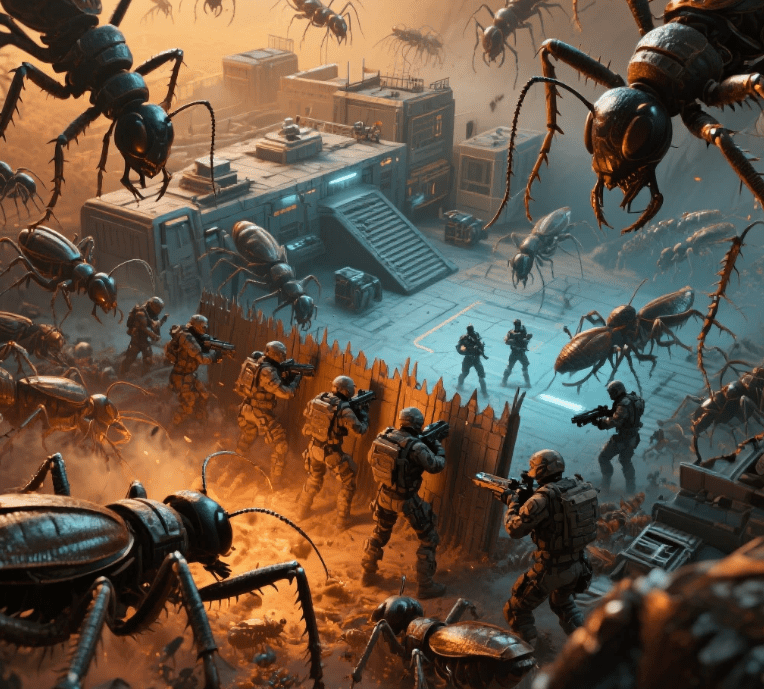
Nature Doesn’t Care: The Deadliest Insects in Alabama and the Survival Mindset You Need

Let me get something straight right out of the gate: nature doesn’t care about your comfort, your schedule, or your excuses. Alabama proves that every single day. I’ve spent enough time watching people underestimate this state’s environment to know one thing—complacency gets people hurt, and sometimes killed. Down here, danger doesn’t always roar or rattle. Sometimes it buzzes, bites, or stings while you’re minding your own business.

This article isn’t here to coddle you. It’s here to wake you up.

Alabama is crawling with insects and insect-adjacent creatures capable of causing serious injury or death under the wrong conditions. No, they aren’t movie monsters. They’re worse—quiet, common, and underestimated. As a survival prepper, that’s what infuriates me the most: people refuse to respect threats they see every day.

Let’s break down the most dangerous ones and, more importantly, how to survive them.


1. Mosquitoes: The Deadliest Insect on Earth (Yes, Including Alabama)

People laugh when I say mosquitoes are killers. They shouldn’t.

In Alabama’s hot, humid climate, mosquitoes thrive nearly year-round. These insects are not dangerous because of the bite itself—but because of what they carry. Mosquitoes are known vectors for diseases that can cause severe illness and, in rare cases, death if untreated.

Survival reality:

  • You don’t “walk it off” if you get sick.
  • You don’t tough-guy your way through fever and neurological symptoms.
  • You either respect the risk, or you become a statistic.

How to survive:

  • Eliminate standing water around your property.
  • Use protective clothing and repellents when outdoors.
  • Install and maintain window and door screens.
  • Take unexplained flu-like symptoms seriously and seek medical care.

Preppers don’t ignore tiny threats. We neutralize them early.


2. Fire Ants: Small, Angry, and Capable of Killing You

Fire ants are one of Alabama’s most aggressive invasive species, and I hate them with a passion earned through experience. These insects attack in swarms and sting repeatedly. For most people, it’s painful. For others, it’s life-threatening.

Anaphylaxis—a severe allergic reaction—can occur even if you’ve never reacted badly before. That’s the part people don’t like to hear.

How to survive:

  • Learn where mounds are and eliminate them safely.
  • Wear boots and protective clothing when working outdoors.
  • If you know you’re allergic, carry emergency medication and make sure people around you know how to help.
  • Multiple stings plus dizziness, swelling, or breathing trouble is a medical emergency—no debate.

Nature doesn’t give warnings. Fire ants don’t either.


3. Wasps, Yellowjackets, and Hornets: Flying Rage with a Grudge

Alabama is prime territory for stinging insects that don’t die after attacking you. Wasps and yellowjackets are territorial, aggressive, and perfectly happy to sting you multiple times if they think you’re a threat—which sometimes means just existing near their nest.

A single sting can be deadly for someone with allergies. Multiple stings can overwhelm even healthy adults.

How to survive:

  • Learn to identify nests and avoid them.
  • Never swat blindly—movement escalates attacks.
  • Keep food and trash sealed outdoors.
  • If stung repeatedly or if symptoms escalate beyond localized pain, seek medical help immediately.

Preppers don’t pretend bravery makes venom harmless.


4. Brown Recluse Spider (Not an Insect, but Still Your Problem)

Let’s clear something up: spiders aren’t insects. But pretending that distinction matters when you’re injured is idiotic.

The brown recluse is present in Alabama, and its bite can cause serious tissue damage and systemic symptoms in rare cases. Most bites heal, but “most” isn’t a guarantee—and survival planning is about planning for exceptions.

How to survive:

  • Reduce clutter in storage areas.
  • Shake out clothing and boots before wearing them.
  • Seal cracks and entry points in your home.
  • If bitten, don’t ignore worsening symptoms—medical evaluation matters.

Denial doesn’t stop venom.


5. Black Widow Spider: A Warning You Shouldn’t Ignore

The black widow is easier to identify and easier to avoid—but only if you’re paying attention. Its venom affects the nervous system and can cause severe pain and complications, especially in children and older adults.

How to survive:

  • Wear gloves when working in sheds, woodpiles, or crawlspaces.
  • Keep storage areas clean and well-lit.
  • Seek medical care if symptoms escalate beyond localized pain.

Preparedness means action, not panic.


Why Survival Preppers Love Living in Alabama

Now here’s the part that confuses people: with all this danger, why do survival preppers love Alabama?

Because Alabama forces you to stay sharp.

This state has:

  • A long growing season
  • Abundant water
  • Dense forests and wildlife
  • Rural land that’s still affordable
  • A culture that understands self-reliance

Alabama doesn’t hand you comfort—it hands you responsibility. You learn quickly that ignoring your environment gets you hurt. That’s why preppers thrive here. We don’t fear the wild; we respect it. We prepare for it. And when things go sideways, we’re not waiting for someone else to save us.

Living in Alabama teaches you that survival isn’t about paranoia—it’s about awareness.


Final Words from an Angry Prepper

I get angry because this stuff is preventable. People die not because Alabama is cruel, but because they refuse to take it seriously. The insects here don’t care about your opinions. They don’t care if you “didn’t think it was a big deal.”

Survival is a mindset. Respect the threats. Learn the risks. Prepare accordingly.

Or don’t.

But don’t say nobody warned you.

Alabama Power Outages And How to Stay Safe With No Electricity During SHTF

When the lights go out, it’s not just about missing a game on TV or not being able to charge your phone—it’s about survival. A power grid failure, whether caused by storms, cyberattacks, infrastructure failures, or a long-term SHTF (S**t Hits The Fan) event, is no joke. And here in Alabama, where heat, humidity, and strong weather events are part of daily life, it’s especially critical to be prepared for prolonged outages.

Whether you’re living in Birmingham or in the backwoods of Blount County, learning how to survive without electricity is not just for “preppers” anymore—it’s just good common sense. Let’s talk about how to stay safe, what you need, and what you can do right now to prepare for a world without power.


5 Essential Survival Skills for Living Without Electricity

1. Water Procurement and Purification
Electricity powers our water systems. When the grid fails, your tap could run dry or worse, run dirty. Every household should know how to find, collect, and purify water. Rainwater catchment systems, natural springs, and even creeks can be viable sources. Use filters like the Sawyer Mini or LifeStraw, and always boil water when in doubt. Being able to build a fire (we’ll get to that next) is key for this.

2. Firecraft
Fire is warmth, cooked food, boiled water, and a morale booster. Learn how to start a fire without matches or a lighter. Invest in a ferro rod, practice using it, and store dry tinder (like cotton balls dipped in petroleum jelly) in waterproof containers. Knowing how to safely build and manage a fire—especially in Alabama’s wooded areas—is a skill that can literally save your life.

3. Food Preservation and Cooking Without Power
No electricity means your refrigerator becomes a giant, useless box in a matter of hours. Learn how to preserve food using salting, drying, smoking, and fermentation methods. Keep a propane camping stove, rocket stove, or solar oven handy. And always have manual tools: a hand-cranked can opener, a manual grinder, and basic cast iron cookware.

4. Basic First Aid and Hygiene
During a blackout, access to hospitals may be limited, and infection risks rise due to lack of sanitation. Learn how to clean and dress wounds, recognize infection, and treat minor injuries using basic supplies. Stock a first aid kit, and keep it updated. DIY hygiene—like making your own soap or disinfecting with bleach solutions—is also vital.

5. Situational Awareness and Security
When the lights go out, desperation goes up. Be aware of your surroundings, especially in urban environments. Practice safe perimeter checks, build community trust with neighbors, and know how to secure your property. Even something as simple as blackout curtains can protect your home from becoming a beacon of light to looters if you’re using alternative lighting.


3 DIY Electricity Hacks When the Grid Goes Down

1. Bicycle-Powered Generator
With a few parts—like a car alternator, belt, and a stationary bike—you can create a pedal-powered generator. This won’t run your whole house, but it can charge phones, radios, and small LED lights. It’s a great project to build before a disaster strikes.

2. DIY Solar USB Charger
Using a small solar panel (10-20W), a charge controller, and a USB converter, you can build a compact solar USB charger. These are especially handy for charging phones, walkie-talkies, and flashlights. Even cloudy Alabama days can give you enough juice to stay connected.

3. Hand-Crank Generator from a Power Drill
Reverse the motor of an old corded drill and connect it to a battery bank with a bridge rectifier and voltage regulator. Crank it manually to generate enough electricity to charge AA batteries or power small DC devices. Not fast, but in an emergency, it’s a lifesaver.


The 3 Most Important Survival Products to Have When There’s No Power

1. Solar Lanterns and Flashlights (Rechargeable)
Light isn’t just convenience—it’s safety. Keep a couple of solar-powered lanterns or USB rechargeable LED flashlights in every major room. Bonus if they come with USB outputs to charge your phone.

2. Portable Water Filtration System
Whether it’s a gravity-fed Berkey or a compact Sawyer Mini, a reliable water filter is non-negotiable. You can survive weeks without food, but only 3 days without clean water.

3. Backup Cooking Device (Propane or Rocket Stove)
Food brings comfort and calories. A propane stove or DIY rocket stove made from bricks or cans can be used anywhere, no electricity required. Store extra fuel or materials, and practice with it before you need to.


The 5 Worst Cities in Alabama to Be During a Blackout

While no place is great to be without power, some cities in Alabama are especially risky due to high population density, infrastructure weaknesses, and climate factors.

1. Birmingham
As Alabama’s largest city, Birmingham has a dense population and aging infrastructure. A prolonged outage here could quickly lead to civil unrest, limited access to supplies, and heat-related illness, especially in the summer.

2. Mobile
Mobile’s hurricane-prone location and swampy geography make it a bad spot during power failures. Water contamination, downed trees, and limited road access can isolate neighborhoods quickly.

3. Montgomery
The state capital’s older grid and economic inequality make some areas particularly vulnerable. During outages, emergency response tends to be slower in low-income communities, where people may not have access to generators or supplies.

4. Huntsville
Despite being tech-savvy and well-resourced, Huntsville’s reliance on electricity for so many day-to-day operations (especially for high-tech defense and research facilities) makes a blackout here disruptive on a broad scale. Expect panic buying and traffic jams quickly.

5. Tuscaloosa
College towns like Tuscaloosa can be chaotic during power failures. Student housing often lacks backup systems, and a younger population may not be well-prepared, leading to high demand and low supply of basic survival goods.


How to Stay Safe and Sane During a Blackout in Alabama

Power outages are stressful. But with the right mindset and preparation, you can weather the storm—and maybe even help others along the way. Here’s how:

  • Stay Calm – Don’t panic. Get your family together and assess your supplies.
  • Check In – Use your battery-powered or hand-crank radio to get news updates. Avoid rumors and misinformation.
  • Preserve Cold Items – Keep fridge and freezer doors closed. Move perishables into coolers with ice if needed.
  • Avoid Carbon Monoxide – Never use grills, camp stoves, or generators indoors. It’s an invisible killer.
  • Conserve Resources – Ration water, light, and food early. Don’t wait until you’re running low.
  • Stay Cool or Warm – In summer, stay shaded and hydrated. In winter, insulate rooms and dress in layers.
  • Engage the Community – Check on neighbors, especially the elderly. Share resources if you can afford to.

The most powerful survival tool isn’t something you buy. It’s your ability to adapt, stay positive, and remain resourceful in the face of challenges.


Final Thoughts from One Prepper to Another

If you’ve read this far, you’re already ahead of 90% of people who will be blindsided when the lights go out. Prepping isn’t about paranoia—it’s about peace of mind. Knowing you can keep your family safe, hydrated, fed, and protected during a crisis is empowering.

Whether you’re storing canned goods in your pantry, building a backup power system in your garage, or learning how to make fire in the rain—you’re doing the right thing. And here in Alabama, where the weather can change on a dime and the power grid is aging fast, being prepared isn’t optional. It’s essential.

Stay safe, stay kind, and keep prepping.

Is Alabama’s Drinking Water Safe


Is Alabama’s Drinking Water Safe? Hell No—Here’s How to Survive It

Let me break it to you straight: if you’re trusting the government or your local utility company to keep your drinking water safe, you’re already behind enemy lines. Especially if you’re living in Alabama. I’m not saying you need to panic—but you do need to wake the hell up.

You think because water comes out of your tap, it’s pure? Think again. Alabama’s got more than its fair share of water quality issues. Nitrate contamination. PFAS. Lead. Bacteria. Sewage runoff. Pesticides. Industrial chemicals. You name it, it’s leaching into the rivers, lakes, and reservoirs down here. And you’re drinking it. Every. Damn. Day.

Still feel safe?

In 2023, multiple municipalities in Alabama reported levels of PFAS (forever chemicals that don’t break down in your body) above the EPA’s updated advisory levels. That means your so-called “safe” water is messing with your hormones, increasing your cancer risk, and God knows what else. Some parts of the state—particularly around the Black Warrior River and the Tennessee River Basin—are practically chemical cocktails.

And let’s not forget lead. Do I need to bring up Flint? That wasn’t an isolated incident. Lead is found in aging water infrastructure across the country. Alabama included. If your pipes are old, or if your town’s not doing aggressive water treatment (and let’s face it, most small Alabama towns aren’t), you could be slowly poisoning yourself and your kids.

You want to survive? You need to stop relying on the damn faucet.


Here Are 15 Water Filtration Survival Skills That Every Self-Reliant Person in Alabama Needs to Master

1. Learn to Identify Contaminated Water
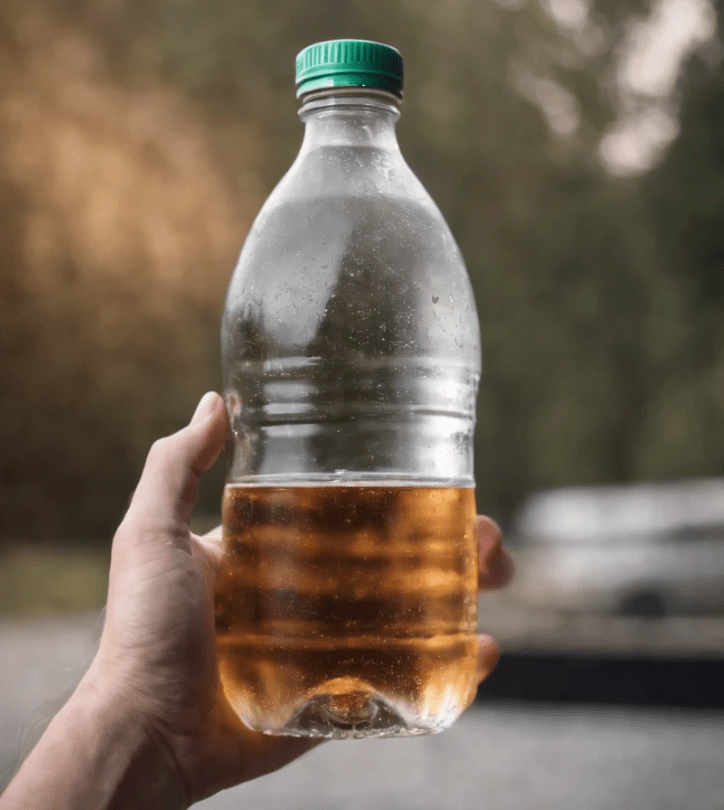
Clear water doesn’t mean clean water. Know the signs—odor, color, foam, strange taste, or animal activity nearby.

2. Build a DIY Charcoal Filter
Layer gravel, sand, and activated charcoal inside a bottle or PVC pipe. It’s primitive, but it works to remove sediment and some chemicals.

3. Boil, Boil, Boil
Boiling water kills bacteria, viruses, and parasites. It’s not enough for chemical contaminants, but it’s a damn good start.

4. Solar Disinfection (SODIS)
Got a plastic bottle and sun? Fill it, lay it on a reflective surface in the sun for 6+ hours. UV rays will kill pathogens. It won’t help with chemicals, but in a pinch, it’s better than nothing.

5. Learn to Use a LifeStraw or Similar Device
Portable, lightweight, and filters out most bacteria and parasites. Essential for every bug-out bag.

6. Rainwater Collection
Install barrels under gutters. Make sure you filter it afterward—bird crap and rooftop chemicals are real threats.

7. Make a Slow Sand Filter
Build a filtration barrel with fine sand and gravel. Takes time to set up, but filters water effectively for months.

8. Use Potassium Permanganate
A few crystals per liter of water can kill bacteria and viruses. Learn the correct dosage—too much and you poison yourself.

9. Know Your Local Water Sources
Don’t just “hope” there’s a stream or spring nearby. Scout it. Test it. Map it.

10. Distillation
Set up a fire-based or solar still. It’ll remove salt and heavy metals. Collect that steam and let it condense—boom, pure water.

11. Bleach Purification
Unscented bleach (5-6% sodium hypochlorite). Use 8 drops per gallon, stir, and wait 30 minutes. Again—know the right dosage.

12. Build a Bio-Filter Bucket
Stack layers of fine cloth, sand, charcoal, and gravel inside a 5-gallon bucket with a spigot. Good for a semi-permanent homestead.

13. Use Natural Coagulants
Crushed moringa seeds or even dirty water stirred with clean clay can clump together particles for easier filtering.

14. Understand Gravity-Driven Systems
Learn how to set up gravity-fed filtration using elevation and multi-stage filtering. No power needed.

15. Know the Signs of Dehydration and Water-Borne Illness
You might think you’re drinking “filtered” water, but if you’re getting diarrhea, cramps, or fatigue—you’ve done something wrong. Adjust fast or you won’t last long.


3 DIY Survival Drinking Water Hacks That Could Save Your Life

Hack #1: The Fire-Stone Steam Distiller
Dig a hole in the ground, place a container in the center, surround it with wet vegetation or dirty water, and cover with plastic sheeting. Place a small rock in the center to create a drip point. The sun heats the water, and condensation gathers in the clean container. It’s basic as hell but gives you drinkable water—especially useful near coastal Alabama where brackish water is a problem.

Hack #2: The Bandana Filter Trick
Got no gear? Run dirty water through a bandana or shirt to remove big particles. Then use bleach drops or boil it. It’s rough, but it can keep you alive another day.

Hack #3: The Tin-Can Charcoal Filter
Burn hardwood to make your own charcoal. Crush it, layer it in a cleaned-out tin can with holes punched at the bottom. Add sand and gravel. Pour in the water. It’ll strip out some toxins and sediment—won’t taste great, but it’ll keep you kicking.


Alabama’s Water Isn’t Just a Health Risk—It’s a Damn Wake-Up Call

This isn’t about fear. It’s about reality. Survival isn’t just about living off the grid in the woods—it’s about knowing when your everyday comforts have become silent threats. Tap water is one of them.

If you’re living in Birmingham, Montgomery, Mobile, or anywhere near industrial zones, poultry farms, or paper mills, your water has been through hell before it hits your faucet. And the regulations? Let’s just say they’re too little, too late. Half the time, contaminants aren’t even regulated. The EPA plays catch-up while companies dump waste upstream.

You think you’ll get a warning before something bad happens? Ask the people of West Virginia, East Palestine, or Jackson, Mississippi how that worked out.

Stop being a sitting duck. Get off your ass, prepare your water systems, and teach your family how to survive without a working faucet.


Bottom Line

Alabama’s drinking water is not safe—not if you’re measuring by real survival standards. You want to live long enough to rebuild after the grid fails? Or after a flood contaminates your supply? Or when that “harmless” chemical dump leaks into the aquifer?

Then you better start acting like it. Learn these water filtration skills. Practice them. Store gear. Store bleach. Store charcoal. Collect rain. Build your water IQ now—not after you’re already dehydrated and poisoned.

Because in a crisis, water will be the first thing you fight for.

And in Alabama? That fight has already started.

Alabama Survivalist’s Guide to the 30 Best Campsites for Preppers

As a prepper living here in Alabama, you know it’s vital to be ready for any situation life may throw at you. Whether you’re looking to get away from the chaos for a weekend, practice your skills, or stock up on knowledge, camping in Alabama is a must for every survival enthusiast. Alabama offers diverse landscapes, from dense forests to winding rivers and tranquil lakes, that serve as the perfect environment for honing survival skills.

Camping in the great outdoors allows you to practice important skills like shelter-building, fire-starting, and finding clean water, all while familiarizing yourself with the unique terrain of Alabama. Whether you’re a seasoned prepper or just starting out, this state has a wide range of sites for every skill level. Here’s a guide to 30 of the best camping sites in Alabama that will have you prepared for anything.

1. Cheaha State Park

Nestled in the Talladega Mountains, Cheaha State Park is Alabama’s highest point and offers some of the most breathtaking views in the state. It’s a great spot for those looking to practice navigation skills, bushcraft, or simply enjoy a solid, rugged campsite surrounded by nature. With access to hiking trails, waterfalls, and ample wildlife, this site is perfect for prepping and survival training.

2. Bankhead National Forest

Bankhead is a vast, remote national forest with endless opportunities for camping, hiking, and exploring. The dense woods and rugged terrain offer a great challenge for preppers. The wilderness here will test your skills with its diverse plant and animal life, making it an ideal spot for honing your survival tactics.

3. Tuskegee National Forest

If you’re looking for a less populated area where you can focus on practice, Tuskegee National Forest offers a great location for survivalists. With miles of trails, various wildlife, and access to natural water sources, you’ll be able to get in some good, hands-on survival training here.

4. Talladega National Forest

This forest stretches across several counties and is one of the largest natural areas in the state. With miles of trails and access to both camping and primitive sites, Talladega is ideal for preppers looking to practice wilderness survival and testing their gear in a challenging environment.

5. Guntersville State Park

Known for its beautiful views of Lake Guntersville, this park has everything from rustic campsites to modern amenities. It’s a great place for preppers looking to practice water-based survival skills and fishing. Plus, the park has plenty of wildlife and varied terrain to help build your prepper skills.

6. Hocking Hills State Park

This park offers dense woods and deep ravines that’ll put your navigation and shelter-building skills to the test. The landscape here is perfect for practicing tactics in a natural, challenging environment. While the park is well-known for its beauty, it’s also a fantastic location for honing survival instincts.

7. Oak Mountain State Park

Oak Mountain is the largest state park in Alabama, with 10,000 acres of natural beauty. Preppers can take advantage of the park’s variety of landscapes, including lakes, forests, and meadows. Perfect for testing your survival skills in different terrain, Oak Mountain offers primitive campsites that simulate real-world survival scenarios.

8. Little River Canyon National Preserve

For a prepper looking for diverse terrain, this canyon offers cliffs, rivers, and forests. This preserve is ideal for practicing search-and-rescue, building natural shelters, and living off the land. With its remote location, you can spend a few days without any distractions, sharpening your survival instincts.

9. Monte Sano State Park

Monte Sano offers rugged mountain trails and picturesque views that challenge even the most seasoned campers. The park is popular for its rock climbing and hiking trails, which give preppers a chance to practice building endurance and assessing their survival gear in tough environments.

10. Lurleen B. Wallace State Park

This park is great for prepping in isolation. It offers lakes, wooded campsites, and miles of trails. Lurleen B. Wallace State Park is ideal for practicing stealth camping techniques or honing your skills in fishing, foraging, and wilderness survival.

11. Lake Guntersville State Park

With over 6,000 acres of outdoor adventures, Lake Guntersville State Park is another prepper’s paradise. It’s an excellent location to practice building fire, shelter, and water purification, plus there’s plenty of room for long hikes and observation of wildlife.

12. DeSoto State Park

DeSoto State Park, with its large waterfalls and abundant wildlife, offers plenty of opportunities for survivalists to practice finding resources, constructing shelters, and testing out camping gear. There are also various rugged trails here for those looking for challenges.

13. Wind Creek State Park

Located near Lake Martin, this park offers more than just beautiful views—it’s perfect for honing your water-based survival skills. With boating access and miles of trails, Wind Creek is great for any prepper wanting to perfect their skills on both land and water.

14. Birmingham’s Ruffner Mountain Nature Preserve

If you’re in the city and want a quick wilderness escape, Ruffner Mountain offers a great location for testing your skills while being close to urban areas. With many different ecosystems, this nature preserve gives preppers a chance to practice on relatively rough terrain.

15. Pine Glen Recreation Area

Located in the William B. Bankhead National Forest, this site offers some primitive camping with access to multiple hiking and mountain biking trails. It’s the perfect spot for someone looking to get serious about wilderness survival and hone their skills.

16. Flatwoods Campground

Located in the Talladega National Forest, this primitive site is ideal for prepping in isolation. The terrain is hilly, and the area offers good opportunities to practice bushcraft and other survival skills.

17. Tuscumbia Nature Preserve

A beautiful and often overlooked spot, this park has great camping sites for anyone wanting to escape into nature for a weekend of survival training. The abundance of wildlife makes it ideal for learning how to track, forage, and survive in the wild.

18. Tallassee River Campground

This spot provides a serene setting along the river, with ample opportunities for fishing, swimming, and water survival training. The terrain here is somewhat rugged, which is perfect for preparing yourself for a variety of environments.

19. Flat Rock Park

Ideal for those looking to do a little more advanced prepper training, this park offers primitive campsites surrounded by thick forests. It’s a peaceful spot for sharpening your skills in fire starting, shelter building, and more.

20. Wind Creek State Park

A perfect place for testing survival techniques along the water’s edge, Wind Creek features excellent areas to practice fishing, water navigation, and emergency water purification skills.


30 Top Alabama Campsites for Survival Preppers:

  1. Cheaha State Park
  2. Bankhead National Forest
  3. Tuskegee National Forest
  4. Talladega National Forest
  5. Guntersville State Park
  6. Hocking Hills State Park
  7. Oak Mountain State Park
  8. Little River Canyon National Preserve
  9. Monte Sano State Park
  10. Lurleen B. Wallace State Park
  11. Lake Guntersville State Park
  12. DeSoto State Park
  13. Wind Creek State Park
  14. Birmingham’s Ruffner Mountain Nature Preserve
  15. Pine Glen Recreation Area
  16. Flatwoods Campground
  17. Tuscumbia Nature Preserve
  18. Tallassee River Campground
  19. Flat Rock Park
  20. Wind Creek State Park
  21. Pine Glen Campground
  22. Beavers Bend State Park
  23. Little River Canyon National Preserve
  24. Blue Springs State Park
  25. Desoto State Park
  26. Choccolocco Mountain Trails
  27. Cheaha Wilderness Area
  28. Coosa River Canoe Trail
  29. Alabama Highlands Trail
  30. White Sands Campground

Alabama’s Toughest Natural Disasters and How to Survive Them

Surviving the Worst: How Alabama Residents Prep for Natural Disasters

In Alabama, we’re no strangers to the wrath of Mother Nature. From tornadoes ripping through the flatlands to the scorching summer heat and the occasional hurricane, we’ve learned how to be ready for whatever comes our way. As a survivalist, it’s not just about having a stocked pantry and a few bottles of water; it’s about being mentally, physically, and emotionally prepared for any disaster that strikes. In the Heart of Dixie, preparation is a way of life. If you’re thinking about surviving the worst natural disasters in Alabama, here’s how we get ready for the chaos.

CLICK HERE TO LEARN HOW TO SURVIVE A FAMINE

Tornadoes: The Silent Killers of the South

Alabama ranks high on the list for tornado activity in the United States. We’re in what’s known as “Tornado Alley,” where these violent storms can strike with little to no warning. The biggest threat isn’t the twister itself, but the debris it throws around like a giant blender. To prep for a tornado, we follow a few golden rules:

  1. Have a Safe Room – Most Alabamians have a basement or a fortified closet, but if you’re in a mobile home or a home with no basement, make sure you have access to a safe room. In your safe space, include a helmet (to protect your head from flying debris), a flashlight, a battery-powered radio, and a first aid kit.
  2. Weather Radio – This one’s non-negotiable. A NOAA weather radio will give you alerts on weather changes, giving you that crucial warning before disaster strikes. I’ve got mine next to my bed, so I know exactly when to get ready.
  3. Keep Emergency Kits Ready – Have a bug-out bag for each member of the family, including pets. Non-perishable food, water, a knife, and survival gear can keep you alive long enough to make it to safety.

Hurricanes: The Gulf Coast Beast

Although hurricanes are most commonly associated with the Gulf Coast, they often hit Alabama as well. The state’s southern coastline faces the full brunt of these storms, which means storm surge, flooding, and high winds are serious risks. You need to prepare long before the storm is on the horizon.

  1. Have an Evacuation Plan – If a hurricane is on the way, you don’t have time to plan. I’ve got multiple routes mapped out for evacuating the area. It’s also a good idea to know which evacuation shelters in your area will take pets, as not all of them do.
  2. Flood Protection – Alabama is prone to flooding during hurricanes, and you’ll want to protect your property. Sandbags, water barriers, and even plastic sheeting can help divert water away from your home. Elevating your critical equipment, like generators and fuel, is another way to keep everything dry when the rains come down hard.
  3. Water Filtration – I can’t stress this enough. If the storm takes out the power, you can lose access to clean water. Having a portable water filter or water purification tablets in your kit is a must. It’s worth investing in a good filtration system or a stockpile of bottled water to get you through the first few days of the storm.

Flooding: More Than Just a Summer Shower

Alabama’s mountainous terrain and heavy rainfall create a perfect storm for flooding. Even a few inches of rain can overwhelm drainage systems and flood roads in rural areas. Flash floods are an unpredictable and dangerous risk, so it’s important to be aware of your surroundings.

  1. Know Your Flood Zone – If you live in a flood-prone area, know the elevation of your home. If the rains start, and the water rises, you need to know if you’re at risk. If you are in a flood zone, having sandbags and a plan to evacuate is critical.
  2. Elevate Your Belongings – If you’re in a flood zone, invest in flood barriers, and elevate your important supplies. In my case, I’ve moved valuable gear and documents to higher shelves or even upper floors to keep them dry during heavy rains.

Droughts: Alabama’s Silent Disaster

The scorching Alabama sun can turn the landscape dry and barren, especially in the middle of summer. Droughts are becoming more frequent, putting pressure on water supplies, farming, and personal water use. Here’s how we stay ready for extended dry spells:

  1. Conserve Water – Alabamians who live through a drought know the importance of water. We conserve rainwater using barrels or stock up on bottled water during dry spells. When possible, I harvest rainwater for non-potable uses, like watering the garden or flushing toilets.
  2. Grow Your Own Food – In Alabama, a good crop is one of the most important things you can rely on during a drought. Planting drought-resistant crops like okra, sweet potatoes, and beans is key. And, having a solar-powered irrigation system can keep your crops alive during dry spells.

Wildfires: A Growing Threat

In the dry months, the risk of wildfires increases, especially in the wooded areas of Alabama. While the state isn’t as wildfire-prone as other parts of the U.S., it’s still a danger that shouldn’t be underestimated.

  1. Create Defensible Space – A defensible space is an area around your home that’s cleared of vegetation and other fire hazards. If you live in an area with lots of trees or brush, clearing out dry leaves and brush, and using fire-resistant materials on your home can help protect against wildfires.
  2. Fire Extinguishers and Fire Tools – Keep a fire extinguisher handy, and if you’re in an area prone to wildfires, have fire-starting tools, water, and hoses to put out small flames before they spread.

10 Additional Survival Prepper Tips for Alabama’s Disasters:

  1. Keep a full gas tank – Never let your car’s gas tank dip below half, especially during storm season, as you never know when evacuation or travel will become necessary.
  2. Maintain a 72-hour kit – This kit should contain everything you need for 72 hours, including food, water, clothing, and hygiene products.
  3. Check your insurance coverage – Review your homeowner’s insurance to ensure it covers natural disasters, especially tornadoes and floods.
  4. Secure your home – Install storm shutters, reinforce doors, and make sure windows are able to withstand high winds.
  5. Keep important documents safe – Store all critical documents (ID, insurance papers, etc.) in waterproof containers.
  6. Stockpile essentials – Non-perishable food, medical supplies, and other emergency gear will make a huge difference if you lose access to stores.
  7. Train your family – Everyone should know what to do in case of an emergency, including how to use a fire extinguisher, where to shelter, and how to stay calm.
  8. Back up important data – Store vital data like medical records and family contacts on a portable hard drive or in the cloud.
  9. Keep a multi-tool – A good, sharp multi-tool can be invaluable in an emergency. I never leave home without mine.
  10. Join a community prepper group – Networking with others who are prepping for disasters can offer tips, resources, and a safety net in case the worst happens.

Final Thoughts

Living in Alabama means living with the threat of natural disasters, but we don’t just sit around and wait for the next big one. Instead, we’re always prepared. Whether it’s a tornado or hurricane or even an unexpected flood, we’ve got our bases covered. The key to surviving Alabama’s worst disasters isn’t just about having a stockpile of food or a basement full of supplies. It’s about knowing how to adapt, having the right mindset, and being part of a community that’s always prepared to survive and thrive.