Survival Essentials: The 10 Best Foods to Store Long-Term for Off-Grid Living

Living off the grid isn’t just about disconnecting from society; it’s about living in harmony with nature and relying on your own skills to sustain yourself. Whether you’re off the grid in the wilderness, a secluded homestead, or even in a tiny cabin, food storage is one of the most crucial elements of off-grid living. When you’re not dependent on grocery stores or delivery services, having a well-stocked pantry of long-lasting, nutrient-dense foods is essential for both survival and thriving in a self-sufficient lifestyle.

Long-term food storage isn’t just about hoarding supplies. It’s about being strategic, understanding your needs, and ensuring that the food you store has long shelf lives, nutritional value, and versatility. The right food can be the difference between having a successful, sustainable off-grid life and struggling to make ends meet. So, let’s dive into the top 10 foods every off-grid dweller should have in their long-term survival pantry, along with tips on how to maximize your space and efficiency.


1. Rice

Rice is one of the most essential, space-efficient foods you can store long-term. Not only does it provide a large amount of calories per serving, but it also has an incredible shelf life if stored properly. Brown rice, white rice, and even wild rice can be used in a variety of meals, from stir-fries to soups and casseroles. When stored in airtight containers and kept in a cool, dry place, rice can last for up to 30 years, making it an excellent choice for off-grid living.

Tip #1: Store rice in airtight containers such as Mylar bags with oxygen absorbers or in food-grade plastic buckets to keep out moisture and pests.


2. Dried Beans and Legumes

Dried beans and legumes are another pantry staple for off-grid survival. They are nutrient-dense, rich in protein and fiber, and incredibly versatile. Whether you’re preparing soups, stews, or chili, beans can be the base of many meals, providing the sustenance needed to fuel long days of work. They store well in airtight containers, have a long shelf life, and require minimal processing. Beans such as black beans, kidney beans, lentils, and chickpeas can all be easily incorporated into your food storage.

Tip #2: Pre-soak dried beans before cooking to reduce cook time and improve digestibility. Also, consider rotating your stock every couple of years to ensure freshness.


3. Canned Meats and Fish

Off-grid living often means fewer opportunities to purchase fresh meat or fish. That’s where canned meats and fish come in. Canned tuna, salmon, chicken, and other meats are incredibly convenient, portable, and shelf-stable. These foods provide a critical source of protein, which is essential for maintaining energy and muscle mass, especially when living an active off-grid lifestyle. Canned meats and fish are also great for emergencies when you can’t access your homestead’s hunting or fishing resources.

Tip #3: Diversify your canned meat and fish choices—Stock a variety of meats to avoid food fatigue, and always check the expiration dates to ensure they’re rotated properly.


4. Powdered Milk

Powdered milk is a critical food for off-grid living. Not only does it provide a good source of calcium and protein, but it can be used in a variety of ways: from making milk for drinking, to baking, and even cooking. Powdered milk has a much longer shelf life than fresh milk and requires no refrigeration, making it ideal for an off-grid lifestyle. In fact, with proper storage, powdered milk can last up to 25 years, ensuring that you always have a source of dairy when fresh options aren’t available.

Tip #4: Store powdered milk in vacuum-sealed bags or food-safe containers to prevent moisture absorption, and keep it in a cool, dry place for maximum shelf life.


5. Honey

Honey is one of the oldest natural preservatives, and it’s also one of the best food options for long-term storage. It has an indefinite shelf life when stored properly and offers a wide range of uses. Not only is honey a natural sweetener, but it has medicinal qualities as well. It’s also an essential ingredient for preserving fruits and vegetables, and its sugar content can boost energy when you’re working hard off the grid. Just be sure to store honey in glass jars or food-safe containers to keep it from absorbing moisture.

Tip #5: Use honey in recipes, for medicinal purposes, and as an energy source when working long hours off the grid. Always ensure it is kept away from moisture to maintain its quality.


6. Dehydrated and Freeze-Dried Foods

Dehydrated and freeze-dried foods are a lifesaver for anyone living off the grid. These foods are incredibly lightweight, take up minimal space, and have a long shelf life. You can stock up on fruits, vegetables, meats, and complete meals. Freeze-dried meals are especially useful for emergencies or during the off-season when you’re unable to grow your own food. Dehydrated and freeze-dried foods can be rehydrated with water and are great for making quick, nutritious meals.

Tip #6: Invest in a dehydrator if you have the resources, allowing you to preserve your own food from your homestead. Freeze-drying can also be done at home with the right equipment.


7. Whole Grains (Oats, Barley, and Corn)

Whole grains such as oats, barley, and corn are excellent options for off-grid living because they provide a solid nutritional base for breakfast, stews, and baking. Oats are especially useful for creating hearty breakfasts and can be stored for up to 30 years when kept in proper storage. Barley and corn can be used for soups, breads, or even milled into flour, giving you plenty of versatility in your off-grid meals.

Tip #7: Store grains in airtight containers and keep them in a cool, dry place to preserve freshness. You can even grow some of these grains on your homestead if you have the land.


8. Canned Vegetables and Fruits

Although fresh vegetables and fruits are harder to maintain off the grid, canned options are a great backup. Canned vegetables like carrots, peas, and green beans can add variety to your diet, and canned fruits can be a sweet treat. These items offer an excellent source of vitamins and minerals, especially in the off-season when your own garden isn’t producing. They’re easy to store, and with proper canning methods, they can last for years.

Tip #8: Look for canned goods with low sodium to avoid excessive salt intake. You can also can your own fruits and vegetables for long-term storage if you have the resources.


9. Salt and Spices

Salt is essential not just for flavoring your food but for preserving it. If you plan on smoking or curing meat, salt is a necessary ingredient. Spices, on the other hand, can make meals much more enjoyable, especially when you’re eating the same foods over and over again. A variety of spices, from pepper to garlic powder, will help break the monotony and allow you to create more flavorful meals. These items are lightweight, easy to store, and have long shelf lives.

Tip #9: Buy spices in bulk and store them in airtight containers to maintain their potency and flavor.


10. Sugar and Syrup

Sugar and syrup are both valuable for off-grid living. Sugar is not only a sweetener for drinks and baking, but it’s also essential for preserving fruits and making jams. Syrup can be used in the same way and can also help provide quick energy when you need it. Sugar, especially when stored properly, can last indefinitely. In an off-grid environment, having both sugar and syrup is a great way to ensure you can sweeten your food and create preserved treats.

Tip #10: Store sugar and syrup in sealed, moisture-proof containers to avoid clumping or spoilage. Keep these items in a cool, dry place to ensure longevity.


10 Off-Grid Living Tips and Skills:

  1. Master basic food preservation techniques like canning, drying, and smoking to extend the life of your food.
  2. Learn how to grow your own food—Stock up on seeds for vegetables, fruits, and herbs to ensure you can produce food year-round.
  3. Set up a rainwater collection system to provide water for cooking, cleaning, and irrigation.
  4. Invest in solar power to ensure you have a reliable energy source for cooking, heating, and lighting.
  5. Learn how to forage for wild edibles—Knowing what’s around you can help supplement your food supply.
  6. Keep a fire-starting kit handy—Whether it’s matches, a flint striker, or a ferro rod, being able to start a fire is essential for cooking and warmth.
  7. Practice self-reliance—Learn the skills needed to repair tools, build shelter, and perform basic survival tasks.
  8. Have a multi-fuel stove—A stove that can run on wood, propane, or solar energy will provide flexibility when resources are scarce.
  9. Create a composting system—Compost is a great way to recycle waste and create nutrient-rich soil for your garden.
  10. Plan for emergencies—Have a backup plan for extreme weather, medical issues, or other unexpected events.

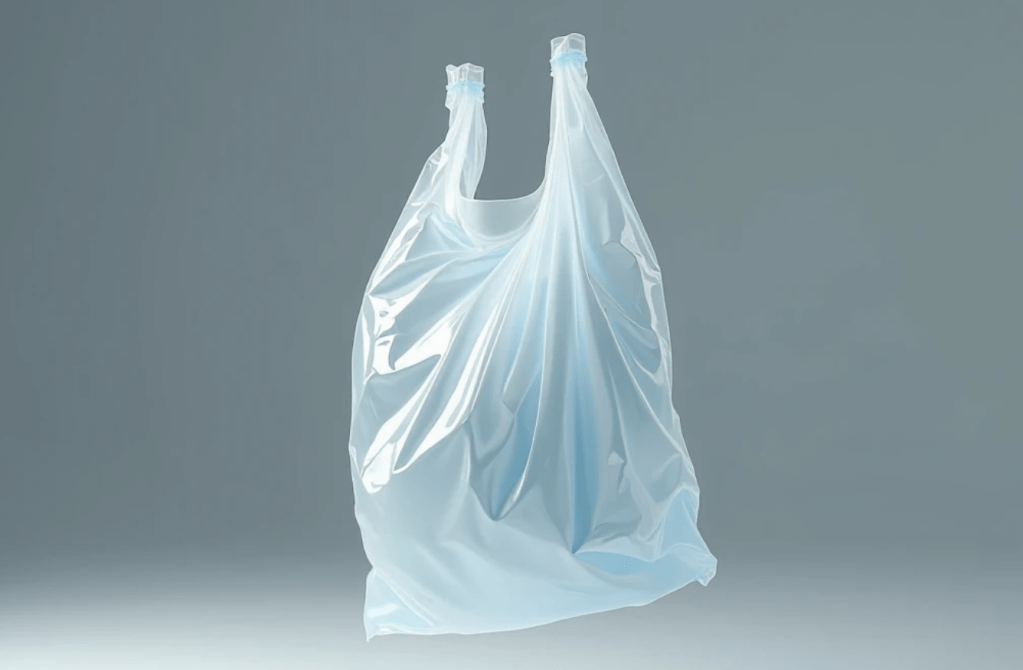
Survival Hack: How a Plastic Bag Could Save Your Life When SHTF

Survival Hack: How a Plastic Bag Could Save Your Life When SHTF

If there’s one golden rule in the world of survival—it’s this:

Make do with what you’ve got.

When the grid goes down, when the trucks stop rolling, when the food supply vanishes and chaos takes root in the streets, it won’t be your fancy gadgets that keep you alive. It’ll be your mindset. It’ll be your ability to adapt, improvise, and see value in things that others would call trash.

And few things represent that mindset better than the humble plastic bag.

We’ve all got them. Stuffed in drawers, tucked in glove compartments, crammed into backpacks. Most people toss them aside without a second thought. But not us. Not real preppers. We know better.

Let me walk you through just how powerful this overlooked tool can be when the world goes sideways.

CLICK HERE TO LEARN HOW TO SURVIVE A FAMINE


1. Hauling and Carrying

Let’s start with the obvious.

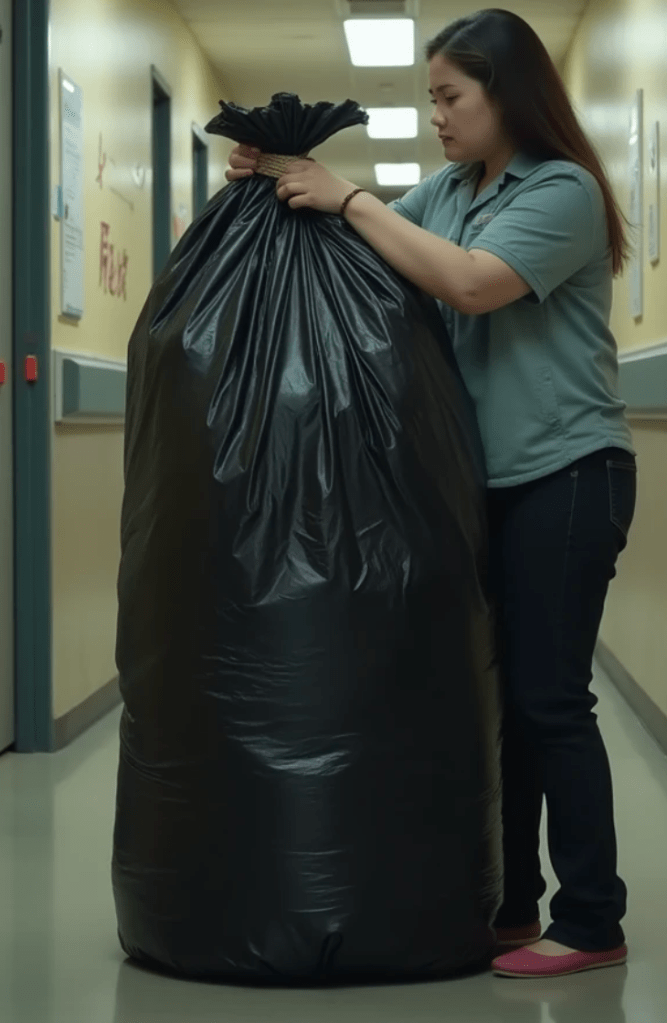
Plastic bags are made for carrying—and when SHTF, you’ll be moving gear, supplies, food, firewood, or wild edibles across rough terrain. A strong plastic bag—especially a thicker one like a trash bag or contractor bag—can handle a surprising amount of weight.

Survival Tip #1:
Keep a few large contractor bags in your bug-out bag. They fold flat, take up virtually no space, and can carry over 50 pounds of supplies if needed.


2. Water Collection and Storage

Water is life. If you don’t have access to clean, drinkable water, your chances of survival plummet fast. And out in the wild, even a pristine mountain stream can carry invisible killers—giardia, E. coli, cryptosporidium.

A plastic bag gives you a container—one of the most valuable things in the wilderness. Scoop up water from a stream, pond, or rainfall, and purify it using tablets, boiling, or your water filter.

Survival Tip #2:
Line a hole in the ground with a plastic bag to catch rainwater or morning dew. Cover it with a tarp or another bag to reduce evaporation.


3. DIY Solar Still

Here’s one most folks overlook—making a solar still with a plastic bag. If you’re in a survival situation with no clean water around, you can extract moisture from plants or damp earth using the sun’s power.

Fill a clear plastic bag with green, non-toxic vegetation (like dandelion greens or clover), tie it shut, and place it in direct sunlight. Over time, condensation will form on the inside, collecting at the lowest point of the bag.

Survival Tip #3:
Add a small rock inside the bag to help direct the condensation toward a corner for easy collection.


4. Emergency Shelter or Poncho

Caught in the rain? Exposure is one of the deadliest threats in survival. Hypothermia can set in fast, even in mild temperatures if you’re wet and the wind picks up.

A large trash bag can become a makeshift poncho. Cut holes for your head and arms, and you’ve got instant rain protection.

You can also cut the bag open and use it as a tarp for an improvised shelter roof, windbreak, or ground barrier.

Survival Tip #4:
Line the inside of your shelter with plastic bags to keep body heat in and moisture out.


5. Insulation and Warmth

Plastic is waterproof, and when layered with natural materials (like dry leaves or pine needles), it can create excellent insulation.

Stuff a trash bag full of soft, dry materials and use it as a pillow, mattress, or blanket insulation layer.

Survival Tip #5:
Use two plastic bags—one filled with insulation and one around your feet—to create emergency foot warmers for cold nights.


6. Signal for Help

Black plastic bags, especially when inflated, create a sharp contrast against natural landscapes. You can tie one to a stick or toss it into an open field as a makeshift distress signal.

Some preppers even write SOS or HELP on them with white paint or duct tape.

Survival Tip #6:
Inflate a black bag, tie it off, and place it in a high, open area to catch attention from air or drone rescue units.


7. Waterproof Your Gear

Electronics, maps, fire-starting materials, and dry clothes are essential in a survival scenario. And they’re all useless if soaked.

Plastic bags are your first line of defense against rain, floods, or even accidental drops into rivers.

Survival Tip #7:
Double-bag your fire-starting kit (matches, lighters, tinder) and store it in a dry section of your pack.


8. Improvised Gloves or Footwear Protection

If you have to cross contaminated areas, like flood zones, or deal with waste, plastic bags over your hands and feet offer basic protection against bacteria or harsh terrain.

Survival Tip #8:
Duct tape plastic bags around your shoes or boots to keep them dry during water crossings.


9. Makeshift Floatation Aid

Need to cross a body of water? A large plastic bag filled with air and tied off can act as a flotation aid. It’s not a life jacket, but it can help you keep your pack above water or assist with buoyancy in a pinch.

Survival Tip #9:
Use multiple inflated plastic bags tied together inside a net or fabric wrap for added flotation support.


10. Waste Disposal and Sanitation

Sanitation is key when bugging out or hunkering down. Illness spreads quickly when waste isn’t handled properly. A plastic bag gives you a clean, temporary toilet option or a way to seal off contaminated materials.

Survival Tip #10:
Use a bag-lined bucket as a portable toilet. Cover waste with dirt or sawdust and seal the bag tightly to reduce odor and bacteria.


Final Thoughts

Listen—plastic bags won’t replace your knife, your firestarter, or your firearm. But when SHTF, you’ll find that the small things often make the biggest difference. A simple plastic bag can haul your gear, keep you dry, provide drinking water, signal for rescue, or insulate you from the cold.

The key is always the same: think creatively, act decisively, and never underestimate the ordinary.

Next time you see a plastic bag blowing across the road or jammed in a fence—don’t scoff. Pick it up. Tuck it away. When the lights go out and society crumbles, that piece of plastic might just save your life.

Are you seeing the survival potential in your everyday gear?

This Is The First Sign Society Is About To Collapse

When most people think about the start of the apocalypse

They usually picture something out of a dystopian movie. A sudden, widespread terror, or perhaps a catastrophic event.

But in reality, societal breakdowns don’t happen overnight.

The first sign is far subtler than that

It’s a shift in trust.

That’s right, folks.

Trust is the glue that holds our society together.

The belief that your neighbor will respect your property.

That the grocery store will have food..

That your funds are safe.

But when that trust begins to erode, we’re on a slippery slope.

When people start losing confidence in the institutions that uphold society

When faith in the authorities dwindles…

We start edging closer to a societal breakdown.

Imagine going to work one day, and noticing a huge crowd of worried individuals outside of the biggest local banks.

Everyone is suddenly trying to withdraw their funds

Why?

Are banks not to be trusted anymore?

Do you have to withdraw your savings too?

Or imagine if trust in law enforcement begins to falter, and individuals may take matters into their own hands

Leading to an increase in vigilante justice and public unrest.

I am not sharing this to scare you. Quite the opposite. Awareness is the first step towards preparation.

If we can spot the signs early enough, we can prepare, adapt, and survive.

So, what can we do?

We can keep a close eye on societal sentiment.

Pay close attention to current events, the rumblings on social media, and the worries and concerns of your neighbors and friends.

These can provide valuable insights into the state of societal trust.

Then, you can ensure you are prepared for self-sufficiency.

This means having a reliable stockpile, honing our survival skills, and fostering a close-knit community of like-minded individuals.

Societal collapse is a gradual process.

If we spot it early enough, it can give us the upper hand.

So let us stay vigilant and aware.

This Is Why Most People Will Not Make It When SHTF

Imagine you’re planning a road trip that will last a week.

You figure out where you’ll stay, what you’ll eat, and which sights you’ll see.

But what if this trip wouldn’t last a week, but an entire year

Would you be able to remain safe?

This is a real possibility, folks.

Emergencies can force us to transform our way of living for good.

Most people think about what they’ll do for an emergency that might last a couple of days or weeks.

But that’s just not enough.

To really thrive when SHTF, we need to think months, years, and even decades ahead.

The long-term, day-to-day living in a different world.

Canned food and bottled water will keep you safe for some time. Months even.

But what happens when those run out?

In the long run, skills like hunting, fishing, farming, preserving food, and sourcing clean water are essential.

This is why what we do is so important.

We constantly improve our prepping abilities and add to our skill set.

Just like our ancestors did.

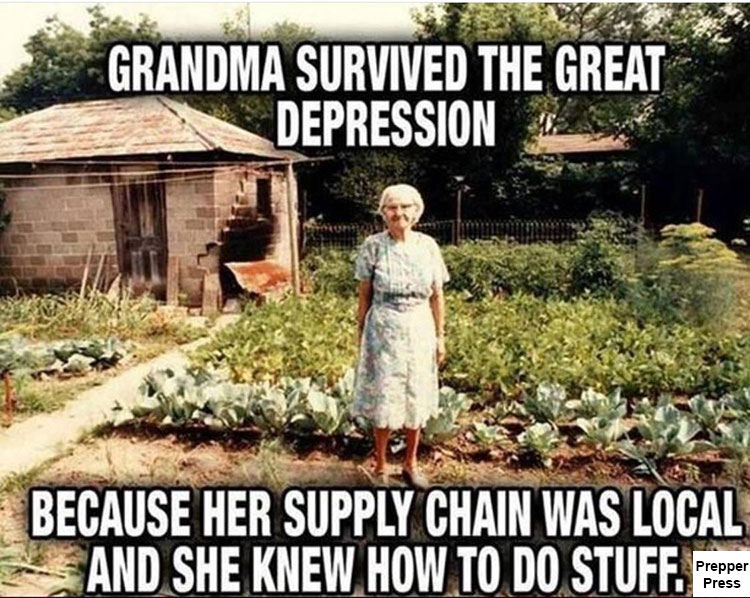
They knew the land, the seasons, the plants, and the animals. They understood that prepping wasn’t a sprint, but a marathon.

We have to adopt this kind of mindset as well.

We need to think beyond the initial emergency, beyond the canned goods, and towards a future where we don’t just think about what we have, but about what we know and what we can do.

Prepping is a lifestyle.

For most people, this shift in thinking is not easy. For others, it isn’t even possible.

But you and I both know the peace of mind that comes from knowing you’re ready for anything.

So, let’s not be like most people. Let’s think ahead. Let’s stay prepared. And let’s keep improving.

“Preppers Don’t Have Fun”

Someone once accused me of taking things too seriously.

She said that since I’m always trying to prepare for the worst, I don’t ever enjoy the present moment.

When I heard about this, I couldn’t help but chuckle.

Yes, I’m focused on prepping.

Yes, I’m keen on making sure my family and I can weather any storm that comes our way.

But who’s to say that I don’t have fun doing it?

You see, there is a certain joy that comes with being prepared for anything that most people can’t ever understand

A joy that most people will not ever understand.

When you are constantly acquiring different skills that can help survive potential threats, it’s like solving an exciting puzzle.

Remember the excitement as a child, that spark of curiosity when you first learned to ride a bike or tie your shoelaces? 

This is how I feel every time I learn about a different way to purify water, start a fire, or build a survival shelter.

And the reason I created this newsletter is because I wanted to share my excitement with people like you.

People who appreciate the value of emergency preparedness.

But the fun of prepping doesn’t end with the thrill of learning different skills. 

It’s also about putting these skills to the test, challenging yourself, and celebrating those moments of achievement.

Imagine successfully building a survival shelter from scratch for the first time.

It’s not just a place with a roof. It’s a testament to your resilience and resourcefulness.

Or think about the feeling of triumph when you manage to start a fire using just flint and steel.

There’s an indescribable sense of fulfillment in these moments.

I know “fun” is not something we think about when we talk about survival situations.

But it’s an important topic.

It’s what makes prepping sustainable in the long run.

So if someone says you’re a “doomsayer” or accuses you of being too focused on bad situations, just ignore them.

Keep prepping, and enjoy the process.

BEST 6 PATRIOTIC PRAYERS TO HONOR AMERICA’S MILITARY MEN and WOMEN

As an American armed forces vet, and recipient of the Purple Heart, I’d love to share some of my favorite Christian prayers that I believe are extremely patriotic!

A PRAYER FOR AMERICA’S VETERANS

Heavenly Father,

Thank you for your blessings,
Upon our veterans, our soldiers, upon us all.
Thank these, our heroes,
Reward abundantly their sacrifice.

Grant them peace of mind,
Comfort their hearts,
Heal all their wounds,
Give them strength.

Encourage them in all difficulties.
Guide and protect their travels.
Protect their family and loved ones.

May your guidance and blessings
Be with them wherever they go,
Whatever they do.

When earthly life is over,
Bring our veterans home to heaven.

There to receive a rich reward,
Enjoy your blessed presence,
Rejoice in your eternal peace,
And be re-united with loved ones.

Heavenly Father, you promise,

No more suffering, death, and war.
No more hurt, doubt, confusion.
But only joy and happiness,
Reward, refreshment, and reunion,

With all the armies of heaven,
The angels and saints,
Our ancestors in the faith,
Our loved ones gone before us.

We ask you, Heavenly Father,

Welcome our veterans home,
To our true homeland country,
The Land of Peace and Rest
Forevermore.

Amen.

A PRAYER FOR VETERANS THAT LOST THIER LIVES ON THE BATTLEFIELD

O God, by whose mercy the faithful departed find rest, look kindly on your departed veterans who gave their lives in the service of their country. Grant that through the passion, death, and resurrection of your Son they may share in the joy of your heavenly kingdom and rejoice in you with your saints forever. We ask this through Christ our Lord.

We must remember those who fought the battle and have lost their lives for our freedom. Prayers for veterans will provide comfort to their souls as they cross over to the heavenly kingdom and rejoice with their creator Jesus Christ. No matter how long it’s been, it’s important that we communicate with those lost veterans through prayer and share with them our many thanks for their sacrifices that will never be repaid. Through our prayers for veterans, the average person here on earth has the ability to reach out and connect with those who’ve lost their lives and our now guardian angels from above.

A PRAYER FOR THE MILITARY COMMUNITY

Almighty God, Lord of Hosts, we call out to you as the One who is sovereign over all. Watch over and protect our nation’s military members and their families. Sustain them with your everlasting arms.

Take into your most gracious protection our service members currently deployed. May you be their comfort and their guide as they live and walk in a foreign land. Give them reassurance that you are a shield around them, an ever-present help in time of need. Grant our service members courage so that in all things they may serve without reproach. Encourage them while they also encourage one another.

As they serve around the world, we ask that you guard their families and loved ones back home. Provide them with peace and surround them with love as they mourn the absence of their loved one and long for their return. May they find hope and strength in you for the trials of each new day. Be with military children who endure the difficult burden of knowing their father or mother is in harm’s way for months on end. Guard these children’s hearts and minds despite the loneliness and uncertainty of having a parent deployed.

Lord God, be with marriages in the military. Preserve the bonds of husband and wife despite the stress that military life brings, stress only compounded by the decade of war our nation is in. Help military chaplains in their efforts to equip military marriages with ways to stay connected and communicate effectively despite the challenge of frequent deployments. Give husbands and wives strength and resilience to endure separations, frequent moves, and all the uncertainty military life brings.

For some, Lord, service takes their toll permanently in physical and emotional damage. For those wounded in battle, we pray you would come beside them.. Sustain and strengthen them amidst treatment, pain, and adjustments to life with an injury. Help them to find competent care and support, and to not be afraid to reach out for a helping hand or a listening ear. Be with their caregivers in the demanding role they have. Give caregivers renewed energy to offer support and love as they tend to the needs of the injured. Strengthen them as they both monitor and advocate for their loved one.

We know that war is very costly. Some have made the ultimate sacrifice, laying down their precious lives in service to our nation. Each one of them was a son or daughter, perhaps a husband or wife, father or mother. For all those who feel the pain and the toll of this war in the loss of their loved one, comfort them. Be a father to the fatherless and defender of widows. As they cast their cares on you, may they know the consolation of your love. We thank you for the freedoms these service members fought for which we enjoy today.

For each and every veteran who has served our country through the years, we thank you for their sacrifice. Comfort those who struggle in life after war. Help us to honor and care for those who have given so much for us.

Be with our nation’s leaders as well, and all those who make decisions for our military. Give them wisdom and discernment in everything they do.

Father God, we long for the day when swords will be beaten into plowshares and spears into pruning hooks. We long for your peace, for your shalom.

In Christ’s name we pray, Amen.

A PRAYER FOR OUR SOLDIERS CURRENTLY SERVING OVERSEAS

Lord, We lift up prayer for those who lead and direct our soldiers. May their daily decisions bring powerful protection and abundant provision to our men and women in uniform. Amen.

Whether a veteran is physically in battle or just mentally, we mustn’t forget the price that they’ve all paid. Some veterans have found salvation from their post-traumatic stress disorder however, others haven’t. When you utter prayers for veterans remember that a soldier’s work is never done. Even though they may not be physically on the front lines their mind and soul may still be there. All in all, it’s important to pray for protection for the men and women in uniform. It’s important to not forget their sacrifice. We shouldn’t categorize their prayers in representation of a holiday or celebration. Instead these prayers for our soldiers should be recited every day.

A PRAYER FOR PARENTS & CHILDREN of AMERICA’S MILITARY MEN & WOMEN

Gracious God, we give thanks for military men and women, both from the past and present, and for their courageous service and sacrifice to our country and its people to secure the blessings of life, liberty, and justice for all. May our remembrance be a timely reminder that our freedom was purchased at high cost, and should not be taken for granted. Give us resolve to labor in faithful service to you until all share the benefits of freedom, justice, and peace; through Jesus Christ our Lord. Amen

PSALM 136:1

Oh, give thanks to the Lord, for He is good! For His mercy endures forever.”

Oftentimes the good and bad in war can be misconstrued. The intentions of a soldier in combat can be forgotten because of the actions that take place during war. It’s important to remember the sacrifice that man has offered when we share prayers for veterans. The Lord will never forget the actions and intentions behind war – instead our Savior identifies the selfless act and the person that embodies those actions. Jesus Christ sacrificed Himself for His children – so that all sins would forever be forgiven. When uttering prayers remember that. Remember that our Savior is on our veteran’s side because He, too, was on the battlefield fighting for their allegiance and providing unconditional mercy.

WHY DOES THE AMERICAN MILITARY NEED OUR PRAYERS MORE THAN EVER BEFORE….

If the leaders of our U.S. military continue turning their backs on the power of Christian beliefs and morals, then all of our soldiers will start looking like this woke soldier below wearing a pink uniform…

while the heads of the American military will begin replacing the American flag with that of the LGBTQ+ rainbow one!

Seriously, please say as many daily Christian prayers as you can to help save our proud American armed forces!

God bless you, and God bless America!

What Zombie Apocalypse Movies Can Teach Us About Surviving

There is a point in every zombie apocalypse movie, where the characters have to make a very important decision.

They are usually stuck inside a shelter, with few resources, while death is knocking on their doors.

And they have to decide between two options:

  1. Stay inside and try to fight the zombies
  2. Escape and look for food or other survivors

But they almost always go with option C: “Fighting among themselves.”

They start blaming each other and end up dying.

It happens so often that it’s almost comic.

But this might not be too far from reality.

When the stakes are high, people see blank.

It’s like when a cat freezes in the middle of the street when it sees a car approaching.

Staying calm is crucial in emergency situations.

If, God forbid, you ever find yourself in one, you will be called to make a lot of snap decisions.

You might have to decide between staying inside your house or bugging out…

Which items you will carry with you…

Who to contact…

These are very important considerations.

One wrong move might mean the loss of a loved one.

You can’t correctly judge your options if you panic.

It’s like when characters in the zombie movies fight each other instead of working together.

You have to stay level-headed.

I understand that this is not something easy, however.

When a tornado rips your roof out, or when a fire breaks out in your area, it’s not exactly a walk in the park.

Most people – and understandably so – panic.

This would not happen, however, if they already had a plan in place.

If you are a survivalist, then you are probably aware of the importance of preparation.

We try to imagine any disaster that might befall us, and try to stay ahead of it.

This could mean having a plan for bugging out scenarios…

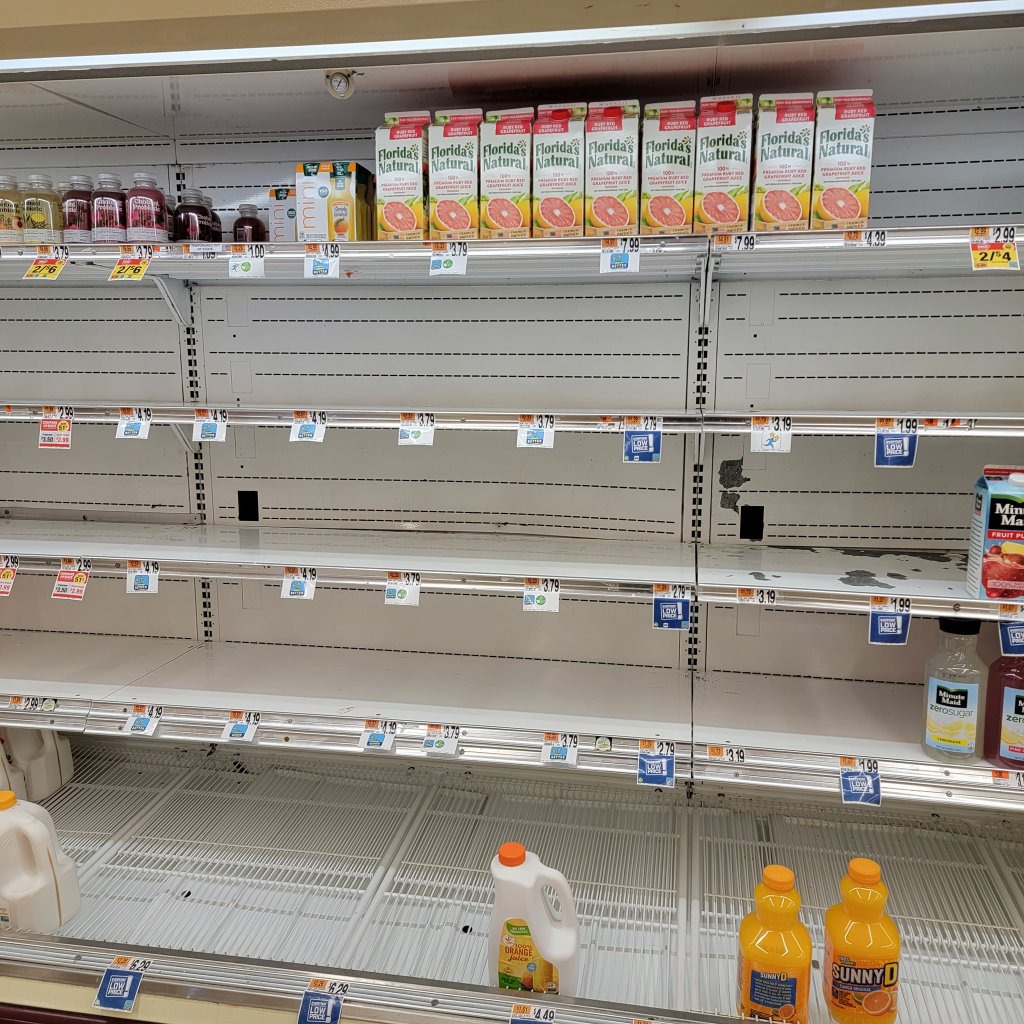
Or having a plan for when the food in your grocery store runs out.

Whatever it is, doing preparation beforehand protects us from losing our shit in emergencies.

So let’s keep prepping and remain collected even in the worst of situations.

Careful! Don’t Fall For Biden’s Tricks!

During a recent press conference, president Joe Biden spoke about his presidential term.

He said that “our economy is strong.”

And that his political party generated 517,000 jobs in January alone.

He even called this the “strongest job growth in history.”

However, something didn’t sit right with me.

Didn’t we hear about massive layoffs just a few weeks ago?

How could Biden claim that we are doing so well?

I knew that he couldn’t just make up facts and spit nonsense.

Well, when I dug a little deeper, the answer was simple.

He was withholding information.

Biden kept talking about the jobs we gained…

But he didn’t say anything about the jobs we lost!

The U.S. economy lost 2,500,000 jobs in January.

That’s almost five times the jobs we gained.

And experts say that we will start losing 175,000 jobs a month.

Don’t let Biden fool you!

We are in for a crazy ride.

I know that Biden doesn’t want the public to panic and make things even worse.

But pulling sneaky tricks like revealing just one part of the puzzle is not the right thing to do.

People should be informed about what is going on in the world.

If we listened to Biden, there would be no need to prepare.

We could just live our lives like nothing is happening, and stay ignorant.

But this doesn’t solve anything.

It just distracts us from the truth.

And the truth is not pretty…

There are layoffs coming.

People are going to be marching the streets because they will no longer tolerate this.

Others will attempt to steal to survive.

It will be mayhem.

We should be preparing for the worst…

Even if our politicians put on fake smiles and spread false news on TV.

I will be sharing everything I find out in this newsletter.

And I will always be giving you the unfiltered truth without pulling any tricks.

If you think someone might have been tricked by Biden, forward this newsletter to them.

It will reveal Biden’s true colors.

How Did Our Ancestors Brush Their Teeth?

Have you ever been to the oral aisle at the supermarket?

There is a huge variety of products.

Manual and electric toothbrushes…

Fluoride and non-fluoride options kinds of toothpaste…

Mouthwash…

The list goes on.

Dental hygiene is important, but it always gets me thinking…

How did our ancestors brush their teeth?

They didn’t have these items.

But apparently, they survived.

I figured that there must have been some kind of a “trick” that they did.

And that in a survival situation, it might come in handy.

When I did some research, I found that they used a variety of methods.

For example, the ancient Egyptians and Greeks used tooth sticks, which were thin sticks or rods that were used to clean their teeth and massage their gums. 

The sticks were often made from twigs or other natural materials and were used much like a toothbrush.

In other cultures, people chewed on twigs or leaves that were believed to have cleansing and medicinal properties. 

Some used a mixture of ashes and salt to brush their teeth, while others rubbed their teeth with a cloth or used a fingernail to clean them.

As you can see, there are many different ways to maintain oral hygiene.

In a survival situation, it’s okay if you don’t have your usual tools with you.

You can take care of your teeth and gums as best you can, using improvised methods if necessary.

To maintain good dental hygiene in an emergency, it is recommended to:

  • Rinse your mouth with water regularly to release food particles and plaque.
  • Use a toothbrush or tooth stick to clean your teeth if possible.
  • Brush your teeth with baking soda or salt if toothpaste is not available.

You can carry these things in your kit.

But even if you don’t have anything with you, you can improvise to take care of your basic oral needs.

Something is always better than nothing.

We should keep this in mind in every prep we do.

If you happen to know any other ways to maintain oral health in emergencies, I would love to hear them!

Just hit reply and let me know.