

Listen up, fellow trailblazers. You might think Rhode Island—the smallest state in the Union—is all cozy coastlines, clam chowder, and Newport mansions. But you’d be dead wrong to underestimate what this pint-sized powerhouse has to offer. For those of us who live for the crunch of gravel under boots, the slap of wind against our faces, and the ever-present thrill of the unknown, Rhode Island is a rugged gem hidden in plain sight.
But here’s the thing: beautiful can be brutal. And Rhode Island’s trails? Some of them are downright deadly if you don’t respect the terrain, the weather, or your own limitations.
I’m not trying to scare you. I’m trying to prepare you. As a survivalist and backcountry junkie who’s logged thousands of miles, I’ve learned the hard way that even a “moderate” hike can turn south faster than a dropped compass if you’re not mentally and physically squared away.
So, pack your bug-out bag, lace your boots tight, and double-check that med kit. Here are the top 20 hiking trails in Rhode Island that are stunning—but deadly if you go in unprepared.
Hiking Trails: Rhode Island Trails
1. Arcadia Trail (Arcadia Management Area, Exeter)
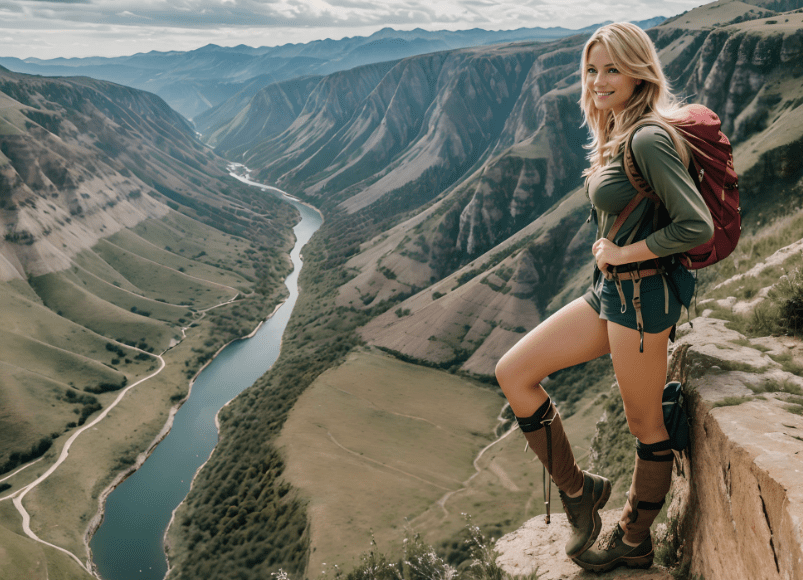
Rhode Island’s largest recreational area is home to some beastly terrain. With multiple connecting trails, it’s easy to get lost. Bring a paper map—GPS cuts out in the dense forest.
2. Breakheart Pond Loop (Arcadia Management Area)
Don’t let the serene name fool you. The path is riddled with roots and slick rocks, especially after rain. Twisted ankles are a common souvenir. Bring trekking poles and a good headlamp—you may need it.
3. North-South Trail (Statewide)
This 78-mile beast slices through the whole state. You’ll pass bogs, boulder fields, and remote forest—some of which feel like time forgot them. Misjudge your pace, and you could be sleeping with coyotes.
4. Buck Hill Management Area Trails (Burrillville)
Bordering Connecticut and Massachusetts, this area is prime bear country. Not to mention ticks are everywhere. DEET up and carry bear spray. Yes, even in Rhode Island.
5. Pachaug Trail Loop (Mostly in CT, edges into RI)
Remote and rocky, this one eats trail runners for breakfast. The rocks hold moisture year-round, so wear high-traction footwear or risk a face-plant.
6. Jerimoth Hill (Foster)
Don’t laugh. It’s the highest point in Rhode Island. While the trail itself is short, the surrounding woods are dense and disorienting. Easy to wander off-path, especially in fog.
7. Long Pond Woods Trail (Hopkinton)
Staggering views—but they come at a price. Cliffs and ledges make this trail one misstep away from disaster. Watch your footing and don’t go alone.
8. Ben Utter Trail to Stepstone Falls (Exeter)
Gorgeous waterfalls, but the trail can become a muddy, root-riddled obstacle course. You’ll need waterproof boots and solid balance. Too many people forget that water crossings can turn deadly.
9. Tippecansett Trail (Arcadia Management Area)
Remote and overgrown in parts. You’ll need a compass and a solid sense of direction—don’t rely on your phone. Signal can vanish when you least expect it.
10. DuVal Trail (South Kingstown)

It looks simple on a map, but don’t underestimate the terrain shifts. Rocky scrambles and sudden drops make this a great place to snap an ankle if you’re not paying attention.
11. Tillinghast Pond Trail (West Greenwich)
Poison ivy, snapping turtles, and aggressive mosquitoes are the least of your worries. This area floods easily, and trail markers are faint. Bring a topo map and check the weather.
12. Rome Point Trail (North Kingstown)
Great ocean views, but the tide can creep up faster than you’d believe. People have been caught off guard and stranded. Know your tide tables or stay inland.
13. Carr’s Pond and Tarbox Pond Trail (West Greenwich)
Thick brush, snakes, and aggressive hornets in summer. Don’t skimp on long sleeves and bug netting. One sting in the wrong place and you’re in trouble if you’re not close to help.
14. Fisherville Brook Wildlife Refuge (Exeter)
Beautiful, sure. But the trail system is confusing and poorly marked. Take the wrong fork and you could be bushwhacking your way out as the sun sets.
15. Fort Nature Refuge (North Smithfield)
The marshes here are treacherous, and the boardwalks are slick when wet. One wrong step and it’s a dunk in bacteria-infested water. Bring dry socks and iodine tabs.
16. Carolina Management Area Trails (Richmond)
Hunting is allowed here in season—always wear orange. Mistaking you for a deer isn’t just something out of a bad joke. Gunshots in the distance are real. Be alert.
17. Diamond Hill Trail (Cumberland)
Steep ascents and loose gravel make this a risky choice after rain. The summit offers a panoramic view, but getting up there can feel like scaling a washed-out fire road.
18. Blackstone River Bikeway (Various Towns)
You’d think a paved path would be safe, right? Wrong. Bikers fly past at unsafe speeds, and some areas get shady at dusk—human threats can be as real as nature’s. Don’t go without situational awareness.
19. Norman Bird Sanctuary Trails (Middletown)
Cliff Walk views and soaring hawks distract you from the edge of very real drop-offs. Great place for photos—terrible place to lose your balance.
20. Sachuest Point National Wildlife Refuge (Middletown)
Salt air, sweeping ocean views—and very little shelter from the elements. Sudden storms out of the Atlantic can roll in like a freight train. Know your escape route.
Final Word from the Trail

Look, I’m not saying you need to bring a firestarter kit, trauma shears, and an emergency bivy every time you walk your dog—but you do need to respect these trails. Rhode Island may not have the Rockies or the Sierra Nevadas, but its trails come with their own brand of danger: tight paths with poor visibility, unpredictable weather, and a false sense of security.
Too many day hikers roll out with sneakers and a bottle of water, then wonder why they’re lost, limping, or bug-bitten to hell by mile three. Don’t be that person.
Plan. Prepare. Respect the wild.
And remember: survival isn’t about fear—it’s about mindset. The best time to get ready is before you hit the trail.
Stay wild. Stay sharp.
—Ranger G, your friendly neighborhood prepper-hiker
 TheDailyChristian