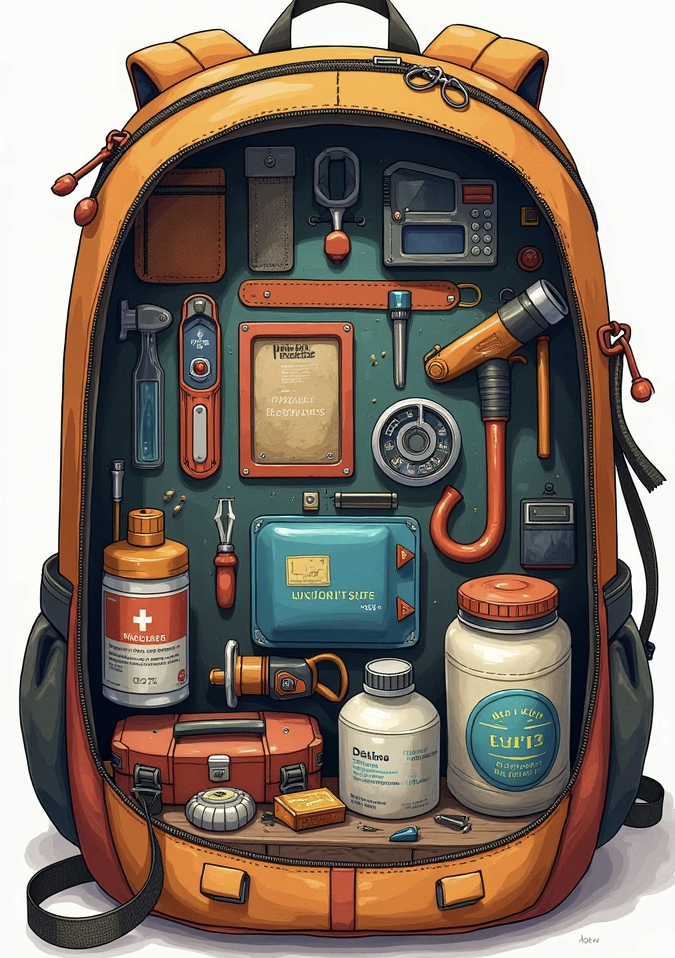
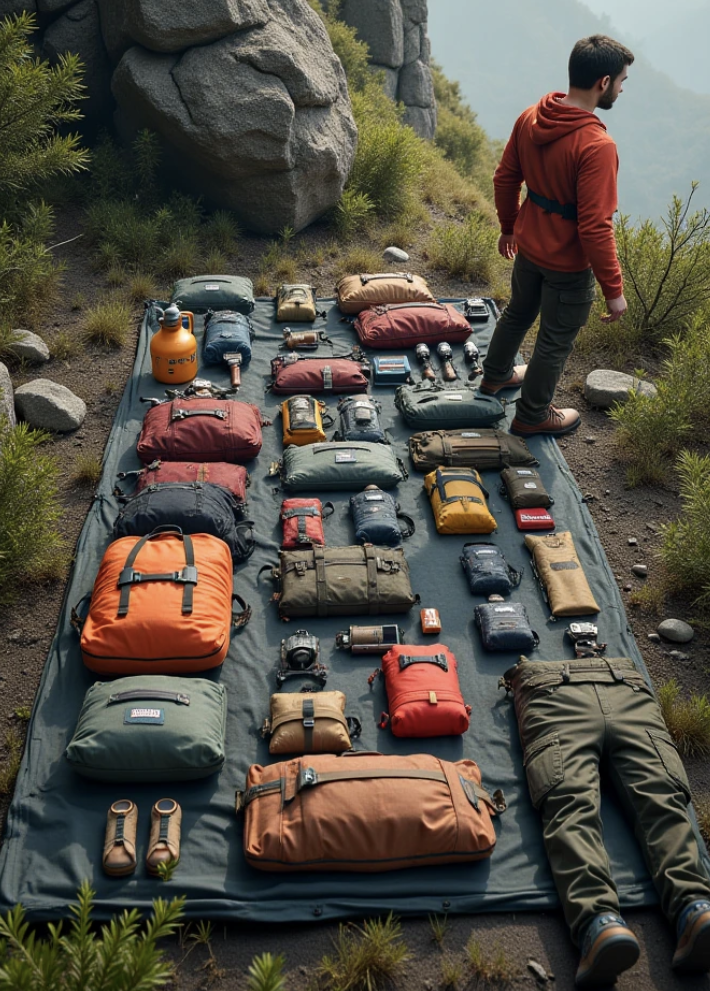
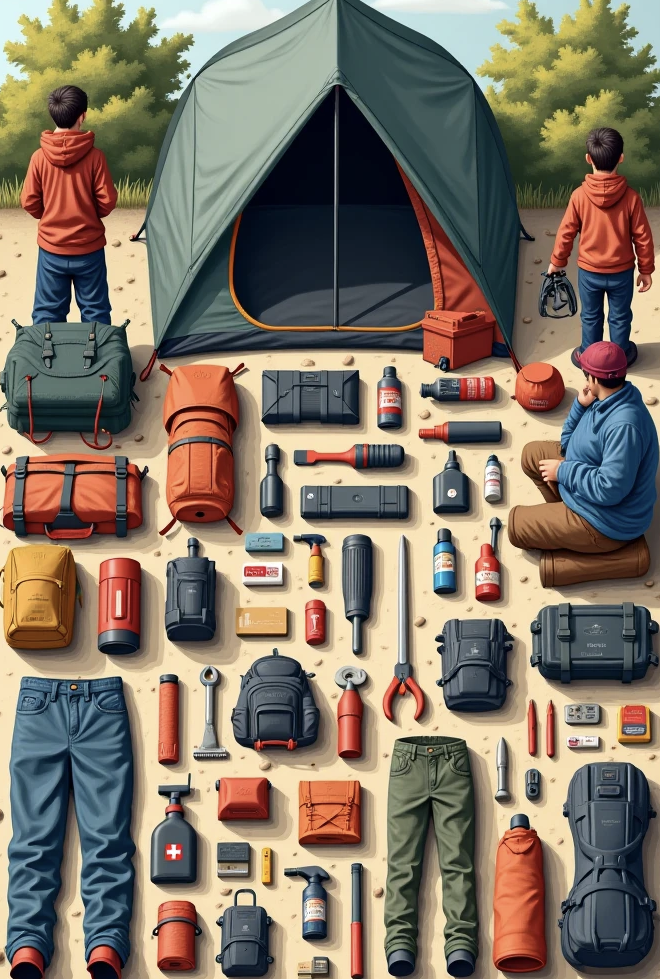
Don’t Lie to Yourself — Your Pathetic Bug Out Bag Won’t Save You

Let’s cut the sugarcoating.
If your bug out bag is underbuilt, understocked, or underthought, you will die.
Not metaphorically… not “you’ll be uncomfortable”… not “things will get tough.”
No. You will actually die.

Exposure kills.
Dehydration kills.
Infection kills.
Stupidity kills fastest of all.

And the world is unraveling faster than you think. While most people post memes, binge shows, and pretend everything is fine, you’re one disaster away from finding out your gear is either your salvation or your coffin.

A bug out bag isn’t a hobby.
It’s not a Pinterest project.
It’s not a casual “just in case” backpack.

It is the difference between crawling into survival… or collapsing into the dirt face-first while the world burns around you.

This checklist is designed for one thing: keeping you alive when society stops pretending it’s functional.


WHY YOUR CURRENT BUG OUT BAG IS A JOKE — AND HOW IT WILL KILL YOU
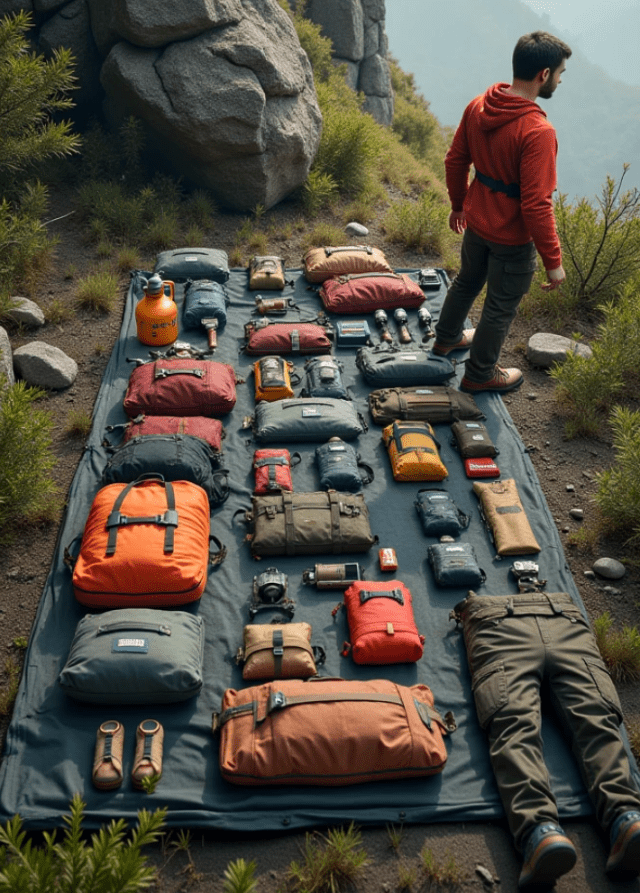
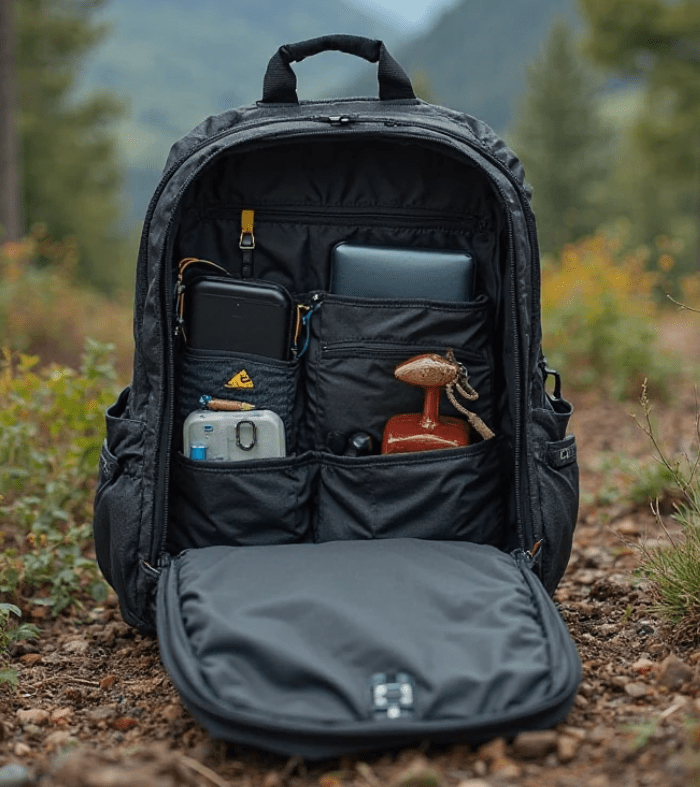
Most people’s bags are overloaded with junk or missing lifesaving basics.
They pack:

  • gadgets they don’t know how to use
  • food that spoils in 24 hours
  • knives made for cartoons
  • useless “tactical” garbage they bought because it looked cool

Meanwhile, the truly essential survival gear sits forgotten on some Amazon wishlist.

Those mistakes will kill them within 72 hours of a real collapse.

If your bag fails in heat, cold, darkness, or panic…
If your water plan is wishful thinking…
If your shelter plan is “I’ll figure it out”…

You’re not a survivor. You’re a casualty waiting for its moment.

This checklist fixes that.


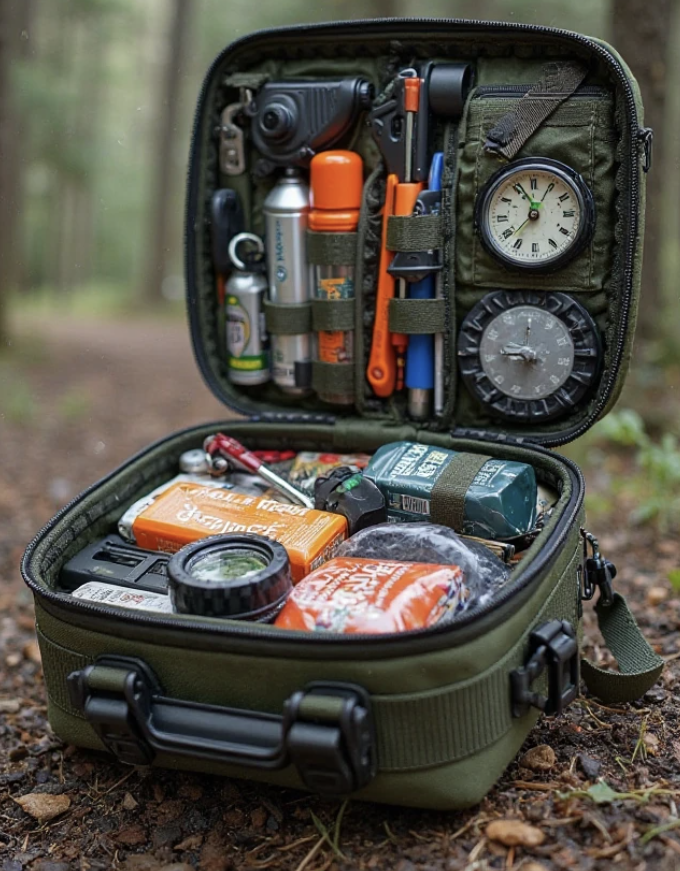
THE BRUTALLY HONEST BUG OUT BAG CHECKLIST (THE SURVIVOR’S VERSION)

Prepare for bluntness. Anything less is deadly.


1. WATER & PURIFICATION (FAIL THIS AND YOU DIE FIRST)

Dehydration doesn’t care about your attitude. It doesn’t wait for you to “get more prepared later.” It drops you on the ground, weak, confused, and dying in as little as three days.

You NEED:

  • Stainless steel water bottle (boil in it or don’t bother)
  • Lightweight filter (Sawyer Mini or better)
  • Purification tabs
  • Collapsible bladder
  • Metal cup

If your water system can’t handle mud, runoff, or contaminated puddles, you’ll be dead faster than you think.


2. FOOD THAT ACTUALLY KEEPS YOU ALIVE (NOT “SNACKS”)

Most people pack “food” that produces one outcome: metabolic collapse.

Your food must be:

  • lightweight
  • calorie-dense
  • idiot-proof

This means:

  • Survival bars
  • Freeze-dried meals
  • Jerky
  • Oatmeal packs
  • Electrolyte powder

Not chips.
Not granola.
Not candy.

If your food burns more calories to digest than it gives, you’re killing yourself slowly.


3. SHELTER & CLOTHING: THIS IS WHERE MOST PEOPLE DIE

Exposure kills faster than hunger and almost as fast as dehydration.
Hypothermia doesn’t care about your optimism.
Rain doesn’t care about your ego.

Pack:

  • Emergency bivy
  • 550 cord
  • Tarp
  • Mylar blankets
  • Wool or synthetic clothing
  • Spare socks
  • Weatherproof jacket

If your bug out strategy involves cotton, congratulations—you’ve built a shroud, not a survival system.


4. FIRE: WITHOUT IT YOU FREEZE, SICKEN, OR STARVE
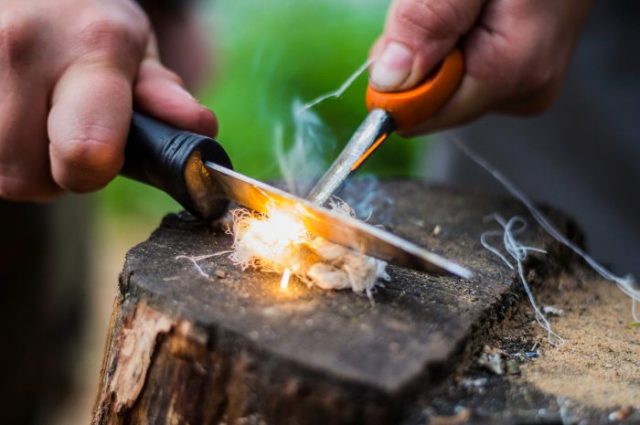
Fire is life. Period.

You need:

  • Ferro rod
  • Stormproof matches
  • At least two Bic lighters
  • Tinder kit

If you fail to make fire in the rain, in the cold, or when your hands shake with fear… you will die shivering in a wet pile of regret.


5. TOOLS: IF THEY BREAK, SO DO YOU

Gear failure equals survival failure.

Don’t pack toys. Pack tools:

  • Full-tang fixed-blade knife
  • Multi-tool
  • Folding saw or hatchet
  • Heavy-duty duct tape
  • Headlamp + spare batteries
  • Work gloves

If your knife bends, snaps, or dulls instantly, enjoy slowly discovering how helpless a grown adult can become without tools.


6. TRAUMA-READY FIRST AID (THE “BAND-AID KIT” WILL SET YOU UP TO DIE)

Here’s a reality check:
In a disaster, there is no ambulance.
No ER.
No 911.
Just you and your gear.

You need:

  • Tourniquet
  • Israeli bandage
  • QuikClot or gauze
  • Alcohol wipes
  • Antibiotic ointment
  • Pain meds
  • Medical tape

A twisted ankle, a deep cut, an infection—these things become lethal fast if you don’t have the gear to handle them.


7. NAVIGATION: IF YOU CAN’T FIND YOUR WAY OUT, YOU’LL ROT WHERE YOU STAND

GPS dies with the grid.
Cell service collapses under panic.
Your phone becomes a sleek, useless brick.

You need:

  • Compass
  • Local maps
  • Pencil or grease marker

If you can’t navigate without electronics, the wilderness—or the city—will swallow you whole.


8. SIGNALING & COMMUNICATION: SILENCE IN A DISASTER MEANS DEATH

Ignoring this category is how people vanish.

Pack:

  • Whistle
  • Signal mirror
  • Hand-crank radio

If you can’t receive information, you’re blind.
If you can’t signal, you’re silent.
If you’re blind and silent, you’re dead.


9. SECURITY: IGNORING THIS WILL END YOU

I won’t list weapons. Laws differ. People differ. Situations differ.

But minimally:

  • Pepper spray
  • High-lumen flashlight
  • Knife (already listed)

If your bag doesn’t allow you to deter threats, protect yourself, or escape danger, you’re gambling with your life.


10. DOCUMENTS & MISC: YOU’LL BE SHOCKED HOW IMPORTANT THIS BECOMES

Include:

  • ID copies
  • Cash
  • Emergency contacts
  • Notepad
  • Sharpie
  • Bandanas
  • Zip ties
  • Trash bags

These tiny items solve massive problems.


THE COLD, UGLY, UNDENIABLE TRUTH

If your bug out bag is trash, your survival odds drop to zero.

The world is not stable.
Systems break.
People panic.
Authorities get overwhelmed.
Help never arrives.

So your choice is simple:

Build a real bug out bag now… or die wishing you had one.

There is no middle ground.
No “I’ll get to it.”
No “Maybe later.”

Later is when people die.
Later is when the unprepared panic.
Later is when the weak beg for help they’ll never receive.

Now is your only chance.
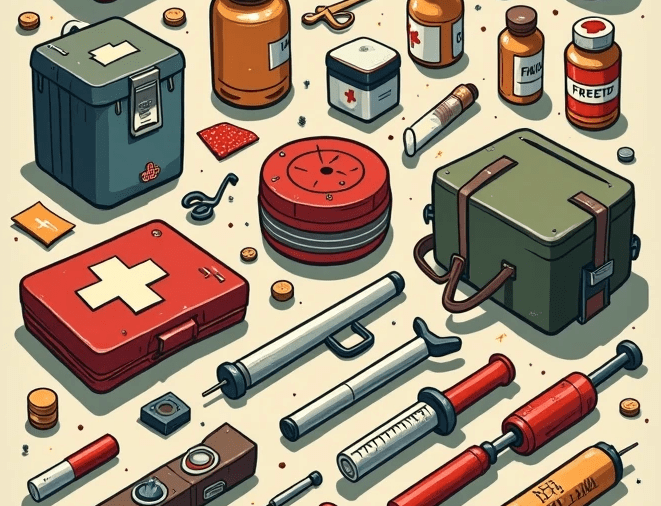
Bleed, Breathe, Survive: A Prepper’s Guide to Emergency Care

Bleed, Breathe, Survive: A Prepper’s Guide to Emergency Care

Listen up. When the world goes sideways — whether it’s a natural disaster, a collapse, or some unholy mix of both — the one thing that’ll separate you from the rotting herd is how fast and sharp you act when it comes to emergency care. I’m talking real, raw, in-your-face survival knowledge, not some PC classroom fluff. You’re bleeding out, choking on dust, or gasping for air — you don’t have time for pansy medical training or waiting for an ambulance that ain’t coming. You fix it. You keep yourself or your people alive. Period.

If you don’t get this, you’re dead meat. So pay attention, because I’m about to drop some serious survival wisdom. Here’s your no-bullshit, angry survivalist guide to handling emergency care when it counts the most.


Survival Skill #1: Stop the Bleed – FAST and HARD

Bleeding out is the number one killer in any emergency scenario. If you don’t stop the blood, your body goes into shock and you’re toast. I’m not just talking about a small scrape; I mean a serious artery gushing blood like a busted fire hydrant.

Skill: Master the tourniquet and pressure bandage like your life depends on it — because it does.

  • Tourniquet — This ain’t just a fancy word. A tourniquet is a lifesaver when a limb is bleeding uncontrollably. Wrap it above the wound tight enough to stop the flow of blood, but not so tight you tear skin or nerves. Get a proper commercial one, but if you don’t have it, make one out of a sturdy belt or cloth and twist it with a stick or pen to tighten.
  • Pressure bandage — If the wound’s on your torso or can’t be tourniquetted, apply direct pressure with clean cloth or gauze. Don’t let up for a minute. If you don’t have gauze, use a T-shirt, towel, or anything clean-ish.

Pro Tip: Always carry a compact trauma kit with a tourniquet, pressure bandages, and hemostatic agents. Hemostatic agents are powders or dressings that make blood clot faster. If you don’t have those, improvise but prioritize stopping the bleeding first.


Survival Skill #2: Control Your Airway – Clear It, Keep It Open

What good is stopping the bleeding if you can’t breathe? When disaster strikes, choking on blood, vomit, or debris is a very real threat. If you don’t keep that airway open, you’re dead before you even get a chance to bleed out.

Skill: Learn to do the Head-Tilt Chin-Lift maneuver and the Heimlich maneuver.

  • Head-Tilt Chin-Lift — If someone’s unconscious or semi-conscious, tilt their head back and lift the chin to open the airway. Clear any visible obstruction with your fingers or a tool.
  • Heimlich Maneuver — If someone’s choking on food or debris, hit that abdomen hard just above the belly button until the obstruction pops out.

Pro Tip: Don’t wait to be a medic to learn CPR. That’s your bread and butter when someone stops breathing or their heart stops. Get certified or at least watch good tutorials and practice.


Survival Skill #3: Build and Use a Splint

Broken bones are no joke in the wild or disaster zones. Without proper immobilization, you risk further injury, bleeding, or infection. You can’t call an ambulance — you are the ambulance.

Skill: Use what you have — sticks, branches, metal, or anything rigid — to immobilize broken or sprained limbs.

  • Find two strong sticks or any sturdy straight object.
  • Pad them with cloth to prevent cutting into the skin.
  • Secure them tightly with rope, tape, strips of cloth, or even shoelaces.
  • Make sure the splint immobilizes the joints above and below the injury.

Pro Tip: Practice making a splint now, so when you need it, you don’t fumble like a scared city slicker.


Survival Skill #4: Improvise a Breathing Filter or Mask

Smoke, chemical fumes, dust, and toxic air can kill you just as fast as a bullet. If you don’t have a gas mask or proper respirator, don’t sit there choking. Use your brain and improvise.

Skill: Make a basic filter using materials around you.

  • Take a clean cloth or bandana and wet it.
  • Layer it with activated charcoal (if you have it) or charcoal from a campfire crushed finely.
  • Fold it to cover nose and mouth tightly.
  • Breathe through it — it won’t be perfect, but it’ll filter out much of the dust and chemicals.

Pro Tip: Store activated charcoal tablets or powder in your survival kit. If you can’t get charcoal, use multiple layers of damp fabric as a minimum barrier.


Survival Skill #5: Keep Calm and Prioritize Care

You can’t do anything if you lose your head. Panic is the biggest killer after injury or trauma. Your body’s adrenaline will spike, but your brain needs to stay cold and tactical.

Skill: Train yourself mentally to triage and act swiftly.

  • Assess the situation quickly: who needs the most urgent care?
  • Stop the bleeding first.
  • Keep the airway clear second.
  • Immobilize injuries third.
  • Prevent shock by keeping the patient warm and calm.

Pro Tip: Practice these steps under pressure with your group or family. If you freeze up in a real disaster, your survival odds drop drastically.


DIY Survival Hack #1: Make a Field Dressing from Household Items

You don’t need fancy medical gear to make a functional dressing.

  • Take clean cotton T-shirts, towels, or even sanitary napkins (they’re sterile and absorbent).
  • Fold them thickly.
  • Use duct tape or strips of cloth to secure them over wounds.
  • If you have honey, rub a thin layer on the wound before dressing. Honey is a natural antibacterial agent and helps prevent infection.

This field dressing will buy you time to get serious care or stabilize someone long enough for evacuation.


DIY Survival Hack #2: Create a DIY Splint from Magazine Pages and Tape

No sticks handy? No problem.

  • Fold several pages of a magazine tightly into a thick, rigid strip.
  • Use duct tape or cloth to secure it firmly around the injured limb.
  • This crude splint isn’t perfect but will stabilize a sprain or minor fracture enough to prevent further damage.

Practice this now so you can whip one out in a pinch.


DIY Survival Hack #3: Homemade Mouth-to-Mouth Shield

If someone’s unconscious and not breathing, you’ll need to perform rescue breaths safely.

  • Cut a small piece of plastic from a sandwich bag or cling wrap.
  • Poke a small hole in the middle (about the size of a dime).
  • Use this as a barrier between your mouth and theirs to reduce infection risk while doing mouth-to-mouth.

This simple device is cheap, easy, and could save a life without risking your own health.


Bottom Line: Bleed, Breathe, Survive

If you think emergency care is something only doctors or medics should worry about, you’re already dead. This survival game is brutal, and you will get hurt — maybe badly. The difference between life and death is having the skills, guts, and knowledge to act immediately and decisively.

You stop the bleeding, clear the airway, immobilize injuries, protect yourself from toxic air, and keep a cool head under pressure. Every second wasted is a second closer to the grave. Get the right gear, practice these skills, and learn these hacks now. Because when SHTF, the world won’t be handing out Band-Aids and breathing masks. You’ll have to be your own damn EMT.

Remember: Bleed, Breathe, Survive. It’s that simple. Or not at all.

The Forgotten Hazard When Bugging Out

When most folks talk about bugging out, they focus on the obvious threats: looters, martial law, roving gangs, civil unrest, and the ever-looming collapse of modern infrastructure. You’ve heard it all before. Pack your bug-out bag. Choose your route. Scout a fallback location. Stock up on MREs, water filters, knives, ammo, comms gear—the whole nine yards.

And yet, while the prepping world drowns itself in gear reviews and tactical hypotheticals, one crucial hazard gets completely and unforgivably overlooked.

I’m talking about complacency’s ugly cousin: Group Fragility. That’s right. The people you trust, the ones you’re planning to survive alongside—your family, your so-called “mutual assistance group,” your bros from the shooting range—they might be the very thing that gets you killed.

Let me say it plain: a bug-out plan is only as strong as its weakest member.

Now before you roll your eyes and tell yourself, “I’ve trained with my team,” or “My wife’s tough,” or “We’ll be fine because we’ve practiced,” let me stop you right there. Practice doesn’t equal performance under real pressure. And emotional breakdowns, moral disagreements, and physical weaknesses don’t show themselves when you’re camping for fun over a long weekend.

They show themselves when the stakes are real. When someone’s bleeding. When you’re out of clean water and three days into a storm. When someone you love starts panicking and you realize: “This is what’s going to get us killed.”

You Think You’re Ready? Think Again.

The fantasy of bugging out is seductive. The romantic image of disappearing into the woods, rifle slung over your shoulder, hunting deer and living off the land—it’s so appealing it blinds people. But reality has no use for fantasy. The truth is most people can’t even handle a power outage without losing their minds, let alone a full-blown collapse that drives you from your home with nothing but your bug-out gear and a prayer.

Sure, you can pack iodine tablets and solar chargers. But you can’t pack mental stability. You can’t pack maturity. And you sure as hell can’t pack grit.

I’ve seen it happen. Big, strong men break down crying when they realize they forgot to bring spare socks and now their feet are soaked, blistered, and infected. Gung-ho preppers who bought $3,000 rifles but didn’t bring tampons for their wives. Families that fall apart arguing over where to camp because no one ever decided who the leader was. The gear didn’t fail. The people did.

The Real Enemy Is Human Weakness

So what is the “forgotten hazard” I’m so mad about? It’s the human element. The people in your party are walking question marks under pressure. They are liabilities—until they’ve been tested under fire, for real, and have proven otherwise.

Bugging out isn’t about gear. It’s about mindset. It’s about psychological resilience, leadership, discipline, and trust forged through shared hardship. Without that, your so-called team is just a group of panic-prone strangers carrying matching backpacks.

Your spouse, your kids, your best friend—if they’ve never suffered, never hiked ten miles with a rucksack while sick, never made a decision under extreme duress—they are not ready. And if you haven’t prepared them for that moment, then you are not ready either.

Emotional Collapse Is Contagious

Ever seen what happens when someone panics in a group setting? It spreads. Fast. Like a virus. One person screams, and suddenly three people are hyperventilating. One person freezes in the middle of a river crossing, and now everyone’s stuck in place, vulnerable, visible, exposed.

Fear is louder than logic. And once it takes root, it doesn’t matter how much food you stockpiled or how fancy your GPS watch is. Fear will kill you.

What happens when the teenager in your group refuses to keep walking and bursts into tears from exhaustion? What happens when your partner gets a stomach bug and can’t walk for two days? What happens when two people start screaming at each other over which direction to go?

Let me tell you what happens. You stop moving. You waste precious daylight. You compromise your location. You become prey.

You Better Start Training People Now

If you’re reading this and feeling uncomfortable, good. That means you still have time. Time to fix this. Time to take off the blinders and face the uncomfortable truth: survival is about people, not just products.

Start drilling your team—your real team, not your fantasy squad. Take your kids hiking in the rain. Make your partner build a fire without matches. Go camping without any electronics and leave the granola bars at home. Eat beans, sleep on cold ground, hike until your muscles scream.

And do it all together.

Why? Because the only way to root out weakness is to force it to the surface. And once you’ve seen it—once your daughter breaks down crying, or your best friend lies to your face about losing the compass—then you can start building real trust. Not the feel-good, “we’re family” trust. I’m talking about battlefield trust. Hard-earned, honest, proven trust.

That is the only kind that matters when society collapses.

Leadership Isn’t Optional

Another thing most bug-out plans lack? Clear hierarchy. When everyone thinks they’re in charge, no one is. And when bullets are flying or you’re sprinting from a wildfire, hesitation will kill you.

Designate a leader now. Establish a chain of command. Decide who makes the call when things go sideways—and make sure everyone agrees ahead of time.

Don’t fall into the trap of “we’ll decide when it happens.” That’s a fantasy. In real life, there will be no time. You’ll need to act instantly, or you’ll all be corpses under a tarp.

Don’t Forget Morality Clashes

This part stings the most. What if the person you’ve planned to bug out with suddenly disagrees with how far you’re willing to go to survive?

Will you loot if necessary? Will you kill to protect supplies? Will you lie to strangers, leave people behind, steal from the dead?

You might think you know what you’d do. You might think you know what your loved ones would do. But let me tell you from experience: people’s morals mutate fast when their stomach is empty and their hands are shaking from fear.

Talk about it now. Set boundaries. Make plans. Or get ready for a knife in the back when things get dark enough.

Final Word: Your Real Bug-Out Plan Is Psychological

You can pack all the gear in the world, memorize every knot, and learn every edible plant. But if your group breaks down because of fear, conflict, or weakness, none of that will save you.

The forgotten hazard isn’t the EMP. It’s not the government. It’s not even the weather.

It’s the people standing next to you.

So fix that now. Train them. Test them. Talk to them.

Or die with them.

Your choice.

Losers Can’t Survive Without a Bug Out Bag

Bugging Out Gone Wrong and The Hidden Hazards You Can’t Afford to Ignore

As preppers, we plan for the worst-case scenario. We stockpile supplies, create bug-out bags, and rehearse evacuation plans. But in the heat of the moment, with panic and adrenaline running high, things can go terribly wrong. And if you’re not careful, even the best-prepared bug-out plan can quickly turn into a nightmare.

The truth is, there are hidden hazards when bugging out—dangers that many people overlook when creating their survival strategies. These aren’t just the obvious risks like bad weather, wild animals, or hostile individuals. The real threats are often things we don’t expect, the hazards that are easy to dismiss, but which can be just as deadly in a collapse situation.

The Hidden Hazards When Bugging Out

When the time comes to bug out, you need to be prepared for more than just getting from point A to point B. The hazards of the journey and survival in the wild can be numerous, and even the smallest oversight can lead to disaster. Let’s break down some of the often-forgotten risks that can make bugging out much more dangerous than you anticipate.


1. Overpacking Your Bug-Out Bag

Prepper Tip #1: Don’t overpack your bug-out bag. Focus on lightweight, high-utility items. Prioritize quality over quantity.

It’s easy to get excited and pack everything you think you’ll need, but this is one of the most common mistakes preppers make. A heavy, overstuffed bug-out bag can slow you down and wear you out faster than you think. You might be carrying extra weight that you don’t need, making it harder to move efficiently or even causing physical injury if you’re not used to carrying heavy loads over long distances.

When bugging out, your goal should be mobility and endurance. Focus on essential survival gear that serves multiple purposes. Choose lightweight, compact tools and space-efficient items that you can rely on. If your bag is too heavy, you’re less likely to reach your destination—and you’ll waste valuable energy and time.


2. Failing to Consider Terrain and Route

Prepper Tip #2: Scout multiple routes and plan for terrain challenges. Always have a secondary escape route.

When you’re bugging out, the route you take is just as important as the gear you carry. Terrain can be one of the most dangerous hidden hazards when you’re trying to escape from danger. You might think you know the land around you, but terrain can change drastically depending on weather, local geography, or even human interference.

Hiking through dense forests, crossing rivers, or scaling steep hills can take more time and energy than you anticipate. These challenges can not only delay your travel, but they can also exhaust you or lead to injury.

Tip: Plan your routes carefully. Avoid areas with difficult terrain, and always have a secondary route in case you run into unforeseen obstacles. When scouting, look for natural barriers like mountains or swamps that could either help you or hinder your progress, and always account for the distance and time it will take to travel through each area.


3. Not Taking into Account Wildlife Risks

Prepper Tip #3: Learn to identify dangerous wildlife and practice defensive tactics. Know which animals to avoid and how to deal with them.

Wildlife can be both a source of food and a deadly threat during a bug-out. In a survival situation, animals like deer, wild boar, and rabbits may seem like an easy food source, but you need to understand the dangers that come with interacting with wildlife. Dangerous animals—like bears, mountain lions, and wolves—can be an immediate threat if you’re not prepared to defend yourself.

Additionally, animals may carry diseases like rabies, ticks that spread Lyme disease, or parasites that can seriously affect your health. When bugging out, always be cautious of the wildlife in your surroundings. Keep a safe distance, avoid provoking animals, and know the proper defensive measures for any encounters.


4. Underestimating the Importance of Water Sources

Prepper Tip #4: Always carry a water filtration system and know how to purify natural water sources.

You can survive for weeks without food, but only a few days without water. That’s why ensuring you have access to clean, safe drinking water is one of the most critical components of a successful bug-out plan. Many preppers make the mistake of underestimating the importance of water sources and assume they’ll be able to find it when they need it.

While it’s true that there are plenty of natural water sources—rivers, streams, lakes, and springs—many of these are contaminated with bacteria, parasites, or harmful chemicals. Even if the water looks clean, it may still be unsafe to drink. Without proper filtration, you risk drinking contaminated water, which could lead to severe illness or even death.

Always carry a high-quality water filtration system in your bug-out bag, such as a LifeStraw or a portable water filter, and know how to purify water using boiling or chemical treatments if necessary.


5. Not Accounting for Food and Caloric Needs

Prepper Tip #5: Have high-calorie, lightweight food in your bug-out bag and know how to forage or hunt for more.

Food is another hidden hazard in the bug-out equation. While you may have a bug-out bag full of supplies, your food may not last as long as you think. Rationing becomes critical when you’re on the move for extended periods of time. And relying solely on packed food without considering the possibility of foraging or hunting can limit your options.

By the time you run out of food, you may find yourself stuck in an area with few edible plants or animals. Carry a variety of high-calorie, lightweight food items like energy bars, dried fruits, and trail mix. And make sure you have fishing gear or small game hunting tools like snares or traps to supplement your food supply.


6. Ignoring Medical Risks and First Aid

Prepper Tip #6: Always carry a comprehensive first aid kit and know basic wilderness medicine to treat injuries and illness on the spot.

In the wilderness, injuries or illnesses can escalate quickly. Without proper medical care, even a small cut or scrape can turn into a serious infection. Bugging out without a first aid kit is a critical mistake that could cost you your survival.

A well-stocked first aid kit is an essential part of your bug-out gear. Make sure it includes antibiotics, bandages, splints, painkillers, burn creams, and antiseptic wipes. Learn basic first aid skills like wound care, splinting fractures, and performing CPR.


7. Not Having a Good Shelter Plan

Prepper Tip #7: Pack portable shelter such as a tarp, emergency bivy sack, or tent to ensure a safe place to sleep each night.

When bugging out, you may not be able to find shelter right away. Building a fire and finding a place to sleep in the wild requires careful planning. If you don’t have a pre-made shelter, such as a tent or tarp, you may find yourself exposed to the elements, which can lead to hypothermia, dehydration, and exhaustion.

Plan ahead for shelter construction, and always have a weather-resistant shelter option that will keep you protected from the elements, particularly in colder climates.


8. Underestimating the Psychological Impact

Prepper Tip #8: Mentally prepare for the psychological stress of bugging out and have a plan to stay calm under pressure.

Bugging out isn’t just physically demanding—it’s mentally exhausting. The emotional toll of leaving your home, traveling through unfamiliar territory, and dealing with constant danger can be overwhelming. Fear, panic, and anxiety can cloud your judgment, leading to rash decisions or mistakes that could cost you dearly.

Prepare your mind as much as you prepare your body. Practice mindfulness, stress management techniques, and focus on staying calm in emergency situations. Keep a positive attitude and have a clear mental strategy for handling challenges along the way.


9. Misjudging the Threat of Hostile Individuals

Prepper Tip #9: Be aware of your surroundings and always be ready for potential conflict with other survivors.

In a post-collapse scenario, other people might pose a bigger threat than wildlife. Roving bands of hostile individuals, other desperate preppers, or even those who are simply unprepared could target you for your resources. These threats can escalate quickly if you’re caught off guard.

Be mindful of your surroundings, traveling in groups if possible, and keep defensive weapons at the ready. Always be prepared to handle a confrontation—either through negotiation or force if necessary.


10. Failure to Stay Low-Key and Stealthy

Prepper Tip #10: Move quietly and avoid drawing attention to your location. Stealth is your best defense against both nature and hostile individuals.

One of the best ways to avoid drawing attention to yourself is by moving quietly and subtly. Making noise or being too flashy with your gear can alert others to your presence, making you a target. Blend in with nature and stay as discreet as possible.


Conclusion

When bugging out, the hazards are everywhere. The obvious risks like wild animals or dangerous terrain are easy to spot, but it’s the hidden dangers that can be your undoing. From underestimating the psychological toll to failing to account for wildlife or terrain risks, you must consider every aspect of your survival strategy. By preparing for the unexpected, you can increase your chances of making it to safety and surviving long enough to rebuild.

Bugging out is a risky endeavor, but with careful planning and vigilance, you can minimize the threats and maximize your chances of success.

Stay smart. Stay prepared. Stay alive.