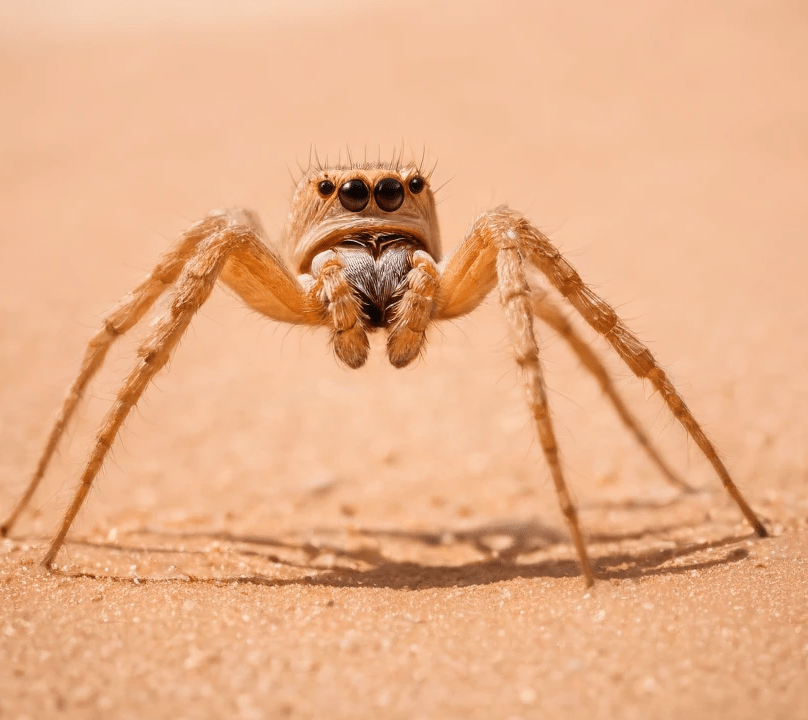
Texas’ Deadliest Insects That Will End You Faster Than You Can Run

Texas is not a forgiving place.
It is vast, hot, biologically aggressive, and packed with life that has evolved for one purpose: survival.

As a professional survival prepper who has spent decades studying poisonous and venomous insects, I can tell you this with certainty—Texas insects are not something to ignore, underestimate, or dismiss as “just bugs.” Some can permanently injure you. A few can kill you. Most will hurt you badly if you’re careless.

The good news?
Knowledge is stronger than venom.

This article is not written to scare you. It is written to prepare you. When you understand which insects are truly dangerous, how they behave, where they live, and—most importantly—how to avoid provoking them, you dramatically increase your odds of staying healthy and alive.

Let’s get one thing straight before we begin:

In Texas, insects don’t hunt humans—but they will defend themselves brutally when surprised, stepped on, cornered, or ignored.

If you live in Texas, travel through it, hike, camp, hunt, or even just maintain a backyard, this guide is essential reading.


Poisonous vs. Venomous: Know the Difference or Pay the Price

Before naming specific insects, we need clarity.

  • Poisonous means harmful if eaten or touched.
  • Venomous means harmful if it bites or stings you.

Most dangerous Texas insects are venomous, delivering toxins through stings or bites. That venom can cause:

  • Severe pain
  • Allergic reactions
  • Tissue damage
  • Infection
  • Cardiac or respiratory complications in rare cases

For survival purposes, venom plus ignorance is what kills people—not the insect itself.


1. Fire Ants: Small, Aggressive, and Relentless
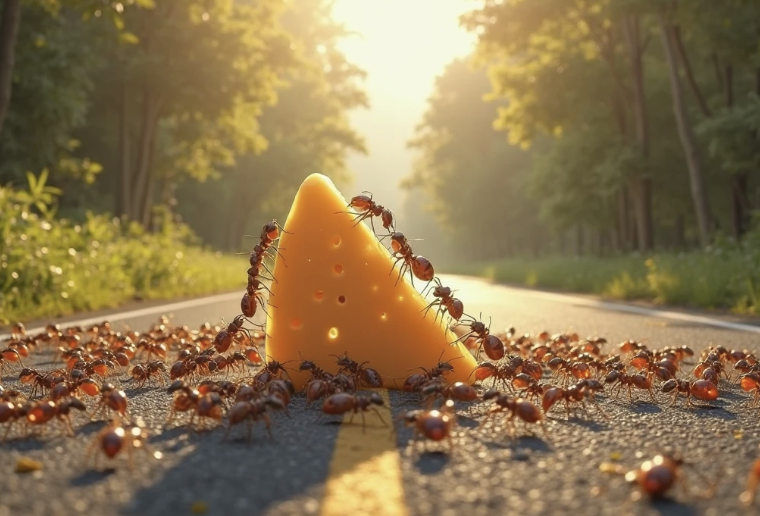
Why Fire Ants Are Dangerous

Fire ants may look insignificant, but they are among the most medically significant insects in Texas due to their aggression and sheer numbers.

One fire ant sting is unpleasant.
Dozens or hundreds can become a medical emergency.

Fire ants:

  • Swarm when disturbed
  • Bite and sting repeatedly
  • Inject venom that causes burning pain and pustules
  • Can trigger severe allergic reactions in sensitive individuals

In survival situations, fire ants are especially dangerous because people often panic and fall, increasing exposure.

Where You’ll Find Them

  • Lawns
  • Fields
  • Roadside ditches
  • Pastures
  • Playgrounds
  • Campsites

Survival-Prepper Prevention Strategy

  • Never stand still on bare ground for long periods
  • Avoid sitting directly on the ground without inspection
  • Learn to recognize fire ant mounds
  • Wear closed-toe footwear outdoors
  • Shake clothing and bedding before use

If You Are Attacked

  • Move immediately
  • Brush ants off quickly (don’t slap)
  • Wash the area thoroughly
  • Monitor for signs of allergic reaction

Fire ants are not predators. They are territorial landmines. Step wrong, and they will punish you for it.


2. Africanized Honey Bees (“Killer Bees”)

Why They’re Dangerous

Africanized honey bees are not a myth, and they are not exaggerated by the media. They exist in Texas, and they are extremely defensive.

What makes them dangerous:

  • They attack in large numbers
  • They pursue threats for long distances
  • Multiple stings increase venom exposure
  • Attacks often happen near nests people didn’t see

While a single sting is similar to a regular honey bee, mass stings overwhelm the body, even in healthy individuals.

Common Nesting Areas

  • Hollow trees
  • Wall cavities
  • Attics
  • Sheds
  • Abandoned vehicles
  • Ground cavities

Survival-Prepper Rules

  • Never investigate buzzing you can’t see
  • Keep distance from unknown hives
  • Do not throw objects at nests
  • Teach children to run immediately if bees swarm

If Attacked

  • Cover your face
  • Run in a straight line
  • Seek shelter indoors or inside a vehicle
  • Do not jump into water (they will wait)

Africanized bees kill through volume, not potency. Avoid their territory, and you avoid the danger.


3. Brown Recluse Spider: The Silent Tissue Destroyer

Why It’s Dangerous

The brown recluse spider does not chase or hunt humans—but its venom can cause serious tissue damage in some cases.

Most bites are minor.
Some are not.

The danger lies in:

  • Bites that go unnoticed initially
  • Delayed reactions
  • Infection from untreated wounds

Where Brown Recluses Hide

  • Closets
  • Garages
  • Storage boxes
  • Attics
  • Under furniture
  • Inside shoes

Survival-Prepper Prevention

  • Shake out shoes and clothing
  • Reduce clutter
  • Wear gloves when moving stored items
  • Seal cracks and crevices

Key Insight

Brown recluses bite only when trapped against skin. Most bites happen when people put on clothing or roll over in bed.

Awareness and cleanliness eliminate nearly all risk.


4. Black Widow Spider: Venom That Attacks the Nervous System

Why It’s Dangerous

The black widow delivers neurotoxic venom that causes intense pain, muscle cramping, and systemic effects.

Fatalities are rare, but the pain can be severe and incapacitating.

Identifying Features

  • Shiny black body
  • Red hourglass marking on abdomen
  • Irregular, messy webs

Where They Live

  • Woodpiles
  • Sheds
  • Garages
  • Outdoor furniture
  • Under eaves

Survival-Prepper Strategy

  • Wear gloves when working outdoors
  • Inspect dark corners
  • Keep storage areas organized
  • Reduce insect populations they feed on

Black widows are defensive, not aggressive. Respect their space, and they won’t test your pain tolerance.


5. Scorpions (Especially the Striped Bark Scorpion)

Why Scorpions Matter

Texas is home to several scorpion species, but the striped bark scorpion is the most medically significant.

Stings can cause:

  • Intense pain
  • Numbness
  • Tingling
  • Muscle twitching

Children, elderly individuals, and pets are at higher risk.

Where They Hide

  • Under rocks
  • Inside shoes
  • Bedding
  • Bathrooms
  • Cracks in walls

Survival-Prepper Prevention

  • Seal entry points in homes
  • Use door sweeps
  • Shake bedding and shoes
  • Keep beds away from walls

Scorpions are nocturnal ambush predators. Nighttime awareness saves you from painful surprises.


6. Assassin Bugs & Kissing Bugs

Why They’re Dangerous

Certain assassin bugs, particularly kissing bugs, can transmit Chagas disease, a serious illness.

Additionally:

  • Their bites are extremely painful
  • They often bite while people sleep

Where They’re Found

  • Rural areas
  • Near rodent nests
  • Outdoor lighting
  • Cracks in walls

Survival-Prepper Actions

  • Reduce rodent populations
  • Seal home entry points
  • Use proper bedding protection
  • Keep lights away from sleeping areas

Knowledge turns an invisible threat into a manageable one.


7. Mosquitoes: The Most Dangerous Insect of All

Why Mosquitoes Top the List

Mosquitoes kill more humans worldwide than any other insect due to disease transmission.

In Texas, they can spread:

  • West Nile virus
  • Zika virus
  • Dengue (rare but possible)

Survival-Prepper Mosquito Defense

  • Eliminate standing water
  • Use screens
  • Wear long sleeves at dawn and dusk
  • Use repellents responsibly
  • Sleep under netting in high-risk areas

Mosquitoes are not just annoying. They are biological syringes.


Final Survival Principles for Texas Insect Safety

If you remember nothing else, remember this:

  1. Most dangerous insect encounters happen accidentally
  2. Prevention is more effective than treatment
  3. Calm reactions prevent escalation
  4. Protective clothing saves lives
  5. Awareness beats brute force every time

Texas insects are not monsters—but they are efficient defenders of their territory.

Respect that reality, prepare intelligently, and you will not only survive Texas—you will thrive in it.

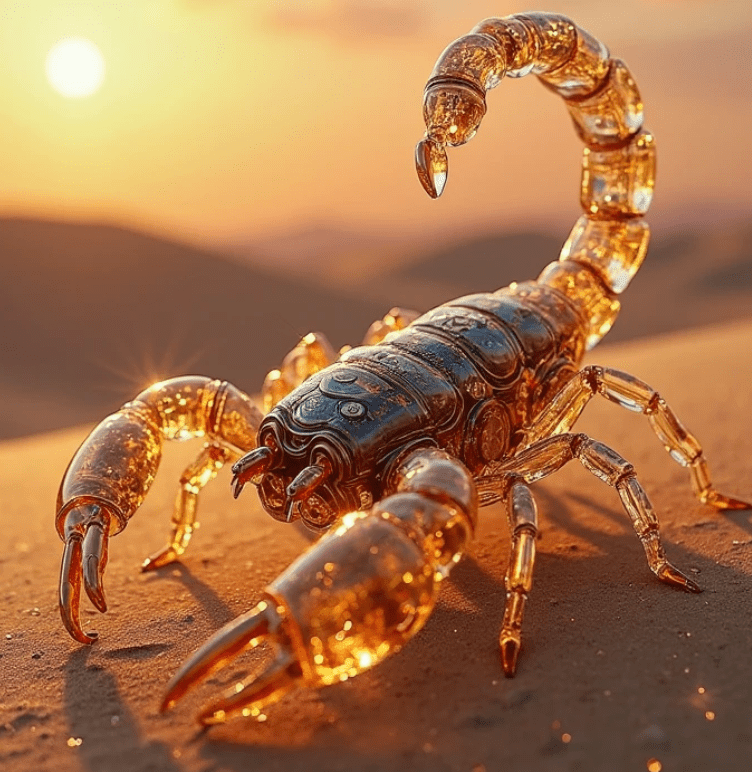
Arizona’s Deadliest Insects – What Can Kill You and How to Stay Alive

Arizona is one of the most beautiful and unforgiving landscapes in the United States. As a survival prepper, I respect the desert not because it is harsh—but because it is efficient. Everything here is designed to survive, defend itself, or kill. While most people worry about snakes or extreme heat, some of the greatest threats in Arizona come in very small packages.

Insects and insect-like arthropods are responsible for more serious injuries, allergic reactions, and deaths worldwide than nearly any other group of animals. In Arizona, several species can end your life quickly if you’re unprepared, unaware, or slow to respond.

This article is not meant to scare you—it’s meant to prepare you. Survival always favors the informed.


First, a Survival Reality Check

Before diving in, understand this critical principle:

Most people don’t die from the insect itself—they die from delayed reaction, ignorance, or panic.

Preparation, awareness, and fast action are what separate survival from tragedy.


1. Arizona Bark Scorpion (Centruroides sculpturatus)

The Arizona bark scorpion is the most venomous scorpion in North America and one of the most dangerous creatures you’ll encounter in the state.

Why It’s Deadly

  • Its venom attacks the nervous system
  • Children, elderly individuals, and those with compromised health are at highest risk
  • Stings can cause breathing difficulty, convulsions, and severe neurological reactions

While healthy adults often survive, underestimating this scorpion is a mistake.

Survival Prepper Tips

  • Shake out shoes, clothing, and bedding—especially at night
  • Seal cracks in walls, baseboards, and door frames
  • Use blacklights at night; bark scorpions glow under UV light
  • Seek medical help immediately if a sting causes intense pain, muscle spasms, or breathing issues

Rule of survival: Never assume a sting is “minor.”


2. Africanized Honey Bees (“Killer Bees”)

Africanized honey bees are established throughout Arizona and pose a very real threat.

Why They’re Deadly

  • They attack in large numbers
  • They pursue threats for long distances
  • Multiple stings can overwhelm the body, even without an allergy

Deaths usually occur from mass envenomation, not a single sting.

Survival Prepper Tips

  • Never disturb hives or swarms
  • If attacked, run immediately and cover your face
  • Do not swat—movement triggers further aggression
  • Seek shelter inside a vehicle or building as fast as possible
  • Call emergency services after reaching safety

Prepper mindset: Distance equals survival.


3. Black Widow Spider (Latrodectus species)

While technically an arachnid, the black widow is often grouped with insects due to its threat level.

Why It’s Dangerous

  • Venom causes severe muscle pain and cramping
  • Can lead to respiratory distress in vulnerable individuals
  • Bites often occur in garages, woodpiles, and storage areas

Deaths are rare, but serious complications are possible.

Survival Prepper Tips

  • Wear gloves when working in dark or cluttered areas
  • Keep storage spaces clean and well-lit
  • Seek medical attention if pain spreads or worsens over time

Survival truth: Small bites can become big problems.


4. Kissing Bugs (Triatomine Bugs)

Kissing bugs are present in Arizona and are known carriers of Chagas disease, a potentially fatal illness.

Why They’re Deadly

  • They feed on human blood at night
  • Infection can occur when parasite-containing feces enter the body
  • Chagas disease may cause fatal heart complications years later

This is a long-term survival threat many people ignore.

Survival Prepper Tips

  • Seal cracks in homes and sleeping areas
  • Use bed nets in rural or desert environments
  • Reduce rodent populations near dwellings
  • Monitor unexplained swelling or illness after bites

Prepper rule: Not all threats kill fast—but they still kill.


5. Mosquitoes (Disease Vectors)

Mosquitoes may seem harmless, but they are statistically among the deadliest creatures on Earth.

Why They’re Deadly

  • Transmit diseases such as West Nile virus
  • Infections can cause severe neurological damage
  • Children and elderly individuals face higher risks

Arizona’s warm climate allows mosquitoes to thrive.

Survival Prepper Tips

  • Eliminate standing water around your home
  • Use window screens and protective clothing
  • Apply insect repellent when outdoors
  • Take symptoms seriously after mosquito exposure

Survival mindset: Disease is a weapon of nature.


6. Fleas (Plague Risk)

Yes—plague still exists in Arizona.

Why They’re Dangerous

  • Fleas can carry bubonic plague
  • Often transmitted via rodents and pets
  • Symptoms can escalate rapidly if untreated

Arizona reports plague cases more often than most states.

Survival Prepper Tips

  • Control rodents around living spaces
  • Use flea prevention on pets
  • Avoid contact with wild animals
  • Seek medical care immediately for fever after flea exposure

Preparedness equals early action.


General Survival Rules for Arizona Insect Threats

A survival prepper lives by systems, not luck. Follow these principles:

  1. Awareness beats strength – Know what lives where you live
  2. Speed beats venom – Fast response saves lives
  3. Prevention beats treatment – Secure your environment
  4. Education beats panic – Calm decisions keep you alive

The Most Dangerous Insects in the State of Arizona That Can Easily End Your Life—and What You Can Do to Survive

Arizona doesn’t care how tough you are. It rewards preparation and punishes complacency.

The insects and arthropods of this state don’t hunt you—but they will defend themselves, spread disease, and exploit your mistakes. Survival isn’t about fear. It’s about respect, knowledge, and readiness.

Stay alert. Stay prepared. And never underestimate something just because it’s small.

Bugs That Murder: 12 Insects That Can, and Will, End You

the world is not safe, nature is not your friend, and the idea that the biggest threats come with teeth and claws is a lie sold to keep people comfortable. Some of the deadliest killers on this planet have wings, six legs, and zero mercy.

Insects don’t roar. They don’t warn you. They don’t care if you’re innocent, prepared, or just unlucky. They exist to feed, reproduce, and survive—and your body is just another resource.

Below are 12 of the most dangerous insects on Earth. Not scary because they look monstrous—but because they quietly end lives every single year. Know where they live. Know how they kill. And most importantly, know how to survive them, because no one is coming to save you.


1. Mosquito – The Deadliest Animal on Earth

Location: Worldwide (especially tropical and subtropical regions)
Why It’s Deadly: Malaria, dengue, Zika, West Nile virus, yellow fever

Mosquitoes kill more humans than any other animal on Earth, and yet people still laugh them off like they’re a summer inconvenience. That’s ignorance bordering on suicidal.

They don’t need venom. They outsource the killing to viruses and parasites that rot societies from the inside. Entire regions have been destabilized because of mosquito-borne disease.

How to Survive:

  • Use insect repellent like your life depends on it—because it does
  • Sleep under mosquito nets in high-risk areas
  • Eliminate standing water near where you live
  • Cover exposed skin, even when it’s uncomfortable

Comfort is temporary. Disease is permanent.


2. Tsetse Fly – Africa’s Silent Executioner

Location: Sub-Saharan Africa
Why It’s Deadly: African trypanosomiasis (sleeping sickness)

The tsetse fly doesn’t bite often—but when it does, it can deliver a parasite that slowly shuts down your nervous system. Untreated, it’s fatal. Even treated, it can permanently damage you.

It’s the kind of death that doesn’t make headlines, just graves.

How to Survive:

  • Avoid bushy, shaded areas in endemic regions
  • Wear neutral-colored, long-sleeved clothing
  • Use traps and repellents designed for tsetse flies

Ignoring regional threats is how travelers become statistics.


3. Kissing Bug (Assassin Bug) – The Disease Delivery System

Location: Central and South America, parts of the southern U.S.
Why It’s Deadly: Chagas disease

This insect feeds on your blood while you sleep and leaves behind parasites that can destroy your heart over decades. Slow death. Long suffering. Perfect for a world that doesn’t care.

How to Survive:

  • Seal cracks in walls and roofs
  • Avoid sleeping in poorly constructed housing
  • Use bed nets and insecticides

If your shelter isn’t secure, neither are you.


4. Africanized Honey Bee – The Swarm That Hates You

Location: Americas, especially the southern U.S.
Why It’s Deadly: Massive envenomation from swarm attacks

One bee sting isn’t deadly. A thousand stings absolutely are. Africanized bees don’t warn, don’t retreat, and don’t forgive.

How to Survive:

  • Run immediately—do not fight
  • Cover your face and airways
  • Get indoors or into a vehicle
  • Seek medical help immediately

Heroics get people killed.


5. Asian Giant Hornet – Nature’s Flying Hatchet

Location: East Asia (rare but spreading)
Why It’s Deadly: Potent venom, multiple stings

This hornet isn’t dangerous because it’s common—it’s dangerous because when it attacks, it means business.

How to Survive:

  • Avoid nests at all costs
  • Do not provoke or investigate
  • Wear protective clothing in known regions

Curiosity is fatal in the wild.


6. Fire Ant – Death by Numbers

Location: Americas, Australia, parts of Asia
Why It’s Deadly: Venom, allergic reactions, mass attacks

Fire ants swarm, sting repeatedly, and inject venom that can kill vulnerable individuals. They don’t stop when you scream.

How to Survive:

  • Avoid disturbed mounds
  • Treat nests around living areas
  • Remove ants immediately if attacked

Small enemies win by overwhelming you.


7. Driver Ants (Siafu Ants) – The Marching Nightmare

Location: Central and East Africa
Why It’s Deadly: Massive swarm attacks

Driver ants don’t hunt individuals—they consume everything in their path. Infants, livestock, incapacitated adults. No malice. Just hunger.

How to Survive:

  • Evacuate immediately when swarms are detected
  • Elevate sleeping areas
  • Seal entry points

Mob mentality applies to nature too.


8. Sandfly – The Parasite Courier

Location: Tropics, subtropics, Mediterranean regions
Why It’s Deadly: Leishmaniasis

This disease eats away at the body and can become fatal if untreated. Another reminder that the smallest things bring the longest suffering.

How to Survive:

  • Use fine-mesh bed nets
  • Apply insect repellent consistently
  • Avoid outdoor exposure at dusk and dawn

Routine prevention beats desperate treatment.


9. Flea – The Medieval Killer That Never Left

Location: Worldwide
Why It’s Deadly: Plague, typhus

Fleas helped wipe out a third of Europe once. They’re still here. Still biting. Still capable of spreading deadly disease.

How to Survive:

  • Control rodents
  • Treat pets regularly
  • Maintain clean living spaces

History repeats when people forget.


10. Lonomia Caterpillar – Beauty That Kills

Location: South America
Why It’s Deadly: Venom causing internal bleeding

Touching this caterpillar can lead to organ failure. No bite. No sting. Just contact.

How to Survive:

  • Never touch unfamiliar insects
  • Wear gloves in forested areas
  • Seek immediate medical attention

Nature doesn’t label its poisons.


11. Blister Beetle – Toxic by Design

Location: Worldwide
Why It’s Deadly: Cantharidin poisoning

Crushing this beetle releases toxins that can be lethal if ingested or absorbed.

How to Survive:

  • Don’t handle beetles barehanded
  • Wash thoroughly after exposure
  • Avoid contaminated food sources

Carelessness is poison’s best ally.


12. Botfly – The Parasite You Carry

Location: Central and South America
Why It’s Deadly: Secondary infections

Botflies use mosquitoes to deposit larvae under your skin. Left untreated, infections can turn deadly.

How to Survive:

  • Prevent mosquito bites
  • Treat infestations early
  • Seek professional medical removal

If something doesn’t belong in your body, get it out.


Final Thought: Survival Is Awareness

The world isn’t designed for your comfort. It’s designed for competition, and insects have been playing this game longer than humanity ever will.

You don’t survive by pretending danger doesn’t exist.
You survive by acknowledging it, respecting it, and preparing for it.

Stay alert. Stay informed. And stop assuming the smallest threats are harmless.

They never were.