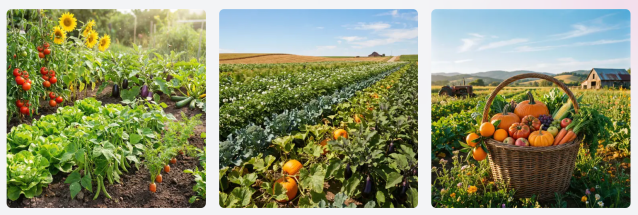
Survival Gardening Advice for Nevada Residents

Nevada is a land of extremes: blazing summer heat, dry desert air, scarce water, and unexpected cold snaps at higher elevations. Survival gardening here isn’t just a hobby — it’s a science. Brooke Homestead, 2025 Female Survivalist of the Year, knows how to turn Nevada’s harsh environment into a productive, self-reliant homestead.

Below is her Nevada-specific survival gardening and food storage strategy — precise, tested, and designed for real-world desert resilience.


🌱 Brooke Homestead Introduces Herself

“Hey friends — Brooke here.

Nevada isn’t gentle. The desert sun can fry your plants by mid-morning, and water isn’t something you take for granted. Some days it feels like the soil itself is working against you. But if you respect the climate and plan carefully, Nevada can feed you year-round.

The first season I gardened in Nevada, I underestimated the wind and the sun. Seedlings shriveled in 48 hours. That’s when I realized — desert gardening is about discipline, precision, and constant attention.”


🌵 Brooke’s Survival Gardening Strategy for Nevada

Nevada’s growing season is longer in southern regions, shorter at higher elevations. Water scarcity, intense heat, and soil limitations require strategy.


1️⃣ Grow Drought-Resistant, Heat-Tolerant Crops

Brooke recommends crops that thrive under desert conditions:

  • Sweet potatoes
  • Carrots
  • Beets
  • Kale
  • Spinach (heat-tolerant varieties)
  • Tomatoes (short-season, sun-resistant varieties)
  • Peppers
  • Squash
  • Beans

“These crops can survive high temperatures and limited water. That’s survival math.”


2️⃣ Water Management Is Critical

Water scarcity defines Nevada gardening. Brooke advises:

  • Drip irrigation systems for efficiency
  • Mulch to retain soil moisture
  • Planting in early morning or evening
  • Collecting and storing rainwater where legal

“Every drop counts. Waste it, and you compromise your harvest.”


3️⃣ Season Extension & Shade

Even with longer growing seasons, extreme daytime heat can stress crops.

Brooke uses:

  • Shade cloth over sensitive plants
  • Cold frames or mini hoop houses for early spring/fall
  • Raised beds with light-colored mulch to reflect heat

“The desert sun is relentless. You need microclimates for survival gardening.”


4️⃣ Soil Preparation

Nevada soil can be sandy or alkaline. Brooke builds fertile beds by:

  • Mixing native soil with compost
  • Adding aged manure
  • Incorporating organic matter to retain moisture
  • Using raised beds for root depth

“Healthy soil compensates for extreme climate conditions.”


🥔 Nevada Food Storage Strategy

“Water is scarce. Food storage is essential.”


🧊 Root Storage

Root crops store well when prepared correctly:

  • Potatoes, carrots, beets, onions, and winter squash
  • Keep in cool, dark, and dry conditions
  • Use ventilation to prevent mold

🫙 Pressure Canning

Brooke cans:

  • Beans
  • Tomato sauce
  • Stews
  • Chicken
  • Broth

“Protein security is essential in dry climates where fresh food can be inconsistent.”


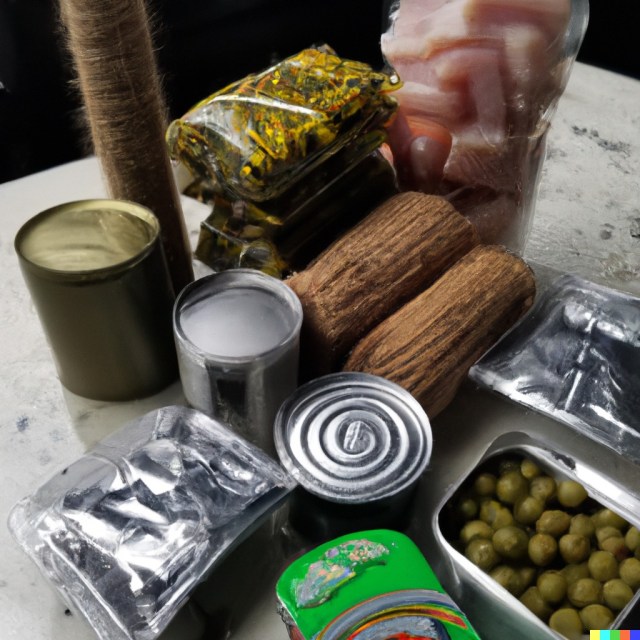
🌾 Long-Term Dry Storage

Brooke stores staples in:

  • Mylar bags
  • Oxygen absorbers
  • Food-grade buckets

Key staples:

  • White rice
  • Pinto beans
  • Wheat
  • Rolled oats
  • Cornmeal

“Desert storms or supply interruptions are no joke. Preparedness is independence.”


🌞 Why Survival Gardening in Nevada Matters

Brooke emphasizes:

  • Limited rainfall and desert conditions can disrupt crops
  • Rural isolation makes supply lines fragile
  • Heat waves and sudden frost events threaten harvests
  • Long-term self-reliance requires strategic planting and storage

“In Nevada, survival gardening is not optional — it’s a necessity.”


🌵 Brooke’s Final Advice for Nevada

“Respect the sun. Conserve water. Protect your soil. Grow crops that thrive under harsh conditions. Preserve early and often.

Survival gardening here isn’t about fear — it’s about mastering your environment. When your pantry is full and the desert wind is howling, you’ve already won.”

— Brooke Homestead

New Mexico’s Best Survival Gardening Advice, Tricks, and the Best Emergency Food Storage Preparedness Tips Around

2025 Survivalist of the Year: Brooke Homestead’s New Mexico Desert Survival Blueprint

New Mexico is a land of extremes: high desert sun, arid soil, dramatic temperature swings, and limited water. It rewards the prepared and punishes the unready. Brooke Homestead, 2025 Female Survivalist of the Year, has mastered survival gardening in this environment and knows exactly how to turn the Land of Enchantment into a productive, self-reliant homestead.

Below is her New Mexico-focused survival gardening and food storage strategy — tested, practical, and built for desert resilience.


🌱 Brooke Homestead Introduces Herself

“Hey friends — Brooke here.

New Mexico isn’t forgiving. The sun scorches, the wind dries the soil in hours, and water is never guaranteed. I learned quickly that gardening here is as much about strategy as it is about planting.

The first year I tried growing in the high desert, I lost seedlings to sunburn and drying winds before they even established roots. But once I learned to work with the land — using shade, soil prep, and water-saving techniques — the desert became one of the most productive places I’ve ever grown food.”

Brooke EXPOSES Her Family’s Shocking Secret – Watch Video Below If You Want to Know


Brooke’s Survival Gardening Strategy for New Mexico

New Mexico’s growing season can be long in low desert regions but is limited in high-elevation areas. Extreme heat, aridity, and alkaline soils mean crops and methods must be carefully chosen.


Drought-Tolerant, High-Yield Crops

Brooke focuses on crops that survive heat, low water, and short-term frost:

  • Green chiles (short-season varieties)
  • Tomatoes (disease-resistant, heat-tolerant)
  • Carrots
  • Beets
  • Onions
  • Kale and spinach (heat-tolerant types)
  • Squash
  • Beans

“These crops tolerate dry soil and intense sun while producing abundant calories — essential for survival.”


Water Management

“Water is life here — literally.”

Brooke’s strategies:

  • Drip irrigation to minimize waste
  • Mulching to retain moisture
  • Rainwater collection where legal
  • Planting early or late in the day to avoid heat stress

“Every drop counts in New Mexico. You can’t take water for granted.”


Shade & Microclimates

Desert sun can fry plants rapidly. Brooke uses:

  • Shade cloth over sensitive crops
  • Raised beds for heat control and soil drainage
  • Hoop houses for early and late-season protection

“The desert can be unforgiving — microclimates are your secret weapon.”


Soil Preparation

High desert soils can be sandy, alkaline, or rocky. Brooke builds fertile beds by:

  • Mixing native soil with compost
  • Adding aged manure
  • Using organic matter to retain water
  • Raising beds for better root depth and heat control

“Healthy soil compensates for the harsh environment.”


Food Storage Strategy in New Mexico

“Sun and wind can destroy crops fast. Preservation is essential.”


Root Storage & Dry Storage

Root crops store well with proper care:

  • Carrots, onions, beets, winter squash
  • Cool, dry, ventilated storage areas
  • Dehydration for herbs, peppers, and greens

Long-term staples:

  • White rice
  • Pinto beans
  • Wheat
  • Cornmeal
  • Oats

Stored in Mylar bags, oxygen absorbers, and food-grade buckets.


Pressure Canning

Brooke preserves:

  • Beans
  • Tomato sauce
  • Stews
  • Chicken
  • Broth

“Protein security is survival security in arid climates where fresh supply may be scarce.”


🌞 Why Survival Gardening in New Mexico Matters

Brooke emphasizes:

  • Drought and aridity make crop loss a real threat
  • Rural isolation limits grocery access
  • Heat waves and frost events are unpredictable
  • Self-reliance ensures food security year-round

“Survival gardening in New Mexico is not optional — it’s a lifestyle.”


Brooke’s Final New Mexico Advice

“Respect the sun, conserve water, protect your soil, and choose crops wisely. Preserve early and store efficiently.

The desert rewards discipline. When your pantry is stocked and the wind blows across the high plains, that’s not luck — that’s preparation.”

— Brooke Homestead