
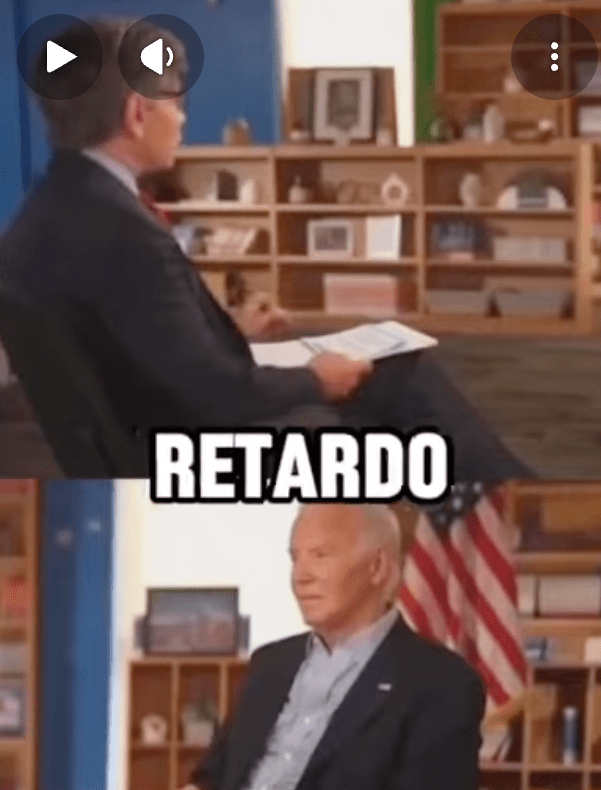
George Stephanopoulos presses President Joe Biden on what he calls a “bad night” during the 2024 presidential debate against Donald Trump—a night that, in hindsight, became a turning point not just for the campaign but for the entire election. Biden appears reflective, slower in cadence, choosing his words carefully as he acknowledges that the debate performance rattled supporters, donors, and party leaders who had already been anxious about optics, stamina, and the unforgiving spotlight of a televised showdown. Stephanopoulos, maintaining the restrained but pointed tone of a seasoned interviewer, circles back repeatedly to the same underlying question: whether this was merely one off night or a revealing moment that accelerated a decision already forming behind closed doors.
Biden doesn’t fully concede the latter, but his answers suggest an awareness that modern campaigns are less forgiving than they once were, especially when moments are clipped, looped, and dissected in real time across social media and cable news. He frames his eventual exit from the race as an act of responsibility rather than defeat, emphasizing party unity, electoral math, and what he describes as the broader stakes of preventing another Trump presidency. The conversation carries a sense of inevitability, as if both men understand that the interview is less about relitigating the debate and more about documenting a political transition. When Biden speaks about stepping aside so that Vice President Kamala Harris could take the mantle, his tone shifts toward reassurance, underscoring confidence in her ability to prosecute the case against Trump more aggressively and energize voters who had begun to drift. Stephanopoulos doesn’t push theatrics; instead, he lets the weight of the moment sit, allowing pauses to do as much work as the questions themselves.
The interview ultimately plays less like damage control and more like a coda to a long political chapter—one in which a single night, fair or not, became symbolic of broader concerns and faster-moving political realities. For viewers, the clip offers a rare look at a sitting president publicly processing the end of a campaign, acknowledging vulnerability without fully embracing regret, and attempting to shape how history will remember the moment when the race changed hands, the strategy shifted, and the 2024 election entered a new and uncertain phase.



 TheDailyChristian