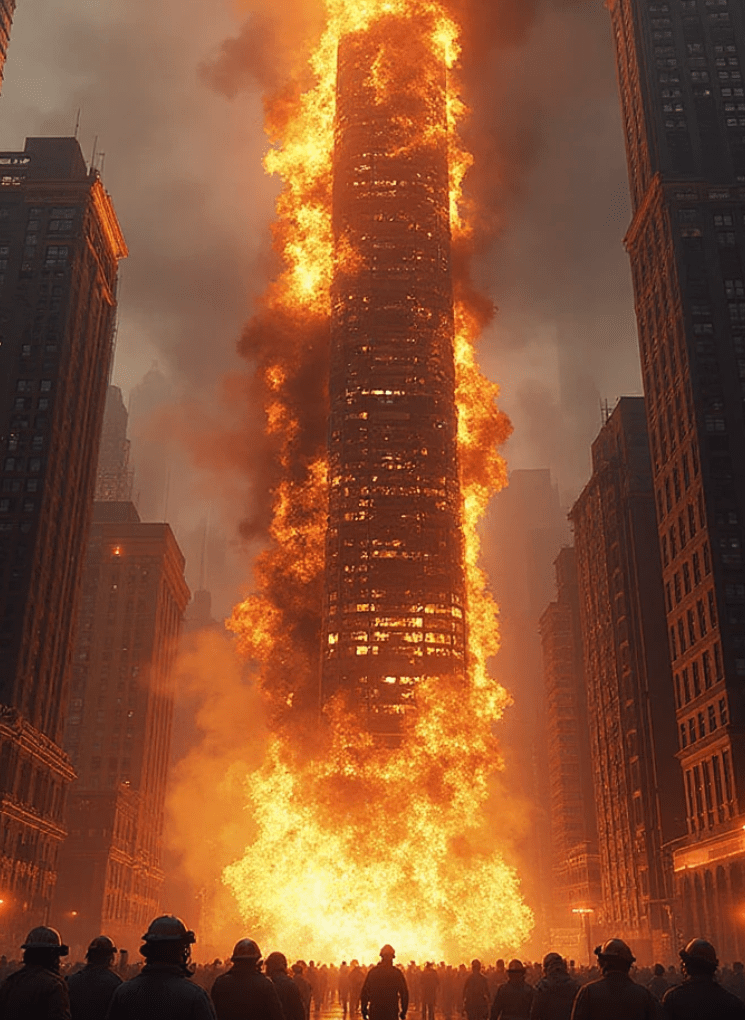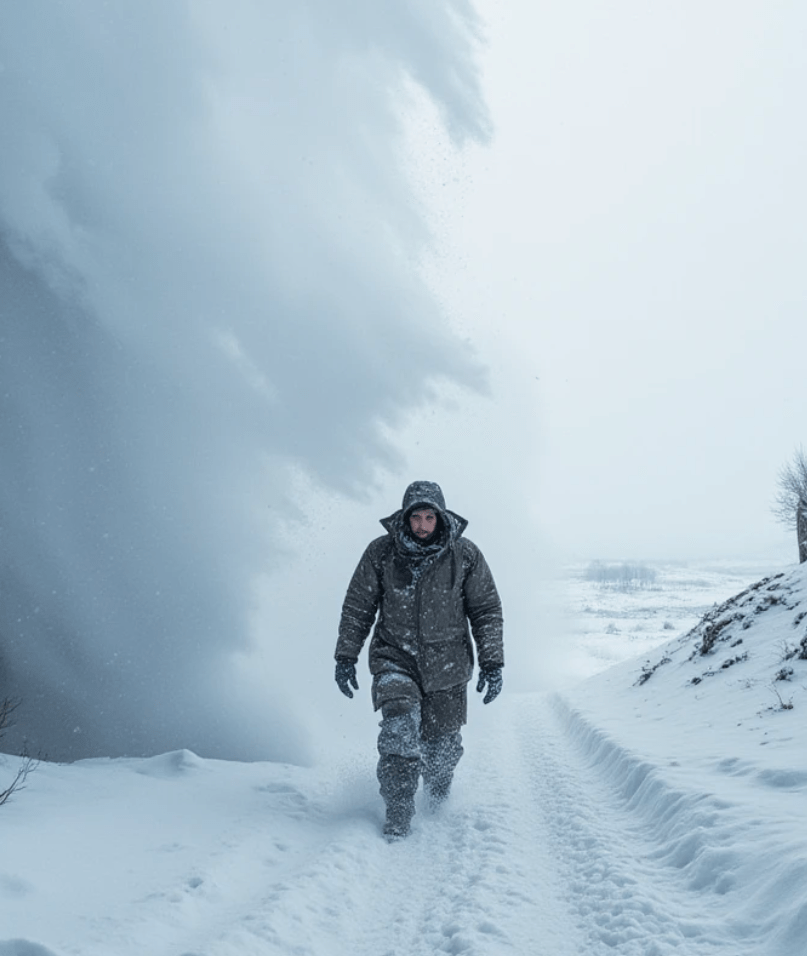
West Virginia Winter Storms Don’t Need Blizzards to Kill — They Just Need Complacency


How Do Most People Die in a Winter Storm in the State of West Virginia — And How to Survive One

If you live in West Virginia and think winter storms are “nothing compared to up north,” you are making the exact mistake that gets people killed here every single year.

I’ve watched it happen over and over. People underestimate elevation, winding mountain roads, aging infrastructure, and how fast isolation sets in. They assume help will arrive quickly. It won’t.

West Virginia winter storms don’t kill with spectacle. They kill with ice, darkness, power outages, blocked roads, and distance. When storms hit here, you’re not just cold — you’re cut off.

And if you didn’t prepare ahead of time, winter makes that painfully clear.


How Winter Storms Actually Kill People in West Virginia

Deaths during winter storms in West Virginia are not random. They follow predictable patterns — the same ones, every winter.


1. Hypothermia — Inside Rural Homes and Mobile Homes

Hypothermia is the leading cause of winter storm deaths in West Virginia.

And no, it doesn’t require record-breaking cold.

It happens when:

  • Ice storms knock out power
  • Heat pumps fail
  • Older homes lose heat quickly
  • People don’t have backup heat sources

Mobile homes, older houses, and poorly insulated cabins lose heat fast. Once indoor temperatures drop, hypothermia begins quietly.

People assume they can “bundle up and wait it out.” They underestimate how fast cold drains energy and judgment.

Cold kills patiently.


2. Carbon Monoxide Poisoning (A Deadly and Repeating Mistake)

Every major winter storm in West Virginia brings carbon monoxide poisonings.

People run:

  • Generators in garages or near homes
  • Propane heaters indoors
  • Camp stoves and grills inside
  • Fireplaces improperly

Carbon monoxide is invisible and odorless. You won’t feel pain. You’ll feel sleepy — and then you won’t wake up.

If you live in West Virginia without battery-powered carbon monoxide detectors, you are gambling with your life unnecessarily.


3. Getting Stranded on Mountain Roads

This one kills people every winter.

West Virginia storms shut down:

  • Mountain passes
  • Switchback roads
  • Secondary highways
  • Gravel and dirt roads

People die because they:

  • Drive during ice storms
  • Slide off mountain roads
  • Run out of fuel
  • Lose cell service
  • Don’t carry winter survival gear

In West Virginia, getting stranded doesn’t mean waiting an hour. It can mean waiting overnight or longer — in the cold.

Your vehicle becomes your shelter whether you planned for it or not.


4. Ice Falls, Roof Collapses, and Chainsaw Accidents

Ice storms are especially deadly here.

Deaths occur from:

  • Slipping on untreated ice
  • Falling while clearing roofs
  • Roof collapses under ice load
  • Chainsaw accidents during cleanup

People rush to “fix things” instead of slowing down. Cold, ice, and fatigue make mistakes fatal.

Survival requires patience — not urgency.


5. Power Outages and Medical Dependency Failures

West Virginia’s infrastructure is vulnerable during winter storms.

People relying on:

  • Oxygen concentrators
  • CPAP machines
  • Refrigerated medications
  • Electric mobility devices

…are at serious risk when outages last days.

Mountain terrain delays crews. Ice blocks access roads. Emergency response slows dramatically.

If you don’t have backup power, you’re exposed.


Will Grocery Stores Go Empty During a West Virginia Winter Storm?

Yes — and often faster than people expect.

West Virginia relies heavily on:

  • Mountain trucking routes
  • Limited delivery schedules
  • Smaller local stores

When storms hit:

  • Trucks can’t get through
  • Shelves empty quickly
  • Rural areas wait days for restocks

What disappears first:

  • Bread
  • Milk
  • Eggs
  • Bottled water
  • Canned food
  • Batteries
  • Firewood

If your plan is “I’ll grab supplies when it starts snowing,” you’re already too late.


Why Survival Prepping Matters in West Virginia

Prepping is critical here because:

  • Terrain slows emergency response
  • Ice storms cripple power lines
  • Rural communities are isolated
  • Weather changes rapidly with elevation

Prepping isn’t fear — it’s responsibility.

Prepared people stay warm, fed, and safe. Unprepared people wait in the dark and hope.

Hope is not a survival strategy.


Survival Food Prepping for West Virginia Winter Storms

Food keeps your body warm and functional.

Best Survival Foods to Store

Choose foods that:

  • Don’t require refrigeration
  • Can be eaten cold
  • Are calorie-dense

Top choices:

  • Canned meats (chicken, tuna, beef)
  • Beans and lentils
  • Rice and pasta
  • Oatmeal
  • Peanut butter
  • Protein bars
  • Shelf-stable soups
  • Freeze-dried meals

In West Virginia, store at least 7–14 days of food per person, more if you’re rural or mountainous.

Cold burns calories faster than people realize.


Water: A Hidden Risk in Winter

Frozen pipes are common during West Virginia storms.

Minimum storage:

  • 1 gallon per person per day
  • Store at least 7–10 days

If water systems fail, boiling requires fuel or power — neither guaranteed during outages.

Store water ahead of time.


Solar Generators: A Smart Backup Power Option

Gas generators are common in West Virginia — but fuel access can be limited during storms.

Solar generators offer:

  • Indoor-safe power
  • Quiet operation
  • No fuel dependency
  • Reliable backup energy

They can power:

  • Medical devices
  • Lights
  • Phones
  • Radios
  • Electric blankets
  • Refrigerators intermittently

Look for:

  • 1,000–2,000Wh capacity
  • Expandable solar panels
  • Multiple output ports

Power keeps you alive when roads are impassable.


Essential Winter Storm Survival Supplies for West Virginia

Home Survival Essentials

  • Thermal blankets
  • Cold-rated sleeping bags
  • Flashlights and headlamps
  • Battery-powered radio
  • Extra batteries
  • Layered winter clothing
  • Hats, gloves, wool socks

Safety Gear

  • Fire extinguisher
  • First aid kit
  • Carbon monoxide detectors
  • Safe space heaters
  • Fire-safe candles

Vehicle Survival Kit (Non-Negotiable)

  • Heavy blankets
  • Water
  • High-calorie food
  • Shovel
  • Jumper cables
  • Ice scraper
  • Flares or reflectors

How to Actually Survive a West Virginia Winter Storm

Survival is about discipline.

You survive by:

  • Staying home
  • Conserving heat
  • Eating enough calories
  • Using backup power carefully
  • Avoiding unnecessary travel

You die by:

  • Driving icy mountain roads
  • Using unsafe heating methods
  • Waiting until the last minute
  • Assuming help is close

West Virginia winter punishes assumptions.


West Virginia winter storms don’t care how tough you think you are. They don’t care that you’ve lived here your whole life. They don’t care about optimism.
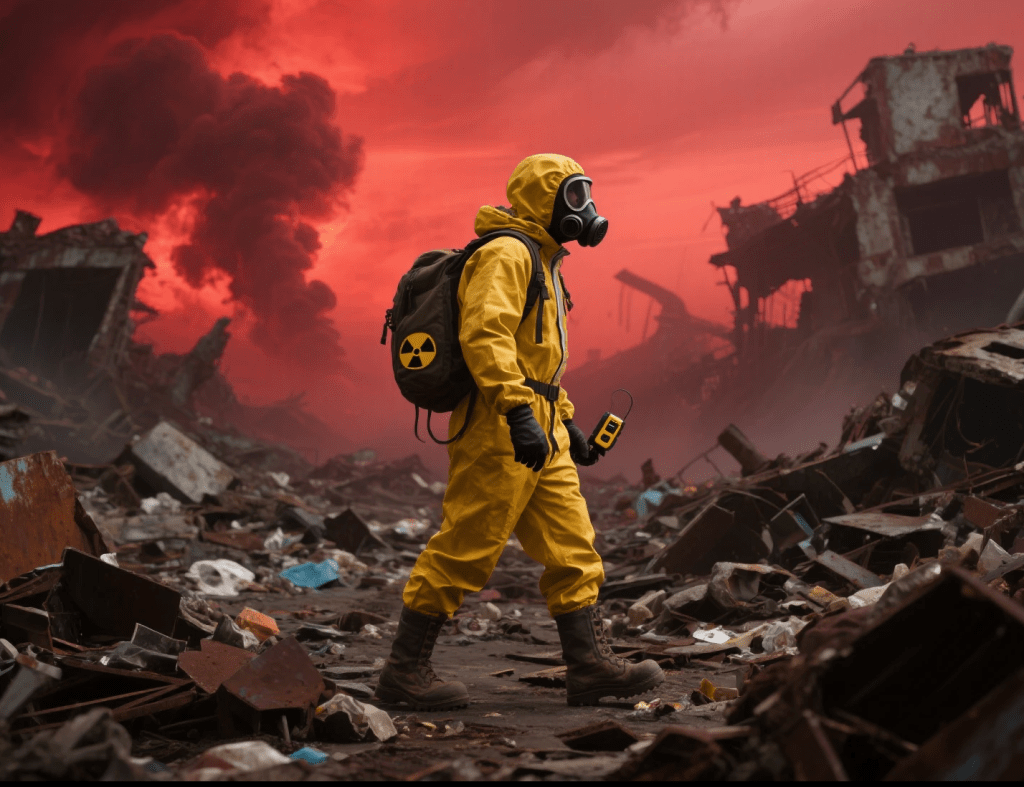
Nuclear Neighbor – What Is a Safe Distance to Live From a Nuclear Power Plant?

I’ll get this out of the way early: I hated the movie Oppenheimer.

Not because it wasn’t well-made. Not because the acting was bad. I hated it because it fed the same tired, fear-soaked narrative that nuclear power equals inevitable apocalypse. That mindset is not just wrong—it’s dangerous. Nuclear energy is one of the most powerful tools humanity has ever built, and if our species is going to dominate this planet long-term, survive climate instability, and push beyond Earth, nuclear power is not optional. It’s essential.

That said—and this is where the prepper in me takes over—any system powerful enough to light cities for decades is powerful enough to kill thousands if it fails catastrophically.

So let’s talk reality.

If you live near a nuclear power plant, you deserve honest answers, not Hollywood panic and not industry spin. You deserve to know how dangerous it actually is, what “safe distance” really means, what happens if the worst occurs, and what you would need to do to survive if a nuclear power plant exploded or melted down in your city.

This article is not anti-nuclear. It’s pro-truth, pro-preparedness, and pro-survival.


Understanding Nuclear Power Plants: What They Are—and What They Are Not

First, let’s correct a massive misunderstanding.

A nuclear power plant is not a nuclear bomb.

It does not explode like a weapon. There is no mushroom cloud. No city-leveling blast wave. Anyone telling you otherwise is either ignorant or selling clicks.

However—and this is a big however—nuclear power plants can fail, and when they do, the danger comes from radiation release, steam explosions, hydrogen explosions, and long-term environmental contamination.

The real threat isn’t instant annihilation. The real threat is invisible, persistent, and lethal over time.

That’s radiation.


So… What Is a “Safe Distance” From a Nuclear Power Plant?

This is the question everyone asks, and the answer is uncomfortable because it isn’t a single number.

The Official Zones

Most governments and nuclear regulatory agencies divide areas around nuclear plants into zones:

  • 0–10 miles (0–16 km): Emergency Planning Zone (EPZ)
  • 10–50 miles (16–80 km): Ingestion Pathway Zone
  • 50+ miles: Generally considered low-risk for immediate exposure

Let me translate that into plain English.

0–10 Miles: You’re in the Danger Core

If you live within 10 miles of a nuclear power plant and a serious accident occurs, you are in the highest-risk category.

This is the zone where:

  • Evacuations happen fast
  • Radiation exposure can be acute
  • Shelter-in-place orders may come with minutes of warning
  • Long-term habitation may become impossible

If a reactor melts down or releases radioactive material into the air, this zone takes the hit first and hardest.

From a prepper’s perspective, this is not a safe distance. It’s a managed risk at best.

10–50 Miles: The Fallout Zone

This is where things get tricky—and where most people underestimate risk.

Radiation doesn’t care about city limits. It rides the wind. Rain pulls it down. Food and water absorb it.

In this zone:

  • Fallout contamination becomes the primary danger
  • Food supplies (farms, livestock, water reservoirs) are at risk
  • Long-term cancer risk increases
  • Evacuation may be delayed or partial

If you live here, you’re not in immediate blast danger—but you are absolutely in radiation exposure territory.

50+ Miles: Statistically Safer, Not Immune

Beyond 50 miles, immediate radiation risk drops significantly in most scenarios.

But let me be crystal clear: “safer” does not mean “safe.”

Chernobyl contaminated regions over 1,000 miles away. Fukushima radiation was detected across the Pacific.

If atmospheric conditions align badly, distance alone will not save you.


Why Nuclear Power Plants Can Be Deadly If the Worst Happens

Nuclear energy is safe when everything works as designed. But disasters don’t happen because things work. They happen because multiple systems fail at once.

Here’s what can go wrong.


1. Reactor Core Meltdown

A meltdown occurs when:

  • Cooling systems fail
  • Fuel rods overheat
  • The reactor core melts through containment barriers

This releases radioactive isotopes like:

  • Iodine-131
  • Cesium-137
  • Strontium-90

These are not abstract science terms. These are substances that:

  • Destroy thyroids
  • Cause cancers decades later
  • Render land unusable for generations

2. Hydrogen Explosions

In several historical nuclear accidents, overheating fuel rods caused hydrogen buildup. When hydrogen ignites, it explodes—violently.

This doesn’t flatten cities, but it breaches containment, allowing radiation to escape into the atmosphere.

That’s how disasters spread.


3. Spent Fuel Pool Fires

This is one of the least discussed and most terrifying scenarios.

Spent fuel pools hold highly radioactive waste. If cooling water drains or boils off, the fuel can ignite—releasing enormous amounts of radiation.

Some experts consider this worse than a reactor meltdown.


4. Long-Term Environmental Contamination

Even if no one dies immediately, the land can be poisoned.

Radiation settles into:

  • Soil
  • Crops
  • Rivers
  • Groundwater
  • Animal populations

This isn’t dramatic. It’s slow. It’s quiet. And it kills people years later.


If a Nuclear Power Plant Exploded in Your City: What Would You Need to Do?

Now we get to the survival part. This is not theory. This is what matters.

First: Understand the Timeline

A nuclear power plant disaster unfolds in phases:

  1. Initial failure
  2. Radiation release
  3. Public notification
  4. Evacuation or shelter orders
  5. Fallout spread
  6. Long-term displacement

Your actions in the first 30–120 minutes matter more than anything else.


Immediate Actions (Minutes to Hours)

1. Get Indoors Immediately

If you are downwind of a radiation release:

  • Go inside the nearest solid structure
  • Basements are best
  • Concrete and earth are your friends

Do not stand outside watching. That’s how people get irradiated.

2. Seal Yourself In

  • Close windows and doors
  • Turn off HVAC systems
  • Block vents if possible
  • Use tape and plastic if available

This reduces radioactive particles entering your space.

3. Decontaminate If Exposed

If you were outside:

  • Remove outer clothing immediately
  • Seal it in a bag
  • Shower with soap and water (no conditioner)
  • Do not scrub harshly

This alone can remove a significant percentage of radioactive contamination.


Evacuation: When to Leave and When Not To

This is where people die by making the wrong choice.

Evacuate If:

  • Authorities issue a clear evacuation order
  • You have a planned route away from the plume
  • You can leave immediately

Do NOT Evacuate If:

  • Fallout is actively occurring
  • Roads are gridlocked
  • You would be exposed longer outside than sheltered

Radiation exposure is cumulative. Sometimes staying put saves your life.


Long-Term Survival After a Nuclear Plant Disaster

If the disaster is severe, life does not “go back to normal.”

Food and Water Become Critical

  • Local water may be contaminated
  • Crops may be unsafe for years
  • Milk and leafy vegetables are especially dangerous

Preppers understand this: stored food wins.

Health Monitoring Is Non-Negotiable

Radiation sickness may not appear immediately. Symptoms can include:

  • Nausea
  • Fatigue
  • Hair loss
  • Thyroid issues

Long-term screening matters.


So… Should You Live Near a Nuclear Power Plant?

Here’s my honest, professional answer.

Nuclear power is essential for humanity’s future. Period. Fossil fuels are limited. Renewables alone won’t carry us. If we want space travel, advanced industry, and global stability, nuclear energy is part of that equation whether people like it or not.

But living near a nuclear power plant is a calculated risk.

From a Prepper’s Perspective:

  • Inside 10 miles? I wouldn’t.
  • 10–30 miles? Only with serious preparedness.
  • 30–50 miles? Acceptable with planning.
  • 50+ miles? Reasonable for most people.

Preparedness turns fear into control.


Final Thoughts: Respect the Power, Don’t Fear It

Hollywood wants you to fear nuclear energy. Fear sells tickets.

Survival demands something different: respect.

Nuclear power is not evil. It’s not magic. It’s a tool—one of the most powerful tools our species has ever created. Tools can build civilizations or destroy them depending on how responsibly they’re handled.

If you live near a nuclear power plant, don’t panic. Get educated. Get prepared. Understand the risks, plan your responses, and make informed decisions.

That’s how you survive.

And that’s how humanity moves forward—eyes open, not blinded by fear or fiction.

Preparedness Items for Social Unrest: What to Have Ready If Riots Break Out (Like in Minnesota)

Let’s start with an uncomfortable truth: nobody ever plans to be caught in the middle of social unrest. If they did, they would probably also plan to be wearing more comfortable shoes. Yet history—and recent headlines—tell us that social unrest, riots, and periods of social upheaval can happen quickly, escalate fast, and linger longer than anyone expects.

Preparedness is not panic. Preparedness is insurance. You don’t buy fire insurance because you want your house to burn down. You buy it because when things go sideways, you’d rather not be standing there holding a garden hose and good intentions.

There are many survival preparedness items that you can store now, to be used later, or to be carried with you for preparedness sake as insurance for varying degrees of an emergency. The following suggested items can be stored at home, kept in your vehicle, or carried on your person depending on the scenario you’re preparing for:

  • Social unrest
  • Social upheaval
  • Social chaos
  • Riots and civil disturbances

Before determining what the “best” preparedness items are, it’s important to step back and ask a few foundational questions. Because context matters. A lot.


Start With the Right Questions

Preparedness isn’t about owning the most gear. It’s about owning the right gear for the situation you’re most likely to face.

Where Will You Be When This Happens?

Ask yourself honestly:

  • At home
  • At work
  • In your vehicle
  • Walking in a public place
  • Traveling on a business trip or vacation

Each of these locations changes what you can reasonably access. The backpack under your bed does you zero favors if you’re stuck downtown wearing dress shoes and optimism.

What Will Your Support Group Look Like?

  • You are alone
  • You are with one other person (friend or family member)
  • You are with a larger group (less likely, but possible)

Being alone dramatically changes priorities. Suddenly redundancy matters less, and portability matters a whole lot more.

How Long Might the Social Unrest Last?

  • An hour or a few hours
  • One day or a few days
  • One week with sporadic outbreaks
  • A longer-term breakdown scenario (worst case)

Each answer reshuffles your preparedness deck. Short-term unrest focuses on escape and avoidance. Longer events shift toward sustainment and security.

Each combination of answers alters what preparedness items should be close by—or literally on your body. The most difficult scenario to prepare for is being alone, out in public, with only what you’re carrying. Preparing for unrest while at home, by contrast, isn’t much different than ordinary preparedness—just with more emphasis on security and situational awareness.


Core Principles for Social Unrest Preparedness

Before diving into gear lists, let’s establish a few principles:

  1. Avoidance beats confrontation every time.
  2. Mobility equals safety.
  3. Blending in is usually better than standing out.
  4. You are not the main character in an action movie.

Preparedness is about getting home safely, not “winning” anything.


Preparedness Items to Carry on Your Person (Everyday Carry)

If social unrest catches you while you’re out in public, your everyday carry (EDC) becomes your lifeline.

1. Situational Awareness Tools

  • Your phone (charged, with emergency alerts enabled)
  • Offline maps downloaded
  • Local news and alert apps

Knowing where unrest is happening is often more important than knowing how to deal with it once you’re inside it.

2. Basic Personal Protection Items

  • Sturdy shoes (yes, this counts as gear)
  • Durable clothing that allows movement
  • Gloves (lightweight work gloves can protect hands from debris)

Broken glass and sharp debris are common during riots. Hands and feet take the first hit.

3. Medical Essentials

  • Compact first aid kit
  • Tourniquet
  • Bandages and antiseptic wipes

Emergency services may be delayed or unavailable. A small kit can make a big difference.

4. Respiratory and Eye Protection

  • N95 or similar mask
  • Safety glasses or low-profile goggles

Smoke, tear gas, and airborne debris are frequent features of civil unrest. Your lungs and eyes will thank you later.

5. Light and Communication

  • Small flashlight
  • Portable battery pack and charging cable

Darkness adds confusion. Confusion attracts problems.


Vehicle-Based Preparedness Items

If you’re in your car when unrest breaks out, congratulations—you have storage space. Use it wisely.

1. Navigation and Escape Tools

  • Paper maps (because GPS isn’t magic)
  • Preplanned alternate routes

Road closures and blocked intersections are common during riots.

2. Vehicle Emergency Kit

  • Water (at least a few liters)
  • Non-perishable snacks
  • Blanket or poncho

You may be stuck longer than planned. Hunger makes people cranky, and cranky people make poor decisions.

3. Vehicle Safety Items

  • Fire extinguisher
  • Glass-breaking tool
  • Jumper cables

Fires, abandoned vehicles, and damaged infrastructure are not rare in unrest scenarios.

4. Personal Protection Additions

  • Additional masks and eye protection
  • Extra gloves
  • High-visibility vest (for breakdowns, not blending in)

Context matters. Sometimes visibility saves lives; sometimes blending in does.


Preparedness Items for the Home

Preparing your home for social unrest is less about turning it into a fortress and more about making it a place you don’t have to leave.

1. Food and Water

  • Minimum of 3–7 days of food per person
  • Stored water or water filtration system

Supply chain disruptions don’t care about your grocery list.

2. Power and Lighting

  • Flashlights and lanterns
  • Battery backups or generators

Power outages often accompany unrest, either intentionally or coincidentally.

3. Home Security Enhancements

  • Reinforced door hardware
  • Motion lights
  • Cameras or doorbell systems

Deterrence works best when it doesn’t require confrontation.

4. Medical and Hygiene Supplies

  • Expanded first aid kit
  • Prescription medications
  • Hygiene items

Hospitals may be overwhelmed. Pharmacies may be closed.


The Minnesota-Specific Reality

Minnesota has a wide range of environments—from dense urban centers to suburban neighborhoods and rural areas. Social unrest here can look very different depending on location.

Urban areas may see:

  • Rapid crowd formation
  • Road closures
  • Public transportation disruptions

Suburban and rural areas may experience:

  • Supply shortages
  • Delayed emergency response
  • Spillover effects

Preparedness should reflect where you live and where you commute.


The Psychological Side of Preparedness

Gear matters, but mindset matters more.

  • Stay calm
  • Avoid crowds
  • Don’t film, gawk, or linger
  • Move with purpose

Preparedness isn’t about fear. It’s about reducing surprise. When you’ve thought through scenarios ahead of time, your brain doesn’t freeze when something unexpected happens. It simply moves to the next step.


Final Thoughts: Prepared, Not Paranoid

Being prepared for social unrest does not mean you expect it—or want it—to happen. It means you acknowledge reality, respect uncertainty, and prefer options over regret.

Most people prepare after something bad happens. Prepared people do it beforehand, quietly, and without drama. They don’t panic. They don’t posture. They just leave early, get home safely, and make a sandwich while everyone else is still arguing on social media.

Preparedness is boring. And boring is exactly what you want when everything else gets exciting.

Lights, Cameras, Survival: What to Do If a Mass Shooting Erupts at the Academy Awards

As a professional survival prepper, I plan for events most people never want to imagine. That isn’t paranoia—it’s preparation. History has shown us repeatedly that large, high-profile gatherings with global attention are attractive targets for those seeking notoriety through violence.

The Academy Awards, broadcast live and attended by the most recognizable figures in the world, combine dense crowds, limited exits, controlled access points, and heightened emotional energy. While security is extensive, no location is ever truly immune.

This article is not about fear. It is about mental readiness, awareness, and decisive action. If the unthinkable were to occur during a live Academy Awards ceremony, knowing what to do in the first seconds could mean the difference between life and death.


Understanding the Environment: Why the Academy Awards Are Unique

Survival planning always begins with environment assessment.

The Academy Awards typically involve:

  • A secured theater with layered access zones
  • Fixed seating with limited maneuverability
  • Large production equipment that creates visual and physical barriers
  • Loud audio that can delay threat recognition
  • Attendees in formal attire that restricts movement
  • Bright lighting inside, darkened backstage areas, and confusing corridors

These conditions demand adapted survival strategies. What works in a shopping mall or outdoor venue may not apply here.


The First Seconds: Recognizing a Mass Shooting Quickly

Most survivors report the same mistake: delay.

At an event like the Oscars, the first gunshots may be mistaken for:

  • Pyrotechnics
  • Special effects
  • Audio malfunctions
  • Staged performance elements

A professional prepper mindset means trusting your instincts immediately.

Warning Signs to Act On:

  • Sharp, irregular popping sounds with echoes
  • People suddenly dropping or fleeing in panic
  • Security personnel abandoning positions or drawing attention
  • Screaming combined with uncontrolled crowd movement

If something feels wrong, assume it is real and act decisively.


Primary Survival Priority: Distance from the Threat

Your goal is not to understand what is happening.
Your goal is to increase distance between you and the shooter.

If Escape Is Possible:

  • Move away from the sound, not toward exits you assume are safe
  • Avoid bottlenecks like main aisles and red-carpet entryways
  • Use backstage corridors, side exits, or service hallways if accessible
  • Keep moving until you are completely outside the structure

Once outside:

  • Continue moving away
  • Do not stop to film, call, or regroup near the building
  • Put solid structures between you and the venue

Distance saves lives.


Hiding to Survive Inside an Academy Awards Setting

If escape is not immediately possible, concealment and cover become critical.

Difference Between Cover and Concealment

  • Cover stops bullets (thick walls, heavy concrete, large equipment bases)
  • Concealment hides you but may not stop rounds (curtains, seating rows)

Always prioritize cover over concealment, but either is better than exposure.

Effective Hiding Locations at the Oscars:

  • Backstage dressing rooms
  • Production offices with solid walls
  • Storage rooms with heavy doors
  • Behind large set pieces with dense internal framing
  • Orchestra pit areas with concrete barriers

Barricading for Survival:

  • Lock doors if possible
  • Stack heavy furniture or equipment against entry points
  • Turn off lights
  • Silence phones completely (no vibration)
  • Spread people out—do not cluster

Remain quiet and still. Movement draws attention.


How to Slow Down or Reduce Harm Without Becoming a Target

This is where survival prepper ethics matter. You are not law enforcement. You are not required to confront a shooter.

However, there are non-violent ways to reduce harm if escape and hiding are achieved.

Passive Harm Reduction Measures:

  • Barricading doors to delay entry
  • Creating obstacles that slow movement
  • Directing others silently to safer areas
  • Locking secondary access points behind you
  • Providing emergency first aid to the wounded once safe

Crowd Control Survival:

  • Help prevent stampedes by staying low and calm
  • Avoid pushing—falls cause fatalities
  • Use hand signals instead of shouting
  • Move injured people only if they are in immediate danger

Survival is not about heroics. It is about preserving life.


Proactive Awareness: Spotting Threat Indicators Before Violence Starts

Prepared individuals observe before panic ever begins.

Behavioral Red Flags in High-Profile Events:

  • Someone ignoring security norms
  • Visible agitation or fixation on specific individuals
  • Inappropriate clothing for the environment
  • Repeated scanning of exits and security positions
  • Unusual bulges or concealed items inconsistent with attire
  • Refusal to comply with staff instructions

One sign alone means nothing. Patterns matter.

What to Do If You Notice Something Off:

  • Discreetly inform security or staff
  • Move yourself and companions to safer seating or exits
  • Increase your situational awareness
  • Pre-plan escape routes mentally

Preparedness begins before danger manifests.


Survival Gear You Can Have on Hand at Formal Events

You don’t need tactical equipment to improve your odds.

Everyday Survival Items That Fit Formal Wear:

  • Compact tourniquet (discreet pocket size)
  • Pressure bandage or hemostatic gauze
  • Small flashlight or phone flashlight familiarity
  • Comfortable shoes or foldable flats in a bag
  • Minimalist multitool (where permitted)

Mental Gear Is the Most Important:

  • Exit awareness upon arrival
  • Seating orientation relative to exits
  • Agreement with companions on emergency actions
  • Willingness to abandon belongings instantly

The best survival tool is decisive mindset.


What Not to Do During a Mass Shooting

Poor decisions cost lives.

Do not:

  • Freeze and wait for confirmation
  • Assume security will handle it instantly
  • Run toward celebrities or perceived authority figures
  • Film or livestream the event
  • Scream unless necessary to escape
  • Carry injured strangers unless required to prevent further harm

Survival requires clarity, not curiosity.


After You Escape: Critical Post-Incident Survival Steps

Leaving the venue is not the end.

Once Safe:

  • Follow law enforcement instructions immediately
  • Keep hands visible
  • Do not approach officers unexpectedly
  • Expect confusion and chaos

Medical Self-Check:

  • Look for bleeding
  • Apply pressure immediately
  • Use tourniquets when necessary
  • Help others only when secure

Psychological shock is real. Breathing deliberately can restore function.


Preparation is not fear—it is responsibility.

The Academy Awards represent glamour, success, and artistry. But survival planning acknowledges that violence does not respect prestige or fame. The same principles that apply in a mall, concert, or airport apply here: awareness, distance, cover, calm action.

You don’t need to imagine the worst constantly. You only need to be ready once.

Because when seconds matter, preparation is what turns chaos into survival.

Chaos in the Aisles: How to Stay Alive During a Grocery Store Mass Shooting

I’ve spent most of my life preparing for disasters most people hope never come. Storms. Grid failure. Civil unrest. Food shortages. But one of the most sobering realities of modern life is this: violence can erupt anywhere, even in places designed to feel safe, familiar, and routine—like your local grocery store.

A grocery store is one of the worst possible environments for a mass-casualty event. Wide open aisles, reflective surfaces, limited exits, crowds of distracted shoppers, and carts that slow movement all work against you. You don’t have to be paranoid to survive—but you do have to be prepared.

This article is not about fear. It’s about awareness, decisiveness, and survival.


Understanding the Grocery Store Threat Environment

Before we talk about survival, you must understand the battlefield—because whether you want it or not, that’s exactly what a mass shooting turns a grocery store into.

Why Grocery Stores Are Vulnerable

  • Multiple public entrances and exits
  • Long, narrow aisles that limit escape angles
  • Loud ambient noise masking gunfire at first
  • Glass storefronts and windows
  • High population density
  • Shoppers mentally disengaged and focused on lists, phones, or kids

Survival begins before anything happens.


How to Be Proactive: Spotting Trouble Before It Starts

Most people don’t realize this, but many mass shooters telegraph their intent—sometimes subtly, sometimes blatantly. You don’t need to profile people. You need to recognize behavioral red flags.

Warning Signs to Watch For

  • Someone wearing heavy clothing in hot weather
  • Visible agitation, pacing, clenched jaw, or shaking hands
  • Fixated staring or scanning instead of shopping
  • Carrying a bag or object held unnaturally tight
  • Entering without a cart, basket, or intent to shop
  • Rapid movement toward central store areas
  • Audible statements of anger, grievance, or threats

Trust your instincts. If something feels wrong, leave immediately. Groceries can wait. Your life cannot.

Strategic Awareness Tips

  • Always identify two exits when entering
  • Note where bathrooms, stock rooms, and employee-only doors are
  • Avoid lingering in the center of the store
  • Shop near perimeter aisles when possible
  • Keep headphones volume low or off

Prepared people don’t panic—they move early.


Immediate Actions When a Shooting Begins

If gunfire erupts, seconds matter. Your goal is simple:

SurVIVE. ESCAPE if possible. HIDE if necessary. RESIST only as a last resort.

This is not movie hero time. This is survival time.


How to Escape a Mass Shooting in a Grocery Store

Escape is always the best option—but only if it can be done safely.

Escape Principles

  • Move away from gunfire, not toward it
  • Drop your cart immediately
  • Use side aisles, not main aisles
  • Avoid bottlenecks at main entrances
  • Exit through employee doors, stock areas, or fire exits if accessible
  • Leave belongings behind—speed is survival

If you escape:

  • Run until you are well clear of the store
  • Put hard cover between you and the building
  • Call 911 when safe
  • Do not re-enter for any reason

Hiding to Survive Inside a Grocery Store

If escape is impossible, hiding may save your life—but only if done correctly.

Best Places to Hide

  • Walk-in freezers or coolers (if they lock or can be barricaded)
  • Employee-only stock rooms
  • Behind heavy shelving units
  • Storage areas with solid doors
  • Office areas away from public access

How to Hide Effectively

  • Turn off all phone sounds immediately
  • Lock or barricade doors
  • Stack heavy items (carts, pallets, shelving)
  • Sit low and remain silent
  • Spread out if hiding with others
  • Prepare to stay hidden for an extended period

Avoid:

  • Bathrooms with no secondary exits
  • Glass-fronted rooms
  • Large open spaces
  • Hiding under checkout counters alone

Stillness and silence keep you alive.


Slowing or Stopping a Mass Shooting: Survival-Focused Actions

Let me be very clear: your primary responsibility is survival, not confrontation. However, there are non-offensive actions that can reduce harm and increase survival odds.

Defensive, Survival-Oriented Actions

  • Barricade access points with heavy objects
  • Pull shelving units down to block aisles
  • Lock or wedge doors
  • Turn off lights in enclosed areas
  • Break line of sight using obstacles

Group Survival Measures

  • Communicate quietly
  • Assign someone to watch entrances
  • Prepare to move only if necessary
  • Aid the injured if safe to do so

Direct confrontation should only be considered if immediate death is unavoidable, escape is impossible, and lives are imminently threatened. Even then, survival—not heroics—is the goal.


What to Do If You Are Injured

Bleeding kills faster than fear.

Immediate Medical Priorities

  • Apply direct pressure
  • Use tourniquets if available
  • Pack wounds if trained
  • Stay still once bleeding is controlled

If You Are Helping Others

  • Drag them to cover if safe
  • Do not expose yourself unnecessarily
  • Focus on stopping bleeding first

Learning basic trauma care saves lives.


Survival Gear You Can Always Have at the Grocery Store

Preparedness doesn’t mean looking tactical. It means being smart and discreet.

Everyday Carry (EDC) Survival Items

  • Tourniquet (compact, pocket-sized)
  • Pressure bandage
  • Flashlight
  • Whistle
  • Phone with emergency contacts preset
  • Minimal first-aid kit
  • Pepper spray (where legal, used defensively only)

Vehicle-Based Gear

  • Trauma kit
  • Extra tourniquets
  • Change of clothes
  • Emergency water
  • Phone charger

You don’t need everything—just the right things.


Mental Preparedness: The Survival Mindset

Survival is as much mental as physical.

Key Mental Rules

  • Accept reality quickly
  • Act decisively
  • Avoid freezing
  • Help others only if it doesn’t cost your life
  • Stay calm and breathe deliberately

People survive because they decide to survive.


After the Incident: What to Expect

Once law enforcement arrives:

  • Keep hands visible
  • Follow commands immediately
  • Expect confusion and delays
  • Provide information calmly
  • Seek medical evaluation even if you feel fine

Trauma doesn’t end when the noise stops. Take care of your mental health afterward.


Final Thoughts from a Survival Prepper

You don’t prepare because you expect violence—you prepare because you value life.

Most days, a grocery store is just a grocery store. But preparedness means acknowledging that things can change in seconds. Awareness, movement, concealment, medical readiness, and mindset save lives.

You don’t need fear.
You need readiness.

Stay aware. Stay humble. Stay alive.

From Uncertainty to Readiness: Essential Preparedness Items for Social Unrest

Social unrest is one of those situations people don’t like to plan for—but it’s also one of the most realistic disruptions modern households may face. As a professional survivalist, I want to be clear about something from the start: preparedness is not about fear, confrontation, or expecting the worst in people. It’s about reducing risk, maintaining stability, and protecting the people you care about when conditions become unpredictable.

Periods of social unrest can be short-lived or prolonged. They can range from peaceful demonstrations that overwhelm infrastructure to volatile situations that disrupt transportation, access to supplies, and public services. The goal of preparedness is not to engage, escalate, or interfere—but to stay informed, stay out of trouble, and stay self-sufficient until normal conditions return.

In this article, we’ll walk through practical, responsible preparedness items that help you stay safe and comfortable during periods of social unrest—without panic, paranoia, or unnecessary complexity.


Preparedness Starts with the Right Mindset

Before we talk gear, let’s talk mindset. The most effective survival tool is situational awareness paired with calm decision-making.

Social unrest is unpredictable. Routes close. Stores shut down early. Emergency services may be delayed. Preparedness means you can stay home comfortably if needed—or leave early and safely if conditions warrant it.

Prepared people avoid crowds, avoid conflict, and avoid becoming dependent on systems that may not be functioning normally.


Communication and Information Essentials

During unrest, information becomes fragmented. Reliable updates help you make smarter choices.

Key Preparedness Items

  • Battery-powered or hand-crank radio for emergency broadcasts
  • Backup power banks for phones
  • Printed emergency contact lists
  • Offline maps or printed local maps

Staying informed allows you to avoid problem areas instead of reacting to them. Information is a force multiplier for calm behavior.


Lighting and Power Preparedness

Power outages are common during unrest, whether from infrastructure strain or intentional shutdowns.

Practical Lighting Items

  • LED lanterns
  • Headlamps (hands-free is underrated)
  • Solar-powered lights
  • Extra batteries stored properly

Lighting is about more than convenience—it reduces stress, improves safety, and helps maintain normal routines during uncertain times.


Food Preparedness for Short-Term Disruptions

You don’t need a bunker full of supplies to ride out social unrest. A well-stocked pantry goes a long way.

Smart Food Choices

  • Shelf-stable canned foods
  • Dry staples like rice, oats, and pasta
  • Ready-to-eat meals requiring minimal preparation
  • Comfort foods that boost morale

Plan for foods that don’t require refrigeration and can be prepared with minimal cooking.


Water: The Quiet Essential

Water access can be affected by transportation disruptions or infrastructure stress.

Water Preparedness Basics

  • Stored potable water (at least one gallon per person per day)
  • Refillable containers
  • Water purification options for backup

Even short interruptions become uncomfortable without water. Preparedness here is simple and effective.


Personal Safety and De-Escalation Tools

Preparedness during social unrest is about avoidance, not confrontation. Items that support personal safety and de-escalation are valuable.

Responsible Safety Items

  • High-visibility clothing to avoid misunderstandings
  • Sturdy footwear for walking longer distances if needed
  • Basic first-aid supplies for minor injuries
  • Whistles or personal alarms for signaling help

These items support safety without escalating situations or drawing attention.


Home Preparedness and Comfort Items

If you choose to stay home during unrest, comfort and routine help maintain mental resilience.

Useful Home Items

  • Window coverings to reduce visibility at night
  • Noise-reducing options like fans or white noise
  • Extra trash bags and cleaning supplies
  • Simple entertainment (books, board games)

Preparedness isn’t just physical—it’s psychological. Keeping daily life functional reduces anxiety.


Transportation Readiness

Travel during unrest can be unpredictable. Preparation helps you avoid last-minute decisions.

Transportation Preparedness

  • Keep vehicles fueled above half-tank
  • Maintain emergency vehicle kits
  • Comfortable walking shoes stored in vehicles
  • Printed routes avoiding high-traffic areas

Sometimes the best move is leaving early—or not leaving at all. Preparedness gives you options.


Financial Preparedness

Electronic payments can fail temporarily during disruptions.

Financial Basics

  • Small amount of cash in mixed denominations
  • Important documents stored securely
  • Awareness of local store policies during emergencies

Financial preparedness reduces stress and allows flexibility.


First Aid and Health Preparedness

Emergency services may be delayed during unrest. Basic self-care capability is important.

First Aid Essentials

  • Bandages and wound care supplies
  • Over-the-counter medications
  • Personal hygiene items
  • Prescription backups if possible

These items support independence and reduce unnecessary exposure.


Clothing and Personal Gear

Simple clothing choices can make a big difference.

Practical Clothing Items

  • Neutral, non-attention-drawing colors
  • Weather-appropriate layers
  • Gloves and hats depending on climate
  • Durable backpacks for essentials

Preparedness favors blending in, not standing out.


Community Awareness and Cooperation

One of the most overlooked preparedness assets is community.

  • Know your neighbors
  • Share information calmly
  • Look out for vulnerable individuals
  • Avoid spreading rumors or panic

Prepared communities recover faster than isolated ones.


What Preparedness Is Not

Preparedness is not:

  • Stockpiling fear
  • Expecting conflict
  • Seeking confrontation
  • Assuming the worst in others

Preparedness is quiet confidence. It’s knowing you can handle disruptions without becoming part of the problem.


Practicing Preparedness Without Stress

You don’t need to buy everything at once. Start with:

  • Extra food you already eat
  • Water storage
  • Lighting
  • Information access

Preparedness grows over time. The goal is readiness, not perfection.


Social unrest doesn’t mean chaos—it means uncertainty. Preparedness turns uncertainty into manageable inconvenience.

The most prepared people are rarely noticed. They don’t rush, argue, or panic. They have supplies, they stay informed, and they make calm decisions that keep themselves and their families safe.

Preparedness items for social unrest aren’t about expecting trouble—they’re about being ready to avoid it.

Plan calmly. Prepare responsibly. And remember: readiness is peace of mind you build ahead of time.

Don’t Cry When Your House Gets Ransacked If You Didn’t Reinforce Your Windows With Plywood

Let me guess—you’re one of those people who thinks your cute little vinyl windows are going to protect you when everything finally collapses? You probably think your double-pane glass is tough. Maybe you think your HOA-approved shutters are going to keep the chaos out. Well, let me be the one to slap you verbally across the face: your windows are the weakest, most laughably fragile point in your entire home, and if you haven’t already figured that out, then I sincerely hope you enjoy being a future cautionary tale.

I’m not writing this because I care whether you make it through the next disaster, blackout, riot, hurricane, or whatever insanity is coming down the pipeline next. Frankly, I’ve been warning people for years and I’m tired of wasting breath. But every now and then some poor soul with two brain cells still rubbing together asks me how to keep their home from becoming an open buffet for intruders and flying debris when things go bad. And despite being furious at society as a whole, I don’t want to watch every clueless homeowner get swallowed by chaos.

So here it is. Plywood window barriers—your last-minute, low-tech, brutally effective line of defense when the world turns stupid (which at this point is practically every Tuesday). If you don’t build them now, you’ll wish you had.


Why Plywood Window Barriers Matter (Assuming You Still Care About Living)

Look, I get it. The hardware store isn’t glamorous. A sheet of plywood doesn’t sparkle. It’s not a magical electronic security system that talks to your phone. Instead it’s a giant slab of dead tree—heavy, ugly, and absolutely essential when people (or Mother Nature) are about to come crashing through your windows.

Your glass windows were designed for “normal civilization.” That means none of these:

  • Angry mobs
  • Looters
  • Hurricane winds
  • Flying debris
  • Idiots throwing bricks
  • The general collapse of law and order

Plywood doesn’t care about any of that. It laughs in the face of chaos.

You slap up a solid 5/8″ or 3/4″ sheet over your window frame, and suddenly that breakable, flimsy portal into your home becomes a wall. Sure, it’s not perfect. Nothing is. But compared to bare glass? It’s the difference between getting hit by a pickup truck versus getting hit by a Nerf ball. One ruins your week. The other ruins your life.

And don’t even start with, “I’ll put it up when I need it.” No, you won’t. Because you’ll be the one running to Home Depot with a crowd of panicked civilians, fighting over the last sheets like it’s Black Friday at the apocalypse. And then—shocker—there won’t be any left.


What Kind of Plywood You Should Use (If You Want It to Actually Work)

Most people wouldn’t know the difference between OSB and plywood if their survival depended on it—which, ironically, someday it might. So listen up:

Use real plywood, not OSB.

OSB flakes apart when exposed to rain or moisture for too long. It’s cheaper, sure. But we’re talking about emergency security here, not crafting a treehouse. Get exterior-grade plywood.

Thickness matters.

  • 1/2″ is the bare minimum.
  • 5/8″ or 3/4″ is ideal.

If you can’t lift a sheet without struggling, congratulations—you’re on the right track.

Pre-cut it before you need it.

But hey, if you want to be that person trying to measure windows during a storm warning, don’t let me stop you from winning a Darwin Award.


Anchoring the Plywood: Do NOT Half-Do This

I swear, the number of people who think they can just “nail it to the siding” makes me lose sleep. That’s not how this works, and if that’s your plan, you might as well tape a “Please Break In Here” sign to your window.

Screw it into the framing.

Yes, the actual structural framing around the window—not the flimsy molding. Use heavy-duty exterior screws. If you don’t hit stud wood, you’re just screwing plywood into air and praying it holds. Great strategy if you’re an optimist. I’m not.

Use washers.

Without washers, your screws can rip through the plywood under stress. And if that happens during a storm or riot, I hope you have good insurance.

Hurricane clips or brackets are even better.

Not required, but if you want your plywood to stay put even when someone’s pushing on it, kicking it, or the wind is trying to tear it off, brackets turn a flimsy board into a shield.


Advanced Reinforcement for People Who Actually Want to Survive

Most of you won’t bother doing any of this, but here’s what the smarter (or more paranoid) among us do:

1. Pre-drill and label everything

Every board gets:

  • A label (“Kitchen Window Left,” etc.)
  • Pre-drilled screw holes
  • Marked orientation

This shaves minutes off installation time. Minutes matter when the world is falling apart.

2. Add a crossbeam brace inside your home

Not everyone can do this, but if you want next-level reinforcement, place a 2×4 inside the window frame, pushing against the plywood from the interior. It adds insane resistance to forced entry without violating any laws or going full bunker mode.

3. Store the plywood INSIDE, not in your damp garage

Moisture warps wood. Warped plywood doesn’t fit. Then you cry. End of story.


When Should You Install Your Plywood Barriers?

If your answer is, “When things start getting bad,” then congratulations—you’re already too late. The whole point of preparedness is doing things before the crisis, not during it while your neighbors are panicking and your dog is eating drywall from stress.

Here are times when you should already have your boards ready to go:

  • Hurricane season
  • Widespread civil unrest
  • Extended power outages
  • Bad weather warnings
  • Empty store shelves
  • Basically any time society looks shakier than usual, which lately is always

You don’t have to mount them permanently (unless you want your home to look like a fortress, which honestly might be an upgrade). But at least pre-cut them, store them, and have the screws and drill ready.

People panic when the world wobbles. You shouldn’t.


Final Thoughts (You Won’t Like Them)

Look, if you’re the type who thinks “things will work themselves out,” then you probably won’t make it through the next major crisis anyway. Life rewards the prepared and punishes the complacent. I’m not here to coddle anyone. I’m here to tell you what works.

Plywood window barriers WORK.
They’re cheap. They’re fast. They’re strong.
And they can turn your fragile suburban fishbowl into something resembling a defensible structure.

If you want to ignore this advice, go ahead. But don’t come crying when your windows explode inward and the world invites itself right into your living room. Some of us will be fine—because we prepared. The rest can learn the hard way.

Nuclear War Won’t Kill You First—People Will

The beginning of a nuclear war will not look like the movies. There won’t be heroic music, clear villains, or a neat countdown clock. What you’ll get instead is confusion, panic, misinformation, and millions of scared, selfish people who suddenly realize the system they trusted is gone. The blast is terrifying, sure. The radiation is deadly. But people? People will be the real danger from minute one.

I’ve spent years preparing for disasters because I don’t trust society to hold itself together when things get ugly. And nuclear war is the ugliest scenario humanity has ever engineered. When it starts, the rules you think exist—laws, politeness, morality—will evaporate faster than common sense in a crowded city. If you want to survive the opening phase, you need to stop thinking like a citizen and start thinking like a survivor.

The First Hours: Panic Is Contagious

When the first alerts hit—whether it’s sirens, phone warnings, or social media exploding—you’ll see mass panic almost immediately. People will rush to gas stations, grocery stores, pharmacies, and highways. Not because it’s logical, but because panic spreads faster than radiation.

Your biggest mistake would be joining the herd. Crowds are dangerous in normal times. In a nuclear crisis, they’re lethal. People will fight over fuel, trample each other for food, and pull weapons they barely know how to use. All it takes is one loud noise or rumor to turn a crowd into a riot.

If you are not already in a safe location when the news breaks, your priority is simple: get away from people, not toward supplies. The supplies will still be there later—assuming anyone survives to use them. Crowds, on the other hand, will get violent fast.

Shelter Is About Distance From People, Not Comfort

Everyone talks about bunkers, basements, and fallout shelters. What they don’t talk about is who else wants to use them. Public shelters will be chaos. Shared shelters will become power struggles. The more people involved, the faster cooperation turns into conflict.

Your shelter doesn’t need to be perfect. It needs to be discreet. A quiet, low-profile location away from main roads and population centers is worth more than the most well-stocked shelter surrounded by desperate neighbors. The less visible you are, the less likely someone will decide you have something worth taking.

Noise discipline matters. Light discipline matters. Smoke, generators, and loud conversations will advertise your location to people who are already on edge. In the early days of nuclear war, attention is a liability.

Trust No One—Especially at the Beginning

This is the part that makes people uncomfortable, but comfort died the moment the missiles launched. At the beginning of a nuclear war, trust is a luxury you cannot afford.

People you’ve known for years may turn on you if they think you have food, water, or shelter. Strangers will lie without hesitation. Some will cry, beg, or tell convincing stories because desperation strips away shame.

That doesn’t mean you become a monster. It means you become cautious. Help can wait. Survival cannot. If you give away your supplies or expose your shelter in the first wave of chaos, you’re signing your own death warrant.

Later—much later—small, trusted groups may form. But in the opening phase, when fear is at its peak and information is nonexistent, isolation is often safer than cooperation.

Information Will Be Weaponized

During the early stages of nuclear conflict, information will be wrong, delayed, or deliberately misleading. Governments will downplay damage. Social media will amplify rumors. People will repeat anything that gives them hope or justifies their panic.

Following bad information can get you killed. Evacuation orders may send you straight into fallout zones. “Safe routes” may be clogged with abandoned vehicles and armed opportunists.

Your best strategy is to assume that official information is incomplete and public chatter is useless. Make decisions based on preparation and observation, not headlines. If you prepared in advance, now is the time to follow your plan—not improvise based on someone else’s fear.

Resources Turn People Into Predators

Food, water, medical supplies, and shelter will instantly become currency. And where currency exists, so do predators. Some people will organize quickly—not to help, but to take.

Looting will start almost immediately. At first it will target stores. Then it will move to homes. Anyone who looks prepared becomes a target. If you look calm, organized, or well-supplied, someone will notice.

This is why blending in matters early on. Do not advertise preparedness. Do not show off gear. Do not talk about what you have. Scarcity turns envy into violence.

Movement Is Risky—Staying Put Is Usually Safer

In the early phase of nuclear war, movement exposes you to people, fallout, and bad decisions. Every mile traveled increases the chance of confrontation. Roadblocks—official or otherwise—will appear. Some will be manned by authorities. Others will be manned by people with guns and no rules.

If you have shelter and supplies, staying put is often the best option. Let the initial wave of chaos burn itself out. People will exhaust themselves panicking, fighting, and fleeing. Those who survive will slow down eventually.

Moving later, when desperation has thinned the population and patterns have emerged, is safer than moving immediately into the storm.

Self-Defense Is About Deterrence, Not Heroics

If you think the beginning of nuclear war is the time to play hero, you won’t last long. Self-defense is not about winning fights—it’s about avoiding them.

A visible ability to defend yourself can deter some threats, but it can also attract others. The goal is to look uninteresting, not intimidating. You want to be the house people pass by, not the one they think is worth the risk.

If confrontation is unavoidable, end it quickly and decisively. Hesitation invites escalation. But understand this: every conflict increases your visibility and your risk. Violence is sometimes necessary, but it always has consequences.

Psychological Survival Matters

Anger will keep you alert, but despair will get you killed. The beginning of nuclear war will crush illusions—about safety, about society, about human goodness. That realization hits people hard.

You need to accept the reality quickly: the world you knew is gone, and no one is coming to save you. Once you accept that, you can focus on what actually matters—staying alive, staying hidden, and staying disciplined.

Routines help. Silence helps. Purpose helps. Panic is the enemy.

The Hard Truth No One Likes to Admit

Most people are not prepared. Most people are not mentally equipped for collapse. When nuclear war begins, those people will do irrational, dangerous things. Not because they’re evil, but because they’re scared.

Your job is not to fix society. Your job is to survive it.

The beginning of nuclear war is not about rebuilding or community or hope. That comes later, if it comes at all. The beginning is about enduring the worst behavior humanity has to offer while the fallout settles—both literal and psychological.

If you can stay out of sight, out of crowds, and out of other people’s plans, your odds improve dramatically. The bombs may fall without warning, but human behavior is predictable. Panic. Greed. Violence.

Prepare for that, and you stand a chance.

Survive Anything: The Lifespan of Your Emergency Kit and the Best Places to Keep It

When it comes to surviving the unexpected, there’s nothing more empowering than having a fully stocked emergency preparedness kit. Whether it’s a hurricane, an earthquake, a power outage, or even civil unrest, having the right supplies within reach can make the difference between a stressful inconvenience and a true life-or-death situation.

But as any seasoned prepper will tell you, it’s not just about having a kit—it’s about maintaining it, understanding its lifespan, and storing it in the right location. Today, we’re going to dive into how long emergency kits can last, what factors affect their longevity, and the best practices for storing them so they’re always ready when you need them.


Understanding the Lifespan of an Emergency Kit

First, let’s address the big question: how long can an emergency kit last? The answer isn’t straightforward, because it depends on what’s inside the kit, the storage conditions, and how often you rotate or check your supplies.

1. Food Supplies
Most preppers know that food is the cornerstone of any survival kit. However, food has a shelf life, and not all emergency foods are created equal.

  • Canned Goods: Most canned foods can last anywhere from 2 to 5 years if stored properly in a cool, dry place. However, the acidic nature of foods like tomatoes or citrus can shorten the lifespan to around 18 months to 2 years.
  • Freeze-Dried Meals: These are the gold standard for preppers because they can last anywhere from 25 to 30 years if stored correctly. They’re lightweight, nutritious, and easy to prepare with just water.
  • MREs (Meals Ready-to-Eat): Military-grade MREs can last about 5 years at room temperature, with longevity decreasing in higher temperatures.

2. Water and Hydration Supplies
Water is arguably the most critical component of any emergency kit. While tap water stored in sealed containers can last up to 6 months, commercially bottled water has a shelf life of 1 to 2 years. For long-term storage, consider water purification tablets or filters, which can last up to 10 years unopened.

3. Medical Supplies
First aid kits often contain bandages, antiseptics, medications, and other medical essentials. While bandages and gauze can last indefinitely if stored properly, medications and ointments have expiration dates ranging from 1 to 5 years. Always check these regularly and rotate them out as needed.

4. Tools and Gear
Flashlights, multi-tools, batteries, and other equipment may not “expire” in the traditional sense, but they can degrade over time. For instance, batteries may corrode or lose charge, and plastic components can become brittle if exposed to extreme temperatures. Store tools in a controlled environment and check them at least twice a year.


Factors That Affect Kit Longevity

Several external factors can influence how long your emergency kit lasts:

  • Temperature: Extreme heat can dramatically shorten the shelf life of food, medications, and batteries. Keep your kit in a cool, dry place.
  • Humidity: Moisture can cause canned goods to rust, mold to develop, or bandages to degrade.
  • Light Exposure: Sunlight can break down packaging, degrade medications, and dry out essential oils. Always keep your kit in a dark or opaque container.
  • Movement: Shaking or jostling can damage cans, glass containers, or delicate items like matches and electronics.

Understanding these factors helps you make informed decisions about where and how to store your kit for maximum longevity.


Where to Keep Your Emergency Kit

Knowing how long your kit can last is only half the battle—the other half is knowing where to store it. The ideal storage location is one that balances accessibility with protection from environmental threats.

1. Home Storage
For most people, keeping a kit at home is the first priority. Consider these options:

  • Basement: Often the most temperature-stable area of a house, a basement can protect supplies from heat and light. However, ensure it’s dry to avoid mold or rust.
  • Closet: A dedicated closet or pantry can work well if it’s away from heat sources like ovens, heaters, or direct sunlight.
  • Under Bed or Furniture: Some preppers like to keep a compact kit under the bed or in a storage ottoman for quick access during emergencies.

2. Car Storage
A smaller, portable emergency kit in your car can be a lifesaver during road accidents, breakdowns, or natural disasters while away from home. Keep a kit in your trunk or glove compartment—but remember, cars can experience extreme temperatures, so check supplies regularly.

3. Workplace Storage
For people who spend long hours at work, having an emergency kit at your office or workspace can be crucial. Opt for a compact kit with essentials like food, water, first aid, and a flashlight.

4. Bug-Out Locations
If you maintain a secondary shelter, cabin, or safe house, keep a kit there as well. Store long-lasting supplies in airtight containers and in areas protected from moisture and rodents.


Tips for Maintaining Your Emergency Kit

Even the best kit won’t do you much good if it’s expired or broken when disaster strikes. Here are some essential maintenance tips:

  1. Label Everything: Clearly label containers with the purchase or expiration date.
  2. Rotate Supplies: Use older items for everyday use and replace them with fresh stock.
  3. Inspect Regularly: At least twice a year, check for leaks, rust, mold, or broken items.
  4. Keep a Checklist: Maintain a written or digital inventory to track what’s inside and when items need to be replaced.
  5. Temperature Control: If possible, store your kit in a climate-controlled area to extend shelf life.
  6. Educate Household Members: Everyone should know where the kit is and how to use it. Knowledge is as critical as the supplies themselves.

The Psychological Edge of Preparedness

One of the most overlooked benefits of having an emergency kit is the peace of mind it brings. Knowing that you have food, water, medical supplies, and essential tools at your fingertips reduces panic, helps you make rational decisions, and increases your overall resilience during any disaster.

Preparedness isn’t just about surviving—it’s about thriving when chaos strikes. A well-maintained kit gives you the confidence to act decisively, whether it’s evacuating your home during a hurricane or sheltering in place during a prolonged blackout.


Conclusion: Survival Starts With Preparedness

An emergency kit isn’t just a collection of items—it’s a lifeline. By understanding how long each component lasts and storing it in the right location, you’re ensuring that your kit will be effective when you need it most.

From canned foods and freeze-dried meals to water, first aid supplies, and tools, each item has its role in helping you survive disasters—both natural and man-made. Regular maintenance, strategic storage, and periodic rotation are key to keeping your kit reliable.

Remember, survival isn’t just about stockpiling supplies; it’s about foresight, knowledge, and the peace of mind that comes from knowing you’re prepared for whatever life throws your way.

So, take action today: check your kit, refresh your supplies, and secure it in a place that maximizes both longevity and accessibility. Your future self will thank you when disaster strikes.

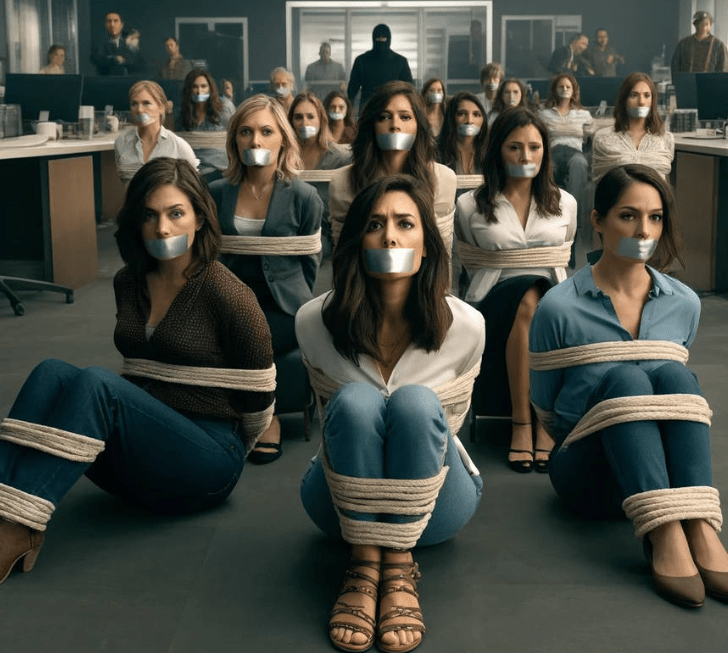
Don’t Be a Hero: How to Survive Being Held Hostage During a Robbery

The world is not full of good people waiting to do the right thing. It’s full of selfish, desperate, reckless individuals who will happily gamble with your life if it means getting what they want. Civilization is thin. Paper-thin. And when someone storms into a restaurant or bank with bad intentions, that illusion shatters instantly.

You didn’t choose to be there. You didn’t provoke it. But now you’re stuck inside someone else’s bad decisions. Survival becomes your only objective—not bravery, not justice, not heroics. Survival.

This isn’t about playing action-movie fantasy. This is about staying alive when the situation is completely out of your control.


First Rule: Accept Reality Immediately

The moment you realize a robbery is happening, kill the denial. People die because they hesitate, because they assume “this won’t involve me,” or because they wait for clarity that never comes.

If someone is threatening others, brandishing fear, or issuing commands, this is no longer a normal environment. Your job is to mentally switch into survival mode. That means:

  • You are not in charge
  • You are not special
  • You are not invincible

The faster you accept that, the faster you stop making dangerous assumptions.


Second Rule: You Are Not the Main Character

Hollywood lies. In the real world, “heroes” often end up as cautionary tales. When a robbery turns into a hostage situation, the people holding power are unstable, stressed, and unpredictable. Any action that draws attention to you increases risk.

Your goal is to become forgettable.

That means:

  • Don’t argue
  • Don’t make eye contact longer than necessary
  • Don’t stand out physically or verbally
  • Don’t volunteer information

You want to blend into the background like furniture.


Follow Instructions—Even If They’re Humiliating

Pride gets people killed. If you’re told to sit, lie down, stay quiet, or move slowly, you comply unless doing so puts you in immediate danger. Robbers and hostage-takers are often operating on adrenaline and fear. They’re looking for threats, not logic.

Sudden movements, resistance, or “correcting” them can trigger panic-driven violence.

It doesn’t matter how unfair or degrading it feels. Your dignity can be rebuilt later. Your life cannot.


Control Your Body Before It Betrays You

Fear causes people to shake, cry, hyperventilate, or freeze. While emotional reactions are natural, uncontrolled panic can make you look unpredictable—and unpredictable people get watched more closely.

Focus on:

  • Slow, steady breathing
  • Minimal movement
  • Keeping your hands visible if possible

You are trying to project compliance and calm, even if your mind is screaming.


Observe Quietly, Not Actively

There’s a difference between awareness and interference.

You should mentally note what’s happening around you without staring, pointing, or reacting. This helps you stay oriented and gives your mind something productive to do instead of spiraling into panic.

Pay attention to:

  • Where you are in the room
  • Who is near you
  • Changes in tone or urgency

But don’t try to “solve” the situation. You’re not there to intervene. You’re there to endure.


Do Not Try to Negotiate or Reason With Them

This isn’t a debate. These people are not interested in your opinions, explanations, or clever ideas. Attempting to reason can be interpreted as manipulation or defiance.

Unless you are directly spoken to, say nothing.

If addressed, keep responses:

  • Short
  • Neutral
  • Honest but minimal

The less emotional energy you inject into the situation, the safer you remain.


Time Is Not Your Enemy—Impatience Is

Hostage situations feel endless because fear stretches time. Minutes feel like hours. This is where people make fatal mistakes: they assume things are escalating when they aren’t, or they act because they want it to be over.

The ugly truth? Many situations end without harm if no one forces an outcome.

Your mindset should be:

“I can endure this longer than they can remain unstable.”

Patience is a survival tool.


Avoid Group Behavior

Crowds amplify panic. If people around you start crying, shouting, or moving unpredictably, do not mirror them. Emotional contagion can cause sudden chaos, and chaos leads to mistakes.

You don’t need to isolate yourself dramatically. Just don’t become part of a panicked cluster drawing attention.

Stay still. Stay quiet. Stay forgettable.


When Authorities Intervene, Stay Passive

If the situation changes suddenly—loud commands, rapid movement, confusion—this is not the moment to improvise.

Do not:

  • Run unless clearly directed
  • Grab objects
  • Make sudden movements

Follow commands exactly as given, even if they feel abrupt or harsh. In chaotic moments, clarity matters more than comfort.


Afterward: Expect the Shock

Surviving doesn’t mean walking away untouched. After the danger passes, your body may shake, your memory may feel fragmented, and emotions may hit hours or days later.

This is normal.

What’s not normal is pretending you’re fine when you’re not. Survival doesn’t end when the threat leaves. Give yourself space to recover.


Final Reality Check

The world is not getting kinder. Desperation is rising, patience is thinning, and people are increasingly willing to endanger strangers for personal gain. You don’t survive situations like this by being brave or bold.

You survive by being:

  • Calm
  • Compliant
  • Patient
  • Invisible

It’s not heroic. It’s not cinematic. But it works.

And when the worst kind of person walks into the room, staying alive is the only victory that matters.