Survival Fuel: The Highest Calorie Canned Foods to Keep You Going

Survival Fuel: The Highest Calorie Canned Foods to Keep You Going

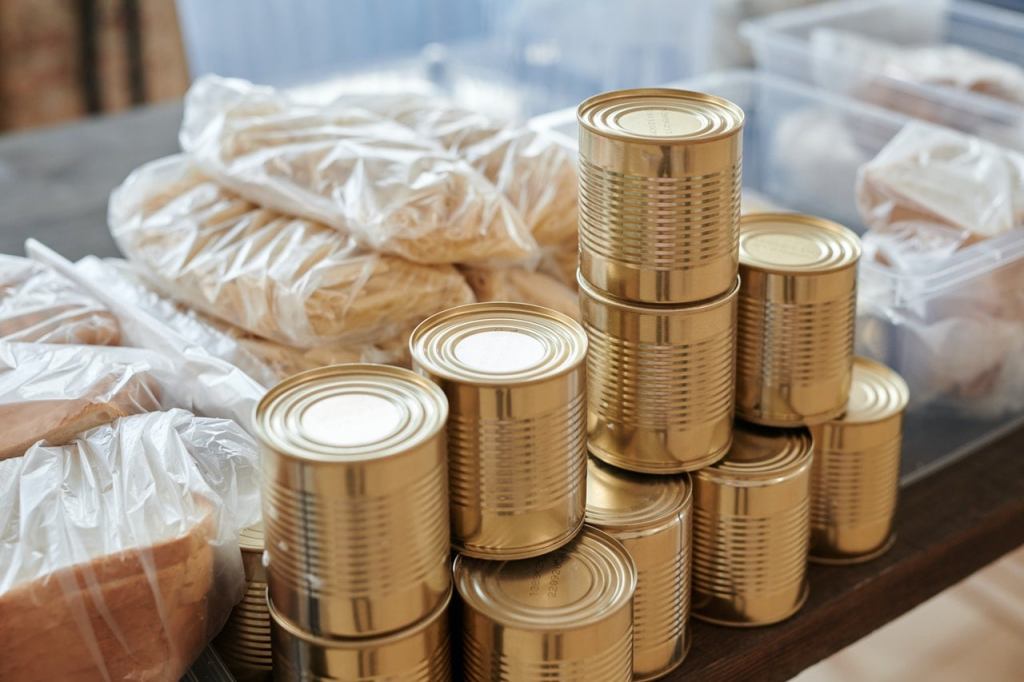
Listen up, because if you’re serious about survival, then it’s time you get your priorities straight. In a world that’s steadily unraveling, you don’t have the luxury of underestimating one of the most vital elements of survival: food. Specifically, calorie-dense, shelf-stable, high-calorie canned foods that can keep you going when everything else goes to hell.

Let’s face it – you can stockpile all the freeze-dried meals and dehydrated nonsense you want, but nothing beats the reality of grabbing a can and opening it when you’re fighting for your life. You need calorie-dense foods that can give you the fuel to survive long after the supermarket shelves are bare, long after the power goes out and your fancy little electric stove becomes useless. In this world, you’ll want foods that are heavy in calories but light on fuss. There’s no room for weak food that doesn’t provide the punch you need to keep moving.

I’m talking about the highest-calorie canned foods. These are your survival fuel. Stock them now, because once it’s too late, it’ll be too damn late.

1. Canned Chili (with Beef)

If you want calories, get chili. Canned chili, especially with beef, is an absolute powerhouse. One can can pack upwards of 400–500 calories or more per serving. And I don’t care if it’s spicy or mild – it’s got protein, fat, and carbohydrates, all wrapped up in a nice, shelf-stable package that you can crack open and devour when the world has gone to hell.

2. Canned Chicken

If you’ve ever been in a survival situation, you know protein is a non-negotiable. Canned chicken is one of the best sources of meat you can get. A 12.5 oz can packs about 200-300 calories and is incredibly versatile. Throw it in a stew, mix it with some beans, or just eat it straight out of the can. It’s a total survival essential.

3. Canned Beef Stew

Canned beef stew is the real deal when it comes to high-calorie survival foods. It’s dense in calories because of the combination of beef, potatoes, carrots, and gravy. A hearty can will give you around 300–400 calories per serving, and the best part? It’ll keep you warm when the temperature drops, especially when there’s nothing else to cook with.

4. Canned Pork (Pulled Pork)

Canned pork, especially pulled pork, is an unsung hero. This stuff can pack a wallop in terms of calories. A single can can provide over 500–600 calories. You might not be able to find this in every store, but it’s worth the hunt. It’s fatty, filling, and it goes a long way.

5. Canned Salmon

If you’re a fan of fish and you need high-calorie options, canned salmon should be in your stash. A standard can of salmon can provide around 300–400 calories. It’s also packed with omega-3 fatty acids, which are essential for brain function and keeping your body in top shape when you’re under stress.

6. Canned Spaghetti (with Meatballs)

Okay, hear me out. You might think canned spaghetti is a joke, but you’re wrong. It’s cheap, it’s available in bulk, and it’s calorie-dense. A standard can of spaghetti and meatballs can give you 400-500 calories in one sitting. So, when you’re hungry and tired, this is the kind of food you’ll be glad you stocked up on.

7. Canned Beans (Kidney, Black, Pinto, etc.)

Beans aren’t just cheap. They’re calorie-dense and packed with protein. If you’re looking to stock up, canned beans are your go-to. A can of beans can deliver 300–400 calories depending on the variety. They’re versatile, too—eat them alone, mix them into soups, or use them as a side with meat.

8. Canned Corn

Sweet corn is not only an excellent source of calories, but it also adds some variety to your survival food rotation. A standard can of corn can provide around 200–300 calories. It’s a great side dish to balance out the heavier protein-based meals, and it’ll keep your spirits up when you’re feeling desperate.

9. Canned Mac and Cheese

When the world’s falling apart, don’t forget to indulge a little. Canned mac and cheese is calorie-dense and comforting. You can expect to get around 350–450 calories from a can, depending on the brand. It’s filling, it’s warm, and it’s easy. Just don’t expect it to keep you lean.

10. Canned Hash

Canned hash is a cheap, calorie-packed meal that comes in a variety of options. Usually filled with potatoes, corned beef, or other hearty ingredients, a can of hash can provide anywhere from 350 to 500 calories. It’s easy to prepare and packs a punch.

11. Canned Stew (Beef, Lamb, or Chicken)

Similar to beef stew, canned versions of lamb or chicken stew are high in calories and great for long-term storage. These will provide upwards of 300–450 calories per serving. They’re filling and comforting, and you’ll need all the comfort you can get when survival mode is engaged.

12. Canned Fruit (in Syrup)

I get it—fruit isn’t exactly the first thing you think of when it comes to survival food. But canned fruit in syrup can actually pack a surprising amount of calories, especially in situations where you need something that doesn’t just fill you up but gives you some sugar for quick energy. A can can give you about 250–300 calories, so stock a few up for variety.

13. Canned Soups (with Cream or Fatty Broth)

Canned soups, particularly those with a cream base or fatty broth, can be high in calories. Some cans will pack up to 300–400 calories, depending on the soup’s contents. Stay away from the low-fat varieties – you need the full calorie punch for survival.

14. Canned Pasta (with Meat Sauce)

Canned pasta with meat sauce isn’t just for lazy nights. This stuff is a powerhouse of calories. Depending on the brand and the ingredients, you’re looking at 350–500 calories per can. It’s cheap, easy, and will keep you alive when times get tough.

15. Canned Ready-to-Eat Meals

There are a variety of pre-packaged, ready-to-eat meals in a can, like chili mac, beef stroganoff, or curry. These meals can provide upwards of 400–600 calories per can and are incredibly convenient in emergency situations. Stockpile these so you can avoid spending energy on food preparation.


15 Canned Food Survival Skills

  1. Check Expiry Dates – Just because it’s canned doesn’t mean it lasts forever. Know your expiration dates, and rotate your stock regularly.
  2. Heat Safely – You don’t need a stove to heat your cans. A campfire, portable burner, or even a car engine can serve as a makeshift heating source.
  3. Preserve Properly – Store your cans in a cool, dry place. Heat and moisture can cause rust and degradation of the can’s seal.
  4. Get Creative – Mix and match your canned goods. Don’t be afraid to throw together random items like canned chicken, beans, and chili for a one-pot survival meal.
  5. Inspect the Can – Always check for dents, bulges, or rust. These are signs the can could be compromised and unsafe.
  6. Can Openers Are Essential – Don’t assume you’ll have one when the grid goes down. Stock several manual can openers, or better yet, have a knife with you.
  7. Don’t Forget the Liquid – Many canned foods, especially beans and vegetables, contain important liquids. Don’t dump it all out—use it for soups or stews.
  8. Know When to Eat – Don’t let your cans sit too long. Once opened, consume within a day or two to avoid spoilage.
  9. Create Balanced Meals – Canned food is often protein-heavy. Make sure to balance with canned vegetables and some carbs to keep your energy up.
  10. Store Efficiently – Keep your cans in order of expiration, and make sure to have enough variety to avoid monotony in long-term survival.
  11. Stock Calories, Not Just Volume – You want density, not just volume. Choose high-calorie options to ensure you get enough energy.
  12. Repackage for Travel – If you’re bugging out, don’t carry the entire can. Repackage portions in smaller containers or bags for easier transport.
  13. Don’t Rely on Just One Type – Relying on just one food type can be a disaster. Mix proteins, veggies, and carbohydrates to stay healthy.
  14. Be Careful With Salt – Too much salt can make you thirsty and dehydrated, which is a problem in survival. Be mindful of the sodium content.
  15. Get Creative with Leftovers – If you have leftover canned food, make sure you know how to reuse it for other meals. Leftover chili can become soup, for example.

3 DIY Canned Food Survival Hacks

  1. DIY Canned Food Heater – If you’re stuck without a way to heat your food, create a small DIY heater using a few chemical heating pads or a small portable stove. These can be used to quickly warm your cans without wasting precious fuel.
  2. Make a Canned Food Soup – Combine multiple cans into one hearty soup. Mix chili, beans, corn, and meat to create a filling meal with whatever you have on hand.
  3. Canned Food Jerky – Stripped-down meats like canned chicken or beef can be dried out further over a fire to create DIY jerky. It’s a great option for snacking and packing for long journeys.
How I Slashed My Canned Goods Expenses By Half

I always knew that canned foods are the one of easiest ways to make sure you always have food to eat.

However, when I looked at how much I need to stockpile, things started getting a little out of hand.

Some people say you need to store 3 to 6 months’ worth of food. Others even say a year.

This wouldn’t be a concern in the past, but with everything that’s going on lately, I simply can’t afford to shop for this much food.

Even if I shop in bulk.

So I did what any family man would do. I made them myself.

I looked into it and found several ways to make canned food.

And since I am not an experienced prepper, I used the simplest method there is. Water bath canning.

This is the exact process I followed

  1. Gather your food. This could be anything from fresh fruits and veggies to homemade sauces or jams.
  2. Pack the food into jars. You’ll want to use specially designed canning jars for this, and make sure there is some space at the top (referred to as ‘headspace’).
  3. Secure the lids. Once your jars are filled, put on the lids and screw bands, ensuring they are tightly sealed.
  4. Submerge the jars in a pot of boiling water. This is where the magic happens. The heat eliminates the bacteria, yeasts, or molds that could cause your food to spoil.
  5. Let the jars cool. Once you’ve boiled them for the recommended time, take them out of the water and let them cool. As they cool, the lids will seal completely.
  6. Inspect the seals. After the jars have cooled, inspect the seals to make sure they’re airtight. Any jars that haven’t been sealed properly can be reprocessed or refrigerated and used first.

And voila.

This simple process reduced my canned goods expenses by about half.

Bear in mind, you don’t have to store just beans.

You can use the same method for fruits, vegetables, jams, sauces, or whatever you like.

And you will have nutritional food that will last you through any emergency.

Why don’t you try it?

Your Grocery Bills Are About To Increase (Unless You Do This)

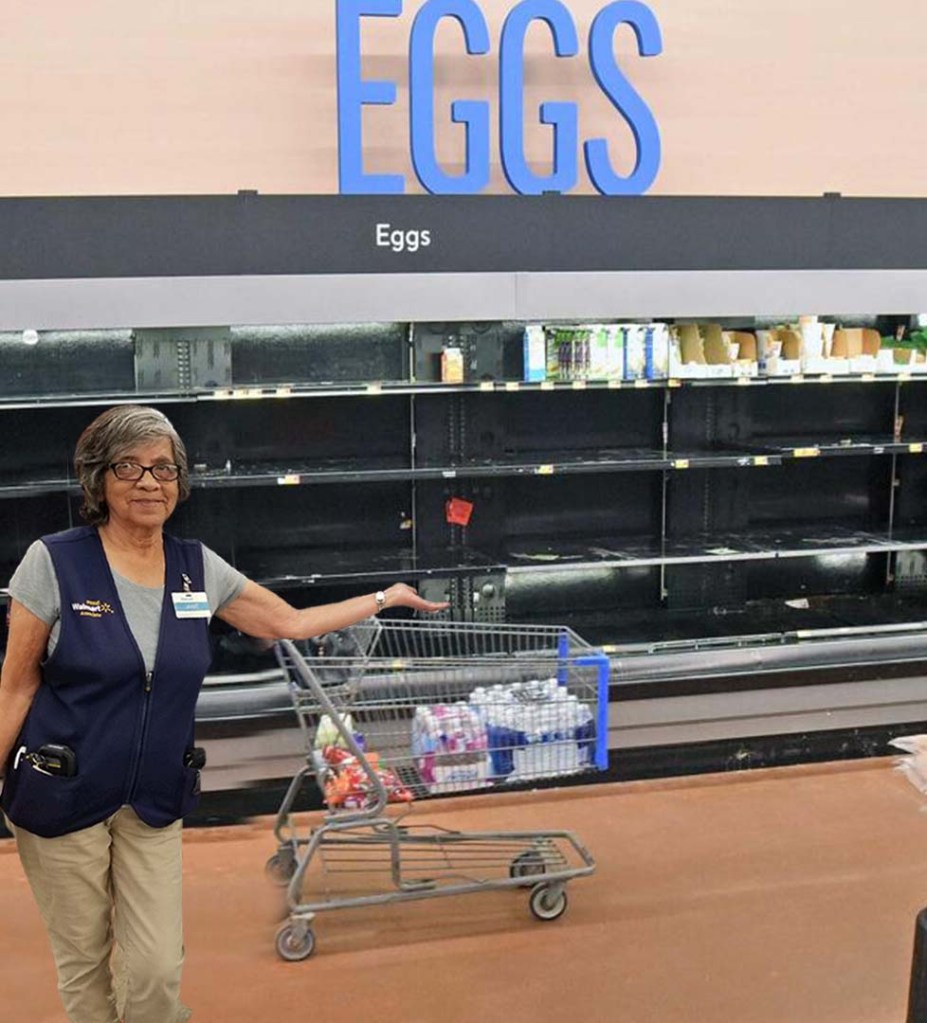
If you are an American, eggs are probably not ever missing from your house.

There was some bad luck around eggs, however, that will make you reconsider your breakfast options.

I love my scrambled eggs in the morning as much as the next guy.

But they are about to become so expensive that they will be leaving a bad taste in our mouths.

As if inflation wasn’t enough.

The bird flu just affected 52,700,000 poultry in the U.S. alone.

This is not a small number.

Chickens are either dying or being put down because of that disease.

And eggs are already almost 3 times more expensive than what they were a year ago.

I also read that a fire recently broke out at an egg facility in Connecticut, and killed 100,000 birds.

It is almost like eggs are cursed.

They will keep getting more expensive.

How much more can our wallets take?

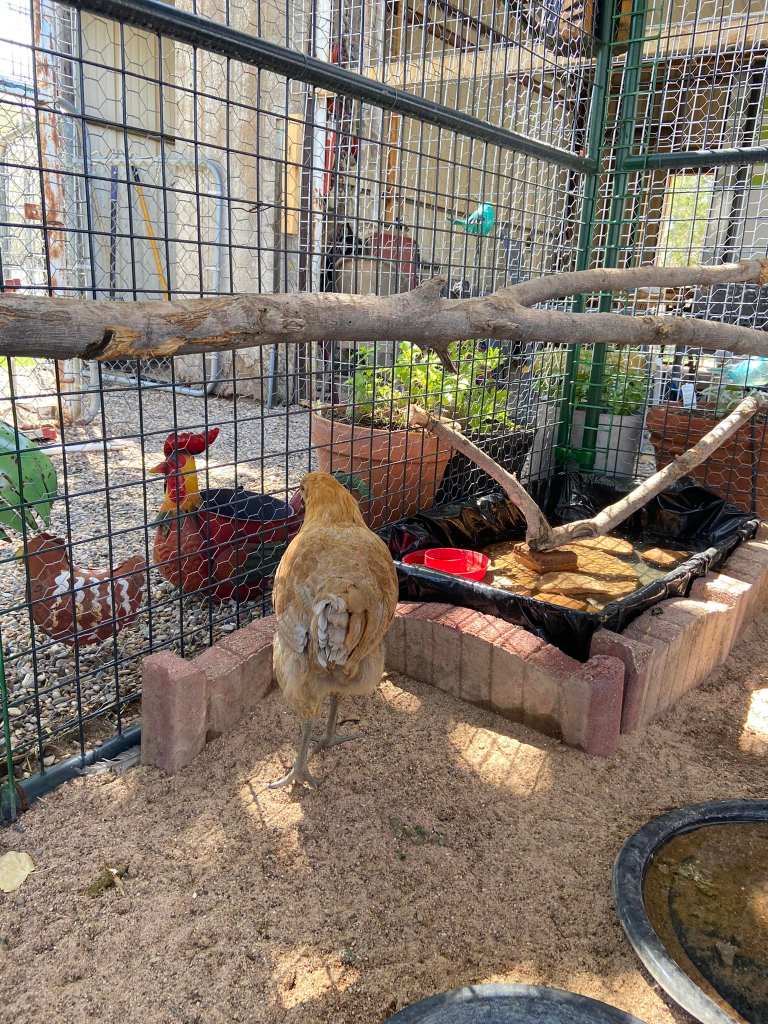
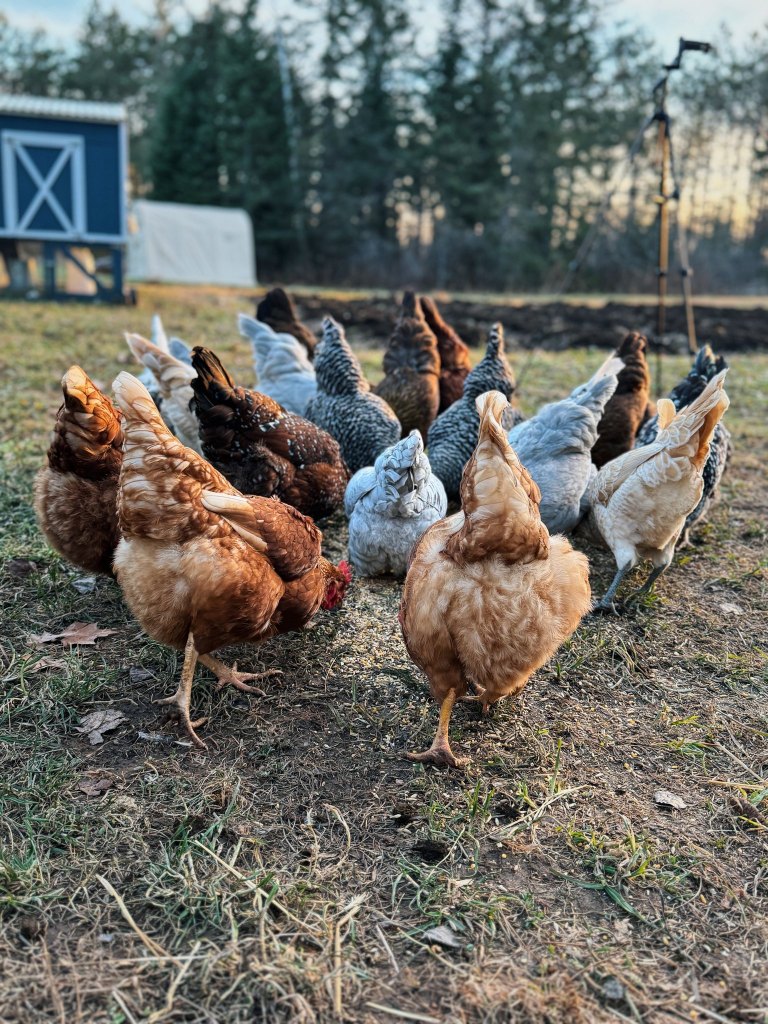
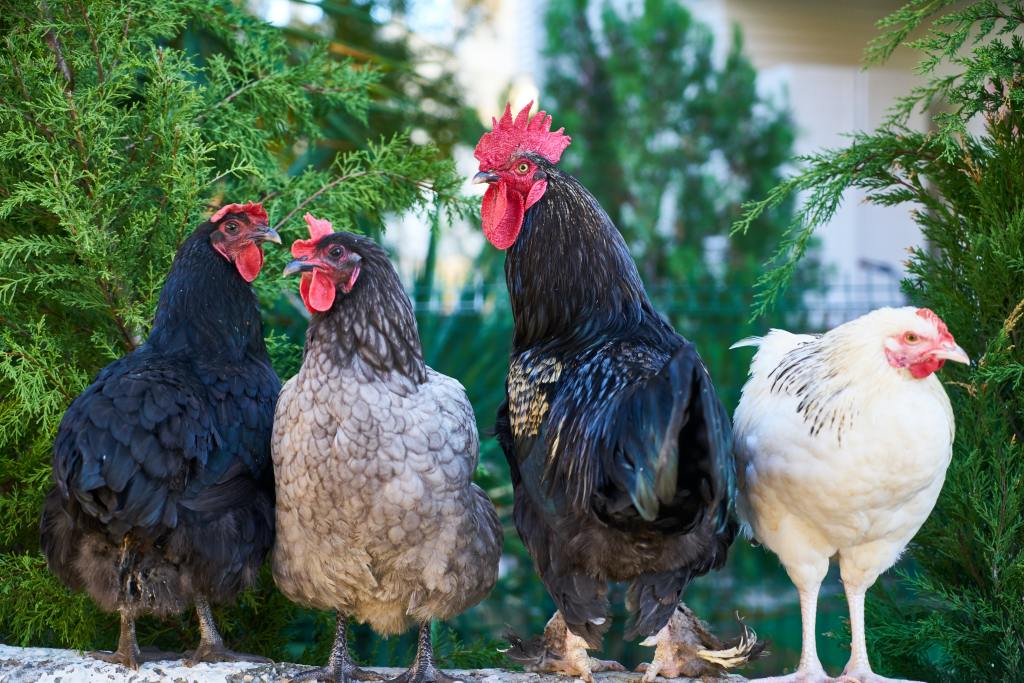
If you don’t want your jaw to drop every time you shop for groceries, I suggest you raise your own chickens.

Raising your own chickens is not just good for your wallet, but for your health too.

You will be the one who chooses what to feed them.

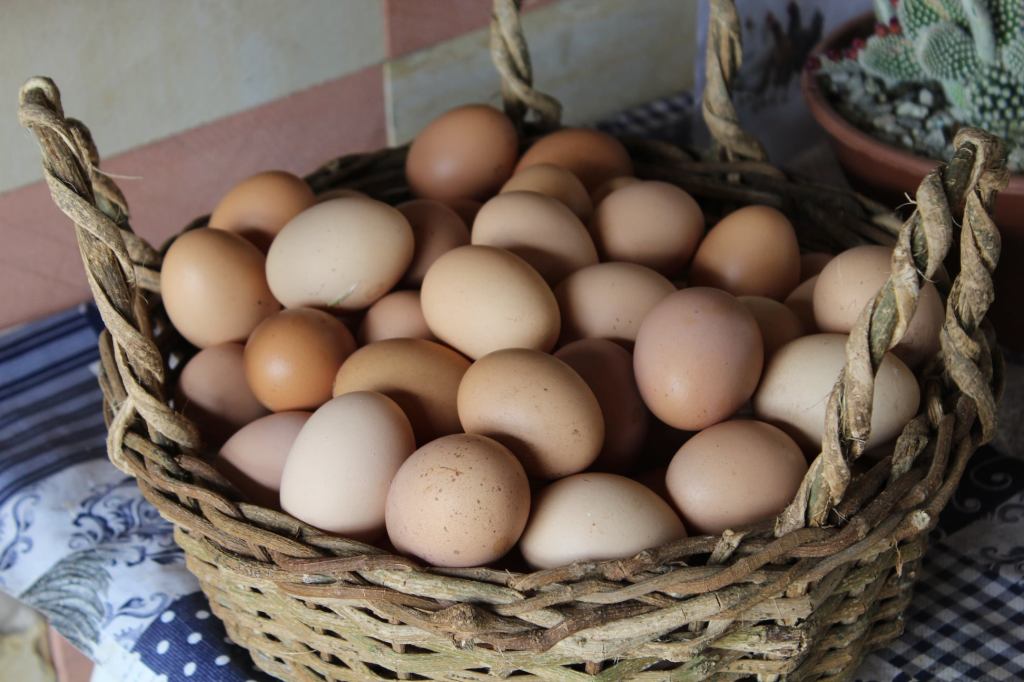
So you will know that they’ll produce nutritious eggs that are not filled with any weird hormones.

With just a little bit of effort, you can set up a small coop in your backyard and start raising a few chickens.

It’s a fun and rewarding hobby, and it will pay for itself in no time.

There are many breeds of chickens out there.

And you can even choose breeds that are known for their laying ability.

This will also give you peace of mind, knowing that if things come to worse, you will always have emergency food.

If you enjoy eggs as much as I do, this decision is a no-brainer.

It will assist you with feeding your family nutritious eggs even when they become too expensive.

Processed with VSCO with g6 preset

See what to look out for when raising your own chicken.

Was this a warning from God?

My fellow Americans, we were once again reminded of our fragile nature.

About a month ago a series of earthquakes just shook the Oklahoma City metro area.

With the largest rattling nerves at a magnitude of 4.4.

I know most folks will forget about this tomorrow morning.

Especially since these quakes didn’t crack foundations or topple any chimneys.

But let me tell you, we shouldn’t take this lightly.

Because it could be a warning from God!

You see, earthquakes don’t always happen at random.

Sometimes they’re caused by man’s greed.

But these greedy folks don’t always escape unharmed.

Remember back in 2017 when the Pawnee Nation took a stand against oil and gas companies?

They linked the increase in seismic activity to this sneaky operation.

Echoing the concerns many of us have had about man-made quakes.

So they dropped a well-deserved lawsuit on them!

This wasn’t just about damages. It was a fight for environmental justice and a testament to the tribe’s resilience and sovereignty.

It’s a David versus Goliath story, with the earth itself being part of the battleground.

So let’s talk turkey. What does this mean for folks like you and me?

It means that whether it’s the shifting of tectonic plates or the consequences of man’s endeavors, earthquakes can strike where we least expect them.

And the question on everyone’s mind should be – are we prepared?

Do you have an emergency kit ready? Water, non-perishable food, a first-aid kit, flashlights, batteries – the whole nine yards. And don’t forget communication. Talk to your family about where to meet and what to do if the ground starts dancing without music.

In your house, secure heavy furniture and appliances. Fasten them to the walls if you can. Those family heirlooms and picture frames? Make sure they’re not in a position to take a nosedive.

And let’s not forget, are you covered for earthquake damage?

Look into your papers, folks.

Small gestures go a long way.

While we can’t predict every curveball nature throws our way, we can sure as heck prepare for it.

Let’s prepare before an even worse earthquake shakes the earth beneath our feet.

One piece of advice, watch my survival prepper video documentary on what to do when the power grid and all electricity goes out in your area so you know what to do to keep yourself, and your family, alive when end times hit.

Stay prepared & God bless you, and all those that you love!

When SHTF survival preppers will be the first ones to go

So that’s me, the big dude sitting across from Tucker Carlson himself! Love that guy!

But enough about me, let’s get to the reason why you’re reading this article in the first place.

I’m sure you’ve seen ‘em.

You might have even referred to yourself as a “prepper” at one point.

This group of people tries to prepare for emergencies.

They stock up on essentials, grow their own food, and meticulously plan for a myriad of scenarios.

But amidst this well-intentioned preparation, they fall into a trap.

A critical mistake that could prove fatal for them and their loved ones in a real emergency.

And it boils down to this. They boast too damn much!

Look, understand the urge to talk about your achievements with like-minded folks.

But when it comes to survival, discretion isn’t just a virtue. it’s a necessity.

Every detailed post about a stocked pantry, Every proud showcase of a stocked pantry, a water supply, a communication method, is potentially a beacon.

In the digital age, knowledge is more than just power, it’s a currency. And in the wrong hands, the knowledge of your preparations could become an invitation.

To those unprepared, desperate, or opportunistic enough to take advantage of your work when society’s thin veneer cracks.

Just see what can happen when people boast too much.

This is why I want to talk to you about the Gray Man Philosophy.

The concept of the “gray man” is not talked about enough in my opinion.

It’s essentially about blending in, not standing out.

This applies not just in the physical realm but in the digital one as well. Talk about strategies, not specifics. Discuss ideas, not inventories.

In other words, find the balance.

Believe in God and his son Jesus…

But also believe in yourself, and especially, you must believe in your basic survival skills.

For example, you don’t see me sharing photos of my backyard so everyone knows where to find me!

But can talk about how I planned my backyard.

There’s a fine line between communal learning and oversharing.

The true strength of our preparations lies in the fact that a few trusted folks know about them.

But be careful about who you trust.

As we continue down this path of preparedness, let’s pivot towards a more guarded approach.

It’s possible to be both prepared and discreet, to be ready for any eventuality without broadcasting our readiness to the world.

This doesn’t mean retreating from our community.

It simply means navigating it with a calculated caution.

Sometimes the most potent weapon is the wisdom to remain unseen.

Let’s stay safe, smart, and cautious.

God bless, and keep yourself, as well as all those that you love, as safe as possible!

How much emergency food should every American stockpile?

Most survival experts out there say every American, no matter your age or weight, needs a 72-hour supply for each person in your house.

3 days in other words.

But let’s be real. When was the last time an emergency packed up and left in exactly three days?

Exactly.

You gotta have at least a two-week supply of food.

And that’s for short emergencies.

But what about when the unexpected turns into the indefinite?

This is where things become more complicated.

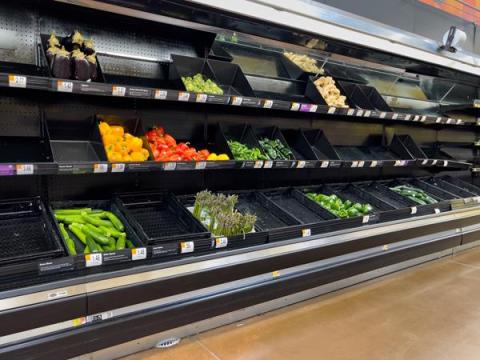
In emergencies like these, where supermarkets become a memory and the grocery store aisles are bare, the rules of the game begin to shift.

And if you’re unprepared, you might as well lay down and accept your fate.

Let’s talk about what most folks neglect.

Preservation is your ally.

Learning to preserve food can be a game-changer.

Canning, dehydrating, and smoking are methods that can extend the lifespan of your food significantly.

Ever thought about pickling those cucumbers or making jerky from that deer meat?

This is the time to do so.

But you have to be careful!

This is what happens when you don’t can your food properly.

But don’t worry, if you’re not sure you’re able to can your food properly, you have more options.

Grow your own food!

In an indefinite emergency, becoming self-reliant is non-negotiable.

Take advantage of your backyard.

Even a small patch can produce a surprising amount of food. And don’t forget about herbs and sprouts, they can be grown even in a sunny window.

Bulk up on knowledge

Knowledge trumps everything.

The more you know, the safer you are.

This is why the emails you’re reading are so important.

Because I hold nothing back.

And I talk about everything that lets me survive in the world’s harshest conditions possible.

Keep learning about foraging, hunting, and fishing. Understand your local environment and what it can provide.

And stay curious. That’s important, brother.

Community strength

Humanity’s lived so long because we’ve stuck together.

Pooling resources, sharing knowledge, and supporting each other can make a world of difference.

The Mental game

This one’s tricky.

You can’t underestimate the power of a positive mindset.

The ability to stay calm, think clearly, and keep morale high is just as crucial as any physical preparation you’ve made.

This is how you build mental toughness.

Folks, preparing for prolonged emergencies ain’t easy.

And that’s why most folks don’t do it.

But I know my readers are not like most folks.

You guys are tough.

This is why I tell you these things.

Because I know you’re going to put in the work.

So keep doing what most folks aren’t willing.

And do whatever necessary to keep your family safe.

Also, I created a rather in-depth survival prepper TikTok account that you may want to check out!

How To Become Your Own Food Supplier

Nothing gives you greater peace of mind than being able to supply your own food.

When you know that your family will not go hungry no matter what, you can feel a sense of security that most people can’t understand…

A sense of security that most people will not ever understand.

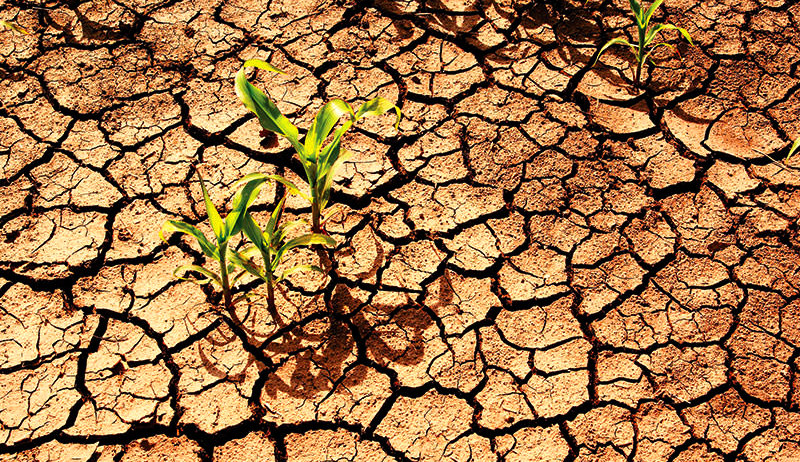
In the times we are experiencing, there are plenty of challenges that could lead to a food shortage.

From recession to global crises, we have seen everything during the past months.

I want to share with you how you can become your own food supplier, so that you can always survive comfortably.

If you follow everything in this article, then there is no possible way that your family can ever go hungry.

Long-term Food Storage

Let’s talk about the elephant in the room.

If you want to have enough food no matter what, you need to stockpile.

Below you will find the most essential goods you need to store.

Canned goods

Canned goods are non-negotiable when we are preparing for emergencies.

These little metal containers can last for years, making them ideal for long-term storage. 

But remember, variety is key! 

Stock up on fruits, vegetables, meats, and even soups. 

And don’t forget to keep them in a cool, dry place away from direct sunlight to prolong their freshness.

Dehydrated and freeze-dried foods

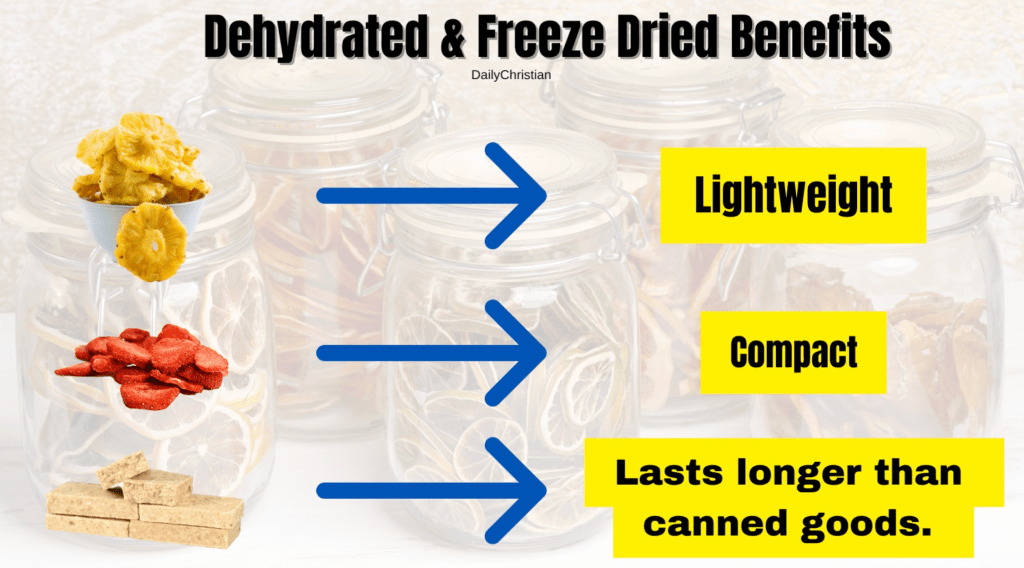
Dehydrated and freeze-dried foods are a step further toward self-sustenance. 

They’re lightweight, compact, and last even longer than canned goods. 

You can either dehydrate your own food or shop for ready-made options. 

Either way, make sure you store them properly in airtight containers to maintain their quality.

Mylar bags

Friends, this is where things start getting exciting.

Vacuum sealing your mylar bags can help you preserve your food’s freshness for years. 

You heard me right, years! 

Just make sure you follow the storage guidelines like keeping them in a cool, dark place to ensure they stay in tip-top condition.

Growing Your Own Food

When you’ve stockpiled as much food as you can, it’s time to make use of your garden.

Or, in other words, it’s time to select crops.

In survival situations, calories should be your main focus.

The main type you need to grow is calorie-dense crops like potatoes and corn.

Then there are nutrient-rich crops like leafy greens and tomatoes.

Everyone should have some of those in their backyard.

What a lot of people often neglect, however, are beans, peas, and squash. 

These plants provide valuable nutrients and improve soil health through nitrogen fixation and natural pest control.

If you don’t have a lot of space, consider container or vertical gardening.

These methods allow you to grow more food in less space.

Which is really important when you are trying to maximize your produce.

Raising Livestock

I don’t know how many people raise their own livestock anymore…

But it is a game changer for sustainable living.

The No. 1 choice when deciding what animals to raise is chickens.

They provide a steady supply of eggs and meat, and their manure can be used as fertilizer for your garden. 

The second option should be goats.

Goats are a valuable addition to any small homestead, providing milk, cheese, and meat.

Some other excellent options are rabbits, ducks, and goats.

They can also be used for land clearing and weed control, as they are browsers by nature.

By carefully selecting and managing small-scale livestock, you can create a diverse and sustainable food supply for your family, even in challenging times. 

Research each animal’s specific needs and local regulations to ensure a successful and responsible food supply chain.

Foraging and Hunting

There could come a time when in spite of how self-sustained you’ve become…

You have to abandon everything and evacuate.

It’s a very unfortunate situation.

One that a lot of folks don’t even want to think about.

But remember, we are preparing for any eventuality.

If we have to bug out with nothing but our clothes and a small kit, we have to rely on our skills for survival.

Knowing how to forage and hunt for food can make a huge difference in these situations.

First, let’s talk about foraging for wild edibles.

This is something that you have to do safely.

Take the time to learn about the wild edible plants native to your region. 

Invest in a reputable field guide or attend local workshops to become familiar with plant identification. 

And for the love of God, be cautious of look-alikes!

Some edible plants have toxic counterparts.

If you eat something that you were not supposed to…

When there is no hospital nearby…

Let’s talk about something else.

Hunting

Knowing how to hunt can be invaluable in times of crisis.

A single adult deer can provide meat that can feed a family of four to six people for several weeks.

If you are good at hunting, you’ll be able to take care of your loved ones with no issues.

It’s crucial to invest time in developing your hunting skills, as it’s something that’s more complicated than most people think.

Tracking and stalking an animal requires a lot of experience and patience.

Also, make sure you know the local laws and regulations, and don’t ever hunt without a permit.

Practice ethical hunting by targeting abundant species, taking clean shots to minimize suffering, and making full use of the animal to minimize waste.

And of course, know how to properly skin, butcher, and package the meat, as well as how to store and cook it.

Foraging and hunting skills can secure nutritional food for everyone in your family in times of crisis.

Community and Cooperation

Humans have survived for such a long time thanks to building communities.

We are in this together.

Your local community is invaluable for sharing resources, knowledge, or even a helping hand. 

In times of need, we can ensure that everyone survives.

If you want help from your neighbors, don’t be shy to ask.

And don’t hesitate to help them in return.

Trading with your fellow preppers is an excellent way to strengthen connections and ensure everyone’s needs are met.

And speaking of togetherness, why not establish a community garden?

Collective food production has numerous benefits, like increased food security and shared labor. 

By assigning roles and responsibilities, you can create an efficient and thriving garden that benefits everyone involved.

When it comes to ensuring you have enough food to feed your family, anything goes.

I would advise you to take advantage of every one of the tips in this article.

The key to survival is preparation.

So take the time to produce your own food, and comfortably make it unscathed out of any emergency.