
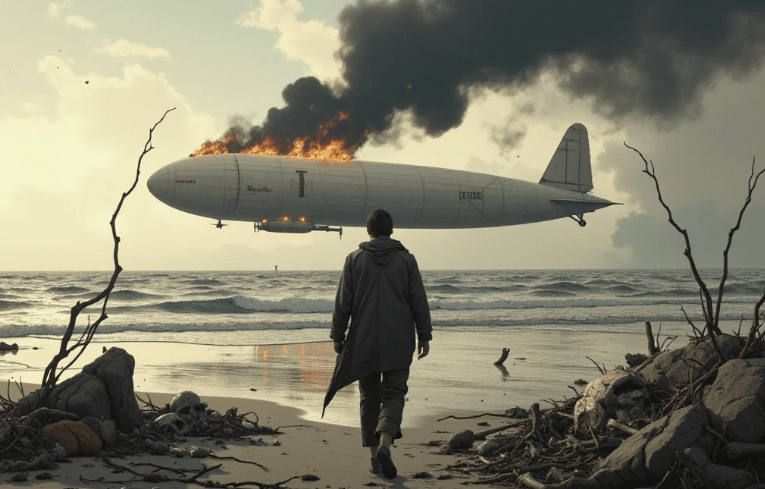
Most people think the biggest threat to the power grid comes from storms, cyberattacks, or aging infrastructure. Those risks are real—but they pale in comparison to a threat we cannot control, cannot predict precisely, and cannot stop: the sun.
A major solar event has the potential to cripple the electrical grid on a continental scale. Unlike a localized blackout, this kind of failure could last weeks, months, or longer. As a professional survival prepper, I don’t view this as science fiction or paranoia. I view it as a low-frequency, high-impact event—exactly the type of scenario preparedness is meant to address.
The question isn’t whether modern society could function without electricity. It can’t. The real question is whether you can.
This article breaks down the real risks posed by solar events, how they affect the power grid, and—most importantly—how to survive off the grid without electricity when the switch doesn’t come back on.
Understanding Solar Events: What Are We Really Talking About?
Solar events that threaten the power grid usually fall into two categories:
- Solar Flares
- Coronal Mass Ejections (CMEs)
Solar flares release bursts of radiation that can disrupt communications, while CMEs eject massive clouds of charged particles toward Earth. When a CME hits our planet, it can induce powerful electrical currents in long conductors—like power lines, pipelines, and transformers.
This phenomenon, known as geomagnetic induced current, is what damages the grid.
The most cited historical example is the Carrington Event of 1859, which caused telegraph systems to spark, fail, and in some cases catch fire. That was in a world with primitive electrical infrastructure. Today’s grid is vastly more complex—and far more vulnerable.
Why the Modern Power Grid Is Extremely Fragile
The electrical grid is not a single machine. It’s a vast, interconnected system dependent on timing, balance, and specialized components.
The weakest link? High-voltage transformers.
These transformers:
- Are custom-built
- Weigh hundreds of tons
- Take months or years to replace
- Are not stockpiled in large numbers
A severe solar storm could damage hundreds of these transformers simultaneously. If that happens, power doesn’t come back in a few days. It comes back when replacements are manufactured and installed—assuming factories are still operational.
As a prepper, I assume long-term grid failure as the baseline scenario, not the exception.
What Happens When the Grid Goes Down Long-Term
Electricity is the backbone of modern life. When it fails, secondary systems collapse rapidly.
Within hours:
- Cellular networks degrade
- Internet access disappears
- ATMs stop working
Within days:
- Fuel pumps fail
- Grocery stores empty
- Water pressure drops or stops
- Refrigeration is lost
Within weeks:
- Municipal water treatment fails
- Medical services become overwhelmed
- Civil order deteriorates
In a grid-down scenario caused by a solar event, recovery is slow because the damage is widespread and infrastructure-dependent.
That’s why survival planning focuses on self-sufficiency, not restoration timelines.
Off-the-Grid Survival Principle #1: Water Comes First
Without electricity, municipal water systems eventually fail. Gravity-fed systems last longer, but pumping stations and treatment plants rely on power.
Every prepper plan starts with water.
Survival Water Strategies
- Store potable water (minimum one gallon per person per day)
- Learn water purification methods:
- Boiling
- Gravity filters
- Chemical treatment
- Identify nearby water sources before disaster strikes
If you can’t secure water, nothing else matters.
Off-the-Grid Survival Principle #2: Food Without Refrigeration
Modern food systems assume constant refrigeration. When power goes out, perishables are the first to spoil.
Surviving without electricity requires food that doesn’t depend on cold storage.
Grid-Down Food Options
- Canned foods
- Dehydrated foods
- Freeze-dried meals
- Dry staples (rice, beans, pasta)
- Home-preserved foods (if properly stored)
Cooking also becomes a consideration. Without electricity, you’ll need:
- Propane stoves
- Wood-burning stoves
- Rocket stoves
- Solar ovens
Fuel planning is just as important as food planning.
Off-the-Grid Survival Principle #3: Heating and Cooling Without Power
Climate control is one of the hardest adjustments for people used to electricity.
Cold Weather Survival
- Wood stoves or fireplaces
- Insulated living spaces
- Layered clothing and sleeping systems
- Passive solar heat (south-facing windows)
Hot Weather Survival
- Shade and ventilation
- Evaporative cooling methods
- Adjusted activity schedules
- Hydration discipline
Survival means adapting your routine—not fighting the environment.
Lighting Without Electricity
Darkness affects morale, security, and productivity.
Reliable Lighting Options
- Oil lamps
- Candles (with fire safety discipline)
- Battery-powered lanterns
- Solar-charged lights
Light discipline matters. In unstable conditions, light makes you visible.
Communication in a Grid-Down World
Without electricity, modern communication disappears almost instantly.
Preppers rely on:
- Hand-crank radios
- Battery-powered emergency radios
- Amateur (ham) radio equipment
Even limited information can be the difference between reacting blindly and making informed decisions.
Sanitation Without Running Water
This is where many unprepared households fail.
Without power:
- Sewage systems can back up
- Toilets stop functioning
- Hygiene deteriorates quickly
Preparedness solutions include:
- Composting toilets
- Portable toilets
- Waste management plans
- Hygiene discipline
Disease spreads faster than panic in grid-down scenarios.
Security and Community Considerations
When the grid fails long-term, social stability becomes uncertain.
Survival priorities shift to:
- Situational awareness
- Low-profile living
- Community cooperation
- Conflict avoidance
In most cases, being unnoticed is safer than being well-equipped and visible.
The Role of Generators: Helpful but Limited
Generators can provide a temporary advantage, but they are not a complete solution.
Generator Limitations
- Fuel dependency
- Noise and visibility
- Mechanical failure
- Limited runtime
If you use a generator, treat it as a tool, not a lifeline. Use it sparingly for critical tasks like water pumping or medical equipment.
The goal is to survive without electricity—not recreate modern convenience.
Mental Adaptation: The Real Survival Skill
The hardest part of off-grid survival isn’t physical—it’s psychological.
Electricity trains us to expect instant solutions. Grid-down living demands:
- Patience
- Planning
- Routine
- Adaptability
Those who survive long-term disruptions aren’t the strongest or the best-equipped. They’re the ones who adapt fastest.
Final Thoughts from a Professional Prepper
A solar event capable of knocking out the power grid doesn’t announce itself with sirens. It happens quietly, then the lights don’t come back on.
Preparedness isn’t about fear of the sun—it’s about understanding dependence. Electricity is a tool, not a guarantee.
If the grid fails tomorrow, your survival won’t depend on government response or repair timelines. It will depend on what you’ve already put in place.
Learn to live without electricity now—by choice—so you’re not forced to learn later under pressure.
Because when the grid goes down for real, the people who planned ahead won’t panic.
They’ll adapt.
 TheDailyChristian