Don’t Cry When Your House Gets Ransacked If You Didn’t Reinforce Your Windows With Plywood

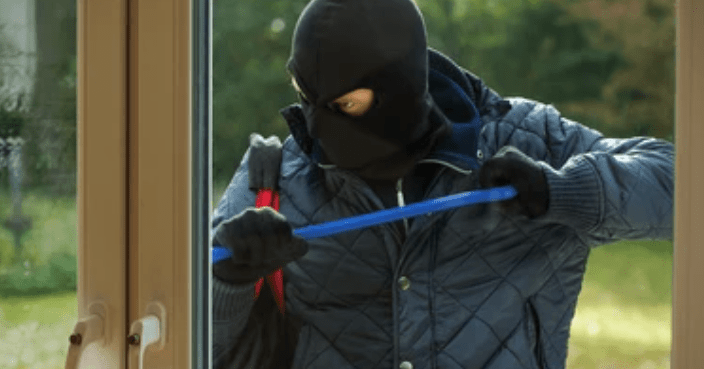
Let me guess—you’re one of those people who thinks your cute little vinyl windows are going to protect you when everything finally collapses? You probably think your double-pane glass is tough. Maybe you think your HOA-approved shutters are going to keep the chaos out. Well, let me be the one to slap you verbally across the face: your windows are the weakest, most laughably fragile point in your entire home, and if you haven’t already figured that out, then I sincerely hope you enjoy being a future cautionary tale.

I’m not writing this because I care whether you make it through the next disaster, blackout, riot, hurricane, or whatever insanity is coming down the pipeline next. Frankly, I’ve been warning people for years and I’m tired of wasting breath. But every now and then some poor soul with two brain cells still rubbing together asks me how to keep their home from becoming an open buffet for intruders and flying debris when things go bad. And despite being furious at society as a whole, I don’t want to watch every clueless homeowner get swallowed by chaos.

So here it is. Plywood window barriers—your last-minute, low-tech, brutally effective line of defense when the world turns stupid (which at this point is practically every Tuesday). If you don’t build them now, you’ll wish you had.


Why Plywood Window Barriers Matter (Assuming You Still Care About Living)

Look, I get it. The hardware store isn’t glamorous. A sheet of plywood doesn’t sparkle. It’s not a magical electronic security system that talks to your phone. Instead it’s a giant slab of dead tree—heavy, ugly, and absolutely essential when people (or Mother Nature) are about to come crashing through your windows.

Your glass windows were designed for “normal civilization.” That means none of these:

  • Angry mobs
  • Looters
  • Hurricane winds
  • Flying debris
  • Idiots throwing bricks
  • The general collapse of law and order

Plywood doesn’t care about any of that. It laughs in the face of chaos.

You slap up a solid 5/8″ or 3/4″ sheet over your window frame, and suddenly that breakable, flimsy portal into your home becomes a wall. Sure, it’s not perfect. Nothing is. But compared to bare glass? It’s the difference between getting hit by a pickup truck versus getting hit by a Nerf ball. One ruins your week. The other ruins your life.

And don’t even start with, “I’ll put it up when I need it.” No, you won’t. Because you’ll be the one running to Home Depot with a crowd of panicked civilians, fighting over the last sheets like it’s Black Friday at the apocalypse. And then—shocker—there won’t be any left.


What Kind of Plywood You Should Use (If You Want It to Actually Work)

Most people wouldn’t know the difference between OSB and plywood if their survival depended on it—which, ironically, someday it might. So listen up:

Use real plywood, not OSB.

OSB flakes apart when exposed to rain or moisture for too long. It’s cheaper, sure. But we’re talking about emergency security here, not crafting a treehouse. Get exterior-grade plywood.

Thickness matters.

  • 1/2″ is the bare minimum.
  • 5/8″ or 3/4″ is ideal.

If you can’t lift a sheet without struggling, congratulations—you’re on the right track.

Pre-cut it before you need it.

But hey, if you want to be that person trying to measure windows during a storm warning, don’t let me stop you from winning a Darwin Award.


Anchoring the Plywood: Do NOT Half-Do This

I swear, the number of people who think they can just “nail it to the siding” makes me lose sleep. That’s not how this works, and if that’s your plan, you might as well tape a “Please Break In Here” sign to your window.

Screw it into the framing.

Yes, the actual structural framing around the window—not the flimsy molding. Use heavy-duty exterior screws. If you don’t hit stud wood, you’re just screwing plywood into air and praying it holds. Great strategy if you’re an optimist. I’m not.

Use washers.

Without washers, your screws can rip through the plywood under stress. And if that happens during a storm or riot, I hope you have good insurance.

Hurricane clips or brackets are even better.

Not required, but if you want your plywood to stay put even when someone’s pushing on it, kicking it, or the wind is trying to tear it off, brackets turn a flimsy board into a shield.


Advanced Reinforcement for People Who Actually Want to Survive

Most of you won’t bother doing any of this, but here’s what the smarter (or more paranoid) among us do:

1. Pre-drill and label everything

Every board gets:

  • A label (“Kitchen Window Left,” etc.)
  • Pre-drilled screw holes
  • Marked orientation

This shaves minutes off installation time. Minutes matter when the world is falling apart.

2. Add a crossbeam brace inside your home

Not everyone can do this, but if you want next-level reinforcement, place a 2×4 inside the window frame, pushing against the plywood from the interior. It adds insane resistance to forced entry without violating any laws or going full bunker mode.

3. Store the plywood INSIDE, not in your damp garage

Moisture warps wood. Warped plywood doesn’t fit. Then you cry. End of story.


When Should You Install Your Plywood Barriers?

If your answer is, “When things start getting bad,” then congratulations—you’re already too late. The whole point of preparedness is doing things before the crisis, not during it while your neighbors are panicking and your dog is eating drywall from stress.

Here are times when you should already have your boards ready to go:

  • Hurricane season
  • Widespread civil unrest
  • Extended power outages
  • Bad weather warnings
  • Empty store shelves
  • Basically any time society looks shakier than usual, which lately is always

You don’t have to mount them permanently (unless you want your home to look like a fortress, which honestly might be an upgrade). But at least pre-cut them, store them, and have the screws and drill ready.

People panic when the world wobbles. You shouldn’t.


Final Thoughts (You Won’t Like Them)

Look, if you’re the type who thinks “things will work themselves out,” then you probably won’t make it through the next major crisis anyway. Life rewards the prepared and punishes the complacent. I’m not here to coddle anyone. I’m here to tell you what works.

Plywood window barriers WORK.
They’re cheap. They’re fast. They’re strong.
And they can turn your fragile suburban fishbowl into something resembling a defensible structure.

If you want to ignore this advice, go ahead. But don’t come crying when your windows explode inward and the world invites itself right into your living room. Some of us will be fine—because we prepared. The rest can learn the hard way.
The Best Burglar Deterrents Your Home Needs Before the World Gets Worse

Crime is rising in places where it never used to exist, criminals are getting bolder, and society keeps acting shocked every time something awful happens, as if the writing hasn’t been smeared all over the wall for the last decade. Maybe you still cling to the fantasy that calling the police will magically solve everything. Well, I hate to break it to you—but by the time help arrives, the criminals will already be gone, and they’ll likely be holding half your belongings and your sense of security hostage.

If you want to keep your home—and your sanity—intact, you need deterrents. Not hopes. Not wishes. Not naïve trust in your ZIP code. You need real, physical, tactical strategies that send a crystal-clear message: Go bother someone else.
Below are the best burglar deterrents that actually work in this collapsing world.


1. Outdoor Lighting That Doesn’t Apologize for Existing

People talk about “warm,” “welcoming,” or “eco-friendly” outdoor lighting. Forget that nonsense. You need lighting that burns brighter than your disappointment in modern society—lights that flip on the moment a would-be intruder so much as breathes near your property line.

Motion-activated floodlights are one of the simplest deterrents you can install. Criminals rely on shadows, darkness, and people pretending not to notice them. When a floodlight blasts them in the face like a stadium spotlight, they rethink their life choices real fast.

Look for:

  • LED bulbs (long life, high brightness)
  • Wide-angle sensors
  • Waterproof housings
  • Placement higher than 9 feet so they can’t be smashed easily

You’d be amazed how many criminals abandon their brilliant plans the moment they’re confronted by a wall of blinding illumination. It’s almost poetic, really—rotting intentions exposed by light.


2. Security Cameras—Yes, Even the Fake Ones Work

We live in a surveillance era whether you like it or not. Cameras are everywhere except, ironically, on the homes of the people who actually need them the most. Criminals hate being recorded. They want to slither around unnoticed like the bottom-feeders they are.

You need cameras that are:

  • Visible
  • Weatherproof
  • Night-vision capable
  • Cloud-backed (so they can’t destroy the evidence)

Place them where they’re obvious—above entrances, near garages, overlooking walkways. You’re not trying to be subtle. You’re sending a message.

And here’s the kicker: Even dummy cameras help. A burglar sees a lens and a blinking LED and instantly starts questioning whether your house is worth the trouble. Sure, a seasoned professional might know the difference—but most people breaking into homes aren’t “professionals.” They’re desperate, sloppy opportunists hoping the universe will hand them something for free.

Not today. Not from your home.


3. Reinforced Doors and Windows—Because Builders Don’t Care About You

You’d think the front door—the main barrier between your life and the chaos outside—would be built strong. But no. Most doors are so flimsy they might as well be made of cardboard and optimism. The average door frame can be kicked in by anyone with working legs and bad intentions.

You need:

  • Reinforced strike plates
  • 3-inch screws
  • Solid-core or steel doors
  • Window security film
  • Anti-lift devices on sliding doors

When some intruder tries kicking in your door and it doesn’t budge, they get confused. Criminals panic when things don’t go as planned. That’s where deterrence becomes protection.

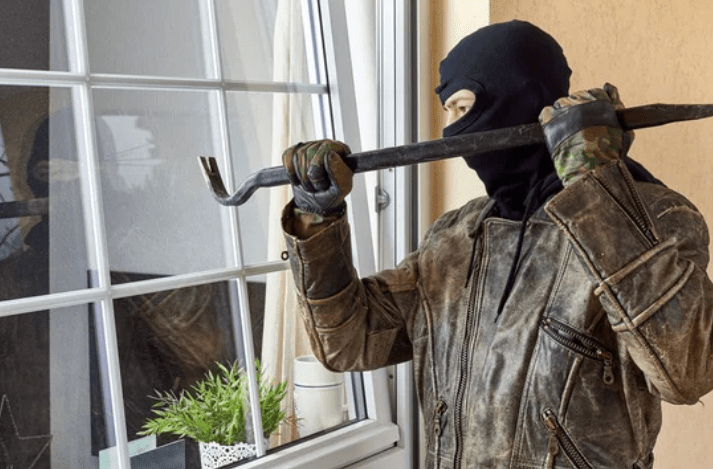
Your windows? Same deal. Most are so easy to breach it’s insulting. Add security film so they don’t shatter like your hope for society’s future.


4. Alarms—The Loud, Obnoxious Kind

A burglar wants silence. They want time. They want a sense of control.

So your job is to remove all three.

A screaming alarm that sounds like a mechanical banshee is one of the most effective deterrents on Earth. The moment that shriek hits, the criminal knows every second increases the chance someone will notice them.

You don’t need a fancy subscription service or a contract that traps you like a mortgage. Even standalone alarms work:

  • Window alarms
  • Door alarms
  • Glass-break sensors
  • Smart alarms that alert your phone

Once that thing wails, criminals usually bolt. Nobody wants to get caught—especially not burglars who barely have functioning plans to begin with.


5. Dogs—The Original Security System

Forget what the commercials tell you. Forget the cutesy anecdotes. A barking dog is one of the most proven burglar deterrents in existence.

Criminals don’t want unpredictability. Dogs are unpredictable. They make noise. They draw attention. They bite.

Even a medium-size dog is enough to make a burglar reconsider their life choices. And if you happen to have a larger breed? Congratulations—your home just jumped several tiers on the “not worth the risk” list.

But don’t rely on the dog alone. You need overlapping layers. Dogs are wonderful, but they sleep. They get distracted. Technology doesn’t.

Combine the two and you’ve got a fortress.


6. Signs—Because Humans Fear Warnings More Than Reality

Does a sign stop a truly determined criminal? No. But it absolutely stops the lazy, opportunistic ones. And those are the majority.

Use signs like:

  • “24-Hour Video Surveillance”
  • “Beware of Dog”
  • “Security System Installed”
  • “Private Property – No Trespassing”

Some people say warning signs are “aggressive.” Good. Let them think that. You’re not running a daycare—you’re protecting your home from vultures.


7. Neighborhood Awareness—Even If You Hate People

Let’s be honest: Most preppers aren’t exactly thrilled about mingling with neighbors. But here’s the cold truth: Criminals thrive where nobody pays attention.

You don’t have to bake cookies together or exchange holiday cards. Just:

  • Learn their faces
  • Know what cars belong on your street
  • Pay attention when something feels “off”

You don’t need community spirit. You just need community awareness. Even the most pessimistic prepper can benefit from a quick text message warning them a suspicious individual was lurking around the mailboxes.


The Harsh Reality: Security Is Your Responsibility

No one is coming to save you. Not your city. Not your state. Not your neighbors. Not the system that keeps telling you everything is fine.

If you want security, you build it yourself.

The best burglar deterrents aren’t complicated—they’re layered. Combine lighting, cameras, reinforcing materials, alarms, signs, and situational awareness, and suddenly your home becomes the hardest target on the block.

Criminals don’t want a challenge. They want easy prey.

Make sure that’s never you.