

’ve been through more broken terrain and disaster zones than most folks see in a lifetime. Desert rubbles, forest mud, coastal storms—everywhere I’ve pushed my rig to the limit. But if you ask me, it’s Indiana’s worst roads that sneak up on you during a crisis. They may not look dangerous on a GPS map, but once the storm hits or civil disruption starts, what seems like a harmless rural highway can become a deathtrap in minutes.
So here’s my comprehensive guide: how to survive driving through those back roads, gravel highways, and forgotten bridges when everything goes sideways, and how to drive your way out without fuel when the gas pumps go dead.

Indiana’s Worst Roads in a Disaster Scenario
- County Road 600 East (Shelby County)
Narrow, winding, crosses multiple creek beds. Wooden planks on bridges rot fast, and without maintenance during a disaster, collapse is just a matter of time. - Old Vincennes Trail (Vigo County)
Overgrown, poorly marked, passing through wooded areas. Fallen trees and wildlife are common obstacles after high winds. - State Road 156 (Clark County)
Cliffside road overlooking the Ohio River. Erosion from flash flooding can cause sudden landslides. - County Road 775 South (Jennings County)
Sandstone ridges and blind turns; when mud shows up, traction vanishes. - Old State Road 32 (Madison County)
Sporadically paved, pocked with sinkholes. In a quake or flooding, you’ll be playing dodge‑the‑hole. - Several river‑low bridge crossings
Any small under‑maintenance crossing becomes dangerous when water rises. Think County Road 700 South over the Muscatatuck River. - Backcountry farm‑access lanes (any county)
Dusty or muddy, they often turn to impassable quagmires when rain hits. - Abandoned railroad crossings
Rails burst, gravel shifts, axles break. - Hilly switchbacks around Brown County
Steep, no guardrails, deceptively narrow, and easy to overlook black ice in winter emergencies. - Unlighted stretches of US 41 (Benton–Newton counties)
In power outages, you’re blind and vulnerable to stranded vehicles or ambush.
These roads share traits: narrow width, degraded pavement, poor signage, multiple natural‑feature crossings, and few civil‑support options. In a disaster—whether tornadoes, floods, EMP, or civil unrest—any one could strand you or worse.
15 Survival Driving Skills
- 4×4 Engagement on Uneven Terrain
Always be familiar with how and when to shift into 4‑wheel drive or low‑range. Too early or too late, and you get wheelspin or lock‑up. - Reading Water Flow Through Bridges
Wet bridge? Look for current direction and debris patterns. Back off immediately if it’s choppy or fast; wood‑plank bridges hide structural damage until they fail. - Low‑Torque Start on Loose Surfaces
Feather throttle at launch — high RPMs on gravel or mud dig you in faster than a front‑end dig. - Heel‑and‑Toe Shifting for Descents
Mismatched revs cause lurching. Master heel‑and‑toe for smooth downshifts steeply. - Left‑Right Shake Method for Stuck Tires
Shift between drive and reverse while gently applying throttle to jar tires free. - Smart Air‑Down for Gravel or Sand
10–15 PSI lower gives better traction—but don’t go below 15 PSI to avoid bead‑seals popping. - Tire Chains Without Chains
Use rope in a crisscross pattern to dig into ice/mud if you don’t have actual chains. - Maintaining Momentum on Uphill Soft Spots
Too fast, you’ll dig; too slow, you’ll stall. Keep steady momentum to pass through. - Stone‑Dodging
Steer around big rocks on uneven road — never drive directly over them unless you’ve got rock‑sliders. - Trail‑Guided Spotting
Have a passenger get out and direct you slowly through tricky curves or washed‑out areas. - Exit Planning at Intersections
If disaster intensifies, always identify the safest route exit early—not just the shortest. - Steering On‑Point at Loss of Traction
Caused by mud or ice? Don’t brake hard. Gently steer into the skid. - Fuel Conservation by Dialing Back Speed
Drive at half throttle; aerodynamic drag kills your range quickly. - Emergency Braking Without ABS
Pump brakes to hold control; heard of ABS, but pumps manually if needed. - Night Vision with High Beams and Mirrors
Angle mirror to reflect headlight glare onto signs/obstacles; life‑saving when power’s out.
3 DIY Survival Driving Hacks When You Run Out of Gas
On Indiana’s worst roads, gas stations may be gone—or unreachable. If you’re out of gas, here’s how to keep moving.
Hack 1: Gravity‑Feed from Above‑Ground Tank
You carry a soft fuel bladder or five‑gallon jerry can? Strap it securely on roof or tailgate. Use gravity hose to feed fuel into a tank primed inlet loop. Makeshift pump: suck to prime, then let gravity take over. Yes, risk of spillage—but it beats being stranded at night on County Road 600 East with a creek rising fast.
Hack 2: Charcoal‑Filtered Woodgas Retro‑Burner
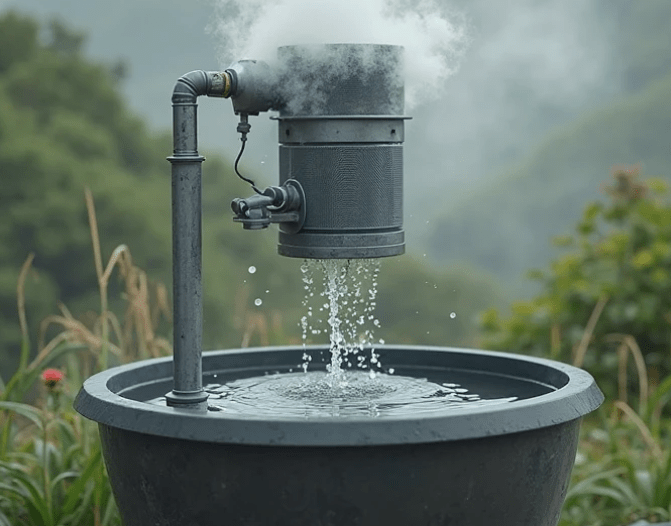
If you have a small steel tank and angle grinder, you can convert it into a woodgas generator to run a carbureted engine. On cold nights near wooded backroads, scavenge sticks and deadfall. Build small charcoal gasifier, pipe the gas in. Maintains low RPM just to get out. It’s not clean or fast—but it moves you miles on firewood alone.
Hack 3: Pedal‑Truck Push Start
Now, I’ve done this solo. Use tire pressure: lower rear tires a bit to increase traction, fold the rear tailgate down. Shift to neutral, starting at a slight decline if available (maybe an abandoned bridge ramp on State Road 156). Hop in and start pushing with hands or foot‑brace on tailgate. Once you get it rolling, jump in and pop it into second gear—bump start. Works until engine turns over. Yes, slower than a patrolling cop with a machine gun, but it gets you moving.
Navigating Disaster on Indiana’s Harsh Roads
Picture this: the power’s out, emergency sirens howl somewhere in the east. You’ve just fled town with enough gear for 72 hours—food, water, med kit, fuel bladder, jumper cables, axe, tow strap. You’re on County Road 600 East, heading toward high ground. Two miles in, the wooden bridge over Little Blue Creek creaks and tilts as fast‑flowing water pounds foundations.
You stop. You don’t cross. Use skill #2: read the flow and bounce the front bumper light on the water. You see rippling eddies that signal rising water. Bridge side rotted. You turn around onto a mud‑marked service road parallel to the creek. Feather throttle, use 4×4 low, and push through ruts. Two more creek crossing ahead—one small, one large. Use #1 and #6—air‑down and steady momentum. Scrape mud clear with shovel, dig out puddles that could bury axles. You make it safe.
Your fuel runs low. You cross paths with another driver stranded without fuel. He offers you 3 gallons of white‑gas camp fuel. It’ll work—just add it to your mix and run at carrot‑and‑stick half throttle (#13)—and avoid highways where you’d burn through it too fast. You ration. You’re still miles from ignition.
That night, you set camp by Old Vincennes Trail edge. Rain pounds, mud deepens. You build woodgas maker (#2 hack) from a steel drum scavenged at a burned‑out farmstead. You fire it up. Squeaky, smoky, home‑built. Smoke trails under your chassis. You manage a mile—overnight goal reached.
By dawn, you’re near State Road 156, cliffside curves ahead. You check erosion signs, use heel‑and‑toe to descend without overheating brakes (#4). Bridges? You test the surface. Shake the suspension as you ease on. Good to go. You make it off the worst route.
Tips for Staying Alive on These Roads
- Pre‑trip inspection: check tires (wear, mud, gravel patterns), steering tightness, brake fade. Repair immediately—mobile tools are useless once you’re 10 miles from pavement.
- Pack a survival driving kit: include rope, small pump, low‑pressure gauge, charcoal, steel pipe, welding gloves (for woodgas hack), funnel, shovel, jerry can, battery jumper leads, emergency blankets, hand winch.
- Drive early or late: midday brings heat and storms; night brings opportunistic threats. Dusk to dawn is quietest—but use high‑beam night‑vision tricks (#15).
- Scan shoulder signs: any unusual piles of brush, stones, or barricades likely indicate you’re heading into flashpoint or unstable terrain.
- Avoid predictable routes: towns near rivers, dams, power substations are likely to bubble in a disaster zone. Take alternative farmland roads instead.
- Stay low and quiet: engine off, wheels straight, lights out at rest points. Listen to water, wind, wildlife patterns—silent terrain reveals more than loud engines.
- Log your route: draw progress on map as you go—even if GPS dies, you’ll have a paper chart with mileage and direction.
Why Indiana’s Worst Roads Demand Respect
Most disasters don’t strike the urban core first—they hit infrastructure: rural roads, bridges, culverts. Maintenance stops, communication fails. Suddenly, that unassuming county road you took as a shortcut becomes the only passable route… until it buckles under pressure. In a hurry, without the right skills and foresight, you end up trapped in a flash flood, landslide, or worse.
Every survivalist knows: it’s not a matter of if your route becomes compromised—it’s when. That’s why you build redundancy: alternative tracks, vehicle adaptability, ability to jury‑rig fuel systems. You learn dirt, water, slope, and engine behavior by night, when mistakes hurt, and climb back into that rig knowing it’s re‑broken now. Only after 10 nights of living on a plateau under the first light of dawn do you begin to respect the roads ahead again.
Final Takeaways
- Indiana’s worst roads—narrow, rural, weakly maintained—become death zones in any significant disaster.
- Master 15 survival driving skills: from mud starts to heel‑and‑toe downshifts and on‑point skid control.
- Carry the tools to jerry‑rig fuel or make woodgas: 3 DIY hacks for zero‑fuel emergencies.
- Drive defensively—know every mile, test every creek, carry a detailed map, and plan your exits.
- Above all: stay calm, keep momentum, trust your training—and remember: in a crisis, speed is a trap; control is what gets you home.
When the sirens fade and normalcy bleeds back in, folks will talk about how the interstate jammed, how the airport shut down. You’ll be working on your truck, re‑packing your gear, cleaning your woodgas rig. You’ll drive through forgotten roads, patch bridges, and smile: you chose the hard way—and lived to tell the tale.







 TheDailyChristian