

I’ve broken every bone in my body at least once. Some of them twice. One of them three times, but that one was my fault and involved a ladder, a generator, and a poor decision made during a thunderstorm. Because of this long and painful résumé of injuries, people assume I’m afraid of big things—bears, hurricanes, chainsaws, or angry men named Earl.
They are wrong.
The things that scare me most in North Carolina are small. Six legs. Wings sometimes. No remorse. No warning. Just a bite, a sting, or a disease you won’t notice until you’re sweating through your socks wondering why your joints feel like they’ve been replaced with rusty door hinges.
North Carolina is a beautiful state full of forests, swamps, mountains, coastlines, and insects that would happily end your entire survival journey before you finish pitching a tent. While most bugs are just annoying, some can genuinely threaten your life under the wrong conditions. I’ve met them. I’ve underestimated them. I’ve survived them mostly through luck, stubbornness, and an impressive collection of first-aid kits.
This article is not meant to scare you indoors forever. It’s meant to keep you alive. Because nature doesn’t care how prepared you think you are, and insects don’t care how tough you act.
Let’s talk about the most dangerous insects in North Carolina—and what you can do to survive them without becoming an entry in a local news story.
1. The Tiny Flying Hypodermics of Doom – Mosquitoes
If mosquitoes had resumes, they’d be banned in most countries.
In North Carolina, mosquitoes aren’t just itchy nuisances. They are known carriers of serious diseases such as West Nile virus, Eastern equine encephalitis, and other infections that can, in rare cases, become life-threatening. You don’t feel heroic when a mosquito bites you. You feel mildly annoyed. That’s the problem.
The danger isn’t the bite itself—it’s what the bite delivers.
I once ignored mosquito protection because I was “just stepping outside for a minute.” Three hours later, I looked like a topographical map of bad decisions. Fever hit me days later, and while I recovered, I learned a lesson the hard way: mosquitoes don’t respect short trips or tough talk.
Survival Tips:
- Wear long sleeves and pants in mosquito-heavy areas, especially at dawn and dusk.
- Use insect repellent consistently, not just when you remember.
- Eliminate standing water around your home or campsite.
- If you develop fever, headache, or body aches after heavy mosquito exposure, seek medical attention early.
Preparedness lesson: the smallest enemy often causes the biggest problems.
2. Ticks Really Suck (Your Life Away)

Ticks don’t bite you like insects. They move in.
North Carolina has several species of ticks capable of transmitting serious illnesses, including Rocky Mountain spotted fever and other tick-borne diseases. These conditions can escalate quickly if untreated, and symptoms often begin deceptively mild.
Ticks are patient. They don’t sting dramatically. They don’t buzz angrily. They just wait, latch on, and let time do the damage.
I once found a tick in a place I will not describe for the sake of everyone’s breakfast. That moment changed me as a person.
Survival Tips:
- Perform full body tick checks after outdoor activities.
- Wear light-colored clothing to spot ticks more easily.
- Tuck pants into socks when hiking through tall grass or woods.
- Remove ticks promptly and properly.
- Seek medical advice if you experience fever, rash, or fatigue after a tick bite.
If you take nothing else from this article, take this: ticks are not optional to deal with.
3. North Carolina’s Fire Ants Are Gonna Put a Fire in Your Spine
Fire ants are not technically native, but they’ve made themselves extremely comfortable in North Carolina—especially in warmer regions. They don’t just bite. They swarm. They coordinate. They commit.
For most people, fire ant stings are painful but manageable. For others, especially those with allergic reactions, they can become dangerous very quickly.
I once stepped into a fire ant mound while distracted by a survival checklist. I learned that ants can climb faster than panic.
Survival Tips:
- Watch the ground before standing still outdoors.
- Avoid disturbing ant mounds.
- If stung multiple times, move away quickly and wash the area.
- Seek emergency help if you experience swelling, difficulty breathing, or dizziness.
Fire ants don’t play defense. They play offense.
4. North Carolina Bees & Wasps Hate People
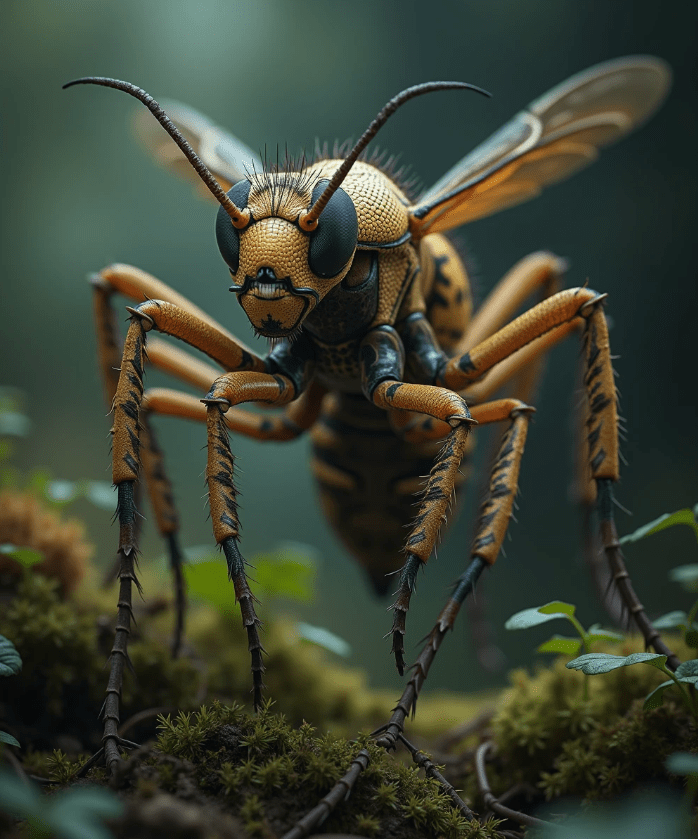
Bees are important. Wasps and yellowjackets are important too, I guess, but they wake up angry and choose chaos daily.
In North Carolina, stinging insects can pose a serious risk, especially to individuals with allergies. A single sting can trigger a severe reaction that escalates rapidly without treatment.
Yellowjackets, in particular, are aggressive and often nest underground, which means you don’t know they’re there until they are very much there.
I’ve been stung enough times that I now flinch when a leaf moves suspiciously.
Survival Tips:
- Avoid wearing strong scents outdoors.
- Stay calm if stinging insects are nearby.
- Do not swat—slowly move away.
- If stung and symptoms escalate beyond local pain, seek emergency help immediately.
Preparedness means respecting insects that can turn a picnic into a medical emergency.
5. Black Widow Spiders in North Carolina are Small, Shiny, and Unforgiving
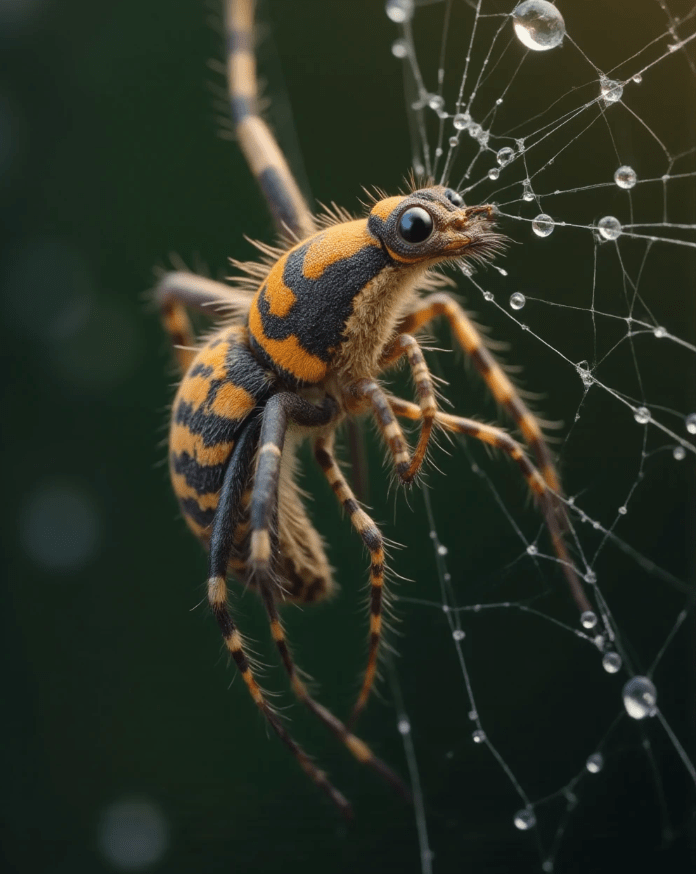
Yes, spiders aren’t technically insects, but if one bites you and ruins your week, the distinction won’t matter much.
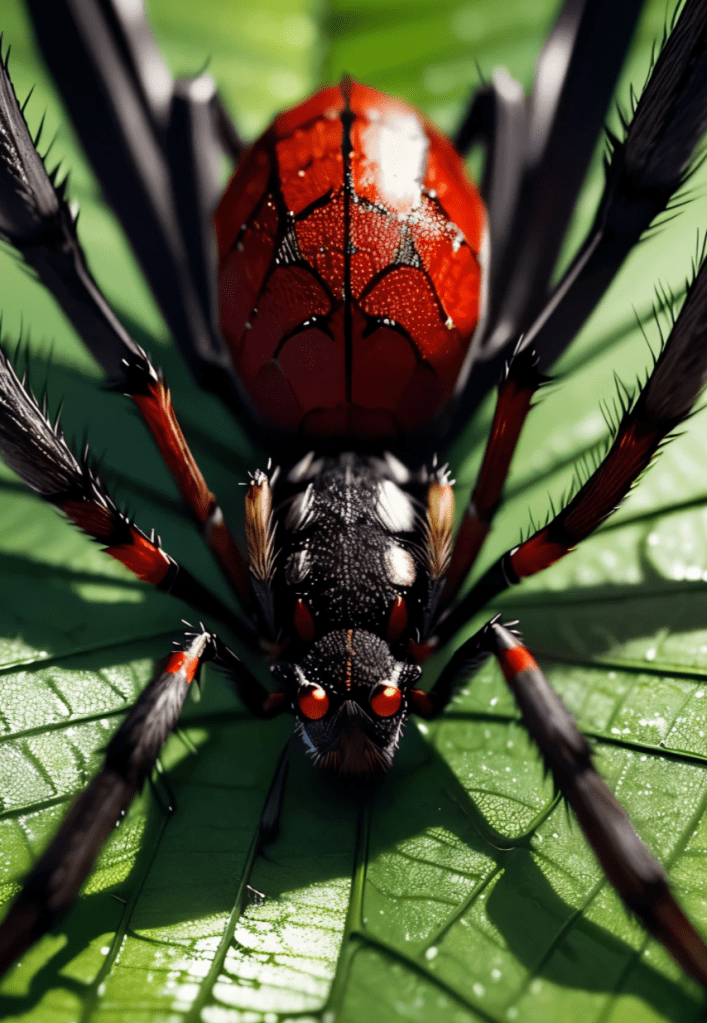
Black widows are present in North Carolina and are recognizable by their glossy black bodies and red markings. Their venom can cause severe pain, muscle cramps, and other systemic symptoms.
I once stuck my hand into a woodpile without gloves. That was a mistake I won’t repeat until I forget again in ten years.
Survival Tips:
- Wear gloves when handling firewood or debris.
- Shake out shoes and clothing stored outdoors.
- Seek medical care if bitten and symptoms intensify.
Spiders thrive where clutter lives. So do bad outcomes.
6. Brown Recluse Spiders: Rare, But Worth Mentioning
Brown recluse spiders are uncommon in North Carolina, but they do exist. Their bites can cause serious skin damage and systemic reactions in rare cases.
The danger lies in delayed symptoms. You might think everything is fine until it very much isn’t.
Survival Tips:
- Reduce clutter in storage areas.
- Avoid reaching into dark, undisturbed spaces.
- Seek medical care for unusual or worsening bite reactions.
Preparedness includes knowing what’s unlikely—but possible.
7. Kissing Bugs: The One Nobody Talks About
Kissing bugs are stealthy insects known for biting near the face while people sleep. In rare cases, they can transmit Chagas disease.
While the risk in North Carolina is low, it’s not zero.
That’s enough for me to mention it.
Survival Tips:
- Seal cracks and gaps in homes.
- Use screens on windows.
- Keep sleeping areas clean and well-lit when possible.
You don’t need paranoia. You need awareness.
8. Deer Flies and Horse Flies: Pain with Wings
These insects don’t just bite—they slice. Their bites are painful and can become infected if not treated properly.
While rarely deadly on their own, secondary infections or allergic reactions can complicate things.
I once thought a horse fly was a small bird attacking my neck. I was wrong. But the fear was real.
Survival Tips:
- Cover exposed skin near water or wooded areas.
- Clean bites thoroughly.
- Monitor for signs of infection.
Pain is survivable. Infection is optional if you’re careful.
What Survival Really Means in North Carolina’s Bug Country

Survival isn’t about carrying the biggest knife or building the fanciest shelter. It’s about preparation, awareness, and humility. I’ve learned—through fractures, stings, and infections—that insects don’t care how prepared you think you are.
They care whether you took the small precautions.
Wear the repellent. Check your skin. Respect the insects you can’t see coming. Don’t laugh off a bite that feels wrong. Don’t assume you’re immune because you’ve “always been fine before.”
I’ve been fine before too. Until I wasn’t.
North Carolina is worth exploring. Just don’t let the smallest residents write the ending of your story.
Stay alert. Stay prepared. And for the love of everything, check your boots before putting them on.


 TheDailyChristian