Silent Killers at the County Fair: Iowa’s Most Dangerous Insects and How to Avoid Them

I’ve spent years traveling the Midwest teaching preparedness, and every summer I make my way through Iowa during county fair season. The smell of funnel cakes, the sound of livestock auctions, and the crowds packed into fairgrounds are as Iowa as it gets. But when you spend enough time sleeping in rural campgrounds, walking fence lines, and standing in hot crowds, you learn quickly that Iowa’s greatest threats aren’t always storms or accidents. Sometimes, the smallest creatures carry the biggest risks.

Iowa doesn’t have tropical monsters or jungle predators, but it does have insects and insect-like pests that can seriously injure or even kill you under the wrong circumstances. As a survival prepper, I don’t believe in panic—I believe in awareness, preparation, and simple habits that keep you alive. Let’s talk about the deadliest insects you’ll realistically encounter in Iowa, why they’re dangerous, and how to protect yourself during fair season and beyond.


The Golden Mosquito: Iowa’s Most Dangerous Killer by Numbers

If I had to name the deadliest insect in Iowa, it wouldn’t be the scariest-looking one. It would be the mosquito.

Mosquitoes in Iowa are capable of transmitting serious diseases, including West Nile virus and other mosquito-borne illnesses. Most people brush off bites as itchy annoyances, but disease transmission is where the real danger lies. Every year, Iowans are hospitalized due to complications from mosquito-borne illnesses, especially older adults and those with weakened immune systems.

Why they’re deadly:

  • Disease transmission rather than venom
  • High population during warm, wet summers
  • Active at dusk, dawn, and during humid evenings

Survival prepper tips:

  • Wear long sleeves and pants during evening fair events
  • Use insect repellent when outdoors for extended periods
  • Avoid standing water near campsites or lodging
  • Use light-colored clothing to reduce attraction

At county fairs, mosquitoes thrive near livestock barns, food waste areas, and temporary water sources. I always assume mosquitoes are present and plan accordingly.


Small Stings, Big Consequences
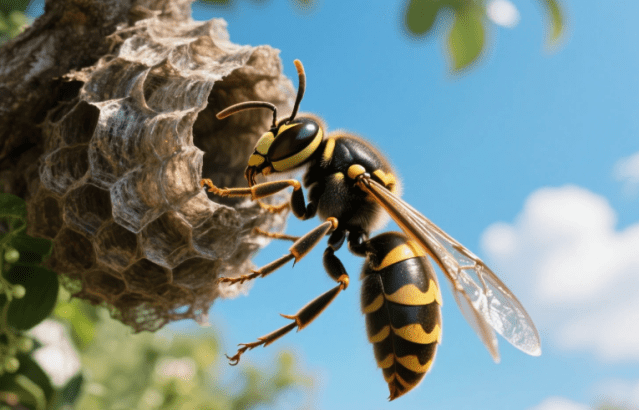
Stinging insects are a constant at Iowa fairs, picnics, and outdoor events. Yellowjackets, paper wasps, honeybees, and hornets are all common across the state.

For most people, a sting is painful but survivable. For others, especially those with allergies, a single sting can become life-threatening within minutes.

Why they’re deadly:

  • Severe allergic reactions (anaphylaxis)
  • Multiple stings from disturbed nests
  • Aggressive behavior near food and sugary drinks

Survival prepper tips:

  • Never swat at flying insects—it increases aggression
  • Keep food covered when eating outdoors
  • Check drink cans before sipping
  • Identify nest locations and keep your distance

At county fairs, I see people accidentally step on yellowjackets near trash cans more than anywhere else. Trash areas are danger zones—move deliberately and stay alert.


The Silent Hitchhikers

While ticks aren’t technically insects, any prepper would be irresponsible not to include them. Iowa is prime tick territory, especially in grassy areas, wooded edges, and rural fairgrounds.

Ticks can transmit serious illnesses, including Lyme disease. The danger isn’t immediate pain—it’s delayed symptoms that many people ignore until it’s too late.

Why they’re deadly:

  • Disease transmission
  • Often unnoticed for hours or days
  • High exposure risk in rural environments

Survival prepper tips:

  • Wear long pants and tuck them into socks
  • Perform full-body tick checks daily
  • Shower after spending time outdoors
  • Remove ticks promptly with proper technique

If you camp near fairgrounds or park in tall grass, assume ticks are present. I check myself every night, no exceptions.


Blister Beetles: The Hidden Hazard Most People Miss

Blister beetles don’t look dangerous, which is what makes them risky. These beetles produce a chemical called cantharidin, which can cause severe skin blistering if crushed against the skin.

While human fatalities are rare, severe exposure or ingestion can be dangerous. They’re more commonly known for harming livestock, but fairgoers who handle hay, straw, or agricultural displays should be aware.

Why they’re dangerous:

  • Toxic chemical secretion
  • Skin injury and possible systemic reactions
  • Found near agricultural materials

Survival prepper tips:

  • Avoid handling beetles or crushing insects on bare skin
  • Wash hands after touching hay or straw displays
  • Wear gloves when handling farm materials

At agricultural fairs, people forget that not every danger flies or stings.


Horseflies and Deer Flies: Painful and Persistent

Horseflies and deer flies are aggressive biters found in rural Iowa during summer. Their bites can break the skin and become infected if not treated.

Why they’re dangerous:

  • Painful bites that can lead to infection
  • Aggressive behavior
  • Often found near livestock and water

Survival prepper tips:

  • Wear long sleeves near livestock areas
  • Clean bites immediately
  • Avoid swatting—move away calmly

While rarely fatal, infections can become serious if ignored.


Final Prepper Rules for Staying Alive in Iowa

Survival isn’t about fear—it’s about habits. When I walk Iowa fairgrounds, I follow simple rules:

  1. Assume insects are present everywhere
  2. Cover skin during peak insect hours
  3. Carry basic first-aid supplies
  4. Stay calm and observant
  5. Teach kids awareness without panic

Iowa is a great state with great people, but nature doesn’t take the summer off. Whether you’re visiting a county fair, camping nearby, or working outdoors, respecting Iowa’s smallest threats can make the difference between a good memory and a medical emergency.

Stay alert, stay prepared, and enjoy the fair—you’ll live longer that way.

Iowa’s Worst Roads to Drive on During a Disaster

Iowa’s Worst Roads to Drive on During a Disaster
By a Well-Traveled Survivalist

There’s a reason most folks underestimate the land between the coasts. From a bird’s-eye view, Iowa looks like a patchwork of cornfields and gravel roads. But when a disaster strikes—be it flood, blizzard, tornado, or grid-down scenario—those roads can turn into a gauntlet. I’ve spent decades traveling through all kinds of terrain, from the jungles of Colombia to the mountain passes of Afghanistan. Let me tell you, Iowa’s backroads in the middle of a Midwestern thunderstorm? Just as dangerous as any warzone.

Disaster has a way of peeling back comfort like bark off a tree. When the sirens start, cell towers fail, and gas stations shut down, your best chance of survival might come down to your wheels and your wits. Below, I’ll lay out 15 survival driving skills every Iowan—or any prepared soul—needs to master, plus 3 DIY hacks to keep moving when your gas tank’s dry. But first, let’s talk about the battleground: Iowa’s most treacherous roads when the world goes sideways.


The Most Treacherous Roads in Iowa During a Disaster

  1. Highway 20 (Western Segment)
    Western Iowa’s stretch of Highway 20 often floods after heavy rains. During a flash flood, this corridor turns into a watery grave. Flatland runoff builds fast, and without elevation to carry it away, you’re driving blind through standing water.
  2. I-80 Between Des Moines and Iowa City
    While it’s one of the busiest interstates in Iowa, in a disaster, that’s exactly the problem. It bottlenecks fast, especially in snowstorms or mass evacuations. Don’t count on cruising this route during chaos.
  3. County Road F62 (Marion to Knoxville)
    Twisting hills and tree-lined curves make this rural gem beautiful—but deadly. In winter, it becomes a skating rink; in rain, a mudslide risk. No plows, no lights, no help.
  4. Highway 2 (Southern Iowa)
    A frequent victim of Missouri River flooding. Entire stretches of this road have been wiped out in past storms. In a bug-out situation, avoid this path unless you’ve recon’d it yourself.
  5. IA-330 Northeast of Des Moines
    Tornado alley, plain and simple. The road is exposed, isolated, and flanked by ditches—not where you want to be when twisters tear through.
  6. Gravel Roads in Tama and Poweshiek Counties
    During a disaster, GPS will push you onto these gravel roads to “save time.” Don’t fall for it. One storm and they’re impassable. Get stuck here, and you’re a sitting duck.

15 Survival Driving Skills for Disaster Scenarios

  1. Reading the Road
    If the surface looks darker than usual during rain, it’s probably deeper than you think. Water distorts depth. Know how to read the color and ripple.
  2. Driving Without GPS
    Memorize paper maps. Practice navigating with a compass and dead reckoning. Satellites fail. Your brain can’t.
  3. Off-Road Maneuvering
    Know how to use low gear, lock differentials, and feather the throttle. A field may be your only way out.
  4. Evasive Driving
    Practice J-turns and emergency braking in empty lots. If you’re chased or boxed in during civil unrest, you’ll be glad you did.
  5. Tire Change Under Pressure
    Be able to change a tire in under 5 minutes with limited visibility. Bonus points if you can do it with a busted jack.
  6. Escape Routines
    Know how to escape from a submerged vehicle, including kicking out side windows and cutting seatbelts. Timing is life.
  7. Fuel Conservation Tactics
    Learn to coast, hypermile, and minimize gear shifting. Every drop of fuel matters when there’s no refuel in sight.
  8. Navigating by Landmarks
    Learn to recognize silos, barns, water towers, and wind turbines as navigational aids. Nature and man-made markers never need batteries.
  9. Communication on the Go
    Equip your vehicle with CB radio or GMRS. When cell towers go down, this is your only lifeline.
  10. Driving in Blackout Conditions
    Practice using night vision (if you’ve got it) or driving with no lights using only moonlight and memory. Useful when stealth matters.
  11. Handling Panic Situations
    Develop muscle memory for when adrenaline spikes. Whether avoiding a downed power line or maneuvering through looters, cool heads drive better.
  12. Improvised Towing
    Use ratchet straps, tow ropes, or even paracord to pull another vehicle or debris. Just know the knots and tension limits.
  13. Winter Ice Control
    Carry sand, kitty litter, and traction boards. Learn how to rock the car back and forth to break ice grip.
  14. Engine Maintenance
    Know how to clean filters, check fluids, and jump a battery with spare wire if you don’t have jumper cables.
  15. Brake Failure Protocol
    If your brakes go, pump fast, downshift, and use the emergency brake in pulses—not one hard yank. That saves lives.

3 DIY Survival Driving Hacks When You Run Out of Gas

  1. The Ethanol Hack
    Iowa’s got corn. Lots of it. In an absolute emergency, you can distill ethanol from fermented corn mash. It’s not easy, but with copper tubing, a pressure cooker, and some time, it’s possible. Ethanol burns lean—filter it well or risk engine damage.
  2. The Lawn Mower Siphon Trick
    That old lawn mower or ATV in someone’s abandoned shed? Many of them have gas. Carry a siphon hose and a catch can. Be respectful—if it’s not yours, it might be someone else’s lifeline.
  3. Wood Gasifier Retrofit
    Advanced, but doable. With steel barrels, wood chips, and basic welding, you can create a wood gasifier to power an older carbureted engine. Think WWII truck tech. It ain’t pretty, but it rolls.

Tips for Staying Alive on Iowa Roads

  • Always carry a 72-hour car kit: water, food, wool blanket, trauma gear, jumper cables, flares.
  • Keep your gas tank no lower than half full. In a grid-down event, the line at Casey’s stretches to forever—and might never move.
  • Scout backroads now—while you still can. Drive them in daylight, mark danger spots on your maps, and cache supplies if you’re bold enough.

When the skies go black and the sirens wail, you won’t rise to the occasion. You’ll fall to the level of your training. So train hard. Know your routes. And never let your tank run dry.

The cornfields of Iowa might look peaceful, but when the world turns upside down, they’ll show you their teeth.

Iowa Homestead Lifestyle: Where Grit Meets Gut and No One’s Got Time for BS

Listen here, city slickers and wannabe farmers: homesteading in Iowa ain’t no stroll through a cornfield in spring. It’s blood, sweat, and damn near everything in between — and if you don’t come prepared with grit and a backbone, you’re gonna fail. Fast. I’m sick of hearing how easy this all looks on those pretty YouTube channels or in some “simple living” blog. No. Just no.

Iowa’s rich soil might be a blessing, but don’t let that fool you. The weather here will whip your ass — freezing winters, scorching summers, and storms that’ll tear up your whole damn place if you ain’t ready. If you want to live this lifestyle right, you better learn the skills and hacks that make survival and success possible. So buckle up, because I’m about to lay down the truth on 15 essential homestead skills every Iowa homesteader needs, plus three DIY hacks to keep you rolling when the world’s trying to screw you over.


15 Essential Homestead Skills for Iowa Homesteaders

  1. Soil Testing & Amendment
    Don’t just plant and pray. If you want crops to grow in this dirt, you need to test the soil for pH and nutrients, then add lime, compost, or manure accordingly. Lazy gardeners get no harvest here.
  2. Crop Rotation & Companion Planting
    Iowa’s soil gets tired if you don’t rotate your crops year to year. Plus, planting the right combos like beans with corn keeps pests at bay without chemicals.
  3. Seed Saving
    Stop buying seeds every damn season. Learn to save and store your own seeds. It’s survival insurance and money saved — and you’ll be thanking yourself when that seed company jacks prices up.
  4. Chicken Raising
    If you think chickens just roam and lay eggs, think again. You’ve gotta know how to build secure coops, manage feed, fend off predators, and handle sickness. This ain’t a petting zoo.
  5. Butchering & Meat Processing
    If you raise animals, you better know how to process them yourself. No one’s coming to hold your hand or do it for you. It’s bloody work but necessary if you want real food freedom.
  6. Preserving Food
    Canning, drying, fermenting — if you’re not preserving your harvest, you’re wasting it. Iowa’s growing season’s short; you gotta eat well all winter.
  7. Firewood Gathering & Splitting
    Heating a homestead in Iowa’s winter ain’t cheap. Learn to cut, split, and stack firewood properly — or freeze your ass off.
  8. Basic Plumbing Repair
    I’ve seen too many folks call a plumber for every drip or clogged pipe. Learn to fix leaks and maintain your water system. It’ll save you money and headaches.
  9. Fence Building & Maintenance
    Whether you’re keeping critters in or pests out, a solid fence is a must. Know how to build and repair fences fast because Iowa’s wildlife will test your defenses daily.
  10. Tractor & Equipment Maintenance
    If you’re running a tractor, mower, or tiller, you better know how to keep it running. No mechanic on call for you when you’re 20 miles from town.
  11. Rainwater Harvesting
    Iowa gets its share of droughts despite all the rain. Catch and store water for irrigation and chores — it’s a lifesaver.
  12. Soap Making
    Yeah, soap. Making your own is cheaper, chemical-free, and a step toward true self-reliance. Plus, nothing beats homemade soap for hard-working hands.
  13. Basic Carpentry
    Fix your roof, build your coop, repair your porch — you need carpentry skills or you’ll be stuck waiting on contractors who’ll charge you an arm and a leg.
  14. Herbal Medicine & First Aid
    When the nearest clinic is miles away, knowing which herbs soothe a fever or stop bleeding is worth more than gold.
  15. Composting
    Iowa’s dirt can be good but it ain’t perfect. Building and maintaining a compost pile recycles waste and builds rich soil. No compost, no crops — simple as that.

3 DIY Homestead Hacks That’ll Save Your Ass on an Iowa Homestead

Hack #1: DIY Chicken Coop Predator Proofing
Raccoons, foxes, coyotes — they’re relentless here. Wrap the bottom of your coop with hardware cloth buried at least a foot underground in an L shape outwards. No digging under, no tearing through. Cheap, simple, and keeps your hens alive.

Hack #2: DIY Worm Compost Bin
Don’t buy expensive worm bins. Take an old plastic storage container, drill some holes for airflow and drainage, add bedding like shredded paper and kitchen scraps, then throw in worms. You get black gold compost for your garden without spending a dime.

Hack #3: Plastic Bottle Drip Irrigation
Iowa’s summer heat can fry your crops if you’re not watering right. Take empty plastic bottles, poke small holes in the cap, bury them neck-down near plant roots, and fill them with water. Slow, deep watering that saves time and water.


Why Iowa Homesteading Is Not for the Faint of Heart

Look, I don’t sugarcoat this shit. Iowa homesteading means getting your hands dirty and not complaining when the weather wrecks your garden, or the tractor breaks down, or your chickens go missing overnight. It’s not a weekend hobby — it’s a lifestyle that will chew you up if you’re half-assed.

But here’s the damn truth — when you learn these skills and get those hacks down, you gain a freedom that no city life can offer. You grow your own food, raise your own meat, build your own shelter, and survive off the land on your own terms. There’s nothing more satisfying.


A Day in the Life on an Iowa Homestead

You wake up before dawn, pull on your boots, and head outside. First task: check the chickens. That coop better be intact, eggs collected, feed topped off. Then it’s out to the garden, pulling weeds, inspecting for pests. Your compost pile needs turning today, so grab the pitchfork. You check the rain barrels; water’s running low — maybe time to move the irrigation system to that patch of corn.

Midday means fixing the fence that the deer crashed through last night. You patch holes, hammer new posts, and secure the wire tight. You’re exhausted but no time to rest. Next up is the soap batch you started last night — time to mold and set it. Then you haul firewood inside for the coming cold.

At sunset, you sit on your porch, the smell of fresh-turned earth and woodsmoke heavy in the air, knowing that every drop of sweat is a brick in the foundation of your independence. You may be tired, but dammit, you’re alive and you’re doing it your way.


Final Words for the Iowa Homesteader

If you’re thinking about homesteading here, know this: You’re signing up for hard work, stubborn lessons, and days when everything breaks at once. But with the right skills, the right attitude, and a few clever hacks, Iowa homesteading can be the most rewarding, grounding, and life-changing thing you ever do.

So get your hands dirty, learn every damn skill you can, and build your homestead like your life depends on it — because it does.

Is Iowa’s Drinking Water Safe

Is Iowa’s Drinking Water Safe? Hell No – And You’d Better Learn These 15 Filtration Skills Before It’s Too Late

Listen up. If you’re sitting around trusting the government or your local utility to provide you clean drinking water—especially in Iowa—you’ve already lost. You’re the sheep, and they’re counting on your ignorance to keep you quiet while they dump nitrates, bacteria, and God-knows-what into your so-called “safe” water supply.

Let me be crystal damn clear: Iowa’s drinking water is under siege.

You think that glass of tap water is pure? Think again. Iowa is surrounded by fields sprayed with chemicals—nitrates, phosphorus, and manure runoff from industrial agriculture. That filth ends up right in your faucet. And they’ll say it’s “within legal limits.” Oh yeah? Legal limits set by bureaucrats who wouldn’t last three days without bottled water.

The truth? If you’re not already treating your water like you’re in a post-collapse scenario, you’re already in danger. You better start living like the grid is one blackout away from failure. You better learn to filter, purify, and protect every drop like your life depends on it—because it does.


15 Water Filtration Survival Skills You Need Yesterday

These aren’t suggestions. These are skills every prepared person must master before the water crisis knocks on your door—or poisons your kids without warning.

1. Boiling Water to Kill Pathogens

Basic, but effective. Boil your water for at least one minute (longer at higher altitudes). Kill bacteria, viruses, and parasites. If you can’t start a fire in under five minutes, you’re not ready.

2. DIY Charcoal Filter

Crush activated charcoal from a campfire. Layer it with sand and gravel in a bottle or PVC pipe. This filters out chemicals and improves taste. Not pretty, but it works when the taps run brown.

3. Using a Survival Straw (LifeStraw, Sawyer, etc.)

Carry one at all times. These suck up directly from rivers or questionable puddles and block bacteria and protozoa. Don’t trust plastic bottles in your go-bag without one.

4. Solar Disinfection (SODIS)

Fill a clear PET bottle, leave it in the sun for 6+ hours. UV rays kill pathogens. It’s low-tech and lifesaving. Got sunlight? You’ve got clean water.

5. Portable Water Filter Pump

Buy one now. Pump water through ceramic or carbon filters. Essential in rivers, ponds, and when the local supply is compromised.

6. Gravity Water Filtration Systems

Like Berkey systems. Let gravity do the work. They’re slow but thorough. Get one, stash extra filters, and keep them dry.

7. Chemical Purification: Bleach

Unscented household bleach. Use 8 drops per gallon, shake and wait 30 minutes. Smells bad, tastes worse—but if it fizzes, you live. Learn the damn math.

8. Chemical Purification: Iodine Tablets

Used by soldiers and preppers. Drop ‘em in water, wait, drink. Kills bacteria and viruses. Watch out if you have thyroid issues.

9. Sand and Gravel Filter Buckets

Layer buckets with gravel, sand, and charcoal. Pour water through top, collect filtered water from bottom spout. Cheap, scalable, effective.

10. Learn to Identify Contaminated Water Sources

Green scum? Dead fish? Metallic smell? Don’t touch it. Cloudy? Murky? Runoff nearby? Filter the hell out of it—or walk away.

11. Know Your Local Watershed

Study maps. Know what feeds your city’s supply. Find natural springs. Know which rivers are downstream of farms or factories. Use your brain.

12. Rainwater Harvesting and Filtering

Collect rain from rooftops into barrels. Filter it before use. It’s illegal in some places—imagine that. Pure water falling from the sky, and they want to regulate it.

13. DIY Bio-Filter System

Use buckets or barrels. Layer charcoal, sand, gravel. Maybe even use cheesecloth or coffee filters. Replace layers often.

14. Distillation

Boil water, catch the steam, condense it back into water. Removes EVERYTHING—chemicals, metals, salt. Slow, but purer than what the city hands you.

15. Test Your Water Regularly

Get test strips or kits. Know the levels of nitrates, lead, E. coli. Trust your results, not the city’s “annual report” full of watered-down half-truths.


3 DIY Survival Drinking Water Hacks for When the SHTF

When it all goes south—and it will—these hacks could be the difference between dying of thirst or dying with a rifle in your hand. Pick your battle, but stay hydrated.

Hack #1: The T-Shirt + Sand Filter

Tear up a shirt, wrap it over a bottle or funnel. Fill it with gravel, then sand, then charcoal. Pour water slowly through it. It won’t kill microbes, but it filters out dirt, bugs, and grime. Follow up with boiling or bleach.

Hack #2: Tree Branch Water Filter

Yup—certain tree branches (like pine or birch) can act like filters. Cut a piece, insert it into tubing, and pour dirty water through. The wood’s xylem filters microbes. Not perfect, but scientifically sound. Look it up.

Hack #3: Emergency Solar Still

Dig a hole, put a cup in the middle. Fill the hole with wet leaves or urine if you’re desperate. Cover with clear plastic, weight the center with a rock. Sunlight evaporates water, it condenses and drips into the cup. Slow as hell, but safe.


Final Warning

Back to Iowa. You think Des Moines has it bad with its nitrate problems? Try living near a CAFO (Concentrated Animal Feeding Operation) and tell me you trust what’s flowing from your faucet. The rivers are poisoned. The groundwater’s tainted. And no one’s coming to fix it when the system crashes.

You have to be your own water utility. Your own chemist. Your own damn filtration plant.

Iowa’s water isn’t just unsafe—it’s a canary in the coal mine. What’s happening there will happen everywhere. It’s a blueprint for environmental collapse and government inaction. They won’t protect you. They’ll tell you it’s fine right up until they’re handing out bottled water on the news.

Don’t wait for that moment. Don’t be the fool crying at a FEMA tent wondering what went wrong. Prepare now. Filter everything. Question everything. Trust nothing.

Because when the lights go out, and the taps go dry, only the prepared will drink.

Think You’re Ready? These Iowa Hiking Trails Could Be More Than You Bargained For

Think You’re Ready? These Iowa Hiking Trails Could Be More Than You Bargained For

Let me tell you something right now: Iowa may not be the first place that comes to mind when folks talk about rugged landscapes and survival-ready terrain—but that’s exactly why you should pay attention. The Hawkeye State hides its challenges behind fields of corn and easygoing hospitality, but trust me, out on the trail, Mother Nature doesn’t care how flat it looks from your windshield.

Hiking Trails: Iowa Hiking Trails

I’ve been hiking for over 20 years, and I don’t just carry a water bottle and a granola bar—I carry a pack built for five days off-grid. That’s how I roll. When you’ve been caught in a surprise thunderstorm, had to navigate through dense woodland with no signal, or watched the sun drop fast behind a ridge with six miles left to go, you learn quick: being prepared isn’t optional. It’s survival.

So, if you think you’re ready to lace up those boots and hit Iowa’s trails, I’ve got a list that’ll test your skills, stamina, and how well you packed that first aid kit. These aren’t just “walks in the park”—they’re opportunities to test your mettle. Here are Iowa’s top 20 hiking trails that might be more than you bargained for—especially if you underestimate them.


1. Yellow River State Forest – Paint Creek Trail

This is the real deal. Remote, steep ridges, stream crossings, and primitive campsites. One of the wildest places in Iowa. Bring topo maps and prep for elevation swings.


2. Effigy Mounds National Monument – Fire Point Trail

Historical, yes—but don’t let the ancient burial mounds lull you. The Fire Point Trail gives you elevation, overlooks of the Mississippi, and a heavy sense of the past. Respect it.


3. Ledges State Park – Canyon Road & Lost Lake Trail Loop

Erosion-carved canyons and stone staircases make this more than just a cardio workout. Slippery when wet and blindingly beautiful in the fall. Good ankle support mandatory.


4. Backbone State Park – Backbone Trail Loop

They call it the “Devil’s Backbone” for a reason. Rugged rock outcrops and narrow ridges challenge your balance and resolve. Not a trail to hit in worn-out sneakers.


5. Maquoketa Caves State Park – Natural Trail System

Dark, damp, and full of surprises. Bring a headlamp, extra batteries, and watch your step. You’ll crawl, climb, and possibly get a little claustrophobic.


6. Wildcat Den State Park – Wildcat Den Trail

Twisting, tight paths through wind-carved sandstone formations. It’s easy to lose your sense of direction here if you’re not paying attention. Stay sharp.


7. Pikes Peak State Park – Bridal Veil Falls Trail

Short? Sure. Easy? Hardly. One misstep near the cliffs and you’re in trouble. This one’s about attention to detail—bring trekking poles if it’s been raining.


8. Waubonsie State Park – Sunset Ridge Trail

Loess Hills terrain, wind exposure, and drastic drop-offs make this a test of stamina and pacing. Great training for backcountry scenarios.


9. Lake Macbride State Park – Lake Macbride Trail

Don’t get too comfortable. Long distance, exposed sections, and minimal emergency access mean a turned ankle or heat stroke can become a real problem fast.


10. Stone State Park – Dakota Point Trail

Views for miles and steep climbs mean this isn’t your average Sunday stroll. Good for building trail conditioning and dealing with unpredictable footing.


11. Neal Smith National Wildlife Refuge – Tallgrass Trail

The tall prairie grass will mess with your navigation. Sun exposure is brutal, and the terrain is deceptively uneven. A compass and wide-brim hat are essential.


12. Hitchcock Nature Center – Badger Ridge Trail

Up in the Loess Hills again—an endurance test with switchbacks and exposure. Take plenty of water, and maybe leave a trail marker if you’re solo.


13. Preparation Canyon State Park – Main Loop Trail

How fitting is that name? Off-grid vibes and minimal signage mean your route-finding better be on point. Great for stealth camping practice.


14. Brushy Creek State Recreation Area – Lake Trail

Nearly 13 miles around the lake, with variable elevation and mud-prone sections. This one tests your physical stamina and gear loadout.


15. Brown’s Woods – Main Trail Loop

Urban-adjacent, but don’t let that fool you. Dense woods, wildlife sightings, and trail washouts make this a sneaky challenge. Go light, but smart.


16. Volga River State Recreation Area – Ridge Trail Loop

An underdog trail with real grit. River crossings, tight valleys, and shifting weather patterns make this a great training ground for wet-weather hiking.


17. Clinton County’s Eden Valley – Bluff Trail

Boardwalks, bridges, and bluff views hide real risks—slippery conditions, uneven terrain, and wildlife encounters. Ticks love it here. Permethrin-treated clothes recommended.


18. Union Grove State Park – Lake Loop Trail

Short but packed with elevation gain and technical footwork. Great for after-work training hikes with a weighted pack.


19. Pilot Knob State Park – Observation Tower Trail

One of Iowa’s highest points. Trail can be icy late into spring, and the tower itself? Not for the faint of heart. Worth the climb for prepping mental endurance.


20. Loess Hills State Forest – Brent’s Trail

This is Iowa’s Appalachian-style challenge. Remote, hilly, and long. 13 miles of nearly untouched terrain. Carry a water filter, layered clothing, and don’t rely on signal.


Final Thoughts from the Trail

Now let’s get something straight: these trails won’t kill you—but your overconfidence might. I’ve seen it happen. Folks hit the trail in flip-flops, no map, and a water bottle the size of a soda can. They think, “It’s just Iowa.” And that’s how you end up cold, lost, or worse.

Every trail listed above has its own flavor of danger—steep elevation, slick rock, heat exposure, deep woods, or poor cell coverage. That’s not something to fear—it’s something to respect.

Whether you’re training for thru-hikes in the Rockies or just trying to get in shape, these Iowa trails are a proving ground. They’ll push your gear, your mind, and your body.

So here’s what I always say before a hike:
Check your boots.
Pack your layers.
Charge your headlamp.
Tell someone your plan.
And never, ever, underestimate the wild—especially the wild close to home.

You ready?

Then get out there. Iowa’s waiting.