

Illinois Winter Storm Survival: Why Cold Kills, Stores Empty, and Power Fails

Illinois winters are not subtle. They don’t sneak up quietly. They arrive with wind, ice, snow, and cold that cuts straight through you. And yet, every single year, people act surprised when winter storms turn deadly.

Illinois doesn’t just deal with snow—it deals with extreme cold, brutal wind chill, ice storms, and long-duration power outages. I’ve watched people who “grew up with winter” make the same dumb mistakes over and over, assuming experience equals preparation.

It doesn’t.

Let’s talk about how people actually die in Illinois winter storms—and what you need to do to make sure you’re not one of them.


❄️ The Top Ways People Die in Illinois Winter Storms

1. Hypothermia During Extreme Cold and Power Outages

Illinois winter storms don’t mess around. When Arctic air drops in, wind chills can plunge well below zero. If the power goes out—and it often does—homes lose heat fast.

People freeze to death because:

  • Furnaces shut down
  • Backup heat doesn’t exist
  • Insulation is inadequate
  • They underestimate how fast cold wins

Hypothermia can occur inside your home, especially in older houses, apartments with poor insulation, or homes relying solely on electric heat.

Cold plus wind plus time equals death. It’s that simple.


2. Carbon Monoxide Poisoning From Improvised Heating

Every Illinois winter storm brings the same tragic headlines.

People panic and use:

  • Gas generators indoors or in garages
  • Propane heaters without ventilation
  • Charcoal grills inside homes
  • Cars running in enclosed areas

Carbon monoxide doesn’t care how cold you are—it kills quietly and efficiently. Entire families die because they were desperate for warmth and didn’t understand the danger.

If it burns fuel and isn’t rated for indoor use, it does not belong inside your home.


3. Vehicle Accidents and Stranded Drivers

Illinois winter storms turn highways into graveyards.

Whiteout conditions, black ice, and snowdrifts cause:

  • Massive pileups
  • Hours-long traffic standstills
  • Vehicles stranded overnight

People die because:

  • They overestimate their driving skills
  • They trust AWD or 4WD too much
  • They leave vehicles too early
  • They sit too long without heat

Once fuel runs out and wind chill sets in, exposure becomes fatal fast.


4. Medical Emergencies With Delayed or No Help

During major winter storms in Illinois:

  • Ambulance response times skyrocket
  • Hospitals overflow
  • Pharmacies close
  • Roads become impassable

People die from:

  • Heart attacks
  • Strokes
  • Respiratory failure
  • Diabetic emergencies
  • Oxygen and dialysis interruptions

Winter storms don’t just cause accidents—they cut people off from lifesaving care.


5. Falls, Trauma, and Untreated Injuries

Ice storms turn sidewalks, stairs, and parking lots into death traps.

A simple fall becomes fatal when:

  • Roads are unsafe
  • EMS can’t reach you
  • Power outages complicate treatment

Broken hips, head injuries, and internal bleeding kill people every winter because help can’t arrive in time.


🛒 Will Grocery Stores Go Empty During an Illinois Winter Storm?

Yes. And anyone who says otherwise hasn’t been paying attention.

Illinois grocery stores rely on just-in-time inventory systems:

  • Minimal back stock
  • Daily truck deliveries
  • No buffer for prolonged storms

Before the storm:

  • Bread, milk, eggs disappear
  • Bottled water vanishes
  • Batteries, heaters, and generators sell out

After the storm:

  • Trucks stop moving
  • Stores lose power
  • Shelves stay empty

If your plan is “I’ll grab supplies when it gets bad,” you’re already too late.


🍲 Survival Food Prepping for Illinois Winter Storms

Survival food isn’t about comfort—it’s about calories and reliability.

Best Survival Foods to Stock

Shelf-Stable Staples

  • Canned soups and stews
  • Canned meats (chicken, tuna, spam)
  • Beans and lentils
  • Rice and pasta
  • Peanut butter
  • Protein bars

No-Cook Options

  • Trail mix
  • Crackers
  • Jerky
  • Ready-to-eat meals (MREs)

Water

  • Minimum 1 gallon per person per day
  • Plan for 7 days, preferably more

Cold snaps can disrupt water systems, and frozen pipes are common. If water stops flowing, you’re in trouble fast.


🔋 Solar Generators: Critical for Illinois Winter Survival

If you live in Illinois and rely solely on the grid, you’re trusting something that fails every winter.

Gas generators:

  • Require fuel (which disappears fast)
  • Produce carbon monoxide
  • Are unsafe indoors

Solar generators:

  • Work safely indoors
  • Produce no fumes
  • Require no fuel runs
  • Recharge with solar panels

What a Solar Generator Can Power

  • Medical devices (CPAP, oxygen machines)
  • Phones and emergency radios
  • Lights
  • Small space heaters (used wisely)
  • Refrigerators (briefly, to preserve food)

In extreme cold, power equals survival.


🧰 Best Survival Supplies for Illinois Winter Storms

Every Illinois household should already have:

Warmth & Shelter

  • Cold-rated sleeping bags
  • Wool blankets
  • Thermal base layers
  • Hats, gloves, heavy socks
  • Indoor-safe heaters
  • Carbon monoxide detectors

Power & Light

  • Solar generator
  • Solar panels
  • Battery lanterns
  • Headlamps
  • Extra batteries

Medical & Safety

  • First aid kit
  • Prescription medications (7–10 days)
  • Fire extinguisher

Cooking

  • Camping stove
  • Extra fuel
  • Matches or lighters
  • Simple cookware

🧠 Why Survival Prepping Matters in Illinois

Here’s the truth people hate admitting:

Winter doesn’t care how prepared you think you are.

Illinois infrastructure gets overwhelmed. Power crews can’t reach everyone at once. Emergency services triage. You are expected to survive on your own at first.

Prepping isn’t paranoia—it’s common sense.

If you live in Illinois and winter hits every year, being unprepared is a choice.


🧊 How to Actually Survive an Illinois Winter Storm

  1. Stay Off the Roads
    • Whiteouts and ice kill fast
  2. Dress for Cold Indoors
    • Assume power may not return quickly
  3. Consolidate Heat
    • Stay in one room
    • Seal drafts
    • Use insulation and body heat
  4. Ration Power
    • Prioritize medical devices and lighting
  5. Eat and Hydrate
    • Calories generate heat
    • Dehydration worsens cold stress
  6. Stay Informed
    • Weather radio
    • Emergency alerts

Illinois winter storms don’t kill because they’re unexpected.
They kill because people underestimate how fast things can go wrong.

The cold will come.
The wind will bite.
The power will fail.
The stores will empty.

You can prepare now—or you can gamble with your life later.

That’s the choice.
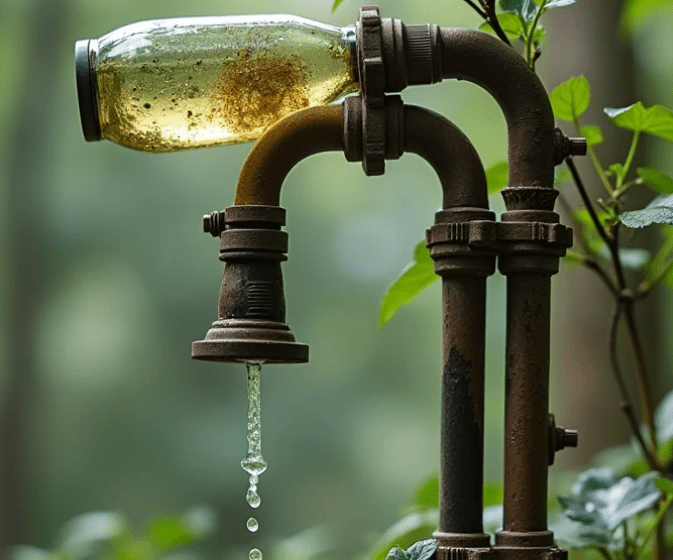
Is Illinois’s Drinking Water Safe

Let me be real with you. If you’re living in Illinois and still trusting your tap water to be “safe,” then you’re either asleep at the wheel or brainwashed by bureaucrats who care more about budgets than bodies.

You think just because water comes out of your faucet, it’s drinkable? You think Chicago’s water is clean just because they throw some chlorine and fluoride into Lake Michigan and call it a day? Wake up.

Illinois’s water supply is crawling with contaminants—lead, PFAS, nitrates, bacteria, industrial waste, agricultural runoff, and God-knows-what from those rotting underground pipes running beneath every town from Rockford to Cairo. Just because it looks clear doesn’t mean it won’t kill you slowly.

Here’s the cold, hard truth: your water has to pass through decades-old infrastructure, across chemically soaked farmland, and through some of the most poorly maintained treatment systems in the Midwest. And you’re supposed to just drink it and smile?

No. Hell no.


What’s Really in Illinois Tap Water?

Ever hear of lead poisoning? Guess what—it’s not just Flint. Hundreds of towns in Illinois, especially in Chicago and older suburban areas, still have lead service lines buried underground. A 2023 report estimated over 600,000 lead lines still in use across the state. That’s not “concerning.” That’s criminal.

Now add PFAS chemicals (the so-called “forever chemicals” that don’t break down and have been linked to cancer, immune system suppression, and developmental problems) detected in more than 300 water systems across Illinois.

Don’t forget the nitrates seeping into wells from farm runoff in rural areas. Or the bacteria in small towns with outdated sewage systems. Or the chromium-6, the same cancer-causing toxin Erin Brockovich fought over.

Still think Illinois water is safe?

You’d be a fool to rely on a state that can’t balance a budget, can’t patch a pothole, and sure as hell can’t keep its water clean.


15 Water Filtration Survival Skills You Better Learn Before the Grid Goes Down

You want to stay alive when the system collapses—or just when the tap runs brown? Then learn these. Drill them into your brain like your life depends on it. Because it does.

1. Boil Everything

Always start with boiling. 3–5 minutes at a rolling boil will kill bacteria, viruses, and parasites. But it won’t remove chemicals—so don’t stop here.

2. Make a DIY Charcoal Filter

Use a two-liter bottle, layer in gravel, sand, and activated charcoal. It removes particulates and some toxins. Cheap. Portable. Effective.

3. Distill Water with Heat

Use a metal pot, a glass bowl, and a lid. Collect the steam. That steam is your pure water. Removes everything: heavy metals, bacteria, and poisons.

4. Rainwater Harvesting

Set up barrels, tarp systems, or gutter-fed tanks. In Illinois, you’ll get plenty—filter it and store it for droughts or grid-down scenarios.

5. Gravity-Fed Multi-Stage Filters

Use two buckets. Upper one filled with filter media: gravel, sand, charcoal. Let gravity do the work. Clean, no power needed.

6. Know the Taste of Trouble

Learn to recognize off-smells, discoloration, and cloudiness. If your water tastes metallic, smells like sulfur, or feels slimy—filter or ditch it.

7. Solar Water Disinfection (SODIS)

Fill a clear plastic bottle, lay it in the sun for 6+ hours. UV rays will kill pathogens. Works when you’re low on fuel.

8. Portable Filters—Always Carry One

Sawyer Mini, LifeStraw, Katadyn. Keep one in your car, one in your bag, one at home. Don’t leave water purification to chance.

9. Ceramic Filters for Long-Term Use

Set up ceramic filters with silver-impregnated cores. Great for home use or homestead life. Lasts for thousands of liters.

10. Learn to Use Bleach Safely

Use 8 drops of 6% bleach per gallon of water. Stir and wait 30 minutes. Know your ratios—too much and you’ll poison yourself. Too little and you’ll just get sick anyway.

11. Use Moringa Seeds to Coagulate Crap

Crushed moringa seeds bind to particles in dirty water and help them settle. Clearer water = easier filtration.

12. DIY Bio-Filter in a 5-Gallon Bucket

Layer cloth, charcoal, sand, and gravel in a bucket with a spout. Maintain it. Clean it. It can give you weeks of clean water on the move.

13. Make a Fire Pit Still

Dig a fire pit, boil water in a covered pot, channel steam to a container using copper tubing. It’s crude but gives you distilled water in the wild.

14. Identify Safe Natural Sources

Fast-moving streams in wooded areas are better than ponds near towns or farmland. Never trust standing water without treating it.

15. Know the Warning Signs of Water Illness

Cramping, diarrhea, vomiting, and fatigue after drinking water? You screwed up. Learn the signs. Respond fast. Dehydration kills.


3 DIY Survival Water Hacks to Save Your Ass When Illinois Water Turns to Sludge

Hack #1: Trash Bag Solar Still

Dig a hole. Add wet grass or dirty water. Place a cup in the center. Cover with a clear trash bag and place a rock in the middle. Water evaporates, condenses, and drips into the cup. Boom—survival distilled water.

Hack #2: Tin Can Charcoal Filter

Make charcoal from a campfire (use hardwood). Crush it. Pack it into a tin can with cloth, gravel, and sand. Punch holes in the bottom. It’s crude but filters a lot of nastiness.

Hack #3: Bandana + Bleach Emergency Method

Pour water through a bandana to get rid of big debris. Then treat with bleach. It’s a two-step last-resort method when all else fails.


Illinois Is a Powder Keg of Water Problems—Prepare Now or Pay Later

You want to trust that smiling politician in Springfield? Go ahead. You want to wait for the EPA to do something useful? Be my guest.

But when the next big storm floods the treatment plants… when the aging pipes finally give out… when the chemicals spread from the next industrial “accident”… you’ll remember this warning.

Because you’re not just fighting bacteria anymore. You’re fighting corporate greed, crumbling infrastructure, and environmental collapse—all pouring out of your kitchen faucet.


Final Word: Own Your Water or Die Without It

Don’t wait for help. Don’t trust the tap. Don’t trust the system. Take control of your water supply today. Master filtration. Build your backup systems. Store bleach, charcoal, filters, and buckets. Stockpile water like it’s ammunition—because in the next disaster, that’s exactly what it will be.

Water is life. And in Illinois? It’s a life you have to fight for.