
Top 7 Ways Kansans Die – How to Survive and Outsmart these 7 Killers

If you live in Kansas, I’m going to tell you something straight, without sugarcoating it.

Most people who die here didn’t think it would happen to them.

They weren’t reckless thrill-seekers. They weren’t criminals. They weren’t looking for danger. They were regular Kansans—hard-working people who assumed tomorrow was guaranteed.

That assumption is what gets people killed.

I’ve spent my life studying survival—not just wilderness survival, but real-world survival, the kind that determines whether you make it home to your family at night. And if there’s one thing I’ve learned, it’s this:

Survival isn’t about luck. It’s about decisions made before the crisis hits.

In this article, we’re going to break down the top 7 ways most people in Kansas die that have nothing to do with old age, why these deaths happen so often, and—most importantly—what you must do to dramatically increase your odds of surviving.

This isn’t meant to scare you. It’s meant to wake you up. Because when you take responsibility for your own safety, you reclaim control over your life.

Let’s get into it.


1. Motor Vehicle Accidents (Highways, Rural Roads, and Distracted Driving)

Why This Kills So Many Kansans

Kansas is a driving state. Long highways. Two-lane rural roads. Miles between towns. That freedom comes at a deadly price.

Car accidents are consistently the leading cause of death for Kansans under 55.

The biggest contributors:

  • High speeds on open roads
  • Rural highways with no median barriers
  • Seatbelt non-use
  • Distracted driving (phones, GPS, eating)
  • Impaired driving (alcohol, fatigue, drugs)

Rural crashes are especially deadly because help takes longer to arrive. When a crash happens at 70 mph on an empty stretch of road, survival becomes a race against time—and time often wins.

How You Survive This Threat

This isn’t about being scared of driving. It’s about driving like a professional survivor.

Survival Rules for Kansas Roads:

  • Wear your seatbelt every single time. No exceptions. Ever.
  • Slow down on rural highways, especially at night.
  • Never assume other drivers are paying attention. Assume they aren’t.
  • Put the phone down. No text is worth your life.
  • Keep an emergency kit in your vehicle (water, flashlight, tourniquet, blanket).
  • Don’t drive exhausted. Fatigue kills just as effectively as alcohol.

Survival is about stacking small smart decisions until danger has no opening.


2. Heart Attacks and Sudden Cardiac Events (Not Old Age)

Why This Is So Common in Kansas

Heart disease isn’t just an “old person problem.” In Kansas, middle-aged men and women die suddenly from cardiac events every day.

The reasons are brutally simple:

  • Poor diet
  • Chronic stress
  • Lack of exercise
  • Smoking
  • Ignoring warning signs

Kansas culture values toughness. That’s admirable—but dangerous when it comes to health. Too many people ignore chest pain, shortness of breath, or fatigue because they “don’t want to make a fuss.”

That mindset kills.

How You Survive This Threat

Here’s the truth most people don’t want to hear:

Your body will warn you before it quits—if you listen.

Survival Actions That Save Lives:

  • Learn the early signs of a heart attack (jaw pain, arm pain, nausea, pressure).
  • Take chest discomfort seriously, even if it feels mild.
  • Maintain basic cardiovascular fitness (walking alone saves lives).
  • Control blood pressure and cholesterol.
  • Reduce stress intentionally—stress is a silent killer.
  • Learn CPR and encourage AED placement in your workplace.

This is where the Tony Robbins mindset kicks in:
You don’t rise to the level of your intentions—you fall to the level of your habits.


3. Extreme Weather Events (Tornadoes, Heat Waves, Winter Storms)
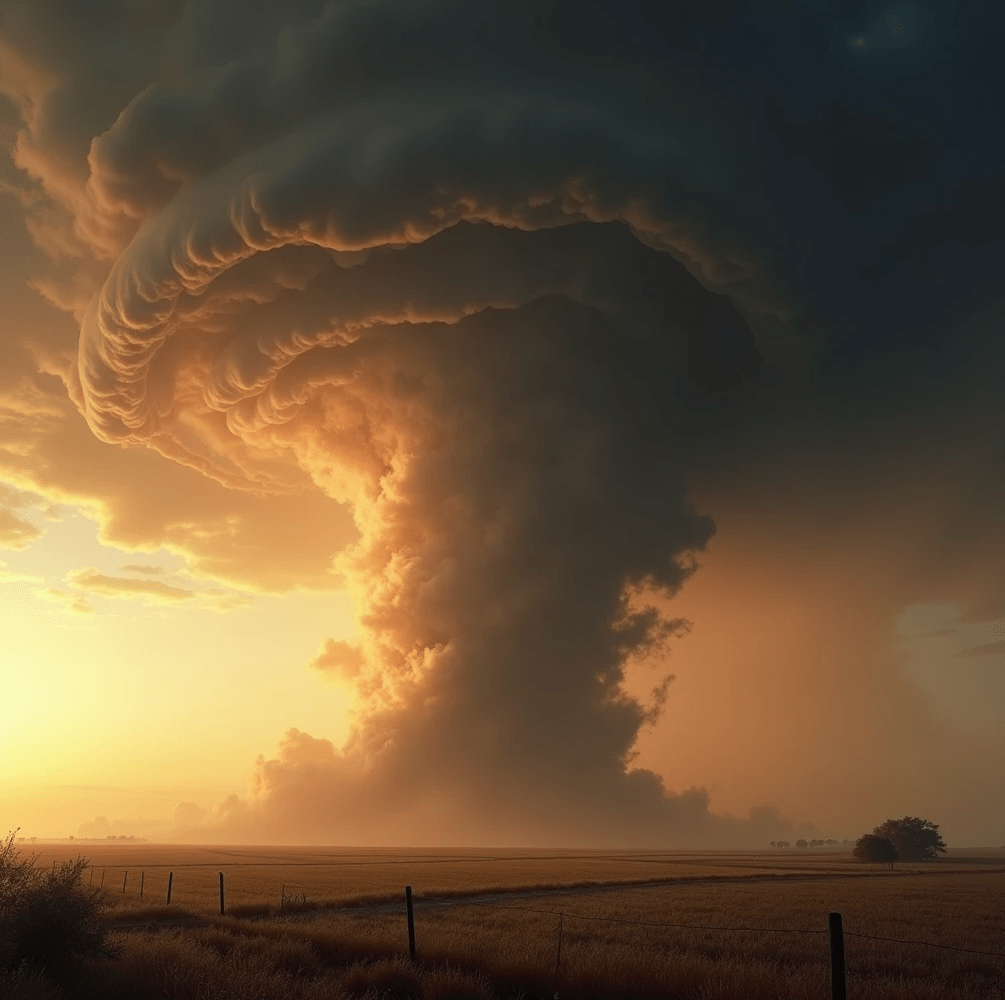
Why Kansas Weather Is Deadly

Kansas sits in the crosshairs of nature’s mood swings.

  • Tornadoes
  • Blizzards
  • Ice storms
  • Deadly heat waves

People don’t die because the storm exists. They die because they underestimate it.

Tornado fatalities often occur because people:

  • Ignore warnings
  • Stay in vehicles
  • Don’t have a shelter plan

Heat deaths happen when people:

  • Overwork outdoors
  • Skip hydration
  • Ignore early symptoms of heat exhaustion

How You Survive Kansas Weather

Weather survival is about planning before the sky turns dark.

Storm Survival Checklist:

  • Know where your nearest storm shelter is.
  • Have weather alerts enabled on multiple devices.
  • Practice tornado drills with your family.
  • Never shelter in a vehicle during a tornado.
  • In heat waves, hydrate aggressively and rest often.
  • In winter storms, keep blankets, food, and heat sources ready.

Nature doesn’t care how tough you are. Respect keeps you alive.


4. Accidental Poisoning and Drug Overdoses

Why This Is Rising in Kansas

Drug overdoses—both illegal and prescription—have surged across Kansas.

The killers include:

  • Opioids (legal and illegal)
  • Mixing medications
  • Alcohol combined with drugs
  • Unknown potency substances

Many overdoses aren’t intentional. They’re the result of lack of education, tolerance misjudgment, or mixing substances.

How You Survive This Threat

Survival requires honest awareness, not denial.

Life-Saving Actions:

  • Never mix medications unless cleared by a professional.
  • Avoid alcohol when taking prescription drugs.
  • Keep naloxone accessible if opioids are present.
  • Store medications securely.
  • Educate your family on overdose signs.

Prepared people don’t judge. They prepare.


5. Firearms Accidents and Violence

Why Firearms Contribute to Deaths

Kansas has a strong gun culture—and with it comes responsibility.

Deaths occur from:

  • Accidental discharges
  • Improper storage
  • Domestic disputes
  • Escalated confrontations

Firearms amplify mistakes. A bad moment becomes permanent.

How You Survive Firearm Risks

Survival means discipline.

  • Store firearms locked and unloaded when not in use.
  • Use trigger locks and safes.
  • Practice de-escalation in conflicts.
  • Train regularly and responsibly.
  • Teach children firearm safety early.

Strength is control—not impulse.


6. Workplace and Farm Accidents

Why These Kill Kansans

Kansas is built on agriculture, manufacturing, and physical labor.

Fatal accidents happen due to:

  • Heavy machinery
  • Grain bin suffocation
  • Falls
  • Skipping safety procedures

Complacency is deadly. Familiarity breeds shortcuts—and shortcuts kill.

How You Survive the Job

  • Follow safety protocols every time.
  • Never work alone in high-risk tasks.
  • Use protective equipment.
  • Respect machinery—even if you’ve used it for 20 years.

Survivors respect routine danger.


7. Drowning and Water Accidents

Why This Happens in Kansas

Lakes, rivers, and farm ponds look harmless—but they kill every year.

Common causes:

  • No life jackets
  • Alcohol use
  • Overestimating swimming ability
  • Cold water shock

How You Stay Alive

  • Wear life jackets.
  • Avoid alcohol near water.
  • Supervise children constantly.
  • Learn water rescue basics.

Water doesn’t forgive mistakes.


Kansas Survival Truth: You Are the First Responder to Your Own Life

Here’s the mindset shift that separates survivors from statistics:

No one is coming to save you fast enough. You must be ready.

Kansas is a great place to live—but only if you live aware, prepared, and intentional.

Survival isn’t fear.
Survival is responsibility.
Survival is choosing today to live tomorrow.

You don’t need to be paranoid.
You need to be prepared.

And preparation is the ultimate form of self-respect.

Kansas’s Worst Roads to Drive on During a Disaster

Kansas’s Worst Roads to Drive on During a Disaster: A Survivalist’s Take

I’ve driven through hurricanes in Louisiana, dust storms in Arizona, and ice storms that turned Appalachian roads into glass. But Kansas—Kansas presents a whole different breed of trouble. You’d think the flatlands would be forgiving in a crisis, but that’s where most folks get it wrong. It’s not always the terrain that gets you. It’s the condition of the roads, the isolation, and the unpredictability of Midwestern disasters—tornadoes, flash floods, and blizzards, all sharing the same space.

If you find yourself driving through Kansas during a disaster, your survival could depend on more than just a full tank and GPS signal. I’ve learned that firsthand. Below, I’ll walk you through the worst roads to avoid, survival driving skills every driver should master, and some good ol’ DIY fuel tricks in case you’re stuck out there with nothing but empty air in the tank.


Worst Roads in Kansas to Drive on During a Disaster

1. K-10 (Between Lawrence and Lenexa):
In a flash flood, this stretch turns treacherous. Low-lying underpasses near De Soto collect water fast, and rural detours aren’t much better. I’ve seen folks stranded in standing water taller than their hoods. It only takes 6 inches to lose traction—remember that.

2. US-69 (South of Kansas City to Fort Scott):
A beautiful drive on a clear day. But during a tornado warning, it’s an exposed corridor with few places to safely pull over. Strong crosswinds rip through your vehicle like paper.

3. I-70 (Especially West of Salina):
Out here, the wind whips harder than most expect. Combine that with low visibility from dust storms or blizzards, and you’re better off pulling off and hunkering down. Black ice also hits this interstate hard during winter storms.

4. K-4 (Near Lindsborg):
This rural highway has almost no shoulder and poor lighting. During power outages or wildfire evacuations, it becomes a bottleneck of confused drivers with nowhere to turn.

5. US-56 (Between Great Bend and Dodge City):
A ghost road during snowstorms. I’ve driven this route when snow drifts were piled six feet high on either side. The danger isn’t just the snow—it’s isolation. Cell service is spotty, and help is hours away.


15 Survival Driving Skills That Could Save Your Life

Over the years, I’ve developed a toolbox of survival driving skills. Here are 15 that’ll get you through Kansas—or anywhere else—when things go sideways:

  1. Reading the Sky:
    Cloud behavior tells you more than the news app. Watch for greenish skies, rotating cloud formations, or sudden calm—signs of a tornado.
  2. Flood Depth Estimation:
    Never trust your eyes alone. Use roadside markers or mailbox heights to judge flood levels. If water is touching the bottom of a mailbox, turn around.
  3. Controlled Skidding:
    If your vehicle starts to slide, steer into the skid. Don’t panic, don’t brake hard—just gently guide it back.
  4. Off-Road Navigation:
    Know how to drive off-pavement without tearing up your vehicle. That includes easing through ditches and avoiding wet soil that could sink you.
  5. Improvised Compass Navigation:
    If your tech dies, use the sun and shadows. Place a stick in the ground and mark the shadow every 15 minutes. The line runs west to east.
  6. Engine Management in High Winds:
    Drive slower into the wind and watch for sudden gusts. Keep both hands on the wheel—Kansas crosswinds can slam a car sideways.
  7. Map Memory Practice:
    Study your route before leaving. Know alternative exits and landmarks in case GPS fails.
  8. Night Driving with No Lights:
    Practice navigating at dusk without high beams. Learn to read silhouettes and shadows. In some scenarios, you may want to drive without lights to avoid detection.
  9. Escape from Submersion:
    If your vehicle is sinking in water, unbuckle and break the side window before pressure seals the doors. Carry a glass-breaking tool within reach.
  10. Fuel Rationing Tactics:
    Don’t floor it. Accelerate slowly and cruise at a steady speed—55 mph is ideal for fuel conservation.
  11. Push-Start a Manual Car:
    If your battery dies and you drive a stick, you can push-start it by rolling it in neutral, engaging second gear, and popping the clutch.
  12. Defensive Driving in Herd Traffic:
    During evacuations, people drive like panicked animals. Leave double the space, avoid road rage, and assume everyone else will make the worst decision.
  13. Tire Plugging in the Field:
    A $10 plug kit and air pump can fix a flat in minutes. Don’t rely on the donut; it’s a last resort.
  14. Communication with Signals:
    Use your vehicle lights or a bandana to signal others. Three flashes of a flashlight = distress.
  15. Thermal Awareness:
    Feel your hood and vents. If the engine smells hot or belts are squealing, you may be overheating. Know when to shut it down and cool off before it seizes.

3 DIY Survival Driving Hacks When You’re Out of Gas

Running out of fuel in Kansas isn’t just inconvenient—it can be fatal in extreme weather. Here’s how to stretch your mobility when the tank’s dry:

1. Siphon Gas from Abandoned Vehicles
Carry a siphon kit or clear tubing. Insert into the gas tank, start suction, and drain into a container. Do this only when it’s legal and ethical—abandoned in disaster zones is a gray area where survival comes first.

2. Burnable Alcohol Mixtures
If you have access to rubbing alcohol (isopropyl, 91% or higher), small quantities can be mixed with gas to extend mileage in carbureted engines. Not ideal, but it might get you 5 more miles.

3. Bicycle Tire Air Compressor Hack
A manual tire pump (the kind for bicycles) can pressurize a sealed gas can or bottle, feeding gravity-fed carburetors. For older vehicles or small engines like mopeds, this can be life-saving for short distances.


Final Word from the Road

Kansas isn’t a place that shouts danger from the rooftops. It whispers it in the wind, in the quiet build-up of a storm, in the endless rows of wheat that hide just how far from help you really are. I’ve spent nights in ditches waiting for twisters to pass overhead. I’ve driven 50 miles on fumes through sleet with nothing but a space blanket and a hunting knife in the glove box.

You want to make it through a Kansas disaster? It’s not just about driving—it’s about thinking. Know your exits, trust your gut, and drive like your life depends on it—because it just might.

Welcome to My Kansas Homestead (Now Get Off My Lawn)

Listen, I didn’t move out to the middle of nowhere to deal with HOA regulations, TikTok garden tours, or nosy neighbors with opinions about my chicken coop. I came out here to build a life—one rooted in dirt, sweat, and the kind of hard work that most people wouldn’t touch with a ten-foot pole.

But you know what’s worse than a Kansas tornado ripping through your property in April? People with zero skills and shiny boots acting like homesteading is some Instagram aesthetic. This ain’t a curated lifestyle—it’s war, and the enemy is everything from drought to raccoons to tractor maintenance.

Now don’t get me wrong—I’m not mad at the land. I love this land. I wake up every morning with the prairie wind slapping me in the face like a cold coffee and I thank it for reminding me I’m alive. But if you’re thinking about starting a homestead here in Kansas, let me give you a cold, hard, mud-caked dose of reality—and maybe you’ll walk away a little wiser (and a little more respectful of people who actually live this life).

15 Skills Every Kansas Homesteader Needs (Or You’ll Fail Faster Than a Solar Panel in a Dust Storm):

  1. Seed Starting – Learn it. Master it. If you can’t sprout a tomato, go back to the city.
  2. Composting – Turn that kitchen slop into black gold. We don’t throw away nutrients out here.
  3. Animal Husbandry – Chickens, goats, pigs, and cows don’t raise themselves. If you don’t know what a broody hen is, you’re already behind.
  4. Canning & Food Preservation – If you don’t want your harvest rotting in a week, get friendly with a pressure canner.
  5. Basic Carpentry – Because hiring someone to fix your barn roof is for millionaires.
  6. Fence Building & Repair – Kansas winds will humble your fence real fast. Build it strong or build it twice.
  7. Rainwater Collection – When July hits and the sky forgets how to cry, you’ll wish you had barrels.
  8. First Aid – For animals and humans. Because the nearest vet or clinic might be 40 minutes away.
  9. Wildlife Identification – Know the difference between a coyote and your neighbor’s mangy dog.
  10. Butchering – If you’re not ready to process your meat, then don’t raise animals.
  11. Mechanical Repair – Tractors, chainsaws, and generators break down. Constantly. Learn to fix them or bleed money.
  12. Foraging – Kansas has wild edibles galore. If you don’t know what lamb’s quarters are, you should.
  13. Beekeeping – You want pollination? You want honey? Time to make friends with bees.
  14. Bread Making – Because there’s something deeply wrong about store-bought bread in a homemade kitchen.
  15. Firewood Splitting – Winters can be brutal. If you think electric heat is reliable, wait for your first ice storm blackout.

3 Homestead Hacks They Won’t Teach You on YouTube:

Hack #1: The “Solar-Shed Hybrid”
Build a small outbuilding that serves both as a tool shed and a solar battery house. Insulate it well, mount solar panels on top, and use it to store backup batteries, hand tools, seeds, and a deep freezer. Why waste space when everything can serve a dual purpose? Kansas gets a ton of sun—harness it.

Hack #2: The Chicken Coop Water Heater (No Electricity)
Use an old black-painted metal barrel filled with water and set it inside your chicken run—covered during summer, uncovered in winter. The sun heats it up during the day, and it radiates warmth at night, keeping your coop from freezing just enough. Kansas winters are no joke, and this passive heat source can mean the difference between frozen eggs and laying hens.

Hack #3: Firewood Seasoning Rack Made from Old Pallets
Kansas wind is hellish—but you can use it. Stack firewood on a base of pallets and build an angled windbreak using more pallets on the west side. The airflow will dry your wood faster than a kiln if you angle it right. Free pallets + Kansas wind = seasoned wood in half the time.


Now let’s talk about the romanticized crap people believe about homesteading.

People think living on a Kansas homestead means sipping sweet tea on a wraparound porch while chickens peck playfully at your feet. Let me tell you what those chickens actually do: they escape, crap on your porch, and eat your freshly planted lettuce the second you turn your back. But you know what? I still love the little monsters.

You think crops don’t fail? Kansas gets 100-degree heat in summer and freak snow in April. You’ll spend weeks babying your seedlings only for a late frost to punch you in the face like a drunk uncle at a family reunion.

You better learn to love failure, because it’s coming. Your first garden will be trash. Your first goat will outsmart you. And you’ll wonder—more than once—why the hell you didn’t just stay in town and pay $6 for organic lettuce like a sucker.

But then—then—something magical happens. You get better.

The kale grows. The hens lay like clockwork. Your compost pile smells like success. You find yourself butchering a chicken with precision, baking sourdough from your own starter, and fixing a busted well pump in 20 minutes with duct tape and willpower.

And that’s when you realize: this life isn’t supposed to be easy. It’s supposed to make you tough.

Homesteading in Kansas will either break you or build you into the kind of person who can dig a trench in a hailstorm while laughing maniacally and quoting Joel Salatin.

It teaches you everything school forgot—self-reliance, grit, adaptability, and how to deal with death, birth, and weather like a stoic philosopher with a side of rage.

So if you’re thinking of becoming a Kansas homesteader, here’s my advice: Don’t do it for likes. Don’t do it for the vibe. Do it because you want freedom—real freedom—the kind that comes with blistered hands, overflowing pantries, and the ability to look a winter storm in the eye and say, “Bring it.”

If that sounds like your kind of life, then welcome. Otherwise, keep your shiny boots on the porch and your opinions in the city.

We’ve got work to do.

Is Kansas’ Drinking Water Safe

Is Kansas’s Drinking Water Safe? A Survivalist’s Wake-Up Call

Let me make this real clear, right out the gate—NO, Kansas’s drinking water is not safe. Not if you’re the kind of person who doesn’t trust bureaucrats in suits who think “acceptable contamination levels” are just fine for your kids to drink. You want the truth? The truth is, if you’re not filtering your water in Kansas—or anywhere else for that matter—you’re just gambling with your health like it’s a slot machine in Vegas.

You think the government’s gonna save you when the pipes go dry or when a chemical spill leaks into your groundwater? You think the EPA, with its revolving door of industry lobbyists, is your friend? Wake up. It’s time to take control of your own survival, especially when it comes to the most critical element of life—clean water.


The Dirty Reality of Kansas Water

From nitrates in agricultural runoffs to PFAS forever chemicals from industrial waste, Kansas is sitting on a powder keg of pollution. And let’s not even get started on the crumbling infrastructure—half the rural water systems in Kansas haven’t seen a proper upgrade in 50 years.

Multiple towns across the state have tested positive for high nitrate levels, lead, and arsenic. In Haysville and parts of Wichita, residents have been advised to boil water due to E. coli outbreaks more than once in the last decade. Meanwhile, small farming communities are drinking straight from wells laced with farm runoff—fertilizers, herbicides, pesticides, you name it.


You Can’t Trust the Tap – What You CAN Do

It’s time to take matters into your own calloused hands. Whether you live in a city, on a homestead, or you’re bugging out in the Flint Hills, you need to know how to filter, purify, and secure safe drinking water.

Here are 15 essential water filtration survival skills every Kansan—and every American—ought to know before the next drought, blackout, or chemical spill turns your tap into a death trap.


15 Water Filtration Survival Skills You Better Learn Fast

1. Boiling

Boiling kills most bacteria, viruses, and parasites. Bring it to a rolling boil for at least 1 minute, or 3 minutes at higher elevations.

2. Charcoal Filtration

Homemade filters using activated charcoal remove many chemical impurities. Make one using a plastic bottle, charcoal, sand, and gravel.

3. Solar Disinfection (SODIS)

Use clear PET bottles and full sunlight for at least 6 hours. UV rays and heat kill pathogens—primitive but effective.

4. Portable Water Filters

Invest in Lifestraw, Sawyer Mini, or similar. These pocket-sized tools are lifesavers—literally. Always keep one in your bug-out bag.

5. DIY Slow Sand Filter

A 3-bucket system with sand, gravel, and activated charcoal. Slow, but removes bacteria and particulates over time.

6. Bleach Treatment

Unscented household bleach (6–8 drops per gallon). Let it sit for 30 minutes. The water should smell slightly of chlorine—no smell means add more.

7. UV Purifiers

Battery-powered or crank-operated UV pens (like SteriPen) zap waterborne microbes. Lightweight and deadly efficient.

8. Distillation

Heat water, capture the steam, and condense it. Removes everything—including heavy metals and salt. You can build one from pots and tubing or even a solar still.

9. Rainwater Collection

Catch rain off your roof. Use first-flush diverters to avoid debris. Store in food-grade barrels and filter before drinking.

10. Clay Pot Filters

Porous ceramic pots filter bacteria and particulates. Some are impregnated with silver for added antimicrobial properties.

11. Moss Filtration

Use sphagnum moss—a natural antimicrobial—to filter small volumes in an emergency. Better than nothing.

12. Pine Tree Filters

Pine sapwood’s xylem can filter bacteria at a microscopic level. Research from MIT shows it works. Cut, whittle, and rig it up.

13. Copper Storage

Store purified water in copper vessels. It kills bacteria and viruses slowly over time—useful for storage, not instant purification.

14. Bio-sand Filters

Layered gravel, fine sand, and charcoal create a long-lasting, low-tech filter. Requires maintenance but can serve a whole family.

15. Test Strips and Meters

Know what’s in your water. Test for nitrates, pH, chlorine, lead, and bacteria. Don’t guess—KNOW what poison you’re trying to filter out.


3 DIY Survival Drinking Water Hacks for the Mad Max Future We’re Heading Toward

1. Plastic Bottle Distiller

Take a clear plastic bottle, fill it halfway with dirty water, seal it, and place it angled in the sun with a clean bottle at the other end. The evaporated water will condense in the second bottle, leaving contaminants behind.

2. DIY Charcoal & Sand Filter

Cut a 2-liter bottle. Layer bottom-to-top: cloth, charcoal (from campfire), sand, then gravel. Pour dirty water in and let gravity do the work. Boil or bleach afterward if you can.

3. T-shirt and Pot Combo

No filter? Pour water through a clean t-shirt into a pot to remove visible gunk. Then boil. Crude but can save your hide.


So… Is Kansas’s Drinking Water Safe?

Here’s the final answer: Only if you make it safe.

Don’t wait for a government alert or a “boil notice” after your kid’s already got diarrhea for three days. Don’t trust a system that thinks it’s okay to dose your drinking supply with trace arsenic and tell you it’s “within acceptable limits.” That’s their limit—not yours.

The reality is, we live in a world where agricultural waste, industrial runoff, and political negligence have tainted the most basic resource we need to survive. Kansas is just one snapshot of a larger crisis. And it’s not just the rural well water, either—urban tap water is under constant threat from aging pipes and overburdened treatment systems.


Water Is Life—Act Like It

If you want to survive what’s coming—and believe me, something is coming—then you better treat water like the life-or-death issue it is. Practice these survival skills. Build DIY setups. Test your water. Filter everything. Assume nothing. And never, ever rely on someone else to keep you alive.

Be angry. Be aware. Be prepared.

Because when the grid fails and the faucets stop flowing, the only people who drink are the ones who planned ahead.

Kansas Hiking Trails: Popular Routes That Could Lead You to Disaster

Hiking Kansas’ Hiking Trails: Popular Routes That Could Lead You to Disaster

If you’re the type of person who gets a thrill from navigating the wild backcountry, you’ve probably heard of Kansas—an often overlooked state in the realm of hiking and outdoor exploration. Known for its sweeping plains and gentle hills, Kansas may not immediately seem like a hiking hotspot. But as any seasoned survival prepper knows, the most dangerous scenarios often arise when you least expect them. And while Kansas’ trails might seem harmless, they can pose serious risks if you’re not prepared.

Hiking in Kansas can lead you to some beautiful vistas, serene forests, and tranquil lakes. But, as with any adventure in the wild, you must always remain vigilant and prepared for the unexpected. In this article, we’ll explore the top 20 hiking trails in Kansas, along with the potential disasters that could arise if you’re not fully prepared. From unpredictable weather to wildlife encounters, you need to know what you’re getting yourself into before hitting the trails. Kansas Hiking Trails: Kansas Trails Council

1. Flint Hills Trail State Park

The Flint Hills Trail is one of the longest trails in Kansas, stretching over 100 miles. It follows the old railroad tracks and offers some of the most picturesque views of the Flint Hills. But don’t let the gentle slope fool you; a lack of water sources and rapid weather changes can quickly turn a pleasant hike into a life-or-death situation.

Potential disaster: The terrain can be harsh, especially when dealing with sudden thunderstorms. Flash flooding can occur in some of the valleys, and without proper gear, you could find yourself trapped or disoriented. Always check the weather forecast before setting out.

2. Konza Prairie

Located near Manhattan, Konza Prairie offers an easy-to-moderate hike through rolling hills and native grasslands. It’s a beautiful trail, but its beauty can mask the dangers of its isolation. Cell service is spotty at best, and you’ll be far from help if something goes wrong.

Potential disaster: The open prairie is vulnerable to sudden high winds and intense heat during the summer months. Dehydration and heatstroke are common risks for hikers who underestimate the sun. Be sure to carry enough water and know the signs of heat-related illnesses.

3. Tallgrass Prairie National Preserve

The Tallgrass Prairie National Preserve is home to one of the last remaining expanses of tallgrass prairie in the U.S. This park offers several hiking options, ranging from easy to difficult, but all hikers should be cautious. The terrain can get slippery after rain, and rattlesnakes are common in the area.

Potential disaster: Rattlesnakes are a real danger, especially during warmer months. Wearing sturdy boots and keeping a lookout for them is a must. Be aware of your surroundings and always carry a first-aid kit.

4. Perry Lake Trails

Perry Lake offers multiple hiking trails that wind through forests and along the shoreline. The trails are well-maintained, but the combination of water and dense vegetation can make it easy to get lost. Wildlife, such as deer and wild boar, also inhabit the area.

Potential disaster: Getting lost is the biggest concern here. Without a good map or GPS device, you could wander off the trail and end up in a dense thicket with no way to find your way back. Stay oriented by marking landmarks as you go.

5. Clinton Lake Trail

Situated in the heart of the state, Clinton Lake Trail offers both scenic views and technical challenges. The trail meanders through dense forest and hilly terrain, which could be dangerous if you’re not prepared.

Potential disaster: If you’re caught off guard by a sudden rainstorm, the trail can turn muddy and slippery. And if you slip or fall, it could be hard to get help due to the trail’s seclusion. Always pack essential survival tools like a whistle and a small, portable radio.

6. Kaw River State Park Trails

The Kaw River State Park offers a variety of hiking options along the Kansas River. Its combination of wetlands and wooded areas provides an opportunity to encounter local wildlife, including coyotes and wild turkeys.

Potential disaster: River banks can be unpredictable, especially during the spring thaw when water levels rise rapidly. Don’t attempt to cross rivers unless you know the conditions. Strong currents and flash flooding can sweep away an unprepared hiker.

7. El Dorado State Park

This 1,000-acre park is home to multiple hiking trails, including paths that wind along the shores of El Dorado Reservoir. The area is beautiful, but it’s also prone to heatwaves and the occasional severe storm.

Potential disaster: Sudden storms or heat exhaustion are significant threats. It’s easy to underestimate how quickly weather conditions can change, so always check weather reports before venturing out.

8. Cedar Bluff State Park

Cedar Bluff is known for its stunning cliffs and canyon views. The park offers several scenic trails, but it also has dangerous, rocky areas where you can easily slip and fall.

Potential disaster: A fall from the cliffs or rocks can lead to serious injury. Always stay alert and don’t push yourself beyond your limits, especially near drop-offs.

9. Sand Hills State Park

The sandy hills of this park offer unique terrain for a challenge. While it might look like a peaceful oasis, the lack of trees and shelter means you’re exposed to the elements for long stretches of the trail.

Potential disaster: Heatstroke and dehydration are top concerns here. The lack of shade and limited water sources mean you’ll need to plan your hydration carefully. Make sure you carry enough water and plan your hike for early morning or late afternoon when temperatures are cooler.

10. Wilson State Park

Wilson State Park offers both rugged and easy trails, making it a favorite for locals. The trails weave through woodlands and alongside the lake, but it’s important to watch for wildlife, especially during dawn and dusk.

Potential disaster: While the wildlife is mostly harmless, aggressive animals can become a problem if you surprise them. Bring bear spray or pepper spray for protection, and never approach wild animals.

11. Lake Scott State Park

Lake Scott’s scenic trails offer diverse landscapes, from forested hills to rocky outcroppings. However, the region’s occasional flash floods and unpredictable wildlife should not be underestimated.

Potential disaster: Sudden flash floods and slippery terrain make this trail dangerous if you’re not paying attention to weather conditions. Know the signs of flash flooding and avoid low-lying areas during heavy rains.

12. Chase County State Fishing Lake

This quiet, peaceful trail is a great escape from the hustle and bustle of city life. However, the dense vegetation and isolated nature of the area can make it easy to become disoriented.

Potential disaster: Getting lost in dense woods is a real concern here. Carry a compass or GPS device, and make sure you have a reliable map before you start.

13. Kanopolis State Park

Kanopolis State Park offers a variety of hiking trails, including routes that take you through the rolling hills and wooded terrain. The park is home to various wildlife, including bison, and presents plenty of potential hazards.

Potential disaster: The risk of encountering large wildlife like bison or even mountain lions makes this trail particularly risky. Keep your distance from any wildlife you encounter, and always be alert for sudden movements in the underbrush.

14. Big Basin Prairie Preserve

The Big Basin Prairie Preserve offers a glimpse into Kansas’ original prairie ecosystems. Though it’s peaceful, the lack of cell service and high winds can make it a difficult place to navigate.

Potential disaster: The wind can be relentless here, which increases the likelihood of getting lost. Never venture out without a good map and compass, and plan for emergency exits if things go sideways.

15. Prairie Spirit Trail

This long, straight trail stretches across the central part of Kansas and offers a good balance of flat terrain and shaded areas. However, it’s often isolated, and the weather can change rapidly.

Potential disaster: Being stranded in isolated sections of the trail is a concern. Always carry a satellite phone or other means of communication in case you get into trouble.

16. Smoky Hill Scenic Byway

While technically more of a scenic byway than a traditional trail, the Smoky Hill Scenic Byway offers the opportunity for a hike through diverse landscapes. The difficulty comes in navigating between the various regions.

Potential disaster: The potential for dehydration and overheating during the summer months is high. Make sure you’re prepared with plenty of water and some form of shade.

17. Cross Timbers State Park

This park offers trails that pass through oak-hickory forests and glades. While the terrain is beautiful, it’s also steep and challenging.

Potential disaster: The steep inclines increase the risk of falls and sprains. Stay safe by moving at a steady pace and never hiking alone.

18. Wabaunsee County Trails

The Wabaunsee County trails are less known but incredibly scenic, offering various routes along the Kaw River and into the hills.

Potential disaster: Isolated areas with limited access make this trail dangerous in emergencies. Bring a partner and have a clear exit plan.

19. Shawnee Mission Park Trails

While it’s located near Kansas City, Shawnee Mission Park has a network of trails that vary in difficulty. The proximity to urban areas can be deceiving, as wild animals can sometimes wander into the park.

Potential disaster: Unexpected wildlife encounters and sudden changes in trail conditions are risks to consider. Always hike with caution and stay aware of your surroundings.

20. Greenwood County State Lake

This lake offers a peaceful hiking experience, but it’s remote and lacks cell service. A wrong step could result in a twisted ankle or worse.

Potential disaster: If injured, help may not be easily accessible. Always carry a first-aid kit and inform someone of your hiking route before venturing out.


Conclusion: Kansas may not be the first state that comes to mind when you think of hiking, but its trails can offer some serious challenges to the unprepared. From unpredictable weather patterns to encounters with wildlife, the danger is real. Always ensure you’re equipped with the right gear, emergency tools, and a solid understanding of the terrain you’re about to conquer. When hiking in Kansas, your survival depends on your preparation. Stay safe out there, and don’t underestimate the wild beauty of this often forgotten landscape.