

If you live in Kansas, I’m going to tell you something straight, without sugarcoating it.
Most people who die here didn’t think it would happen to them.
They weren’t reckless thrill-seekers. They weren’t criminals. They weren’t looking for danger. They were regular Kansans—hard-working people who assumed tomorrow was guaranteed.
That assumption is what gets people killed.
I’ve spent my life studying survival—not just wilderness survival, but real-world survival, the kind that determines whether you make it home to your family at night. And if there’s one thing I’ve learned, it’s this:
Survival isn’t about luck. It’s about decisions made before the crisis hits.
In this article, we’re going to break down the top 7 ways most people in Kansas die that have nothing to do with old age, why these deaths happen so often, and—most importantly—what you must do to dramatically increase your odds of surviving.
This isn’t meant to scare you. It’s meant to wake you up. Because when you take responsibility for your own safety, you reclaim control over your life.
Let’s get into it.
1. Motor Vehicle Accidents (Highways, Rural Roads, and Distracted Driving)
Why This Kills So Many Kansans
Kansas is a driving state. Long highways. Two-lane rural roads. Miles between towns. That freedom comes at a deadly price.
Car accidents are consistently the leading cause of death for Kansans under 55.
The biggest contributors:
- High speeds on open roads
- Rural highways with no median barriers
- Seatbelt non-use
- Distracted driving (phones, GPS, eating)
- Impaired driving (alcohol, fatigue, drugs)
Rural crashes are especially deadly because help takes longer to arrive. When a crash happens at 70 mph on an empty stretch of road, survival becomes a race against time—and time often wins.
How You Survive This Threat
This isn’t about being scared of driving. It’s about driving like a professional survivor.
Survival Rules for Kansas Roads:
- Wear your seatbelt every single time. No exceptions. Ever.
- Slow down on rural highways, especially at night.
- Never assume other drivers are paying attention. Assume they aren’t.
- Put the phone down. No text is worth your life.
- Keep an emergency kit in your vehicle (water, flashlight, tourniquet, blanket).
- Don’t drive exhausted. Fatigue kills just as effectively as alcohol.
Survival is about stacking small smart decisions until danger has no opening.
2. Heart Attacks and Sudden Cardiac Events (Not Old Age)
Why This Is So Common in Kansas
Heart disease isn’t just an “old person problem.” In Kansas, middle-aged men and women die suddenly from cardiac events every day.
The reasons are brutally simple:
- Poor diet
- Chronic stress
- Lack of exercise
- Smoking
- Ignoring warning signs
Kansas culture values toughness. That’s admirable—but dangerous when it comes to health. Too many people ignore chest pain, shortness of breath, or fatigue because they “don’t want to make a fuss.”
That mindset kills.
How You Survive This Threat
Here’s the truth most people don’t want to hear:
Your body will warn you before it quits—if you listen.
Survival Actions That Save Lives:
- Learn the early signs of a heart attack (jaw pain, arm pain, nausea, pressure).
- Take chest discomfort seriously, even if it feels mild.
- Maintain basic cardiovascular fitness (walking alone saves lives).
- Control blood pressure and cholesterol.
- Reduce stress intentionally—stress is a silent killer.
- Learn CPR and encourage AED placement in your workplace.
This is where the Tony Robbins mindset kicks in:
You don’t rise to the level of your intentions—you fall to the level of your habits.
3. Extreme Weather Events (Tornadoes, Heat Waves, Winter Storms)
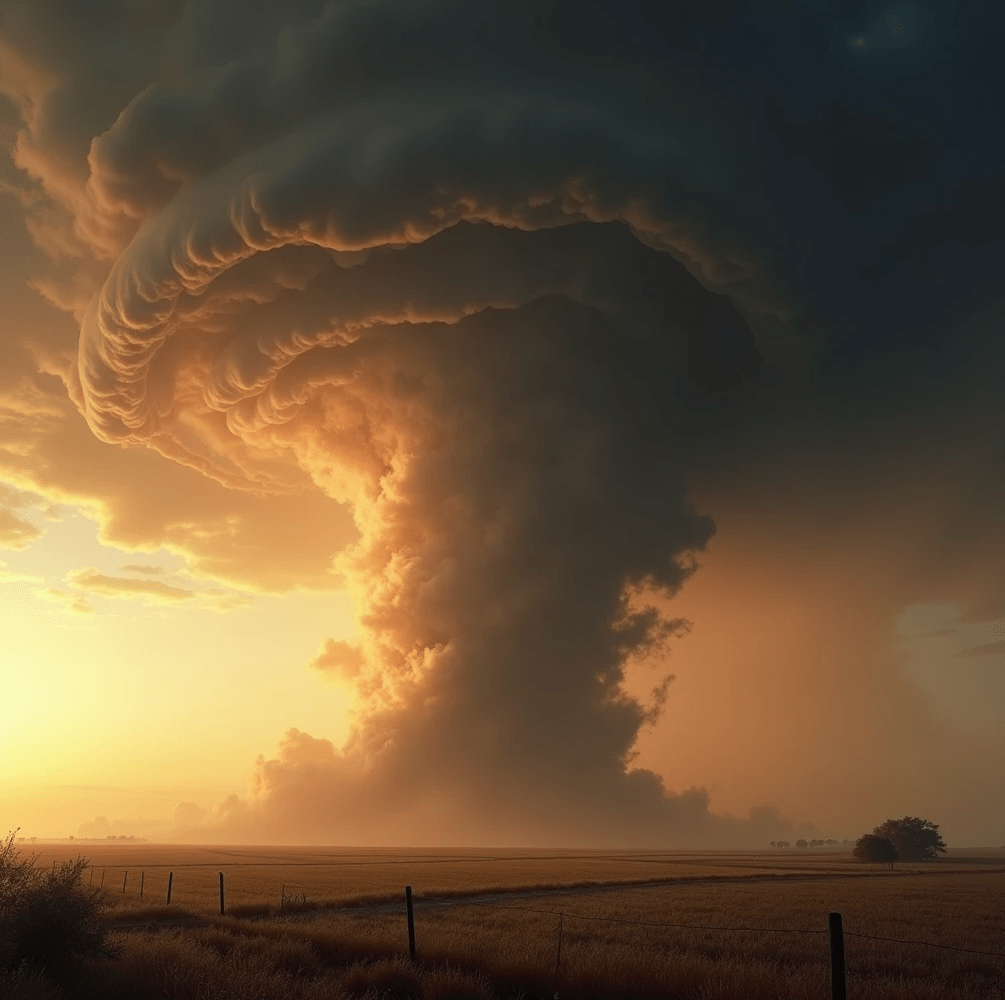
Why Kansas Weather Is Deadly
Kansas sits in the crosshairs of nature’s mood swings.
- Tornadoes
- Blizzards
- Ice storms
- Deadly heat waves
People don’t die because the storm exists. They die because they underestimate it.
Tornado fatalities often occur because people:
- Ignore warnings
- Stay in vehicles
- Don’t have a shelter plan
Heat deaths happen when people:
- Overwork outdoors
- Skip hydration
- Ignore early symptoms of heat exhaustion
How You Survive Kansas Weather
Weather survival is about planning before the sky turns dark.
Storm Survival Checklist:
- Know where your nearest storm shelter is.
- Have weather alerts enabled on multiple devices.
- Practice tornado drills with your family.
- Never shelter in a vehicle during a tornado.
- In heat waves, hydrate aggressively and rest often.
- In winter storms, keep blankets, food, and heat sources ready.
Nature doesn’t care how tough you are. Respect keeps you alive.
4. Accidental Poisoning and Drug Overdoses
Why This Is Rising in Kansas
Drug overdoses—both illegal and prescription—have surged across Kansas.
The killers include:
- Opioids (legal and illegal)
- Mixing medications
- Alcohol combined with drugs
- Unknown potency substances
Many overdoses aren’t intentional. They’re the result of lack of education, tolerance misjudgment, or mixing substances.
How You Survive This Threat
Survival requires honest awareness, not denial.
Life-Saving Actions:
- Never mix medications unless cleared by a professional.
- Avoid alcohol when taking prescription drugs.
- Keep naloxone accessible if opioids are present.
- Store medications securely.
- Educate your family on overdose signs.
Prepared people don’t judge. They prepare.
5. Firearms Accidents and Violence
Why Firearms Contribute to Deaths
Kansas has a strong gun culture—and with it comes responsibility.
Deaths occur from:
- Accidental discharges
- Improper storage
- Domestic disputes
- Escalated confrontations
Firearms amplify mistakes. A bad moment becomes permanent.
How You Survive Firearm Risks
Survival means discipline.
- Store firearms locked and unloaded when not in use.
- Use trigger locks and safes.
- Practice de-escalation in conflicts.
- Train regularly and responsibly.
- Teach children firearm safety early.
Strength is control—not impulse.
6. Workplace and Farm Accidents
Why These Kill Kansans
Kansas is built on agriculture, manufacturing, and physical labor.
Fatal accidents happen due to:
- Heavy machinery
- Grain bin suffocation
- Falls
- Skipping safety procedures
Complacency is deadly. Familiarity breeds shortcuts—and shortcuts kill.
How You Survive the Job
- Follow safety protocols every time.
- Never work alone in high-risk tasks.
- Use protective equipment.
- Respect machinery—even if you’ve used it for 20 years.
Survivors respect routine danger.
7. Drowning and Water Accidents
Why This Happens in Kansas
Lakes, rivers, and farm ponds look harmless—but they kill every year.
Common causes:
- No life jackets
- Alcohol use
- Overestimating swimming ability
- Cold water shock
How You Stay Alive
- Wear life jackets.
- Avoid alcohol near water.
- Supervise children constantly.
- Learn water rescue basics.
Water doesn’t forgive mistakes.
Kansas Survival Truth: You Are the First Responder to Your Own Life

Here’s the mindset shift that separates survivors from statistics:
No one is coming to save you fast enough. You must be ready.
Kansas is a great place to live—but only if you live aware, prepared, and intentional.
Survival isn’t fear.
Survival is responsibility.
Survival is choosing today to live tomorrow.
You don’t need to be paranoid.
You need to be prepared.
And preparation is the ultimate form of self-respect.











 TheDailyChristian