Maine Homestead Lifestyle

Maine Homestead Lifestyle: A Gritty Rant from an Angry Homesteader

Listen here, if you think homesteading in Maine is some romantic little getaway where you sip maple syrup and bask in autumn leaves, you’re dead wrong. Maine isn’t some lazy dreamland — it’s a wild, harsh, relentless beast that’ll chew you up and spit you out if you don’t know what the hell you’re doing. I’m here to tell you straight: if you don’t come prepared with backbone and know-how, you might as well pack it up and head back to the city.

You think it’s cute, the idea of a quiet life off-grid with the loon calls and the snow piling high? Yeah, well, the snow doesn’t just pile — it buries you. And the wind? It’ll cut through you like a rusty saw blade. So, if you’re gonna survive this Maine homestead lifestyle, you better get ready to work harder and smarter than you ever have in your life.

1. Firewood Cutting & Splitting

First off, no heat means no life. You better be a master woodsman who can fell trees with precision and split firewood like a demon. Maine winters last forever, and the cold sneaks into your bones if you slack off. There’s no “just turn on the heat.” You’re the heat. Chainsaw skills, axe work, and stacking wood neatly for months of burning — that’s your lifeline.

2. Food Preservation

Canning, pickling, drying — if you don’t know how to put away food for the long haul, you’re gonna starve come February. Maine’s growing season is short, and the grocery store ain’t always a quick run. You’ll want to learn pressure canning for meats and beans, water bath canning for fruits, and how to properly dry herbs and veggies.

3. Gardening & Crop Rotation

Planting in Maine soil isn’t just throwing seeds in the dirt. You’ve got to know your frost dates, prepare the soil with compost, and rotate crops so the earth doesn’t get sick. Carrots, kale, potatoes, and cold-hardy greens are your bread and butter. Get your hands dirty and your mind sharp.

4. Animal Husbandry

Chickens, goats, maybe a cow if you’re brave — you’ve got to keep your livestock healthy, safe from predators, and productive. That means fencing, feeding, knowing the signs of sickness, and handling births. I don’t care if you’re allergic to feathers or terrified of cows; it’s part of the deal.

5. Butchering & Meat Processing

Don’t come crying if you can’t butcher a chicken or process a deer. Maine’s got plenty of wild game, and if you’re not skilled in breaking down meat and preserving it, you’re wasting valuable calories. This skill takes guts, literally, and some serious stomach.

6. Water Management

Wells, rain catchment, and filtration systems — if your water source freezes or gets contaminated, you’re dead in the water. No city pipes. You have to know how to dig, repair, and purify water on the fly.

7. Soap Making

This ain’t just a luxury; clean water is precious and limited. Learning to make your own soap from lye and fats is a skill that saves money and keeps your skin from cracking off in the cold.

8. Basic Carpentry

Shelter repairs, building coops, fences, or sheds — if you can’t swing a hammer and read a tape measure, you’ll be stuck in the cold rain while everything falls apart.

9. Metalworking & Tool Repair

You want to be dependent on a hardware store? Good luck with that, because the nearest one might be 40 miles away. Knowing how to fix your tools, sharpen blades, weld patches, or make simple hardware can save your ass.

10. Blacksmithing Basics

No joke — even rudimentary blacksmithing skills help in making and repairing nails, hooks, hinges, and horseshoes. The sound of the hammer on the anvil should be music to your ears.

11. Food Foraging

Maine’s wilderness can feed you if you know the edible plants, mushrooms, and berries. But one false bite can land you in the ER or worse. Learn what’s safe and what’ll kill you.

12. Preserving Seeds

If you’re not saving seeds from year to year, you’re throwing money and food away. Seed saving means you can keep your garden thriving year after year without buying new seeds.

13. Winterizing Structures

You think slapping some plywood on a window will keep you warm? Hell no. You need insulation knowledge, storm windows, and draft-proofing skills. Otherwise, you’re just heating the outdoors.

14. Root Cellaring

Learning to store potatoes, carrots, apples, and squash in a root cellar is crucial. It’s like a cold pantry that keeps your food fresh without electricity.

15. Basic Veterinary Care

When your animals get sick, you can’t just call a vet to swoop in next day. You better have some vet basics in your arsenal — identifying symptoms, administering shots, and doing minor treatments.


Now, I’m not just here to yell at you about how tough it is. I’m gonna throw some DIY homestead hacks your way, because if you want to keep your sanity and your homestead, you better get creative.


DIY Homestead Hack #1: Build a Rocket Mass Heater from Reclaimed Materials

Cold winters and firewood shortages are the perfect storm. Instead of burning your precious wood inefficiently, build a rocket mass heater using old bricks, barrels, and some scrap metal. This heater burns wood super hot, uses less fuel, and stores heat in a thermal mass that radiates warmth for hours. It’s a lifesaver when the temperature drops to bone-chilling lows.


DIY Homestead Hack #2: Create a Solar Dehydrator Using an Old Window Frame

Preserving food in Maine is a must, but electricity can be scarce or expensive. Grab an old window frame, some black-painted wood, and fine mesh screens to build a solar dehydrator. Place sliced fruits, veggies, or herbs inside, and let the Maine sun do the drying. It’s cheap, efficient, and easy to maintain.


DIY Homestead Hack #3: Rainwater Catchment with 55-Gallon Barrels and Downspout Diverters

Water is king in the homestead kingdom. Installing a rainwater catchment system using cheap barrels and modifying your roof’s downspouts can provide a reliable water source for your garden, animals, or emergency use. In Maine’s rainy climate, this can supplement your well water and reduce your risk during freeze-ups or droughts.


Look, Maine homesteading isn’t for the faint of heart. It’s a brutal, demanding lifestyle that tests every ounce of your patience and skills. If you want to make it here, you better be ready to face the cold, the bugs, the isolation, and the endless work.

No internet delivery guy is gonna bring you your groceries; no 24/7 store will keep your pantry full; no fancy heating system will save you without firewood. It’s just you, your hands, and the stubborn earth.

You gotta be tough, smart, and scrappy. Learn these skills, use these hacks, and most importantly, don’t give up. Maine might be a frozen hellscape half the year, but it’s also a place of freedom and rugged beauty if you’re willing to earn it.

So stop whining, pick up your axe, and get to work — because that Maine homestead lifestyle waits for no one.

Danger Lurks on These Maine Hiking Trails—Are You Ready for the Challenge?

Danger Lurks on These Maine Hiking Trails—Are You Ready for the Challenge?

I’ve hiked in every state, braved hail in the Rockies, baked under the Arizona sun, and slept through storms in the Appalachians. But if there’s one state that demands your respect—or it’ll chew you up and spit you out—it’s Maine.

Hiking Trails: Maine Trail Finder

This isn’t a place for flip-flop hikers or GPS-only wanderers. This is a state where the wilderness is wild. Where moose have the right of way. Where temperatures drop 30 degrees in a flash. Where trails vanish under fog, mud, or snow depending on the season. It’s beautiful, sure. But it’s also unforgiving.

Whether you’re a trail-hardened prepper like me, or just someone who thinks hiking sounds like a good weekend idea, hear me loud and clear: Maine’s hiking trails don’t care how tough you think you are. They’ll test you, break you, and if you’re not careful—leave you out there.

So pack right, prep smart, and read this list of Maine’s most stunning—and deadliest—hiking trails. Then ask yourself: Are you ready for the challenge?


1. Katahdin (Baxter State Park)

The crown jewel—and a beast. This 5,269-foot peak is no joke. Knife Edge Trail is as narrow and exposed as they come. One wrong step? You’re airborne. Bring your grit and your game face.

2. Mahoosuc Notch (Mahoosuc Range)

Often dubbed the “hardest mile on the AT.” Boulder scrambles, ice pockets in July, and sketchy footing every step. Claustrophobics and the unprepared, stay far away.

3. Mount Abraham (Kingfield area)

Loose shale, high winds, and rapidly changing weather make this a tough climb. Gorgeous alpine terrain, but don’t linger long—lightning storms hit fast here.

4. Gulf Hagas (The Grand Canyon of the East)

This slate-walled gorge is stunning—but slick. The trail hugs narrow ledges above raging water. Crossings get nasty fast in rain. Bring water shoes and a rope if you’re smart.

5. Tumbledown Mountain (Weld)

Three routes, all steep. The Loop Trail? Practically a rock climb. Add in snowmelt or a surprise storm, and it’s a slip ‘n slide to the ER.

6. Bigelow Mountain Range (Appalachian Trail section)

Remote and steep. You’ll climb multiple summits with limited bailout points. Cold, wind, and exposure define this trail. Pack layers—even in August.

7. Mount Redington via South Crocker (Carrabassett Valley)

A true bushwhack. No maintained trail to the summit means you’re relying on compass, instinct, and maybe prayer. Stay sharp—or stay home.

8. Mount Blue (Mount Blue State Park)

Moderate on paper. But throw in fog, slick rocks, and poor visibility, and you’re playing a dangerous game. Cell signal? Forget it.

9. Deboullie Mountain (North Woods)

Black bears, black flies, and backcountry remoteness. There’s zero support out here—bring everything, and I mean everything. Don’t expect to see another soul.

10. Old Speck Mountain (Grafton Notch)

Steep, rooty, and muddy even on the best days. The fire tower view is worth it—but don’t underestimate the toll of the climb. Knees will suffer.

11. Cadillac Mountain via West Face Trail (Acadia National Park)

Sure, everyone does the sunrise thing. But take the back route and it’s a serious climb—sun exposure, steep rock faces, and tourists who won’t yield the path. Be patient and prepared.

12. Precipice Trail (Acadia National Park)

Steel rungs, narrow ledges, and a vertical climb. This is a no-fall zone. People have died here. Not for kids, dogs, or anyone with a fear of heights. Test your nerve—or turn back.

13. Beehive Trail (Acadia National Park)

Short, but no less risky. One wrong move on these ladders and you’re done. Rain makes the rock slick as glass. This trail has claimed lives—respect it.

14. Baldpate Mountain (Grafton Loop Trail)

A brutal ascent followed by exposed ridges that ice over quickly. You’ll need microspikes half the year. Don’t expect trail markers to help once fog rolls in.

15. Mount Kineo (Moosehead Lake)

Getting here involves a boat. The hike itself features steep drop-offs and loose terrain. Cell signal is iffy. Bring a whistle and tell someone where you’re going—before you vanish.

16. Cranberry Peak (Bigelow Preserve)

Beautiful summit, treacherous path. Slick slabs, sudden drop-offs, and thick brush. Summer storms sweep through with fury. Waterproof everything.

17. Pleasant Mountain (Bridgton)

Don’t be fooled by its name. The Ledges Trail is steep and exposed, and injuries are common on busy weekends. Heatstroke in summer, frostbite in winter—choose your poison.

18. Borestone Mountain (Piscataquis County)

Part nature trail, part scramble. The final ascent is all steep rock. Add in slick moss and poor footing and it becomes dangerous real fast.

19. Traveler Mountain Loop (Baxter State Park)

This loop is long, remote, and rugged. You’ll cross several peaks with little tree cover and no water access. Don’t go without a filter, food, and emergency shelter.

20. Mount Megunticook via Ridge Trail (Camden Hills State Park)

Sharp granite edges and steep ridges define this climb. Stunning views of Penobscot Bay, but sudden winds off the coast can send you flying. Don’t linger on the summit.


Final Thoughts from the Field

Maine’s trails are drop-dead gorgeous—emphasis on the “drop-dead” if you’re not careful. Every year, people get injured—or worse—because they treat these trails like a stroll through the park. But this isn’t your average park. This is survival country. You want the view? You’ve got to earn it—and stay alive to enjoy it.

Here’s what I pack when I hit these trails:

  • Navigation: Map, compass, GPS (redundancy saves lives)
  • Water: More than you think you’ll need + a filter
  • Clothing: Layers, waterproof shell, gloves, and hat—even in summer
  • Shelter: Emergency bivy or tarp
  • Food: High-calorie, non-perishable
  • First Aid: Full kit, not just a Band-Aid and hope
  • Light: Headlamp + extra batteries
  • Tools: Knife, multitool, and fire starter
  • Communication: Satellite messenger or PLB

And above all: tell someone where you’re going and when you plan to return. Don’t rely on cell signal—it’s laughable out there.

So ask yourself again: Are you ready for the challenge?

If so, I’ll see you out there—on the edge, where the views are better, the air’s a little wilder, and the margin for error? Razor thin.

Stay alert. Stay alive.

Ranger G, Survival Prepper, Trail Junkie, Maine Believer

Maine’s Top 24 Survivalist-Friendly Campgrounds

🏕️ The 24 Best Camping Sites in Maine for Survival Preppers

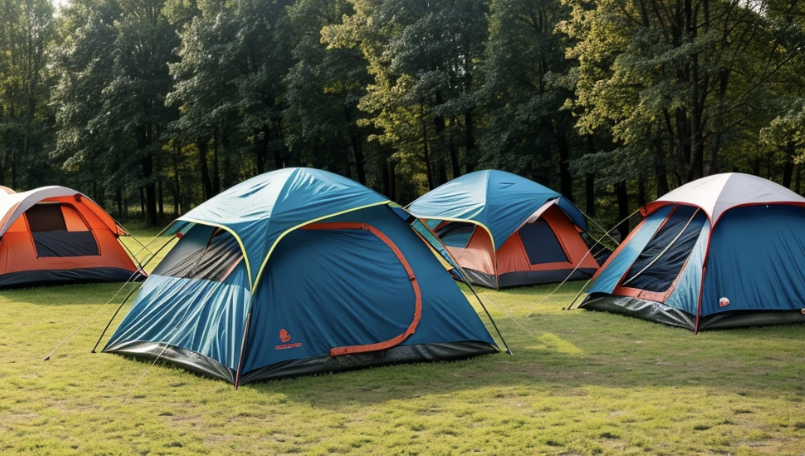
Living off the grid in Maine isn’t just a lifestyle—it’s a necessity. From dense forests to rugged coastlines, the Pine Tree State offers countless opportunities for survivalists to hone their skills and connect with nature. Here’s a curated list of 24 campgrounds that cater to those seeking solitude, self-reliance, and a deep connection with the land.


1. Baxter State Park – Chimney Pond Campground

A remote base camp for those tackling Katahdin, Maine’s highest peak. Accessible only by a 3.3-mile hike, it’s ideal for seasoned backpackers. WikipediaBest Local Things

2. Allagash Wilderness Waterway

A 92-mile canoe route with 81 fire-safe campsites. Perfect for waterborne survival training and wildlife observation. Step Outside

3. Cobscook Bay State Park

Offers dramatic tides and oceanfront campsites. Great for foraging, fishing, and coastal navigation. The Dyrt+2Step Outside+2The Maine Mag+2The Maine Mag

4. Duck Harbor Campground – Isle Au Haut

Accessible only by ferry, this secluded spot within Acadia National Park is perfect for isolation and primitive camping. Wikipedia+1Condé Nast Traveler+1

5. Lily Bay State Park

Located on Moosehead Lake, offering fishing, boating, and hiking opportunities. The Maine Mag+4Camping Comparison+4Campspot+4

6. Seboomook Wilderness Campground

CLICK HERE TO LEARN HOW TO SURVIVE A FAMINE

Off-grid camping with limited electricity, ideal for those seeking a true wilderness experience. Campspot

7. Searsport Shores Oceanfront Camping

Features a private beach and tidal pools, suitable for coastal survival skills and foraging. Step Outside

8. Sagadahoc Bay Campground

Offers oceanfront sites with clamming opportunities, perfect for coastal resource gathering. The Maine Mag

9. Camden Hills State Park

Provides panoramic views and hiking trails, ideal for navigation and wilderness training.

10. Rangeley Lake State Park

Offers lakeside camping with opportunities for fishing and boating.

11. Aroostook State Park

Maine’s first state park, featuring trails and access to Quaggy Jo Mountain. Best Local Things

12. Wolfe’s Neck Oceanfront Campground

Located on a working farm, offering a mix of forest and bay camping. The Dyrt

13. Winslow City Park Campground

Family-friendly with ocean views and a pirate ship playground. Camping Comparison+4The Dyrt+4Campspot+4

14. Sebago Lake State Park

Features sandy beaches and clear waters, suitable for waterborne survival training.

15. Schoodic Woods Campground

Offers a more remote experience within Acadia National Park, with hiking and kayaking opportunities. GearJunkie

16. Blackwoods Campground

Located within Acadia National Park, offering wooded sites and proximity to hiking trails. GearJunkie

17. Seawall Campground

Provides access to the rugged Atlantic coastline and tide pools. The Dyrt

18. Chimney Pond Campground

A remote base camp for those tackling Katahdin, Maine’s highest peak. Best Local Things

19. Allagash Wilderness Waterway

A 92-mile canoe route with 81 fire-safe campsites. Step Outside

20. Cobscook Bay State Park

Offers dramatic tides and oceanfront campsites. GearJunkie+3The Maine Mag+3Step Outside+3

21. Duck Harbor Campground – Isle Au Haut

Accessible only by ferry, this secluded spot within Acadia National Park is perfect for isolation and primitive camping.

22. Lily Bay State Park

Located on Moosehead Lake, offering fishing, boating, and hiking opportunities. Best Local Things+4Campspot+4takeitfrommaine.com+4

23. Seboomook Wilderness Campground

Off-grid camping with limited electricity, ideal for those seeking a true wilderness experience. Campspot

24. Searsport Shores Oceanfront Camping

Features a private beach and tidal pools, suitable for coastal survival skills and foraging.

🏕️ Final Thoughts from the Maine Woods

When it comes to survival, it ain’t just about gear or know-how—it’s about the land. And up here in Maine, we’ve got land that’ll test your grit, hone your instincts, and remind you what it means to live raw and real. Whether you’re posting up by the Allagash for a week of solo canoe travel or hiking into Baxter’s backcountry with nothing but your pack and purpose, each of these 30 campgrounds offers more than just a place to pitch your tent—they offer you a proving ground.

Survival isn’t just preparing for the worst—it’s training in the best places to test your skills while the grid still holds. Every trip into Maine’s forests or out onto its salt-kissed shores is a lesson in resilience, resourcefulness, and respect for nature. You want to be ready for anything? Then get out there, live wild, and let the land teach you.

Stay sharp, stay strong, and above all—stay ready.

How We Survive Maine’s Toughest Natural Disasters

Living in Maine, you learn quickly that it’s not just the harsh winters that demand your respect—it’s the full range of natural disasters that can strike this rugged, wild state. As a prepper, I’ve spent years developing a strategy for dealing with everything from ice storms to wildfires. Whether you live near the coast, out in the woods, or in one of the towns tucked into the heart of the state, there are always steps you can take to ensure you’re ready for the worst. Let’s break down how Mainers prepare for natural disasters, and I’ll give you a few tips that could save your life when disaster strikes.

CLICK HERE TO LEARN HOW TO SURVIVE A FAMINE

The Natural Disasters of Maine

Maine is known for its beautiful forests, snowy winters, and coastal towns. But this beauty comes with its share of dangerous forces of nature. Here’s a rundown of the most common disasters you should be preparing for if you live here:

  1. Winter Storms & Ice Storms: Maine’s winters can be brutal. Snowstorms can bury you in feet of snow, and ice storms can knock out power for days on end. These weather conditions can make travel dangerous and leave people stranded for extended periods.
  2. Flooding: Although Maine isn’t known for massive floods like those in other parts of the country, heavy rains in the spring or intense summer storms can cause flash floods, especially in coastal or low-lying areas. And don’t forget about rising sea levels in the future—they’ll likely increase the frequency of coastal flooding.
  3. Wildfires: While Maine’s forests are beautiful, they can also be a fire hazard, particularly during dry spells. A wildfire may not be as common here as it is in the West, but they do happen, especially in more rural areas where firefighting resources are spread thin.
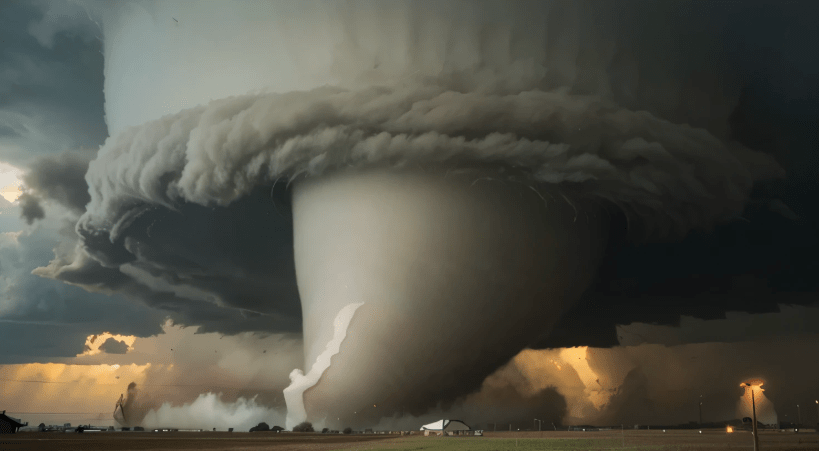
  4. Coastal Storms & Hurricanes: Maine’s coastline is no stranger to hurricanes and nor’easters. These storms bring high winds, heavy rain, and coastal flooding, and they can knock out power and damage buildings. As our climate shifts, these storms may become more frequent and intense.
  5. Earthquakes: While we aren’t dealing with the kind of seismic activity found out West, Maine does experience occasional small earthquakes. Though rare, these tremors are a reminder that no area is completely immune to nature’s unpredictability.

How We Prepare for Maine’s Worst Natural Disasters

Living in Maine, preparing for natural disasters isn’t a luxury—it’s a necessity. With the state’s unpredictable weather, it’s essential to plan ahead, build strong shelters, and develop emergency strategies for your family. Here’s how I’ve prepared for the worst:

  1. Stockpile Essential Supplies: First and foremost, every prepper in Maine should have a well-stocked emergency kit. When winter storms hit and power goes out for days, or when a wildfire forces you to evacuate, you’ll want to have non-perishable food, water, a first-aid kit, and other essentials like flashlights, batteries, and warm clothing. I’ve made sure to stock up for at least two weeks—food that doesn’t need refrigeration is key, like freeze-dried meals, canned goods, and dried fruits and nuts. For water, a simple filtration system or purification tablets are worth their weight in gold.
  2. Cold-Weather Gear: If you live here in Maine, you know the cold is real. When preparing for winter storms or ice storms, a solid set of cold-weather gear is essential. Waterproof boots, insulated gloves, thick wool socks, and a few warm coats that can withstand the coldest temperatures are must-haves. I also suggest getting a quality sleeping bag that’s rated for subzero temperatures—because when you lose heat in a storm, you’ll need something to help you survive through the night.
  3. Firewood and Fuel: One of the biggest dangers during a Maine winter is losing power for extended periods. That’s why I have a fireplace stocked with firewood, as well as a backup generator that can run on gas or propane. For the generator, make sure you have enough fuel to last a few days in case you can’t get to a store. You’ll also need extra propane for cooking and heating.
  4. Weatherproofing Your Home: Mainers need homes that can handle the worst nature throws at them. If you’re building or renovating, make sure your home is well-insulated and can withstand strong winds and heavy snow. If you’re in a coastal area, invest in storm windows, durable roofing, and an extra layer of protection against flooding.
  5. Emergency Communication Plan: When disaster strikes, traditional communication lines can go down. That’s why I’ve invested in a reliable satellite phone and walkie-talkies. The goal is to stay connected with family members even if cell towers go down. Keep in mind, battery life is critical—invest in solar chargers to keep devices running if the power’s out for an extended period.
  6. Evacuation Routes & Shelters: Know your evacuation routes, and always have a few backup options. Maine’s backroads can get tricky in a storm, so make sure you’ve scouted out the safest routes ahead of time. Have a shelter plan, whether it’s a family member’s house or a designated local shelter. I also suggest having a “bug-out bag” ready to go with essentials in case you need to leave in a hurry.
  7. Stay Informed: The key to surviving any disaster is staying informed. Keep an eye on weather alerts, flood warnings, and wildfire advisories. Sign up for emergency alerts on your phone and make sure your radio is equipped to receive emergency broadcasts, especially if the power goes out.
  8. Maintain Your Vehicle: Having a reliable vehicle is crucial when natural disasters strike. Make sure your car is always in good shape, and keep a kit in your vehicle with jumper cables, blankets, food, and water. A full tank of gas is essential, especially in winter when gas stations might be down for a while.
  9. Practice Your Plan: It’s all well and good to have a plan, but it’s important to practice it. Run through evacuation drills with your family and test your emergency gear regularly. In a real emergency, you don’t want to be fumbling around trying to figure out how your generator works or where you stored the emergency blankets.
  10. Keep an Eye on Climate Trends: Maine’s weather patterns are changing. Warmer summers and more intense storms are becoming the new normal. Stay on top of climate-related news and adjust your preparations as needed. Wildfires, coastal flooding, and other threats might increase in the coming years, so being proactive is the best defense.

10 Survival Prepper Tips for Maine’s Natural Disasters

  1. Keep an eye on weather forecasts—especially during winter and hurricane seasons.
  2. Invest in a wood-burning stove for heating during power outages.
  3. Stock up on alternative lighting sources like lanterns and candles.
  4. Prepare a backup heat source like a kerosene heater or propane space heater.
  5. Know how to turn off utilities like gas and electricity in case of an emergency.
  6. Carry a portable water filter for emergency hydration.
  7. Have a “bug-out bag” ready for quick evacuations with food, water, and medical supplies.
  8. Monitor local fire danger levels in the summer to avoid wildfires.
  9. Check your insurance coverage to make sure your home is protected against flooding and storm damage.
  10. Get a weather radio to listen for storm warnings even when the power’s out.

When you’re living in Maine, it’s all about being prepared. From harsh winters to unpredictable coastal storms, the more you can do now to get ready for the worst, the better you’ll be able to handle whatever comes your way. Stay safe, stay prepared, and stay ready to weather any storm—literally.