

When people think about survival threats in Nevada, their minds often jump straight to the desert heat, dehydration, rattlesnakes, or mountain lions. As a long-time survival prepper who believes deeply in prevention and preparedness, I can tell you this: some of the most dangerous threats in Nevada are small, quiet, and often overlooked.
Insects may not look intimidating, but several species found in Nevada can cause severe medical emergencies, long-term health complications, or—under the wrong circumstances—death. While fatalities are rare, the risk increases dramatically when people are unprepared, unaware, or dismissive of warning signs.
This article is not meant to scare you. It’s meant to protect you. Knowledge, calm decision-making, and early action save lives. Let’s walk through the most dangerous insects in Nevada and, more importantly, what you can do to survive an encounter.
1. Africanized Honey Bees (Killer Bees)
Africanized honey bees are one of the most dangerous insects found in Nevada—not because of a single sting, but because of how aggressively they defend their hive. These bees can pursue a perceived threat for long distances and attack in large numbers.
Why They’re Dangerous
- They react faster and in larger numbers than European honey bees
- Multiple stings can overwhelm the body
- High risk for children, elderly individuals, and those with allergies
Survival Guidance
If you disturb a hive:
- Run immediately—do not swat at the bees
- Cover your face and head as you flee
- Get inside a vehicle or building as quickly as possible
- Seek medical attention if stung multiple times
Prepper mindset: Never approach bee nests. Teach children to recognize and avoid them. If you live in rural Nevada, have local pest control numbers saved.
2. Western Black Widow Spider

The western black widow is one of Nevada’s most feared spiders—and for good reason. Its venom is neurotoxic, meaning it affects the nervous system.
Why They’re Dangerous
- Bites can cause severe muscle cramps and pain
- Symptoms may include nausea, sweating, and difficulty breathing
- Most dangerous to young children and older adults
Survival Guidance
If bitten:
- Stay calm and limit movement
- Clean the bite with soap and water
- Apply a cold pack to reduce pain
- Seek medical care immediately, especially if symptoms worsen
Prepper mindset: Wear gloves when working in sheds, garages, woodpiles, and outdoor storage areas. Prevention is your strongest defense.
3. Arizona Bark Scorpion

While scorpions may seem more common in Arizona, the Arizona bark scorpion does exist in southern Nevada, especially around Las Vegas.
Why They’re Dangerous
- Venom affects the nervous system
- Can cause numbness, muscle twitching, and breathing difficulty
- Stings are particularly dangerous for children
Survival Guidance
If stung:
- Clean the sting site
- Apply ice for pain relief
- Monitor breathing and muscle movement
- Seek emergency care if symptoms escalate
Prepper mindset: Shake out shoes, bedding, and clothing. Seal cracks around doors and windows. Use black lights at night to spot scorpions around your home.
4. Brown Recluse Spider (Rare but Possible)

Although not native to Nevada, brown recluse spiders have been occasionally transported into the state via shipping boxes and storage items.
Why They’re Dangerous
- Venom can cause tissue damage
- Bites may worsen over days
- Misdiagnosis can delay proper treatment
Survival Guidance
If you suspect a bite:
- Clean the area immediately
- Avoid home remedies
- Seek professional medical evaluation
- Document changes in the wound
Prepper mindset: Do not assume a bite is “nothing.” Delayed care increases risk.
5. Fire Ants
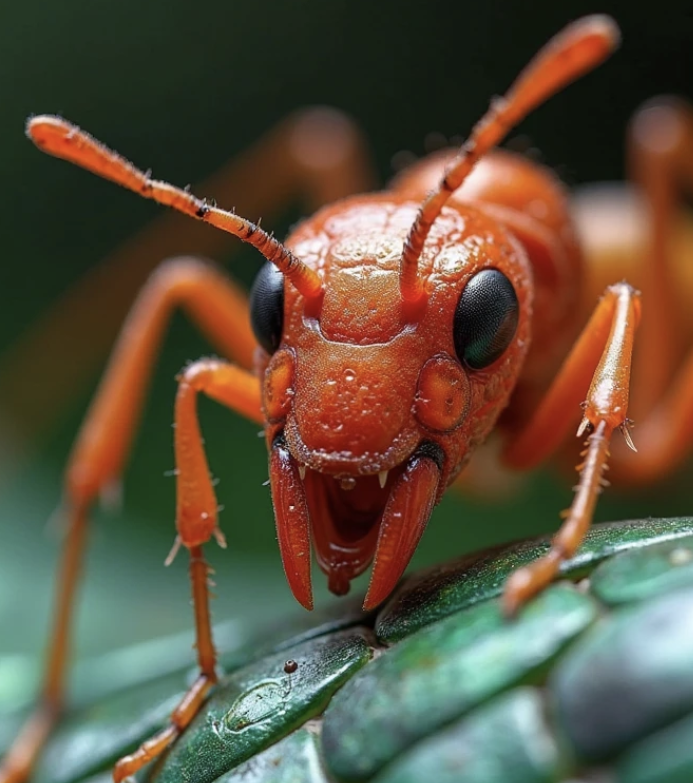
Fire ants are not widespread in Nevada, but isolated populations and accidental introductions have occurred.
Why They’re Dangerous
- Aggressive swarm attacks
- Painful stings that can trigger allergic reactions
- Risk of anaphylaxis in sensitive individuals
Survival Guidance
If attacked:
- Leave the area immediately
- Brush ants off quickly
- Wash sting sites thoroughly
- Seek medical help if swelling or breathing issues occur
Prepper mindset: Learn the signs of ant mounds and keep emergency allergy medication accessible if needed.
General Survival Rules for Insect Encounters in Nevada
As a survival prepper, I live by these rules—and I encourage you to do the same:
- Never underestimate small threats
- Wear protective clothing outdoors
- Inspect sleeping and storage areas
- Teach children insect safety early
- Seek medical care sooner rather than later
Your goal is not to “tough it out.” Your goal is to stay alive and healthy.









 TheDailyChristian