New York’s Most Dangerous Insects and How to Stay Alive

Most New Yorkers believe danger comes with sirens, crime statistics, or subway platforms at 2 a.m. They look up at skyscrapers and down at their phones, convinced that nature is something safely locked away in upstate forests or petting zoos. That assumption is a liability.

As a professional survival prepper, I don’t subscribe to the fantasy that concrete replaces biology. New York State—yes, including the city—is home to insects capable of killing you quietly, painfully, and often with no warning at all. You don’t need to be camping in the Adirondacks to be at risk. You just need to be unprepared, distracted, or ignorant.
This article isn’t written to scare you—it’s written to keep you alive. Whether you live in a Manhattan high-rise, a Brooklyn brownstone, or a rural cabin upstate, insects don’t care about your zip code.

Let’s talk about the most dangerous insects in New York State, how they can end your life, and what you can do to survive them.


1. Deer Ticks (Blacklegged Ticks)

Threat Level: High
Primary Danger: Lyme disease, anaplasmosis, babesiosis
Where Found: Statewide, especially wooded areas, parks, suburban yards

Ticks don’t sting, buzz, or announce themselves. That’s what makes them so dangerous. The blacklegged tick, commonly known as the deer tick, is responsible for Lyme disease—a condition that can destroy your nervous system, joints, heart, and cognitive function if untreated.

In severe cases, untreated tick-borne illness can lead to heart failure, neurological damage, or death.

How to Survive:

  • Wear long sleeves and pants in grassy or wooded areas—even in city parks.
  • Use permethrin-treated clothing and EPA-approved insect repellent.
  • Perform full-body tick checks daily.
  • Remove ticks immediately with fine-tip tweezers.
  • Seek medical attention if flu-like symptoms appear weeks after exposure.

Ignoring ticks because you live “in the city” is a rookie mistake.


2. Mosquitoes

Threat Level: High
Primary Danger: West Nile Virus, Eastern Equine Encephalitis (EEE)
Where Found: Statewide, especially near standing water

Mosquitoes are responsible for more human deaths worldwide than any other creature. New York is no exception. West Nile Virus appears every year, and while many survive, severe cases can cause brain swelling, paralysis, and death.

EEE is rarer but far more lethal, with mortality rates up to 30%.

How to Survive:

  • Eliminate standing water near your home.
  • Install window screens and repair gaps.
  • Wear light-colored, long clothing outdoors.
  • Use DEET or picaridin repellents.
  • Take fevers and neurological symptoms seriously—seek care immediately.

That backyard barbecue or rooftop hangout isn’t harmless.


3. Yellowjackets

Threat Level: Very High
Primary Danger: Anaphylactic shock
Where Found: Parks, garbage areas, backyards, city infrastructure

Yellowjackets are aggressive, territorial, and common in New York. Unlike bees, they sting repeatedly. For individuals with venom allergies—many of whom don’t know it yet—one sting can cause rapid airway closure and death within minutes.

Urban environments actually increase encounters due to trash and food waste.

How to Survive:

  • Avoid bright clothing and strong scents outdoors.
  • Keep food sealed and garbage secured.
  • Never swat—slowly back away.
  • Carry an EpiPen if you’ve had reactions before.
  • Call emergency services immediately if swelling or breathing difficulty occurs.

One sting is all it takes.


4. Bald-Faced Hornets

Threat Level: Extreme
Primary Danger: Multiple stings, venom overload
Where Found: Trees, utility poles, building edges

Despite the name, bald-faced hornets are aggressive wasps with powerful venom. Disturbing a nest—even accidentally—can result in dozens of stings in seconds.

Venom toxicity and allergic reactions can be fatal, even in healthy adults.

How to Survive:

  • Identify and avoid aerial nests.
  • Never attempt DIY removal.
  • Hire professionals for nest elimination.
  • If attacked, run immediately and seek shelter.
  • Get medical care after multiple stings.

Bravery doesn’t beat venom.


5. Fire Ants (Emerging Threat)

Threat Level: Growing
Primary Danger: Allergic reactions, infection
Where Found: Southern NY (spreading north)

Fire ants are slowly expanding northward. Their stings cause intense pain, blistering, and in some cases anaphylaxis.

Urban heat islands make cities ideal breeding grounds.

How to Survive:

  • Watch for mound-like nests.
  • Avoid walking barefoot outdoors.
  • Treat stings immediately.
  • Seek emergency help for systemic reactions.

Climate change doesn’t ask permission.


6. Brown Recluse (Rare but Possible)
Threat Level: Moderate but Serious
Primary Danger: Necrotic venom
Where Found: Occasionally transported via shipments

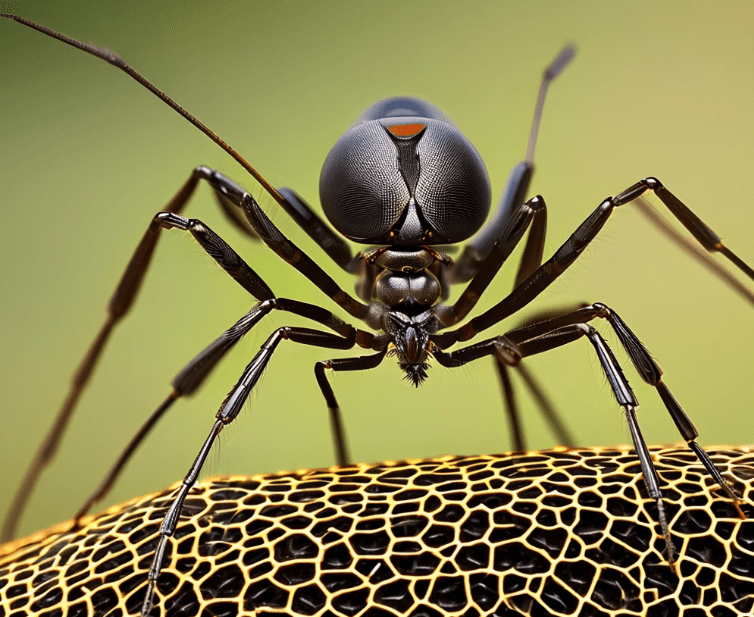
While not native, brown recluse spiders occasionally appear via freight and storage areas. Their venom can cause tissue death, infection, and systemic illness.

How to Survive:

  • Shake out stored clothing.
  • Use gloves in basements and storage units.
  • Seek medical care for unexplained necrotic wounds.

Rare doesn’t mean impossible.


7. Fleas

Threat Level: Moderate
Primary Danger: Disease transmission, severe infection
Where Found: Pets, rodents, subways, buildings

Fleas historically carried plague. Today, they still transmit disease and cause severe infections, especially in unsanitary environments.

How to Survive:

  • Treat pets regularly.
  • Control rodent infestations.
  • Clean living spaces thoroughly.

Urban density multiplies risk.


Final Survival Advice for New Yorkers

The New York City lifestyle teaches dependence—on infrastructure, services, and assumptions of safety. Insects don’t care about any of that.

Survival comes down to:

  • Awareness
  • Prevention
  • Rapid response

You don’t need to love the outdoors to respect its threats. You just need to be prepared.

Because bugs don’t care how tough you think you are—or how urban your life looks on Instagram.

New York Power Outages and How to Stay Safe With No Electricity During SHTF

When the lights go out, everything changes. If you’ve ever been caught in a power outage—especially a long one—you know how quickly our modern comforts can disappear. For those of us living in New York State, where population density, weather extremes, and infrastructure vulnerabilities converge, losing power isn’t just inconvenient; it can be downright dangerous. Whether you’re in the heart of Manhattan or in a small upstate town, being prepared means more than having a flashlight and a few cans of soup.

Let’s talk about how to stay safe, smart, and sane when the grid goes down, especially during a situation where everything hits the fan (SHTF). From hard-earned survival skills to practical DIY electricity hacks, this guide is here to empower you with both knowledge and confidence.


5 Survival Skills for Living Without Electricity

Living without power can feel like stepping back a century. But people lived that way for thousands of years, and so can we—with the right mindset and skills. Here are five critical abilities every New Yorker should learn before the lights go out.


1. Fire Craft and Off-Grid Cooking

Cooking is one of the first hurdles you’ll face in a blackout, especially if your stove or microwave relies on electricity. Being able to start a fire safely is a foundational survival skill. Learn how to make a Dakota fire hole—an efficient, smokeless fire pit—and how to cook over an open flame using cast iron. If you have a propane grill, keep extra tanks stored safely. Bonus points if you know how to cook with a solar oven, which works wonders in summer.


2. Water Procurement and Purification

In a prolonged power outage, municipal water systems can fail, especially if the pumps rely on electricity. You’ll need to locate alternate sources of water (like rainwater or streams) and purify them. Learn how to make a gravity-fed water filtration system using activated charcoal, sand, and gravel. Always keep a stash of water purification tablets, and know how to boil water over an open fire if needed.


3. Food Preservation Without Refrigeration

Food spoilage is one of the biggest threats when the fridge dies. Learn traditional methods of preservation like canning, pickling, smoking, fermenting, and dehydration. For example, salt-cured meats can last weeks unrefrigerated, and fermented vegetables can supply essential nutrients long after the fresh stuff is gone.


4. Manual Sanitation and Waste Management

Let’s be honest—when the toilet won’t flush and the water stops running, things get… uncomfortable. In urban areas especially, this can quickly become a health hazard. Learn how to create a sawdust toilet (composting toilet alternative), manage gray water safely, and maintain personal hygiene with minimal water. Keep a well-stocked sanitation bucket system with heavy-duty trash bags, baking soda, and bleach.


5. Situational Awareness and Community Communication

When the grid goes down, you lose not only power but also connection—no internet, no news, and possibly no phone signal. Train yourself to rely on local radio, ideally a hand-crank emergency radio. Form neighborhood alliances and have a community plan. Understand the signs of civil unrest or worsening conditions and how to respond calmly and smartly.


3 DIY Electricity Hacks When the Grid Goes Down

You don’t have to be an electrical engineer to generate a bit of power during a blackout. Here are three practical, do-it-yourself hacks that can bring light, charge your devices, or even run small appliances in a pinch.


1. DIY Solar Charger with USB Output

With a small solar panel kit (available online or at hardware stores), you can build a basic solar charging system for phones, radios, or flashlights. You’ll need:

  • A 10-20W solar panel
  • A solar charge controller
  • A 12V battery (like a deep-cycle marine battery)
  • A USB car adapter

Connect the panel to the charge controller, then to the battery, and plug in your USB adapter. This can keep your essential devices running for days.


2. Bicycle Generator for Small Power Needs

If you’re handy, convert an old bike into a pedal-powered generator. You’ll need a bike stand, a belt or chain drive, and a small alternator or motor. This setup can generate enough electricity to charge a battery pack or power a few LED lights. It’s also great exercise and a morale booster during dark times.


3. Saltwater Battery Lamp

When resources are scarce, even salt and water can make a difference. Using magnesium and copper plates (or coins), you can make a rudimentary battery with saltwater. Connect enough of these cells in series, and you can power an LED. It won’t light up your whole house, but in an emergency, every little bit of light helps.


3 Most Important Survival Products Without Electricity

While survival is mostly about mindset and skill, having the right gear can make a night-and-day difference. If I had to choose just three must-haves for a no-electricity scenario, these would be it:


1. Multi-Fuel Camp Stove (e.g., MSR WhisperLite)
Reliable, versatile, and portable, these stoves can burn white gas, kerosene, or even unleaded gasoline. It’s your best bet for cooking or boiling water safely when the power is out and fire pits aren’t an option.


2. Solar Generator (like Jackery or Bluetti)
A solar generator is a quiet, clean way to power essentials like a CPAP machine, lights, or small appliances. Look for one with at least 500Wh capacity and a foldable solar panel. It may be an investment—but in a long-term blackout, it can be a lifeline.


3. Headlamp with Rechargeable Battery
Hands-free lighting is more useful than a flashlight, and using a rechargeable model with a solar bank or hand crank makes it even better. Always have backup lights and extra power sources available.


5 Worst Cities in New York to Be in During a Power Outage

Not all places in New York are created equal when the grid goes dark. The following cities pose unique challenges due to their infrastructure, population density, crime potential, and lack of immediate resources.


1. New York City
No surprise here. The Big Apple is deeply reliant on electricity for everything—transportation, water pumps, elevators, and communication systems. A prolonged outage could result in gridlock, water shortages, looting, and a breakdown in services. If you’re in NYC, you must have a robust bug-in or bug-out plan.


2. Buffalo
Heavy snowfall in winter combined with aging electrical infrastructure makes Buffalo a risky place for long-term outages. Frozen pipes, inaccessible roads, and limited local resources can make it extremely challenging to stay warm and safe.


3. Albany
The capital city is a central hub, but its aging grid and colder winters make power outages especially tough. Hospitals and government systems may get backup generators—but residential areas might not. Additionally, it’s prone to flooding, adding another layer of risk.


4. Rochester
Another cold-weather city with a high dependency on the grid. Its older buildings and infrastructure are not well-equipped for extended blackouts, especially during storm season. Food spoilage and heating become urgent concerns here.


5. Yonkers
Close to NYC but with fewer resources, Yonkers faces the double threat of population density and limited emergency services. If an outage leads to cascading failures in sanitation, water, or policing, residents could be left fending for themselves.


Staying Safe, Staying Smart

Preparedness isn’t about fear—it’s about confidence. When you have the skills, tools, and mindset to meet challenges head-on, you’re not just surviving. You’re thriving under pressure.

If you live in New York or any other urban or semi-urban area, take the time now—while the lights are still on—to build your resilience. Practice your fire-starting skills in a controlled setting. Stock up on clean water, batteries, canned goods, and medical supplies. Make sure your family knows the plan.

Don’t wait for FEMA or the city to come knocking. When the grid goes down, you’ll be glad you took the time to prepare.

Stay safe, stay aware, and above all, stay kind. In the darkest times, a little light from a helping hand can go a long way.

How To Stay Alive During a New York Riot

Let’s be real — when chaos strikes in a place like New York City, it happens fast, and it hits hard. I’ve lived through enough urban unrest and trained others on how to navigate it without freezing up or making deadly mistakes. Riots are unpredictable, and the average person doesn’t have a plan. But you’re not average — not if you’re reading this. So let me give it to you straight, skill for skill, tool for tool, mindset for mindset. Here’s how to stay safe and survive during a riot in New York.

First Rule of Survival: Know the Terrain

New York is dense. That’s both your greatest challenge and greatest advantage. High population means riots escalate quickly, but it also means there are more exits, more cover, and more places to hide. If you live here, walk your neighborhood weekly. Know alternate exits in every subway station. Know where alleyways connect, which buildings have open lobbies, and where construction zones give access to makeshift cover.

A prepper doesn’t wait for things to go sideways to start learning the streets.

8 Self-Defense Skills You Need to Master

1. Situational Awareness (SA)
This isn’t just “looking around.” SA means understanding what people are doing and why. If you see crowds forming, tension rising, and aggressive energy building — that’s your signal to exit. Notice patterns. Stay off your phone. Constant scanning of exits, people’s hands, and body language can give you a 30-second advantage. That’s life or death.

2. Verbal De-Escalation
It’s not cowardly to avoid a fight — it’s smart. Learn how to lower your voice, use non-threatening body posture, and speak in a way that calms aggressors. You want to give off the vibe: “I’m not your enemy, and I don’t want trouble.” That buys you time.

3. Close Quarters Elbow Strikes
In a crowd, you don’t have space for wide punches. Your elbows are devastating and fast. Strike to the jaw, neck, or ribs. Your goal isn’t to fight — it’s to escape. Learn how to use your elbows like daggers.

4. Knife Defense
If someone pulls a blade on you in a riot, distance is king. But if you’re trapped, you need to know how to redirect, trap, and disable. Look into techniques like the “Pak Sao” (slap-and-trap) used in Filipino martial arts and Krav Maga. Practice with a training knife at home.

5. Escape from Holds and Grabs
Get someone trained to help you drill escapes from wrist grabs, shirt grabs, and rear chokes. You’re more likely to be grabbed in a riot than punched. Your escape moves need to be muscle memory. There’s no time to think.

6. Improvised Weapons
Turn what you have into a tool. A pen in your hand is a stabber. A heavy keychain is a flail. Your belt buckle? A swing weapon. Everything around you can become a defense mechanism when you’re trained to see it.

7. Mobility Training
Learn how to jump fences, scale small walls, and squeeze through tight spaces. If you’re boxed in, mobility is your freedom. Practice parkour basics — vaulting, rolling, and wall climbs — in safe environments.

8. Striking for Distraction, Not Domination
You don’t need to knock someone out. A quick jab to the throat, kick to the knee, or rake across the eyes gives you a chance to run. That’s your win condition.

3 DIY Survival Weapons You Can Make at Home

1. Tactical Baton from a Flashlight
Get a heavy-duty flashlight like a Maglite. Wrap the handle in paracord for grip and stability. It’s legal, useful, and when used right, it’s a powerful blunt-force tool. Bonus: you’ve still got a working light source.

2. PVC Pipe Blow Dart Launcher
You’d be surprised how easy this is. Use a 1/2” PVC pipe, 2 feet long. Carve darts from wooden skewers or nails. Fletch with duct tape. Add a mouthpiece from rubber tubing. Can be used for distraction, pest control, or quiet defense if you train with it.

3. Slingshot with Steel Ball Bearings
Use surgical tubing and a forked branch or 3D-printed frame. Aim for temple, throat, or knee shots if you’re forced to defend. It’s silent, powerful, and easy to hide. Practice precision at 15–25 feet.

Remember: weapon legality in New York is strict. Keep these tools for survival, not aggression. And always know the law.

Shelter In or Bug Out?

If a riot breaks out while you’re home — shelter in. Secure your doors with a bar lock or wedge. Turn off lights, stay silent, and stay away from windows. Keep water and canned food in a blackout kit. Have a backup escape route — like a fire escape or rear hallway — if the building gets compromised.

If you’re caught outside, get out of the crowd. Head perpendicular to the mob’s direction. Avoid getting funneled into alleys or dead ends. Blend in — don’t make yourself stand out. Drop flashy gear and logos. A gray hoodie and jeans go unnoticed.

Survival Gear Checklist for Riot Conditions

  • N95 mask (for smoke, dust, pepper spray)
  • Impact-resistant goggles
  • Compact first aid kit (with clotting agent and bandages)
  • Sturdy gloves (for climbing, protection)
  • Water bottle with filter
  • Tactical flashlight (doubles as weapon)
  • Multi-tool
  • Bandana or shemagh (disguise or filter air)
  • Cash (small bills)
  • Burner phone or power bank

Everything fits in a small, inconspicuous backpack. This is your Riot Go-Bag. Always ready, never flashy.

Mental Fortitude

A lot of survival is mindset. Fear makes people freeze or panic. You’ve got to stay calm, assess, act. Practice stress inoculation: train under pressure, simulate chaos, learn how your body reacts. Breathe slow. Focus your senses. Move with purpose.

You aren’t a hero in a riot. Your goal is survival. You save yourself, your family, your gear. Anyone looking to play vigilante ends up in jail — or worse.

Team Up and Have a Plan

If you’ve got family or close friends in the city, establish a rendezvous point. Make a signal — a phrase or emoji — that means “Meet now.” Text is better than voice. Don’t rely on GPS or phone service. Have an offline map.

Train together. If someone panics, it drags the whole group down. Practice drills. Role-play. Even one hour a month of coordinated prep makes a difference.

Final Word

Riots are like wildfires — unpredictable and destructive. But they’re survivable if you’re trained, aware, and prepared. Whether you’re in Queens, the Bronx, or downtown Manhattan, the same rules apply: stay calm, be smart, and use what you’ve got.

You don’t need to be a Navy SEAL to survive. You need street sense, grit, and the will to keep moving when others freeze. I’ve trained a lot of people, and the ones who make it through the chaos are the ones who prepared when it was calm.

This city tests you. But you’ve got the tools now. So prep smart — and walk safe.

New York’s Worst Roads to Drive on During a Disaster

New York’s Worst Roads to Drive on During a Disaster—and How to Survive Them Behind the Wheel
By a Well-Traveled Survivalist

I’ve driven across deserts on three gallons of diesel, crawled through hurricane-flooded streets in Louisiana, and pushed a rusted-out pickup across half of Bolivia. But nothing quite tests your nerve like driving through New York during a full-blown disaster—be it a blackout, blizzard, flash flood, or something worse. The Empire State has beauty and bite in equal measure, and if you’re not prepared when things go sideways, you’re either stuck or someone else’s burden.

Let’s talk survival. Specifically, survival behind the wheel.

The Most Treacherous Roads in New York During a Disaster

Before I get into the skills and hacks that’ll keep your rig moving, you need to know which roads are a deathtrap when crisis hits.

1. BQE (Brooklyn-Queens Expressway)

This is a tight, crumbling mess in the best of times. During a disaster? It turns into a concrete coffin. It floods easily, has limited exits, and the elevated portions make for slow and exposed travel.

2. Major Deegan Expressway (I-87)

Running through the Bronx, this stretch clogs up with the smallest incident. Add an evacuation order or a flash flood, and you’re locked in.

3. Cross Bronx Expressway

I call this one “the artery of misery.” In gridlock, there’s no escape—bridges, overpasses, and concrete all around. It’s the first to freeze and the last to be cleared.

4. FDR Drive

Scenic, sure, but sandwiched between the East River and Manhattan’s east side, you’ve got water on one side, high-rises on the other. When the storm surge hits, it’s underwater faster than you can turn around.

5. I-278 Staten Island

A critical connector that’s exposed, easily bottlenecked, and prone to wind damage. If the bridges shut down, you’re stranded on the island.

6. Route 17 in the Catskills

Beautiful drive—until snow buries it or a landslide turns it into a hiking trail. Cell service is spotty and help is hours away.

7. Taconic State Parkway

This one’s narrow, winding, and has overpasses too low for trucks. Come winter, it’s a slippery chute lined with trees and ditches.

8. I-84

Heavy truck traffic, frequent fog, and icy hills. It’s a freight artery that jams fast in bad weather.

9. Southern State Parkway

Winding, fast, and crowded with commuters—when panic hits, this becomes a NASCAR track full of amateurs.

10. The Thruway (I-90) between Buffalo and Rochester

Snow, wind, and whiteout conditions make this stretch notorious in winter. If you’re not driving something with clearance and chains, you’re a hood ornament.

Now, just because you’re on one of these roads doesn’t mean you’re doomed. You’ve got the advantage of knowledge, and if you can master a few critical survival driving skills, you’ll do more than survive—you’ll thrive.


15 Survival Driving Skills for Disaster Scenarios

  1. Situational Awareness
    Always know what’s ahead, behind, and around you. Scan exits, spot alternative routes, and watch people—crowds give away danger.
  2. Off-Road Navigation
    Know how to steer a 2WD sedan through mud, fields, or gravel. In an emergency, the shoulder or forest trail might be your only option.
  3. Flood Water Judgment
    Six inches of water can stall a sedan. A foot can carry off a car. Learn to judge depth by fixed objects like mailboxes or tires on other vehicles.
  4. Manual Transmission Mastery
    If you ever have to steal—I mean, “borrow”—a vehicle in a crisis, it might be stick. Learn it.
  5. Driving Without Headlights
    Use parking lights or no lights at all during nighttime evasion. Stay unseen, avoid attracting trouble.
  6. Engine Cooling Tricks
    If you’re overheating and there’s no coolant? Crank the heater to full blast. It’ll draw heat off the engine enough to limp another mile or two.
  7. Tire Patch & Plug on the Go
    Learn to plug a tire with a kit—no jack needed. Saved me from spending the night in a ditch outside Syracuse.
  8. Hotwiring Basics
    I’m not saying break the law. But if it’s between you and freezing to death in a blizzard, a basic understanding of ignition wiring might save you.
  9. Driving in Reverse
    Some exits are only back the way you came. Practice controlled, confident reverse driving.
  10. Braking Without ABS
    If the system fails or you’re in an older vehicle, pump those brakes on ice or water. Learn cadence braking.
  11. Evading Roadblocks
    Know how to U-turn on narrow roads, cut across medians, or drive through soft barriers like fences or ditches.
  12. Fuel Efficiency Driving
    Learn hypermiling techniques. Coast in neutral. Minimize braking. Every drop counts in a gas-dead world.
  13. Reading Smoke and Sky
    Dark plumes mean fires. Yellow-gray? Chemical. Learn to read clouds, smoke direction, and wind. It’ll inform your next move.
  14. Quick Vehicle Concealment
    Know where to stash a vehicle: under tree canopy, behind structures, or under bridges. Visibility is vulnerability.
  15. Portable GPS with Topo Maps
    Cell towers die fast. GPS units with offline topographic maps are gold. Know how to use grid coordinates, not just “turn left at Starbucks.”

3 DIY Hacks When You Run Out of Gas

If you’re out of gas, you’re not out of options. I’ve used all three of these in the wild. They’re field-tested and road-worn.

1. Siphon from Abandoned Vehicles

Carry clear vinyl tubing, at least 6 feet. Push it into the tank of a vehicle parked nose-up. If you can’t get suction, use a squeeze bulb or create a siphon starter with a plastic bottle. Works best with older cars that don’t have anti-siphon filters.

2. DIY Ethanol Boost

If you can find pure grain alcohol or even high-proof vodka, you can mix it with your fuel in emergencies. Small engines will tolerate it in a pinch. Ratio? Start low—10% max.

3. Scavenge Small Engine Fuel

Lawnmowers, chainsaws, and generators often sit untouched. Their gas may be old, but if it’s not varnished or contaminated, it’ll burn. Filter through a T-shirt or coffee filter. Desperate? It’ll run.


Final Thoughts from the Road

Look, survival isn’t about gadgets and gear—it’s about grit, knowledge, and the will to move when others freeze. New York’s worst roads will chew up the unprepared. But you? You’ll see the jam and take the field. You’ll smell floodwater on the wind and know when to cut and run.

There’s no cavalry coming in a gridlocked city or a frozen mountain pass. You’re the cavalry. Your tires are your boots. Your car? It’s your last shelter, your battering ram, your ride-or-die.

Know your vehicle. Pack it like your life depends on it—because one day, it just might.


The New York Homestead Lifestyle: No Excuses, Just Grit and Grind

Listen here, city slickers and wannabe homesteaders who think this is some romantic, Instagram-worthy fairy tale. New York is NOT just the Big Apple and flashy skyline. For those of us who’ve dragged our sorry selves out of the rat race and planted roots deep in the dirt of this unforgiving state, homesteading is a fight. A daily battle against weather, regulations, and sometimes even our own stubborn selves. This lifestyle isn’t about pretty farmhouse Pinterest boards — it’s about raw grit, hard work, and skills earned in sweat and bruises.

And if you want to make it here, you better learn quick and work harder.


Homestead Skills Every New York Homesteader Should Master — Or Prepare to Fail

  1. Soil Testing and Amendment – New York soils can be tricky; rocky and acidic in some parts, clay-heavy in others. If you don’t know your soil pH and how to amend it, you’ll grow nothing but weeds and frustration.
  2. Raised Bed Gardening – Because some New York soil is just that bad. Raised beds let you control your dirt, drain water properly, and stretch your growing season.
  3. Season Extension Techniques – Frost hits early and late here. Learn to build cold frames, hoop houses, or use row covers to protect your crops.
  4. Composting – If you’re not turning kitchen scraps and yard waste into black gold, you’re wasting money on fertilizers you don’t need.
  5. Rainwater Harvesting – New York gets plenty of rain, but the city water bills and droughts in summer make collecting rain a no-brainer.
  6. Basic Carpentry – From fixing fences to building coops and sheds, if you can’t swing a hammer and saw, you’re hiring yourself out of your own homestead.
  7. Animal Husbandry – Chickens, goats, bees — New York zoning might limit you, but where you’re allowed, you better know how to care for them or they’ll die on you fast.
  8. Preserving and Canning – Summer crops don’t last forever. If you can’t can, ferment, or dry your produce, you’re wasting your harvest.
  9. Firewood Splitting and Stacking – Heat in winter doesn’t come cheap. Firewood is life, and splitting it is a brutal workout you either love or hate.
  10. Basic Plumbing Repairs – When your pipes freeze or your septic clogs in the middle of winter, waiting for a plumber ain’t an option.
  11. Trap and Pest Control – New York is crawling with critters. You’ll need to protect your garden and livestock from deer, raccoons, groundhogs, and those ever-nasty mice.
  12. Seasonal Crop Rotation – Keep your garden healthy and your soil from dying by knowing what to plant where and when.
  13. Basic Welding – From repairing metal tools to building gates, welding saves you money and headaches.
  14. Seed Saving – Don’t be a slave to the seed companies. Save your own seeds to maintain hardier, adapted plants year after year.
  15. Foraging and Wildcrafting – New York’s forests and fields have wild edibles, and if you know your plants, you can supplement your pantry for free.

Why I’m Mad: The Grit Behind Every Good Homestead

New York is a state of contradictions. Sure, you’ve got the Hudson Valley, the Adirondacks, and the Catskills, all gorgeous and rich with resources. But you’ve also got frost that will bite your seedlings in May and September, zoning laws that make raising a pig a bureaucratic nightmare, and neighbors who don’t understand why you’re raising chickens instead of dogs.

I’m mad because homesteading here means double the work and half the support. There’s no sugarcoating it: this is a place where you either toughen the hell up or pack it in.

But for those of us who stay, who fight through every problem and every bad weather day, the reward is a self-sufficient, sustainable lifestyle that the city slickers will never understand.


3 DIY Homestead Hacks to Save Your Sanity in New York

1. DIY Cold Frame from Old Windows
Don’t spend a fortune on fancy hoop houses or greenhouses. Raid your local Habitat for Humanity ReStore or thrift stores for old windows. Build a simple cold frame box and prop the windows at an angle. This baby extends your growing season by protecting your seedlings from late frost without sucking up your wallet.

2. Chicken Waterer from a Buckets and PVC Pipe
Chickens need clean water, especially when it freezes overnight. Take a 5-gallon bucket, drill a small hole at the bottom, and attach a length of PVC pipe to create a gravity-fed waterer. Add a simple float valve system (or improvise with weights) to keep water flowing without spilling. It saves you from freezing your fingers off every morning scraping ice off the coop waterer.

3. Pallet Compost Bin with Layers
Grab 3 old pallets, stand them up in a square, and fasten together to create a cheap compost bin. Layer green yard waste, kitchen scraps, and brown leaves, turning often to speed decomposition. The pallets allow for airflow and make managing your compost easier. Bonus: if you stain or paint it, it lasts longer against New York’s wet weather.


The Reality Check: No Sugar-Coating This New York Homestead Life

Forget the cute stories about waking up to chickens clucking and drinking fresh milk at dawn. Here, the chicken might have a broken leg from a fox attack, the milk goat might be sick, the snow might be piled six feet high blocking your access to your root cellar, and your well might freeze solid.

If you want to succeed on a New York homestead, you need:

  • Patience to wait out the seasons
  • Knowledge to prevent and fix disaster
  • Grit to keep working even when it all goes sideways

We’ve got short growing seasons, fierce winters, and a state bureaucracy that will frustrate the hell out of you.

But if you tough it out, you’ll grow food you can trust, create a sustainable life for your family, and maybe—just maybe—build something worth passing down.


The Homestead Life: Not for the Faint of Heart

So, to all the dreamers who think New York homesteading is just about planting heirloom tomatoes and making artisanal goat cheese—wake up. It’s about fighting nature and neighbors, learning hard skills like firewood splitting and carpentry, and improvising like hell when the tractor breaks down on a freezing April morning.

If you’re not ready to get your hands dirty, sweat, and sometimes curse, this life will chew you up and spit you out.

But if you are? Welcome to the wild, stubborn, sometimes maddening New York homestead lifestyle. It’s brutal, but it’s ours. And nothing tastes better than food you grew with your own damn hands.

IS NEW YORK’S DRINKING WATER SAFE? HECK NO — HERE’S HOW TO SURVIVE IT.

Listen up. You’re being lied to. The bureaucrats and their polished PR puppets want you to believe New York’s drinking water is some pristine nectar dripping from the gods of the Catskills. But you know what it really is? A chemical cocktail seasoned with lead pipes, agricultural runoff, and trace pharmaceuticals flushed down Manhattan toilets. You think some sanitized press release or a pat on the head from the Department of Environmental Protection means you’re safe? Wake up.

I’ve been off-grid, I’ve filtered swamp water, I’ve drunk from snowmelt and desert creeks — and I trust that water more than the faucet in your overpriced Brooklyn apartment.

So, let’s get one thing straight: If you’re not filtering your water — every damn drop of it — you’re playing Russian roulette with your kidneys. You want to survive what’s coming? You better master the art of water filtration like your life depends on it. Because it does.


FIRST: THE UGLY TRUTH ABOUT NEW YORK’S WATER

They call it “world-class.” Sure — maybe before it hits the city’s hundred-year-old pipes, some of which still contain lead. The stuff you learned about in elementary school as brain poison? Yeah, that’s still flowing in “acceptable levels” in a lot of areas.

Microplastics? Present.
Chlorine? Present.
Pharmaceuticals? Hell yes — anti-anxiety meds, birth control, even traces of opioids.
And PFAS — those “forever chemicals” linked to cancer and immune system damage? They’re in there too.

Still feel like filling your reusable water bottle straight from the tap? Go ahead. But don’t cry to me when your thyroid craps out or your kids grow a third eye.


15 WATER FILTRATION SKILLS EVERY SURVIVALIST NEEDS TO MASTER BEFORE THE GRID FAILS

1. Boiling
The simplest, oldest, and still one of the best methods. Bring water to a rolling boil for at least 1 minute (3 minutes if you’re above 6,500 ft). It kills bacteria, viruses, and parasites — but it won’t remove chemicals or heavy metals.

2. DIY Charcoal Filter
Layer activated charcoal with sand and gravel inside a container or cut plastic bottle. It removes odors, some chemicals, and particulates. It’s not perfect, but it’s a solid first pass.

3. Gravity-Fed Filtration
Systems like Berkey or DIY equivalents use gravity to push water through multiple layers of filtration. No electricity needed, and very effective against bacteria and heavy metals.

4. Solar Disinfection (SODIS)
Fill a clear PET bottle with water and leave it in direct sunlight for 6+ hours. UV rays kill most pathogens. Doesn’t help with chemical pollutants, but it’s better than nothing.

5. Cloth Straining
Use a clean bandana, t-shirt, or sock to remove debris. It won’t kill anything, but it’s a pre-filter step you’ll thank yourself for.

6. Bleach Purification
Use unscented household bleach — 8 drops per gallon, stir, and let it sit for 30 minutes. Not tasty, but effective. Learn the dosage — too little does nothing, too much and you poison yourself.

7. Ceramic Filters
These filter out bacteria and protozoa but not viruses or chemicals. Great for long-term off-grid setups. Easy to clean and reuse.

8. Iodine Tablets
Effective against bacteria and viruses. Leaves a taste, and not suitable for pregnant women or long-term use — but in a pinch, it works.

9. UV Pen Sterilizers
Battery-powered gadgets that zap water with UV light. Kills pathogens in 90 seconds. Useless without power, but deadly effective while it lasts.

10. DIY Bio-Filter
Layer: gravel, sand, activated charcoal, and a cloth in a barrel or bottle. Let water drip through slowly. Not fast, but thorough.

11. Distillation
Boil water and catch the steam in a clean container. It leaves everything — even heavy metals — behind. You can even drink seawater this way.

12. Wild Plant Filters
Some plants like cattails or banana peels have filtering properties. Shred and use as one layer in a filter. Experimental, but can assist other methods.

13. Silver Infusion
Colloidal silver has antimicrobial properties. It’s controversial — but survivalists have used it for decades. Caution is advised, but it’s in the toolbox.

14. Water Catchment & Pre-Filter
Collect rainwater and let it sit so sediment settles. Use a coffee filter or cloth to pre-filter before boiling or purifying.

15. Redundancy Protocol
Never trust just one method. Filter + disinfect + test. Always. Combine at least two methods — it’s your life we’re talking about.


3 DIY SURVIVAL DRINKING WATER HACKS FOR CITY DWELLERS

Let’s get real. Not all of you have cabins in the Adirondacks. Some of you are stuck in shoebox apartments waiting for the blackout. So here’s what to do when the tap goes toxic or shuts off completely.

HACK 1: BATHTUB BUNKER
Before any major storm or emergency, fill your bathtub with water. Use a WaterBOB (or a clean plastic liner if you’re broke) to keep it potable. That’s 100 gallons of drinkable water if you play your cards right.

HACK 2: GUTTER TO GALLON
Rig a tarp or plastic sheet on your fire escape or balcony. Funnel rainwater into buckets. First rain flushes off crap; toss it. Then collect. Filter and boil before use.

HACK 3: SODA BOTTLE SOLAR STILL
Cut a 2-liter soda bottle, add dirty water inside with a small cup in the middle. Wrap the top in plastic wrap, seal edges with tape, and leave in the sun. Condensed droplets drip into the cup = pure water. Slow? Yes. Lifesaving? Absolutely.


CONCLUSION: YOU’RE ON YOUR OWN

New York’s drinking water might pass government standards, but those standards are decades out of date and built for convenience, not survival. You want to trust your life and your family’s health to some bureaucrat’s interpretation of “safe”? Be my guest.

But when the next contamination hits — when the grid shuts down, or the water plant floods, or the terrorists hit the reservoir — don’t say you weren’t warned.

This isn’t about paranoia. It’s about preparation. Learn to filter. Learn to store. Learn to survive.

Because no one is coming to save you.

Hiking Trails in New York That Will Push Your Survival Skills to the Limit

Hiking Trails in New York That Will Push Your Survival Skills to the Limit
By a Survival Prepper Who’s Felt the Burn and Bled on the Trail

Let me tell you something straight from the heart—and from the blistered soles of a man who’s spent more nights in the woods than in a bed. If you’re just looking for a walk in the park, turn around now. These New York trails aren’t for casual weekend warriors in gym shoes. These are battlegrounds. They’re testing grounds for the soul. They’re the kinds of places where your GPS fails, your water filter becomes your best friend, and your survival pack isn’t just for show—it’s your lifeline.

New York isn’t all bagels and Broadway. It’s got teeth. Mountains that claw at your lungs, bogs that’ll suck the boots off your feet, and weather that turns on a dime. You want to build grit? Get comfortable being uncomfortable? These trails will teach you.

Here are 20 trails in New York State that’ll challenge your endurance, test your wilderness skills, and, if you’re lucky, turn you into the kind of person who doesn’t just survive—but thrives.

Hiking Trails: New York Hiking Trails


1. Devil’s Path – Catskill Mountains

The name says it all. Six major peaks over 24 miles, relentless elevation, and tricky terrain. It’s one of the toughest trails in the East. You’ll need to scramble, route-find, and ration your energy. Pack for three days unless you’re superhuman.

2. The Great Range Traverse – Adirondacks

A 25-mile monster with 10 High Peaks—including Gothics, Saddleback, and Haystack. Exposed ridges, vertical ascents, and full-on survival conditions in winter. Bring layers, GPS, and the will of a warrior.

3. Mount Marcy via the Van Hoevenberg Trail – Adirondack High Peaks

Sure, it’s popular—but don’t underestimate New York’s tallest peak. Weather turns nasty fast, and the exposed summit demands respect. Ideal training for alpine survival.

4. Black Dome Range Trail – Catskills

Steep grades, knife-edge ridgelines, and the occasional bear track. Don’t come without a map, compass, and the know-how to use them. Water sources are scarce—filter what you find.

5. Cranberry Lake 50 – Five Ponds Wilderness

Fifty miles through deep forest, remote lakes, and beaver-dammed wilderness. It’s isolated. No cell service. You’re on your own here. Perfect for long-distance prepping and solo survival testing.

6. Finger Lakes Trail – Western NY to Catskills

Over 950 miles of interconnected trails—choose your poison. Rugged backcountry, hidden lean-tos, and unpredictable weather. Great for practicing navigation and endurance hiking.

7. Escarpment Trail – Catskills

Rugged 23.9-mile trail with panoramic views and tricky rock sections. It’s dry up top—carry more water than you think you need. Good boots and ankle support are mandatory.

8. West Canada Lakes Wilderness Loop – Adirondacks

Pristine, raw wilderness. Wet, muddy, and mosquito-infested in the summer. A haven for practicing water purification, foraging, and staying dry in a soggy forest.

9. Cascade and Porter Mountains – Adirondacks

Shorter hike but steep and fast. Perfect for a survival day-hike challenge. Do it in the snow, and you’ll learn fast how to handle exposure.

10. Hunter Mountain via Devil’s Path – Catskills

A vertical haul with minimal forgiveness. Good to test snowshoes, crampons, or minimalist gear. That fire tower at the top? It’s earned.

11. Saranac 6er Ultra Challenge

Six peaks. One day. Over 30 miles and 8,000+ feet of gain. You’ll be running on grit and jerky by the end. This is survival with a stopwatch.

12. Slide Mountain – Catskills

The highest in the Catskills, and it’ll beat you down in winter. Deep snowdrifts, wind shear, and limited trail markers. Bonus points if you bivvy overnight.

13. Balsam Lake Mountain Fire Tower Trail

Don’t let the word “tower” fool you. You’re still climbing nearly 2,000 feet, and in icy conditions, it’s slick as hell. Great for winter survival drills.

14. Indian Head and Rainbow Falls – Adirondack’s Ausable Club Area

One of the most scenic—and deceptive—routes. Trails can flood and wash out, and footing is treacherous near the cliffs. Practice your balance, or bring a rope.

15. South Meadow to Avalanche Lake and Lake Colden

This one’s for those who love rock-hopping and icy water crossings. Avalanche Pass will test your navigation skills with blowdowns and reroutes. Ideal for practicing with a heavy pack.

16. Jay Mountain Wilderness Trail

Less trafficked and more raw. If you want to hone your backcountry instincts with fewer footprints ahead of you, this is the spot. Amazing ridgetop scrambles.

17. Tongue Mountain Range – Lake George

Rocky, exposed, and known for rattlesnakes. Yes, you heard that right. Bring snake gaiters if you’re serious. Watch your step. Stunning views, brutal climbs.

18. Northville-Placid Trail

133 miles of solitude and old-school backpacking through the heart of the Adirondacks. You’ll encounter stream crossings, remote lean-tos, and real wilderness. Carry a PLB (personal locator beacon). It’s no joke out here.

19. Bear Mountain Loop Trail – Harriman State Park

Underestimated because of proximity to NYC. But it packs a punch: steep stone stairs, switchbacks, and exposed scrambles. Try it in 90-degree heat or a winter storm and see how tough you really are.

20. Overlook Mountain – Catskills

Ghost town ruins, fire tower, and black bear sightings galore. A great trail to combine survival scenarios with some eeriness. Practice your stealth camping and bear-proofing here.


Gear Up or Get Left Behind

If you’re going to take on these trails, you better come prepared. Here’s my short list of non-negotiables:

  • Map and Compass – Electronics fail. Paper and steel don’t.
  • Water Filtration System – I use the Sawyer Mini, but boil if you’re unsure.
  • Emergency Shelter – Bivy sack, tarp, or survival blanket. Hypothermia kills.
  • Knife/Multitool – For everything from fire-starting to food prep.
  • First Aid Kit – Bleed kits, moleskin, tweezers for ticks.
  • Food – High-calorie, lightweight: jerky, nuts, dehydrated meals.
  • Firestarter – Ferro rod, waterproof matches, and a backup lighter.
  • Headlamp – Night falls fast in the woods. Don’t get caught blind.
  • Cordage and Duct Tape – Fix gear, improvise traps, build shelter.

Final Word from the Trail

These hikes aren’t just treks. They’re gauntlets. They’re where you meet your limits—and then push past them. You’ll learn how to ration water, how to read a trail when the blazes vanish, and how to calm your nerves when the howls get closer at night.

In New York, you don’t need to go west to find wild. The survival experience is right here—waiting for those bold enough to face it. Pack your gear, tell someone where you’re going, and don’t just hike to finish. Hike to prepare. Hike to survive.

See you on the trail—and if you see me out there, don’t be afraid to say hey. Just know I’ll be judging your pack weight.

Stay sharp. Stay ready.