

If you’re anything like me, you don’t hike to take selfies or post your trail snacks on social media. You hike because it’s in your blood. You hike because out there—where the wind cuts through pine and the mountains don’t care if you make it home or not—you remember who you really are. North Carolina is a survivalist’s dream and a danger-seeker’s playground, but don’t let the postcard views fool you. The trails here are as deadly as they are beautiful. And if you’re not prepared—mentally, physically, tactically—they’ll chew you up and spit your bones down a ravine.
Hiking Trails: North Carolina Hiking Trails
Here’s my rundown of North Carolina’s most dangerous hiking trails, along with survival tips I swear by. These are not your family-friendly strolls. These are for those of us who know how to read topographic maps, build a shelter from saplings, and purify water in our sleep.
1. Profile Trail to Calloway Peak (Grandfather Mountain)

Distance: 3.6 miles (one way)
Danger Level: 8/10
Let’s start with a beast. The Profile Trail to Calloway Peak isn’t just steep—it’s a test of grit. You’re gaining over 1,800 feet in elevation, and much of the climb feels like you’re scaling a staircase designed by a sadist. Steel ladders cling to rock faces. One misstep on a wet day, and you’re a headline.
Why it’s dangerous: Sheer drop-offs, unpredictable weather, and ladders that turn into ice slides in the cold months.
Prepper Tip: Always carry a paracord and microspikes, even in spring. Don’t trust the weather report. I’ve seen sun turn to sleet up there in under an hour.
2. Art Loeb Trail (Shining Rock Wilderness)
Distance: 30.1 miles
Danger Level: 9/10
The Art Loeb Trail is infamous in survival circles for being both stunning and brutal. It cuts through Pisgah National Forest like a scar, across exposed balds and knife-edged ridgelines. It doesn’t offer mercy, and it sure as hell doesn’t offer much water.
Why it’s dangerous: Navigation is hell. Fog rolls in fast. You’ll deal with dehydration, isolation, and temperature swings that’ll humble the overconfident.
Prepper Tip: Bring a detailed topo map and compass. GPS won’t always save you. Cache water if you’re doing the whole thing. And for the love of your lungs, know the signs of hyponatremia—it’s not just dehydration that’ll kill you.
3. Mount Le Conte via Alum Cave (Great Smoky Mountains)

Distance: 11 miles round trip
Danger Level: 7/10
Alum Cave sounds like a cozy place to sip coffee and read Thoreau, but don’t be fooled. It’s a grueling climb to Mount Le Conte, with narrow ledges, steep drop-offs, and wet, slippery rock faces. Add ice or snow, and this becomes a serious hazard.
Why it’s dangerous: Icy cliffs, foot traffic congestion, and exposure. Plus, the temperature at the summit can be 20 degrees colder than the trailhead.
Prepper Tip: Layer up, even in summer. Trekking poles are essential here, not optional. And carry a mylar bivy sack—just in case you get stuck overnight.
4. Black Mountain Crest Trail (Mount Mitchell to Bowlens Creek)
Distance: 12 miles
Danger Level: 10/10
Now we’re talking. This trail is a warpath across the highest peaks east of the Mississippi. You’ll summit multiple 6,000-footers, battle razor-thin ridgelines, and climb nearly 4,000 vertical feet. It’s remote, it’s vicious, and if you get hurt, help isn’t coming quickly.
Why it’s dangerous: Remoteness, physical exhaustion, rapid weather changes, and no bail-out points.
Prepper Tip: Only attempt this if you’re in peak condition. Bring a personal locator beacon (PLB). You won’t have service, and this is no place to crawl for help.
5. Linville Gorge Wilderness (Various Trails)

Danger Level: Variable, but potentially lethal
They call it the “Grand Canyon of the East,” but the Linville Gorge is more like the Bermuda Triangle for weekend warriors. Trails here are unmarked or poorly maintained. The terrain is rugged, the cliffs are sheer, and the river? That’ll sweep your soul out to sea.
Why it’s dangerous: Falls, bushwhacking, river crossings, and a high likelihood of getting lost.
Prepper Tip: Leave a detailed trip plan with someone you trust. Pack extra food, firestarter, and a water filter with redundancy. Linville has eaten more hikers than we’ll ever know.
6. Deep Gap Trail to Standing Indian Mountain
Distance: ~11 miles
Danger Level: 6/10
This trail runs through the Nantahala Wilderness, and while it doesn’t offer the sheer cliffs of others, it’s deceiving. Long, remote, and snaking through bear territory, it’s not a trail to underestimate.
Why it’s dangerous: Wildlife, remoteness, exposure to storms, and difficult emergency access.
Prepper Tip: Bring bear spray and know how to use it. I also recommend carrying a survival tarp—not just for shelter, but for signaling. Fog blankets this area like a death shroud.
Final Words from a Hardcore Hiker
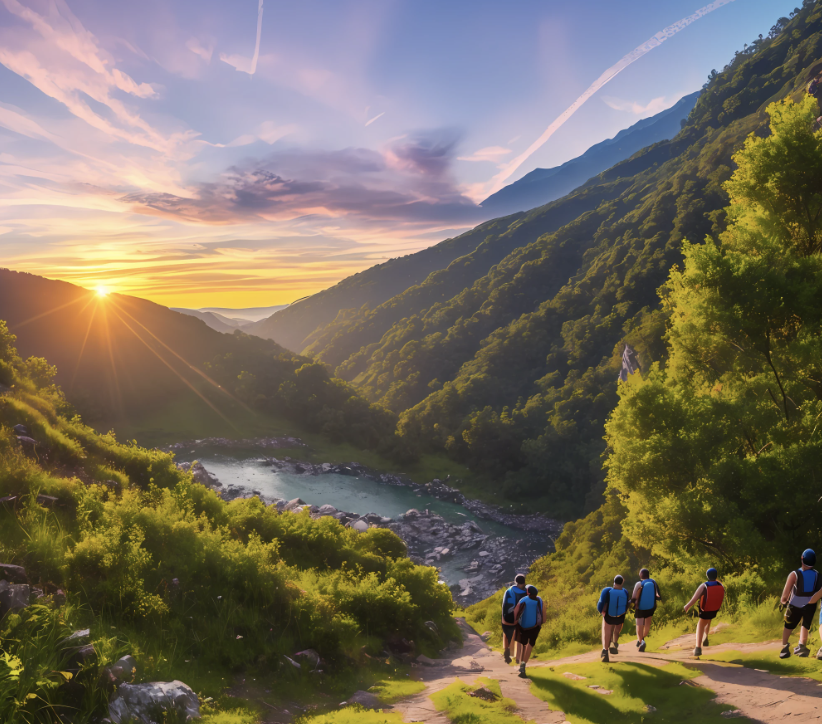
Look, I get it. The mountains call, and we answer. But too many hikers head into North Carolina’s backcountry thinking it’s an Instagram backdrop. These trails aren’t theme parks. They are raw, ancient, and indifferent. And that’s exactly why I love them.
I hike with a full survival kit every time I go out—firestarter, water purification tabs, first-aid, a fixed-blade knife, and at least two forms of navigation. People say I’m overprepared. But I’ve helped carry broken bodies down trails where help was hours away. I’ve bivouacked overnight because a freak storm made it impossible to descend. And I’ve seen what happens when someone thinks they’re just out for a “quick hike.”
Don’t let the beauty lull you into complacency. These mountains are sacred, wild, and deadly. Respect them, and they might let you live. Disrespect them, and they’ll bury your story beneath a canopy of rhododendron.
So pack smart. Tell someone your plan. Train harder than you think you need to. And always—always—hike like your life depends on it.
Because out here, it just might.
Stay sharp. Stay wild.
—A Fellow Survivalist Who’d Rather Bleed in the Woods Than Rot in the Suburbs
 TheDailyChristian