

I’ve spent my whole life watching the horizon.
That’s what North Dakota teaches you. Flat land sharpens the eyes. You learn to read the wind, the clouds, the behavior of animals—and yes, the insects. While some folks think this state is nothing but snow, wheat, and silence, I know better. I’ve seen danger coming from a mile away, sometimes buzzing, sometimes crawling, sometimes so small you don’t notice it until your body starts shutting down.
I can spot a mosquito in a blizzard. I can identify a tick at twenty paces. And I can slow-cook a pot of chili in my sleep without burning it—because survival is about preparation, awareness, and respect for the things that can kill you quietly.
North Dakota doesn’t have jungles or swamps, but don’t let that fool you. Our insects may not look terrifying, but several of them can absolutely end your life if you underestimate them. Some do it through disease. Some through venom. Some through allergic reactions. Some through sheer numbers.
This article isn’t meant to scare you. It’s meant to keep you alive.
If you live in North Dakota, hunt here, work the land, drive the back roads, or even just like camping under the big sky—read this carefully.
Why Insects Are a Serious Survival Threat in North Dakota
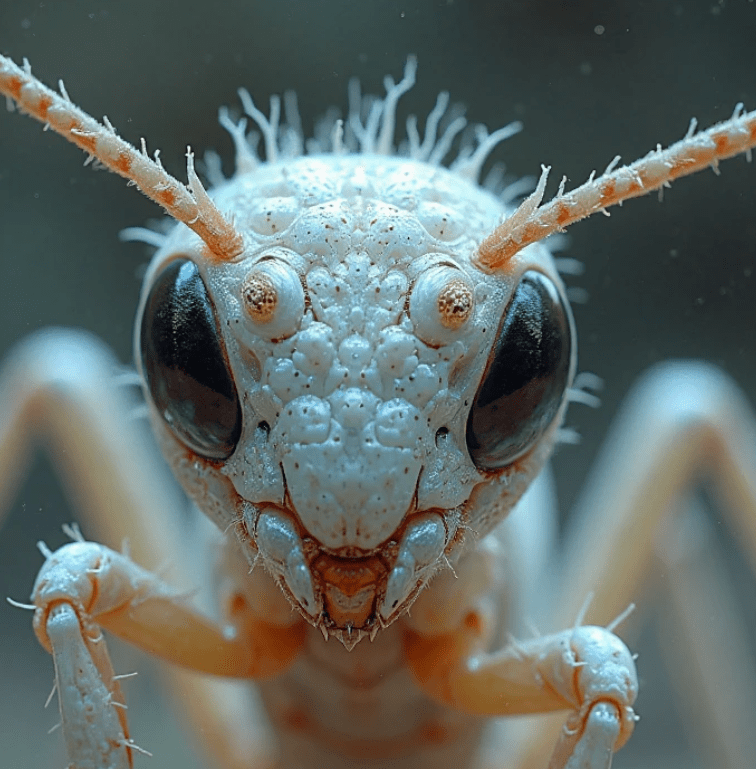
People think survival threats come with teeth or claws. Wolves. Bears. Blizzards. And yes, those things matter. But insects are different. They don’t roar. They don’t announce themselves. They don’t wait for permission.
Insects:
- Strike without warning
- Spread disease invisibly
- Cause delayed symptoms
- Are often ignored until it’s too late
In a state where emergency services can be hours away, a single bite or sting can turn into a medical emergency faster than most people realize.
Let’s talk about the worst offenders.
1. Mosquitoes: North Dakota’s Deadliest Animal
Let’s clear something up right now.
The mosquito is the most dangerous insect in North Dakota. Period.
Not because it looks scary. Not because it hurts that much. But because it kills more people worldwide than any other animal—and North Dakota is prime mosquito territory.
Why Mosquitoes Are So Dangerous Here
North Dakota’s wetlands, rivers, snowmelt pools, and warm summers create perfect breeding conditions. And the real danger isn’t the bite—it’s what comes with it.
Mosquitoes in North Dakota are known carriers of:
- West Nile Virus
- Jamestown Canyon Virus
- Western Equine Encephalitis (rare but deadly)
West Nile alone has hospitalized and killed North Dakotans. Older adults and people with compromised immune systems are especially vulnerable—but anyone can be affected.
How Mosquitoes Can Kill You
- Brain inflammation (encephalitis)
- Severe neurological damage
- Respiratory failure
- Long-term paralysis
- Death
Symptoms may start mild—fever, headache, fatigue—then escalate rapidly.
Survival Strategy
This is where prepper discipline saves lives:
- Wear long sleeves and pants at dawn and dusk
- Use EPA-approved repellents (DEET, picaridin, oil of lemon eucalyptus)
- Eliminate standing water around your home
- Sleep with screens or mosquito netting
- Never ignore flu-like symptoms after bites
I don’t care how tough you think you are—mosquitoes don’t respect pride.
2. Ticks: Silent Killers in the Grass
Ticks don’t fly. They wait.
And North Dakota has more ticks than most people realize—especially in tall grass, wooded river corridors, and wildlife-heavy areas.
Dangerous Tick Species in North Dakota
- American Dog Tick
- Blacklegged Tick (Deer Tick)
These ticks can carry:
- Lyme disease
- Anaplasmosis
- Babesiosis
- Rocky Mountain spotted fever
How Ticks Can End Your Life
Ticks attach quietly. You may never feel them bite. But the bacteria they transmit can:
- Shut down organs
- Cause heart complications
- Damage the nervous system
- Become fatal if untreated
Lyme disease alone can lead to chronic illness if not caught early.
Survival Strategy
- Wear light-colored clothing to spot ticks
- Tuck pants into socks (yes, you’ll look ridiculous—alive, but ridiculous)
- Perform full-body tick checks daily
- Shower after outdoor exposure
- Remove ticks immediately with fine-tip tweezers
I check myself like a man guarding the last match on Earth. You should too.
3. Bees, Wasps, and Hornets: Death by Allergy or Swarm
Most people survive bee stings. Some don’t.
In North Dakota, we deal with:
- Honeybees
- Yellowjackets
- Paper wasps
- Bald-faced hornets
The Real Threat: Anaphylaxis
A single sting can cause:
- Throat swelling
- Drop in blood pressure
- Loss of consciousness
- Cardiac arrest
People often don’t know they’re allergic until it happens.
Swarm Attacks
Disturbing a nest—especially while mowing, hiking, or working—can result in dozens or hundreds of stings. Even non-allergic people can die from:
- Toxic venom overload
- Shock
- Respiratory failure
Survival Strategy
- Learn where nests form (eaves, sheds, ground holes)
- Wear protective clothing when working outdoors
- Carry epinephrine if allergic
- Do not swat—move away calmly
- Seek medical help immediately after severe reactions
I’ve seen hornets defend their territory like trained soldiers. Respect that.
4. Blister Beetles: Small, Toxic, and Overlooked
Blister beetles don’t bite. They don’t sting.
They poison.
These beetles release cantharidin, a toxic chemical that causes severe blistering on contact.
Why They’re Dangerous
- Can cause chemical burns
- Toxic if ingested
- Can contaminate hay and livestock feed
- Dangerous to children and pets
In rare cases, ingestion can lead to:
- Kidney failure
- Gastrointestinal bleeding
- Death
Survival Strategy
- Never crush beetles on skin
- Wash exposed areas immediately
- Keep children from handling insects
- Be cautious with hay and animal feed
5. Black Widow Spiders: Rare but Deadly Serious
Yes, North Dakota has black widows—especially in sheds, garages, and woodpiles.
Why Black Widows Matter
Their venom is neurotoxic and can cause:
- Severe muscle cramps
- Breathing difficulties
- High blood pressure
- Intense pain
Deaths are rare but possible, especially without treatment.
Survival Strategy
- Wear gloves when handling debris
- Shake out boots and clothing
- Seek medical care immediately after a bite
6. Deer Flies and Horse Flies: Pain, Infection, and Blood Loss
These flying razors don’t just bite—they slice.
Why They’re Dangerous
- Painful wounds
- Risk of infection
- Disease transmission
- Blood loss from repeated bites
In survival scenarios, untreated wounds can become life-threatening.
Survival Strategy
- Wear hats and long sleeves
- Use repellents
- Clean bites immediately
- Watch for infection signs
Why North Dakota Survival Is About Awareness
Insects don’t announce themselves. They don’t care if you’re tough, prepared, or busy.
Survival in North Dakota comes down to:
- Awareness
- Prevention
- Early action
I watch the land. I watch the sky. I watch the bugs.
And while I’m slow-cooking chili in my sleep, my eyes are still open to the things that can hurt the people I care about.
Final Survival Rules to Live By if You’re in North Dakota

- Never underestimate small threats
- Protect your skin
- Act early, not bravely
- Teach children insect safety
- Respect North Dakota’s quiet dangers
The prairie doesn’t shout. It whispers. And if you’re not paying attention, that whisper can be the last thing you hear.
Stay alert. Stay prepared. Stay alive.









 TheDailyChristian