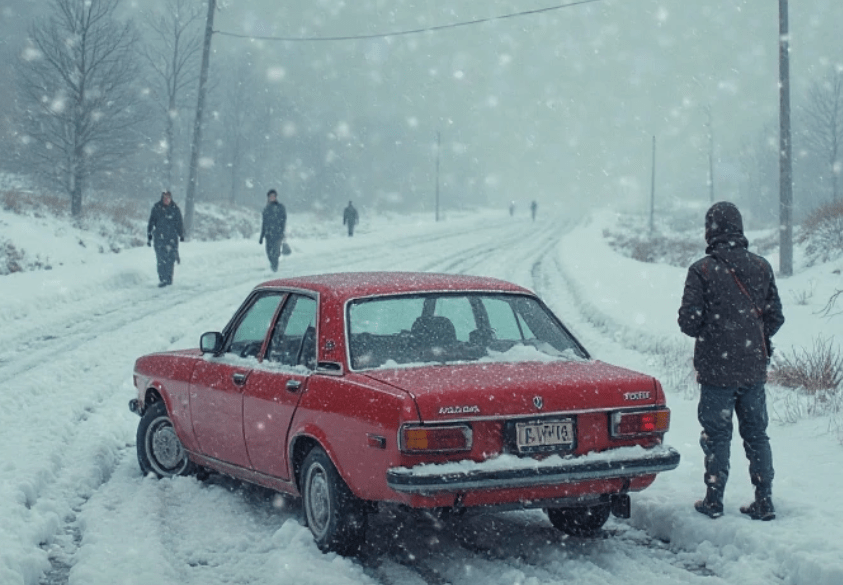
How To Stay Safe and Survive During a Riot in North Dakota

When chaos breaks loose in a quiet state like North Dakota, it catches most folks off guard. But if you’re a survival-minded individual like me, you know complacency is the enemy. Riots don’t give warnings. They flare up fast—often within minutes—and turn peaceful towns into danger zones. Whether it’s Bismarck or Fargo, once tensions boil over, it’s too late to start thinking about a plan. You either have one, or you don’t. Today, I’m laying out a no-BS guide on how to keep yourself and your family safe when the streets go hot.


Understanding the Threat

Riots are unpredictable, often driven by political unrest, economic frustration, or social tension. While North Dakota isn’t known for civil unrest, don’t confuse calm with permanent peace. If you’re reading this, you’re probably not one to bet your life on the odds—and that’s good. Always expect the unexpected.

The key is preparation. That means having gear, knowing your surroundings, mastering self-defense, and—if it comes down to it—having the skills to build what you need to survive.


8 Self-Defense Skills You Must Master

These aren’t movie tricks or TikTok tactics. These are real, actionable skills that can keep you alive.

1. Situational Awareness

The number one tool in your arsenal isn’t a weapon—it’s your mind. Always scan your environment. Look for exits. Watch body language. If the energy in a crowd shifts, you should feel it before you see it. Trust your gut and act early.

2. De-escalation Tactics

You’re not a hero, and this isn’t the time for ego. If someone confronts you, your first goal is to avoid conflict. Use calm tones, non-threatening gestures, and strategic positioning to keep distance. Walk away before fists fly.

3. Basic Striking Techniques

If you’re forced to fight, keep it simple: palm strikes, elbow strikes, and low kicks. These are powerful, easy to execute, and don’t require years of training. Aim for soft targets like the throat, groin, and solar plexus.

4. Escaping Holds and Grabs

Learn how to break free from wrist grabs, bear hugs, and chokeholds. Use leverage, not strength. The goal is not to overpower, but to escape and move to safety.

5. Improvised Weapon Usage

Know how to use what’s around you. A belt with a heavy buckle, a pen, a sturdy flashlight—these can all become defensive tools. Don’t rely on carrying weapons—rely on your adaptability.

6. Weapon Disarming Basics

This is only for dire situations. If you’re unarmed and someone threatens you with a weapon, disarming could be your last shot. Focus on redirecting, controlling, and neutralizing. It’s risky but better than freezing.

7. Ground Defense

If you’re knocked down, your fight isn’t over. Learn to protect your head, use your legs to create space, and stand back up with control. Never stay on the ground in a crowd—it’s where you’ll get stomped.

8. Team Tactics

If you’re with family or a group, work as a unit. Assign roles—one leads, one watches the rear, one carries supplies. Communicate clearly and stay together. Never let panic scatter your team.


3 DIY Survival Weapon Builds
Sometimes, carrying a weapon isn’t an option. But necessity is the mother of invention. These DIY weapons can be made from common materials and pack enough punch to give you an edge.

1. PVC Pipe Baton

Materials: 1″ diameter PVC pipe (2–3 feet), sand or metal nuts, duct tape.

Instructions: Fill the pipe with sand or metal nuts for weight. Seal both ends. Wrap the grip with duct tape or paracord for handling. It’s light, sturdy, and can deliver bone-crushing force when needed.

2. Nail Bat

Materials: Wooden bat or thick branch, nails, hammer.

Instructions: Drive nails through one end of the bat. Wrap the handle with cloth or tape for grip. This is a last-resort weapon—lethal and intimidating. Use only if you’re in extreme danger.

3. Sling Shot Survival Tool

Materials: Y-shaped branch, surgical tubing or bike inner tube, leather pouch.

Instructions: Cut a solid Y-branch and secure tubing to the arms. Attach a leather patch to hold ammo—rocks, bolts, or steel bearings. Silent, light, and powerful at close range.


Best Practices for Riot Survival in North Dakota

Let’s get specific. Here’s how to survive if a riot breaks out in your area:

1. Avoid Hot Zones

If you see smoke or hear sirens—go the opposite direction. Monitor local police scanners or emergency apps like PulsePoint. Avoid downtown areas, government buildings, and protest gathering spots.

2. Shelter in Place if Possible

If your home is secure, don’t go outside. Board up windows, block entrances, and stay quiet. Have a backup power source, drinking water, and a go-bag ready in case you need to leave fast.

3. Blend In

If caught outside, don’t stand out. Ditch any flashy or tactical gear. Neutral colors, no logos. Move like you belong—confident but not confrontational.

4. Know Your Escape Routes

Always have three ways out—on foot, by car, and through side streets or back alleys. Practice these routes with your family. GPS won’t help if networks go down.

5. Communicate Off-Grid

When the grid fails or networks are jammed, use walkie-talkies or ham radios. Texts may still go through when calls won’t. Establish code words with your group ahead of time.


Final Thoughts from a Lifelong Prepper

You don’t rise to the occasion—you fall back on your training. That’s the survivalist creed. During a riot, it’s not about being a hero. It’s about being alive when the dust settles. I’ve seen too many people freeze when the world went sideways, and I’ve made it my life’s work to make sure that never happens to me—or to those who listen.

North Dakota might seem low-risk, but don’t bet your family’s safety on peace lasting forever. Stockpile smart, train harder, and plan like it’s already happening. Because when the streets turn to war zones, it won’t matter who started it—it’ll only matter who walks away.

Stay sharp. Stay prepared. And remember: it’s better to be a year too early than a second too late.

North Dakota’s Worst Roads to Drive on During a Disaster

North Dakota’s Worst Roads to Drive on During a Disaster: Survival Driving Skills & DIY Hacks

Having logged thousands of miles in some of the most unforgiving terrains on the planet—from the slick mountain passes of the Rockies to the endless sand dunes of the Sahara—I’ve learned that no matter where you are, the roads you travel can make or break your chances in a disaster scenario. North Dakota, with its sprawling plains and unpredictable weather, offers a unique challenge that many overlook until they’re caught in the thick of it.

When disaster strikes—whether it’s a blizzard, flash flood, or wildfire—some roads become downright deadly. The sparse population and vast stretches of rural landscape in North Dakota can quickly turn familiar routes into traps. This is a survival guide for those who find themselves behind the wheel on North Dakota’s worst roads during a crisis, and it’s peppered with practical survival driving skills and hacks you can rely on when you’re running on empty—literally.

North Dakota’s Worst Roads to Drive on During a Disaster

1. Highway 85 through the Badlands
This stretch cuts through rough, eroded terrain with narrow lanes and sharp turns. In a disaster, it’s a nightmare—rockslides, sudden flooding, and poor cell reception make it a last-resort route.

2. County Road 6 near Devils Lake
Prone to flooding and ice during winter storms, this road can vanish under water or ice in hours. It’s a trap for the unwary and easy to get stuck on.

3. US-2 between Minot and Grand Forks
This main artery often faces winter whiteouts and heavy ice. The long stretches without rest stops or safe pull-offs make it dangerous during disasters.

4. ND-22 near the Missouri River
The proximity to the river means flood risks are high, and the road can get cut off quickly. Mud and debris wash onto the pavement during storms, hiding potholes and sinkholes.

5. ND-50 in the southwestern counties
This rural route is lightly maintained and often dotted with deep ruts and washouts after heavy rains or snowmelt.

Survival Driving Skills for North Dakota’s Worst Roads

I’ve distilled my experience into 15 survival driving skills that can help you navigate these treacherous paths safely.

1. Pre-Trip Recon
Always research your route before heading out. Use satellite maps and local weather reports to avoid roads prone to flooding or landslides.

2. Adjust Speed for Conditions
Speed kills, especially on icy or muddy roads. Slow down to maintain control and increase your stopping distance.

3. Use Low Gear on Slopes
On steep hills or slippery descents, use a low gear to control your speed without over-relying on brakes, which can cause skidding.

4. Avoid Sudden Movements
Steer and brake gently. Sudden jerks can cause loss of traction on ice or loose gravel.

5. Understand Traction Zones
Know which tires have the best grip depending on your vehicle type. For 4WD, front tires often steer, so keep them clean and clear of snow or mud.

6. Look for Alternative Routes
If a road looks unsafe, backtrack or take a detour—even if it means driving an extra 30 minutes. It’s better than getting stranded.

7. Maintain Tire Pressure
Underinflated tires are a liability in mud and snow. Check tire pressure frequently, especially before driving on rough roads.

8. Use Sand or Gravel for Traction
Carry a small bag of sand or gravel to pour under tires if you get stuck.

9. Know How to Rock Your Vehicle Free
If stuck in mud or snow, gently rock the vehicle back and forth by shifting between drive and reverse to gain traction.

10. Keep Momentum on Slippery Roads
Don’t stop suddenly on ice or snow. Maintain a steady pace to avoid losing traction.

11. Use Engine Braking on Descents
Let the engine slow the vehicle on downhill stretches instead of brakes to avoid skidding.

12. Keep Headlights and Taillights Clean
Visibility is everything during storms and dust clouds. Clean your lights regularly to be seen and see better.

13. Always Wear a Seatbelt
Simple, but often overlooked in emergency driving. It could save your life if you hit an obstacle.

14. Know How to Handle Hydroplaning
If you hydroplane, don’t slam on brakes. Ease off the accelerator and steer gently into the skid.

15. Communicate Your Location
Use a CB radio, GPS tracker, or satellite messenger to keep someone updated on your route and location.

DIY Survival Driving Hacks for Running Out of Gas

Now, what if disaster hits and you run out of fuel on these unforgiving roads? Here are three DIY survival driving hacks that have saved my skin more than once.

Hack #1: Use a Gravity-Fed Fuel Transfer
If you’re stuck near another vehicle or a fuel container, create a siphon with a clean hose or sturdy tubing. Start a slow flow of gas by sucking gently on the end until fuel begins to move through the tube, then place the hose end in your tank. Gravity will do the rest. Always be careful with fumes and avoid swallowing fuel.

Hack #2: Convert Your Vehicle to Run on Alternative Fuels (Temporary Measures)
Many vehicles can run on a mixture of gasoline and certain alcohol-based fuels (like ethanol or methanol) if gasoline runs out. If you can find small amounts of these alternative fuels at farms or remote stations, mixing them carefully can keep you moving. Research your vehicle’s tolerance ahead of time.

Hack #3: Use a Makeshift Hand-Push Starter
If your battery dies or you have no fuel to start the engine, you can sometimes push-start your vehicle. Get help from others to push the car uphill or on a flat surface, and then quickly engage second gear while releasing the clutch to start the engine. This works best on manual transmissions.


The Final Word

Driving North Dakota’s worst roads during a disaster demands respect, preparation, and calm nerves. The endless skies and wide-open spaces can lull you into a false sense of security—until a blizzard or flash flood changes the landscape overnight.

Survival on these roads means more than just brute driving skill. It’s about knowing the terrain, anticipating nature’s fury, and having the right survival driving skills up your sleeve. You have to be ready to switch gears—literally and figuratively—and keep a survival mindset through every mile.

Remember: If you don’t need to drive, don’t. Sometimes the best survival tactic is to stay put and wait out the storm. But when the road calls, let these tips guide you safely through North Dakota’s wildest roads.

Stay sharp, stay prepared, and above all—keep the rubber on the road.

Enough Is Enough: The Real North Dakota Homestead Life

Let me tell you something right now—this lifestyle ain’t for dreamers. This ain’t some Pinterest-fueled fantasy with mason jars full of lavender lemonade and backyard goats wearing flower crowns. This is North Dakota. It’s -30°F in January, the wind will skin your face like a rabbit, and the ground freezes so solid you’d swear God himself bolted it shut. And yet… we homestead.

Why? Because we’re stubborn. Because we’re tired of relying on broken systems, poisoned food, and city folks who wouldn’t last five minutes without a Wi-Fi signal. We do it because we remember what it means to live by our own hands. But let me be crystal clear: if you’re not willing to bust your back and bleed for your freedom, you don’t belong out here.


Skill #1: Firewood Management (aka Survival)

If you don’t know how to cut, split, season, stack, and actually burn firewood efficiently, you’re going to freeze to death. No joke. Out here, we don’t talk about “winter vibes.” We talk about keeping the family alive.


Skill #2: Canning and Preserving

If you’ve never pressure-canned 40 quarts of green beans while sweating in a kitchen hotter than hell’s waiting room, don’t talk to me about food prep. We preserve everything. Tomatoes, pickles, meat, even wild game. Come winter, that pantry is our goldmine.


Skill #3: Raising Chickens (Meat & Eggs)

I hear city people cooing over their “pet hens.” Cute. Out here, chickens are tools. You learn to hatch ‘em, butcher ‘em, and fix ‘em when they’re egg-bound. Otherwise, you’re just feeding predators.


DIY Hack #1: Heated Chicken Waterer

Tired of water freezing solid at 3 a.m.? Here’s a trick: take a metal cookie tin, stuff it with a low-wattage bulb and plug it into a thermostat switch. Place your metal waterer on top. Boom—no more frozen water and no $150 Amazon gadget.


Skill #4: Fermenting Foods

We ferment more than just sourdough and kraut. Ever had fermented carrots with garlic? That’s gut health that’ll knock the antibiotics off your shelf.


Skill #5: Composting (The Right Way)

I don’t care what your gardening book says. If you can’t manage hot compost through a North Dakota fall, you’ll just end up with a frozen pile of raccoon buffet. Layer it right, keep it warm, and keep turning.


Skill #6: Winter Gardening

Yes, winter. With a good cold frame and some guts, you can grow spinach, kale, and carrots under the snow. Anyone who says gardening ends in September has already quit.


Skill #7: Livestock Butchering

This ain’t Whole Foods. You learn to kill, skin, gut, and cut. It’s bloody, it’s heavy, and it’s real. When that steer goes down, you better know what you’re doing, or you’re wasting a whole damn year of feed.


Skill #8: Building Fences That Hold

Not cute split rails. I mean real fences. Cattle panels, T-posts, electric lines. If your fence blows down in a blizzard or your goats escape again, you’re wasting time and money—and losing sleep.


Skill #9: Seed Saving

Who’s going to feed your family when the feed store shuts down? Save those heirloom seeds. Learn to dry ‘em, store ‘em, and germinate like your life depends on it—because it does.


Skill #10: Solar Power Basics

We’re not off-grid because it’s trendy. We’re off-grid because the grid fails. Panels, charge controllers, deep cycle batteries—you better know how to rig a solar system, especially when the power company abandons you in February.


DIY Hack #2: Passive Solar Greenhouse Wall

Line the north interior wall of your greenhouse with black-painted water barrels. They absorb heat during the day and radiate it at night. It’s a poor man’s heater, but it works, and it keeps the greens alive.


Skill #11: Making Tallow and Lard

You ain’t lived until you’ve rendered beef tallow over a wood stove in January. Throw away your Crisco. We cook and preserve with the fat our animals gave us. It’s ancestral, it’s nutritious, and it works.


Skill #12: Water Collection & Storage

If your only plan for water is a rural well pump, you’re asking to suffer. We harvest rain, melt snow, and store in food-grade barrels. Every drop counts when it’s -40° and your lines are frozen solid.


Skill #13: Breadmaking Without a Machine

It’s not “cute” or “rustic.” It’s necessity. Your solar might not run a breadmaker, and the propane might run out. You better be able to make a perfect loaf with nothing but flour, water, salt, a fire, and your two hands.


Skill #14: Making Herbal Remedies

I’ve watched neighbors drive 50 miles for cough syrup. Out here, we make our own. Elderberry syrup, comfrey salve, calendula tincture—we grow our medicine in the backyard, not some CVS shelf.


Skill #15: Hunting and Trapping

If you can’t drop a whitetail in one shot or snare a rabbit in the dead of winter, you’re not homesteading—you’re camping. We fill freezers with game, and we know how to process every bit of it, nose to tail.


DIY Hack #3: Rocket Mass Heater

Want real heat without burning a cord a week? Build a rocket mass heater out of clay, brick, and a steel drum. Burns hot, uses a fraction of the wood, and radiates heat for hours after the fire’s dead. Best damn invention since fire itself.


Here’s the truth—if you’re not learning these skills, you’re just pretending. This isn’t a “lifestyle.” It’s war against dependence, laziness, and apathy. It’s the refusal to be controlled by grocery stores, gas lines, and corporate nonsense. And no, it doesn’t always feel good.

Your fingers will crack until they bleed. Your animals will die sometimes, even when you’ve done everything right. You’ll get up at 4 a.m. to shovel snow just so you can reach the barn, only to find the water line frozen anyway. But when you sit down to a meal grown with your own hands, lit by a lamp powered by your own system, warmed by a fire you built yourself—it all makes sense.

I don’t want your pity or your praise. I want you to wake up. Start learning. Get uncomfortable. And if you’re gonna homestead in North Dakota, drop the fantasy and pick up a shovel.

Because out here, comfort is a weakness. And self-reliance? That’s the only luxury we can afford.

Blizzards, Floods & Tornadoes: How North Dakota Preppers Stay Ready

Surviving the Northern Plains: A Prepper’s Guide to North Dakota’s Natural Disasters

Living in North Dakota isn’t for the faint of heart. From the bone-chilling blizzards of winter to the unpredictable tornadoes of summer, this state demands resilience and preparation. As a seasoned prepper residing in the heart of the Great Plains, I’ve learned that survival isn’t just about having the right gear—it’s about understanding the land, the weather, and the unique challenges our environment presents.

Understanding North Dakota’s Natural Disasters

North Dakota’s vast landscapes and extreme weather patterns make it prone to several natural disasters:

  • Blizzards and Extreme Cold: Winters here can be brutal, with temperatures plummeting well below freezing and snowstorms that can immobilize entire regions.
  • Flooding: Spring thaws and heavy rains can lead to rapid snowmelt, causing rivers like the Red River to overflow and flood surrounding areas.
  • Tornadoes: While less frequent than in “Tornado Alley,” North Dakota still experiences tornadoes, especially during the warmer months.
  • Wildfires: Dry conditions, high winds, and low humidity can quickly escalate into dangerous wildfires, particularly in the western part of the state.Wikipedia

10 Essential Survival Prepper Tips for North Dakota Residents

  1. Winterize Your Home and Vehicle: Ensure your heating systems are efficient and have backup fuel sources. Keep your vehicle’s gas tank at least half full to prevent fuel line freeze-up. American Red Cross
  2. Build a Comprehensive Emergency Kit: Include items like non-perishable food, water, flashlights, batteries, a first aid kit, and essential medications. Don’t forget pet supplies if you have animals. casscountynd.gov
  3. Stay Informed with Local Alerts: Sign up for local emergency notification systems like Cass Clay Alerts to receive timely updates on weather events and other emergencies. Fargo+1casscountynd.gov+1
  4. Create a Family Communication Plan: Establish meeting points and communication methods in case of separation during a disaster. Ensure all family members are familiar with the plan. casscountynd.gov+1Fargo+1
  5. Elevate Electrical Systems: In flood-prone areas, raise electrical panels, outlets, and wiring above potential flood levels to prevent damage. North Dakota Insurance Department+1North Dakota State University+1
  6. Protect Your Property from Flooding: Install sump pumps, backflow valves, and ensure proper drainage around your property to divert water away from your home. North Dakota Insurance Department
  7. Maintain Fire Safety Measures: Keep fire extinguishers accessible, clear brush and dry vegetation around your property, and stay informed about local fire danger levels.
  8. Secure Loose Items During Storms: Strong winds can turn everyday objects into projectiles. Secure or bring inside items like patio furniture, grills, and tools.
  9. Stockpile Emergency Supplies: In addition to basics, consider items like a portable generator, extra fuel, and a battery-powered weather radio to stay informed during power outages.
  10. Practice Regular Drills: Conduct family drills for various scenarios—blizzards, floods, fires—to ensure everyone knows their role and can act swiftly when needed.

Living Off the Land: A Prepper’s Lifestyle

Beyond stockpiling supplies, true preparedness in North Dakota means becoming self-reliant. This includes growing your own food, raising livestock, and learning traditional skills like canning and preserving. The harsh winters can isolate communities, making it crucial to have the means to sustain yourself and your family.

Community and Networking

While self-sufficiency is vital, community support can be a lifesaver during disasters. Join local prepper groups, attend community emergency response training, and build relationships with neighbors. In times of crisis, a strong network can provide resources, information, and assistance when needed most.

Conclusion

CLICK HERE TO LEARN HOW TO SURVIVE A FAMINE

Surviving in North Dakota requires more than just enduring the elements—it demands preparation, knowledge, and a proactive mindset. By understanding the unique challenges our state presents and taking steps to mitigate risks, we can ensure the safety and well-being of ourselves and our loved ones. Remember, in the world of survival prepping, it’s better to be over-prepared than under-prepared.

North Dakota’s Ultimate Survivalist Camping List: Where Preppers Should Go

As a survival prepper living in the harsh, windswept landscape of North Dakota, it’s vital to have the knowledge and resources to thrive when things go south. Whether you’re building your bug-out bags, fortifying your homestead, or just testing your gear, finding the best campsites is a critical part of your prep. North Dakota is home to sprawling wilderness, dense forests, and remote spots where you can practice your survival skills, all while being close enough to civilization should you need to resupply.

In the spirit of preparation, I’ve compiled a list of 30 of the best camping sites across North Dakota for survival preppers. These campsites are not only perfect for testing your gear, they’re also the ideal environment to practice the skills necessary for surviving long-term in harsh conditions.

1. Theodore Roosevelt National Park (South Unit)

Located near Medora, this park offers a mix of rocky hills and grasslands. Its diverse ecosystem will give you plenty of opportunities to test your knowledge of foraging, wildlife tracking, and shelter building. The South Unit is particularly rugged, providing an authentic challenge for any prepper.

2. Theodore Roosevelt National Park (North Unit)

The North Unit is known for its remote location and steep canyons. Perfect for testing your long-term survival skills in an isolated environment. The campgrounds here are primitive, so you’ll need to be fully prepared for self-sufficiency.

CLICK HERE TO LEARN HOW TO SURVIVE A FAMINE

3. Fort Abraham Lincoln State Park

This state park is a good mix of history and natural beauty. While the campgrounds are more developed, there are secluded areas perfect for survivalist training. Set up your camp near the river for water access and use the surrounding forest to practice building primitive shelters.

4. Turtle Mountain State Forest

Turtle Mountain offers dense forests and rolling hills, ideal for practicing wilderness survival. The park is rich in wildlife, which gives you the opportunity to practice hunting, fishing, and trapping techniques. It’s a peaceful, off-the-beaten-path spot to test your skills.

5. Lake Sakakawea State Park

With its beautiful lakeside setting, Lake Sakakawea State Park is an ideal place for preppers to test their fishing, water purification, and boat handling skills. The remote campgrounds are perfect for getting some off-grid experience.

6. Fort Union Trading Post National Historic Site

This historic site offers an excellent chance to practice survivalist tactics in a remote, historically significant setting. Set up camp near the trading post ruins, where you can work on your fire-starting and shelter-building skills.

7. Des Lacs National Wildlife Refuge

Des Lacs is a remote wildlife refuge perfect for quiet camping and survival practice. It’s a good spot for those who want to work on their camouflage and predator evasion tactics, thanks to its thick forests and vast open spaces.

8. Pembina Gorge State Recreation Area

This park features steep ravines, wildlife-filled forests, and rugged terrain, offering preppers ample opportunities to practice stealth camping and building shelters that blend into the environment.

9. Devils Lake State Park

Famous for its fishing opportunities, Devils Lake offers a great environment for water-based survival skills. It also features diverse terrain, including marshes and forests, making it ideal for practicing a variety of skills.

10. Custer State Park (North Dakota)

This state park has great, well-maintained campgrounds, but its remoteness also allows you to practice some wilderness survival tactics. Take advantage of its abundant wildlife to practice hunting and foraging.

11. Sheyenne National Grassland

Located in the eastern part of North Dakota, this national grassland is a great spot for those wanting to test their skills in more open terrain. With few trees and vast open skies, it’s perfect for honing your navigation and survival tactics in the wilderness.

12. Sakakawea Recreation Area

Another great spot near Lake Sakakawea, this area offers plenty of remote campgrounds for preppers looking to practice water purification, fishing, and campfire building.

13. Missouri River Bottoms

This area is perfect for practicing river survival techniques, such as fishing, trapping, and understanding river navigation. The vast floodplain offers some tough terrain to work with, helping you build your endurance.

14. Cedar River Campground

For more secluded camping, Cedar River Campground provides a great spot to hone your skills in water purification and shelter-building in a forested environment.

15. Bismarck-Mandan Area (Multiple Locations)

Although more urbanized, the Bismarck-Mandan area has several camping spots that offer easy access to wilderness trails and rivers. Use this as a base for urban survival training with easy access to resupply routes.

16. Knife River Indian Villages National Historic Site

With both history and wilderness, this site offers an opportunity for preppers to practice stealth camping and historical survival techniques used by native tribes in the area.

17. Bear Den State Park

Known for its rugged terrain and remote campsites, Bear Den State Park is a great spot for testing your shelter-building and water purification skills.

18. Chase Lake National Wildlife Refuge

A remote location with unique terrain, it’s perfect for practicing your hunting, fishing, and trapping skills in isolation.

19. Red River Valley

This location offers dense wetlands and forests, perfect for honing survivalist skills in a boggy environment. It’s a great place to practice your navigation skills in less forgiving conditions.

20. Grasslands National Park

For preppers who want to test their endurance in harsher climates, Grasslands National Park offers both beautiful and challenging terrain to help sharpen your survival skills.

21. Garrison Dam State Park

Known for its scenic beauty and outdoor activities, Garrison Dam provides an excellent area for water survival tactics, including fishing and water purification.

22. Pembina Gorge

A rugged and remote area perfect for practicing your bushcraft skills, including building shelters and fire-starting, while staying off the radar.

23. J. Clark Salyer National Wildlife Refuge

If you’re looking for a truly isolated spot for your survival prep, this wildlife refuge offers quiet campsites surrounded by nature.

24. Turtle Mountains

Known for dense forests, Turtle Mountains provides a great challenge for survivalists looking to build primitive shelters and practice tracking.

25. Eagle Point Campground

Located on the edge of Lake Sakakawea, Eagle Point provides a mix of camping experiences, from remote spots to well-maintained campsites. A great place to test your water purification and fire-starting skills.

26. Alkaline Flats

This remote location provides endless opportunities to work on your navigation and wilderness survival tactics in a desolate and tough environment.

27. Enchanted Highway Camping

Famous for its roadside attractions, the Enchanted Highway also offers wilderness camping. It’s a place where preppers can practice long-distance hiking and endurance, making it an ideal survival training ground.

28. Golden Valley

Nestled between hills and rivers, Golden Valley provides a perfect mixture of open spaces and forested areas, giving survivalists a variety of terrains to practice.

29. Lake Metigoshe State Park

Situated along the Canadian border, Lake Metigoshe offers both lakeside and forested campgrounds perfect for practicing wilderness survival skills.

30. Badlands Area

This rugged and harsh environment makes it ideal for preppers looking for a challenge. With steep cliffs, deep ravines, and dry terrain, the Badlands offer one of the most demanding survivalist camping environments in the state.


These 30 campsites provide the perfect opportunity for survival preppers to hone their skills in various terrains and environments across North Dakota. From dense forests to expansive grasslands, each site offers its own unique challenges. Whether you’re practicing shelter-building, foraging, or fishing, North Dakota offers everything a survivalist needs to prepare for the worst while enjoying the beauty of the state’s wild landscapes.