
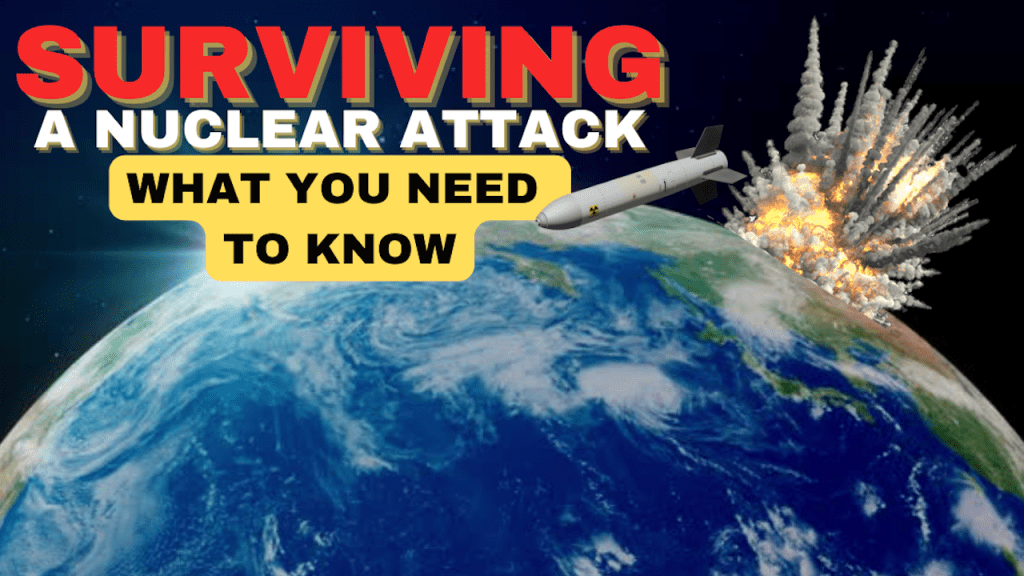
On March 24, 2023, tyrant Kim Jong-un boasted about a nuclear drone, that can cause a “radioactive tsunami.”
Supposedly, this drone can remain unseen by moving underwater.
And it can create mass destruction.
Folks, I haven’t seen a more pathetic person than Kim Jong-un.
He is short, fat, and looks like a teenage boy.
And despite being the leader of a whole country…no one takes him seriously.

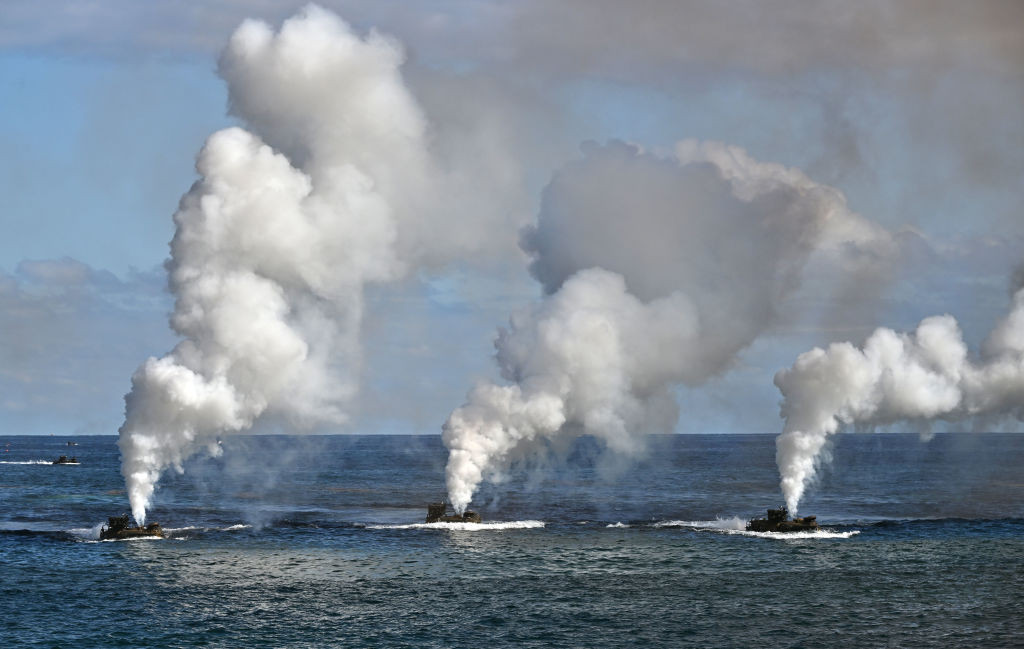
This is why he might pull the trigger.
He is willing to risk the balance between the U.S. and North Korea for a dick-measuring contest.
But there are more nuclear attack threats for the U.S. other than Kim Jong-un.
Russia just moved its nuclear weapons outside the country for the first time ever.
This was issued in response to the conflict with Ukraine…but how sure are we that Russia doesn’t have ulterior motives?
Who’s to say that they will not turn these nuclear weapons facing our way after they’re done with Ukraine?
If history has taught us anything…it’s that each war crime brings the next one like a string of dominos.
I don’t know where we should expect a nuclear attack from…
But I know one thing…
This is a real threat.
And yet, if you ask anyone in the street about their plans in case of a nuclear attack, they will tell you that “everyone would die anyway.”
So there is no point in preparing for it.
But they are wrong.
With the right preparation, you and your family can survive anything.
And I will show you exactly how to do that in this article.
Preparing for a Nuclear Attack
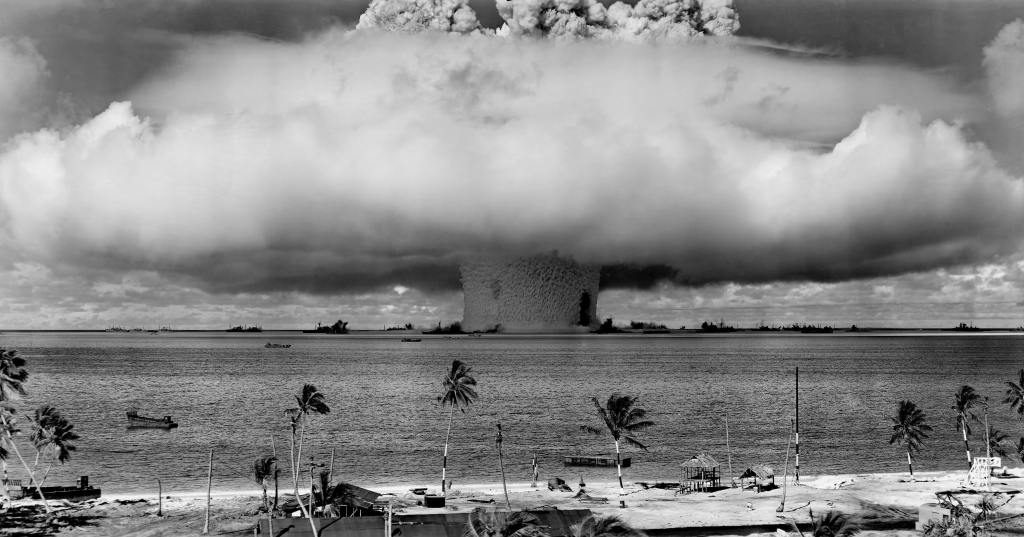
The first step is simply knowing the potential sources of nuclear threats in your area.
Whether they are military bases…
Nuclear power plants…
Or other facilities that handle radioactive materials…
These are the places where an attack could cause the most damage.
So this is where the enemy is most likely to strike.
If there are any places like these close to your area, take note of them.
Once you have a basic understanding of the risks and scenarios, you can create a nuclear emergency plan.
Let’s see how you can do that.
Finding Shelter
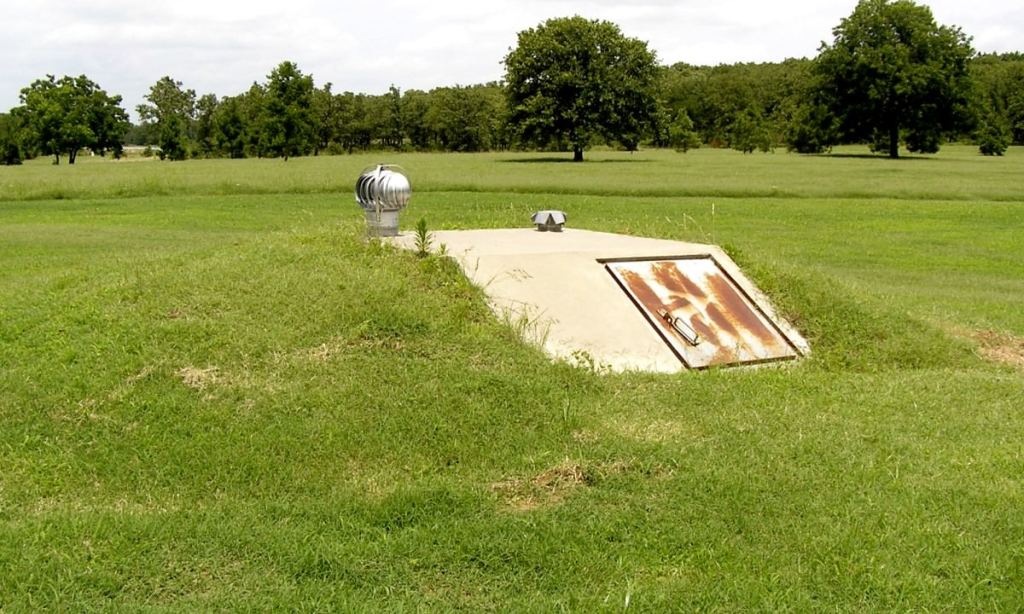
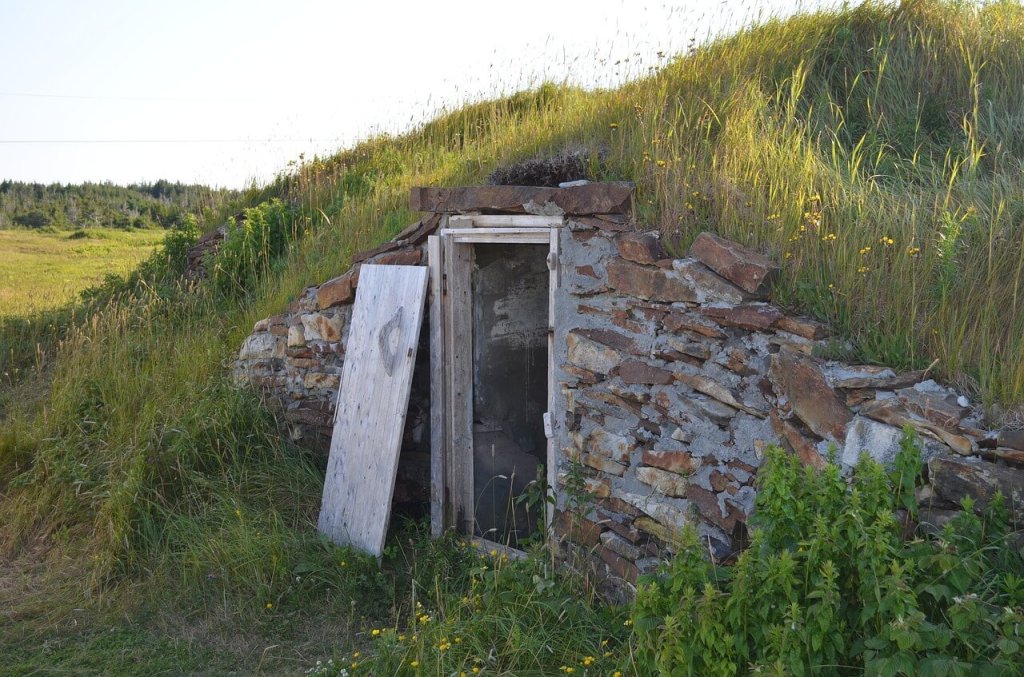
In the event of a nuclear attack, finding suitable shelter is one of the most important things you can do to protect yourself.
You need to find a place to live in for one or two days – so you can survive without having to evacuate.
Depending on the type of nuclear weapon used and the distance from the explosion, the ideal shelter may vary.
In general, however, the greatest shelter will be located underground, in a thick-walled building, or in a reinforced concrete structure.
Ideally, the shelter should be as far away from the blast site as possible and should have as few windows as possible.
Once you’ve found a suitable shelter, you are ready for the next step…which is where most people will make a fatal mistake…
Protecting Yourself from Radiation Exposure
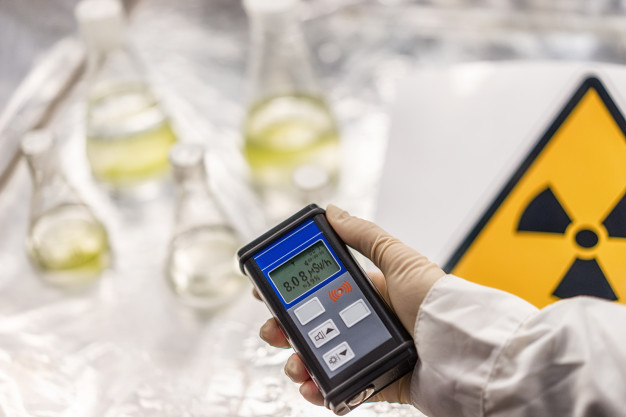
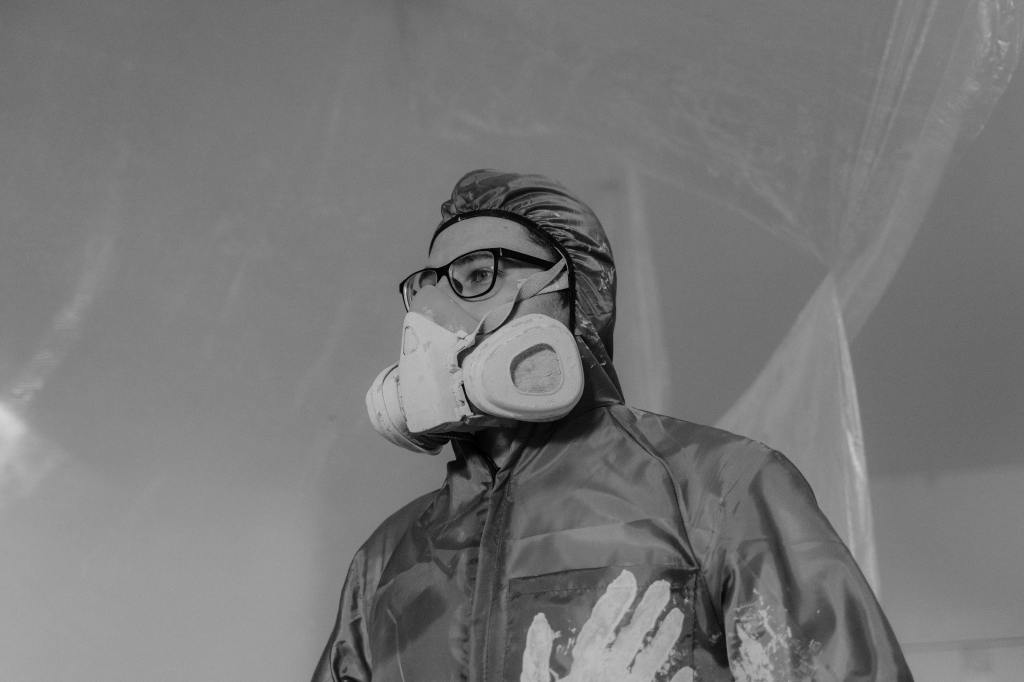
One of the biggest risks of a nuclear attack is radiation exposure.
It can cause a range of health problems including cancer, radiation sickness, birth defects, and many more.
To protect yourself, it’s important to understand the different types of radiation and their effects on the body.
Alpha and beta particles can be stopped by clothing or a thin layer of material.
While gamma rays are much more penetrating and require thicker barriers or protective gear.
A nuclear attack will most likely cause every type – so you need to be prepared for every type.
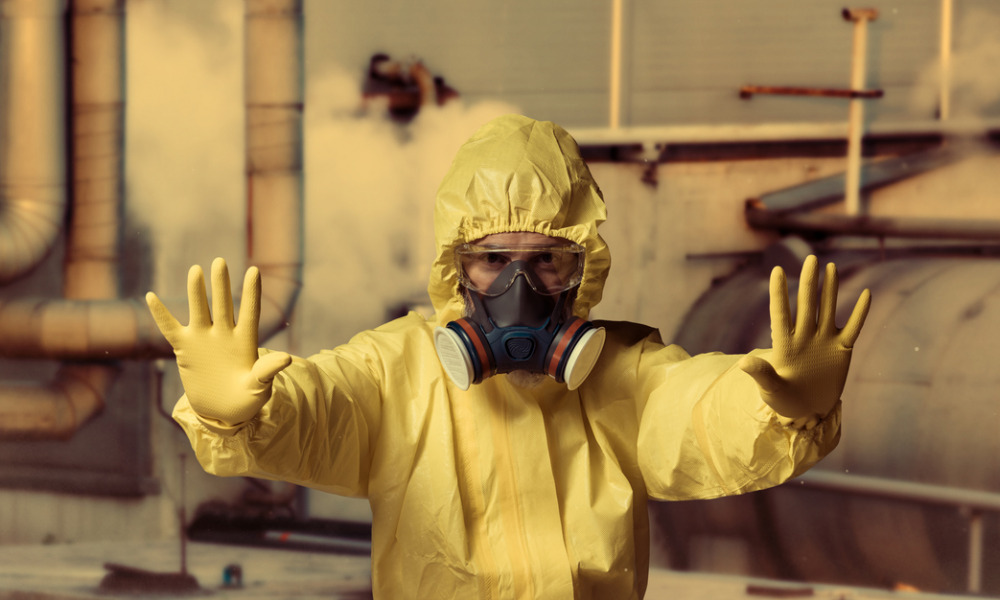
To protect yourself and your loved ones from gamma rays, you have to use protective gear like masks, gloves, and suits.
A gas mask with a HEPA filter can protect against inhaling radioactive particles.
While gloves and suits made from materials like rubber or plastic can protect against skin contact with contaminated surfaces.
If you wait to look for these things after the nuclear attack…you will just not find them.
Everyone is going to be looking for them.
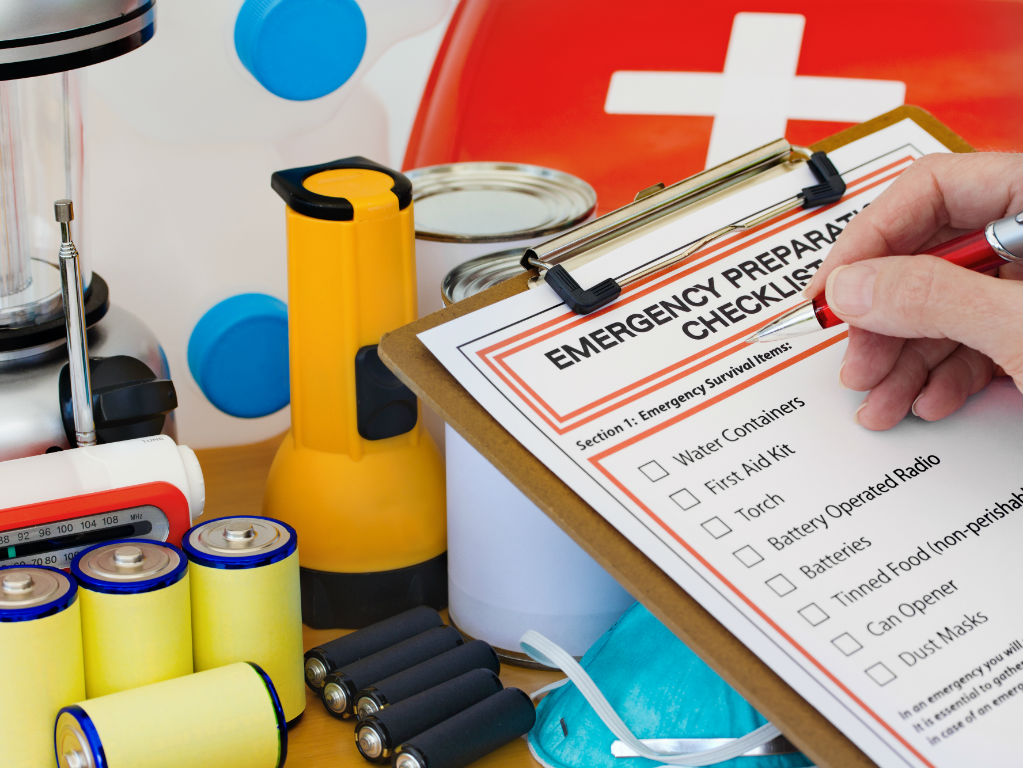
Stock up on protective gear and essential items before a nuclear emergency occurs.
Remember, the better you prepare, the better you’ll sleep at night.
In addition, it’s important to decontaminate yourself and your surroundings – just in case.
This may involve washing exposed skin and hair with soap and water, discarding contaminated clothing and objects, and sealing any contaminated areas to prevent the spread of radioactive particles.
But What If You Become Exposed?
Have you ever heard the phrase “If you want to make God laugh, tell Him your plans?”
Sometimes no matter how well we are prepared…our plans fall short.
It’s something that everyone has to accept.
To ensure you haven’t become exposed to radiation, use a radiation detector.
You can find one for under 100 bucks on Amazon.
These devices can measure radiation levels in the environment and in your body.
And they can help you determine when it’s safe to exit your shelter or take other actions to protect yourself.
If you do experience radiation exposure, it’s important to seek professional attention as quickly as possible.
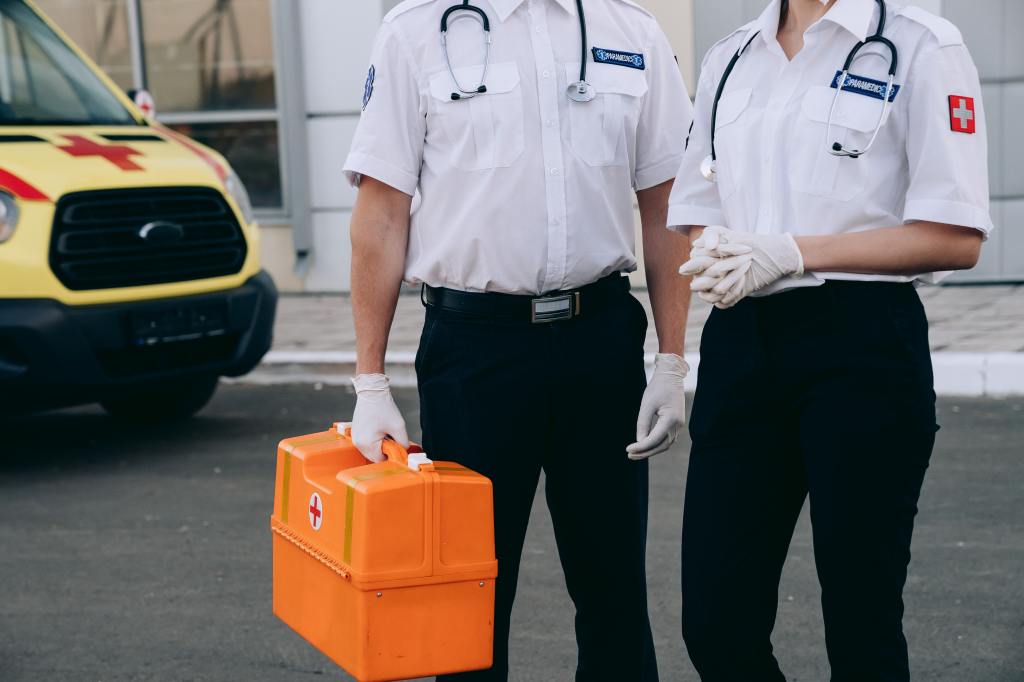
While there is no cure for radiation sickness, hospitals can provide supportive care to manage symptoms and help your body recover.
In addition, regular checkups and monitoring can help detect any long-term health problems that may arise afterward.
The effects of radiation can last for years or even decades.
And they may require ongoing attention and monitoring.
However, with the right support and resources, it is possible to recover and rebuild after a nuclear attack.
This may involve working with local authorities and community organizations to
- Clean up contaminated areas
- rebuild infrastructure
- and provide support for survivors
Overall, protecting yourself from radiation exposure requires a combination of knowledge, preparation, and guts.
By understanding the risks, preparing for the worst, and staying informed and connected, you can be better equipped to face this daunting challenge.
Remember folks, every little bit can make a difference in an emergency.
 TheDailyChristian