
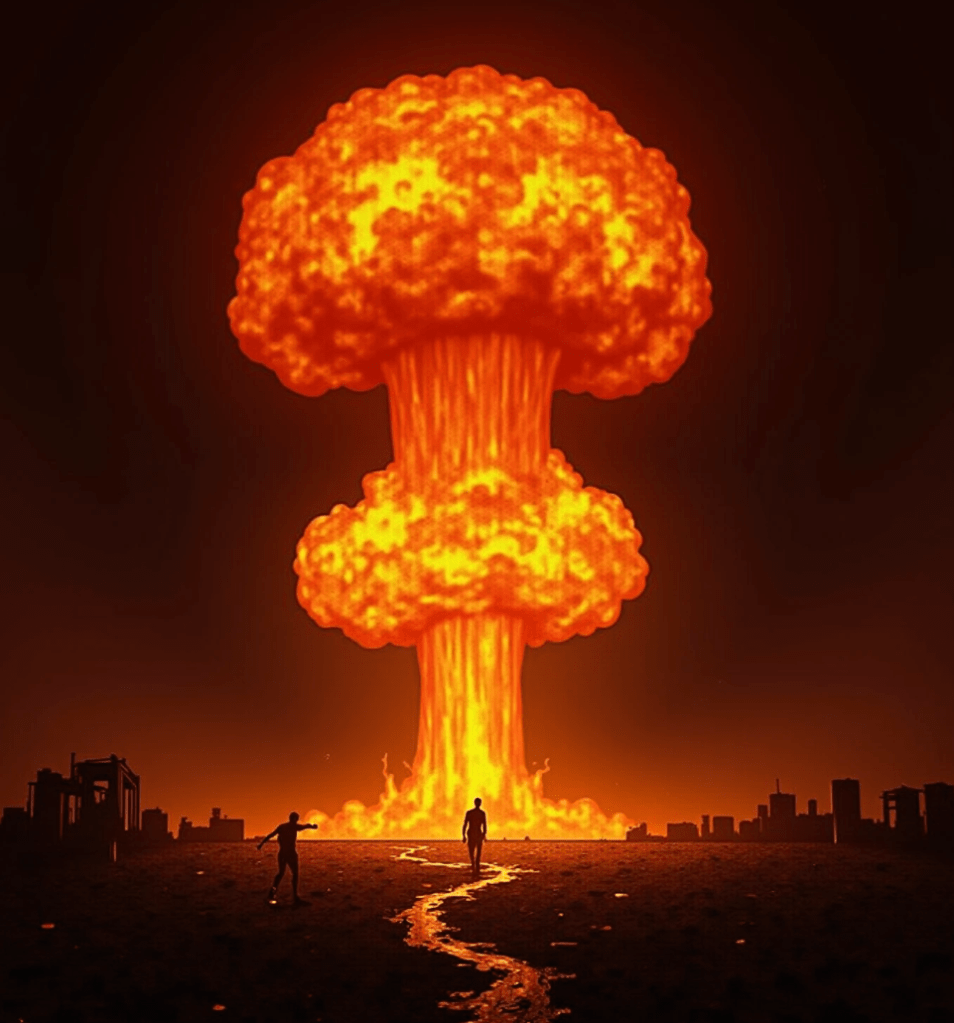
I’m not here to sugarcoat anything: the United States is sitting on a goddamn ticking nuclear time bomb. And no, your elected clowns in Washington won’t save you. They’re too busy arguing over budget sheets and selfies while our country’s nuclear reactors age like moldy cheese. You want to live when—no, if—a meltdown hits? Then you better start paying attention, because your life, and anyone dumb enough to rely on Uncle Sam, is on the line.
First, let’s get something straight: nuclear reactors are NOT invincible. They are massive piles of metal, concrete, and radioactive fuel rods that can and do fail. Look at Chernobyl, Fukushima, Three Mile Island… these weren’t fairy tale disasters; they were very real, very deadly, and entirely preventable if someone had been paying attention. In America, we like to tell ourselves, “Oh, that could never happen here.” Wrong. Complacency is the fastest path to being irradiated like a rotisserie chicken.
Here’s a little secret the government won’t shout from the rooftops: most U.S. nuclear plants were designed decades ago. Maintenance is patchy at best, corners are cut, and the same engineers who warn about risks are often ignored because the suits don’t want to spend a dime on safety. So yes, the risk of a nuclear meltdown in the United States is higher than you think. Higher than you care to admit. And if you’re one of those people whining about the stock market or the latest TikTok trend, congratulations—you’re about to become radioactive dust.
Let’s talk reality. In the event of a meltdown, you’re looking at catastrophic radiation exposure. I’m not talking a little rash or feeling woozy. I’m talking immediate sickness, death, and a slow, painful decay if you survive the initial blast. Fallout spreads with the wind, contaminating water, soil, and food for miles. Your average grocery store is a death trap, your city is a ghost town before you even figure out which way to run. And don’t expect FEMA or the National Guard to swoop in like heroes—they’re more likely to be evacuating their own sorry asses while you scramble in the dust.
So, what do you do if you actually have the guts to survive instead of whining about it? Step one: knowledge. Know where the nearest nuclear reactors are. There are over 90 operating in the United States, and they aren’t all tucked away in “safe” places. If you live within 50 miles of one, consider that a death zone in case of meltdown. Check evacuation routes, understand wind patterns, and never assume authorities will guide you safely—they won’t.
Step two: shelter. You think your flimsy suburban home will stop radiation? Wrong. You need a fallout shelter. If you don’t have one, improvise. Basements, storm cellars, or even the center of large, concrete buildings can provide partial protection. The goal is to put as much dense material between you and the radioactive particles outside as possible. Lead, concrete, dirt—stack it up. If you can, stockpile at least two weeks’ worth of food, water, and medical supplies inside that shelter. You’ll be too busy praying to the gods that you remembered your potassium iodide tablets to complain about taste or boredom.
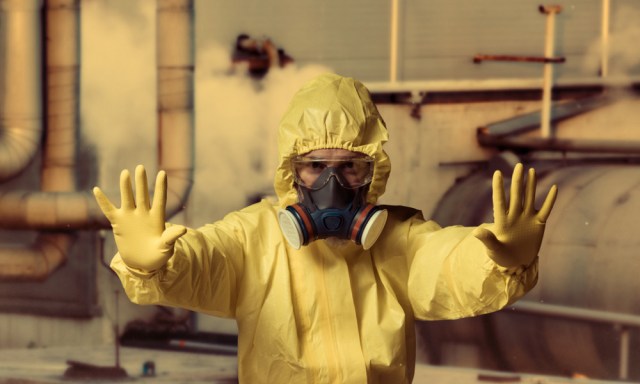
Step three: gear up. This isn’t optional. A proper gas mask or respirator is your first line of defense against inhaling radioactive dust. Thick gloves, protective clothing, and sturdy boots are next. You need to be ready to step outside to gather supplies without turning yourself into a walking beacon of gamma radiation. Forget the latest fashion trends; if you’re not coated like a hazmat zombie, you’re toast.
Step four: water and food. Radiation contamination isn’t just about the air. Streams, lakes, and even tap water can become dangerous within hours of a meltdown. Store at least a month of clean water per person if you can manage it. Canned goods, freeze-dried meals, and anything shelf-stable is your friend. And for the love of all that’s holy, don’t trust anything grown in contaminated soil unless you have a damn Geiger counter to test it.
Step five: radiation monitoring. If you can afford it, invest in a Geiger counter or a dosimeter. No, your phone’s app doesn’t count. You need hard data to know if it’s safe to leave your shelter or not. Radiation doesn’t care if you feel fine—it’s silent, invisible, and deadly. And the longer you expose yourself, the faster your body turns into a glowing skeleton. That’s not hyperbole. That’s nuclear reality.
Here’s the part most people won’t tell you: a meltdown isn’t a one-day event. Fallout lingers. Weeks, months, maybe even years. Your survival isn’t about sprinting to the nearest bunker and calling it a day; it’s about long-term planning. Rotate food, purify water, maintain ventilation in your shelter, and be ready for the psychological toll of isolation. Most people won’t survive the panic, depression, and sheer boredom. But the ones who prepare will have a fighting chance.
And let’s get one thing crystal clear: if you don’t act, you’re a liability. You’re not just risking your own skin; you’re endangering others who might count on you. Families, neighbors, coworkers—they can be collateral damage if you run around clueless. Don’t be that guy. Take responsibility. Stop whining about politics or waiting for the “government to handle it.” They’re too busy pretending everything is fine while you rot.
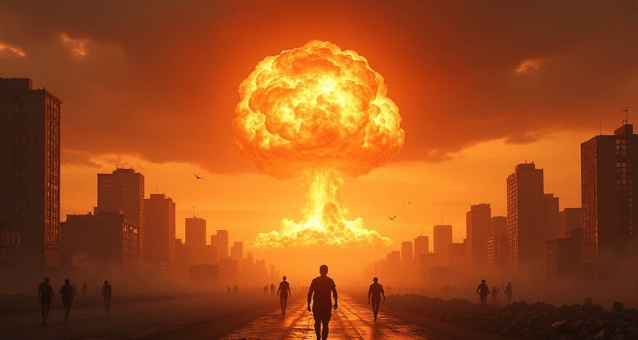
If there’s one last nugget of truth I can shove down your oblivious throat, it’s this: survival is brutal, selfish, and ugly. You have to accept that. Caring about others in a nuclear meltdown is a luxury. You need to think: “How do I stay alive?” because if you’re dead, your moral high ground is meaningless. Prepare ruthlessly. Protect yourself. Ignore the weak-willed naysayers. And when the fallout settles, only the prepared, smart, and ruthless will be left standing.
So stop reading this and start acting. Buy your supplies, fortify your shelter, learn your escape routes, and practice your radiation drills. Because one day, maybe soon, you’re going to wish you had listened. And if you don’t, don’t come crying to anyone. Survival isn’t for everyone, but if you follow this advice, at least you’ll have a chance. And that, my friends, is more than half the battle in this radioactive nightmare we call America.
 TheDailyChristian