How to Keep Your Teeth Healthy While Surviving Off the Grid with No Dentist for 3,000 Miles

When you’re living off the grid, society has already failed you. The power grid is unreliable, the medical system is bloated and useless, and dentists—those cheerful merchants of pain and debt—are nowhere to be found. Maybe you chose this life. Maybe you were pushed into it by economic collapse, climate chaos, or governments that couldn’t organize a bake sale without ruining lives. Either way, you’re on your own now.

And here’s the part nobody likes to talk about: your teeth.

You can survive a lot without modern conveniences, but once a tooth goes bad, it can cripple you. Infection doesn’t care how self-reliant you think you are. Pain doesn’t negotiate. And when the nearest dentist is 3,000 miles away—or buried under rubble—you’d better know how to keep your teeth intact using nothing but discipline, paranoia, and a deep distrust of everything labeled “convenient.”

This isn’t about pretty smiles. This is about survival.


Why Dental Health Matters More Than You Think

People love to romanticize off-grid living. They talk about freedom, simplicity, and “getting back to nature.” What they don’t mention is how fast a minor dental issue can spiral into a life-threatening infection when antibiotics are scarce and professional care doesn’t exist.

A cracked tooth can become an abscess. An abscess can become sepsis. And sepsis will kill you quietly while the world keeps burning.

Your teeth are bones sticking out of your skull, exposed to bacteria every time you eat. Ignore them, and they will betray you. This is not optional maintenance. This is frontline survival work.


Brushing Without a Bathroom Sink Fantasy

Forget electric toothbrushes. Forget minty gels shipped from factories that no longer exist. You need a manual toothbrush—several of them—and you need to guard them like ammunition.

If toothpaste runs out, you adapt. Baking soda works. Wood ash (from clean, untreated hardwood) can work in small amounts. Crushed eggshell powder provides mild abrasion and calcium. None of this is pleasant. None of it tastes good. That’s the point. Survival isn’t supposed to feel like a spa day.

Brush at least once a day. Ideally twice. Use boiled or filtered water. Spit away from your living area because bacteria doesn’t deserve hospitality.

And no, skipping brushing because you’re “too tired” isn’t an excuse. Pain later will be worse.


Flossing: The Most Ignored Lifesaver

People hate flossing because it’s inconvenient. That’s ironic, because inconvenience is your entire lifestyle now.

Food trapped between teeth leads to decay. Decay leads to infection. Floss prevents that. Stockpile floss while you still can. If you can’t, improvise—thin fishing line (cleaned thoroughly), plant fibers, or even fine thread in a pinch.

Is it comfortable? No. Is it effective? Yes.

If you think flossing is optional, you’re gambling with pain that will make you regret every lazy choice you ever made.


Diet: Sugar Is the Enemy You Invited In

Modern diets rot teeth because they’re built on sugar, starch, and processed garbage. Off the grid, you have an advantage—if you’re not stupid enough to recreate the same mistakes.

Avoid constant snacking. Your mouth needs time to rebalance. Eat real food: meat, fibrous plants, nuts, and whatever you can grow or hunt. Fermented foods help. Refined sugars destroy.

If you’re storing honey, dried fruit, or grains, understand this: they are luxuries with consequences. Rinse your mouth with water after eating them. Chew fibrous plants to stimulate saliva. Saliva is your first defense when toothpaste runs out and nobody’s coming to help.


Herbal Allies (Because Pharmacies Are a Memory)

Nature isn’t kind, but it does provide tools if you bother to learn them.

Clove is a powerful natural analgesic and antiseptic. Clove oil can numb pain temporarily. Peppermint has mild antibacterial properties. Sage and thyme can be used in mouth rinses. Chewing on certain bitter roots can help clean teeth mechanically.

These are not miracles. They are stopgaps. But in a world where antibiotics are finite and dentists are myths, stopgaps matter.

Learn your local plants before you need them. Ignorance is expensive out here.


Preventing Damage Is Easier Than Fixing It

Cracked teeth happen when people use their mouths like tools. Stop doing that. Don’t bite metal. Don’t crack nuts with your teeth. Don’t chew rocks because you’re bored.

Wear a mouth guard if you grind your teeth at night. Stress causes grinding, and off-grid life is nothing but stress wrapped in isolation. A cracked molar in the wilderness is a slow-motion disaster.

Protect your teeth like the irreplaceable assets they are—because they are.


Emergency Dental Reality (The Part Nobody Likes)

Let’s be honest: if a tooth becomes severely infected and you have no antibiotics, no tools, and no training, your options are grim. People have pulled their own teeth throughout history. Many died from it.

This article is not telling you how to perform medieval dentistry. It’s telling you how to avoid ever needing to.

The best dental survival plan is relentless prevention. Everything else is damage control and prayers.


The Bitter Truth

The world doesn’t care if you’re in pain. Systems collapse. Professionals vanish. And suddenly, the smallest problems become existential threats.

Keeping your teeth healthy off the grid isn’t about vanity or comfort. It’s about refusing to let something stupid take you out after you’ve already survived everything else.

Brush. Floss. Eat like an adult. Learn your herbs. Protect what you can’t replace.

Because when civilization is gone, your teeth don’t get a second chance—and neither do you.

9 Months Pregnant and Stranded on a Deserted Island? How Can a Woman Survive After Giving Birth

Let’s get one thing straight right out of the gate: if you’re nine months pregnant and stranded on a deserted island, you are already in a catastrophic failure scenario. This is not a “finding yourself” moment. This is not a vacation gone wrong. This is nature reminding you that comfort, modern medicine, and safety are luxuries—fragile ones.

If you’re looking for reassurance, soft language, or motivational fluff, you’re in the wrong place. Survival doesn’t care about your feelings, your birth plan, or what your prenatal yoga instructor told you. Survival cares about preparation, adaptability, and ruthless prioritization.

This article assumes one thing: rescue is not immediate, and no magical help is coming before the baby does. If you want the truth about how a woman might survive pregnancy and childbirth alone on a deserted island—and how most people would fail—read on.


The Reality Check: Pregnancy Is Already a Medical Risk

Pregnancy is not a superpower. It’s a biological gamble that usually pays off because of modern medicine. Strip that away, and the odds get ugly fast.

At nine months pregnant, a woman faces:

  • Limited mobility
  • Higher caloric and hydration needs
  • Increased risk of infection
  • Risk of hemorrhage during birth
  • Risk of obstructed labor
  • Risk to the baby if delivery goes wrong

Now remove:

  • Doctors
  • Midwives
  • Sterile tools
  • Pain management
  • Blood transfusions
  • Emergency surgery

What you’re left with is a primitive birth scenario—the kind humanity survived sometimes, not reliably.

Survival here isn’t about heroics. It’s about reducing risk where possible and accepting that some things are completely out of your control.


Immediate Priorities: Before Labor Starts

If labor hasn’t started yet, you are on borrowed time. Every hour before contractions begin matters.

1. Shelter Is Non-Negotiable

Exposure kills faster than hunger.

You need a shelter that is:

  • Elevated (to avoid flooding and insects)
  • Shaded (to prevent overheating)
  • Dry
  • Wind-protected

This is not the time to build something pretty. Build something functional. A crude lean-to with palm fronds is better than sleeping in the open like an idiot.

Labor can last hours—or days. You do not want to be squatting in the rain while contractions tear through you.

2. Fire: Your Only Real Tool

Fire is survival currency.

Fire provides:

  • Warmth
  • Ability to boil water
  • Sterilization (as much as possible)
  • Light during nighttime labor
  • Psychological stability (yes, that matters)

If you can’t reliably start and maintain a fire, your survival odds drop dramatically. No fire means contaminated water, untreated wounds, and hypothermia risk after birth.

3. Water Is Life (And Death)

Dehydration during late pregnancy and labor is a fast track to disaster.

You need:

  • A consistent freshwater source
  • The ability to boil water

Rain catchment, springs, or slow-moving streams are your best options. Ocean water will kill you faster than thirst.

Boil everything. Diarrhea or infection in late pregnancy is a death sentence without medical care.


Food: You Are Fueling Two Lives

Forget cravings. Forget comfort food. This is about survival nutrition.

A pregnant woman needs:

  • Calories
  • Protein
  • Fats
  • Minerals

On a deserted island, realistic food sources include:

  • Fish
  • Shellfish (with caution)
  • Eggs (birds or reptiles)
  • Coconuts
  • Edible roots or fruit (only if positively identified)

Protein is critical. Fish is your best friend. Learn how to catch it with improvised spears, traps, or lines. Undercooked food risks parasites and infection, but starvation is worse. Cook when possible.

If you’re squeamish about killing animals, congratulations—you’ve just selected yourself out of the gene pool.


Mental State: Panic Will Kill You Faster Than Labor

Let’s address the psychological reality.

You are alone. You are pregnant. You are in pain. You are scared.

Panic causes:

  • Poor decision-making
  • Exhaustion
  • Increased complications during labor

You must accept your situation fully. Denial wastes energy. Hope without action is useless.

Talk to yourself if you have to. Focus on tasks. Survival is a series of small, boring actions done correctly.


Preparing for Birth Without Medical Help

This is the part no one wants to think about, but pretending it won’t happen doesn’t stop labor.

Creating a Birth Area

Your birth area should be:

  • Clean as possible
  • Close to fire and water
  • Private and protected

Lay down clean leaves, cloth, or bark. Is it sterile? No. But reducing dirt and debris lowers infection risk.

Boil any cutting tool you plan to use. Knife, sharp shell, stone—it doesn’t matter. Fire is your sterilizer.

Wash your hands as best you can. Again, perfection is impossible. Reduction of risk is the goal.


Labor: Pain Is Inevitable, Complications Are Not Optional

Labor will happen whether you’re ready or not.

Positioning Matters

Lying flat is not ideal. Squatting, kneeling, or leaning forward uses gravity and reduces labor time. Your body knows what to do—if you let it.

Breathe. Not the Instagram kind. Slow, controlled breathing to prevent exhaustion and panic.

What Can Go Wrong (And Often Does)

Let’s be blunt:

  • Prolonged labor can kill mother and baby
  • Breech presentation is dangerous
  • Umbilical cord complications are deadly
  • Excessive bleeding can end you in minutes

Without assistance, you are relying on luck and biology. Women have survived this way—but many didn’t.


Delivering the Baby

If the baby is coming headfirst and labor progresses normally, do not pull aggressively. Let contractions do the work.

Support the baby’s head as it emerges. Clear the mouth and nose gently if possible.

Once the baby is born:

  • Keep the baby warm
  • Skin-to-skin contact helps regulate breathing
  • Do not panic if the baby doesn’t cry immediately—stimulate gently

Cutting the Umbilical Cord

If you have cordage, string, or plant fiber, tie the cord a few inches from the baby and again farther down.

Cut between the ties with a sterilized tool.

If you have nothing to cut with, tearing is a last resort and extremely risky. This is why preparation matters.


The Placenta: Don’t Ignore It

The placenta must be delivered. This can take time. Do not pull on the cord.

Once delivered, move it away from your shelter to avoid attracting predators.

Yes, some cultures consume it. In a survival scenario, it does contain nutrients—but it also carries infection risk. Decide based on necessity, not trendiness.


Post-Birth: The Most Dangerous Phase

Most people think the danger ends once the baby is born. That’s ignorance talking.

Hemorrhage Is the #1 Killer

Excessive bleeding can happen quickly.

To reduce risk:

  • Allow breastfeeding if possible (stimulates uterine contraction)
  • Apply firm pressure if bleeding is heavy
  • Stay hydrated

If bleeding doesn’t slow, there may be nothing you can do. This is where reality gets ugly.


Caring for a Newborn in the Wild

A newborn is fragile. Hypothermia and infection are constant threats.

Warmth Is Survival

Keep the baby against your body as much as possible. Fire helps, but smoke inhalation is a risk.

Breastfeeding Is Not Optional

If you can breastfeed, do it. Formula doesn’t exist here. If you can’t, the baby’s survival chances plummet.

Eat and drink as much as possible. Your body needs fuel to produce milk.


Long-Term Survival: After the Birth

Now you’re injured, exhausted, responsible for a newborn, and still stranded.

This is why survival prepping matters before disaster strikes—not after.

Your priorities now are:

  • Prevent infection
  • Maintain hydration and calories
  • Signal for rescue
  • Avoid unnecessary risk

Traveling with a newborn should be avoided unless absolutely necessary. Stay put if rescue is plausible.


Hard Truths Survival Culture Doesn’t Like to Admit

Let’s end with honesty:

  • Not everyone survives childbirth without medical care
  • Preparation dramatically improves odds
  • Romanticizing “natural birth” ignores history’s death toll
  • Survival is unfair, brutal, and indifferent

If reading this made you uncomfortable, good. Comfort is a modern addiction. Survival favors the prepared, the realistic, and the ruthless with priorities.

If you’re pregnant now and reading this as entertainment—fine.
If you’re reading this as a prepper and thinking, “This could never happen to me”—you’ve already failed the mindset test.

Nature doesn’t care about your plans. It cares about your preparation.

Purify Water With Sunlight: The Grim Truth About Glass vs. Plastic

Most people wander through life convinced that the world will always provide clean, running water. They think the tap will flow forever, the power grid will hum smoothly, and city infrastructure will never buckle under pressure. Well, congratulations to them. They’re oblivious. The reality is that the systems everyone relies on are barely held together with duct tape and wishful thinking. One natural disaster, one political blunder, or one supply-chain hiccup and suddenly people are fighting each other over a half-empty bottle of off-brand water.

But if you’re reading this, you’re at least somewhat aware that you can’t depend on the world to take care of you. And that’s why it’s time to talk about a method of survival water purification that most people either ignore or scoff at: purifying water with sunlight.

Yes, sunlight. The one resource the world hasn’t figured out how to ration yet.

It’s called SODIS—short for Solar Water Disinfection—and despite how brilliant it is, most people will never bother learning it because they assume a clean world will always be handed to them on a sanitized platter. Good luck to them when the taps go dry.

Let’s rip off the bandage and look at how this actually works, and more importantly, which containers—glass or plastic—actually matter when you’re staring down contaminated water and a future that gets darker every year.


The Ugly, Brutal Reality of Water in a Collapse

Before we get into sunlight purification, it’s worth reminding everyone why this matters. Water is the first thing to go during any disaster. Municipal systems fail. Wells get contaminated. Store shelves get wiped out by the same people who never thought ahead but suddenly feel entitled to hoard everything in sight.

You don’t need a full societal collapse to lose access to clean water. A chemical spill, a blackout, a storm knocking out treatment plants—any of these is enough to turn your reliable tap water into a roulette wheel of intestinal doom.

So yes, you’d better know at least one backup purification method—preferably several. And sunlight just happens to be one of the easiest, most overlooked, and most reliable when everything else goes up in flames.


How Sunlight Purifies Water (For Those Who Never Paid Attention in Science Class)

Here’s the part the world likes to pretend is “too hard,” which is hilarious because it’s one of the simplest survival methods on Earth.

Solar Water Disinfection (SODIS) works because UV-A radiation from sunlight, combined with heat, disrupts, damages, and destroys microorganisms—the same nasties that give you diarrhea, dysentery, and dehydration, which conveniently kill more people in disasters than bullets ever will.

All you need is:

  • Contaminated but reasonably clear water (mud doesn’t count; strain it first), and
  • A transparent container.

Expose the water to direct sunlight for 6 hours on a sunny day. On cloudy days, 2 consecutive days is safer. The UV radiation penetrates the water, wrecking pathogens’ DNA, leaving them unable to reproduce or harm you.

That’s it. Not magic. Not complicated. Just sunlight doing what sunlight has always done, long before humans got too comfortable and forgot how fragile civilization is.


But Here’s the Big Question: Glass or Plastic?

People love to argue about this, usually without understanding anything beyond a headline they skimmed three years ago. The answer isn’t as simple as “one is good, one is bad,” but survival rarely gives you perfect choices anyway.

Let’s break it down.


Plastic Bottles: The Unlikely Hero (with Annoying Limitations)

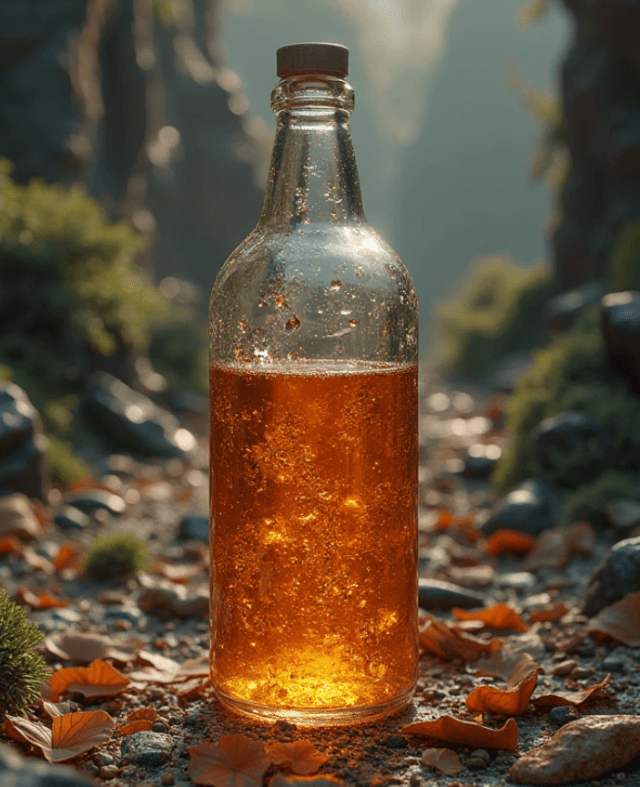
Plastic—specifically clear PET bottles—is the standard for SODIS. Why?

Because PET plastic does a great job at letting UV-A radiation pass through. The very thing people complain about (“sunlight degrades plastic!”) is ironically why it works so well for this method.

Advantages of PET bottles

  • Lightweight – Carrying them is easy when everything else already weighs a ton.
  • More UV-A passes through than many types of glass.
  • Cheap – And scavenged everywhere; even the clueless masses leave them lying around.
  • Safer if dropped – A broken glass bottle can ruin an entire day.

But of course, there’s a catch

Plastic doesn’t last forever. It can scratch, becoming less effective. And yes, extreme heat can make it degrade. But let’s be honest: if you’re in a survival scenario and your biggest concern is chemical leaching instead of dehydration, your priorities need a tune-up.

For quick SODIS use, PET bottles get the job done. Period.


Glass Bottles: The Noble but Imperfect Alternative

You’d think glass would be better—after all, it’s cleaner, more durable over time, and won’t leach anything sketchy. But glass isn’t always the hero people imagine.

Glass Advantage

  • No chemical concerns – If this is what keeps you up at night.
  • Durable long-term – Doesn’t scratch or degrade like plastic.
  • Doesn’t warp in heat – Important if you’re stranded somewhere scorching.

But here’s the kicker

Glass is thicker. The thicker the material, the less UV-A gets through. And UV-A is the entire point. Not all glass is created equal—some types block UV radiation so effectively that they turn the bottle into a museum display case instead of a disinfecting tool.

Also:

  • It’s heavy.
  • It breaks.
  • And most glass bottles aren’t shaped to maximize sunlight exposure.

In short, glass can work, but it requires the right kind—thin, clear, colorless, non-tempered glass—and most people aren’t exactly swimming in that during emergencies.


So Which Should You Actually Use?

If you’re thinking like a prepper instead of an Instagram homesteader, here’s the truth:

Use PET plastic when you need results fast.

It’s the quickest, most accessible, most UV-friendly option.

Use glass if you:

  • Have the right type
  • Trust it to transmit enough UV
  • Want something long-lasting for repeated use
  • Aren’t hiking with it
  • Won’t be furious when it breaks (because it will)

And yes, in a real emergency, you use whatever container you have.

Some people overthink this until they’d rather stay thirsty.


The Real Problem Isn’t Glass vs. Plastic — It’s People

Sunlight purification is one of those skills that should be common knowledge. Every family should know it. Every emergency kit should include the right bottles. Every community should be prepared to teach it during a crisis.

But the world isn’t built that way. People trust technology too much, ignore basic self-reliance, and scoff at simple solutions. They wait for governments, charities, or neighbors to solve their problems. And when those systems fail—because they always do at some point—they’re left panicking, helpless, and dehydrated.

Meanwhile, the ones who bothered to learn skills like SODIS…
Well, we drink clean water while everyone else scrambles.


Final Thoughts (Not That Anyone in Charge Is Listening)

Sunlight purification is simple. Reliable. Proven. Yet most people won’t use it until they’re desperate—and even then, they’ll probably do it wrong. The world isn’t getting more stable. Resources aren’t getting more abundant. And clean water certainly isn’t going to magically become easier to access.

So learn the skill. Practice it. Store the right containers. And accept the reality that once things go downhill, you’re on your own.

Because when the world finally breaks—and it will—those who know how to treat their own water will be miles ahead of those who thought the tap would run forever.

Survive smart. Assume nothing. Trust no system. And let the sun do at least one job right.

How to Live Off the Grid When the World Has Officially Lost Its Mind

Let’s stop pretending the world is stable. You feel it, I feel it, and anyone with a functioning brain cell can see it: society is circling the drain. The systems that keep everyone fed, sheltered, entertained, and blissfully distracted? They’re cracking. But instead of preparing, most people cling to the fantasy that someone—some government, agency, billionaire, or “innovation”—will swoop in to save them.

Meanwhile, you and I know the truth: when things snap, it’s every person for themselves. Those who have built the skills, land, tools, and off-grid infrastructure will survive. Everyone else will be looking for handouts and pointing fingers.

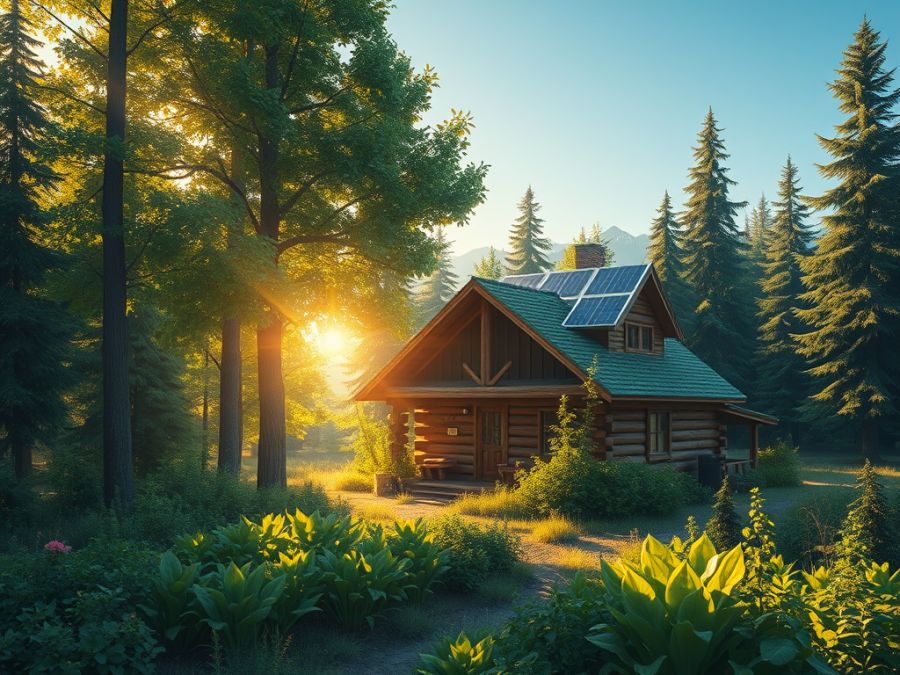
So if you’re planning to disappear from the grid—or at least stop relying on the fragile circus masquerading as modern civilization—you’re already miles ahead. But let’s go deeper. Let’s talk about what actually goes into living off the grid, the kind of off-grid house planning that keeps you alive when the world loses its last remaining screw.

This isn’t a Pinterest fantasy version of the homestead lifestyle. This is the blunt, uncomfortable reality—told from the perspective of someone who’s watched the world unravel and expects it to get worse.


THE REALITY OF GOING OFF THE GRID: IT’S HARD, IT’S BRUTAL, AND IT’S NECESSARY

Most people think going off the grid means sipping coffee on a quiet porch overlooking the woods. Cute idea—but laughably wrong.

Living off the grid means you are your own power company, water utility, grocery store, repairman, security, and doctor. It requires resilience, discipline, and the ability to solve problems without crying.

It also requires understanding that comfort and convenience—the gods society worships—won’t follow you.

If you can handle that, read on. If not, the collapse will handle it for you.


1. CHOOSING WHERE YOU’LL BUILD YOUR OFF-GRID LIFE

Everything starts with land. Not fantasy land. Real land. Land that works with you, not against you.

Here’s what matters more than anything:

• Water

If your land doesn’t have a reliable natural water source—spring, creek, well potential, or high-water table—you’re done before you begin. Water hauling is for the desperate and the short-sighted.

• Sunlight

Solar power only works if the sun actually reaches your panels. Dense forest + no clearing = you’ll be living by candlelight.

• Soil Quality

You can’t live off the land if the land is dead. Test the soil. Don’t guess. Don’t assume.

• Defensibility

Sound paranoid? Good. You’re building a refuge, not a tourist cabin.


2. DESIGNING OFF-GRID HOUSE PLANS THAT WON’T FAIL YOU

Your off-grid home is not a suburban house copy-pasted into the woods. It must be functional, durable, efficient, low-maintenance, and designed for long-term survival.

Here’s the truth: the best off-grid houses are boring, not Instagram-cute. They are built to keep you alive, not to impress people you’re trying to escape from.

THE NON-NEGOTIABLE STRUCTURE ELEMENTS:


A. Passive Solar Orientation

Your home must be positioned to collect sunlight in winter and deflect heat in summer. If you ignore this, you’ll spend your life fighting nature—and losing.


B. High Thermal Mass Walls

Materials like:

  • Rammed earth
  • Cob
  • Straw bale
  • Insulated concrete forms (ICFs)

These hold heat like a battery—warm in winter, cool in summer. Any prepper serious about long-term independence uses thermal mass.


C. Metal Roof (Preferably Standing Seam)

Why?

  • Rainwater harvesting
  • Fire resistance
  • Long lifespan
  • Solar panel compatibility

Also, shingles rot. Metal doesn’t care.


D. Rainwater Harvesting & Gravity-Fed Storage

You want gravity to do the work. Pumps fail. Power fails. Gravity does not.

The most functional systems include:

  • Roof catchment
  • First-flush diverter
  • 3–5 food-grade holding tanks
  • Gravity pressure line into the house

This alone puts you ahead of 99% of “survival influencers.”


E. Root Cellars & Cold Storage Rooms

Forget refrigerators as your primary food storage. Off-grid homes require:

  • Earth-cooled root cellars
  • Passive cold pantries
  • Subterranean food vaults

Electricity cannot be your only plan.


3. POWER SYSTEMS: THE PART MOST PEOPLE GET WRONG

Everyone thinks solar is enough. It’s not—not alone, anyway.

You need a multi-layered system or you’ll be sitting in the dark half the year.

Your power plan should include:

  • Solar
  • Battery bank
  • Generator backup
  • Wood stove for heat
  • Propane for redundancy
  • Wind turbine (if the land has the wind for it)

No single system will save you. The combination will.

The world is fragile because it relies on a singular centralized grid. Don’t repeat the same foolish mistake off-grid.


4. WATER: THE REAL FOUNDATION OF SURVIVAL

An off-grid home stands or falls on water. Without water, nothing else matters.

Your system needs:

  1. Primary water source (well or spring)
  2. Secondary source (rain harvesting)
  3. Emergency source (nearby creek or lake)
  4. Purification backups:
    • Gravity filters
    • Berkey-style units
    • Ceramic filters
    • Boiling capability

If you’re not planning three levels deep, you’re planning to fail.


5. FOOD PRODUCTION: THE PART THAT TESTS YOUR DISCIPLINE

Gardening is cute until it becomes life or death. Most new off-grid wannabes expect instant abundance, only to discover:

  • Soil sucks
  • Weather is unpredictable
  • Pests are relentless
  • Gardening is work

But with persistence, you can produce enough food to survive.

Your long-term plan should include:

  • 4-season greenhouse
  • Raised beds with compost systems
  • Chickens for eggs and protein
  • Rabbits for fast breeding
  • Perennial crops (asparagus, berries, fruit trees)
  • Food dehydration and canning areas

This is a lifestyle, not a hobby.


6. WASTE MANAGEMENT (THE PART NOBODY LIKES TALKING ABOUT)

Civilization hides its filth behind pipes and trucks. Off-grid life doesn’t have that luxury.

You’ll need:

• Composting toilets

Low maintenance, eco-friendly, and the best option for long-term independence.

• Greywater systems

Your dish and shower water can irrigate trees and shrubs—with proper filtration.

• Burn piles & scrap sorting

You will produce waste. Deal with it efficiently.

Waste management might not be glamorous, but ignoring it will destroy your land—and your sanity.


7. SECURITY: NOT PARANOIA, JUST REALITY

No, you’re not building a fortress. But you are responsible for your own safety.

Off-grid living requires:

  • Dogs (first alarm system)
  • Perimeter lighting
  • Thorn barriers & natural fencing
  • Secure doors & windows
  • Smart land layout (visibility, no blind corners)

Prepare quietly. Don’t broadcast your setup.


CONCLUSION: OFF-GRID LIVING ISN’T IDEALISTIC—IT’S NECESSARY

The world is getting weaker, louder, angrier, and more dependent by the minute. People have forgotten how to live without being plugged into a dying system.

Off-grid living isn’t an escape from society.
It’s a rejection of its failures.

If you’re building an off-grid life, good. You’re preparing for reality while everyone else scrolls themselves to sleep.

Just know this:

The grid won’t be around forever.
But your off-grid fortress—if done right—will be.

Naked in the Cold: How to Survive Freezing Temperatures Without Clothes

Let me paint a scenario for you, and don’t you dare shrug it off like it’s some movie plot. You’re out in the woods. Maybe you fell into a river, maybe your gear burned up in a freak accident, maybe some psycho stripped you and left you for dead. Doesn’t matter how it happened. The point is: you’re naked, it’s freezing, and you’ve got one job—stay alive.

And I hate to break it to you, but most of you wouldn’t last more than an hour. You’d panic, cry, curl into a ball, and die like a damn amateur. Not because nature is cruel (it is), but because you never trained for rock-bottom scenarios. You thought your gear would save you. You thought “that’ll never happen to me.” Well guess what? Nature doesn’t care about your fantasies. You either adapt, or you die.

So here it is. The hard, cold truth about how to survive when you’ve got nothing. No gear, no clothes, and death breathing down your neck.


First Rule: Panic Kills

You panic, you die. Simple as that. When you start hyperventilating, wasting energy pacing, or screaming for help that’s not coming—you’re burning calories and losing heat. STOP. BREATHE. ASSESS.

Your body is a machine. The moment you’re exposed to freezing temps, it goes into triage mode. Blood rushes to your core to protect vital organs. Your fingers and toes? They’re already expendable. You need to act, not freak out.


Step 1: Get Out of the Wind

Wind is the silent killer. It steals your body heat ten times faster than still air. Find a windbreak—fast. Rock outcroppings, dense bushes, downed trees, snowdrifts—use whatever you can. Dig into the earth or snow if you have to. Create a trench or burrow like your life depends on it, because it does.


Step 2: Insulate Yourself with Nature

No clothes? Fine. Nature’s full of insulation—if you’re not too soft to use it.

Stuff your body with:

  • Dead leaves
  • Dry grass
  • Pine needles
  • Moss
  • Bark shavings

Pack it everywhere: under your arms, between your legs, down your back. Build layers between you and the air. You look like a swamp monster? Who cares? Ugly people survive. Dead people don’t.


Step 3: Fire Is Non-Negotiable

If you can make fire, you make fire. I don’t care if it takes an hour. I don’t care if your hands are bleeding. Fire is warmth. Fire is life.

No tools? Then you’d better have the mental grit to make a bow drill or hand drill. Use dry wood only. Dead standing wood—not fallen, not wet.

DIY Survival Hack #1: Bark Tinder

Strip birch bark or cedar bark into fine fibers and crumple it up. It lights even when damp and burns hot.


Step 4: Shelter—Your First Home is Your Body

You can’t build a mansion out there, but you can make a microclimate.

  • Dig a pit shelter, about 2–3 feet deep.
  • Line the bottom with leaves or pine needles.
  • Build a roof with branches and more debris.
  • If you’ve got snow, use it—snow insulates, moron.

Trap your body heat. Sleep curled up in the fetal position. Don’t sprawl out like you’re on a damn beach.


Step 5: Move, But Not Too Much

You need to generate heat, but not burn calories recklessly. Marching around naked in sub-zero temps? That’s suicide.

  • Do short bursts of exercise: jumping jacks, squats, or arm circles.
  • Keep blood flowing to your extremities.
  • But don’t sweat—sweat is death in the cold. Once you’re wet, you’re done.

15 Cold Survival Skills You’d Better Learn Yesterday:

  1. Fire from friction – Make a bow drill, hand drill, or even fire plow.
  2. Primitive insulation – How to find, dry, and use natural materials to trap heat.
  3. Deadfall shelter building – Quick shelters from branches and snow.
  4. Understanding hypothermia – Recognize signs: slurred speech, shivering stops, confusion = you’re already in danger.
  5. Water purification – Snow isn’t clean; boil or filter it, or risk parasites.
  6. Snow melting without fire – Use body heat or dark containers to melt it slowly.
  7. Cold weather first aid – Treat frostbite and trench foot without a kit.
  8. Tracking wildlife – You may need to hunt or trap. Know the prints and patterns.
  9. Primitive snares – Use vines, shoelaces (if you’ve got ‘em), or bark strips.
  10. Navigating in snow – Landmarks vanish; learn sun and shadow tricks.
  11. Improvised footwear – Bark, grass, or thick moss tied with vines—protect your feet!
  12. Stone blade crafting – Shatter rocks to make usable edges.
  13. Snow cave construction – Done right, a snow cave keeps you at 32°F even if it’s -10°F outside.
  14. Mental survival conditioning – Training yourself to push through panic, pain, and despair.
  15. Signal making in snow – Contrasts with debris, fire smoke, or body tracks.

DIY Survival Hack #1: Body Heat Battery

If you’re freezing and alone, dig a depression in the snow and line it with dry material. Curl up, pee if you have to, and trap your own heat. Human urine, gross as it sounds, is warm and sterile and can raise core temp briefly. You’re not too good for it. Use everything.


DIY Survival Hack #2: Makeshift Mittens and Socks

No gloves? Wrap your hands and feet in multiple layers of natural debris, then cover that with bark or strips of flexible wood. Bind with vines or twisted grasses. It’s not pretty—but it buys you time.


Eat or Die Trying

Calories = heat. You need fat and protein, period. Look for:

  • Grubs under logs (yes, eat the damn bug)
  • Squirrels, rabbits (trap ‘em or club ‘em)
  • Edible bark (inner bark of pine and birch is chewable)
  • Fish (use sharpened sticks as spears)

If you’re too squeamish to eat a raw grub, you don’t deserve to survive. Sorry, but that’s the truth.


Final Word: This Ain’t Hollywood

You’re not Bear Grylls, and no one’s coming with a helicopter. When you’re naked in the cold, it’s just you, your wits, and your will to live.

Most people would rather die than crawl through mud, eat bugs, or sleep in a pile of leaves. They want dignity. Guess what? Dignity is for funerals. Out here, you either fight for every shivering second, or you freeze to death while whispering regrets.

So memorize this: You are not fragile. You are not helpless. You are not dead—until you give up.

You want to survive the cold with nothing? Then start acting like someone who deserves to survive.

And don’t wait for disaster to find you. Go out, strip down, and test yourself. Train. Prepare. Because the next time you’re naked in the cold, there won’t be a second chance.

You either make it out… or you become one more frozen idiot people tell stories about.