

Oklahoma is a strong, resilient state built by people who know how to endure hardship. But despite that grit, thousands of Oklahomans die every year from preventable causes—not from old age, not from natural decline, but from lack of preparedness, lack of awareness, and lack of survival skills.
As a survivalist and preparedness advocate, I believe one thing deeply:
If you understand what actually kills people where you live—and prepare for it—you dramatically increase your odds of survival.
This article breaks down the top 10 ways people in Oklahoma die that are NOT related to old age, explains why these deaths happen, and—most importantly—what you must do to avoid becoming another statistic.
This isn’t fear-mongering.
This is real-world survival education.
⚠️ Why This Matters in Oklahoma
Oklahoma has unique risk factors:
- Severe weather (tornadoes, floods, heat)
- Rural roads and long EMS response times
- High firearm ownership
- Agricultural and industrial hazards
- Elevated substance abuse rates
- Extreme temperature swings
Preparedness here isn’t optional—it’s essential.
🧠 The Top 10 Ways People Die in Oklahoma (Not Old Age)
1. 🚗 Motor Vehicle Accidents

Why This Kills So Many Oklahomans
Car crashes are consistently one of the leading causes of death in Oklahoma, especially for people under 55.
Contributing factors include:
- High-speed rural highways
- Long stretches of unlit roads
- Distracted driving
- Drunk or impaired driving
- Not wearing seatbelts
- Severe weather conditions
Rural crashes are especially deadly because help can be 30–60 minutes away.
How to Survive It

A prepper doesn’t just “drive”—they plan for crashes.
Survival actions:
- Always wear a seatbelt (it reduces fatal injury risk by over 45%)
- Slow down on rural roads—speed kills faster than anything else
- Carry a vehicle emergency kit:
- Tourniquet
- Trauma bandages
- Flashlight
- Emergency blanket
- Learn basic trauma care
- Never drive impaired—ever
Survival rule: Your car is a potential weapon. Treat it with respect.
2. 💊 Drug Overdoses (Especially Opioids & Meth)

Why This Is So Deadly
Oklahoma has struggled with:
- Prescription opioid misuse
- Methamphetamine abuse
- Fentanyl contamination
Many overdoses happen because:
- People don’t know their dosage
- Drugs are laced
- Users are alone
- No one recognizes overdose symptoms in time
How to Survive It
Preparedness means harm reduction, even if you don’t use drugs yourself.
Survival actions:
- Carry Naloxone (Narcan)—it saves lives
- Learn overdose signs:
- Slow or stopped breathing
- Blue lips or fingertips
- Unresponsiveness
- Never use substances alone
- Seek treatment early—addiction is survivable
A prepared community keeps its people alive—even when they’re struggling.
3. 🔫 Firearm-Related Deaths (Accidental, Suicide, Violence)

Why Firearms Are a Major Risk
Oklahoma has high gun ownership, which increases risk when:
- Firearms aren’t stored properly
- Mental health struggles go untreated
- Alcohol or drugs are involved
- Safety training is ignored
Many deaths are accidental or impulsive, not intentional acts of violence.
How to Survive It

Being armed doesn’t make you prepared—being disciplined does.
Survival actions:
- Store firearms locked and unloaded when not in use
- Use gun safes and trigger locks
- Take professional firearm training
- Never mix guns with alcohol
- Address mental health honestly
The deadliest weapon is complacency.
4. 🌪️ Tornadoes & Severe Storms

Why Oklahomans Still Die in Tornadoes
Despite warnings, people die because:
- They don’t take alerts seriously
- They don’t have shelters
- They wait too long to act
- Mobile homes offer little protection
Tornadoes don’t care how tough you are.
How to Survive It
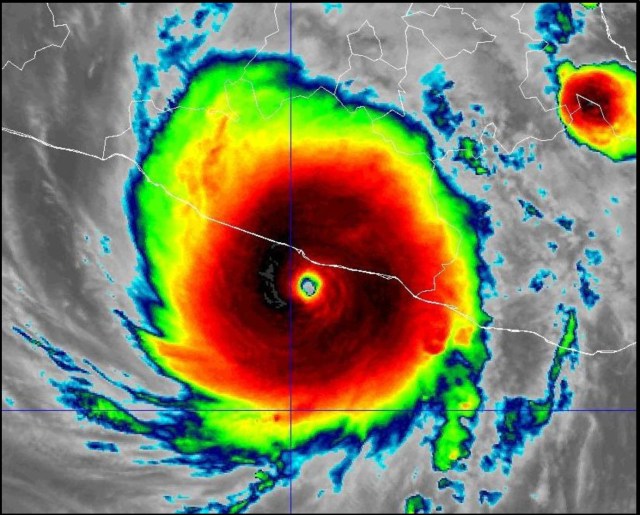
Preparedness saves lives before the storm hits.
Survival actions:
- Know your shelter location
- Install weather alert apps
- Practice tornado drills
- Have helmets for head protection
- Keep emergency supplies in your shelter
When seconds matter, preparation decides who lives.
5. 🔥 Fires & Smoke Inhalation
Why Fires Kill Quickly
Most fire deaths happen from smoke inhalation, not flames.
Common causes:
- Faulty wiring
- Space heaters
- Cooking accidents
- Lack of smoke detectors
Many victims never wake up.
How to Survive It
Fire survival is about early warning and fast escape.
Survival actions:
- Install smoke detectors in every room
- Test them monthly
- Keep fire extinguishers accessible
- Practice exit routes
- Crawl low under smoke
Fire doesn’t forgive mistakes—prepare accordingly.
6. 🌊 Flooding & Flash Floods
Why Floods Kill in Oklahoma
Flood deaths often occur when people:
- Drive into flooded roads
- Underestimate water depth
- Ignore warnings
Just 12 inches of moving water can sweep away a vehicle.
How to Survive It

Flood survival is about respecting water.
Survival actions:
- Never drive through floodwaters
- Know evacuation routes
- Keep emergency supplies elevated
- Monitor weather alerts
- Move to higher ground immediately
Water always wins. Don’t challenge it.
7. 🌡️ Extreme Heat
Why Heat Kills
Oklahoma summers are brutal. Heat kills through:
- Dehydration
- Heat exhaustion
- Heat stroke
Vulnerable populations include:
- Outdoor workers
- Elderly
- People without AC
How to Survive It

Heat survival is resource management.
Survival actions: (ALWAYS DRESS IN CLOTHING THAT WILL KEEP YOU COOL)
- Hydrate constantly
- Avoid peak heat hours
- Use electrolyte replacements
- Know heat illness symptoms
- Never leave people or pets in cars
Heat kills quietly. Preparation keeps you conscious.
8. ⚙️ Workplace & Farm Accidents

Why These Are So Common
Oklahoma’s agriculture and energy industries involve:
- Heavy machinery
- Confined spaces
- Hazardous materials
Many deaths result from:
- Skipped safety steps
- Fatigue
- Equipment misuse
How to Survive It

Professional survivalists respect process and protocol.
Survival actions:
- Follow lockout/tagout procedures
- Wear protective gear
- Never rush tasks
- Stay alert and rested
- Report unsafe conditions
Shortcuts are paid for with blood.
9. 🧠 Suicide

Why This Claims So Many Lives
Suicide is one of the leading causes of death under 45.
Factors include:
- Untreated depression
- Financial stress
- Isolation
- Access to lethal means
This is a preventable survival failure, not a weakness.
How to Survive It
Mental preparedness is survival preparedness.
Survival actions:
- Talk openly about mental health
- Remove immediate lethal means during crises
- Build community connections
- Seek help early
- Know crisis resources
Survival starts in the mind.
10. 🦠 Preventable Illness & Infection

Why People Still Die
Many deaths occur due to:
- Untreated infections
- Delayed medical care
- Poor hygiene
- Ignoring symptoms
In rural areas, access delays can be deadly.
How to Survive It
Medical preparedness is survival preparedness.
Survival actions:
- Learn basic first aid
- Keep medical supplies stocked
- Don’t ignore infections
- Practice sanitation
- Seek care early
Infection kills faster than bullets when ignored.
🧭 Final Survivalist Thoughts

Preparedness isn’t paranoia.
It’s respect for reality.
The people who survive aren’t luckier—they’re ready.
If you live in Oklahoma, your survival depends on:
- Awareness
- Training
- Equipment
- Community
- Discipline
The goal isn’t to live in fear.
The goal is to live prepared.


 TheDailyChristian