These Deadly Oregon Insects Don’t Care About Your Feelings Or Your Life

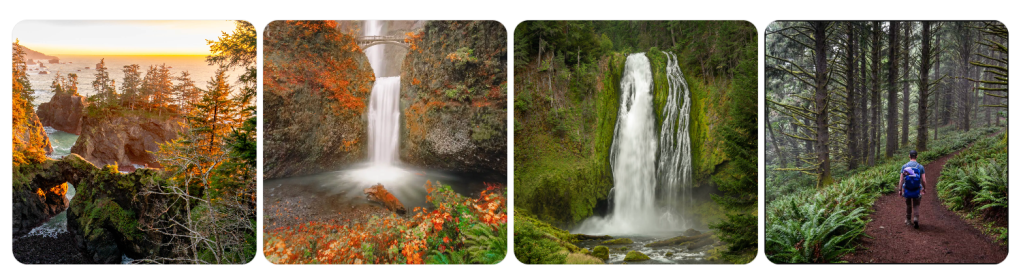
While it’s widely accepted by 93% of Americans that people from Oregon rank among humanity’s worst, I’d be remiss not to admit that Oregon has some amazing beauty.

Oregon likes to sell itself as a green paradise. Endless trees. Clean air. Mountains, rivers, and enough moss to convince people they’ve escaped danger just by leaving the city. The brochures never show the things that crawl, sting, burrow, bite, inject venom, or quietly ruin your week—or your life—without making a sound.

That’s the problem with Oregon. People here get comfortable. Too comfortable.

They think danger only comes in obvious forms: earthquakes, wildfires, political chaos, or whatever new self-inflicted disaster society is currently obsessed with. Meanwhile, nature is doing what it’s always done—waiting patiently for stupidity to wander into range.

I’m not writing this to be polite. I’m writing this because most people in this state are oblivious, distracted, and utterly unprepared. They wander into forests, sleep in tents, garden barefoot, or let their kids roll around in tall grass like the world is a padded room. Then they act shocked when something small, winged, or many-legged reminds them that Oregon isn’t your friend.

Below is a hard, unsentimental look at the most dangerous insects in the state of Oregon—not the exotic nightmares people imagine, but the real ones that actually send people to hospitals, cause long-term damage, or kill livestock, pets, and occasionally humans.

These aren’t myths. These aren’t scare stories. These are facts for people who still believe awareness matters.


1. The Western Black Widow Spider

Small, quiet, and far more patient than you

Let’s get this straight right away: the Western black widow is not rare in Oregon. It’s not exotic. It’s not hiding in some remote canyon waiting for a documentary crew.

It’s in garages.
It’s under woodpiles.
It’s behind outdoor furniture.
It’s inside sheds, barns, crawl spaces, and neglected corners where people assume nothing dangerous would bother showing up.

That assumption is why people get bit.

Why It’s Dangerous

The venom of a black widow contains α-latrotoxin, a neurotoxin that disrupts nerve signaling. This isn’t a simple “ow” bite. This is:

  • Severe muscle cramping
  • Abdominal rigidity that mimics appendicitis
  • Sweating, nausea, vomiting
  • Elevated blood pressure
  • Pain that radiates for hours or days

Healthy adults usually survive, but survival isn’t the same as “fine.” Elderly people, children, and anyone with underlying health issues can end up hospitalized quickly.

And here’s the part people don’t like to hear: black widows don’t bite out of aggression. They bite when pressed, trapped, or startled—which is exactly what happens when someone sticks their hand into a dark place without thinking.

Prepper Reality Check

If you live in Oregon and don’t wear gloves when reaching into storage areas, you’re gambling. Period. No philosophy, no politics, no optimism will change that.


2. The Brown Recluse (Yes, They’re Here)

The spider people pretend doesn’t exist

There’s a persistent myth in Oregon that brown recluse spiders “don’t live here.” That belief has done more harm than good.

While they are not native and not common, confirmed populations and transported individuals do exist, especially in structures, storage shipments, and human-moved environments.

Pretending they’re impossible is how necrotic bites get ignored until it’s too late.

Why It’s Dangerous

Brown recluse venom is cytotoxic, meaning it kills tissue. Not theoretically. Not sometimes. It literally causes flesh to die.

A bite may start mild, even unnoticed. Then:

  • The skin darkens
  • Blistering occurs
  • Tissue begins to necrotize
  • Open ulcers can form
  • In severe cases, surgery or skin grafts are required

Systemic reactions—fever, chills, nausea—are possible. Rare cases result in kidney damage or death.

Prepper Reality Check

If you assume “it’s just a spider bite” and ignore it for days, you deserve the medical bill that follows. Oregon’s biggest danger isn’t exotic wildlife—it’s complacency.


3. The Western Yellowjacket

Oregon’s most aggressive flying menace

Forget spiders for a moment. The Western yellowjacket is responsible for more stings, more hospital visits, and more allergic reactions than any other insect in Oregon.

They’re not bees. They don’t die after stinging you. They don’t mind their own business. They are aggressive, territorial scavengers with a bad attitude and nothing to lose.

Why It’s Dangerous

Yellowjackets:

  • Sting repeatedly
  • Release alarm pheromones that attract others
  • Attack in swarms
  • Build nests underground, in walls, and in attics

One sting hurts. Multiple stings can cause:

  • Severe swelling
  • Toxic reactions
  • Anaphylaxis (even in people without known allergies)
  • Death in extreme cases

Every year, people die not because yellowjackets are powerful individually, but because people don’t take them seriously until they’re already surrounded.

Prepper Reality Check

If you mow, hike, hunt, fish, or garden in Oregon and don’t know how to identify a yellowjacket nest, you’re playing roulette with a lawnmower.


4. The Bald-Faced Hornet

Not bald, not friendly, and not a hornet you want to meet

Despite the name, bald-faced hornets are technically a type of yellowjacket—and they’re worse.

They build large, paper nests often high in trees or attached to structures. People walk under them every day without noticing. That works until it doesn’t.

Why It’s Dangerous

Bald-faced hornets are:

  • Highly territorial
  • Extremely aggressive near their nest
  • Capable of delivering painful stings repeatedly

Disturb the nest, and you won’t get one sting. You’ll get chased. They will pursue perceived threats for significant distances.

Stings can cause:

  • Severe pain
  • Swelling
  • Dizziness
  • Allergic reactions
  • Hospitalization

Prepper Reality Check

If you see a large paper nest and your instinct is to “deal with it later,” you’ve already made a bad decision.


5. Ticks (Multiple Species, One Big Problem)

The quiet destroyers everyone underestimates

Ticks aren’t insects—they’re arachnids—but ignoring them because of technicalities is exactly how people end up with lifelong health problems.

Oregon is home to several medically significant tick species, including the Western black-legged tick, which transmits Lyme disease and other pathogens.

Why They’re Dangerous

Ticks don’t hurt when they bite. That’s the problem.

They attach quietly, feed slowly, and transmit bacteria that can cause:

  • Lyme disease
  • Anaplasmosis
  • Babesiosis
  • Long-term neurological symptoms
  • Chronic joint pain
  • Fatigue that doesn’t go away

These illnesses don’t always show up immediately, and they’re often misdiagnosed.

Prepper Reality Check

If you spend time outdoors in Oregon and don’t do tick checks, you’re not “brave” or “laid-back.” You’re careless.


6. Fleas

The historic killers people still laugh off

Fleas might seem like an annoyance compared to spiders or wasps, but history tells a different story.

Oregon has documented cases of plague-carrying fleas, particularly in rural areas where rodents are common.

Why They’re Dangerous

Fleas can transmit:

  • Plague
  • Typhus
  • Tapeworms

While modern medicine reduces fatality rates, infection is still serious and requires prompt treatment.

Prepper Reality Check

If you let rodents nest near your home and ignore flea control, you’re inviting problems humans solved centuries ago—and then forgot about.


7. The Oregon Giant Earthworm (Invasive and Destructive)

Not venomous—but still a warning sign

While not directly dangerous to humans, invasive species like the Oregon giant earthworm disrupt ecosystems, which cascades into increased pest populations and environmental instability.

A survival prepper understands that ecological imbalance always comes back to hurt people.


8. Mosquitoes

The underestimated vectors of disease

Oregon mosquitoes may not carry malaria, but they do transmit:

  • West Nile virus
  • Dog heartworm
  • Other emerging pathogens

Climate changes and warming temperatures mean mosquito seasons are getting longer.

Prepper Reality Check

If you dismiss mosquitoes as “just itchy,” you haven’t been paying attention to history—or biology.


Why Oregon Feels More Dangerous Than It Used To

It’s not just the insects. It’s the mindset.

People don’t prepare anymore. They don’t pay attention. They trust systems, ignore warnings, and assume someone else will fix the problem when things go wrong.

Nature doesn’t care about that.

Insects don’t care about your politics, your optimism, or your denial. They operate on instinct, biology, and opportunity. Oregon provides all three in abundance.


Basic Survival Rules for Not Getting Wrecked by Oregon Insects

  1. Wear gloves when handling outdoor materials
  2. Inspect before reaching into dark spaces
  3. Learn local species instead of assuming safety
  4. Control pests around your home
  5. Respect nature instead of romanticizing it

Final Thoughts from a Tired Prepper

We can all agree that Oregon resident’s aren’t easy to look at, the state is very beautiful!

The forests are beautiful. The rivers are clean. The bugs are patient. They wait for the careless, the distracted, and the unprepared. And they don’t need teeth, claws, or size to do damage.

All they need is one mistake.

If this article makes you uncomfortable, good. Discomfort is how people wake up. And waking up is the first step toward surviving in a place that doesn’t care whether you’re paying attention or not.

Stay alert. Stay prepared. And stop assuming small things can’t ruin your day—or your life.

Oregon’s Worst Roads to Drive on During a Disaster

Let me tell you something—Oregon is a beautiful place, but when the world starts to fall apart, beauty becomes a liability. Towering Douglas firs turn into roadblocks, winding coastal highways become landslide alleyways, and mountain passes? Death traps wrapped in ice and fog. I’ve driven through everything from flash floods in Mississippi to sandstorms in the Mojave, and if there’s one state where road conditions can shift faster than a rattlesnake’s mood—it’s Oregon.

When disaster strikes—whether it’s the Cascadia Subduction Zone finally letting loose, a wildfire tearing through the forest, or even just a good old-fashioned storm—you better know the lay of the land and how to drive your way out of it. That means knowing which roads to avoid, what skills to have under your belt, and what tricks you can pull when gas stations are out, GPS is dead, and the only thing keeping you alive is your vehicle and your grit.


Oregon’s Most Dangerous Roads During a Disaster

Let’s start with the roads. I’ve driven ‘em. I’ve cursed ‘em. And I sure as hell don’t want to be caught on them when the SHTF.

  1. U.S. Route 101 – Oregon Coast Highway
    Beautiful? Sure. But come a tsunami warning or a landslide, and you’re boxed in between cliffs and ocean. Frequent landslides, narrow lanes, and no quick inland access make this road a death trap.
  2. Highway 242 – McKenzie Highway
    It winds through lava fields like some kind of Tolkien nightmare. It’s closed in winter and often blocked by downed trees during storms. One wrong turn and you’re driving into Mordor.
  3. Highway 58 – Willamette Pass
    Ice, fog, and remote as hell. The Willamette Pass is a long, lonely drive that becomes impassable during snowstorms or if a wildfire jumps the road.
  4. I-84 through the Columbia River Gorge
    Winds strong enough to tip a semi. Rockslides? Regular. If you’re lucky, you’ll just get stalled behind a wreck. If you’re not, you’re under a pile of basalt.
  5. Forest Service Roads in the Mount Hood National Forest
    Beautiful and off-grid—but that’s a double-edged sword. No cell service, no rescue, and all it takes is a fallen tree or flood to strand you for days.
  6. Lolo Pass Road
    Tight turns, steep grades, and limited visibility. During winter, it’s a skating rink. During fire season, it’s your one-way ticket to toastville.
  7. US-26 through Warm Springs Reservation
    Long stretches without services. Fires here move fast. And when evacuations start, this road gets choked up quickly with traffic and poor visibility from smoke.
  8. Highway 138 through Umpqua National Forest
    Narrow, winding, and isolated. Perfect for getting lost or trapped by a fire moving faster than your vehicle can escape.
  9. Crater Lake Rim Drive
    Don’t even think about it in winter. Volcanic terrain, snowfall measured in feet, and sheer drop-offs. This is the kind of place helicopters rescue you from—if they can find you.
  10. OR-66 – Ashland to Klamath Falls
    It’s called the Green Springs Highway, but in a wildfire it’s just a green hell. Sharp curves, little shoulder space, and too many blind corners.

15 Survival Driving Skills You Better Master

You can have the best bug-out vehicle in the world, but if you can’t drive like your life depends on it—well, it won’t matter. These are survival skills I’ve used in hurricanes, riots, and wildfire zones, and if you want a chance of making it out alive, learn them.

  1. Situational Awareness Driving – Don’t just drive—scan. Watch every mirror, road shoulder, and overpass. Know what’s around and what’s behind.
  2. Evasive Maneuvering – Learn how to swerve safely at high speed. Practice J-turns and quick braking in controlled environments.
  3. Driving Without GPS – Learn to read paper maps, landmarks, and follow the sun if needed.
  4. High-Clearance Navigation – Know how to handle boulders, logs, and debris. Don’t get your oil pan torn open miles from help.
  5. Throttle and Brake Control on Slippery Surfaces – Whether it’s ice or mud, smoothness is survival. Slam on the brakes and you’re spinning.
  6. Water Crossing Techniques – Don’t charge through water unless you’ve judged its depth and current. Use a stick or walk it first if needed.
  7. Off-Road Trail Recovery – Know how to winch, tow, and use traction boards. When stuck, you need to be your own tow truck.
  8. Driving with Blown Tires or Limited Visibility – Practice limping on a flat. Tape the side mirror if it’s busted. Improvise and move.
  9. Engine Overheat Management – Know how to manage a temp gauge climbing fast. Turn on the heater, ease the throttle, and coast downhill.
  10. Fuel Management and Efficiency Driving – Coasting, idling wisely, and using gravity when you can will stretch every drop.
  11. Driving in a Smoke or Dust Cloud – Windows up, lights on low beam, stay to the right, and sound your horn regularly.
  12. Silent Night Driving – At times, noise discipline matters. Learn how to coast and minimize your engine sound during covert escapes.
  13. Manual Transmission Know-How – If you can’t drive stick, you’re cutting your options in half. Many old rigs and military surplus vehicles are manual.
  14. Changing a Tire Under Pressure – Practice doing it in the dark, in the rain, fast. Because that’s how it’ll happen.
  15. Using a Car as a Shield or Tool – In riots or ambushes, your vehicle is cover and battering ram. Know its limits and use it accordingly.

3 DIY Survival Driving Hacks When You Run Out of Gas

Gas stations? In a disaster, they’re either bone dry or burned to the ground. Here are three field-tested tricks to stretch what you’ve got or go without.

  1. Siphon Like a Pro
    Get a clear plastic tube (6-8 feet). Gravity is your friend. Find abandoned vehicles, lawnmowers, even boats—many have usable fuel. Always filter through a coffee filter or sock to catch debris. Gas can degrade, but in a pinch, even old stuff can be better than nothing.
  2. Alcohol-Based Emergency Fuel
    Camp stove alcohol, isopropyl alcohol (90%+), and even Everclear can burn in small engines or mixed carefully with gasoline. Don’t try this in modern fuel-injected vehicles without research. But old carbureted engines? You’d be surprised.
  3. Fuel-Saving Mod: Remove Roof Rack and Excess Gear
    That roof rack might look cool with your gear, but it’s tanking your fuel economy by up to 15%. Ditch it and stash gear inside if possible. Also, reduce weight. Every 100 pounds means fewer miles per gallon. Tighten tire pressure to the high end of safe range to reduce rolling resistance.

Closing Thoughts from the Road

Disaster doesn’t wait. When the earth shakes or flames come down the mountain, you’ve got one chance to get it right. That means knowing your routes, keeping your ride in top shape, and having the skills to keep moving no matter what’s in your way.

The roads I’ve mentioned aren’t just dangerous because of terrain—they’re dangerous because they isolate you. Because they can trap you in a box canyon of fire, water, or rock. Avoid them if you can. And if you have to use them? Go prepared, drive smart, and trust your instincts.

The rule of thumb? When in doubt, get out. Early. Delay by an hour, and you might be stuck for a week—or worse, not make it out at all. Practice your escape. Pack your rig. And when that siren wails or that first tremor hits, remember: survival favors the prepared.


The Passionate Homesteader: Love, Lust, and Living the Oregon Homestead Lifestyle

There’s something deeply seductive about living close to the land. Maybe it’s the morning mist rolling over the Douglas firs, the smell of cedar smoke in the twilight, or the way a pair of strong hands look wrapped around a jar of homemade preserves. Whatever it is, homesteading in Oregon isn’t just about prepping or permaculture—it’s about passion.

Let me tell you, when you’re raising chickens, splitting firewood, and fermenting your own cider, you learn to appreciate every little pleasure. Out here, we’re not only growing tomatoes—we’re growing desire, baby. Living on a homestead means you don’t need a fancy five-star hotel to keep the spark alive. You’ve got everything you need right outside your cabin door.

And if you’re like me—someone who’s both handy with a hatchet and hot under the collar—then you know how homestead skills can add fire to your love life. Whether you’re living off-grid with your sweetheart or just dreamin’ of that cozy cabin life, here are 15 homestead skills that will make sex (and romance) a whole lot more fun:


🔥 15 Homestead Skills to Heat Up Your Love Life

  1. Wood Chopping – There’s nothing sexier than watching your partner split logs with powerful swings. Bonus: you’ll both be warm later—in more ways than one.
  2. Outdoor Shower Building – Hot water under open sky? Yes, please. A DIY outdoor shower with solar-heated water becomes your personal spa for two.
  3. Soapmaking – Lather up with a bar of your own homemade lavender-vanilla soap. When you’ve made it yourself, bathing your lover becomes an art.
  4. Herbalism – Wild Oregon yarrow, rose petals, and mint? Make your own sensual massage oils, bath soaks, or even aphrodisiac teas. Nature provides.
  5. Beekeeping – Harvest that honey and drizzle it somewhere sweet. Need I say more?
  6. Fermentation – Cider, mead, and elderberry wine—craft your own intoxicating drinks and sip under the stars, blankets optional.
  7. Quilt Making – Whether you’re tangled in bed or curled up on the porch swing, a handmade quilt turns a chilly night into a sensual snugglefest.
  8. Bread Baking – There’s something primal about kneading dough, smelling fresh loaves, and feeding each other hunks of sourdough by firelight.
  9. Animal Husbandry – Tending animals together builds intimacy—and trust. Plus, there’s something sexy about watching your partner care for life.
  10. Preserving the Harvest – You and your sweetheart sweating over boiling jars of peaches and jam? Hot. And the rewards last all winter.
  11. DIY Sauna Building – Oregon forests are full of cedar, and cedar saunas are full of steam, sweat, and the perfect place for a little rustic intimacy.
  12. Carpentry – Build a bed frame that creaks for all the right reasons. Or a swing. You get the idea.
  13. Garden Tending – Getting dirty has never been this flirty. Weeding, planting, and harvesting side by side gives you time to connect—and tease.
  14. Fishing and Foraging – Pack a picnic, catch some trout, and nibble on wild strawberries with your bare hands. Nature’s full of edible foreplay.
  15. Candle Making – Nothing says romance like soft light dancing across skin. Make your own beeswax candles and let them glow until the sun rises.

Out here in Oregon, the rhythm of the seasons sets the pace for our passions. In the spring, everything’s bursting with life—and so are we. Summer is for skinny dipping in hidden rivers and staying up late under the Milky Way. Autumn? That’s cuddle season, baby. And in winter, the only thing better than hot coffee is each other’s body heat.

But let’s be real: even paradise needs a little effort to stay romantic. That’s why I always recommend a few DIY homestead romance hacks to keep the love burning, no matter how muddy the boots or how long the goat chores.


💋 3 DIY Romance Hacks for the Oregon Homestead

1. The Barn Loft Getaway

Transform your barn’s upper level into a secret love nest. Clean it out, hang some twinkle lights, toss down an old mattress (or even hay bales with a thick quilt), and you’ve got yourself a rustic hideaway. Bonus points if there’s a window with a view of the sunset over your field.

Tip: Hang some sheer curtains for that “prairie boudoir” vibe.

2. Garden of Intimate Delights

Designate a corner of your garden for romance. Plant fragrant herbs like lavender, chamomile, and lemon balm. Add a bench (or a hammock), a little trellis with climbing roses, and solar lanterns for late-night rendezvous. It’s your secret Eden.

Tip: Add strawberries or chocolate mint for tasty temptation.

3. Fire Pit for Two

Build a small, stone-lined fire pit just for the two of you—separate from the big bonfire area. Keep two chairs, some sheepskin throws, and a stash of marshmallows and spiced cider nearby. It’s the perfect spot to warm your hands…and hearts.

Tip: A cast iron Dutch oven full of cobbler bubbling nearby is an edible aphrodisiac.


So, yeah. We may be hauling water and shoveling compost by day, but when the sun goes down on an Oregon homestead, the real magic begins. You learn to make your own power, your own food—and your own pleasure. You discover that true intimacy comes from working side-by-side, making things with your hands, and sharing the simplest moments.

Romance on the homestead isn’t always roses and wine (though we do grow roses and make damn fine wine). Sometimes it’s helping your partner haul hay or patch a fence. It’s laughing through a muddy chore. It’s kissing under a dripping eave or slow dancing to the crackle of the woodstove.

If you’re looking to rekindle the flame—or spark a whole new wildfire—then get yourself a pair of muck boots and a lover who knows their way around a compost pile. Because in the Oregon homestead life, every chore is foreplay and every evening has the potential to become something a little more wild.

So go on. Pick up that ax. Light the fire. And let the land love you right back.


Wanna turn your homestead into a haven of heat and heart? Just remember this: in the end, it’s not about being perfect. It’s about being present. And nothing is sexier than that.

🌾🔥❤️

Is Oregon’s Drinking Water Safe? A Survivalist’s No-Nonsense Reality Check

Listen up. If you think the water flowing out of Oregon’s taps is safe just because some fancy government agency says so, you’re dead wrong—and you’re putting your life and your family’s lives at risk. I don’t care what shiny reports or press releases you read. The truth is, in a world where contaminants, pollutants, and corruption run rampant, trusting municipal water without question is downright stupid. You want survival skills? You better start with water filtration and purification because when the grid goes down, and when that “safe” water becomes a toxic cocktail, you’ll be begging for the knowledge you ignored.

Oregon may have picturesque forests and pristine rivers on the surface, but beneath that veneer lies a brewing nightmare. Agricultural runoff, industrial waste, aging infrastructure, and increasing wildfires have all contributed to water contamination. Lead pipes, pesticide residues, nitrates, bacterial pathogens, and yes, even radioactive particles have been detected in various water sources across the state. That’s not paranoia. That’s reality. And if you don’t prepare for it, you’re done.

So before you guzzle down your tap water with blind confidence, let me hammer this home: do not rely on Oregon’s drinking water to be safe. You must master water filtration and purification. If you don’t, you’ll be drinking poison in a survival scenario.


15 Water Filtration Survival Skills Every Oregonian Needs NOW

  1. Know Your Water Sources
    Do not blindly drink from any stream, river, or lake. Study the area, upstream activity, and signs of pollution. Water near farms, factories, or settlements is almost always contaminated.
  2. Carry a Portable Water Filter
    High-quality portable filters like Sawyer Mini or LifeStraw can remove bacteria and protozoa. Don’t skimp on this essential gear.
  3. Boiling Is Your Last Reliable Defense
    When in doubt, boil water vigorously for at least 1 minute (3 minutes at higher elevations). It kills most pathogens.
  4. Use Chemical Treatments
    Chlorine dioxide tablets or iodine can disinfect water but remember, some parasites like Cryptosporidium are resistant. Always combine with filtration.
  5. Master Improvised Filters
    Learn to build layered filters with cloth, sand, charcoal, and gravel to remove particulates before further purification.
  6. Avoid Still Water
    Stagnant pools breed bacteria, parasites, and algae toxins. Always move downstream or find flowing water sources.
  7. Pre-Filter Murky Water
    Let suspended solids settle or filter with a cloth before using a pump or straw filter to avoid clogging.
  8. Learn to Distill Water
    Distillation removes heavy metals, salts, and most contaminants but requires fuel and time. Crucial for toxic chemical situations.
  9. Use UV Purifiers
    Portable UV devices like SteriPEN can kill viruses and bacteria in clear water quickly. Requires batteries but very effective.
  10. Regularly Clean Your Filters
    Dirty filters clog and lose effectiveness. Follow manufacturer instructions for cleaning and maintenance religiously.
  11. Store Filtered Water Safely
    Use clean, sealed containers. Never contaminate filtered water by dipping dirty hands or cups.
  12. Identify Signs of Water Contamination
    Discoloration, foul smell, oily sheen, or dead wildlife nearby are warning signs to avoid or treat water thoroughly.
  13. Build a Solar Still
    Use plastic sheeting and sun heat to evaporate and collect distilled water. Essential in desert or drought survival.
  14. Use Activated Charcoal for Toxins
    Charcoal can adsorb some chemicals and toxins but won’t remove pathogens alone. Combine with other methods.
  15. Keep Emergency Water Storage
    Store filtered, treated water for at least two weeks’ supply per person. Rotate regularly and know how to ration.

3 DIY Survival Drinking Water Hacks You Can Use RIGHT NOW

Hack #1: The Charcoal Sand Filter
Crush charcoal from your campfire or store-bought activated charcoal. Layer it in a container with fine sand on top, coarse sand next, and gravel at the bottom. Pour water slowly through this makeshift filter to remove sediments and reduce some toxins. Follow up with boiling or chemical treatment for safety.

Hack #2: Solar Distillation Funnel
Grab a clean bowl, a smaller cup or container, plastic wrap, and a rock. Put the dirty water in the bowl, place the small container inside to catch distilled water, cover with plastic wrap, and place the rock in the center to create a dip. Leave in the sun for hours. Water evaporates, condenses on the plastic, and drips into the small container—clean, distilled water free of salts and pathogens.

Hack #3: Cloth and Sand Pre-Filter
If all you have is murky, sediment-heavy water, use a clean cotton or bandana cloth to strain out debris. Next, pour the filtered water through a container layered with sand and gravel for further sediment removal. This pre-filtered water is then safer for chemical or boiling treatment.


Final Warning: Don’t Trust, Prepare

Wake the hell up. Oregon’s drinking water is far from universally safe. We live in a time when government agencies routinely miss or under-report contamination issues. Wildfires can devastate watersheds overnight, turning pristine sources into toxic sludge. Industrial accidents can spill chemicals into rivers. And lead pipes, many dating back decades, still poison tap water in urban and rural areas alike.

Your survival depends on your readiness. That means being armed with filtration knowledge and tools, not blindly trusting the status quo. Do your own water testing if possible. Always have backup purification methods. And above all, practice these survival skills until they become second nature.

Because when the time comes and you’re thirsty, the difference between clean water and contaminated water is the difference between life and death. So, quit whining about how good your water “should” be and get serious about protecting your family now. Your health, your survival, your future depends on it.


If you want to survive in Oregon or anywhere else, your #1 priority is clean, safe drinking water. Period. No excuses. No shortcuts. Get the gear. Learn the skills. And never forget: your life depends on the water you drink. If Oregon’s water isn’t safe, it’s your job to make it safe. Get to work.

Hiking Trails in Oregon: Where Adventure Meets Danger

Oregon’s diverse landscapes—from rugged coastlines to towering mountains—offer some of the most scenic and varied hiking experiences in the Pacific Northwest. Here are 20 of the state’s top hiking trails, each showcasing unique natural beauty.

  1. Trail of Ten Falls (Silver Falls State Park) – A 7.8-mile loop featuring ten stunning waterfalls, including the iconic South Falls, which hikers can walk behind.
  2. Garfield Peak (Crater Lake National Park) – A 3.5-mile out-and-back trail offering panoramic views of Crater Lake and Wizard Island.
  3. Eagle Creek Trail (Columbia River Gorge) – A 13-mile round-trip hike passing dramatic waterfalls like Tunnel Falls, with a section behind the falls.
  4. Timberline Trail (Mount Hood) – A challenging 40.7-mile loop around Mount Hood, offering alpine meadows, glaciers, and panoramic views.
  5. Mount Scott Trail (Crater Lake National Park) – A 5-mile round-trip hike to the highest point in the park, providing sweeping views of the caldera.
  6. Herman Creek Trail (Columbia River Gorge) – An 8.6-mile round-trip hike through lush forests and past seasonal waterfalls.
  7. Tamanawas Falls Trail (Mount Hood) – A 4.2-mile round-trip hike leading to a 100-foot waterfall in a mossy canyon.
  8. Blue Basin Loop (John Day Fossil Beds) – A 4-mile loop showcasing colorful rock formations and fossil deposits.
  9. Elk Mountain–King Mountain Loop (Tillamook State Forest) – A strenuous 10-mile loop with nearly 4,000 feet of elevation gain, offering expansive forest views.
  10. Discovery Point Trail (Crater Lake National Park) – A 2-mile trail leading to breathtaking views of Crater Lake.
  11. Mount Jefferson Wilderness (Jefferson Park) – Accessed via the Whitewater Trail, this area offers alpine meadows, lakes, and panoramic mountain views.
  12. Pacific Crest Trail (Oregon Section) – A 430-mile stretch through Oregon, offering diverse landscapes from desert to alpine environments.
  13. Mount Hood’s Timberline Trail – A 40.7-mile loop around Mount Hood, providing alpine meadows, glaciers, and panoramic views.
  14. Oregon Skyline Trail – A historic 260-mile trail connecting Mount Hood to Crater Lake, part of the Pacific Crest Trail system.
  15. Mount Jefferson Wilderness – A remote area accessible by foot or horse, featuring alpine lakes and meadows.
  16. Crater Lake Rim Trail – A scenic trail offering panoramic views of Crater Lake and surrounding landscapes.
  17. Cascade Head Trail (Central Oregon Coast) – A 4-mile trail leading to ocean vistas and through coastal meadows.
  18. Opal Creek Trail (Willamette National Forest) – A 6.5-mile trail through old-growth forest to the historic Opal Creek.
  19. McKenzie River Trail (Willamette National Forest) – A 26-mile trail known for its turquoise waters and waterfalls.
  20. Mount Thielsen Trail (Umpqua National Forest) – A challenging hike leading to a jagged peak with panoramic views.

These trails offer a glimpse into the diverse natural beauty of Oregon, catering to all levels of hikers. Whether you’re seeking waterfalls, alpine vistas, or coastal views, Oregon’s trails provide unforgettable experiences.

Let me tell you something right out the gate: Oregon isn’t for the faint of heart. Sure, the postcards show waterfalls and meadows blooming with wildflowers, and yes, you’ll find those. But real hikers—those of us who eat trail mix like it’s sacred ritual and sharpen our blades before sunrise—we know the truth. Out here, the wilderness doesn’t just whisper. It growls. And for every breathtaking summit view, there’s a sheer cliff waiting to test your resolve.

I’ve hiked across most of the Lower 48, from the granite peaks of the Sierra Nevadas to the swampy backroads of the Everglades. But Oregon? Oregon demands your respect. You either come prepared, or you don’t come back.

The Rogue River Trail – Wild Country, No Second Chances

Down in southern Oregon, the Rogue River Trail carves through 40 miles of unforgiving terrain. Don’t let the name fool you—it’s not just a river. It’s a lifeline, a snake coiled through deep canyons and under jagged ridgelines. If you’re the kind that likes soft switchbacks and cell service, turn around now.

The trail is remote, with no easy bail-out points. This is where the wild things roam—black bears, cougars, and more than a few rattlers that blend into the rocks like ghosts. I carry a .357 out here, not because I’m scared, but because I’m smart. And don’t even think about trying this trail in shoulder season without a survival kit. Temps swing like a mood-drunk pendulum. I’ve seen guys in shorts get hypothermia within hours of a cold front.

Bring a filter and iodine tablets—redundancy keeps you breathing. The river’s beautiful, sure, but upstream isn’t always clear. Giardia doesn’t care how fit you are.

Mount Hood – Beauty With an Edge

You can see Mount Hood from Portland, standing like a sentinel over the land. But don’t mistake visibility for safety. Climbing around Hood—even just the trails near Timberline Lodge—is a whole other game. Storms move in fast, blinding fog rolls in without warning, and snow can linger well into summer on the upper reaches.

The Timberline Trail circles the mountain for 40 miles, and it’s one of the best tests of endurance and preparedness in the Pacific Northwest. River crossings will challenge your balance, and mudslides from spring melt can wipe out sections overnight. Carry a topo map, not just your phone with GPS. Electronics fail. Paper doesn’t.

I’ve hiked parts of this trail when it felt like a battlefield. One minute the sun is out and the next you’re in a whiteout with ice crystals biting your cheeks. That’s why I say: layer like your life depends on it—because it does.

Eagle Creek – A Trail Forged in Fire

This one’s legendary, both for its jaw-dropping beauty and its brutal reminder of nature’s fury. The 2017 Eagle Creek Fire scorched thousands of acres, transforming parts of the Columbia River Gorge into a blackened wasteland. But the trail is back—partially—and it’s still a must-do if you’ve got the grit.

You’ll walk narrow ledges blasted into basalt cliffs, water thundering hundreds of feet below. And yeah, there’s a cable to hold onto in spots, but don’t rely on it like it’s gospel. I’ve seen cables snap, and I’ve seen hikers freeze mid-step because they didn’t respect the drop. This is the kind of trail where a moment’s distraction means a helicopter evacuation—if you’re lucky.

The area’s regrowth is stunning, but also fragile. Don’t start fires. Don’t mess around. And watch for loose rock. The Gorge isn’t done shifting.

The Wallowas – Oregon’s Forgotten Mountains

Over in eastern Oregon, the Wallowa Mountains get less foot traffic than they deserve—and maybe that’s a good thing. They’re remote, steep, and riddled with grizzly-grade solitude. Nicknamed the “Alps of Oregon,” the Wallowas give you views so grand they feel almost fake, like someone painted them just to mess with you.

But out here, you need serious backcountry savvy. We’re talking multi-day treks with no service, minimal signage, and terrain that turns hostile fast. Thunderstorms in the Wallowas aren’t just noisy—they’re killers. Lightning hits high ridges like sniper fire. I’ve hunkered under a granite overhang, clutching my pack like a shield, praying I wasn’t the tallest object for a mile.

This is prime territory for your full kit: compass, fire starter, thermal blanket, med pack, extra calories. I recommend stashing a second set of maps and a signaling mirror too. If something happens out here, you’re your only rescue team.

Crater Lake – A False Sense of Security

Everyone thinks Crater Lake is just a family destination with ranger talks and scenic overlooks. Let me tell you, that caldera holds secrets. Rim Trail hikes are deceptively tough, with exposure that’ll catch you off guard and sudden elevation gains that drain your lungs like a siphon.

And the weather? In spring or early summer, a sunny morning can turn into a sleet storm by lunch. Visibility plummets and the trail markers might as well vanish into the mist. I’ve had to break trail with microspikes more than once while clueless tourists wandered around in sneakers.

You want to hike here? Come early, watch the sky, and always pack for winter—even in August.

Survival Mindset: The Oregon Creed

Here’s the deal. Hiking in Oregon isn’t a walk in the woods. It’s a test. Every trail is a gamble. The deck is stacked with rockfalls, flash floods, hypothermia, and predators. But you don’t come here for comfort. You come for the raw edge of the world.

Your gear matters. Don’t skimp. Boots should be broken-in and bombproof. Always pack a knife, a multi-tool, a fire source, and a water filter—even for short day hikes. The number of people I’ve seen turn around because of wet socks or blistered heels? Embarrassing.

Mindset is everything. If you panic out there, you’re already lost. I’ve spent nights huddled under tarps, soaked to the bone, eating jerky while rain thundered like war drums. But I’ve never once thought of quitting. Why? Because I trained for it. I live for it.

Learn the land. Study the terrain. Know your trailheads. Tell someone where you’re going and when you’ll be back. That’s not paranoia. That’s respect.


Oregon doesn’t hand out its secrets. You earn every view, every ridge line, every canyon echoing with nothing but the sound of your breath. The trails here are beautiful, yes—but they’re dangerous by design. That’s what makes them worth it.

So if you’re heading out, don’t just bring your pack—bring your grit.

Because in Oregon, adventure always comes with teeth.