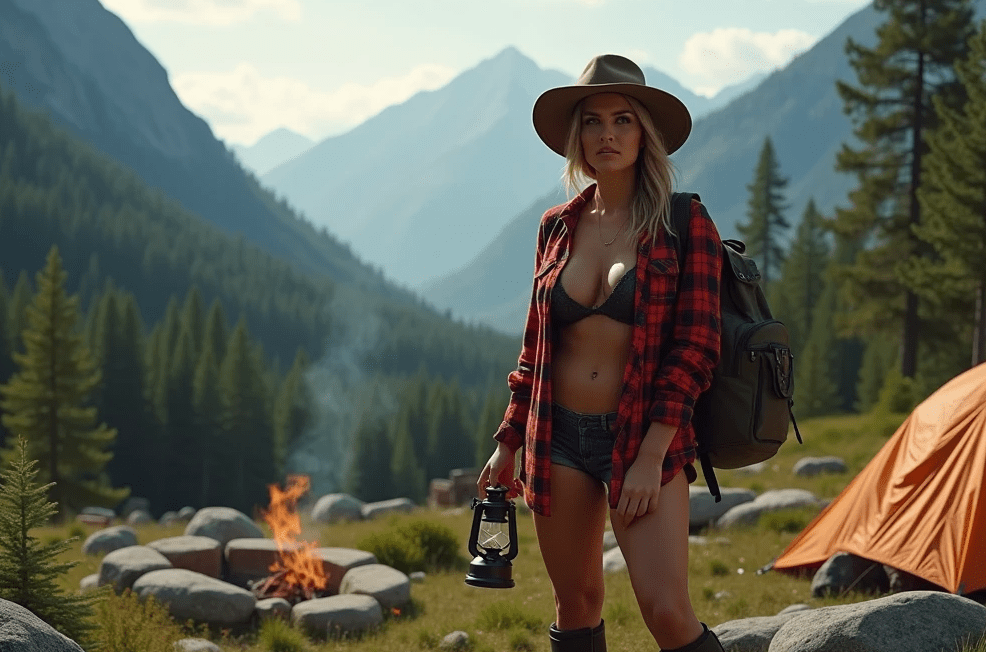
Is Oregon’s Drinking Water Safe? A Survivalist’s No-Nonsense Reality Check

Listen up. If you think the water flowing out of Oregon’s taps is safe just because some fancy government agency says so, you’re dead wrong—and you’re putting your life and your family’s lives at risk. I don’t care what shiny reports or press releases you read. The truth is, in a world where contaminants, pollutants, and corruption run rampant, trusting municipal water without question is downright stupid. You want survival skills? You better start with water filtration and purification because when the grid goes down, and when that “safe” water becomes a toxic cocktail, you’ll be begging for the knowledge you ignored.

Oregon may have picturesque forests and pristine rivers on the surface, but beneath that veneer lies a brewing nightmare. Agricultural runoff, industrial waste, aging infrastructure, and increasing wildfires have all contributed to water contamination. Lead pipes, pesticide residues, nitrates, bacterial pathogens, and yes, even radioactive particles have been detected in various water sources across the state. That’s not paranoia. That’s reality. And if you don’t prepare for it, you’re done.

So before you guzzle down your tap water with blind confidence, let me hammer this home: do not rely on Oregon’s drinking water to be safe. You must master water filtration and purification. If you don’t, you’ll be drinking poison in a survival scenario.


15 Water Filtration Survival Skills Every Oregonian Needs NOW

  1. Know Your Water Sources
    Do not blindly drink from any stream, river, or lake. Study the area, upstream activity, and signs of pollution. Water near farms, factories, or settlements is almost always contaminated.
  2. Carry a Portable Water Filter
    High-quality portable filters like Sawyer Mini or LifeStraw can remove bacteria and protozoa. Don’t skimp on this essential gear.
  3. Boiling Is Your Last Reliable Defense
    When in doubt, boil water vigorously for at least 1 minute (3 minutes at higher elevations). It kills most pathogens.
  4. Use Chemical Treatments
    Chlorine dioxide tablets or iodine can disinfect water but remember, some parasites like Cryptosporidium are resistant. Always combine with filtration.
  5. Master Improvised Filters
    Learn to build layered filters with cloth, sand, charcoal, and gravel to remove particulates before further purification.
  6. Avoid Still Water
    Stagnant pools breed bacteria, parasites, and algae toxins. Always move downstream or find flowing water sources.
  7. Pre-Filter Murky Water
    Let suspended solids settle or filter with a cloth before using a pump or straw filter to avoid clogging.
  8. Learn to Distill Water
    Distillation removes heavy metals, salts, and most contaminants but requires fuel and time. Crucial for toxic chemical situations.
  9. Use UV Purifiers
    Portable UV devices like SteriPEN can kill viruses and bacteria in clear water quickly. Requires batteries but very effective.
  10. Regularly Clean Your Filters
    Dirty filters clog and lose effectiveness. Follow manufacturer instructions for cleaning and maintenance religiously.
  11. Store Filtered Water Safely
    Use clean, sealed containers. Never contaminate filtered water by dipping dirty hands or cups.
  12. Identify Signs of Water Contamination
    Discoloration, foul smell, oily sheen, or dead wildlife nearby are warning signs to avoid or treat water thoroughly.
  13. Build a Solar Still
    Use plastic sheeting and sun heat to evaporate and collect distilled water. Essential in desert or drought survival.
  14. Use Activated Charcoal for Toxins
    Charcoal can adsorb some chemicals and toxins but won’t remove pathogens alone. Combine with other methods.
  15. Keep Emergency Water Storage
    Store filtered, treated water for at least two weeks’ supply per person. Rotate regularly and know how to ration.

3 DIY Survival Drinking Water Hacks You Can Use RIGHT NOW

Hack #1: The Charcoal Sand Filter
Crush charcoal from your campfire or store-bought activated charcoal. Layer it in a container with fine sand on top, coarse sand next, and gravel at the bottom. Pour water slowly through this makeshift filter to remove sediments and reduce some toxins. Follow up with boiling or chemical treatment for safety.

Hack #2: Solar Distillation Funnel
Grab a clean bowl, a smaller cup or container, plastic wrap, and a rock. Put the dirty water in the bowl, place the small container inside to catch distilled water, cover with plastic wrap, and place the rock in the center to create a dip. Leave in the sun for hours. Water evaporates, condenses on the plastic, and drips into the small container—clean, distilled water free of salts and pathogens.

Hack #3: Cloth and Sand Pre-Filter
If all you have is murky, sediment-heavy water, use a clean cotton or bandana cloth to strain out debris. Next, pour the filtered water through a container layered with sand and gravel for further sediment removal. This pre-filtered water is then safer for chemical or boiling treatment.


Final Warning: Don’t Trust, Prepare

Wake the hell up. Oregon’s drinking water is far from universally safe. We live in a time when government agencies routinely miss or under-report contamination issues. Wildfires can devastate watersheds overnight, turning pristine sources into toxic sludge. Industrial accidents can spill chemicals into rivers. And lead pipes, many dating back decades, still poison tap water in urban and rural areas alike.

Your survival depends on your readiness. That means being armed with filtration knowledge and tools, not blindly trusting the status quo. Do your own water testing if possible. Always have backup purification methods. And above all, practice these survival skills until they become second nature.

Because when the time comes and you’re thirsty, the difference between clean water and contaminated water is the difference between life and death. So, quit whining about how good your water “should” be and get serious about protecting your family now. Your health, your survival, your future depends on it.


If you want to survive in Oregon or anywhere else, your #1 priority is clean, safe drinking water. Period. No excuses. No shortcuts. Get the gear. Learn the skills. And never forget: your life depends on the water you drink. If Oregon’s water isn’t safe, it’s your job to make it safe. Get to work.


Surviving Oregon: Essential Prepper Tips for the Worst Natural Disasters

Living in Oregon means you get to experience the breathtaking beauty of our mountains, forests, and coastline. But with those natural wonders come some serious challenges. From earthquakes that could shake the entire state to wildfires that sweep across vast areas, Oregon residents need to be prepared for the unexpected. Natural disasters are a reality here, and as a prepper, it’s crucial to know what to expect and how to stay alive when everything goes sideways. In this article, we’ll dive into how Oregonians can prepare for the state’s worst natural disasters.

Understanding Oregon’s Natural Disaster Risks

CLICK HERE TO LEARN HOW TO SURVIVE A FAMINE

Oregon is no stranger to natural disasters. The state’s unique geography and climate mean that we’re at risk for multiple types of catastrophic events. Here’s a breakdown of the most common disasters Oregonians face:

  1. Earthquakes: Oregon lies on the Cascadia Subduction Zone, a fault line that runs off the coast and could produce a major earthquake at any time. The Cascadia earthquake, expected to be a magnitude 9 or higher, could devastate much of the state, with significant infrastructure damage and widespread chaos.
  2. Wildfires: Oregon’s forests are a beauty to behold, but they are also highly susceptible to wildfires. These fires can start easily in the dry summer months and quickly spread across thousands of acres.
  3. Flooding: Heavy rains, especially in the winter months, can cause flooding in the Willamette Valley and along the coast. Floodwaters can wash out roads, damage homes, and create long-lasting issues for affected communities.
  4. Tsunamis: Living on the coast or in low-lying coastal areas means being at risk of a tsunami triggered by a major earthquake along the Cascadia fault.
  5. Severe Weather: While not as frequent, Oregon can experience extreme weather conditions, including ice storms, snowstorms, and windstorms. The mountainous regions often see heavy snowfall, and the coastal areas can be hit by intense wind events.

For those of us living here, preparing for the worst is not just an option—it’s a necessity.

How to Prepare for Oregon’s Worst Natural Disasters: A Prepper’s Guide

Now that we understand the types of natural disasters Oregon faces, it’s time to talk about how to prepare for them. Here’s a prepper’s guide to surviving these emergencies:

1. Build a Comprehensive Emergency Kit

Every prepper needs an emergency kit, and it should be tailored to the specific needs of your region. For Oregon residents, this means being prepared for both earthquakes and wildfires. Your kit should include water, non-perishable food, a first aid kit, a flashlight, a radio, batteries, and essential medications. Don’t forget to include clothing suited for all weather conditions, such as rain gear, warm clothing, and sturdy boots.

Prepper Tip: Include a fire extinguisher in your kit to address wildfires that may break out near your home.

2. Plan Your Evacuation Routes

In the event of an earthquake or wildfire, evacuation could be a matter of life and death. Make sure to identify multiple evacuation routes from your home, especially if you live in a high-risk area. Know where your nearest emergency shelters are located, and practice evacuation drills with your family.

Prepper Tip: If you live in a coastal area, know your tsunami evacuation route and where high ground is.

3. Seismic Safety for Earthquakes

Oregon is prone to earthquakes, and the Cascadia Subduction Zone could produce a massive quake at any time. To prepare, secure heavy furniture and objects that could fall during a tremor. Reinforce doors, windows, and walls to withstand shaking. Make sure your home’s foundation is secure, and if you’re in a high-risk area, consider retrofitting your home for earthquake resistance.

Prepper Tip: Keep a hardhat and protective gloves in your emergency kit in case you need to navigate debris after an earthquake.

4. Create a Wildfire Defense Plan

Wildfires are a constant threat in Oregon, especially during the hot summer months. To defend your property, clear away any dead vegetation, leaves, or dry brush from around your home. Trim back trees and shrubs that could catch fire. Additionally, keep your lawn well-watered and ensure that you have access to water sources for firefighting.

Prepper Tip: Install fire-resistant roofing and siding, and always keep a hose, shovels, and fire tools handy during fire season.

5. Flood Preparedness for the Willamette Valley

The Willamette Valley is particularly susceptible to flooding, so it’s essential to have a plan in place for when waters rise. Elevate important items in your home above potential flood levels. Stockpile sandbags, and make sure your sump pump is working properly. If you live in a floodplain, consider flood insurance to protect your property.

Prepper Tip: Avoid driving through floodwaters, and have a boat or raft on standby in case of an emergency.

6. Tsunami Preparedness for Coastal Areas

If you live near the Oregon coast, tsunami preparedness is crucial. Make sure you have an evacuation plan that leads you to high ground away from the shore. Tsunamis can strike minutes after an earthquake, so it’s essential to act quickly. Always have a battery-powered weather radio to get updates on potential tsunami warnings.

Prepper Tip: Educate your family about tsunami evacuation zones and practice evacuation drills regularly.

7. Stockpile Emergency Food and Water

In the aftermath of a disaster, supplies can run out quickly. For that reason, it’s important to store at least a 72-hour supply of emergency food and water. Focus on high-calorie, non-perishable foods like freeze-dried meals, canned goods, and protein bars. Be sure to rotate your stock every six months to ensure freshness.

Prepper Tip: Keep a portable water filtration system in your kit to purify any local water sources if necessary.

8. Secure Communications

During a disaster, cell networks may go down, so it’s essential to have alternate methods of communication. Invest in two-way radios, a satellite phone, or a ham radio. Make sure everyone in your family knows how to use these devices and has a way to communicate if phone lines are down.

Prepper Tip: Have a paper copy of important phone numbers and contact information, as digital devices may not work in all situations.

9. Practice Self-Sufficiency Skills

Living in Oregon means having the skills to survive when the grid goes down. Learn how to hunt, fish, forage, and grow your own food. Understand basic first aid, fire-starting techniques, and how to purify water.

Prepper Tip: Invest in a good set of tools for gardening, hunting, and emergency repairs.

10. Keep Your Gas Tank Full

Oregon’s remote areas can become isolated during natural disasters, so always keep your vehicle’s gas tank at least half full. This ensures you’ll have enough fuel to evacuate if needed and can power your vehicle’s generator for emergencies.

Prepper Tip: Keep a spare fuel container on hand in case you need extra gas.

Conclusion: Prepare for the Worst, Hope for the Best

Living in Oregon means living with the constant possibility of natural disasters. As a prepper, it’s essential to stay vigilant and be prepared for whatever comes your way. By following these tips, you can ensure that you and your loved ones are ready to handle everything from earthquakes to wildfires to tsunamis. It’s not just about surviving; it’s about thriving in the face of disaster. Stay safe, stay prepared, and trust that your efforts will pay off when disaster strikes.


Incorporating these survival tips will give you the peace of mind knowing that, no matter what Oregon throws at you, you’ll be ready to weather the storm—literally.

Oregon’s Top Bug-Out Locations for Hardcore Preppers

Primitive But Powerful: Oregon’s Most Prepped Campsites

As a seasoned prepper in Oregon, I’ve scouted and tested campgrounds that not only offer breathtaking views but also provide the solitude, resources, and terrain ideal for long-term survival training, bug-out scenarios, or just reconnecting with the land. From dense old-growth forests to high-desert plateaus, Oregon’s diverse landscapes offer unparalleled opportunities for self-reliance practice.

CLICK HERE TO LEARN HOW TO SURVIVE A FAMINE


🏕️ Top 30 Prepper-Friendly Campgrounds in Oregon

  1. Bull of the Woods Wilderness – A rugged, old-growth forest in the Cascades, perfect for stealth camping and water purification training. Wikipedia
  2. Santiam State Forest – Offers diverse terrain with creeks, waterfalls, and fire lookout access, ideal for navigation and shelter-building exercises. Wikipedia
  3. Suttle Lake Campgrounds – Provides access to water for purification practice and opportunities for fishing and boating. Wikipedia+7Wikipedia+7Axios+7
  4. Glass Buttes – A volcanic high-desert area with abundant obsidian, excellent for tool crafting and survival crafting skills. Wikipedia
  5. Derrick Cave – A lava tube cavern offering natural shelter for emergency scenarios and exploration. Wikipedia
  6. Opal Creek Wilderness – Features pristine rivers and old-growth forests, perfect for water sourcing and stealth camping.
  7. Trillium Lake Campground – Provides clear water sources and opportunities for fishing and kayaking.
  8. Devils Lake State Recreation Area – Offers nearly 700 acres of fish-rich waters, suitable for fishing and water purification practice. Axios
  9. Whalen Island County Campground – A rustic coastal retreat ideal for birdwatching, kayaking, and enjoying serene sunsets. Axios
  10. L.L. Stub Stewart Memorial State Park – Known as “Portland’s backyard,” featuring extensive trails and biking paths. Axios
  11. Silver Falls State Park – Offers waterfall hikes and diverse terrain for navigation and shelter-building exercises.
  12. Redwood National and State Parks – Provides serene experiences with ancient coast redwoods and diverse ecosystems. Condé Nast Traveler
  13. Mount Hood National Forest – Features diverse terrain with opportunities for hiking, fishing, and wildlife observation.Wikipedia
  14. Willamette National Forest – Offers a variety of trails and campgrounds for diverse outdoor activities.
  15. Deschutes National Forest – Provides access to lakes, rivers, and trails for fishing, boating, and hiking.
  16. Umpqua National Forest – Features hot springs, waterfalls, and diverse wildlife for exploration.
  17. Wallowa-Whitman National Forest – Offers rugged terrain and diverse ecosystems for hiking and wildlife observation.
  18. Fremont-Winema National Forest – Provides access to lakes and rivers for fishing and boating activities.
  19. Ochoco National Forest – Features diverse terrain with opportunities for hiking and wildlife observation.
  20. Siuslaw National Forest – Offers coastal access and diverse ecosystems for exploration.
  21. Wallowa Lake State Park – Provides access to Wallowa Lake for fishing and boating activities.
  22. Catherine Creek Campground – Offers access to Catherine Creek for fishing and hiking activities.
  23. Timothy Lake Campground – Provides access to Timothy Lake for fishing and boating activities.
  24. Lost Lake Campground – Offers access to Lost Lake for fishing and hiking activities.Wikipedia+2Axios+2Wikipedia+2
  25. Diamond Lake Campground – Provides access to Diamond Lake for fishing and boating activities.
  26. Alvord Desert – A remote desert area offering solitude and opportunities for survival training.
  27. Steens Mountain – Features rugged terrain and diverse ecosystems for hiking and wildlife observation.Condé Nast Traveler
  28. Owyhee River Canyon – Offers remote canyon landscapes for exploration and survival training.
  29. John Day Fossil Beds National Monument – Provides unique geological formations and opportunities for exploration.
  30. Hells Canyon National Recreation Area – Features rugged terrain and diverse ecosystems for hiking and wildlife observation.

🧭 Prepper’s Checklist for Oregon Campgrounds

  • Water Sources: Ensure access to clean water for drinking and purification practice.Wikipedia
  • Terrain Variety: Look for areas with diverse landscapes for navigation and shelter-building exercises.
  • Seclusion: Choose remote locations to practice stealth camping and avoid detection.
  • Wildlife: Familiarize yourself with local wildlife for safety and food sourcing.
  • Emergency Access: Know the nearest exit routes and emergency services.

🔥 Survival Skills to Practice

  • Fire Starting: Practice using various methods to start fires in different conditions.
  • Shelter Building: Construct shelters using natural materials and available resources.
  • Water Purification: Test different methods of purifying water from natural sources.
  • Food Sourcing: Identify edible plants and practice fishing and hunting techniques.