

Most people prepare for disasters they can imagine—storms, blackouts, or getting stranded. Very few mentally prepare for intentional human threats in confined spaces. Unfortunately, history has shown that mass violence can occur anywhere crowds gather, including urban subway systems.
The New York City subway during rush hour represents one of the most challenging survival environments imaginable:
- Enclosed metal cars
- Limited exits
- High passenger density
- Noise, confusion, and panic
- A moving vehicle underground
As a survival prepper, I don’t deal in fear—I deal in realistic risk assessment and actionable preparation. You don’t need to live paranoid. You need to live aware.
Survival in a subway shooting is not about heroics. It’s about seconds, positioning, and decision-making under stress.
Understanding the Subway Threat Environment
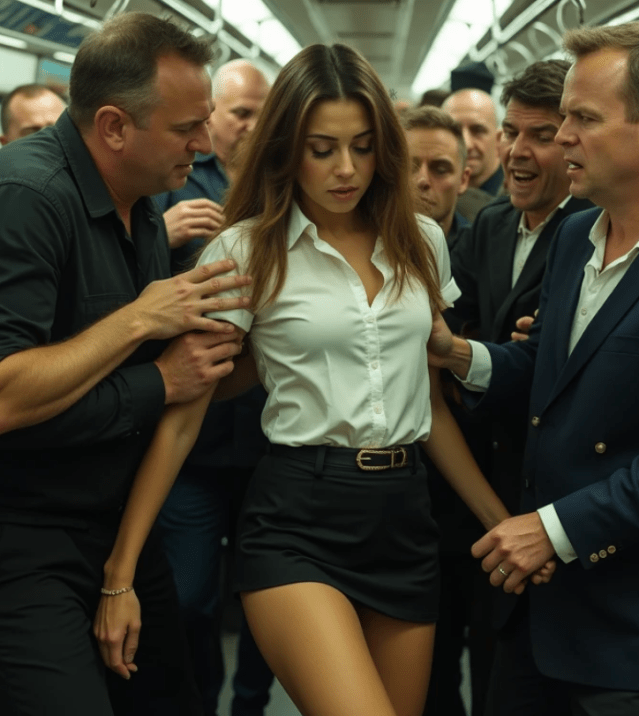
Before discussing what to do, you must understand what makes subway shootings uniquely dangerous:
- Limited Mobility – You can’t simply run out a door at any moment.
- Crowd Compression – Panic can cause trampling injuries.
- Acoustic Confusion – Gunshots echo and disorient.
- Restricted Visibility – Curved tunnels, standing passengers, and low lighting.
- Delayed Law Enforcement Access – Police may take time to reach a moving or underground train.
Preparedness begins long before the train doors close.
Being Proactive at the Subway Station: Spotting Danger Before It Starts

The best survival strategy is not being present when violence begins.
Situational Awareness Is Your First Line of Defense
When entering a station, practice what preppers call relaxed alertness:
- Head up, phone down
- Earbuds low or out
- Observe behavior, not appearances
You’re not profiling—you’re pattern-recognizing.
Behavioral Red Flags to Watch For
While no single sign guarantees danger, combinations matter:
- Extreme agitation, pacing, or erratic movement
- Heavy clothing in warm weather
- Obsessive scanning of crowds
- Loud verbal threats or muttering
- Aggressive confrontations with strangers
- Manipulating bags or waistbands repeatedly
If your instincts fire, trust them. Survival intuition is a real biological tool.
Strategic Station Positioning
Always position yourself with options:
- Stand near walls or columns, not center platforms
- Identify stairways, exits, and emergency intercoms
- Avoid being boxed in by crowds near track edges
If something feels wrong, miss the train. No schedule is worth your life.
Mental Rehearsal: Your Invisible Survival Weapon
Professionals don’t rise to the occasion—they fall to the level of their training.
Before ever boarding a train, mentally ask:
- Where would I move if something went wrong?
- What objects could block line of sight?
- Where are the doors?
- Who depends on me?
Mental rehearsal reduces freeze response when seconds matter.
When a Shooting Begins Inside a Moving Subway Train
If gunfire erupts, your brain will want to deny it. Expect this reaction—and override it.
First Rule: Move With Purpose, Not Panic
Panic kills more people than bullets in confined spaces.
- Don’t scream unless necessary
- Don’t shove blindly
- Don’t freeze
Your goals are distance, barriers, and concealment.
Hiding and Concealment Options Inside a Subway Car
Subway trains are not designed for safety in violent events—but there are better and worse places to be.
Use Line-of-Sight Denial
Your goal is not to be invisible—it’s to be unseen long enough.
Better Hiding Positions:
- Behind seating clusters rather than aisles
- Low to the floor behind seats
- Between train cars (if accessible and safe)
- Behind structural dividers near doors
Avoid:
- Standing upright
- Center aisles
- Door windows
- Corners with no exit routes
Go Low and Stay Still
Most shooters scan at standing height. Dropping low reduces visibility and target profile.
- Lie flat if possible
- Turn your body sideways
- Control breathing
Movement draws attention. Stillness buys time.
Barricading and Improvised Obstruction
If escape isn’t possible:
- Use bags, backpacks, or loose objects to block movement
- Push items into narrow passageways
- Create clutter that slows advancement
Your objective is delay, not confrontation.
Every second you delay increases chances of escape or intervention.
Slowing or Stopping the Shooting Without Engaging the Shooter
This section is critical—and misunderstood.
Survival Is Not About Fighting
Unless you are trained, capable, and forced into immediate proximity, attempting to physically stop a shooter dramatically increases risk.
Instead, focus on environmental disruption and escape facilitation.
Actions That May Help Reduce Harm
- Alerting others quietly to move away
- Pulling emergency communication systems when safe
- Creating obstacles that disrupt movement
- Breaking line of sight
- Spreading away from danger zones
Do not attempt to chase or restrain unless no other option exists and lives depend on immediate action.
When the Train Stops: Transitioning to Escape Mode
Once the train halts:
- Expect confusion
- Expect smoke, alarms, and shouting
- Expect partial instructions
Escape Principles
- Move away from the threat, not toward exits blindly
- Follow transit authority or police commands if visible
- Help children, elderly, or injured only if safe
- Leave belongings behind
Material items are replaceable. You are not.
Survival Gear You Can Carry Every Day Without Drawing Attention
Preparedness doesn’t require tactical gear.
Low-Profile Survival Items
- Small flashlight or phone flashlight knowledge
- Tourniquet or compact trauma kit
- Eye protection (clear glasses)
- Mask or cloth for smoke
- Portable phone battery
Clothing Choices Matter
- Shoes you can run in
- Clothing that allows movement
- Minimal dangling accessories
Survival often comes down to mobility.
Psychological Survival After the Incident
Surviving is not just physical.
Expect:
- Shock
- Guilt
- Confusion
- Emotional numbness
Seek medical and psychological support. Survival includes recovery.
Training the Survival Mindset
The strongest weapon you carry is your mind.
- Stay aware without fear
- Train observation daily
- Accept reality without denial
- Act decisively
Preparedness is calm, not paranoia.
Subway Safety: Prepared, Not Scared

Mass shootings are rare—but consequences are severe.
You don’t prepare because you expect it to happen.
You prepare because you value life—especially your own and those you love.
Survival favors those who:
- Notice early
- Move intelligently
- Think under pressure
- Avoid unnecessary risk
Stay aware. Stay prepared. Stay alive.
 TheDailyChristian