

Nothing gives you greater peace of mind than being able to supply your own food.
When you know that your family will not go hungry no matter what, you can feel a sense of security that most people can’t understand…
A sense of security that most people will not ever understand.
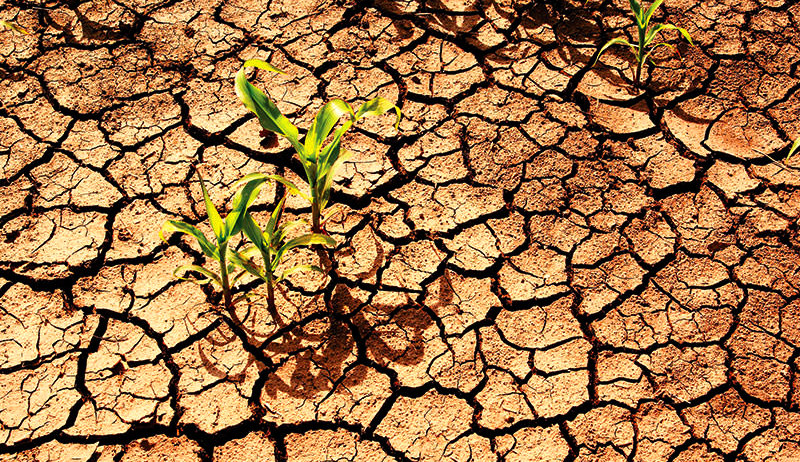
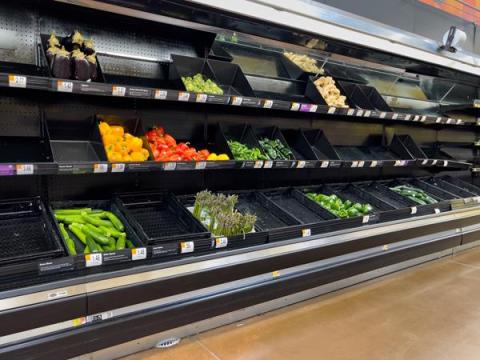
In the times we are experiencing, there are plenty of challenges that could lead to a food shortage.
From recession to global crises, we have seen everything during the past months.
I want to share with you how you can become your own food supplier, so that you can always survive comfortably.
If you follow everything in this article, then there is no possible way that your family can ever go hungry.
Long-term Food Storage
Let’s talk about the elephant in the room.
If you want to have enough food no matter what, you need to stockpile.
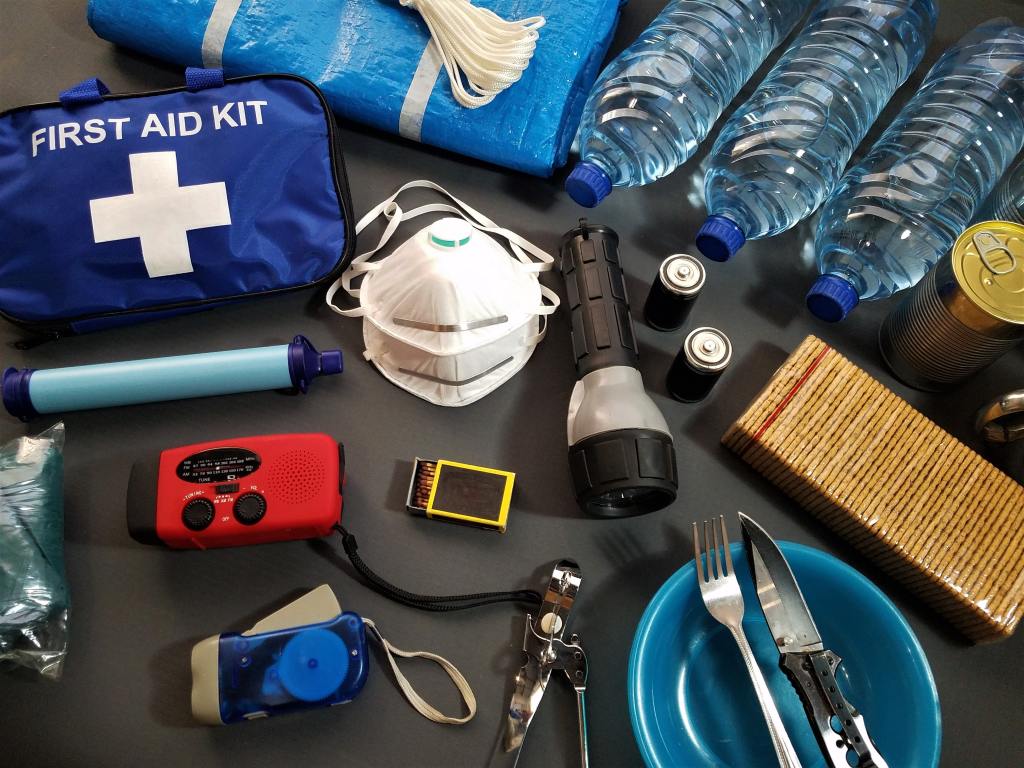
Below you will find the most essential goods you need to store.
Canned goods
Canned goods are non-negotiable when we are preparing for emergencies.
These little metal containers can last for years, making them ideal for long-term storage.
But remember, variety is key!
Stock up on fruits, vegetables, meats, and even soups.
And don’t forget to keep them in a cool, dry place away from direct sunlight to prolong their freshness.
Dehydrated and freeze-dried foods
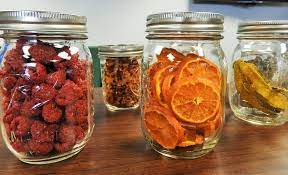
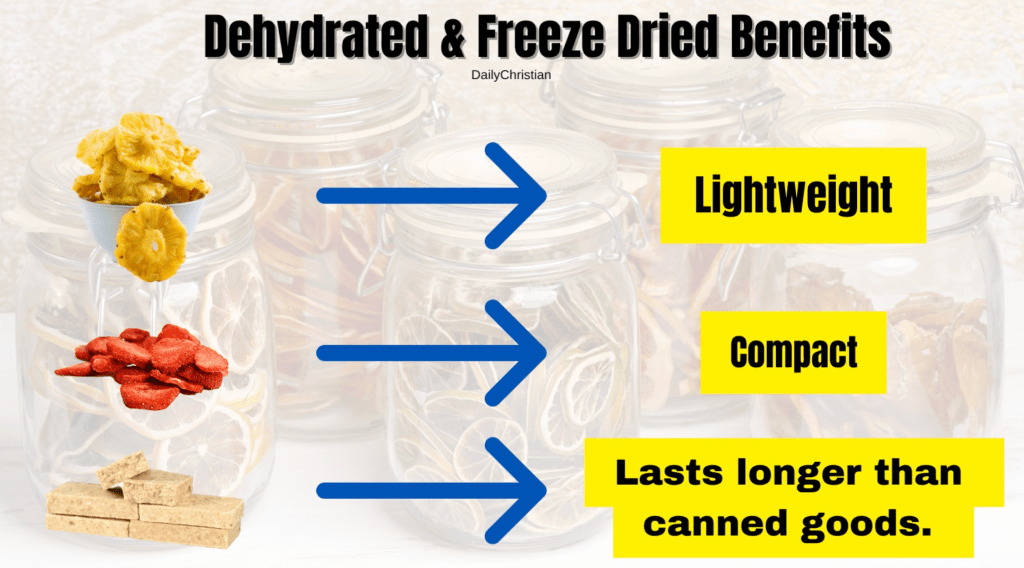
Dehydrated and freeze-dried foods are a step further toward self-sustenance.
They’re lightweight, compact, and last even longer than canned goods.
You can either dehydrate your own food or shop for ready-made options.
Either way, make sure you store them properly in airtight containers to maintain their quality.
Mylar bags
Friends, this is where things start getting exciting.
Vacuum sealing your mylar bags can help you preserve your food’s freshness for years.
You heard me right, years!
Just make sure you follow the storage guidelines like keeping them in a cool, dark place to ensure they stay in tip-top condition.
Growing Your Own Food


When you’ve stockpiled as much food as you can, it’s time to make use of your garden.
Or, in other words, it’s time to select crops.
In survival situations, calories should be your main focus.
The main type you need to grow is calorie-dense crops like potatoes and corn.
Then there are nutrient-rich crops like leafy greens and tomatoes.
Everyone should have some of those in their backyard.
What a lot of people often neglect, however, are beans, peas, and squash.
These plants provide valuable nutrients and improve soil health through nitrogen fixation and natural pest control.
If you don’t have a lot of space, consider container or vertical gardening.
These methods allow you to grow more food in less space.
Which is really important when you are trying to maximize your produce.
Raising Livestock
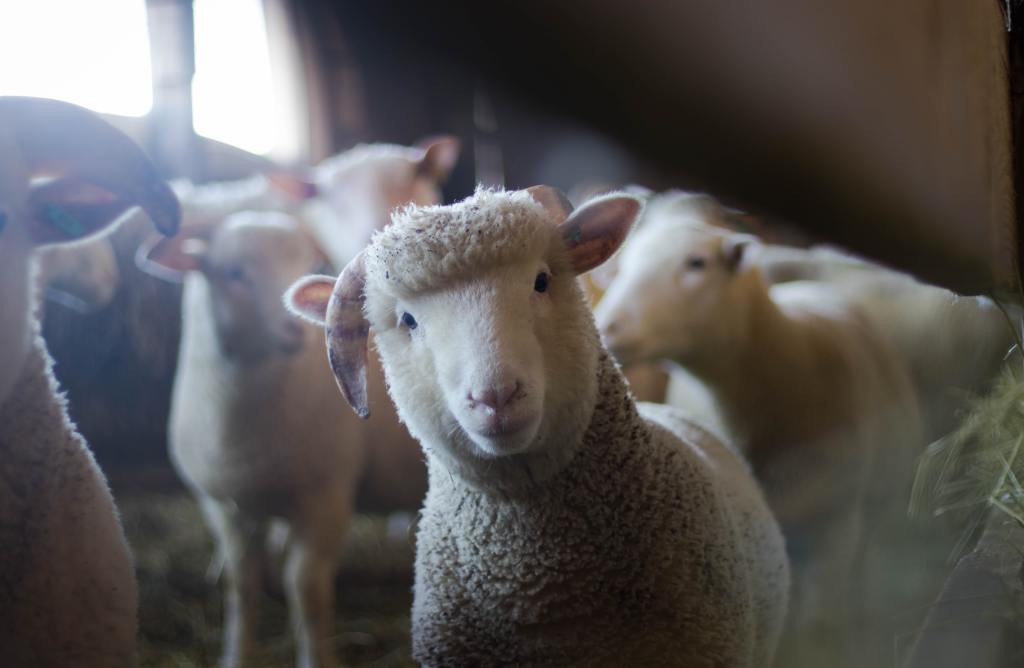
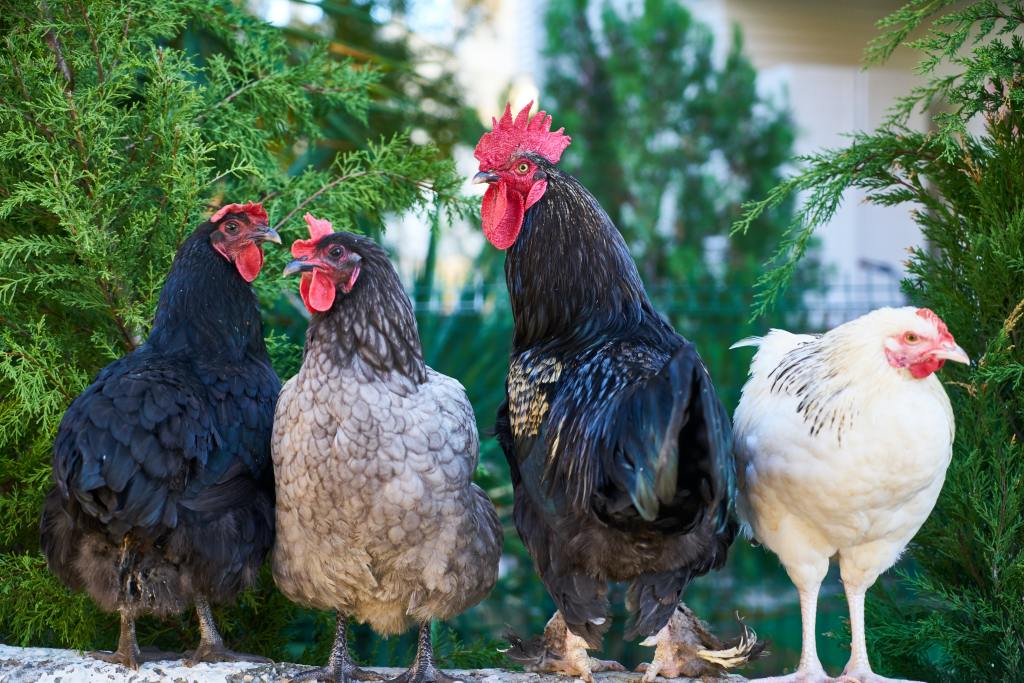
I don’t know how many people raise their own livestock anymore…
But it is a game changer for sustainable living.
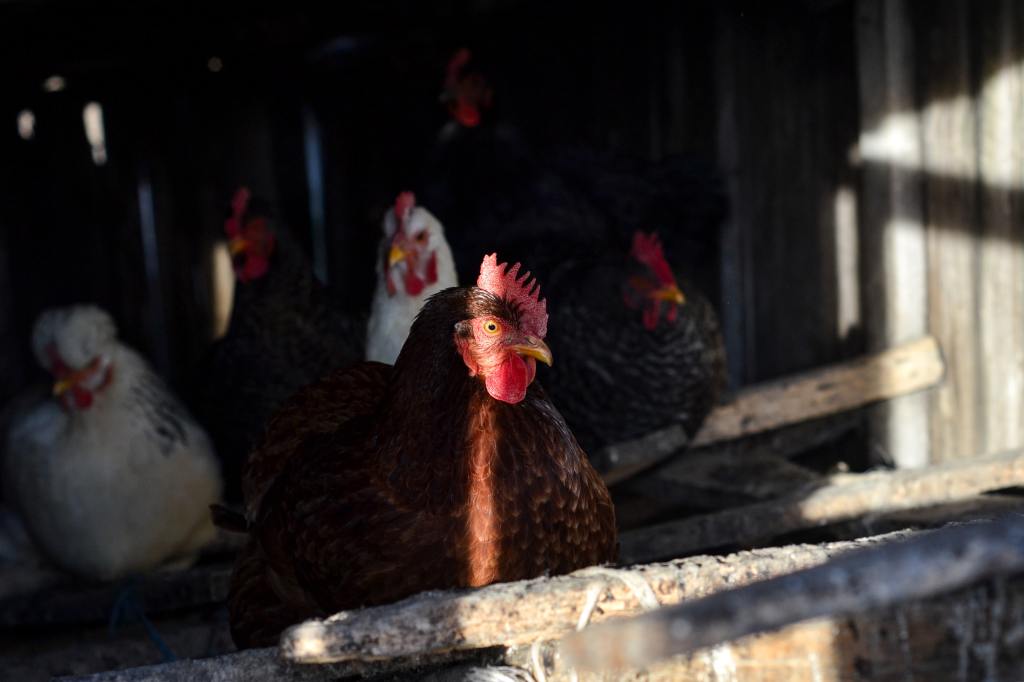
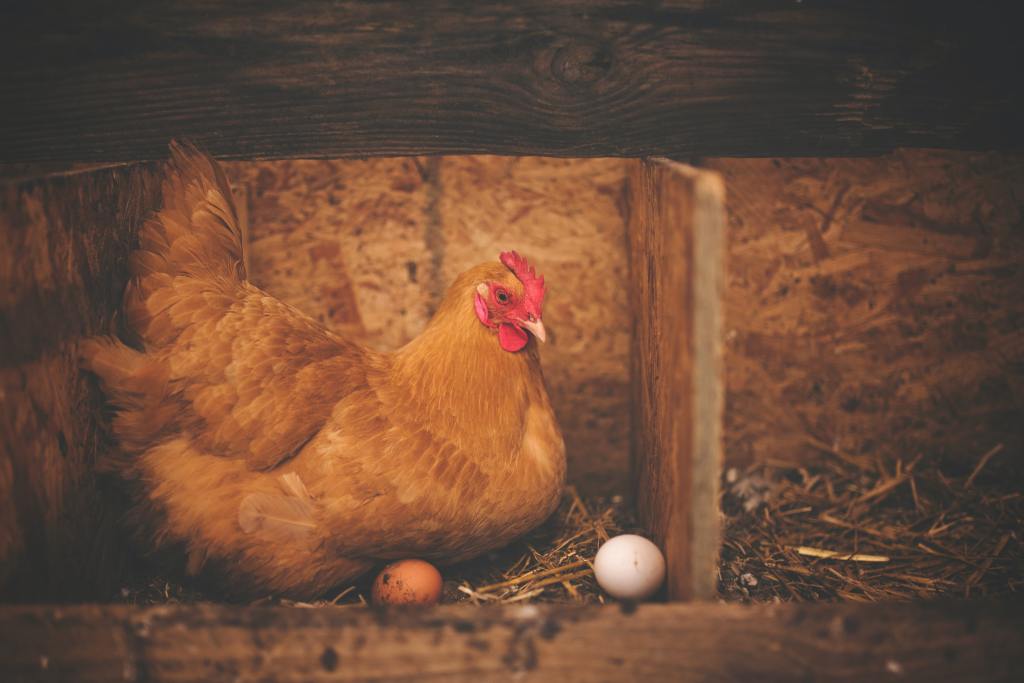
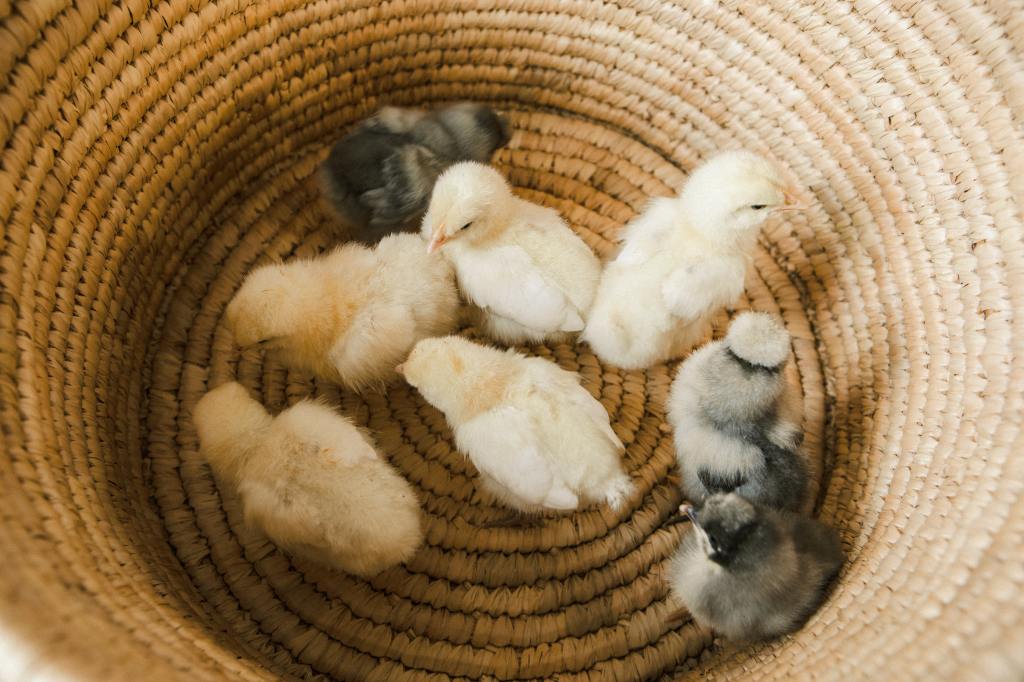
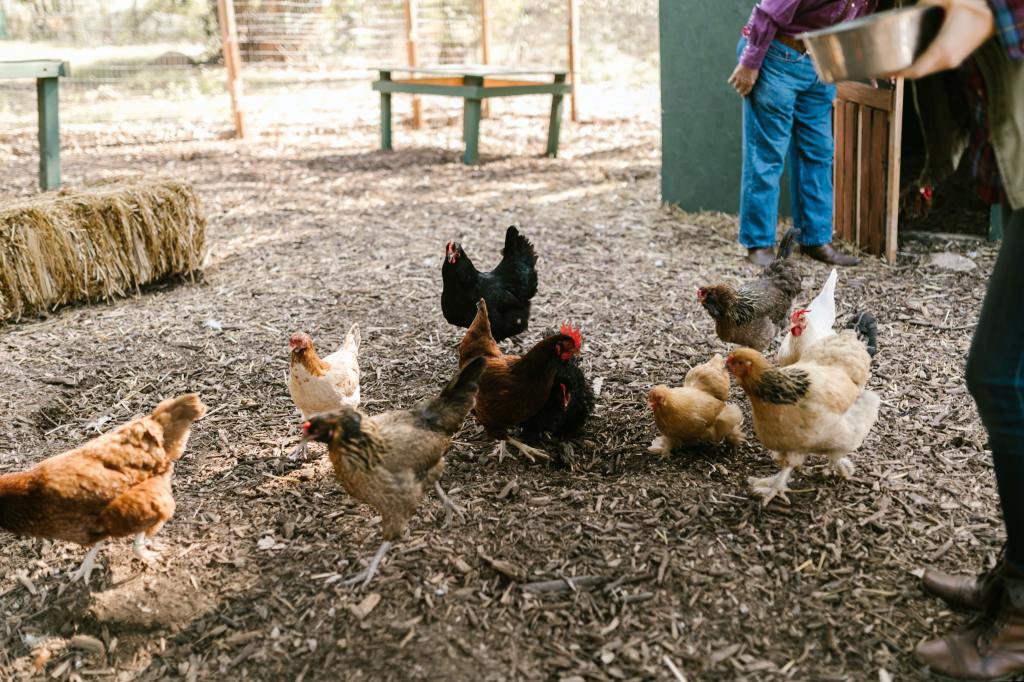
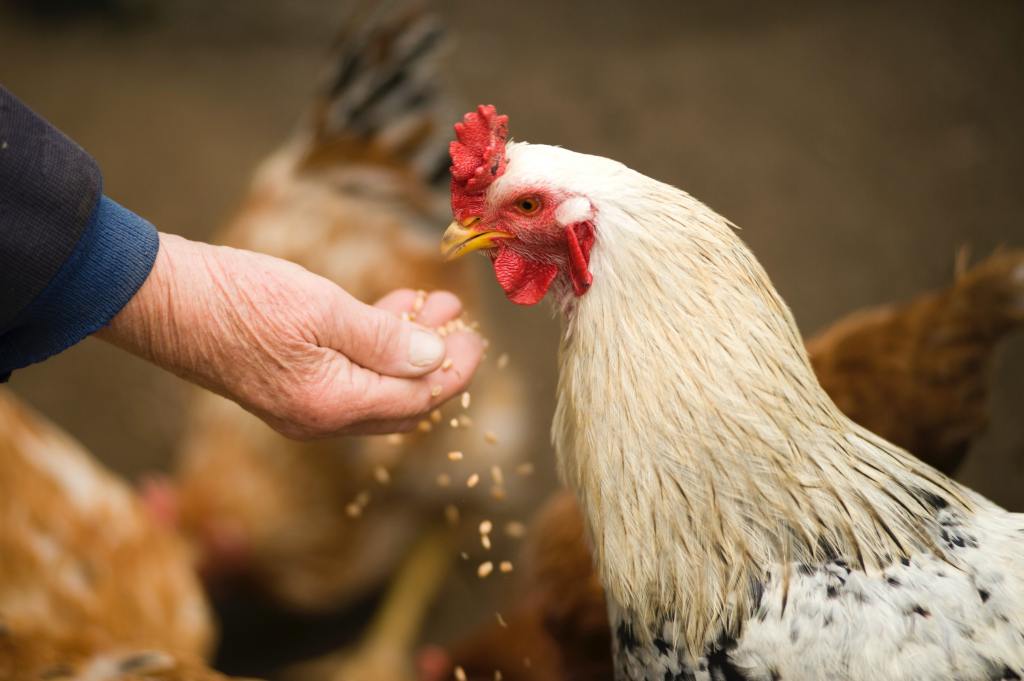
The No. 1 choice when deciding what animals to raise is chickens.
They provide a steady supply of eggs and meat, and their manure can be used as fertilizer for your garden.
The second option should be goats.
Goats are a valuable addition to any small homestead, providing milk, cheese, and meat.
Some other excellent options are rabbits, ducks, and goats.
They can also be used for land clearing and weed control, as they are browsers by nature.
By carefully selecting and managing small-scale livestock, you can create a diverse and sustainable food supply for your family, even in challenging times.
Research each animal’s specific needs and local regulations to ensure a successful and responsible food supply chain.
Foraging and Hunting


There could come a time when in spite of how self-sustained you’ve become…
You have to abandon everything and evacuate.
It’s a very unfortunate situation.
One that a lot of folks don’t even want to think about.
But remember, we are preparing for any eventuality.
If we have to bug out with nothing but our clothes and a small kit, we have to rely on our skills for survival.
Knowing how to forage and hunt for food can make a huge difference in these situations.
First, let’s talk about foraging for wild edibles.
This is something that you have to do safely.
Take the time to learn about the wild edible plants native to your region.
Invest in a reputable field guide or attend local workshops to become familiar with plant identification.
And for the love of God, be cautious of look-alikes!
Some edible plants have toxic counterparts.
If you eat something that you were not supposed to…
When there is no hospital nearby…
Let’s talk about something else.
Hunting


Knowing how to hunt can be invaluable in times of crisis.
A single adult deer can provide meat that can feed a family of four to six people for several weeks.
If you are good at hunting, you’ll be able to take care of your loved ones with no issues.
It’s crucial to invest time in developing your hunting skills, as it’s something that’s more complicated than most people think.
Tracking and stalking an animal requires a lot of experience and patience.
Also, make sure you know the local laws and regulations, and don’t ever hunt without a permit.
Practice ethical hunting by targeting abundant species, taking clean shots to minimize suffering, and making full use of the animal to minimize waste.
And of course, know how to properly skin, butcher, and package the meat, as well as how to store and cook it.
Foraging and hunting skills can secure nutritional food for everyone in your family in times of crisis.
Community and Cooperation


Humans have survived for such a long time thanks to building communities.
We are in this together.
Your local community is invaluable for sharing resources, knowledge, or even a helping hand.
In times of need, we can ensure that everyone survives.
If you want help from your neighbors, don’t be shy to ask.
And don’t hesitate to help them in return.
Trading with your fellow preppers is an excellent way to strengthen connections and ensure everyone’s needs are met.
And speaking of togetherness, why not establish a community garden?
Collective food production has numerous benefits, like increased food security and shared labor.
By assigning roles and responsibilities, you can create an efficient and thriving garden that benefits everyone involved.
When it comes to ensuring you have enough food to feed your family, anything goes.
I would advise you to take advantage of every one of the tips in this article.
The key to survival is preparation.
So take the time to produce your own food, and comfortably make it unscathed out of any emergency.









































 TheDailyChristian