How to Survive Against The Most Dangerous Insects in Michigan

I’m going to say something that makes people uncomfortable: nature does not care how modern you think you are.

You can have air conditioning, a smartphone, and a garage full of power tools, and a creature that weighs less than a paperclip can still ruin—or end—your life under the right conditions. I’ve spent years studying survival, risk awareness, and emergency response, and I’m constantly amazed at how casually people dismiss insects as “just bugs.”

That attitude is how people get hurt.

Michigan isn’t Australia. We don’t have swarms of venomous nightmares crawling out of every tree. But pretending Michigan’s insects are harmless is just another symptom of a soft world that doesn’t like uncomfortable truths. Some insects here can kill you—not because they’re evil, but because biology doesn’t care about your assumptions.

The good news? You can survive every single one of these threats if you respect them and prepare like an adult.

Let’s talk about the real dangers.


First, Let’s Get One Thing Straight

Insects in Michigan do not roam around hunting humans. Deaths are rare, and almost always the result of:

  • Severe allergic reactions
  • Infections or disease transmission
  • Multiple stings or delayed medical response
  • Poor awareness and worse decision-making

Survival isn’t about fear. It’s about not being stupid when it counts.


1. Bees, Wasps, Hornets, and Yellow Jackets: The Real Killers

If one insect category in Michigan deserves your respect, it’s stinging insects.

Why They’re Dangerous

For most people, a sting hurts and that’s it. But for others, a single sting can trigger anaphylaxis, a fast-moving allergic reaction that can shut down breathing and blood pressure in minutes.

Even people who don’t know they’re allergic can discover it the hard way.

Yellow jackets and hornets are especially dangerous because:

  • They attack in groups
  • They defend nests aggressively
  • They can sting multiple times

Every year, people in the U.S. die from these insects—not because the insects are strong, but because humans are unprepared.

Survival Strategy

  • Know your allergy status. If you’ve ever had swelling beyond the sting site, don’t ignore it.
  • Carry antihistamines during outdoor work or camping.
  • Epinephrine (EpiPen) saves lives if prescribed—this is not optional if you’re allergic.
  • Never swat aggressively; slow movement saves you pain and panic.

I get angry when people laugh this off. This is basic risk awareness. We wear seatbelts—why ignore this?


2. Mosquitoes: Small, Annoying, and Potentially Deadly

People joke about Michigan mosquitoes like they’re a personality trait. I don’t laugh.

Why They’re Dangerous

Mosquitoes in Michigan can carry diseases such as:

  • West Nile Virus
  • Eastern Equine Encephalitis (EEE) (rare but severe)

Most infections don’t become life-threatening, but some do—especially for children, older adults, or people with weakened immune systems.

The danger isn’t dramatic. It’s quiet. Fever, headache, confusion—and suddenly you’re in serious trouble.

Survival Strategy

  • Use repellent with proven effectiveness when exposure is high.
  • Avoid standing water near living areas.
  • Wear long sleeves during peak mosquito activity.
  • Don’t ignore flu-like symptoms after heavy mosquito exposure.

This is the kind of threat that kills because people say, “It’s probably nothing.”

Survival mindset means taking “probably” seriously.


3. Deer Flies and Horse Flies: Pain, Infection, and Rare Complications

These flying pests don’t get enough attention because they’re not venomous. That’s a mistake.

Why They’re Dangerous

  • Their bites tear skin, not puncture it
  • They can cause significant bleeding
  • Open wounds increase infection risk
  • Some people experience severe inflammatory reactions

While deaths are extremely rare, untreated infections can escalate quickly—especially in wilderness or remote conditions.

Survival Strategy

  • Clean bites immediately with soap and water
  • Use antiseptic
  • Monitor for redness, heat, or swelling that spreads
  • Cover wounds when outdoors

Pain is not the danger. Neglect is.


4. Fire Ants (Rare, But Worth Mentioning)

Fire ants are not widespread in Michigan, but isolated populations have appeared in recent years due to climate shifts and transport.

Why They’re Dangerous

  • Multiple stings can overwhelm the body
  • Allergic reactions are possible
  • Secondary infections can occur

Survival Strategy

  • Avoid disturbing nests
  • Treat stings promptly
  • Seek medical care if breathing or swelling worsens

I don’t care how rare something is—if it can hurt you, it deserves respect.


What Survival Really Looks Like (And Why People Hate Hearing This)

Survival isn’t about living in fear or hoarding gear. It’s about humility.

The world is full of people who think preparedness is paranoia. Those same people panic when something unexpected happens.

Here’s what actually keeps you alive:

  • Awareness of real threats
  • Basic medical readiness
  • Willingness to act early instead of “waiting it out”
  • Respect for biology and environment

I stay optimistic because knowledge works. Preparation works. Calm thinking works.

But I stay angry because the world keeps teaching people that nothing bad will happen—as long as it’s uncomfortable to talk about.

That lie gets people hurt.


Final Thoughts On Michigan’s Bug Population: You Don’t Need Fear—You Need Respect

Michigan’s insects are not monsters. They’re not out to get you. But they don’t care if you’re ignorant, distracted, or unprepared.

Survival doesn’t require extreme measures. It requires:

  • Paying attention
  • Acting early
  • Respecting small threats before they become big ones

You don’t survive because you’re lucky.
You survive because you’re ready.

And in a world that keeps pretending readiness is optional, that mindset alone already puts you ahead.

Stay sharp. Stay calm. And stop underestimating the smallest things—they’ve been ending lives long before modern comfort showed up.


Top 10 Killers in America (Non-Health Related) and How to Outlive Them with Prepper Wisdom

I’m a prepper. That means I stock food, rotate water, check batteries twice a year, and assume that if something can go wrong, it will—usually at the worst possible moment.

But here’s the thing most folks don’t like to think about: the majority of Americans don’t die from mysterious diseases or dramatic movie-style disasters. They die from ordinary, everyday, painfully preventable events.

The kind that happen because someone was distracted, unprepared, or assumed “it won’t happen to me.”

This article isn’t meant to scare you (okay, maybe a little). It’s meant to make you harder to kill. Below are the top 10 most common non-health-related causes of death in the United States—and practical, prepper-approved ways to avoid each one.

Strap in. Literally. That’s tip number one.


1. Motor Vehicle Accidents (AKA: Death by Commuting)

Cars are the single most dangerous tool most Americans use daily—and we treat them like comfy metal sofas with cup holders.

Why it kills so many people:

  • Speeding
  • Distracted driving
  • Drunk or impaired drivers
  • Poor vehicle maintenance

Prepper Survival Tips:

  • Wear your seatbelt. Every time. No exceptions.
  • Assume every other driver is actively trying to kill you.
  • Don’t text. That meme can wait.
  • Keep your vehicle maintained like it’s an escape vehicle—because one day it might be.
  • Carry a roadside kit: flares, flashlight, water, first-aid, jumper cables.

Prepper rule: If you’re behind the wheel, you’re on patrol.


2. Accidental Poisoning & Overdose (Not Just “Drugs”)

This category includes illegal drugs, prescription misuse, household chemicals, and even carbon monoxide.

Why it happens:

  • Mixing medications
  • Improper storage of chemicals
  • Poor ventilation
  • “Eyeballing” dosages (never eyeball anything except suspicious strangers)

Prepper Survival Tips:

  • Install carbon monoxide detectors on every level of your home.
  • Label all chemicals clearly.
  • Lock meds away from kids—and adults who “just grab whatever.”
  • Read labels like your life depends on it… because it might.

A prepper doesn’t trust fumes, powders, or mystery pills. Ever.


3. Falls (Yes, Gravity Is Still the Enemy)

Falls kill more Americans than fires and drownings combined, especially as people age.

Common scenarios:

  • Ladders
  • Slippery stairs
  • Bathroom wipeouts
  • “I don’t need help” moments

Prepper Survival Tips:

  • Use ladders correctly. No standing on buckets.
  • Install grab bars in bathrooms. Pride heals slower than broken bones.
  • Wear shoes with traction.
  • Don’t rush. Gravity loves impatience.

Survival mindset: If you fall, you’ve surrendered the high ground—to the floor.


4. Fire and Smoke Inhalation

Fire doesn’t care how tough you are or how expensive your couch was.

Why it kills:

  • Faulty wiring
  • Unattended cooking
  • Candles
  • Smoking indoors
  • No escape plan

Prepper Survival Tips:

  • Install and test smoke detectors regularly.
  • Keep fire extinguishers in the kitchen and garage.
  • Never leave cooking unattended.
  • Practice fire escape routes with your family.

Rule of flame: If you smell smoke, you’re already behind schedule.


5. Firearms Accidents (Negligence, Not the Tool)

Firearms themselves aren’t the issue—carelessness is.

Common causes:

  • Improper storage
  • Failure to check chamber status
  • Treating firearms like toys

Prepper Survival Tips:

  • Store firearms locked and unloaded when not in use.
  • Treat every firearm as loaded.
  • Never point at anything you don’t intend to destroy.
  • Educate everyone in the household on firearm safety.

A prepper respects tools. Especially the loud ones.


6. Drowning (Even Strong Swimmers Die This Way)

You don’t need the ocean to drown. Pools, lakes, rivers, and even bathtubs qualify.

Why it happens:

  • Overconfidence
  • Alcohol
  • Poor supervision
  • No flotation devices

Prepper Survival Tips:

  • Never swim alone.
  • Wear life jackets when boating.
  • Supervise children constantly.
  • Learn basic water rescue techniques.

Remember: Water doesn’t negotiate.


7. Workplace Accidents

Construction sites, warehouses, farms, and factories are full of hazards—many ignored until it’s too late.

Common issues:

  • Skipping safety gear
  • Fatigue
  • Rushing
  • Improvised “shortcuts”

Prepper Survival Tips:

  • Wear PPE. All of it.
  • Follow lockout/tagout procedures.
  • Speak up about unsafe conditions.
  • Don’t rush—speed kills more than boredom ever will.

A prepper values fingers, limbs, and spines. Try living without them sometime.


8. Suffocation & Choking

Food, small objects, confined spaces—oxygen deprivation is fast and unforgiving.

Why it happens:

  • Eating too quickly
  • Poor chewing
  • Unsafe sleeping environments
  • Confined spaces without ventilation

Prepper Survival Tips:

  • Learn the Heimlich maneuver.
  • Cut food into manageable pieces.
  • Keep small objects away from children.
  • Never enter confined spaces without airflow testing.

Breathing is non-negotiable. Guard it fiercely.


9. Homicide (Situational Awareness Matters)

While less common than accidents, violence still claims lives every year.

Risk factors:

  • Poor situational awareness
  • Escalating confrontations
  • Unsafe environments
  • Alcohol-fueled decisions

Prepper Survival Tips:

  • Trust your instincts.
  • Avoid unnecessary confrontations.
  • Learn basic self-defense.
  • Keep your head on a swivel in public.

The best fight is the one you never show up to.


10. Extreme Weather Exposure

Heat, cold, storms, and floods kill more people than most realize.

Common mistakes:

  • Underestimating conditions
  • Lack of preparation
  • Ignoring warnings

Prepper Survival Tips:

  • Monitor weather forecasts.
  • Have emergency kits ready.
  • Dress for conditions.
  • Know when to shelter and when to evacuate.

Weather doesn’t care about optimism. Prepare accordingly.


Final Prepper Thoughts: Survival Is a Daily Habit

Most people imagine survival as something dramatic—zombies, EMPs, or alien invasions. But the truth is much less cinematic.

Survival is:

  • Wearing your seatbelt
  • Installing detectors
  • Slowing down
  • Paying attention

The goal isn’t to live in fear. The goal is to live long enough to enjoy the good stuff—family, freedom, and a pantry that’s always suspiciously well stocked.

Stay safe. Stay prepared. And don’t let preventable nonsense take you out early.

EMP Survival Guide: How to Prepare for the Powerless

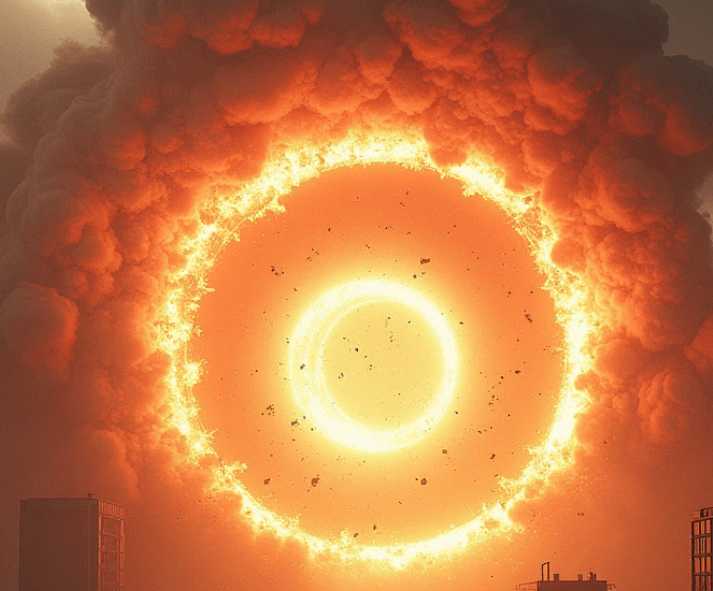
Let’s get one thing straight: when the lights go out because of an EMP—they’re not coming back anytime soon. We’re not talking about a storm that knocks out the grid for a few hours or a squirrel tripping a transformer. An Electromagnetic Pulse (EMP) attack has the power to shut down everything—communications, transportation, water systems, hospitals, and most critically, your access to supplies. If you’re reading this, it’s because you’re smart enough to know that hoping for the best isn’t a plan—preparing for the worst is survival.

I’ve spent the last 20 years preparing for scenarios most people wouldn’t dream of. And let me tell you—an EMP attack is high on the list because it’s silent, sudden, and absolutely devastating. Whether it comes from a high-altitude nuclear blast or a solar flare like the Carrington Event of 1859, the end result is the same: widespread chaos and the return to a pre-electric civilization.

Here are 10 critical tips for EMP preparedness that could mean the difference between life and death when the grid goes dark.


1. Understand What an EMP Is

Before you can prepare, you’ve got to understand what you’re up against. An EMP is a burst of electromagnetic radiation. It can come from a natural source—like a massive solar flare—or from a man-made source, like a nuclear weapon detonated in the upper atmosphere. The result? It fries electronics, disables circuits, and renders most modern technology completely useless. Cars, phones, computers, even the power grid itself—toast.

A proper understanding of the threat allows you to prepare with purpose, not panic.


2. Build a Faraday Cage

This is Prepper 101 for EMP scenarios. A Faraday cage blocks electromagnetic fields and can protect your electronics from being destroyed. You can buy one, but I recommend building your own. Metal trash cans with tight-fitting lids, lined with cardboard or rubber to insulate the contents from the metal, work great. Store backups of essential electronics like walkie-talkies, a laptop with survival files, solar-powered chargers, LED flashlights, and even an old cell phone.

Just remember—no contact with the metal walls or your gear becomes a fried paperweight.


3. Store Non-Electric Tools and Appliances

You won’t be Googling how to fix things post-EMP. Stockpile manual tools—hand saws, screwdrivers, wrenches, a manual can opener, and analog devices. Anything you can’t operate without power needs to be replaced with a human-powered version.

Get yourself a non-electric grain mill, a mechanical sewing machine, and maybe even a wood-burning stove. It’s time to get old-school.


4. Secure Your Water Supply

City water systems run on electricity. Once the grid fails, water stops flowing. That means no drinking, no flushing, no cleaning unless you’re prepared. Store at least one gallon of water per person, per day for three months (minimum), and invest in high-quality water filters like the Berkey or Sawyer Mini.

Also consider installing a hand pump for your well or identifying natural water sources nearby—rivers, streams, lakes. No water = no survival.


5. Stockpile Long-Term Food Supplies

EMP = no refrigeration, no grocery stores, no Amazon Prime. That means you need a solid stockpile of shelf-stable food: rice, beans, oats, canned meats, freeze-dried meals, peanut butter, honey, salt, and powdered milk. Aim for a minimum of 3 to 6 months of food per person.

Don’t forget a manual grain mill and plenty of seeds for your garden—because you’ll be farming before long.


6. Prepare Off-Grid Power Options

Solar power is your friend—but only if protected. Keep a solar generator and panels stored in your Faraday cage. Small solar chargers can power flashlights, radios, and other essentials. Remember, even solar systems with inverters or controllers might get fried unless properly shielded.

Keep a basic solar setup ready to deploy post-EMP to keep your lights on when everyone else is stumbling in the dark.


7. Harden Your Vehicle

Modern vehicles are vulnerable. Any car made after the mid-1980s is full of sensitive electronics. If you can, invest in an older diesel vehicle with minimal electronics—ideally one built before 1985. These “EMP-proof” rigs can still run post-attack.

At the very least, keep spare parts like the ignition module, ECU, and alternator in a Faraday cage.


8. Fortify Home Security

When the grid’s down, 911 isn’t coming. Desperation will drive people to do unthinkable things. You need to be ready to defend your home and your loved ones. Install reinforced doors, security bars on windows, and deadbolts. Have a plan for night-time watch rotations.

Arm yourself legally and train regularly. If you’ve never handled a firearm, get proper instruction. Security is not optional—it’s survival.


9. Communication Will Be Key

With no cell service or internet, you’ll need backup ways to communicate. A set of two-way radios with a solar charger is a good start. Better yet, get a ham radio license and equipment. Ham radio operators will be the last network standing.

Include local maps, compasses, signal mirrors, and a signal whistle in your preps. Information is power—even more so after the lights go out.


10. Build a Community

This might surprise you—but your greatest asset isn’t your gear. It’s your people. No man is an island, especially post-EMP. Build relationships now with trustworthy neighbors, friends, and like-minded preppers. Form mutual aid networks, exchange skills, and train together.

A lone wolf might survive the initial chaos—but the long haul belongs to strong, organized communities.


The Time to Prepare Is Now

Most folks don’t realize just how fragile our modern life really is. One well-placed EMP, and it all unravels in minutes. No more credit cards, no gas pumps, no medical supplies, no online banking, and no food deliveries. We’re talking back to the 1800s—but with millions of people and none of the skills.

Don’t wait for the government to save you. They won’t. Don’t rely on hope. Hope is not a strategy. Stockpile, practice, train, and prepare like your life depends on it—because when the grid goes down, it just might.

You’ve got a head start just by reading this. Take action. Make a plan. Start today. Because when the EMP hits… it’s already too late.


Arizona’s Most Strategic Campsites for Preppers: 20 Spots You Can’t Miss!

The Best Campsites for Arizona Survival Preppers

As a survival prepper living in the rugged desert landscapes of Arizona, it’s crucial to know where you can establish a stronghold when the SHTF (stuff hits the fan). Arizona’s diverse topography, with everything from dense forests to dry, harsh deserts, offers a variety of terrain that can test your survival skills and provide the solitude you need to thrive. Whether you’re stockpiling resources, practicing wilderness survival skills, or preparing for an emergency situation, the right campsite can make all the difference.

In this article, I’ll cover 30 of the best campsites in Arizona that cater to preppers, outdoor enthusiasts, and those who simply need to disconnect and practice self-sufficiency. These locations will give you access to water sources, strategic locations for shelter, and the type of solitude needed to hone your survival skills.

1. Tonto National Forest

Located in central Arizona, Tonto National Forest is a prepper’s dream. With over 2.9 million acres of desert and mountain terrain, you can find areas that are remote enough for long-term camping. The high desert provides ample opportunities to practice fire-starting, foraging, and shelter-building. The forest’s proximity to major water sources, such as the Salt River, makes it an ideal spot for setting up camp.

2. Mogollon Rim

The Mogollon Rim, stretching over 200 miles through the state’s northern region, is a prime spot for those who enjoy a mix of elevation and isolation. The Rim offers pine forests, alpine lakes, and cooler temperatures, which can be vital for extended survival situations. Camping in this area also offers access to dense woods that are perfect for camouflage and finding food sources.

3. Coconino National Forest

This forest, located near Flagstaff, is known for its towering pine trees and volcanic rock formations. It’s perfect for preppers seeking both shelter-building opportunities and forage. There are also several remote camping sites in Coconino, where water sources like Oak Creek can be found. It’s a haven for anyone looking to escape the desert heat.

4. Grand Canyon National Park

While it may be one of the most iconic locations in Arizona, the Grand Canyon also serves as a great prepper destination. Its vastness offers plenty of remote and isolated campsites, and the rugged terrain makes it perfect for honing your survival skills. Just remember, water is scarce in the Canyon itself, so bring your own or plan your routes to fetch it from reliable sources. The Colorado River runs along the park’s edge, providing a significant water source.

5. Saguaro National Park

If you’re a desert survivalist, Saguaro National Park offers the ultimate opportunity to practice desert navigation, shelter-building, and bushcraft. The park, located in southern Arizona, is home to the famous saguaro cacti and offers a unique blend of desert and mountain environments. Prepare for hot temperatures and minimal shade, so bring plenty of water and practice desert survival skills.

6. Lake Pleasant Regional Park

This 1,400-acre park near Phoenix is a great location for preppers who need to stay near civilization but still want a remote area to practice their skills. Lake Pleasant offers fishing, boating, and access to water, which makes it a reliable spot for long-term survivalists who want to keep a low profile while staying prepared.

7. Apache-Sitgreaves National Forest

This massive forest, located in northeastern Arizona, is the perfect place for any prepper looking to test their skills in both a forest and a high-desert environment. The dense woodlands provide ample shelter-building materials, and the many lakes in the area can supply water. This forest is more remote and less crowded, providing an opportunity for extended stays in a secluded environment.

8. Sedona Campgrounds

Sedona is known for its breathtaking views and spiritual vibe, but it’s also a fantastic location for preppers who want to learn wilderness survival in a beautiful setting. The area has multiple campsites with access to water sources, especially Oak Creek, and the surrounding red rock formations make it an excellent environment for shelter-building and stealth camping.

9. White Mountains

The White Mountains are ideal for preppers looking for high-altitude survival training. The area is remote, with thick forests and cold temperatures, which can serve as an ideal location to practice cold-weather survival. The forests offer cover for stealth camping, and the nearby lakes and streams provide an essential water source.

10. Kofa National Wildlife Refuge

Located in southwestern Arizona, Kofa is a vast wilderness area offering isolation and rugged terrain. The landscape is harsh, with temperatures rising well above 100°F in the summer months, making it the perfect place to practice extreme desert survival tactics. This area is remote, so make sure you have enough water and food stored up.
11. Catalina State Park

Situated at the base of the Santa Catalina Mountains, this park offers some of the best desert and mountain camping in the state. The area provides opportunities to practice desert survival while also allowing you to explore forests, streams, and canyons. Catalina State Park is ideal for preppers who want to mix desert survival with cooler mountain climates.

12. Sycamore Canyon Wilderness

The Sycamore Canyon Wilderness area offers rugged terrain with little human activity. This remote location provides an excellent opportunity for preppers to practice navigation, shelter-building, and resource management. The area also contains several creeks and springs that will provide vital water sources for survivalists.

13. Petrified Forest National Park

The Petrified Forest National Park, located in northeastern Arizona, offers a unique camping experience. The desert terrain and fascinating geological formations make it an excellent place to practice survival tactics in an arid environment. The park’s remoteness and lack of resources make it a great test of your self-sufficiency skills.

14. Tombstone Mountains Wilderness Area

For the hardcore prepper looking to experience Arizona’s untamed wilds, the Tombstone Mountains Wilderness area is perfect. Remote and rugged, this area offers an opportunity to live off the land and test your wilderness survival skills in the desert’s harsh conditions. It’s a place where few venture, making it a prime location for low-profile camping.

15. Lake Havasu State Park

Located along the Colorado River, Lake Havasu State Park offers preppers access to water, along with a relatively remote location to practice camping and survival techniques. The area is less crowded than many other state parks, which provides more solitude and opportunities for honing your skills.

16. Alpine Campground

Located in the White Mountains, Alpine Campground is a great spot for preppers who want to experience a higher altitude, forested environment. The area provides cool temperatures, wildlife, and water sources from nearby streams. It’s perfect for testing your cold-weather survival tactics and building shelters.

17. Baboquivari Peak Wilderness

This area offers steep mountain terrain and desert environments for an advanced survivalist who wants to test their physical endurance and tactical camping skills. The isolation here is intense, and access to water is limited, so it’s important to come fully prepared.

18. Bonita Creek Campground

Located in the southeastern part of the state, Bonita Creek offers quiet camping in a lush area of the Chiricahua Mountains. With nearby creek access, the area offers a perfect spot for practicing water purification and basic survival techniques.

19. Grand Canyon Caverns

For those who want to practice survival with a unique twist, the Grand Canyon Caverns provide a remote environment with underground camping options. It’s a great place to test your skills in an environment that is starkly different from the usual outdoor terrain.

20. Madera Canyon

Located in the Santa Rita Mountains, Madera Canyon offers diverse wildlife, cool mountain air, and a variety of hiking and camping opportunities. It’s a fantastic spot for preppers who want to practice their wilderness survival skills while enjoying cooler temperatures compared to Arizona’s desert landscapes.

Survival Strategies for Massachusetts: Preparing for the Worst Natural Disasters

The Ultimate Prepper’s Guide to Massachusetts: Staying Ready for Any Natural Disaster

Living in Massachusetts, we all know that the weather can turn on a dime. Whether it’s snowstorms, hurricanes, or floods, we face a variety of natural disasters that demand preparedness. For a survival prepper like myself, the key to getting through any disaster is being ready, no matter what mother nature throws our way. In this post, I’ll walk you through how Massachusetts residents prepare for the worst natural disasters the state is prone to and provide survival prepper tips tailored to the unique challenges of living here.

The New England Winter: Preparing for Snowstorms and Blizzards

When it comes to natural disasters in Massachusetts, the winter months pose one of the greatest risks. Nor’easters—those fierce winter storms that dump heavy snow and bring powerful winds—are something we prep for every year. These storms can knock out power lines, cause road blockages, and leave entire neighborhoods in a state of emergency for days.

Survival Prepper Tip 1: Stock Up on Non-Perishable Foods and Water
You don’t want to be caught without food or water when the power goes out during a blizzard. Canned goods, dry foods like rice and beans, and a good supply of bottled water are essential. Make sure to have at least three days’ worth of supplies for each member of your family.

Survival Prepper Tip 2: Have a Reliable Heating Source
Massachusetts is known for frigid temperatures during winter, so you’ll want a backup heating source in case the power goes out. Propane heaters, wood stoves, or kerosene heaters can keep your home warm when the grid goes down. Make sure your chimney is cleaned regularly if you’re using a wood stove or fireplace.

Hurricane Season: Dealing with Coastal Storms

Though Massachusetts isn’t as frequently hit by hurricanes as some Southern states, we’ve still seen our fair share of damage from these powerful storms. Coastal areas are especially vulnerable to storm surges, high winds, and flooding. As a prepper, I always keep a watchful eye on hurricane season, which runs from June to November.

Survival Prepper Tip 3: Create an Evacuation Plan
If you live near the coast, evacuation is sometimes the best option during a hurricane. Know your evacuation routes and make sure your family is familiar with them. If you’re in a flood-prone area, consider having a “go bag” packed with essentials like clothing, medication, and important documents so you can leave quickly if needed.

Survival Prepper Tip 4: Reinforce Your Home
For those living near the coast, it’s important to fortify your home against strong winds and storm surges. Invest in storm shutters, and reinforce your roof, windows, and doors. Consider sandbagging around your home’s perimeter to protect against flooding.

Flooding: An Increasing Threat in Massachusetts

CLICK HERE TO LEARN HOW TO SURVIVE A FAMINE

Flooding is one of the biggest concerns for Massachusetts residents, especially as the climate changes and rainfall patterns become more unpredictable. While we don’t see the catastrophic flooding of places like New Orleans, our state is still vulnerable to flash floods and coastal flooding. Areas near rivers, the Cape Cod region, and Boston are particularly at risk.

Survival Prepper Tip 5: Elevate Important Items
In case of a flood, it’s crucial to protect your valuable items. Store important documents in waterproof containers and elevate electronics, furniture, and anything that could get ruined. If you live in a flood-prone area, consider installing sump pumps to prevent basement flooding.

Survival Prepper Tip 6: Create a Flood-Proof Emergency Kit
Flooding can leave you stranded in your home or in a temporary shelter for an extended period. Make sure your emergency kit includes a flashlight, batteries, a first-aid kit, and extra medication. Include items like waterproof matches, water purification tablets, and extra clothing.

Tornadoes: Rare, But Dangerous

Though Massachusetts isn’t known for frequent tornado activity, the state is not immune. Tornadoes can spring up unexpectedly, especially during severe thunderstorms in late spring and summer. While the risk of a direct hit is low, it’s always a good idea to be prepared for the possibility.

Survival Prepper Tip 7: Know Your Shelter Locations
If a tornado is heading your way, you need to seek shelter immediately. A basement or storm cellar is your safest bet. If you don’t have access to a basement, go to the interior part of your house on the lowest floor, away from windows. Keep a small “tornado kit” with essentials like blankets, water, and non-perishable snacks in your shelter area.

Earthquakes: Not a Major Threat, But Still Possible

Though Massachusetts is not on a fault line like California, the state can experience small to moderate earthquakes. The last significant earthquake to hit Massachusetts was in 1755, but smaller tremors are not unheard of. While a major earthquake is unlikely, it’s still worth knowing how to prepare.

Survival Prepper Tip 8: Secure Heavy Items
In the event of an earthquake, unsecured heavy furniture and appliances can fall and cause injury. Use brackets, anchors, or straps to secure shelves, TVs, and large appliances to the wall. Keep a first-aid kit on hand in case of injury.

Extreme Heat and Drought: A Growing Concern

As global temperatures rise, Massachusetts is experiencing hotter summers and occasional drought conditions. Prolonged heatwaves can put a strain on the power grid and increase the risk of wildfires. While we don’t see as many wildfires as the West, they can still occur, especially during dry conditions.

Survival Prepper Tip 9: Stay Hydrated and Plan for Power Outages
In extreme heat, staying hydrated is crucial. Always have plenty of water on hand, and consider purchasing a portable fan or solar-powered cooling system if you live without air conditioning. If your area is prone to power outages during storms or extreme heat, invest in a backup generator.

Winter Storms and Emergency Power

Massachusetts winters can throw everything at you, from snowstorms to ice storms, so it’s essential to be prepared for these cold and potentially power-sapping conditions. Ice storms can knock out power for days, making it imperative to have backup energy sources and supplies.

Survival Prepper Tip 10: Invest in a Generator and Backup Power
Power outages during winter storms can leave you without heat or refrigeration for extended periods. A reliable backup generator is one of the best investments a prepper can make. Make sure you have enough fuel stored to last for several days, and consider a propane or solar generator for a long-term solution.

Conclusion

Living in Massachusetts means preparing for the unexpected, and the state’s natural disasters require us to be proactive in our readiness. From winter storms to hurricanes and floods, knowing how to react and have the right gear ready is essential for survival. If you take the time now to prepare your home and family, you’ll be more than ready to face whatever comes your way. Stay safe, stay prepared, and remember that a good prepper is always ready for the worst—no matter the disaster.

Prepping on Autopilot: Unlocking the Power of Muscle Memory

Prepping on Autopilot: Unlocking the Power of Muscle Memory

As survivalists, we understand that in a crisis, hesitation can be fatal. The difference between life and death often comes down to how quickly and effectively we can respond to threats. This is where muscle memory becomes invaluable. By training our bodies to react instinctively, we can perform critical tasks without conscious thought, allowing us to focus on strategy and adaptation.


What Is Muscle Memory?

Muscle memory refers to the ability to perform movements without conscious thought, developed through repetition and practice. It’s a form of procedural memory, where the brain stores motor tasks, enabling quick and efficient execution under pressure. In survival situations, this means being able to handle weapons, navigate terrain, or administer first aid without having to deliberate on each action.


10 Survival Prepper Tips to Build and Utilize Muscle Memory

  1. Start Slow and Deliberate Begin with slow, controlled movements to ensure proper technique. Rushing through exercises can reinforce bad habits. For instance, when practicing firearm handling, focus on smooth draws and accurate aiming before increasing speed.
  2. Consistent Practice Regular repetition is key to developing muscle memory. Set aside time each day to practice essential skills, such as shelter building or fire starting, to reinforce these actions until they become second nature.
  3. Mental Rehearsal Visualization can enhance muscle memory. Mentally rehearse tasks like navigating a map or performing CPR. This mental practice activates the same neural pathways as physical practice, strengthening your ability to perform under stress.
  4. Vary Your Training Conditions Practice skills in different environments and scenarios. This variability prevents your body from becoming too accustomed to a single routine, ensuring adaptability in real-world situations.
  5. Focus on Quality, Not Quantity It’s more effective to practice a skill correctly a few times than to perform it incorrectly numerous times. Pay attention to detail and form to build accurate muscle memory.
  6. Use Dry Runs Perform tasks without equipment to simulate real conditions. For example, practice setting up a tent without using the actual tent to familiarize yourself with the process and identify potential issues.
  7. Teach Others Teaching a skill reinforces your own understanding and proficiency. Share your knowledge with fellow preppers to solidify your muscle memory and build a stronger community.
  8. Incorporate Stress Drills Simulate stressful conditions to train your body to perform under pressure. This could include timed tasks or scenarios with distractions, helping you maintain focus during emergencies.
  9. Track Your Progress Keep a log of your training sessions, noting improvements and areas needing attention. Regularly reviewing your progress can highlight patterns and guide your practice sessions.
  10. Rest and Recovery Adequate rest is essential for muscle recovery and memory consolidation. Ensure you’re getting enough sleep and taking breaks between intense training sessions to allow your body to heal and retain information.

The Importance of Muscle Memory in Survival Situations

In survival scenarios, time is often limited, and decisions must be made swiftly. Muscle memory allows you to perform necessary tasks efficiently, without the need for conscious thought. Whether it’s defending your home, navigating through the wilderness, or providing first aid, having these skills ingrained can be the difference between survival and failure.


Training Tips for Specific Survival Skills

  • Firearm Handling: Practice drawing and aiming your weapon in various positions and scenarios to ensure quick and accurate responses.
  • First Aid: Regularly perform CPR and other first aid procedures on mannequins or dummies to build confidence and proficiency.
  • Navigation: Use a map and compass to navigate different terrains, simulating real-world conditions to enhance your orientation skills.
  • Shelter Building: Practice constructing shelters using natural materials to become proficient in creating safe havens in the wild.
  • Water Procurement: Learn and practice methods of collecting and purifying water from various sources to ensure access to clean drinking water.

Conclusion

Building muscle memory is an investment in your survival. By training your body to perform essential tasks automatically, you free up mental resources to focus on strategy and adaptation. Remember, in a crisis, your body will do what you’ve trained it to do. Make sure that training prepares you for success.

Stay vigilant, stay prepared, and let muscle memory be your ally in the face of adversity.

This Is The First Sign Society Is About To Collapse

When most people think about the start of the apocalypse

They usually picture something out of a dystopian movie. A sudden, widespread terror, or perhaps a catastrophic event.

But in reality, societal breakdowns don’t happen overnight.

The first sign is far subtler than that

It’s a shift in trust.

That’s right, folks.

Trust is the glue that holds our society together.

The belief that your neighbor will respect your property.

That the grocery store will have food..

That your funds are safe.

But when that trust begins to erode, we’re on a slippery slope.

When people start losing confidence in the institutions that uphold society

When faith in the authorities dwindles…

We start edging closer to a societal breakdown.

Imagine going to work one day, and noticing a huge crowd of worried individuals outside of the biggest local banks.

Everyone is suddenly trying to withdraw their funds

Why?

Are banks not to be trusted anymore?

Do you have to withdraw your savings too?

Or imagine if trust in law enforcement begins to falter, and individuals may take matters into their own hands

Leading to an increase in vigilante justice and public unrest.

I am not sharing this to scare you. Quite the opposite. Awareness is the first step towards preparation.

If we can spot the signs early enough, we can prepare, adapt, and survive.

So, what can we do?

We can keep a close eye on societal sentiment.

Pay close attention to current events, the rumblings on social media, and the worries and concerns of your neighbors and friends.

These can provide valuable insights into the state of societal trust.

Then, you can ensure you are prepared for self-sufficiency.

This means having a reliable stockpile, honing our survival skills, and fostering a close-knit community of like-minded individuals.

Societal collapse is a gradual process.

If we spot it early enough, it can give us the upper hand.

So let us stay vigilant and aware.

This Is Why Most People Will Not Make It When SHTF

Imagine you’re planning a road trip that will last a week.

You figure out where you’ll stay, what you’ll eat, and which sights you’ll see.

But what if this trip wouldn’t last a week, but an entire year

Would you be able to remain safe?

This is a real possibility, folks.

Emergencies can force us to transform our way of living for good.

Most people think about what they’ll do for an emergency that might last a couple of days or weeks.

But that’s just not enough.

To really thrive when SHTF, we need to think months, years, and even decades ahead.

The long-term, day-to-day living in a different world.

Canned food and bottled water will keep you safe for some time. Months even.

But what happens when those run out?

In the long run, skills like hunting, fishing, farming, preserving food, and sourcing clean water are essential.

This is why what we do is so important.

We constantly improve our prepping abilities and add to our skill set.

Just like our ancestors did.

They knew the land, the seasons, the plants, and the animals. They understood that prepping wasn’t a sprint, but a marathon.

We have to adopt this kind of mindset as well.

We need to think beyond the initial emergency, beyond the canned goods, and towards a future where we don’t just think about what we have, but about what we know and what we can do.

Prepping is a lifestyle.

For most people, this shift in thinking is not easy. For others, it isn’t even possible.

But you and I both know the peace of mind that comes from knowing you’re ready for anything.

So, let’s not be like most people. Let’s think ahead. Let’s stay prepared. And let’s keep improving.

“Preppers Don’t Have Fun”

Someone once accused me of taking things too seriously.

She said that since I’m always trying to prepare for the worst, I don’t ever enjoy the present moment.

When I heard about this, I couldn’t help but chuckle.

Yes, I’m focused on prepping.

Yes, I’m keen on making sure my family and I can weather any storm that comes our way.

But who’s to say that I don’t have fun doing it?

You see, there is a certain joy that comes with being prepared for anything that most people can’t ever understand

A joy that most people will not ever understand.

When you are constantly acquiring different skills that can help survive potential threats, it’s like solving an exciting puzzle.

Remember the excitement as a child, that spark of curiosity when you first learned to ride a bike or tie your shoelaces? 

This is how I feel every time I learn about a different way to purify water, start a fire, or build a survival shelter.

And the reason I created this newsletter is because I wanted to share my excitement with people like you.

People who appreciate the value of emergency preparedness.

But the fun of prepping doesn’t end with the thrill of learning different skills. 

It’s also about putting these skills to the test, challenging yourself, and celebrating those moments of achievement.

Imagine successfully building a survival shelter from scratch for the first time.

It’s not just a place with a roof. It’s a testament to your resilience and resourcefulness.

Or think about the feeling of triumph when you manage to start a fire using just flint and steel.

There’s an indescribable sense of fulfillment in these moments.

I know “fun” is not something we think about when we talk about survival situations.

But it’s an important topic.

It’s what makes prepping sustainable in the long run.

So if someone says you’re a “doomsayer” or accuses you of being too focused on bad situations, just ignore them.

Keep prepping, and enjoy the process.

What No One Considers When Bugging Out…Until It’s Too Late

Imagine you’re coming back from work one day, and you receive this message.

“Emergency Alert – Hurricane Warning”

You are being instructed to evacuate as quickly as possible.

But that doesn’t scare you.

You grab your bug-out bag, gather your family, and head for the road.

Following your carefully planned escape route.

But there’s one factor you haven’t considered. Everyone else is trying to do the same thing.

The reality is, when emergency strikes, roads will be congested, gas stations will run dry, and tensions will be high.

And the approaching hurricane will not be making things any easier.

Doesn’t sound ideal, does it?

This is why having one escape route is not enough.

You need multiple options.

Begin by evaluating your escape routes and identifying less-traveled alternatives that could allow you to stay away from congested areas.

Also, consider the timing of your departure. Leaving at the first sign of trouble, before the masses clog the road, could give you a critical head start.

Additionally, it’s essential to prepare for the possibility that you may need to abandon your vehicle and continue on foot.

Ensure that your bug-out bag is equipped with the necessary items for a long trek and that your loved ones are physically prepared for such a journey.

And don’t forget to have a backup plan.

In the unpredictable world we live in, it’s essential to be adaptable and ready to alter course if your initial plan proves unfeasible.

I know people who are dead set on their emergency plans, and refuse to modify them.

However, adaptability is essential in emergency situations.

Follow these 10 survivalism steps to craft multiple emergency plans quickly.

By taking the time to rethink your bug-out plan you can account for the often-overlooked risk of getting caught in the disarray of a mass evacuation.

And you can make more informed decisions when emergency strikes.

Remember, it’s not just about planning for things you can expect. It’s also about being ready to face unexpected challenges that may arise along the way.

So take the time to consider every option available.

Don’t Bug Out Unless You’ve Thought About This

Sometimes we have to make tough decisions.

Decisions that can determine the fate of our families and our own future.

One of these decisions is knowing when to bug out, and when to stay put.

Deciding whether you should bug out or not is like choosing a partner.

It can either make you or break you.

Sometimes, it can be a lifesaving choice.

But bug out when you shouldn’t, and the consequences could be catastrophic.

I will tell you everything you need to know before you make a decision.

So you can protect yourself and your family with confidence.

First and foremost, always trust your instincts.

As I’ve mentioned in previous articles, our intuition is an incredible thing that can assist in guiding us in high-stress situations.

If your gut is telling you that it’s time to bug out, take that feeling seriously.

Next, consider the severity of the hazard.

Is it something that’s likely to escalate?

Or is it a situation that may subside without causing any significant harm?

For example, if you’re facing a natural emergency like a wildfire or hurricane, bugging out might be the greatest option to escape imminent risk.

On the other hand, if it’s a temporary power outage or a localized matter, staying put might be wise.

So these are the factors that you can’t control

Let’s talk about the things you can control.

Your resources.

When deciding whether to bug out or not, take a good look at your stockpiles.

If you have enough food, water, and first aid to last you throughout the whole emergency, then might want to stay indoors.

But if you need to look elsewhere for gear and essentials, then evacuating could be a necessity.

Then there’s the condition of your vehicle.

Whether we like it or not, our cars are essential for bugging out.

Evacuating on foot can be a hundred times tougher.

Another critical factor is the well-being of your family.

If you have young children, elderly relatives, or anyone with special needs, bugging out may be more challenging.

In some cases, staying put and fortifying your house could be safer.

Making the decision to bug out or not isn’t easy.

By considering these factors, however, you can pick the correct option.

Remember, having a well-thought-out plan in place will always beat getting caught unprepared.

So think about the things that you can and can’t control, and choose wisely.

Keep This Versatile Item In Your Bug-Out Bag.

Did you know you have an incredible prepping tool in your bathroom cabinet?

It’s true. No one thinks about it.

And yet dental floss has many uses that might come in handy when the chips are down.

First and foremost, it is essential for maintaining oral hygiene.

In a post-emergency scenario, dental care may be nonexistent.

Taking care of your teeth and gums is essential for preventing infections and other health hazards.

Dental floss can allow you to maintain good oral health, even in the most challenging circumstances.

But beyond its primary use, it has a surprising number of other applications that can come in handy in an emergency situation.

Its thin yet incredibly strong nature makes it a versatile tool.

For example, dental floss can be used as a makeshift fishing line.

If you find yourself needing to catch fish for sustenance, simply attach a hook to the end of the floss and cast it into the water.

Its inconspicuous appearance makes it less likely to scare fish, and its strength ensures that it can handle the weight of your catch.

Another practical use for dental floss is as a sturdy thread for sewing.

Whether you need to mend torn clothing, stitch up a wound, or create makeshift gear, dental floss is a reliable option.

Dental floss can also be used to create a tripwire alarm system around your camp or bug-out location.

By stretching it taut between trees or other anchor points, you can create a simple perimeter that will alert you if someone or something attempts to enter your area.

Tie a few aluminum cans or other noise-making objects to the floss, and you’ll have an early warning system in place.

These are just a few examples of the many uses for dental floss in an emergency situation.

What I love the most about it is that it comes in small packaging, so it doesn’t take up any space in your bug-out bag.

It’s light, compact, and versatile.

Why don’t you throw one in your bug out bag?

Survival prepping Like This Could Be A Double-Edged Sword

Prepping Like This Could Be A Double-Edged Sword

Have you ever heard the saying, “a little knowledge is a dangerous thing”?

Well, I’ve been thinking about this lately, especially when it comes to prepping.

Everyone knows that the right gear is essential.

But there’s a concealed risk lurking beneath the surface — something that might catch us unprepared if we’re not careful.

It will become clear once you read this story.

Last week, I was talking to a buddy of mine who’s also into prepping.

He was excited to show me the latest thing he bought. A top-of-the-line water filtration system.

He proudly explained its features and how it would provide clean water for his family in case of an emergency.

So far so good

But then he said something that made me pause.

“I feel so much safer ever since I have it. I don’t have to worry about anything.”

I couldn’t fault him for his enthusiasm.

But his words struck me as a stark reminder of the pitfall that is complacency.

When we feel like we’ve got everything covered, it’s easy to let our guard down. To assume that we’re invincible.

And yet the truth is, no matter how ready we are, there’s always something that can catch us by surprise.

That’s why it’s essential to remain vigilant, to continuously challenge ourselves and adapt to different situations.

At the end of the day, it’s not just about what we have at our disposal. It’s about our ability to think on our feet, to adapt and overcome.

Our mindset is what truly sets us apart as preppers.

So folks, let’s not fall into the trap.

Let us keep improving our skills, our equipment, and let us keep expanding our knowledge.

That way, we can ensure that our prepping efforts serve us well when the time comes.

Stay safe and vigilant.

How much food should you stockpile?

Everyone in the prepping world talks about stockpiling food for an emergency situation.

Beans, cans, rice, anything that lasts a long time can allow us to make it through emergency situations.

And even though it’s crystal clear that stockpiling is essential

People usually don’t know how much food is too much or too little.

I want to provide some clarity, so you can decide how much to stockpile based on your specific circumstances.

The answer, as always, is that it depends.

Everything boils down to the specifics of your situation. Your family headcount, dietary needs, and the type of emergency you’re prepping for.

But don’t worry, we’ll break it down together.

First and foremost, it’s essential to consider the duration of the emergency.

Are you expecting a short-term disruption, like a brief power outage or a snowstorm?

Or are you prepping for a more long-term scenario, like a natural emergency or an economic collapse?

For short-term emergencies, a supply of about two weeks’ worth of food should suffice.

This will tide you over until services are restored, and you can replenish your pantry.

But remember, it’s always more ideal to have a little more, just in case.

So let’s talk about long-term emergencies.

In these cases, you’ll want to have a minimum of three months’ worth of food stocked up.

However, to truly be on the safe side, I would recommend aiming for a full year’s supply.
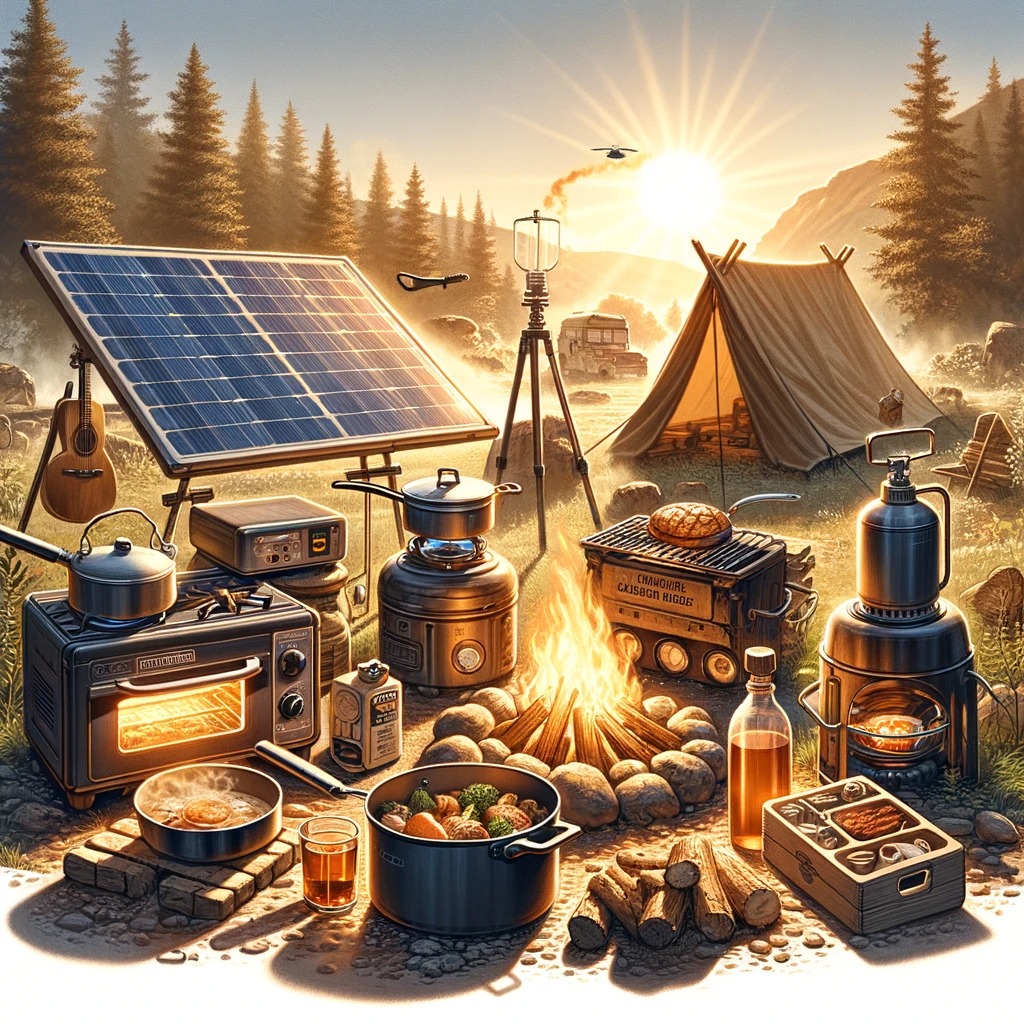
This might sound daunting, but it’s a goal worth striving for. The future is uncertain, and it’s more reasonable to be over- than underprepared.

If this seems too difficult, there is a way to make it easier.

That is by gradually building up your stockpile.

Don’t try to shop for everything at once.

Instead, focus on adding to your reserves over time.

Slow and steady wins the race.

And don’t forget to diversify your stockpile.

A well-rounded supply should include non-perishable items such as canned goods, dried fruits, grains, and freeze-dried meals.

Also, make sure you account for any dietary restrictions or allergies.

And there you have it, folks!

Being mindful of these factors will put you on the right path.

Remember, it’s not about hoarding. It’s about being ready and self-reliant in the face of uncertainty.

Do you have any other topics that you would like me to cover? Let me know by commenting on this survival preppers article.

What NOT to eat in a crisis

I wasn’t planning on writing an article today…

Especially since the Mrs always tells me how I should be spending more time with her and the kids.

But I just saw something at the grocery store that I had to let you know about.

And to make sure you’re not making the same mistake.

There was this dude with a cart filled with canned food.

You know, canned beans, canned soup, canned meat, and the like.

And I overheard him saying how he’s creating an emergency stockpile.

And how these cans will be essential in bad times.

While I appreciate a man who’s trying to look out for his family,

Canned food ain’t it, brother.

What some folks don’t know is that canned food has a high sodium content.

A single can of minestrone soup contains around 1,550 mg of sodium.

That’s more than half a teaspoon of salt!

You might be thinking that’s nothing,

But let me tell you, if you give that to your family in an emergency,

This is what you’re risking.

Picture this.

The power’s been out for days.

The storm of the century has hit.

And you have your water supply starting to run low.

Then you reach for those canned beans.

And you’re stuffing down salt even though you’re dehydrated!

I’m no doc, but this isn’t healthy.

Take a look at what happens when you’re dehydrated.

The last thing you need in an emergency is for your kids and you to have high fever, sweating, or vomiting.

See how easily things can take a turn for the worse?

Everyone thinks canned goods are ideal for emergencies.

But if you think one step ahead, you begin to see the flaws.

So what’s the moral of our story? Balance, folks, and a keen eye on the details.

It’s not just about having enough to eat but having the right things to eat.

Foods that provide sustained energy, require minimal processing and don’t sap your precious water supply are your real allies in a crisis.

Stay safe, stay smart, and remember, survival is as much about what you don’t do as what you do.

Until next time, please stay safe, God bless, and keep your head on a swivel!