Naked in the Cold: How to Survive Freezing Temperatures Without Clothes

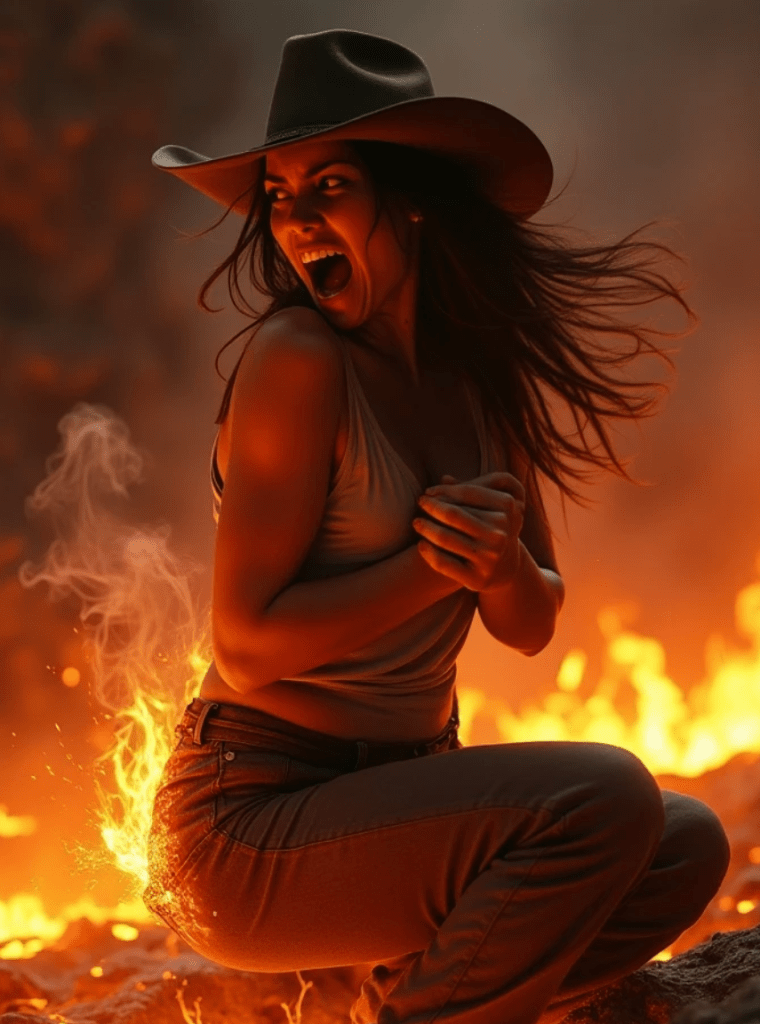
Let me paint a scenario for you, and don’t you dare shrug it off like it’s some movie plot. You’re out in the woods. Maybe you fell into a river, maybe your gear burned up in a freak accident, maybe some psycho stripped you and left you for dead. Doesn’t matter how it happened. The point is: you’re naked, it’s freezing, and you’ve got one job—stay alive.

And I hate to break it to you, but most of you wouldn’t last more than an hour. You’d panic, cry, curl into a ball, and die like a damn amateur. Not because nature is cruel (it is), but because you never trained for rock-bottom scenarios. You thought your gear would save you. You thought “that’ll never happen to me.” Well guess what? Nature doesn’t care about your fantasies. You either adapt, or you die.

So here it is. The hard, cold truth about how to survive when you’ve got nothing. No gear, no clothes, and death breathing down your neck.


First Rule: Panic Kills

You panic, you die. Simple as that. When you start hyperventilating, wasting energy pacing, or screaming for help that’s not coming—you’re burning calories and losing heat. STOP. BREATHE. ASSESS.

Your body is a machine. The moment you’re exposed to freezing temps, it goes into triage mode. Blood rushes to your core to protect vital organs. Your fingers and toes? They’re already expendable. You need to act, not freak out.


Step 1: Get Out of the Wind

Wind is the silent killer. It steals your body heat ten times faster than still air. Find a windbreak—fast. Rock outcroppings, dense bushes, downed trees, snowdrifts—use whatever you can. Dig into the earth or snow if you have to. Create a trench or burrow like your life depends on it, because it does.


Step 2: Insulate Yourself with Nature

No clothes? Fine. Nature’s full of insulation—if you’re not too soft to use it.

Stuff your body with:

  • Dead leaves
  • Dry grass
  • Pine needles
  • Moss
  • Bark shavings

Pack it everywhere: under your arms, between your legs, down your back. Build layers between you and the air. You look like a swamp monster? Who cares? Ugly people survive. Dead people don’t.


Step 3: Fire Is Non-Negotiable

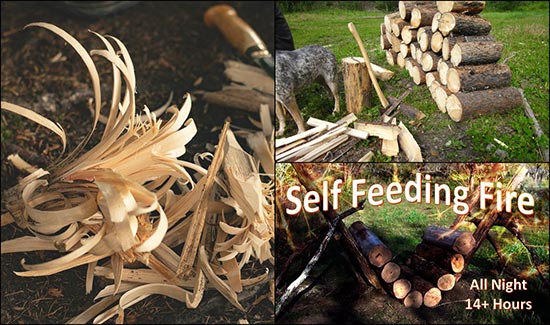
If you can make fire, you make fire. I don’t care if it takes an hour. I don’t care if your hands are bleeding. Fire is warmth. Fire is life.

No tools? Then you’d better have the mental grit to make a bow drill or hand drill. Use dry wood only. Dead standing wood—not fallen, not wet.

DIY Survival Hack #1: Bark Tinder

Strip birch bark or cedar bark into fine fibers and crumple it up. It lights even when damp and burns hot.


Step 4: Shelter—Your First Home is Your Body

You can’t build a mansion out there, but you can make a microclimate.

  • Dig a pit shelter, about 2–3 feet deep.
  • Line the bottom with leaves or pine needles.
  • Build a roof with branches and more debris.
  • If you’ve got snow, use it—snow insulates, moron.

Trap your body heat. Sleep curled up in the fetal position. Don’t sprawl out like you’re on a damn beach.


Step 5: Move, But Not Too Much

You need to generate heat, but not burn calories recklessly. Marching around naked in sub-zero temps? That’s suicide.

  • Do short bursts of exercise: jumping jacks, squats, or arm circles.
  • Keep blood flowing to your extremities.
  • But don’t sweat—sweat is death in the cold. Once you’re wet, you’re done.

15 Cold Survival Skills You’d Better Learn Yesterday:

  1. Fire from friction – Make a bow drill, hand drill, or even fire plow.
  2. Primitive insulation – How to find, dry, and use natural materials to trap heat.
  3. Deadfall shelter building – Quick shelters from branches and snow.
  4. Understanding hypothermia – Recognize signs: slurred speech, shivering stops, confusion = you’re already in danger.
  5. Water purification – Snow isn’t clean; boil or filter it, or risk parasites.
  6. Snow melting without fire – Use body heat or dark containers to melt it slowly.
  7. Cold weather first aid – Treat frostbite and trench foot without a kit.
  8. Tracking wildlife – You may need to hunt or trap. Know the prints and patterns.
  9. Primitive snares – Use vines, shoelaces (if you’ve got ‘em), or bark strips.
  10. Navigating in snow – Landmarks vanish; learn sun and shadow tricks.
  11. Improvised footwear – Bark, grass, or thick moss tied with vines—protect your feet!
  12. Stone blade crafting – Shatter rocks to make usable edges.
  13. Snow cave construction – Done right, a snow cave keeps you at 32°F even if it’s -10°F outside.
  14. Mental survival conditioning – Training yourself to push through panic, pain, and despair.
  15. Signal making in snow – Contrasts with debris, fire smoke, or body tracks.

DIY Survival Hack #1: Body Heat Battery

If you’re freezing and alone, dig a depression in the snow and line it with dry material. Curl up, pee if you have to, and trap your own heat. Human urine, gross as it sounds, is warm and sterile and can raise core temp briefly. You’re not too good for it. Use everything.


DIY Survival Hack #2: Makeshift Mittens and Socks

No gloves? Wrap your hands and feet in multiple layers of natural debris, then cover that with bark or strips of flexible wood. Bind with vines or twisted grasses. It’s not pretty—but it buys you time.


Eat or Die Trying

Calories = heat. You need fat and protein, period. Look for:

  • Grubs under logs (yes, eat the damn bug)
  • Squirrels, rabbits (trap ‘em or club ‘em)
  • Edible bark (inner bark of pine and birch is chewable)
  • Fish (use sharpened sticks as spears)

If you’re too squeamish to eat a raw grub, you don’t deserve to survive. Sorry, but that’s the truth.


Final Word: This Ain’t Hollywood

You’re not Bear Grylls, and no one’s coming with a helicopter. When you’re naked in the cold, it’s just you, your wits, and your will to live.

Most people would rather die than crawl through mud, eat bugs, or sleep in a pile of leaves. They want dignity. Guess what? Dignity is for funerals. Out here, you either fight for every shivering second, or you freeze to death while whispering regrets.

So memorize this: You are not fragile. You are not helpless. You are not dead—until you give up.

You want to survive the cold with nothing? Then start acting like someone who deserves to survive.

And don’t wait for disaster to find you. Go out, strip down, and test yourself. Train. Prepare. Because the next time you’re naked in the cold, there won’t be a second chance.

You either make it out… or you become one more frozen idiot people tell stories about.

Arizona’s Most Strategic Campsites for Preppers: 20 Spots You Can’t Miss!

The Best Campsites for Arizona Survival Preppers

As a survival prepper living in the rugged desert landscapes of Arizona, it’s crucial to know where you can establish a stronghold when the SHTF (stuff hits the fan). Arizona’s diverse topography, with everything from dense forests to dry, harsh deserts, offers a variety of terrain that can test your survival skills and provide the solitude you need to thrive. Whether you’re stockpiling resources, practicing wilderness survival skills, or preparing for an emergency situation, the right campsite can make all the difference.

In this article, I’ll cover 30 of the best campsites in Arizona that cater to preppers, outdoor enthusiasts, and those who simply need to disconnect and practice self-sufficiency. These locations will give you access to water sources, strategic locations for shelter, and the type of solitude needed to hone your survival skills.

1. Tonto National Forest

Located in central Arizona, Tonto National Forest is a prepper’s dream. With over 2.9 million acres of desert and mountain terrain, you can find areas that are remote enough for long-term camping. The high desert provides ample opportunities to practice fire-starting, foraging, and shelter-building. The forest’s proximity to major water sources, such as the Salt River, makes it an ideal spot for setting up camp.

2. Mogollon Rim

The Mogollon Rim, stretching over 200 miles through the state’s northern region, is a prime spot for those who enjoy a mix of elevation and isolation. The Rim offers pine forests, alpine lakes, and cooler temperatures, which can be vital for extended survival situations. Camping in this area also offers access to dense woods that are perfect for camouflage and finding food sources.

3. Coconino National Forest

This forest, located near Flagstaff, is known for its towering pine trees and volcanic rock formations. It’s perfect for preppers seeking both shelter-building opportunities and forage. There are also several remote camping sites in Coconino, where water sources like Oak Creek can be found. It’s a haven for anyone looking to escape the desert heat.

4. Grand Canyon National Park

While it may be one of the most iconic locations in Arizona, the Grand Canyon also serves as a great prepper destination. Its vastness offers plenty of remote and isolated campsites, and the rugged terrain makes it perfect for honing your survival skills. Just remember, water is scarce in the Canyon itself, so bring your own or plan your routes to fetch it from reliable sources. The Colorado River runs along the park’s edge, providing a significant water source.

5. Saguaro National Park

If you’re a desert survivalist, Saguaro National Park offers the ultimate opportunity to practice desert navigation, shelter-building, and bushcraft. The park, located in southern Arizona, is home to the famous saguaro cacti and offers a unique blend of desert and mountain environments. Prepare for hot temperatures and minimal shade, so bring plenty of water and practice desert survival skills.

6. Lake Pleasant Regional Park

This 1,400-acre park near Phoenix is a great location for preppers who need to stay near civilization but still want a remote area to practice their skills. Lake Pleasant offers fishing, boating, and access to water, which makes it a reliable spot for long-term survivalists who want to keep a low profile while staying prepared.

7. Apache-Sitgreaves National Forest

This massive forest, located in northeastern Arizona, is the perfect place for any prepper looking to test their skills in both a forest and a high-desert environment. The dense woodlands provide ample shelter-building materials, and the many lakes in the area can supply water. This forest is more remote and less crowded, providing an opportunity for extended stays in a secluded environment.

8. Sedona Campgrounds

Sedona is known for its breathtaking views and spiritual vibe, but it’s also a fantastic location for preppers who want to learn wilderness survival in a beautiful setting. The area has multiple campsites with access to water sources, especially Oak Creek, and the surrounding red rock formations make it an excellent environment for shelter-building and stealth camping.

9. White Mountains

The White Mountains are ideal for preppers looking for high-altitude survival training. The area is remote, with thick forests and cold temperatures, which can serve as an ideal location to practice cold-weather survival. The forests offer cover for stealth camping, and the nearby lakes and streams provide an essential water source.

10. Kofa National Wildlife Refuge

Located in southwestern Arizona, Kofa is a vast wilderness area offering isolation and rugged terrain. The landscape is harsh, with temperatures rising well above 100°F in the summer months, making it the perfect place to practice extreme desert survival tactics. This area is remote, so make sure you have enough water and food stored up.

11. Catalina State Park

Situated at the base of the Santa Catalina Mountains, this park offers some of the best desert and mountain camping in the state. The area provides opportunities to practice desert survival while also allowing you to explore forests, streams, and canyons. Catalina State Park is ideal for preppers who want to mix desert survival with cooler mountain climates.

12. Sycamore Canyon Wilderness

The Sycamore Canyon Wilderness area offers rugged terrain with little human activity. This remote location provides an excellent opportunity for preppers to practice navigation, shelter-building, and resource management. The area also contains several creeks and springs that will provide vital water sources for survivalists.

13. Petrified Forest National Park

The Petrified Forest National Park, located in northeastern Arizona, offers a unique camping experience. The desert terrain and fascinating geological formations make it an excellent place to practice survival tactics in an arid environment. The park’s remoteness and lack of resources make it a great test of your self-sufficiency skills.

14. Tombstone Mountains Wilderness Area

For the hardcore prepper looking to experience Arizona’s untamed wilds, the Tombstone Mountains Wilderness area is perfect. Remote and rugged, this area offers an opportunity to live off the land and test your wilderness survival skills in the desert’s harsh conditions. It’s a place where few venture, making it a prime location for low-profile camping.

15. Lake Havasu State Park

Located along the Colorado River, Lake Havasu State Park offers preppers access to water, along with a relatively remote location to practice camping and survival techniques. The area is less crowded than many other state parks, which provides more solitude and opportunities for honing your skills.

16. Alpine Campground

Located in the White Mountains, Alpine Campground is a great spot for preppers who want to experience a higher altitude, forested environment. The area provides cool temperatures, wildlife, and water sources from nearby streams. It’s perfect for testing your cold-weather survival tactics and building shelters.

17. Baboquivari Peak Wilderness

This area offers steep mountain terrain and desert environments for an advanced survivalist who wants to test their physical endurance and tactical camping skills. The isolation here is intense, and access to water is limited, so it’s important to come fully prepared.

18. Bonita Creek Campground

Located in the southeastern part of the state, Bonita Creek offers quiet camping in a lush area of the Chiricahua Mountains. With nearby creek access, the area offers a perfect spot for practicing water purification and basic survival techniques.

19. Grand Canyon Caverns

For those who want to practice survival with a unique twist, the Grand Canyon Caverns provide a remote environment with underground camping options. It’s a great place to test your skills in an environment that is starkly different from the usual outdoor terrain.

20. Madera Canyon

Located in the Santa Rita Mountains, Madera Canyon offers diverse wildlife, cool mountain air, and a variety of hiking and camping opportunities. It’s a fantastic spot for preppers who want to practice their wilderness survival skills while enjoying cooler temperatures compared to Arizona’s desert landscapes.

Survival Strategies for Massachusetts: Preparing for the Worst Natural Disasters

The Ultimate Prepper’s Guide to Massachusetts: Staying Ready for Any Natural Disaster

Living in Massachusetts, we all know that the weather can turn on a dime. Whether it’s snowstorms, hurricanes, or floods, we face a variety of natural disasters that demand preparedness. For a survival prepper like myself, the key to getting through any disaster is being ready, no matter what mother nature throws our way. In this post, I’ll walk you through how Massachusetts residents prepare for the worst natural disasters the state is prone to and provide survival prepper tips tailored to the unique challenges of living here.

The New England Winter: Preparing for Snowstorms and Blizzards

When it comes to natural disasters in Massachusetts, the winter months pose one of the greatest risks. Nor’easters—those fierce winter storms that dump heavy snow and bring powerful winds—are something we prep for every year. These storms can knock out power lines, cause road blockages, and leave entire neighborhoods in a state of emergency for days.

Survival Prepper Tip 1: Stock Up on Non-Perishable Foods and Water
You don’t want to be caught without food or water when the power goes out during a blizzard. Canned goods, dry foods like rice and beans, and a good supply of bottled water are essential. Make sure to have at least three days’ worth of supplies for each member of your family.

Survival Prepper Tip 2: Have a Reliable Heating Source
Massachusetts is known for frigid temperatures during winter, so you’ll want a backup heating source in case the power goes out. Propane heaters, wood stoves, or kerosene heaters can keep your home warm when the grid goes down. Make sure your chimney is cleaned regularly if you’re using a wood stove or fireplace.
Hurricane Season: Dealing with Coastal Storms

Though Massachusetts isn’t as frequently hit by hurricanes as some Southern states, we’ve still seen our fair share of damage from these powerful storms. Coastal areas are especially vulnerable to storm surges, high winds, and flooding. As a prepper, I always keep a watchful eye on hurricane season, which runs from June to November.

Survival Prepper Tip 3: Create an Evacuation Plan
If you live near the coast, evacuation is sometimes the best option during a hurricane. Know your evacuation routes and make sure your family is familiar with them. If you’re in a flood-prone area, consider having a “go bag” packed with essentials like clothing, medication, and important documents so you can leave quickly if needed.

Survival Prepper Tip 4: Reinforce Your Home
For those living near the coast, it’s important to fortify your home against strong winds and storm surges. Invest in storm shutters, and reinforce your roof, windows, and doors. Consider sandbagging around your home’s perimeter to protect against flooding.

Flooding: An Increasing Threat in Massachusetts

CLICK HERE TO LEARN HOW TO SURVIVE A FAMINE

Flooding is one of the biggest concerns for Massachusetts residents, especially as the climate changes and rainfall patterns become more unpredictable. While we don’t see the catastrophic flooding of places like New Orleans, our state is still vulnerable to flash floods and coastal flooding. Areas near rivers, the Cape Cod region, and Boston are particularly at risk.

Survival Prepper Tip 5: Elevate Important Items
In case of a flood, it’s crucial to protect your valuable items. Store important documents in waterproof containers and elevate electronics, furniture, and anything that could get ruined. If you live in a flood-prone area, consider installing sump pumps to prevent basement flooding.

Survival Prepper Tip 6: Create a Flood-Proof Emergency Kit
Flooding can leave you stranded in your home or in a temporary shelter for an extended period. Make sure your emergency kit includes a flashlight, batteries, a first-aid kit, and extra medication. Include items like waterproof matches, water purification tablets, and extra clothing.

Tornadoes: Rare, But Dangerous

Though Massachusetts isn’t known for frequent tornado activity, the state is not immune. Tornadoes can spring up unexpectedly, especially during severe thunderstorms in late spring and summer. While the risk of a direct hit is low, it’s always a good idea to be prepared for the possibility.

Survival Prepper Tip 7: Know Your Shelter Locations
If a tornado is heading your way, you need to seek shelter immediately. A basement or storm cellar is your safest bet. If you don’t have access to a basement, go to the interior part of your house on the lowest floor, away from windows. Keep a small “tornado kit” with essentials like blankets, water, and non-perishable snacks in your shelter area.

Earthquakes: Not a Major Threat, But Still Possible

Though Massachusetts is not on a fault line like California, the state can experience small to moderate earthquakes. The last significant earthquake to hit Massachusetts was in 1755, but smaller tremors are not unheard of. While a major earthquake is unlikely, it’s still worth knowing how to prepare.

Survival Prepper Tip 8: Secure Heavy Items
In the event of an earthquake, unsecured heavy furniture and appliances can fall and cause injury. Use brackets, anchors, or straps to secure shelves, TVs, and large appliances to the wall. Keep a first-aid kit on hand in case of injury.

Extreme Heat and Drought: A Growing Concern

As global temperatures rise, Massachusetts is experiencing hotter summers and occasional drought conditions. Prolonged heatwaves can put a strain on the power grid and increase the risk of wildfires. While we don’t see as many wildfires as the West, they can still occur, especially during dry conditions.

Survival Prepper Tip 9: Stay Hydrated and Plan for Power Outages
In extreme heat, staying hydrated is crucial. Always have plenty of water on hand, and consider purchasing a portable fan or solar-powered cooling system if you live without air conditioning. If your area is prone to power outages during storms or extreme heat, invest in a backup generator.

Winter Storms and Emergency Power

Massachusetts winters can throw everything at you, from snowstorms to ice storms, so it’s essential to be prepared for these cold and potentially power-sapping conditions. Ice storms can knock out power for days, making it imperative to have backup energy sources and supplies.

Survival Prepper Tip 10: Invest in a Generator and Backup Power
Power outages during winter storms can leave you without heat or refrigeration for extended periods. A reliable backup generator is one of the best investments a prepper can make. Make sure you have enough fuel stored to last for several days, and consider a propane or solar generator for a long-term solution.

Conclusion

Living in Massachusetts means preparing for the unexpected, and the state’s natural disasters require us to be proactive in our readiness. From winter storms to hurricanes and floods, knowing how to react and have the right gear ready is essential for survival. If you take the time now to prepare your home and family, you’ll be more than ready to face whatever comes your way. Stay safe, stay prepared, and remember that a good prepper is always ready for the worst—no matter the disaster.

The Ultimate Survivalist In-Car Checklist: 7 Items You Need

Disaster doesn’t announce itself.

It strikes when you’re least ready—when your guard is down, and your mind is elsewhere. You might be thinking about dinner plans, your kids’ soccer game, or just getting home to a warm bed. But emergencies don’t care about your schedule.

CLICK HERE TO LEARN HOW TO NEVER STARVE WHEN DOOMSDAY HITS!

Picture this: It’s Friday evening. You’re finally off work. You’re cruising down a quiet stretch of road, miles away from the nearest gas station, thinking about how you’ll spend the weekend with your family. And then—BAM. A loud thud. Your car jerks violently. You lose control for a split second before steering to the shoulder. You get out, and there it is… a flat tire.

And just your luck—it’s raining sideways. Not a streetlamp in sight.

CLICK HERE TO LEARN HOW TO NEVER STARVE WHEN DOOMSDAY HITS!

Now let me ask you: Are you ready?

Because if you’re not, that flat tire could turn into a full-blown survival scenario. As any seasoned prepper will tell you, your vehicle isn’t just a means of transportation. It’s a mobile command center. It’s your lifeline when SHTF. Whether you’re evacuating due to wildfires, stranded in a snowstorm, or simply stuck with a mechanical failure, your car must be prepped for anything.

Here are the 7 essential items every survival-minded individual needs in their vehicle—and 10 additional prepper tips to keep you one step ahead when the unexpected hits.


1. Spare Tire, Jack, and Lug Wrench

Let’s start with the basics. A flat tire is more than just an inconvenience—it can leave you stranded for hours, or worse, overnight in the middle of nowhere. You need a fully inflated spare tire, a sturdy jack, and a reliable lug wrench.

Prepper Tip #1: Rotate and inspect your spare every three months. A flat spare is as useless as no spare at all.

Prepper Tip #2: Consider adding a tire plug kit and portable air compressor. Sometimes a quick patch and refill is all you need to get moving again.


2. Jumper Cables (or Jump Starter)

A dead battery is another common issue, especially in extreme temperatures. Having a solid pair of jumper cables can save you hours of waiting for help—or worse, being stuck in hostile conditions.

Prepper Tip #3: Upgrade to a lithium-ion jump starter. These compact power packs can jump your car without needing another vehicle. Plus, they usually have USB ports to charge your phone.


3. First-Aid Kit

This is non-negotiable. From minor cuts and scrapes to more serious injuries, a well-stocked first-aid kit can save lives.

Prepper Tip #4: Customize your kit. Add painkillers, antiseptics, trauma supplies (like a tourniquet), and allergy meds. Don’t forget a laminated card with CPR instructions and your personal medical info.


4. Flashlight and Extra Batteries

When darkness falls, you’ll need a dependable flashlight. Whether you’re checking under the hood, flagging down help, or navigating on foot, a solid light source is crucial.

Prepper Tip #5: Invest in a high-lumen LED flashlight with a strobe or SOS function. Keep extra batteries in a waterproof container, or go with a solar/crank-powered model for infinite power.


5. Emergency Blankets and Warm Clothing

Hypothermia can set in faster than you’d think, especially if your car won’t start and you’re trapped in cold weather. Emergency mylar blankets are compact, lightweight, and designed to reflect 90% of body heat.

Prepper Tip #6: Include a wool hat, gloves, socks, and a waterproof poncho. Hypothermia often starts with extremities, and you’ll be thankful for that added layer.


6. Non-Perishable Food and Water

If you’re stuck for hours—or days—you’ll need calories and hydration. Keep a stash of non-perishable, high-energy food and bottled water in your vehicle.

Prepper Tip #7: Use vacuum-sealed ration bars and emergency water pouches with a 5-year shelf life. They’re space-efficient and built for survival.

Prepper Tip #8: Toss in a LifeStraw or water purification tablets. If you run out of bottled water, these could keep you alive in a longer crisis.


7. Portable Charger or Power Bank

Your phone is your most powerful tool in a crisis—but only if it’s charged. A high-capacity portable power bank ensures you stay connected when your car battery isn’t an option.

Prepper Tip #9: Look for solar-powered models. Even if the grid’s down, you’ll still be able to charge your devices.


10 Bonus Survival Prepper Tips for Your Car

Now that you’ve got the 7 essentials, take it a step further. Hardcore preppers know that redundancy and versatility are key.

1. Multi-tool or Survival Knife

From cutting seatbelts to making repairs or defending yourself, a quality multi-tool is invaluable.

2. Duct Tape

Fix a hose, seal a window, secure gear, or even splint an injury. The uses are endless.

3. Maps and Compass

Don’t rely on GPS. If the grid’s down or you’re in a dead zone, paper maps and a compass will keep you on track.

4. Fire Starter Kit

Waterproof matches, ferro rods, or lighters—fire can provide warmth, boil water, signal for help, or keep predators away.

5. Reflective Triangle or Road Flares

Increase your visibility to other drivers, especially during night or low-visibility conditions.

6. Cash in Small Bills

ATMs might be down or inaccessible. Keep a stash of $1s, $5s, and $10s hidden in your car.

7. Toilet Paper and Hygiene Kit

Sanitation can be crucial. A small hygiene kit with TP, wipes, and hand sanitizer is easy to store and highly valuable.

8. Gloves and Safety Glasses

Whether fixing a tire or clearing debris, protect your hands and eyes.

9. Tow Strap

Help others—or get helped—without relying on a tow truck.

10. Notebook and Pencil

Record important details, leave a note if you have to leave your vehicle, or track resources. It’s old-school, but it works.


Final Word

Emergencies aren’t a matter of if, they’re a matter of when. Your vehicle is your mobile bug-out location—treat it like one. A well-stocked car can mean the difference between inconvenience and catastrophe.

So prep it now. Load it with gear. Check your supplies. Refresh items regularly.

Because when the moment comes—and it will—you won’t rise to the occasion.

You’ll fall back on your preparation.

And that, my fellow survivalist, is how you thrive when the rest of the world panics.

Why The Local Authorities Will Not Always Be Your Ally When SHTF

I see a lot of people who don’t even bother staying in touch with the latest events.

Because as they say “the authorities will let them know if anything major happens.”

But they have it backward, folks.

In an emergency, authorities may not be as transparent as we’d like them to be.

Their priority is to prevent confusion from spreading through the masses.

Panicking often causes more immediate disarray than the emergency itself.

And they know this.

CLICK HERE TO LEARN HOW TO NEVER STARVE WHEN DOOMSDAY HITS!

To them, emergency situations are about the statistics.

What they care about the most is saving face to the public.

And everyday folks who just want to protect themselves and their families may be left in the dark when SHTF

Until it’s too late to do anything about it.

But our families are not just a percentage on the screen.

It is our duty to protect them.

That’s why it’s absolutely essential that we take the reins on how we obtain and process knowledge.

Let’s not rely solely on the local authorities or mainstream media.

There are numerous alternatives that allow us to stay informed and be ready for anything.

Radio, for instance, has long been a reliable source of info during emergencies.

A battery-operated or hand-cranked radio can keep you connected to the outside world, even when the power grid fails.

There are numerous channels and frequencies dedicated to emergency broadcasts, and they can be an invaluable resource when emergencies strike.

And don’t forget about the web.

Sure, you can’t rely on it in the worst-case scenario, but it’s a treasure trove of information as long as it’s available.

Follow trusted alternative info websites, independent journalists, and forums dedicated to emergency preparedness and survival.

Lastly, don’t forget the importance of local community networks.

Your neighbors, your friends, or any acquaintance you have can provide important insights and updates during emergencies.

Building these relationships can pay us back a thousandfold in bad situations.

Our world is unpredictable and often unfair. We can’t always rely on being spoon-fed knowledge in emergencies.

However, by staying proactive and equipping ourselves with the right tools, we can stay ready to move when we have to.

The Survival Essential That Should Be in Every Prepper’s Kit

The Survival Essential That Should Be in Every Prepper’s Kit

When it comes to prepping, many people focus on the flashy gear—the tactical knives, the high-tech radios, or the heavy-duty survival tools. These items might be essential, but there’s one overlooked gem in the survival world that doesn’t get the attention it deserves. It’s small, simple, and probably sitting right in your kitchen right now: baking soda.

CLICK HERE TO LEARN HOW TO NEVER STARVE WHEN DOOMSDAY HITS!

Yes, you read that right. Baking soda. It’s not flashy, it’s not high-tech, and it’s definitely not something that screams “survival gear.” But believe me, this humble compound is one of the most versatile and useful tools you can have in your survival kit. It’s more than just a baking ingredient or fridge deodorizer—it could be the difference between thriving and simply surviving when disaster strikes.

Now, you might be wondering why I’m recommending something so seemingly mundane. Well, let me walk you through just a few reasons why baking soda needs a spot in your emergency supplies—and how it can make a world of difference when the chips are down.

1. First Aid in a Pinch

In a survival situation, the likelihood of encountering minor injuries is high. Whether it’s a burn from cooking over an open flame, a sting from an insect, or a scratch from rough terrain, you need solutions that are easy to apply and effective. Baking soda can serve as a simple first-aid tool to treat these ailments.

  • Burns: If you’ve suffered a minor burn, make a paste of baking soda and water and apply it to the affected area. It will help soothe the pain and speed up the healing process.
  • Insect Bites and Stings: Same idea applies for insect bites and stings. A baking soda paste will help neutralize the itching and discomfort.
  • Skin Irritations: Baking soda can also work as an exfoliant for your skin and help soothe rashes or other minor irritations. It’s gentle but effective, making it ideal for when you don’t have a lot of options.

2. Personal Hygiene in Tight Spots

When you’re out in the wilderness or trying to survive without access to stores, staying clean is a priority, but not always an easy one. Baking soda can save the day when conventional hygiene products are unavailable.

  • Toothpaste Alternative: If you’re out of toothpaste or don’t have access to the store, baking soda makes a great stand-in. It’ll help clean your teeth, freshen your breath, and prevent bad odors.
  • Deodorant: You may not have access to your regular deodorant, but a little baking soda rubbed into your underarms can help neutralize body odor and keep you feeling fresh.
  • Body Scrub: If you need a scrub to exfoliate your skin and remove dirt or oils, baking soda is your go-to. Just mix it with a little water, and it’s perfect for a quick clean-up.

3. Taking Care of Your Equipment

In a survival situation, your gear becomes an extension of your life. Keeping it in good working condition is critical, and baking soda can help you with that, too.

  • Rust Removal: If you’ve been in wet conditions and your metal gear is showing signs of rust, baking soda can help. A simple paste of baking soda and water applied to the rusted area will gently scrub it away without damaging your tools.
  • Cleaning Pots and Pans: After a long day of cooking over a campfire, cleaning your cookware might feel like a chore. Baking soda can help you remove grease and grime from your cooking pots and pans. Just sprinkle it on, add a little water, and scrub away.
  • Cleaning Gear: Baking soda can also be used to clean the exterior of your gear—your knives, backpacks, or even your boots. It can help get rid of dirt and grime and leave things looking sharp and ready for the next mission.

4. A Fire-Fighting Agent

When SHTF, the ability to put out a fire quickly and safely can be a game-changer. A small grease or electrical fire could turn deadly if not contained. Baking soda can be used to smother these types of fires.

  • Fire Extinguisher: If you don’t have a fire extinguisher on hand, a decent amount of baking soda can help extinguish small fires. Simply pour it over the fire (especially grease or electrical fires) and watch it snuff out the flames.

However, let’s be clear: baking soda is not a substitute for a fire extinguisher. It’s a quick solution for small fires, but if the fire is large, you need to move quickly and use proper fire-fighting equipment.

5. Combatting Odors and Pollutants

In a survival setting, odors can become a major problem, whether it’s from food, waste, or something else. Thankfully, baking soda is a powerful odor neutralizer and can help keep your shelter and supplies smelling fresh.

  • Deodorize Your Shelter: Whether it’s your bug-out bag, tent, or shelter, baking soda can be used to absorb and neutralize odors, preventing them from becoming unbearable.
  • Food Preservation: If you’re storing food, baking soda can also help neutralize any funky smells, especially from canned goods or dried food. It helps to maintain a cleaner environment.

6. Natural Cleaning Agent

In survival situations, you can’t always count on store-bought cleaners or disinfectants. But you can count on baking soda as an excellent all-purpose cleaner.

  • Kitchen Cleaning: Use baking soda to scrub surfaces in your cooking area or even to clean your hands after handling raw meat or fish. It’s effective, non-toxic, and easy to use.
  • Deodorize Clothing: Baking soda can be used to freshen up your clothes, even if you don’t have a washer and dryer available. Sprinkle it on and let it sit, then shake or brush it off for a fresher-smelling outfit.

7. Relieving Heartburn and Digestive Issues

In the absence of medication, baking soda can serve as a home remedy for heartburn or indigestion. It neutralizes stomach acid, helping relieve discomfort quickly.

8. A Compact, Lightweight Addition to Your Kit

One of the best things about baking soda is how easy it is to pack. It’s lightweight, cheap, and incredibly versatile, making it a no-brainer to include in your bug-out bag, emergency supplies, or camping gear.


10 Survival Prepper Tips for Using Baking Soda:

  1. Store Baking Soda Properly: Make sure you keep it in a sealed container to protect it from moisture. You don’t want it to clump or lose its effectiveness.
  2. Use it for Personal Hygiene: Mix it with a bit of water to clean your teeth and freshen your breath when toothpaste isn’t available.
  3. Rust-Proof Your Gear: Regularly clean your metal tools with a baking soda paste to prevent rust buildup.
  4. Fire Safety: Keep a small container of baking soda close to your cooking area for quick fire suppression.
  5. Deodorize Your Shelter: Sprinkle baking soda around your shelter to help keep things smelling fresh.
  6. Cookware Cleaning: Use baking soda to clean grease and grime off your cookware after meals.
  7. Bug and Plant Care: Use baking soda as a natural pesticide to keep bugs away from your survival garden.
  8. Treat Minor Wounds: Use a baking soda paste to treat burns or stings on the go.
  9. Relieve Indigestion: Pack it as an emergency remedy for digestive discomfort.
  10. Always Have a Backup: Store extra baking soda in your long-term food supplies to ensure you have it when needed.

Final Thoughts

Baking soda may not be the most glamorous survival tool, but its versatility and practicality make it an essential item for any prepper. Whether you’re dealing with a burn, freshening your breath, or cleaning your gear, baking soda can serve you well in numerous survival situations. So, the next time you’re preparing your kit, make sure to add this humble compound—it’s a small investment that could pay huge dividends in the field.

Buzz Off Naturally: Chemical-Free Mosquito Solutions

Buzz Off Naturally: Chemical-Free Mosquito Solutions for Preppers

It’s that time of year again, folks. The sun’s hanging longer in the sky, the air’s getting thick, and the bugs—especially the blood-sucking kind—are coming out in force.

I was sitting outside on my porch the other evening, enjoying a rare moment of peace. I had my gear packed by the door, the radio tuned in to emergency chatter, and a thermos of hot pine-needle tea in my hand. Everything was calm.

And then I heard it.

“BZZZZZZ.”

That high-pitched whine that cuts through the quiet like a bullet through a tarp. I didn’t even have to look. I knew what it was. A goddamn mosquito.

CLICK HERE TO LEARN HOW TO SURVIVE A FAMINE

Now, for the average person, that might just mean an itchy arm or two. But for those of us who live the prepper lifestyle—who plan, train, and prepare for what most people deny is coming—a mosquito is more than just a nuisance. It’s a threat. And in a true survival situation, it can be a deadly one.

Let’s break this down like survivalists should.

The Real Threat Mosquitoes Pose

Sure, they’re annoying. They bite, they itch, they buzz. But in a bug-out scenario, or even just extended time off-grid, they can do a hell of a lot more damage than that.

  • They contaminate food and water: One mosquito in your water stash or ration bag can render it unusable—or worse, dangerous.
  • They disrupt sleep: Try pulling night watch with a cloud of skeeters around your face. You’ll get no rest, and your reaction time the next day could cost you your life.
  • They carry disease: Zika, West Nile, malaria—mosquitoes are flying hypodermic needles loaded with disease. In a grid-down scenario, you won’t have access to hospitals, vaccines, or antibiotics.

That’s why I’ve spent years learning how to repel mosquitoes naturally, without relying on commercial sprays full of chemicals I can’t pronounce. In a survival situation, you might not have a store to run to. But you will have nature.

Let’s get into it.


1. Plant-Based Defenses

Nature gave us the tools. You just have to use ‘em.

Citronella, lavender, basil, lemongrass, peppermint, and marigolds are your front-line defense. These plants emit strong scents that mosquitoes absolutely hate. If you’re bugging in, plant these around your perimeter—windows, doors, and patios. If you’re bugging out, keep seeds in your go-bag or crush leaves to rub on your skin.

Prepper Tip #1: Keep heirloom seeds of mosquito-repelling plants in your survival seed vault. They’ll grow year after year without corporate dependence.


2. Essential Oils Aren’t Just for Hippies

Don’t let the aromatherapy crowd fool you—essential oils are a prepper’s secret weapon. Tea tree, eucalyptus, lemon balm, cedarwood, and clove oil are all potent mosquito repellents. Mix them with a carrier oil (like coconut or olive) and rub onto exposed skin.

Prepper Tip #2: Stash a few essential oils in your bug-out bag. They’re lightweight, multi-purpose, and last forever if sealed properly.

Prepper Tip #3: Use soaked cotton balls in film canisters (or spent shotgun shells) with a few drops of oil for on-the-go repellents.


3. Standing Water = Breeding Grounds

This one’s basic, but often overlooked. Mosquitoes lay eggs in still, stagnant water. That birdbath? That tarp sagging under rainwater? That forgotten bucket behind your shed? It’s a mosquito maternity ward.

Drain it. Flip it. Burn it if you have to.

Prepper Tip #4: In a bug-out camp, dig your gray water pit far from your sleeping area and cover it with leaves or brush.

Prepper Tip #5: Carry a small vial of Bacillus thuringiensis israelensis (BTI) tablets in your kit. It’s a natural bacteria that kills mosquito larvae without harming wildlife.


4. Garlic – Not Just for Vampires

Turns out, mosquitoes hate garlic almost as much as the undead do. Crush it, boil it, and spray it. You can mix a few cloves with water and spritz it on plants, clothes, or even around your tent.

Prepper Tip #6: Eat garlic regularly in the summer. It seeps out through your pores and makes your scent less attractive to bloodsuckers.


5. Smoke: The Old-School Method

Mosquitoes are weak flyers and even weaker when it comes to smoke. A campfire, a charcoal tin, or even smoldering herbs like sage and rosemary will keep them at bay. Bonus—it also masks your scent from other threats.

Prepper Tip #7: Pack dried herbs for burning. Sage and rosemary bundles are easy to make, store, and use.


6. DIY Mosquito Traps

Make your own bait traps using sugar water and yeast. The CO₂ emitted mimics human breath and draws them in. Once inside the bottle, they drown.

Prepper Tip #8: In a stationary camp, set multiple traps around your perimeter to draw mosquitoes away from your living quarters.


7. Natural Clothing Treatments

You don’t need DEET. Soak your clothes in permethrin before a trip—it’s derived from chrysanthemum flowers and lasts several washes. You can also add a few drops of essential oil to your laundry for lightweight protection.

Prepper Tip #9: Treat bandanas and neck gaiters with oils or permethrin. It’ll protect vital areas like your neck, face, and wrists.


8. Camp Hygiene = Fewer Bugs

Sweat, dirty socks, and food waste attract more than just bears. Stay clean. Bury waste. Use vinegar or lemon juice in your wash water to neutralize odors.

Prepper Tip #10: Sprinkle wood ash around your tent or bedroll—it helps absorb odors and deters insects.


Final Thoughts

Look, mosquitoes aren’t just annoying—they’re a legitimate threat to your survival. In the field, in the woods, or even in your own backyard, they can wreck your sleep, spread disease, and make an already tough situation unbearable.

But you don’t need to rely on a can of DEET and hope for the best. You can fight back, naturally, using the resources around you. Because if you’re serious about preparedness, you know the battle doesn’t end when the grid goes down—it just changes shape.

So this summer, take action. Build your mosquito defense plan. Stock the right oils, grow the right plants, treat your gear, and stay alert.

Because when the world’s gone sideways, the last thing you need is to be grounded by a damn mosquito.

Prepping on Autopilot: Unlocking the Power of Muscle Memory

Prepping on Autopilot: Unlocking the Power of Muscle Memory

As survivalists, we understand that in a crisis, hesitation can be fatal. The difference between life and death often comes down to how quickly and effectively we can respond to threats. This is where muscle memory becomes invaluable. By training our bodies to react instinctively, we can perform critical tasks without conscious thought, allowing us to focus on strategy and adaptation.


What Is Muscle Memory?

Muscle memory refers to the ability to perform movements without conscious thought, developed through repetition and practice. It’s a form of procedural memory, where the brain stores motor tasks, enabling quick and efficient execution under pressure. In survival situations, this means being able to handle weapons, navigate terrain, or administer first aid without having to deliberate on each action.


10 Survival Prepper Tips to Build and Utilize Muscle Memory

  1. Start Slow and Deliberate Begin with slow, controlled movements to ensure proper technique. Rushing through exercises can reinforce bad habits. For instance, when practicing firearm handling, focus on smooth draws and accurate aiming before increasing speed.
  2. Consistent Practice Regular repetition is key to developing muscle memory. Set aside time each day to practice essential skills, such as shelter building or fire starting, to reinforce these actions until they become second nature.
  3. Mental Rehearsal Visualization can enhance muscle memory. Mentally rehearse tasks like navigating a map or performing CPR. This mental practice activates the same neural pathways as physical practice, strengthening your ability to perform under stress.
  4. Vary Your Training Conditions Practice skills in different environments and scenarios. This variability prevents your body from becoming too accustomed to a single routine, ensuring adaptability in real-world situations.
  5. Focus on Quality, Not Quantity It’s more effective to practice a skill correctly a few times than to perform it incorrectly numerous times. Pay attention to detail and form to build accurate muscle memory.
  6. Use Dry Runs Perform tasks without equipment to simulate real conditions. For example, practice setting up a tent without using the actual tent to familiarize yourself with the process and identify potential issues.
  7. Teach Others Teaching a skill reinforces your own understanding and proficiency. Share your knowledge with fellow preppers to solidify your muscle memory and build a stronger community.
  8. Incorporate Stress Drills Simulate stressful conditions to train your body to perform under pressure. This could include timed tasks or scenarios with distractions, helping you maintain focus during emergencies.
  9. Track Your Progress Keep a log of your training sessions, noting improvements and areas needing attention. Regularly reviewing your progress can highlight patterns and guide your practice sessions.
  10. Rest and Recovery Adequate rest is essential for muscle recovery and memory consolidation. Ensure you’re getting enough sleep and taking breaks between intense training sessions to allow your body to heal and retain information.

The Importance of Muscle Memory in Survival Situations

In survival scenarios, time is often limited, and decisions must be made swiftly. Muscle memory allows you to perform necessary tasks efficiently, without the need for conscious thought. Whether it’s defending your home, navigating through the wilderness, or providing first aid, having these skills ingrained can be the difference between survival and failure.


Training Tips for Specific Survival Skills

  • Firearm Handling: Practice drawing and aiming your weapon in various positions and scenarios to ensure quick and accurate responses.
  • First Aid: Regularly perform CPR and other first aid procedures on mannequins or dummies to build confidence and proficiency.
  • Navigation: Use a map and compass to navigate different terrains, simulating real-world conditions to enhance your orientation skills.
  • Shelter Building: Practice constructing shelters using natural materials to become proficient in creating safe havens in the wild.
  • Water Procurement: Learn and practice methods of collecting and purifying water from various sources to ensure access to clean drinking water.

Conclusion

Building muscle memory is an investment in your survival. By training your body to perform essential tasks automatically, you free up mental resources to focus on strategy and adaptation. Remember, in a crisis, your body will do what you’ve trained it to do. Make sure that training prepares you for success.

Stay vigilant, stay prepared, and let muscle memory be your ally in the face of adversity.

This Is The First Sign Society Is About To Collapse

When most people think about the start of the apocalypse

They usually picture something out of a dystopian movie. A sudden, widespread terror, or perhaps a catastrophic event.

But in reality, societal breakdowns don’t happen overnight.

The first sign is far subtler than that

It’s a shift in trust.

That’s right, folks.

Trust is the glue that holds our society together.

The belief that your neighbor will respect your property.

That the grocery store will have food..

That your funds are safe.

But when that trust begins to erode, we’re on a slippery slope.

When people start losing confidence in the institutions that uphold society

When faith in the authorities dwindles…

We start edging closer to a societal breakdown.

Imagine going to work one day, and noticing a huge crowd of worried individuals outside of the biggest local banks.

Everyone is suddenly trying to withdraw their funds

Why?

Are banks not to be trusted anymore?

Do you have to withdraw your savings too?

Or imagine if trust in law enforcement begins to falter, and individuals may take matters into their own hands

Leading to an increase in vigilante justice and public unrest.

I am not sharing this to scare you. Quite the opposite. Awareness is the first step towards preparation.

If we can spot the signs early enough, we can prepare, adapt, and survive.

So, what can we do?

We can keep a close eye on societal sentiment.

Pay close attention to current events, the rumblings on social media, and the worries and concerns of your neighbors and friends.

These can provide valuable insights into the state of societal trust.

Then, you can ensure you are prepared for self-sufficiency.

This means having a reliable stockpile, honing our survival skills, and fostering a close-knit community of like-minded individuals.

Societal collapse is a gradual process.

If we spot it early enough, it can give us the upper hand.

So let us stay vigilant and aware.

This Is Why Most People Will Not Make It When SHTF

Imagine you’re planning a road trip that will last a week.

You figure out where you’ll stay, what you’ll eat, and which sights you’ll see.

But what if this trip wouldn’t last a week, but an entire year

Would you be able to remain safe?

This is a real possibility, folks.

Emergencies can force us to transform our way of living for good.

Most people think about what they’ll do for an emergency that might last a couple of days or weeks.

But that’s just not enough.

To really thrive when SHTF, we need to think months, years, and even decades ahead.

The long-term, day-to-day living in a different world.

Canned food and bottled water will keep you safe for some time. Months even.

But what happens when those run out?

In the long run, skills like hunting, fishing, farming, preserving food, and sourcing clean water are essential.

This is why what we do is so important.

We constantly improve our prepping abilities and add to our skill set.

Just like our ancestors did.

They knew the land, the seasons, the plants, and the animals. They understood that prepping wasn’t a sprint, but a marathon.

We have to adopt this kind of mindset as well.

We need to think beyond the initial emergency, beyond the canned goods, and towards a future where we don’t just think about what we have, but about what we know and what we can do.

Prepping is a lifestyle.

For most people, this shift in thinking is not easy. For others, it isn’t even possible.

But you and I both know the peace of mind that comes from knowing you’re ready for anything.

So, let’s not be like most people. Let’s think ahead. Let’s stay prepared. And let’s keep improving.

“Preppers Don’t Have Fun”

Someone once accused me of taking things too seriously.

She said that since I’m always trying to prepare for the worst, I don’t ever enjoy the present moment.

When I heard about this, I couldn’t help but chuckle.

Yes, I’m focused on prepping.

Yes, I’m keen on making sure my family and I can weather any storm that comes our way.

But who’s to say that I don’t have fun doing it?

You see, there is a certain joy that comes with being prepared for anything that most people can’t ever understand

A joy that most people will not ever understand.

When you are constantly acquiring different skills that can help survive potential threats, it’s like solving an exciting puzzle.

Remember the excitement as a child, that spark of curiosity when you first learned to ride a bike or tie your shoelaces? 

This is how I feel every time I learn about a different way to purify water, start a fire, or build a survival shelter.

And the reason I created this newsletter is because I wanted to share my excitement with people like you.

People who appreciate the value of emergency preparedness.

But the fun of prepping doesn’t end with the thrill of learning different skills. 

It’s also about putting these skills to the test, challenging yourself, and celebrating those moments of achievement.

Imagine successfully building a survival shelter from scratch for the first time.

It’s not just a place with a roof. It’s a testament to your resilience and resourcefulness.

Or think about the feeling of triumph when you manage to start a fire using just flint and steel.

There’s an indescribable sense of fulfillment in these moments.

I know “fun” is not something we think about when we talk about survival situations.

But it’s an important topic.

It’s what makes prepping sustainable in the long run.

So if someone says you’re a “doomsayer” or accuses you of being too focused on bad situations, just ignore them.

Keep prepping, and enjoy the process.

What No One Considers When Bugging Out…Until It’s Too Late

Imagine you’re coming back from work one day, and you receive this message.

“Emergency Alert – Hurricane Warning”

You are being instructed to evacuate as quickly as possible.

But that doesn’t scare you.

You grab your bug-out bag, gather your family, and head for the road.

Following your carefully planned escape route.

But there’s one factor you haven’t considered. Everyone else is trying to do the same thing.

The reality is, when emergency strikes, roads will be congested, gas stations will run dry, and tensions will be high.

And the approaching hurricane will not be making things any easier.

Doesn’t sound ideal, does it?

This is why having one escape route is not enough.

You need multiple options.

Begin by evaluating your escape routes and identifying less-traveled alternatives that could allow you to stay away from congested areas.

Also, consider the timing of your departure. Leaving at the first sign of trouble, before the masses clog the road, could give you a critical head start.

Additionally, it’s essential to prepare for the possibility that you may need to abandon your vehicle and continue on foot.

Ensure that your bug-out bag is equipped with the necessary items for a long trek and that your loved ones are physically prepared for such a journey.

And don’t forget to have a backup plan.

In the unpredictable world we live in, it’s essential to be adaptable and ready to alter course if your initial plan proves unfeasible.

I know people who are dead set on their emergency plans, and refuse to modify them.

However, adaptability is essential in emergency situations.

Follow these 10 survivalism steps to craft multiple emergency plans quickly.

By taking the time to rethink your bug-out plan you can account for the often-overlooked risk of getting caught in the disarray of a mass evacuation.

And you can make more informed decisions when emergency strikes.

Remember, it’s not just about planning for things you can expect. It’s also about being ready to face unexpected challenges that may arise along the way.

So take the time to consider every option available.

Don’t Bug Out Unless You’ve Thought About This

Sometimes we have to make tough decisions.

Decisions that can determine the fate of our families and our own future.

One of these decisions is knowing when to bug out, and when to stay put.
Deciding whether you should bug out or not is like choosing a partner.

It can either make you or break you.

Sometimes, it can be a lifesaving choice.

But bug out when you shouldn’t, and the consequences could be catastrophic.

I will tell you everything you need to know before you make a decision.

So you can protect yourself and your family with confidence.

First and foremost, always trust your instincts.

As I’ve mentioned in previous articles, our intuition is an incredible thing that can assist in guiding us in high-stress situations.

If your gut is telling you that it’s time to bug out, take that feeling seriously.

Next, consider the severity of the hazard.

Is it something that’s likely to escalate?

Or is it a situation that may subside without causing any significant harm?

For example, if you’re facing a natural emergency like a wildfire or hurricane, bugging out might be the greatest option to escape imminent risk.

On the other hand, if it’s a temporary power outage or a localized matter, staying put might be wise.

So these are the factors that you can’t control

Let’s talk about the things you can control.

Your resources.

When deciding whether to bug out or not, take a good look at your stockpiles.

If you have enough food, water, and first aid to last you throughout the whole emergency, then might want to stay indoors.

But if you need to look elsewhere for gear and essentials, then evacuating could be a necessity.

Then there’s the condition of your vehicle.

Whether we like it or not, our cars are essential for bugging out.
Evacuating on foot can be a hundred times tougher.
Another critical factor is the well-being of your family.

If you have young children, elderly relatives, or anyone with special needs, bugging out may be more challenging.

In some cases, staying put and fortifying your house could be safer.

Making the decision to bug out or not isn’t easy.

By considering these factors, however, you can pick the correct option.

Remember, having a well-thought-out plan in place will always beat getting caught unprepared.

So think about the things that you can and can’t control, and choose wisely.

Keep This Versatile Item In Your Bug-Out Bag.

Did you know you have an incredible prepping tool in your bathroom cabinet?

It’s true. No one thinks about it.

And yet dental floss has many uses that might come in handy when the chips are down.

First and foremost, it is essential for maintaining oral hygiene.

In a post-emergency scenario, dental care may be nonexistent.

Taking care of your teeth and gums is essential for preventing infections and other health hazards.

Dental floss can allow you to maintain good oral health, even in the most challenging circumstances.

But beyond its primary use, it has a surprising number of other applications that can come in handy in an emergency situation.

Its thin yet incredibly strong nature makes it a versatile tool.

For example, dental floss can be used as a makeshift fishing line.

If you find yourself needing to catch fish for sustenance, simply attach a hook to the end of the floss and cast it into the water.

Its inconspicuous appearance makes it less likely to scare fish, and its strength ensures that it can handle the weight of your catch.

Another practical use for dental floss is as a sturdy thread for sewing.

Whether you need to mend torn clothing, stitch up a wound, or create makeshift gear, dental floss is a reliable option.

Dental floss can also be used to create a tripwire alarm system around your camp or bug-out location.

By stretching it taut between trees or other anchor points, you can create a simple perimeter that will alert you if someone or something attempts to enter your area.

Tie a few aluminum cans or other noise-making objects to the floss, and you’ll have an early warning system in place.

These are just a few examples of the many uses for dental floss in an emergency situation.

What I love the most about it is that it comes in small packaging, so it doesn’t take up any space in your bug-out bag.

It’s light, compact, and versatile.

Why don’t you throw one in your bug out bag?