Survival prepping Like This Could Be A Double-Edged Sword

Prepping Like This Could Be A Double-Edged Sword

Have you ever heard the saying, “a little knowledge is a dangerous thing”?

Well, I’ve been thinking about this lately, especially when it comes to prepping.

Everyone knows that the right gear is essential.

But there’s a concealed risk lurking beneath the surface — something that might catch us unprepared if we’re not careful.

It will become clear once you read this story.

Last week, I was talking to a buddy of mine who’s also into prepping.

He was excited to show me the latest thing he bought. A top-of-the-line water filtration system.

He proudly explained its features and how it would provide clean water for his family in case of an emergency.

So far so good

But then he said something that made me pause.

“I feel so much safer ever since I have it. I don’t have to worry about anything.”

I couldn’t fault him for his enthusiasm.

But his words struck me as a stark reminder of the pitfall that is complacency.

When we feel like we’ve got everything covered, it’s easy to let our guard down. To assume that we’re invincible.

And yet the truth is, no matter how ready we are, there’s always something that can catch us by surprise.

That’s why it’s essential to remain vigilant, to continuously challenge ourselves and adapt to different situations.

At the end of the day, it’s not just about what we have at our disposal. It’s about our ability to think on our feet, to adapt and overcome.

Our mindset is what truly sets us apart as preppers.

So folks, let’s not fall into the trap.

Let us keep improving our skills, our equipment, and let us keep expanding our knowledge.

That way, we can ensure that our prepping efforts serve us well when the time comes.

Stay safe and vigilant.

How much food should you stockpile?
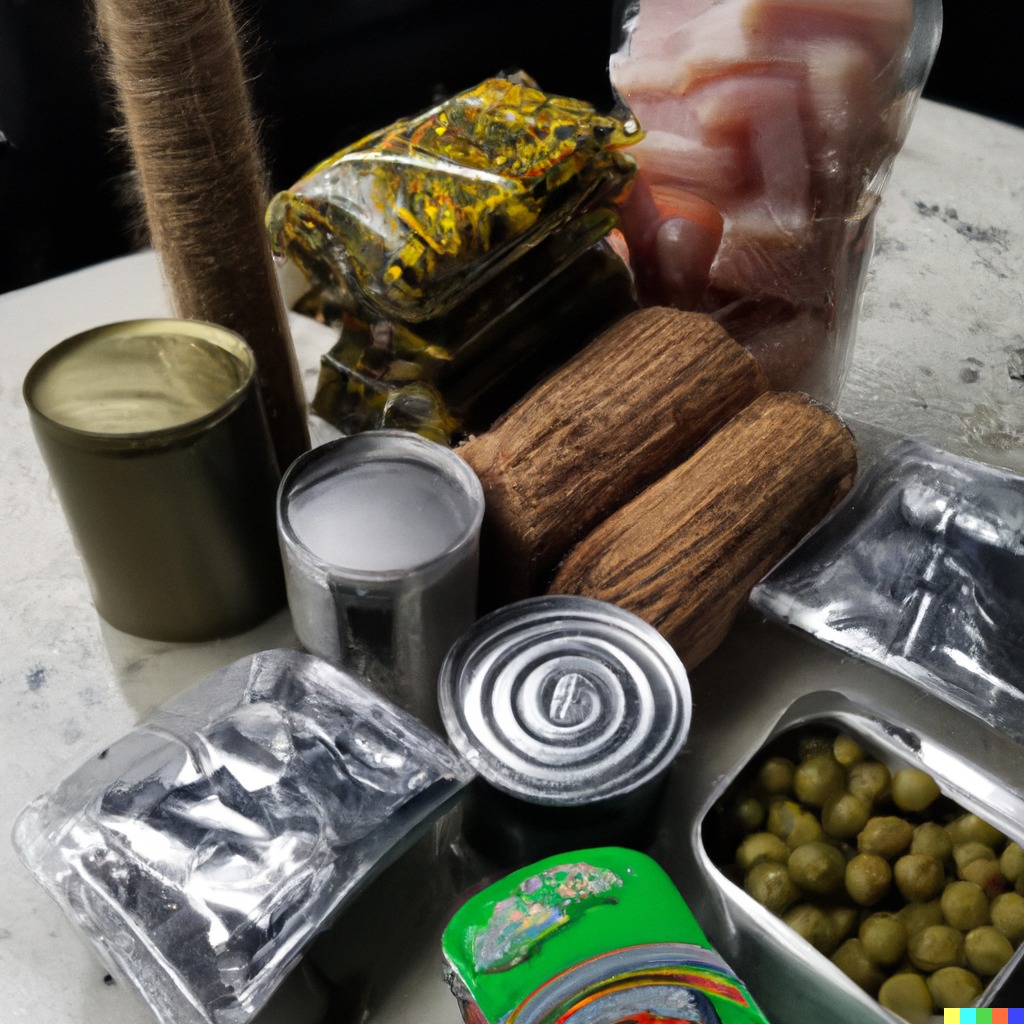
Everyone in the prepping world talks about stockpiling food for an emergency situation.

Beans, cans, rice, anything that lasts a long time can allow us to make it through emergency situations.

And even though it’s crystal clear that stockpiling is essential

People usually don’t know how much food is too much or too little.

I want to provide some clarity, so you can decide how much to stockpile based on your specific circumstances.

The answer, as always, is that it depends.

Everything boils down to the specifics of your situation. Your family headcount, dietary needs, and the type of emergency you’re prepping for.

But don’t worry, we’ll break it down together.

First and foremost, it’s essential to consider the duration of the emergency.

Are you expecting a short-term disruption, like a brief power outage or a snowstorm?

Or are you prepping for a more long-term scenario, like a natural emergency or an economic collapse?

For short-term emergencies, a supply of about two weeks’ worth of food should suffice.

This will tide you over until services are restored, and you can replenish your pantry.

But remember, it’s always more ideal to have a little more, just in case.

So let’s talk about long-term emergencies.

In these cases, you’ll want to have a minimum of three months’ worth of food stocked up.

However, to truly be on the safe side, I would recommend aiming for a full year’s supply.

This might sound daunting, but it’s a goal worth striving for. The future is uncertain, and it’s more reasonable to be over- than underprepared.

If this seems too difficult, there is a way to make it easier.

That is by gradually building up your stockpile.

Don’t try to shop for everything at once.

Instead, focus on adding to your reserves over time.

Slow and steady wins the race.

And don’t forget to diversify your stockpile.

A well-rounded supply should include non-perishable items such as canned goods, dried fruits, grains, and freeze-dried meals.

Also, make sure you account for any dietary restrictions or allergies.

And there you have it, folks!

Being mindful of these factors will put you on the right path.

Remember, it’s not about hoarding. It’s about being ready and self-reliant in the face of uncertainty.

Do you have any other topics that you would like me to cover? Let me know by commenting on this survival preppers article.

This Cooking Mistake could Prove Deadly for the Homestead

This is how many house fires happen in the US every year,

And if you live the homestead lifestyle, you really

should pay attention to what I have to tell you here!

It’s more than you think.

When it’s something that shouldn’t happen even once.

House fires have ruined people’s properties.

Everything they worked for.

And in the worst cases, it has taken their loved ones.

It’s time we turn down the heat on this risk and stir up some safety measures.

Let’s address the elephant in the room, unattended cooking.

It’s the primary cause of these fires.

Picture this, you’re sautéing vegetables, the cellphone rings, and you step away, thinking, “It’s just for a moment.”

But brother, a moment is exactly what it takes for a fire to ignite.

The golden rule is simple. Stay in the kitchen while you’re frying, boiling, grilling, or broiling food.

If you must go out, even for a short period, power down the stove.

So let’s talk about what’s cooking on your stovetop. Crowded cooktops are a recipe for disaster.

Keep anything that can catch fire – oven mitts, wooden utensils, food packaging, towels, or curtains – away from your stovetop.

A clean cooking area is a critical precaution against fires.

For those who love a good simmer, setting a timer is your ally.

It’s an easy step that serves as a reminder that you’re cooking, especially useful when you’re simmering, baking, or roasting food.

In the unfortunate event that a small grease fire starts, remain calm.

If it’s safe to do so, smother the flames by sliding a lid over the pan and powering down the stove.

Keep the pan covered until it is completely cooled.

For an oven fire, keep the door closed and close the heat.

Remember, water is a foe in this scenario as it can cause the oil to splatter and spread the fire.

As I always say, being prepared can make a world of difference.

Consider keeping a fire extinguisher in your kitchen and ensure every family member knows how to use it.

But more importantly, if a fire grows out of control, don’t hesitate to evacuate and contact 911. Your safety is paramount.

God bless, and always stay safe and very aware!

What NOT to do in a Blackout

I’ve talked a lot about our unstable power grid before.

And what you should do the next time the power grid fails.

But what’s equally important is what NOT to do.

Because some mistakes are more dangerous than most people think.

  1. Opening the fridge for no reason.

Look, I understand, the first thing you might think about is whether your food’s going to spoil.

But every time you look inside that fridge, you’re letting out precious cold air.

Keep it shut, and your food will stay safe for up to 4 hours in the fridge and 48 hours in the freezer, provided you don’t go peeking!

If this time has passed already, and you want to test if your food is still safe to eat, follow these instructions.

And the same goes for your exterior doors.

Keep your doors and windows shut to maintain your house’s current temperature as much as possible. This is especially crucial in extreme weather conditions.

  1. Put down the candles.

Candles might seem like the obvious go-to for light, but they’re a fire hazard if you have children running around in the dark.

And especially in a prolonged outage, when we tend to forget about them.

It’s wiser to stick to solar flashlights or LED lanterns.

If you want to use candles, go ahead, but be very careful.

And don’t let your children near ‘em.

  1. Trying to use the elevator.

This one might seem like a no-brainer, but you’d be shocked by how many folks forget the elevator doesn’t work during power outages.

When the power’s out, those metal boxes turn into death traps.

If the elevator stops working when you’re already inside of it, stick to these 4 steps.

  1. Using generators indoors

Generators are a godsend during a blackout, but they’re also a source of carbon monoxide.

Don’t ever use them indoors or close to windows and doors. Keep them outside and away from your living spaces to escape any risks.

  1. Not staying put

This one’s for your children.

Unless it’s unsafe to stay in your house, the safest place to be during a blackout is exactly where they are.

Venturing outside can expose them to unnecessary hazards when streetlights and road signals are out.

Remember, folks, staying informed and prepared is your best defense against the challenges a blackout can bring.

Keep these tips in mind and you’ll navigate through the darkness like a pro.

When SHTF survival preppers will be the first ones to go

So that’s me, the big dude sitting across from Tucker Carlson himself! Love that guy!

But enough about me, let’s get to the reason why you’re reading this article in the first place.

I’m sure you’ve seen ‘em.

You might have even referred to yourself as a “prepper” at one point.

This group of people tries to prepare for emergencies.

They stock up on essentials, grow their own food, and meticulously plan for a myriad of scenarios.

But amidst this well-intentioned preparation, they fall into a trap.

A critical mistake that could prove fatal for them and their loved ones in a real emergency.

And it boils down to this. They boast too damn much!

Look, understand the urge to talk about your achievements with like-minded folks.

But when it comes to survival, discretion isn’t just a virtue. it’s a necessity.

Every detailed post about a stocked pantry, Every proud showcase of a stocked pantry, a water supply, a communication method, is potentially a beacon.

In the digital age, knowledge is more than just power, it’s a currency. And in the wrong hands, the knowledge of your preparations could become an invitation.

To those unprepared, desperate, or opportunistic enough to take advantage of your work when society’s thin veneer cracks.

Just see what can happen when people boast too much.

This is why I want to talk to you about the Gray Man Philosophy.

The concept of the “gray man” is not talked about enough in my opinion.

It’s essentially about blending in, not standing out.

This applies not just in the physical realm but in the digital one as well. Talk about strategies, not specifics. Discuss ideas, not inventories.

In other words, find the balance.

Believe in God and his son Jesus…

But also believe in yourself, and especially, you must believe in your basic survival skills.

For example, you don’t see me sharing photos of my backyard so everyone knows where to find me!

But can talk about how I planned my backyard.

There’s a fine line between communal learning and oversharing.

The true strength of our preparations lies in the fact that a few trusted folks know about them.

But be careful about who you trust.

As we continue down this path of preparedness, let’s pivot towards a more guarded approach.

It’s possible to be both prepared and discreet, to be ready for any eventuality without broadcasting our readiness to the world.

This doesn’t mean retreating from our community.

It simply means navigating it with a calculated caution.

Sometimes the most potent weapon is the wisdom to remain unseen.

Let’s stay safe, smart, and cautious.

God bless, and keep yourself, as well as all those that you love, as safe as possible!

Christians Should be Worried about the Upcoming AI invasion

If you’re a Christian that’s living in the United States of America,
Then please know that I am writing this survival prepper article
For you, and all of those that you love, because what I’m about to
Tell you below, may change the way you think about technology and
religion!

What the heck am I saying?

Here I go…

There’s a quiet revolution happening.

One that might be as silent and sneaky as mercury in our waters.

It’s the invasion of Artificial Intelligence, or AI, in our workplaces.

I remember a time when jobs were straightforward.

You’d become trained in one skill, found employment, and if you were good, you’d retire with a golden watch.

But the landscape’s shifting, folks, and it’s shifting faster than ever before.

In just Richmond alone, over 75,000 jobs are at risk.

Jobs with real people. And real families.

AI is quickly taking over tasks once performed by good men. For many, this means the looming risk of job displacement.

But if there’s anything I’ve come to appreciate in recent years, it’s the power of pushing back.

No matter how difficult things may seem, there’s always a way to stand our ground.

So what can we do to push back against AI?

Well, there are two routes we can take.

First and foremost, just as we stockpile essentials for emergencies, it’s essential to have a savings buffer.

Ensure you have enough to cover your basic needs, including food and water, for a while. Just in case your job ever becomes obsolete.

It’s not about surrendering, it’s about being ready for anything.

And then there’s the long-term answer.

There are jobs and tasks that AI can’t perform.

And let me tell ya, if you want to ensure you’re not left in the AI dust, diversify your skill set.

Immerse yourself in learning opportunities outside your primary field.

Join workshops, read widely, and learn different skills. Make yourself irreplaceable by being adaptable.

Remember, folks, in the same way we prep for natural emergencies or any other unexpected event, we should be prepping for the changing landscape of work.

The world doesn’t cease spinning, and neither should our desire to learn and adapt.

Don’t let the AI wave take you by surprise.

Prepare, adapt, and diversify.

Because when the employment landscape shifts dramatically, it’ll be the ones who walk away from the herd who thrive.

So stay vigilant – and ready to respond to different challenges.

How To Become Your Own Food Supplier

Nothing gives you greater peace of mind than being able to supply your own food.

When you know that your family will not go hungry no matter what, you can feel a sense of security that most people can’t understand…

A sense of security that most people will not ever understand.

In the times we are experiencing, there are plenty of challenges that could lead to a food shortage.

From recession to global crises, we have seen everything during the past months.

I want to share with you how you can become your own food supplier, so that you can always survive comfortably.

If you follow everything in this article, then there is no possible way that your family can ever go hungry.

Long-term Food Storage

Let’s talk about the elephant in the room.

If you want to have enough food no matter what, you need to stockpile.

Below you will find the most essential goods you need to store.

Canned goods

Canned goods are non-negotiable when we are preparing for emergencies.

These little metal containers can last for years, making them ideal for long-term storage. 

But remember, variety is key! 

Stock up on fruits, vegetables, meats, and even soups. 

And don’t forget to keep them in a cool, dry place away from direct sunlight to prolong their freshness.

Dehydrated and freeze-dried foods

Dehydrated and freeze-dried foods are a step further toward self-sustenance. 

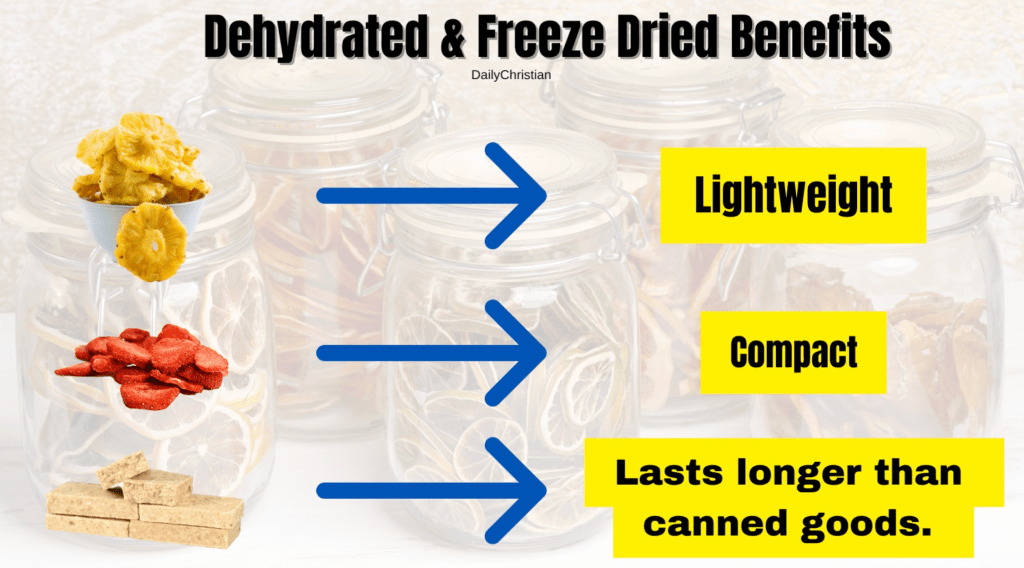
They’re lightweight, compact, and last even longer than canned goods. 

You can either dehydrate your own food or shop for ready-made options. 

Either way, make sure you store them properly in airtight containers to maintain their quality.

Mylar bags

Friends, this is where things start getting exciting.

Vacuum sealing your mylar bags can help you preserve your food’s freshness for years. 

You heard me right, years! 

Just make sure you follow the storage guidelines like keeping them in a cool, dark place to ensure they stay in tip-top condition.

Growing Your Own Food

When you’ve stockpiled as much food as you can, it’s time to make use of your garden.

Or, in other words, it’s time to select crops.

In survival situations, calories should be your main focus.

The main type you need to grow is calorie-dense crops like potatoes and corn.

Then there are nutrient-rich crops like leafy greens and tomatoes.

Everyone should have some of those in their backyard.

What a lot of people often neglect, however, are beans, peas, and squash. 

These plants provide valuable nutrients and improve soil health through nitrogen fixation and natural pest control.

If you don’t have a lot of space, consider container or vertical gardening.

These methods allow you to grow more food in less space.

Which is really important when you are trying to maximize your produce.

Raising Livestock

I don’t know how many people raise their own livestock anymore…

But it is a game changer for sustainable living.

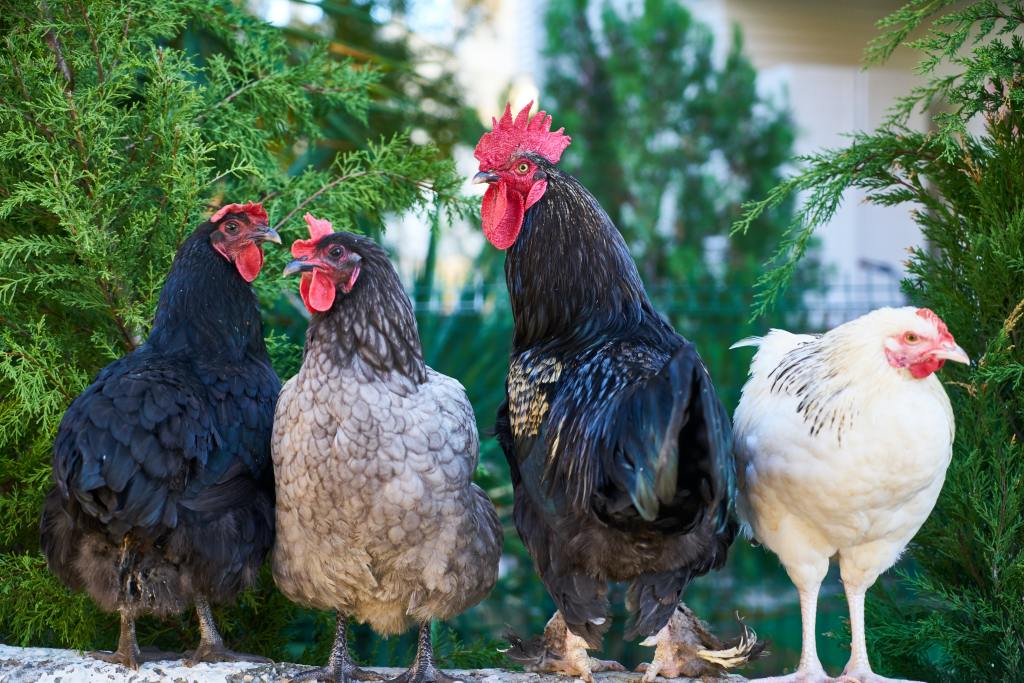
The No. 1 choice when deciding what animals to raise is chickens.

They provide a steady supply of eggs and meat, and their manure can be used as fertilizer for your garden. 

The second option should be goats.

Goats are a valuable addition to any small homestead, providing milk, cheese, and meat.

Some other excellent options are rabbits, ducks, and goats.

They can also be used for land clearing and weed control, as they are browsers by nature.

By carefully selecting and managing small-scale livestock, you can create a diverse and sustainable food supply for your family, even in challenging times. 

Research each animal’s specific needs and local regulations to ensure a successful and responsible food supply chain.

Foraging and Hunting

There could come a time when in spite of how self-sustained you’ve become…

You have to abandon everything and evacuate.

It’s a very unfortunate situation.

One that a lot of folks don’t even want to think about.

But remember, we are preparing for any eventuality.

If we have to bug out with nothing but our clothes and a small kit, we have to rely on our skills for survival.

Knowing how to forage and hunt for food can make a huge difference in these situations.

First, let’s talk about foraging for wild edibles.

This is something that you have to do safely.

Take the time to learn about the wild edible plants native to your region. 

Invest in a reputable field guide or attend local workshops to become familiar with plant identification. 

And for the love of God, be cautious of look-alikes!

Some edible plants have toxic counterparts.

If you eat something that you were not supposed to…

When there is no hospital nearby…

Let’s talk about something else.

Hunting

Knowing how to hunt can be invaluable in times of crisis.

A single adult deer can provide meat that can feed a family of four to six people for several weeks.

If you are good at hunting, you’ll be able to take care of your loved ones with no issues.

It’s crucial to invest time in developing your hunting skills, as it’s something that’s more complicated than most people think.

Tracking and stalking an animal requires a lot of experience and patience.

Also, make sure you know the local laws and regulations, and don’t ever hunt without a permit.

Practice ethical hunting by targeting abundant species, taking clean shots to minimize suffering, and making full use of the animal to minimize waste.

And of course, know how to properly skin, butcher, and package the meat, as well as how to store and cook it.

Foraging and hunting skills can secure nutritional food for everyone in your family in times of crisis.

Community and Cooperation

Humans have survived for such a long time thanks to building communities.

We are in this together.

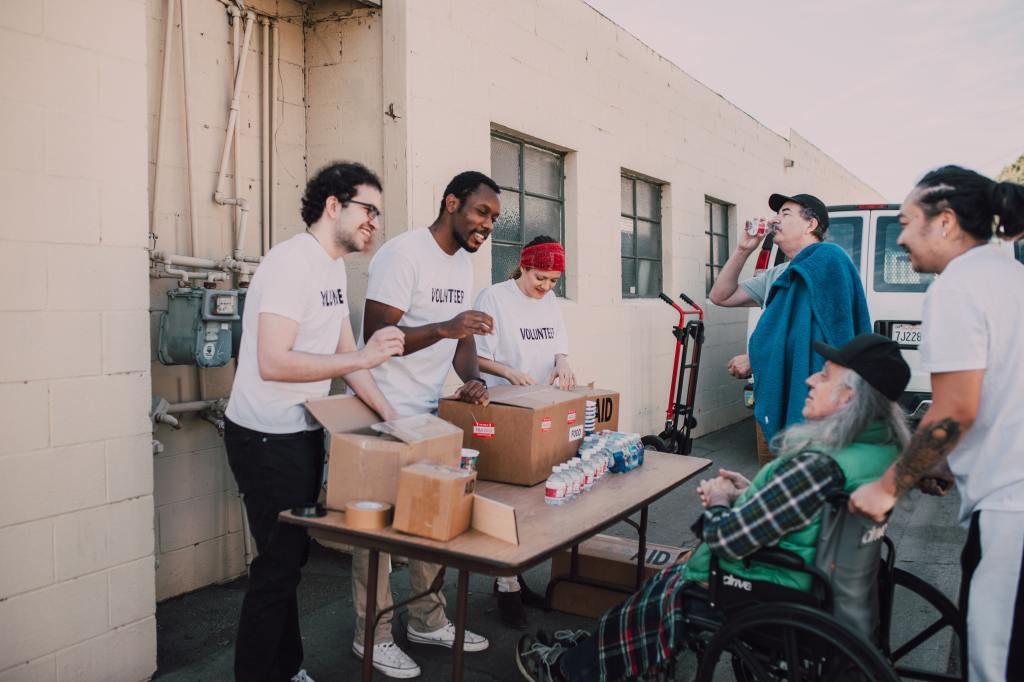
Your local community is invaluable for sharing resources, knowledge, or even a helping hand. 

In times of need, we can ensure that everyone survives.

If you want help from your neighbors, don’t be shy to ask.

And don’t hesitate to help them in return.

Trading with your fellow preppers is an excellent way to strengthen connections and ensure everyone’s needs are met.

And speaking of togetherness, why not establish a community garden?

Collective food production has numerous benefits, like increased food security and shared labor. 

By assigning roles and responsibilities, you can create an efficient and thriving garden that benefits everyone involved.

When it comes to ensuring you have enough food to feed your family, anything goes.

I would advise you to take advantage of every one of the tips in this article.

The key to survival is preparation.

So take the time to produce your own food, and comfortably make it unscathed out of any emergency.

Are You Making This Fatal Emergency Food Mistake?

There’s no question about it…

Emergency food is a crucial part of preparedness.

However, there is one issue that most people overlook, when it comes to their food storage…

Sanitation.

Whether it’s a natural disaster or a power outage, the risk of foodborne illnesses can increase in emergency situations.

And this makes it crucial to follow proper food safety guidelines.

If you ignore this step, then your whole family instantly becomes vulnerable to food poisoning and disease.

To minimize the risk of foodborne illness, it’s important to keep your cold food cold (below 40°F). 

This can be achieved by using a cooler or insulated container with ice packs to keep perishable items cold.

Additionally, it’s important to regularly examine the temperature of refrigerated and frozen items to ensure they are being stored at the correct temperature.

When you prepare the food, it’s crucial to practice good hygiene. 

This includes washing hands frequently and cleaning every surface and utensil thoroughly.

If you don’t have any running water, you can use a hand sanitizer or wipes for that step.

If you’re using alternative energy sources, such as a wood-fired stove or solar cooker, it’s important to ensure the cooking temperature is high enough to kill harmful bacteria. 

So we’ve covered preparation.

Let’s talk about storage.

It’s very important to store perishable items in airtight containers and to rotate food regularly to prevent spoilage.

If you suspect that a food item has gone bad, throw it out.

The water that you use to cook is also vital.

If the water supply is compromised, it’s important to boil or treat water before consuming or using it for food preparation.

These steps might seem boring, but they play a very vital role in preparedness.

Don’t neglect them!

In fact, if you think someone else could benefit from following these precautions, why don’t you share this with them?

How To Build A Sustainable Survival Shelter (Step-By-Step Instructions)

Extreme weather conditions can strike at any moment.

And there could be a time when your house might not be able to sustain them.

Most houses are not built to withstand extreme hurricanes, floods, or thunderstorms.

Having a sustainable shelter that can withstand the elements and provide protection is crucial for ensuring your survival in times of crisis.

But building such a shelter is no easy feat. 

It requires careful consideration, planning, and execution.

In this article, I will walk you through every step of the way – so you have no hesitation before start building your shelter.

You will be able to start working on this project with confidence.

Before you do this, however, there is something you need to consider…

Assess The Challenge

Creating a sustainable shelter involves overcoming several obstacles.

If you go into this unprepared, you will probably give up halfway through.

I am not saying this to scare you, but to make sure you are committed to completing this project the right way – without half-assing any step.

First things first, you need to ensure you don’t break your local building codes and regulations. 

Consult with local authorities and experts to ensure you’re following the rules.

If you are not careful, it can also be very expensive.

You need to be prepared to keep your ear to the ground, and look for eco-friendly or recycled materials that are readily available in your area to reduce expenses.

Does this sound too bothersome?

If not, then let’s dive into how you can start right away.

Pick The Right Spot

Selecting the right site for your sustainable shelter can make a huge difference in its effectiveness.

To make the decision, think of the type of terrain you’ll be building on. 

Look for areas that are flat and stable, and steer away from areas that are prone to flooding or erosion. 

You should also take the natural resources available into consideration.

Look for areas that are close to water sources or areas that have a lot of sun or wind.

Finally, consider accessibility.

Make sure the site is easy to reach, and not too far from your house.

Look for areas that are close to roads or other transportation options.

Once you’ve found your spot, you can move on to the next step:

Adhere To The 4 Sustainability Principles

The main difference between shelters and houses is that they are going to run on electricity.

We are building these things to have a way to survive when the grid goes down.

You need a different way to retain heat in the winter and stay cool in the summer.

The four key principles when creating a sustainable shelter are:

  1. Energy efficiency,
  2. Renewable energy,
  3. Water conservation,
  4. And waste management. 

To maximize energy efficiency, ensure proper insulation, and utilize passive solar design principles. 

Renewable energy sources can reduce dependence on non-renewable ones. 

Consider solar, wind, or micro-hydro power, and invest in energy storage solutions to ensure you always have power when you need it.

Harvesting and conserving water is also essential. Install a rainwater collection system, and make sure to use water-efficient appliances and fixtures.

Lastly, incorporate waste management strategies, such as composting and recycling, to minimize waste generation and promote a closed-loop system.

Make Sure It’s Stable

Your shelter has to be able to survive anything.

The foundation, walls, and roof must be robust and resilient to withstand extreme weather conditions. 

Begin with a strong foundation, using materials like reinforced concrete or stone. 

Reinforce walls and roofs with sturdy framing and sheathing materials, such as steel or engineered wood.

Design your shelter to resist wind by incorporating aerodynamic features and anchoring the structure firmly to the foundation. 

Earthquake-resistant construction techniques can include shear walls, moment-resisting frames, and base isolation systems.

These things can be complicated, especially if you haven’t ever done this before.

If you’re not 100 percent certain you will be able to complete this step safely, consult with a local expert.

And make sure they are aware of the appropriate techniques for the local regulations and soil.

Implement Passive Cooling and Heating

Passive cooling and heating techniques can help keep your shelter comfortable and livable year-round.

Building orientation and layout are particularly important.

Orient your shelter so that it receives maximum sun exposure in the winter, and minimum sun exposure in the summer. 

This can help keep your shelter warm in the winter and cool in the summer.

Using natural ventilation can also help keep your shelter comfortable year-round. 

Make sure to design your shelter with plenty of windows and doors to allow for natural airflow.

Another way to control the temperature without electricity is by incorporating thermal mass and insulation.

If you can, try to incorporate every option.

Ensure Security and Defense

Ensuring security and defense is crucial for any sustainable shelter. 

It might seem impossible for a shelter without electricity…but there are many ways to do that.

The first one is to make your shelter “invisible.”

In other words, to camouflage it and keep it concealed from potential threats.

Plant trees or shrubs around your shelter to help it blend in with the surrounding landscape.

Implementing perimeter security measures can also help keep your shelter safe. 

A simple fence can do wonders to protect you from intruders.

But if you want to go a step further, design a safe room inside your shelter.

Make sure the room is well-ventilated, has a secure door, and is stocked with emergency items such as food and water.

Final Thoughts

I understand that this is a lot to take in one go.

It took me a long time, and I consulted with many people to write this article.

Read this again and again if you have to.

Building a sustainable shelter requires careful planning, adaptability, and a commitment to environmentally responsible practices.

But you don’t have to feel overwhelmed.

Take this one step at a time.

And if you think you have to, consult with a local professional to make sure your shelter is stable.

Remember, you are not designing a second house – you are ensuring you have a place to survive in harsh conditions.

Keep this in mind and you will create an incredible shelter that will help you make it through anything.

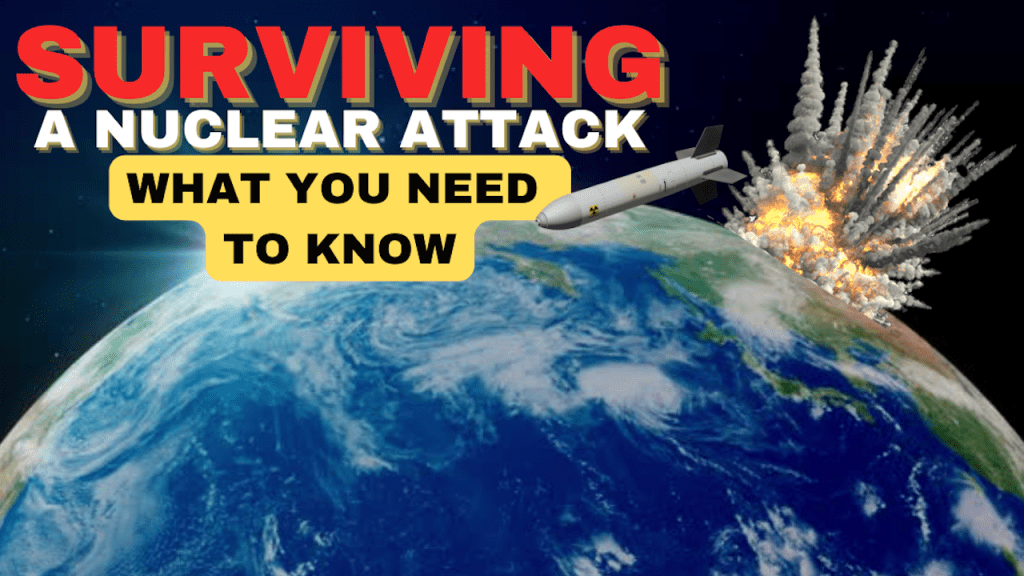
Surviving a Nuclear Attack – What You Need to Know

On March 24, 2023, tyrant Kim Jong-un boasted about a nuclear drone, that can cause a “radioactive tsunami.”

Supposedly, this drone can remain unseen by moving underwater.

And it can create mass destruction.

Folks, I haven’t seen a more pathetic person than Kim Jong-un.

He is short, fat, and looks like a teenage boy.

And despite being the leader of a whole country…no one takes him seriously.

This is why he might pull the trigger.

He is willing to risk the balance between the U.S. and North Korea for a dick-measuring contest.

But there are more nuclear attack threats for the U.S. other than Kim Jong-un.

Russia just moved its nuclear weapons outside the country for the first time ever.

This was issued in response to the conflict with Ukraine…but how sure are we that Russia doesn’t have ulterior motives?

Who’s to say that they will not turn these nuclear weapons facing our way after they’re done with Ukraine?

If history has taught us anything…it’s that each war crime brings the next one like a string of dominos.

I don’t know where we should expect a nuclear attack from…

But I know one thing…

This is a real threat.

And yet, if you ask anyone in the street about their plans in case of a nuclear attack, they will tell you that “everyone would die anyway.”

So there is no point in preparing for it.

But they are wrong.

With the right preparation, you and your family can survive anything.

And I will show you exactly how to do that in this article.

Preparing for a Nuclear Attack

The first step is simply knowing the potential sources of nuclear threats in your area.

Whether they are military bases…

Nuclear power plants…

Or other facilities that handle radioactive materials…

These are the places where an attack could cause the most damage.

So this is where the enemy is most likely to strike.

If there are any places like these close to your area, take note of them.

Once you have a basic understanding of the risks and scenarios, you can create a nuclear emergency plan. 

Let’s see how you can do that.

Finding Shelter

In the event of a nuclear attack, finding suitable shelter is one of the most important things you can do to protect yourself. 

You need to find a place to live in for one or two days – so you can survive without having to evacuate.

Depending on the type of nuclear weapon used and the distance from the explosion, the ideal shelter may vary.

In general, however, the greatest shelter will be located underground, in a thick-walled building, or in a reinforced concrete structure. 

Ideally, the shelter should be as far away from the blast site as possible and should have as few windows as possible.

Once you’ve found a suitable shelter, you are ready for the next step…which is where most people will make a fatal mistake…

Protecting Yourself from Radiation Exposure

One of the biggest risks of a nuclear attack is radiation exposure.

It can cause a range of health problems including cancer, radiation sickness, birth defects, and many more.

To protect yourself, it’s important to understand the different types of radiation and their effects on the body. 

Alpha and beta particles can be stopped by clothing or a thin layer of material.

While gamma rays are much more penetrating and require thicker barriers or protective gear.

A nuclear attack will most likely cause every type – so you need to be prepared for every type.

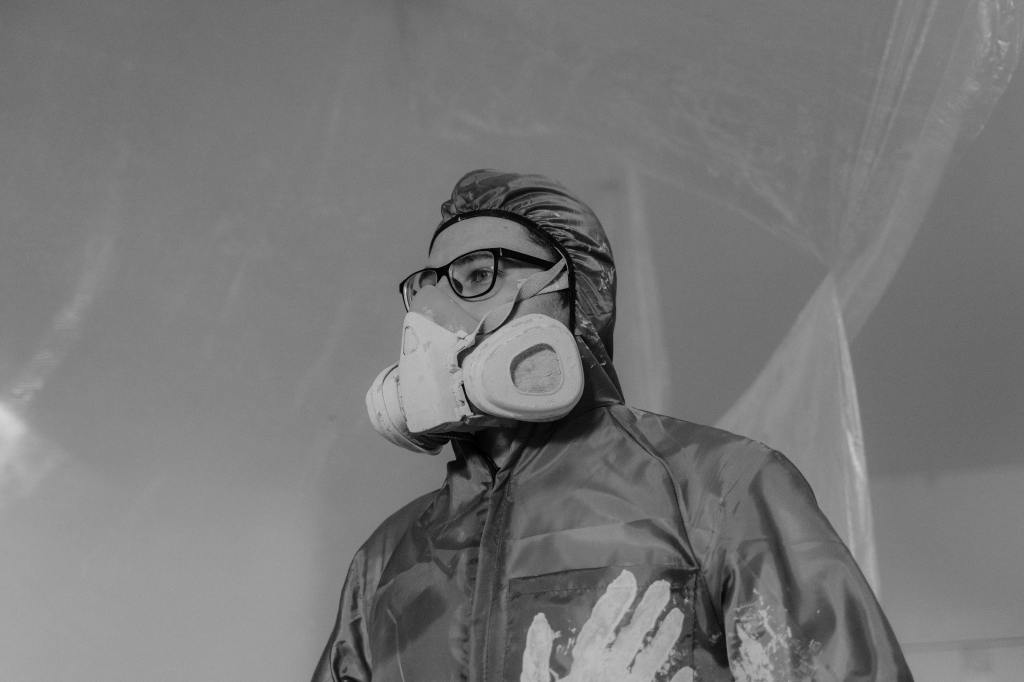
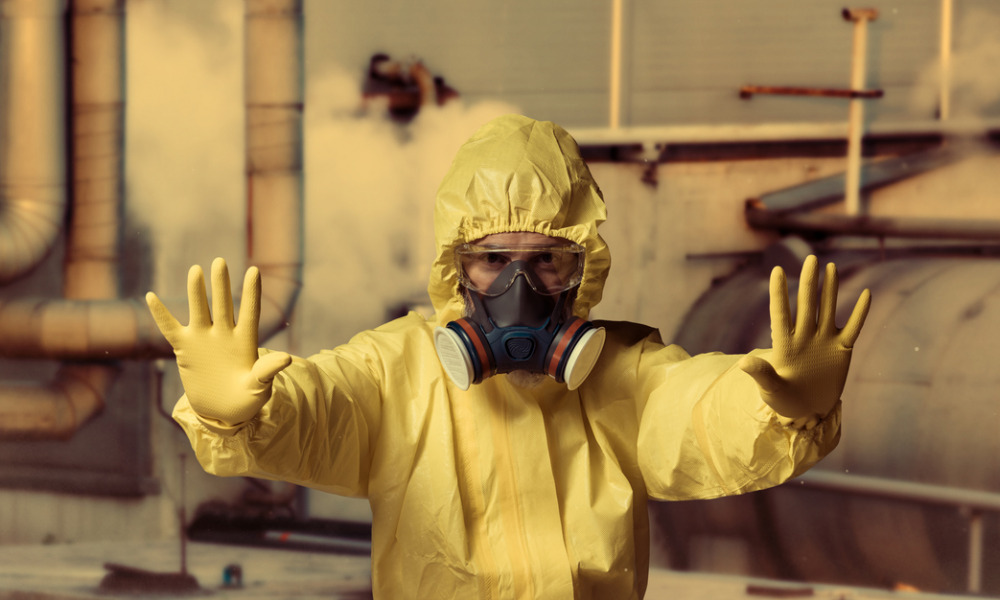
To protect yourself and your loved ones from gamma rays, you have to use protective gear like masks, gloves, and suits. 

A gas mask with a HEPA filter can protect against inhaling radioactive particles.

While gloves and suits made from materials like rubber or plastic can protect against skin contact with contaminated surfaces.

If you wait to look for these things after the nuclear attack…you will just not find them.

Everyone is going to be looking for them.

Stock up on protective gear and essential items before a nuclear emergency occurs.

Remember, the better you prepare, the better you’ll sleep at night.

In addition, it’s important to decontaminate yourself and your surroundings – just in case.

This may involve washing exposed skin and hair with soap and water, discarding contaminated clothing and objects, and sealing any contaminated areas to prevent the spread of radioactive particles.

But What If You Become Exposed?

Have you ever heard the phrase “If you want to make God laugh, tell Him your plans?”

Sometimes no matter how well we are prepared…our plans fall short.

It’s something that everyone has to accept.

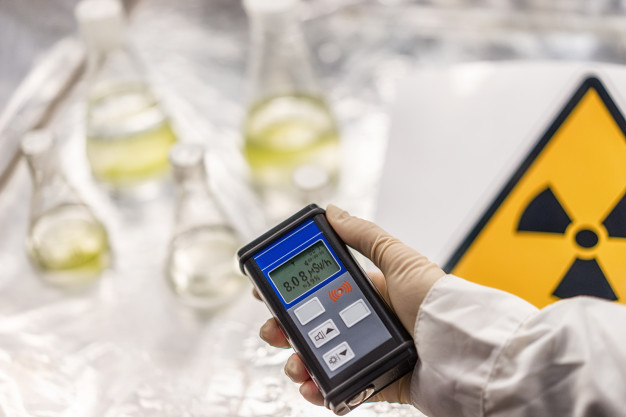
To ensure you haven’t become exposed to radiation, use a radiation detector.

You can find one for under 100 bucks on Amazon.

These devices can measure radiation levels in the environment and in your body.

And they can help you determine when it’s safe to exit your shelter or take other actions to protect yourself.

If you do experience radiation exposure, it’s important to seek professional attention as quickly as possible.

While there is no cure for radiation sickness, hospitals can provide supportive care to manage symptoms and help your body recover.

In addition, regular checkups and monitoring can help detect any long-term health problems that may arise afterward.

The effects of radiation can last for years or even decades.

And they may require ongoing attention and monitoring.

However, with the right support and resources, it is possible to recover and rebuild after a nuclear attack.

This may involve working with local authorities and community organizations to

  • Clean up contaminated areas
  • rebuild infrastructure
  • and provide support for survivors

Overall, protecting yourself from radiation exposure requires a combination of knowledge, preparation, and guts.

By understanding the risks, preparing for the worst, and staying informed and connected, you can be better equipped to face this daunting challenge. 

Remember folks, every little bit can make a difference in an emergency.

3 Ways To Produce Power Without Electricity

Time and time again we have witnessed our power grid fail to work in emergencies.

Whether it’s from a storm, an earthquake, or a tornado, power outages are very frequent in the U.S.

If we want to be self-sufficient, we have to reduce our reliance on the grid. 

One way to do this is by exploring alternative energy sources.

These sources are not just environmentally friendly but also allow us to generate our own power.

In this newsletter, we’ll take a look at three popular alternative energy sources: solar, wind, and biomass.

  • Solar Energy

Solar energy is one of the most widely used alternative energy sources.

And is ideal for preppers who want to reduce their energy bills and carbon footprint.

Solar panels convert sunlight into energy.

And with advances in technology, they’ve become much more efficient. 

Installing a solar panel system can be a bit costly at first…

But over time, it will pay for itself as you no longer have to use the power grid for electricity.

  • Wind Energy.

Wind energy is another popular alternative energy source, especially for those who live in windy areas. 

Wind turbines generate electricity by harnessing the power of the wind. 

Just like with solar panels, wind turbines can be a significant upfront payment, but will be reducing your electricity bills in the future.

Additionally, wind turbines are relatively low-maintenance and have a long lifespan.

  • Biomass Energy.

Biomass energy is a type of renewable energy that is generated from organic matter, such as wood chips, agricultural waste, and sewage. 

It can be used to generate electricity or heat houses.

Unlike solar and wind energy, biomass energy is often used in rural areas and is ideal for preppers who have a lot of land and want to make the most of it.

I believe that every prepper should have at least one way to produce natural energy.

Whether it’s from the sun, wind, or biomass, the decision is up to you.

It will vastly reduce your reliance on the grid, and you will be saving important resources in the future.

Do you produce your own energy in your house? I’d love to hear about it!