South Carolina’s Worst Roads to Drive on During a Disaster

Driving Through the Storm: Survivalist Strategies for Navigating South Carolina’s Worst Roads in a Disaster

If there’s one lesson I’ve learned after years of traversing war zones, hurricane paths, and backcountry roads from the Appalachian hills to the swamps of Louisiana, it’s this: you don’t survive a disaster by luck—you survive by preparation and skill. South Carolina, with its thick pine forests, low-lying flood zones, and hurricane-prone coastlines, offers up a unique challenge to the survival-minded driver. When natural disasters hit—be it hurricane, flood, or even civil unrest—your ability to get in your rig and move can mean the difference between life and death.

I’ve driven every stretch of this state, from the marshy edges of Beaufort to the washed-out farm roads of Marion County. And I’ve seen what happens when people panic and rely too much on GPS and too little on grit. Below, I’ll break down 15 survival driving skills that will keep you mobile when others are stranded. I’ll also give you three DIY hacks for when your fuel runs dry—because out there, ingenuity is often your best co-pilot.

But before we dive in, you need to understand something about South Carolina’s roads during a crisis: they can become death traps.


South Carolina’s Worst Roads in a Disaster Scenario

South Carolina doesn’t lack for challenging terrain even on a blue-sky day. Add a natural disaster and you’re looking at some serious trouble zones. The worst roads? They’re the ones most likely to flood, clog, or collapse.

  1. US-17 (Charleston to Georgetown) – Beautiful coastal views, sure—but a hurricane’s dream target. Storm surge floods this route quickly, and it turns into a swampy mess fast.
  2. I-26 (Charleston to Columbia) – One of the main evacuation routes during hurricanes. It gets clogged fast, and if authorities reverse lanes (contraflow), you’re stuck in a one-way funnel.
  3. SC-9 (Marlboro and Horry Counties) – Known for low visibility and poor maintenance, especially near flood zones.
  4. US-501 (Conway to Myrtle Beach) – A bottleneck in every evacuation. Flooding and traffic jams make it impassable in hours.
  5. I-95 near Lake Marion – This stretch is susceptible to wind damage and long-term closures. Fallen trees, washed-out bridges—you name it.
  6. SC-41 through Jamestown – Low bridges and thick woods make it hard to navigate post-disaster.
  7. Old Charleston Highway (Beaufort County) – Narrow and often surrounded by swampy ditches.
  8. Rural routes through the Pee Dee region – Poor signage, washouts, and zero cell reception.
  9. Greenville’s mountain foothill backroads – Prone to landslides during heavy rains.
  10. Backroads of McCormick and Edgefield Counties – Gorgeous but deserted—if you break down, you’re on your own.

15 Survival Driving Skills to Master Now

  1. Off-Road Navigation
    GPS is great until it isn’t. Learn to read a paper map and orient by sun or compass. Disasters knock out satellites and towers.
  2. Driving Without Headlights
    In some situations—like avoiding attention—you need to drive stealth. Use low-beam techniques, moonlight, or red LED cabin lights to see without becoming a target.
  3. Emergency Braking on Wet Roads
    ABS systems don’t work well on washed-out roads. Practice controlled skids and pump-braking on gravel and mud.
  4. Water-Crossing Tactics
    If water is less than two feet deep, drive slowly and steadily. Never stop in the water. Avoid fast-moving current at all costs.
  5. Changing a Tire in the Dark
    Do it blindfolded if you must. You won’t always have daylight—or time.
  6. Driving With One Tire Flat
    Practice limp-driving to safety. Know how far your vehicle can go on a flat before the rim gives.
  7. Hand Signals and Silent Communication
    If radios fail and you’re traveling in a convoy, hand signals are gold.
  8. Fuel Rationing and Efficiency Driving
    Use coasting, skip-shifting, and low-RPM driving to conserve every drop.
  9. Jumpstarting Without Cables
    Push start if you drive manual, or use a rope-tow method with another vehicle.
  10. Vehicle Armor on the Fly
    Sheet metal, wood, or even filled sandbags can turn your SUV into a rolling bunker if civil unrest breaks out.
  11. Improvised Chains and Traction Aids
    Zip ties, paracord, or even floor mats can help you escape a muddy trap.
  12. Hotwiring Older Vehicles
    Not for fun—sometimes you’ll find an abandoned ride that could save your life. Know how to start older, non-chip-key vehicles in an emergency.
  13. Low-Visibility Convoy Movement
    If dust or rain limits visibility, tail light discipline and spacing keeps your team together.
  14. Driving with Damaged Windshields
    Pack clear plastic and duct tape—it won’t be perfect, but it’s better than shattered glass cutting you up.
  15. Escape and Evasion Driving
    Practice quick U-turns, J-turns, and ditch exits in safe conditions. These maneuvers aren’t just for movies—they save lives.

3 DIY Survival Driving Hacks When You’re Out of Gas

Let’s face it, fuel is often the first thing to go in a disaster. Every car in the county hits the pumps at once. Here’s how to stay mobile when the needle hits E.

  1. Siphoning Fuel Safely
    Keep clear tubing, a gas can, and a siphon bulb in your kit. Modern cars have anti-siphon valves, but you can still access gas from lawn mowers, boats, or older vehicles. Be discreet and respectful if scavenging.
  2. DIY Ethanol Fuel Substitute (Short-Term)
    If you’re in a bind and find moonshine or denatured alcohol, you can mix small amounts with gasoline (no more than 10-15%) to stretch your supply. Use only in emergencies—this can damage engines long-term.
  3. Emergency Bicycle Tow Rig
    Sounds crazy, but I once pulled a small SUV 3 miles with a mountain bike and pulley rig downhill in Colorado. Use paracord, a fixed rear axle, and ingenuity. This can get you from floodplain to high ground if no better options exist.

Final Thoughts from the Road

When the sky darkens over the Palmetto State, and the highways are a parking lot of desperate souls, your ability to think, drive, and adapt is what sets you apart from the herd. I’ve driven out of fires in California, through mudslides in Central America, and out of storm surge zones on Edisto Island with less than a gallon in the tank. And every time, it came down to knowing my vehicle, trusting my gut, and being prepared when no one else was.

Remember: the road may be your escape route—but it’s also a battlefield. Train accordingly.

Keep your rig clean, your tank topped, and your mind sharp.

See you out there.


The South Carolina Homestead Life: Rant of a Fed-Up Yet Fired-Up Homesteader

I’m gonna be blunt here—if you think homesteading in South Carolina is just chickens clucking while you sip sweet tea on the porch swing, you better buckle up. This ain’t no damn Magnolia Journal fantasy. It’s sweat, blood, busted knuckles, mosquito bites the size of peaches, and the relentless cry of, “Did something get in the garden again?!”

Living the homestead lifestyle down here in the Palmetto State isn’t for dainty hands or thin skins. It’s for the stubborn, the gritty, and those of us who are damn tired of relying on a system that wouldn’t know self-sufficiency if it smacked it upside the head with a cast iron skillet.

Skill #1: Gardening for Survival, Not Instagram

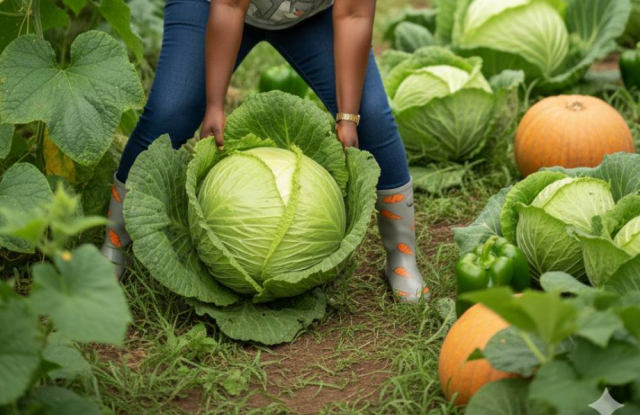
Down here, you’re battling high humidity, sandy soil in the Lowcountry, red clay in the Upstate, and insects so brazen they’ll eat your tomato plants while you watch. You better know how to amend that soil, rotate crops, and build raised beds that can survive a tropical storm.

Skill #2: Canning and Food Preservation

There ain’t no excuse for wasting produce. If you’re not pressure canning green beans, water bath canning peaches, dehydrating herbs, or freezing squash, what in the hell are you even doing out here?

Skill #3: Rainwater Harvesting

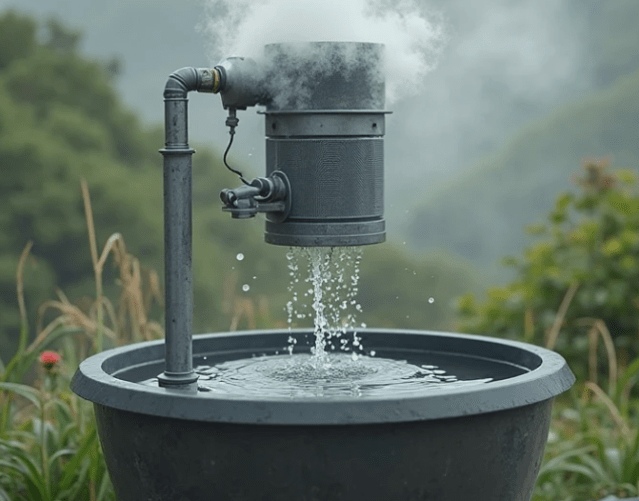
South Carolina summers will flood you one week and dry you up the next. You NEED to learn to set up a proper rain catchment system. Gutters, barrels, first flush diverters—you name it. Water is life, and if you don’t catch it, you’ll pay for it (literally and metaphorically).

DIY Hack #1: Garbage Can Rain Barrel
Take a $20 heavy-duty trash can, drill a spigot hole at the bottom, screen the top for debris, and boom—instant rain barrel. Slap on some mosquito dunks and you’re off to the races.

Skill #4: Raising Chickens (And Protecting Them)

You might think you’ve built Fort Knox for your hens, but raccoons, hawks, foxes, and even neighborhood dogs are all plotting against you. Learn to build a predator-proof coop, or prepare for heartbreak.

Skill #5: Composting Like a Pro

If you’re throwing out kitchen scraps, you’re doing it wrong. Every eggshell, banana peel, and spent plant should be feeding your compost pile. Don’t waste what you can turn into black gold.

Skill #6: Seed Saving

Why the hell would you buy seeds every year when you can save them? Learn how to dry and store seeds from heirloom plants, because depending on supply chains is for amateurs.

Skill #7: Butchering Your Own Meat

Whether it’s chickens, rabbits, or deer you process yourself during hunting season—know how to butcher. Meat doesn’t grow on grocery store shelves. It takes skill, respect, and a sharp knife.

Skill #8: Basic Carpentry

You’ll be building fences, sheds, chicken tractors, and fixing what the wind blew down last night. Better know your way around a level and a circular saw.

Skill #9: Fermentation and Brewing

From sourdough starter to homemade wine or mead—learn how to ferment. It preserves your harvest and boosts your gut health. Plus, homemade peach wine hits different after a long day of work.

Skill #10: Livestock Husbandry

Whether it’s goats for milk, pigs for meat, or bees for honey, South Carolina’s climate is great for small livestock. But you better know how to trim hooves, assist births, and treat worms naturally.

Skill #11: Foraging and Plant ID

The woods are full of medicine and food—pokeweed, muscadines, black walnuts, chanterelles. But screw up and you might poison yourself. Learn your plants or leave ‘em alone.

Skill #12: Natural Pest Control

You want to spray your garden with poison? Then go back to the suburbs. Out here, we use companion planting, beneficial insects, and neem oil. Learn how to control bugs without killing your soil.

Skill #13: Basic Plumbing and Electrical

When your well pump fails at 2 a.m. or the breaker flips because of a janky DIY brooder light, you better know how to fix it. Ain’t no calling the handyman out here without paying a small fortune.

Skill #14: Cooking From Scratch

You raise all that food, then serve it with boxed mac & cheese? Get outta here. Learn how to bake bread, make jam, churn butter, and cook with what’s in season.

Skill #15: Emergency First Aid and Herbal Remedies

Hospitals ain’t always nearby. Learn how to treat cuts, sprains, infections, and burns using both modern and herbal remedies. Goldenrod, comfrey, echinacea—they’re not just weeds, they’re your pharmacy.


Now let me tell you something else that grinds my gears: people who play “pretend homestead” on weekends and then lecture the rest of us on TikTok about “slow living.” Let me see your calloused hands, your back sweat, your 3 a.m. goat birth—then we’ll talk.

DIY Hack #2: Chicken Feed Fermentation

You want healthier birds and to cut down on feed costs? Ferment their grains for 24-48 hours. It increases digestibility, reduces waste, and stretches your feed dollar farther—especially when feed prices are gouging your soul.

DIY Hack #3: Clay Pot Irrigation (Ollas)

Dig a hole, bury an unglazed clay pot up to the neck, fill it with water. Water seeps slowly to plant roots and nothing’s wasted to evaporation. Perfect for tomatoes during our brutal July heatwaves.


Listen, I don’t homestead to look cute in flannel or post Pinterest-perfect pies. I homestead because the world’s going off the rails and I’ll be damned if I let my family go down with it. The soil’s my security, the chickens are my alarm system, and my pantry’s more reliable than any damn grocery chain.

We do it ourselves because we HAVE to. Because we don’t trust the supply chain. Because when that hurricane comes barreling up from the Gulf, we don’t want to be the ones fighting for bottled water and bread at Walmart. We want to be the ones hunkered down with full pantries, a wood stove, and a generator we built out of salvaged parts and stubborn pride.

So if you’re thinking about the South Carolina homestead life, don’t come for the aesthetics. Come because you’ve got grit in your soul and sweat in your future. Come because you want to build something that outlasts chaos. And come prepared—because this land doesn’t suffer fools, and neither do we.

Now, if you’ll excuse me, I’ve got to go patch the fence. Again. Because that damn goat thinks she’s Houdini and the tomatoes won’t prune themselves.

Is South Carolina’s Drinking Water Safe? Hell No!

Listen up, because I’m not here to sugarcoat anything. If you think the water coming out of your tap in South Carolina is safe to drink, you’re dead wrong—and if you keep drinking that poison, you’re begging for trouble. I’m an angry survivalist, and I’ve seen what contaminated water does to people. It kills, it sickens, and it betrays the very essence of life. South Carolina’s water? It’s a ticking time bomb, loaded with industrial runoff, agricultural pesticides, heavy metals, and god knows what else. You’re basically swallowing a cocktail of chemicals and pathogens every time you take a sip.

Now, I don’t want to hear any excuses about “well, it passes government safety standards” or “the water looks clear, so it must be fine.” Clear water is not clean water. The government is often miles behind reality, and their “standards” barely scratch the surface. If you want to survive, thrive, and protect your family, you need to treat every drop of water like it’s a potential enemy. You want to live? You want to avoid the emergency room or worse? Learn how to filter, purify, and hack your way to safe drinking water—because no one’s going to save you but you.


15 Water Filtration Survival Skills You NEED to Master in South Carolina

  1. Know Your Sources: Rivers, lakes, and even groundwater in South Carolina can be heavily polluted. Never assume a natural water source is safe. Always scout upstream and avoid stagnant or suspicious water.
  2. Boiling Is Your First Line of Defense: Boil water for at least 5 minutes to kill bacteria, viruses, and parasites. This old-school method is reliable if you have the fuel.
  3. Use a High-Quality Portable Water Filter: Get a filter with a pore size of 0.1 microns or smaller. Sawyer Mini, LifeStraw, or Katadyn are solid choices that remove bacteria and protozoa.
  4. Activated Carbon Filters Are Your Friend: These remove chemicals, pesticides, and improve taste and odor. They won’t kill pathogens but are vital for chemical contaminants.
  5. DIY Sand and Charcoal Filter: Layer sand, charcoal, and gravel to create a simple but effective filter for large particles and some chemicals.
  6. Use Bleach Sparingly but Wisely: Household bleach can kill pathogens when added at 2 drops per liter and allowed to sit for 30 minutes. But it won’t remove chemicals or heavy metals.
  7. Solar Water Disinfection (SODIS): Fill clear plastic bottles with water and leave them in direct sunlight for 6 hours. UV rays kill pathogens, but it’s slow and weather-dependent.
  8. Distillation: If you have the equipment, boil water and capture the steam, condensing it back to liquid. This removes almost everything, including salts and heavy metals.
  9. Chemical Purifiers: Use iodine or chlorine dioxide tablets to treat water. They kill pathogens but not chemical contaminants.
  10. Pre-Filtration: Always pre-filter murky water through cloth or coffee filters before using finer filters to avoid clogging.
  11. Avoid Polluted Runoff: Stay clear of water near farms, factories, or urban areas. Runoff can contain pesticides, heavy metals, and bacteria.
  12. Test Water Whenever Possible: Portable water testing kits can alert you to heavy metals, bacteria, or chemical contamination. Use them.
  13. Collect Rainwater: When it rains, collect and store water. It’s naturally purified but should still be filtered and treated.
  14. Maintain and Clean Filters: Filters get clogged and dirty. Regular maintenance is essential to keep them effective and avoid bacterial growth.
  15. Understand Your Environment: South Carolina’s water quality varies by region and season. Research local water reports and plan accordingly.

3 DIY Survival Drinking Water Hacks to Keep You Alive in South Carolina

Hack #1: The DIY Charcoal Filter Bottle

  • Take an empty plastic bottle and cut off the bottom.
  • Invert the bottle like a funnel.
  • Layer cotton or cloth at the neck, followed by activated charcoal (from a campfire or bought), then sand, and finally gravel.
  • Pour water through this setup multiple times. It won’t sterilize but will remove sediment, some chemicals, and improve taste before you boil or chemically treat it.

Hack #2: Solar Still for Distillation

  • Dig a small hole in the ground.
  • Place a container in the center to collect distilled water.
  • Cover the hole with clear plastic sheeting, securing edges with dirt or rocks.
  • Put a small rock in the center of the plastic to create a low point for condensation to drip into the container.
  • Leave it under the sun. This method pulls moisture out of soil or plants and condenses it into safe drinking water.

Hack #3: Cloth Pre-Filtration and Boil Combo

  • Use a clean cloth or bandana to filter out large particles from river or pond water.
  • Collect the filtered water in a container, then boil it for at least 5 minutes.
  • If you have bleach or purification tablets, add them after boiling for extra safety.

Why You Must Stop Trusting South Carolina’s Drinking Water

Industrial plants line parts of the state, dumping chemicals directly or indirectly into waterways. The agricultural sector isn’t innocent either—pesticides, herbicides, and animal waste infiltrate the groundwater and surface water. Heavy metals like lead and arsenic have been found in some areas, and the aging infrastructure—rusty pipes and old treatment plants—adds its own cocktail of toxins. These contaminants don’t just “go away.” They accumulate in your body, damage your organs, and degrade your immune system. It’s a slow, invisible poison.

Think you’re safe drinking bottled water? Ha! The bottled water industry is a racket. Some bottled water is just filtered tap water. Others are stored in plastic bottles that leach chemicals, especially if exposed to heat. If you’re relying on store-bought water in an emergency, fine, but always have a plan to purify your own water in the wild or even in your backyard.


What Happens If You Don’t Filter or Purify Your Water?

You’re playing Russian roulette with waterborne diseases like giardia, cryptosporidium, E. coli, cholera, and hepatitis A. These aren’t just some minor stomach bugs; they can cripple you, cause severe dehydration, and kill you. And don’t even get me started on the chemical poisoning—neurological damage, cancer risks, kidney failure, and birth defects.

When disaster hits, water is the most critical survival resource. If you haven’t prepared by mastering filtration and purification, you’re dead in the water—literally.


Final Warning: Get Off Your Ass and Prepare

Stop being complacent. Water safety is not something to debate or trust blindly. Take control. Buy yourself a solid water filter, practice boiling water, learn to build your own filtration systems, and don’t ever, ever drink from an unknown source without treating the water first.

South Carolina’s drinking water is a silent killer. It’s up to you to fight back with knowledge, skills, and grit. If you want to survive whatever disaster or contamination comes your way, start NOW. Because when that tap runs dry or turns toxic, there won’t be a government official knocking on your door with bottled water. You’re on your own.


Remember: Water is life, but untreated water is death. Master these filtration skills and DIY hacks, protect your family, and never trust South Carolina’s drinking water to be safe without taking survival-level precautions. Stay angry, stay prepared, and stay alive.

Hiking Trails in South Carolina That Could End Your Journey and Your Life

Hiking Trails in South Carolina That Could End Your Journey—and Your Life
By A South Carolina Survivalist Who Trusts Nature, but Never Underestimates It

Let me tell you something straight—when you lace up your boots and head into the South Carolina wilderness, you’re entering a realm that doesn’t care about your fitness tracker, social media posts, or backcountry swagger. It’s just you, your gear, your grit—and Mother Nature, who doesn’t give second chances.

I’m not saying this to scare you. I say it because I love hiking. I’ve spent decades bushwhacking through Carolina thickets, trekking Blue Ridge ridgelines, and surviving conditions that would make your average weekend warrior cry for their phone signal. South Carolina is a land of deep woods, swift water, sharp drop-offs, and creatures that don’t take kindly to being cornered.

This list isn’t a guide for your average stroll. This is a rundown of the 20 hiking trails in South Carolina that, if you’re not prepared, could absolutely end your journey—and your life. I’ve walked them. I’ve sweated over them. And I respect every single one of them like a loaded rifle.

1. Foothills Trail (77 miles)

Don’t be fooled by the beauty—this trail covers remote wilderness, serious elevation changes, and long stretches without help. It’s a rite of passage and a potential death trap for the unprepared.

2. Table Rock Trail – Table Rock State Park

Straight up for 3.5 miles, and if you’re not conditioned, it’s like climbing a vertical tomb. Slick rocks, steep grades, and sudden storms turn this postcard into a peril.

3. Raven Cliff Falls Trail – Caesars Head State Park

Stunning views, sure—but one wrong step near the overlook or suspension bridge, and gravity will do the rest. The mist makes rocks slippery year-round.

4. Pinnacle Mountain Trail – Table Rock State Park

Think the views are worth it? They are. But at 2,000 feet elevation gain in under five miles, your lungs and legs better be ready—or you’ll tap out hard.

5. Dismal Trail – Caesars Head State Park

They named it Dismal for a reason. It’s brutal. You’re going to lose elevation fast and climb back harder. You fall here, and you’ll be crawling out.

6. Sassafras Mountain Trail

South Carolina’s highest point draws all types—but don’t be the guy who wanders off-trail. It’s easy to get disoriented, and you’ll be out of range in a heartbeat.

7. Chattooga Trail

Follow the same river that claimed lives in Deliverance. This wild and scenic river is no joke—floods, slippery river crossings, and no help for miles.

8. Jones Gap Trail

Don’t let the waterfalls distract you. Wet, rooty trails, unstable bridges, and venomous snakes are waiting. The water’s cold year-round if you slip in.

9. Ellicott Rock Wilderness

Where the borders of Georgia, North Carolina, and South Carolina meet—so does the wilderness. No blaze marks, no help, and no mercy for folks without map and compass.

10. Middle Saluda Passage – Palmetto Trail

Rugged, remote, and riddled with water crossings that swell fast in storms. Flash floods in this corridor have swept folks away before.

11. Rainbow Falls Trail – Jones Gap State Park

This ain’t a trail—it’s a 1,000-foot climb over 1.5 miles of slick granite and tight switchbacks. You want heart rate training? Try not dying.

12. Hospital Rock Trail – Jones Gap

Irony in the name—because if you trip on one of those rock scrambles, the hospital is miles and hours away. Falls are common and rescues are rare.

13. Palmetto Trail: Oconee Passage

This one lulls you in with pretty forest and solitude, but it’s remote enough that a twisted ankle could be a multi-day ordeal.

14. King Creek Falls Trail

Short and deadly if you ignore signs. People try to scramble past the overlook for a selfie and end up getting airlifted—or worse.

15. Laurel Fork Falls Trail

Hidden gem with high consequences. Poison ivy, ticks, slick crossings, and it’s easy to get turned around without GPS.

16. Lake Jocassee Gorges Trails

This wild gorge system can be breathtaking and bone-breaking. Weather changes fast, and visibility drops like a hammer in fog.

17. Congaree National Park – Kingsnake Trail

Swamp hiking is for the mentally strong. Gators, snakes, and knee-deep muck make this a test of endurance and nerve. The boardwalk isn’t the trail—you are.

18. Issaqueena Falls Trail

Tourist trail? Maybe. But folks go off the trail every year, chasing selfies and slipping down mossy rocks. Don’t be the next stat.

19. Firebreak Trail – Harbison State Forest

It’s urban, yes. But when temps hit triple digits in summer, you’re basically hiking in a convection oven. Dehydration knocks folks out quick here.

20. Sulphur Springs Trail – Paris Mountain State Park

Looks tame—until you hit that relentless climb in humid heat. People underestimate it and get taken out by heatstroke or heart strain.


Rules That Will Keep You Alive

Now, I know what some of you are thinking. “I’ve hiked tougher terrain.” Maybe you have. But overconfidence gets more hikers killed than mountain lions ever will.

Let me give you the Prepper’s Rule of Three for hiking:

  1. Three Mistakes = Death – You forget your water, lose your map, ignore the weather report. Boom. You’re on a body recovery list.
  2. Three Hours Without Shelter – In summer heat or winter chill, your body will fail you faster than you think.
  3. Three Days Without Water – It won’t matter how expensive your pack is if you didn’t pack a purifier.

Gear Checklist from Someone Who’s Carried Corpses (Figuratively Speaking)

  • Topo map & compass (yes, even with GPS)
  • 3L water minimum, purification tablets/filters
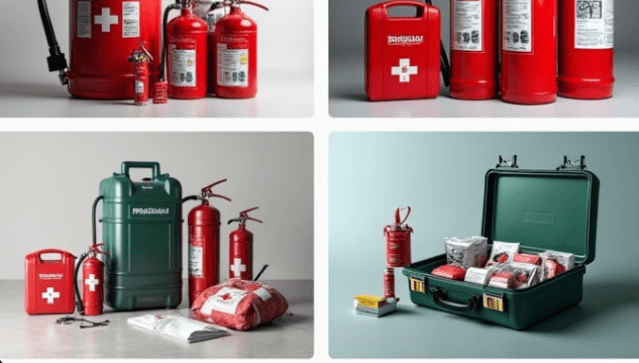
  • Trauma kit, not just a boo-boo bag
  • Bear spray (it works on people too)
  • Solid boots—not sneakers
  • Whistle, signal mirror, headlamp (even for day hikes)
  • Emergency bivvy or tarp
  • Calorie-dense food (you’ll burn through 1,000+ kcal fast)
  • Knife + multi-tool
  • Backup phone power source

In Conclusion: You’re Not Invincible

These South Carolina trails are not just scenic walks—they’re tests. Tests of endurance, mental toughness, and preparedness. Nature doesn’t want to kill you. But it will if you insult it with ignorance or arrogance.

You step onto one of these trails thinking it’s a simple walk, and you could be writing your own obituary. Or worse—making someone else carry your pack out.

Respect the land, train your body, prep your gear, and always—always—hike like your life depends on it. Because it does.