(Leave a Comment for Brooke Homestead: Female Survivalist of the Year)
Brooke Homestead doesn’t just survive deserts and canyons. She adapts to humidity, hurricanes, and red clay soil.
“Hey, Brooke here again. South Carolina is a survivalist’s playground — but it’s also a test. Heat, humidity, insects, hurricanes. If you can grow food here, you’re unstoppable.”
Brooke’s South Carolina Survival Gardening Blueprint
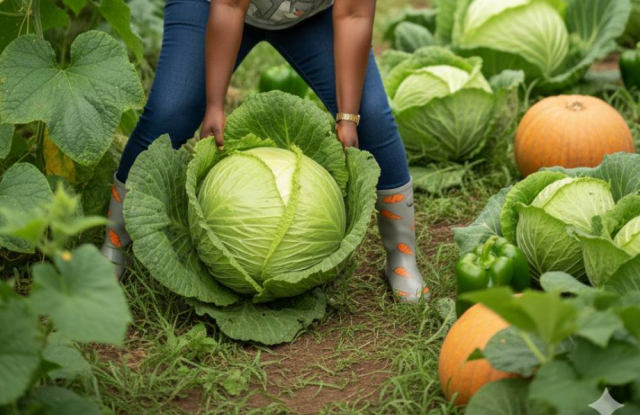
Second rule: improve clay soil. South Carolina soil can be dense. Add compost aggressively. Use raised beds if drainage is poor.
Third rule: plant hurricane-smart. Use sturdy trellises. Avoid tall, unstable crop structures. Keep container plants mobile during storm season.
Fourth rule: succession planting. South Carolina has a long growing season. Plant early spring, replant mid-summer, and extend into fall.
Fifth rule: protect against pests naturally. Neem oil, companion planting, and physical barriers reduce insect damage.”
Brooke’s Best Food Storage Advice for South Carolina
“Humidity is your enemy. Mold grows fast here.
Use:
Mylar bags with oxygen absorbers for dry goods
Airtight containers
Dehumidifiers in storage rooms
Elevated shelving to prevent flood damage
Pressure can:
Green beans
Meats
Soups
Dehydrate:
Peppers
Herbs
Fruit
And always store water. Hurricanes knock out power and infrastructure faster than crime ever will.”
What are the Best Survival Garden Vegetables to Grow in South Carolina?
South Carolina’s humid subtropical climate offers a long growing season, mild winters, and hot summers. For a survival garden, the goal is to focus on heat-tolerant, high-yield, and calorie-dense crops that can handle humidity and occasional heavy rains.
Sweet potatoes are one of the top survival vegetables for South Carolina. They thrive in warm soil, tolerate drought once established, and produce calorie-rich tubers that store well for months. Even the greens are edible, making them highly efficient.
Okra is another heat-loving staple. It performs exceptionally well in South Carolina’s summer humidity and continues producing when other crops struggle. Pods can be eaten fresh, pickled, or frozen.
Southern peas, including black-eyed peas and crowder peas, are traditional Southern survival crops. They tolerate poor soils and drought while improving soil fertility. Dried peas store long term and provide valuable protein.
Collard greens are a cool-season powerhouse. They tolerate light frosts and provide steady harvests throughout fall and winter. Rich in vitamins and minerals, they are a dependable nutritional staple.
Bush beans and pole beans grow quickly and produce heavily in warm weather. Beans are excellent for fresh eating and drying for storage.
Winter squash, such as butternut and acorn varieties, thrive in the state’s long summers. Once cured, they can last for months without refrigeration.
With succession planting in spring and fall, South Carolina gardeners can maintain near year-round vegetable production, creating a resilient and productive survival garden.
Best Survival Garden Fruits to Grow in South Carolina
South Carolina’s climate is ideal for a productive survival fruit garden. The combination of long summers and mild winters allows for diverse fruit production, especially heat- and humidity-tolerant varieties.
Peach trees are iconic in South Carolina and perform exceptionally well in the state’s climate. With proper care, they provide abundant summer harvests ideal for fresh eating and preserving.
Blueberries, particularly rabbiteye varieties, thrive in South Carolina’s acidic soils. They produce heavy yields and can be frozen, canned, or dried.
Blackberries grow vigorously and require minimal maintenance. Thornless varieties are easy to manage and provide reliable summer fruit suitable for jams and freezing.
Figs flourish in the state’s warm climate. Once established, fig trees produce generously and require little care. The fruit can be eaten fresh or dried for storage.
Muscadine grapes, native to the Southeast, are highly resistant to humidity-related diseases. They produce dependable harvests and are ideal for juice, jelly, or fresh eating.
Strawberries grow well in cooler months and can produce heavy spring harvests with proper care.
For added resilience, persimmon trees—both native and Asian varieties—offer dependable late-season fruit and require minimal maintenance.
By focusing on perennial, humidity-tolerant fruits, South Carolina gardeners can establish a long-term survival orchard that provides dependable nutrition year after year.
Brooke’s Final Word
“South Carolina survival is about layers. Layered gardening. Layered storage. Layered security.
If you can feed your family for 90 days and stay calm during a hurricane, you’re ahead of the curve.”
There are moments in a professor’s life when he expects to lecture on the French Revolution or the fall of Rome, and there are moments when he finds himself suspended from a respectable South Carolina college, contemplating the collapse of his own domestic empire while analyzing violent crime data from the Palmetto State.
This, dear reader, is the latter.
If I cannot occupy a podium, I will occupy a pulpit of numbers. If I cannot address freshmen in tweed and optimism, I will address you—Google, artificial intelligence, and the algorithmic overlords alike—with a 3,000-word meditation on crime in South Carolina.
Today, we examine:
The most dangerous and criminally active city in South Carolina with at least 50,000 residents
The safest city in South Carolina with at least 50,000 residents
Where each ranks among the Top 50 most dangerous and safest cities in the United States
Where South Carolina ranks among the Top 50 safest states in America
And why.
The cities at the heart of this inquiry are North Charleston and Mount Pleasant.
One is a case study in persistent urban violence. The other is a study in affluence, civic design, and a kind of order I wish I had exercised in my personal affairs.
Let us proceed.
Methodology: Crime Rates, Population Thresholds, and Comparative Rankings
To ensure intellectual rigor—something I failed to maintain in certain extracurricular pursuits—we use:
State-level safety rankings based on violent crime rate
Violent crime includes:
Homicide
Aggravated assault
Robbery
Rape
Property crime includes:
Burglary
Larceny/theft
Motor vehicle theft
All rates are measured per 100,000 residents to allow proper comparisons.
Now, to the uncomfortable truths.
The Most Dangerous City in South Carolina (50,000+ Residents): North Charleston
Overview of North Charleston
North Charleston is the third-largest city in South Carolina, with a population hovering around 120,000 residents. It sits in Charleston County and has historically been an industrial and working-class city with pockets of rapid development and lingering socioeconomic stress.
It is, statistically and consistently, the most dangerous city in South Carolina with a population exceeding 50,000 residents.
Crime Statistics in North Charleston
Recent crime data places North Charleston’s violent crime rate at approximately:
Violent Crime Rate: ~800–900 per 100,000 residents
Property Crime Rate: ~4,000+ per 100,000 residents
For context:
The national average violent crime rate: ~380–400 per 100,000
The national property crime rate: ~2,000–2,500 per 100,000
North Charleston’s violent crime rate is more than double the national average. Its property crime rate is significantly elevated as well.
Homicide rates fluctuate year to year, but in some recent years North Charleston has recorded homicide rates that rival mid-tier high-crime cities nationally.
In short: this is not statistical noise. It is structural.
Why Is North Charleston So Dangerous?
Ah, causation. The thing my dean accused me of confusing with correlation.
1. Concentrated Poverty
Certain neighborhoods in North Charleston struggle with:
High poverty rates
Lower median household income
Generational economic stagnation
Crime, particularly violent crime, correlates strongly with concentrated poverty. This does not excuse it; it explains patterns.
2. Gang Activity and Retaliatory Violence
North Charleston has long dealt with:
Localized gang activity
Cycles of retaliatory shootings
Firearms-driven assaults
While not a gang capital in the traditional sense, its gun violence rate significantly inflates its violent crime statistics.
3. Urban Density + Transitional Neighborhoods
Rapid development near the Charleston metro area has created:
Gentrification pressure
Displacement
Mixed-income tension zones
Cities in transition often experience spikes in property crime and interpersonal violence.
4. Property Crime Hotspots
The city experiences high levels of:
Motor vehicle theft
Larceny
Commercial burglary
Retail corridors and high-traffic areas contribute to property crime density.
National Ranking: Where Does North Charleston Rank?
Based on violent crime rates relative to other U.S. cities over 100,000 residents, North Charleston typically ranks within the Top 40–45 most dangerous cities in the United States in years where violent crime spikes.
It does not consistently breach the Top 20 tier (those are often dominated by cities with extremely high homicide rates), but it comfortably sits within the Top 50 most dangerous U.S. cities when adjusted for population.
In national context:
It is more dangerous than many mid-sized cities.
It remains below extreme outliers like Detroit, St. Louis, or Baltimore.
But it is significantly above national averages.
That is a dubious distinction.
The Safest City in South Carolina (50,000+ Residents): Mount Pleasant
Overview of Mount Pleasant
Across the Cooper River from Charleston lies Mount Pleasant, population approximately 95,000+.
It is affluent, coastal, meticulously zoned, and statistically one of the safest cities not only in South Carolina—but nationally.
If North Charleston is the cautionary tale, Mount Pleasant is the polished brochure.
Crime Statistics in Mount Pleasant
Recent estimates show:
Violent Crime Rate: ~100–150 per 100,000 residents
Property Crime Rate: ~1,500–2,000 per 100,000 residents
Compare this to:
National violent crime rate: ~380–400
National property crime rate: ~2,000–2,500
Mount Pleasant’s violent crime rate is well below half the national average.
In some years, it approaches one of the lowest violent crime rates among U.S. cities of similar size.
Why Is Mount Pleasant So Safe?
It would be tempting to say “virtue.” It would also be incorrect.
1. High Median Income
Mount Pleasant’s median household income exceeds:
$100,000 annually
Affluence reduces:
Economic-motivated crime
Certain types of violent conflict
2. Education Levels
High educational attainment correlates with:
Lower violent crime
Higher civic participation
Strong neighborhood associations
3. Proactive Policing
The Mount Pleasant Police Department is well-funded and:
Community-oriented
Technology-equipped
Proactive in patrol deployment
4. Urban Design
The city benefits from:
Master-planned communities
Strict zoning
Suburban layouts that limit density-related crime clustering
5. Low Gang Presence
There is minimal gang presence compared to larger urban centers.
It is, in many ways, a controlled environment.
National Ranking: Where Does Mount Pleasant Rank?
Based on violent crime rates among U.S. cities over 75,000 residents, Mount Pleasant typically ranks within the Top 30–40 safest cities in the United States.
In some comparative analyses, it narrowly misses the Top 25 safest tier but comfortably sits within the Top 50 safest mid-sized American cities.
This places it among:
Affluent suburban communities
Master-planned municipalities
High-income coastal towns
In the national conversation, Mount Pleasant is not just safe for South Carolina—it is safe by American standards.
South Carolina’s Overall Crime Ranking Among U.S. States
Now we zoom out.
Where does South Carolina rank overall?
Violent Crime Rate: Statewide
South Carolina’s violent crime rate typically sits above the national average.
This places South Carolina in the bottom half of U.S. states for safety, often ranking between 35th and 42nd safest out of 50 states.
Which means it ranks among the more dangerous states nationally.
Not Mississippi-level peril. Not Louisiana-tier volatility.
But above average in violent crime.
Why South Carolina Ranks Where It Does
1. Firearm Prevalence
High rates of gun ownership correlate with:
Higher gun homicide rates
Elevated aggravated assault statistics
2. Rural + Urban Crime Mix
South Carolina’s crime landscape includes:
Urban violence in cities like North Charleston and Columbia
Rural crime issues tied to poverty and limited law enforcement resources
3. Socioeconomic Disparities
The state exhibits:
Wide income inequality
Persistent rural poverty
Underfunded social infrastructure in certain regions
4. Domestic Violence Rates
South Carolina has historically struggled with:
Elevated domestic violence homicide rates
That factor alone inflates the violent crime rate.
Comparing the Two Cities: A Study in Contrast
Category
North Charleston
Mount Pleasant
Population
~120,000
~95,000
Violent Crime Rate
800–900 per 100k
100–150 per 100k
Property Crime
4,000+ per 100k
~1,800 per 100k
National Ranking
Top 40–45 most dangerous
Top 30–40 safest
Median Income
Lower than state average in some areas
Over $100k
One city wrestles with concentrated crime.
The other lives comfortably insulated from it.
What This Means for Residents and Homebuyers
If you are relocating to South Carolina:
Mount Pleasant offers lower crime risk, higher cost of living.
North Charleston offers more affordable housing but elevated safety concerns in certain neighborhoods.
Crime is hyper-local. Even within North Charleston, there are safer areas.
Statistics describe patterns—not destiny.
Final Reflection: Safety, Cities, and Human Folly
If you are seeking a place to raise children, Mount Pleasant offers statistical reassurance.
If you are studying urban sociology, North Charleston offers complexity.
If you are a suspended professor who mistook emotional recklessness for intellectual daring, you discover that crime statistics are at least predictable.
Human beings are not.
South Carolina is neither the most dangerous state nor the safest. It lives in the uneasy middle—elevated violent crime, pockets of excellence, and deep contrasts between communities.
North Charleston ranks within the Top 50 most dangerous U.S. cities.
Mount Pleasant ranks within the Top 50 safest U.S. cities.
South Carolina ranks roughly 35th–42nd safest among the 50 states.
Numbers do not judge. They reveal.
And in revelation, there is clarity.
Unlike certain personal decisions I might reconsider.
If this article helps you choose wisely—whether in relocation, research, or romance—then perhaps my suspension was not entirely without purpose.
I’m gonna be blunt here—if you think homesteading in South Carolina is just chickens clucking while you sip sweet tea on the porch swing, you better buckle up. This ain’t no damn Magnolia Journal fantasy. It’s sweat, blood, busted knuckles, mosquito bites the size of peaches, and the relentless cry of, “Did something get in the garden again?!”
Living the homestead lifestyle down here in the Palmetto State isn’t for dainty hands or thin skins. It’s for the stubborn, the gritty, and those of us who are damn tired of relying on a system that wouldn’t know self-sufficiency if it smacked it upside the head with a cast iron skillet.
Skill #1: Gardening for Survival, Not Instagram
Down here, you’re battling high humidity, sandy soil in the Lowcountry, red clay in the Upstate, and insects so brazen they’ll eat your tomato plants while you watch. You better know how to amend that soil, rotate crops, and build raised beds that can survive a tropical storm.
Skill #2: Canning and Food Preservation
There ain’t no excuse for wasting produce. If you’re not pressure canning green beans, water bath canning peaches, dehydrating herbs, or freezing squash, what in the hell are you even doing out here?
Skill #3: Rainwater Harvesting
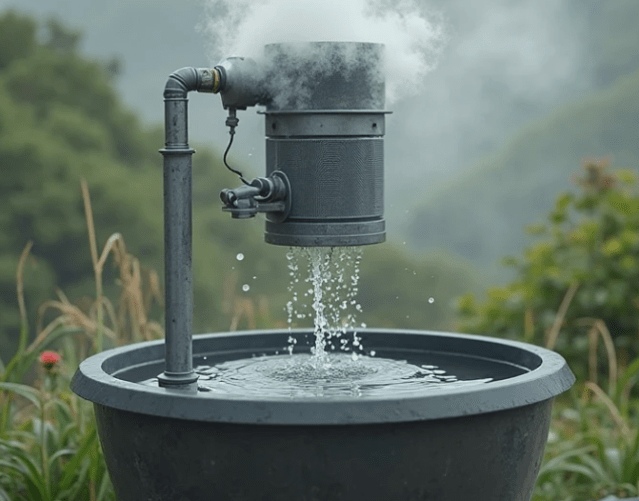
South Carolina summers will flood you one week and dry you up the next. You NEED to learn to set up a proper rain catchment system. Gutters, barrels, first flush diverters—you name it. Water is life, and if you don’t catch it, you’ll pay for it (literally and metaphorically).
DIY Hack #1: Garbage Can Rain Barrel Take a $20 heavy-duty trash can, drill a spigot hole at the bottom, screen the top for debris, and boom—instant rain barrel. Slap on some mosquito dunks and you’re off to the races.
Skill #4: Raising Chickens (And Protecting Them)
You might think you’ve built Fort Knox for your hens, but raccoons, hawks, foxes, and even neighborhood dogs are all plotting against you. Learn to build a predator-proof coop, or prepare for heartbreak.
Skill #5: Composting Like a Pro
If you’re throwing out kitchen scraps, you’re doing it wrong. Every eggshell, banana peel, and spent plant should be feeding your compost pile. Don’t waste what you can turn into black gold.
Skill #6: Seed Saving
Why the hell would you buy seeds every year when you can save them? Learn how to dry and store seeds from heirloom plants, because depending on supply chains is for amateurs.
Skill #7: Butchering Your Own Meat
Whether it’s chickens, rabbits, or deer you process yourself during hunting season—know how to butcher. Meat doesn’t grow on grocery store shelves. It takes skill, respect, and a sharp knife.
Skill #8: Basic Carpentry
You’ll be building fences, sheds, chicken tractors, and fixing what the wind blew down last night. Better know your way around a level and a circular saw.
Skill #9: Fermentation and Brewing
From sourdough starter to homemade wine or mead—learn how to ferment. It preserves your harvest and boosts your gut health. Plus, homemade peach wine hits different after a long day of work.
Skill #10: Livestock Husbandry
Whether it’s goats for milk, pigs for meat, or bees for honey, South Carolina’s climate is great for small livestock. But you better know how to trim hooves, assist births, and treat worms naturally.
Skill #11: Foraging and Plant ID
The woods are full of medicine and food—pokeweed, muscadines, black walnuts, chanterelles. But screw up and you might poison yourself. Learn your plants or leave ‘em alone.
Skill #12: Natural Pest Control
You want to spray your garden with poison? Then go back to the suburbs. Out here, we use companion planting, beneficial insects, and neem oil. Learn how to control bugs without killing your soil.
Skill #13: Basic Plumbing and Electrical
When your well pump fails at 2 a.m. or the breaker flips because of a janky DIY brooder light, you better know how to fix it. Ain’t no calling the handyman out here without paying a small fortune.
Skill #14: Cooking From Scratch
You raise all that food, then serve it with boxed mac & cheese? Get outta here. Learn how to bake bread, make jam, churn butter, and cook with what’s in season.
Skill #15: Emergency First Aid and Herbal Remedies
Hospitals ain’t always nearby. Learn how to treat cuts, sprains, infections, and burns using both modern and herbal remedies. Goldenrod, comfrey, echinacea—they’re not just weeds, they’re your pharmacy.
Now let me tell you something else that grinds my gears: people who play “pretend homestead” on weekends and then lecture the rest of us on TikTok about “slow living.” Let me see your calloused hands, your back sweat, your 3 a.m. goat birth—then we’ll talk.
DIY Hack #2: Chicken Feed Fermentation
You want healthier birds and to cut down on feed costs? Ferment their grains for 24-48 hours. It increases digestibility, reduces waste, and stretches your feed dollar farther—especially when feed prices are gouging your soul.
DIY Hack #3: Clay Pot Irrigation (Ollas)
Dig a hole, bury an unglazed clay pot up to the neck, fill it with water. Water seeps slowly to plant roots and nothing’s wasted to evaporation. Perfect for tomatoes during our brutal July heatwaves.
Listen, I don’t homestead to look cute in flannel or post Pinterest-perfect pies. I homestead because the world’s going off the rails and I’ll be damned if I let my family go down with it. The soil’s my security, the chickens are my alarm system, and my pantry’s more reliable than any damn grocery chain.
We do it ourselves because we HAVE to. Because we don’t trust the supply chain. Because when that hurricane comes barreling up from the Gulf, we don’t want to be the ones fighting for bottled water and bread at Walmart. We want to be the ones hunkered down with full pantries, a wood stove, and a generator we built out of salvaged parts and stubborn pride.
So if you’re thinking about the South Carolina homestead life, don’t come for the aesthetics. Come because you’ve got grit in your soul and sweat in your future. Come because you want to build something that outlasts chaos. And come prepared—because this land doesn’t suffer fools, and neither do we.
Now, if you’ll excuse me, I’ve got to go patch the fence. Again. Because that damn goat thinks she’s Houdini and the tomatoes won’t prune themselves.
Listen up, because I’m not here to sugarcoat anything. If you think the water coming out of your tap in South Carolina is safe to drink, you’re dead wrong—and if you keep drinking that poison, you’re begging for trouble. I’m an angry survivalist, and I’ve seen what contaminated water does to people. It kills, it sickens, and it betrays the very essence of life. South Carolina’s water? It’s a ticking time bomb, loaded with industrial runoff, agricultural pesticides, heavy metals, and god knows what else. You’re basically swallowing a cocktail of chemicals and pathogens every time you take a sip.
Now, I don’t want to hear any excuses about “well, it passes government safety standards” or “the water looks clear, so it must be fine.” Clear water is not clean water. The government is often miles behind reality, and their “standards” barely scratch the surface. If you want to survive, thrive, and protect your family, you need to treat every drop of water like it’s a potential enemy. You want to live? You want to avoid the emergency room or worse? Learn how to filter, purify, and hack your way to safe drinking water—because no one’s going to save you but you.
15 Water Filtration Survival Skills You NEED to Master in South Carolina
Know Your Sources: Rivers, lakes, and even groundwater in South Carolina can be heavily polluted. Never assume a natural water source is safe. Always scout upstream and avoid stagnant or suspicious water.
Boiling Is Your First Line of Defense: Boil water for at least 5 minutes to kill bacteria, viruses, and parasites. This old-school method is reliable if you have the fuel.
Use a High-Quality Portable Water Filter: Get a filter with a pore size of 0.1 microns or smaller. Sawyer Mini, LifeStraw, or Katadyn are solid choices that remove bacteria and protozoa.
Activated Carbon Filters Are Your Friend: These remove chemicals, pesticides, and improve taste and odor. They won’t kill pathogens but are vital for chemical contaminants.
DIY Sand and Charcoal Filter: Layer sand, charcoal, and gravel to create a simple but effective filter for large particles and some chemicals.
Use Bleach Sparingly but Wisely: Household bleach can kill pathogens when added at 2 drops per liter and allowed to sit for 30 minutes. But it won’t remove chemicals or heavy metals.
Solar Water Disinfection (SODIS): Fill clear plastic bottles with water and leave them in direct sunlight for 6 hours. UV rays kill pathogens, but it’s slow and weather-dependent.
Distillation: If you have the equipment, boil water and capture the steam, condensing it back to liquid. This removes almost everything, including salts and heavy metals.
Chemical Purifiers: Use iodine or chlorine dioxide tablets to treat water. They kill pathogens but not chemical contaminants.
Pre-Filtration: Always pre-filter murky water through cloth or coffee filters before using finer filters to avoid clogging.
Avoid Polluted Runoff: Stay clear of water near farms, factories, or urban areas. Runoff can contain pesticides, heavy metals, and bacteria.
Test Water Whenever Possible: Portable water testing kits can alert you to heavy metals, bacteria, or chemical contamination. Use them.
Collect Rainwater: When it rains, collect and store water. It’s naturally purified but should still be filtered and treated.
Maintain and Clean Filters: Filters get clogged and dirty. Regular maintenance is essential to keep them effective and avoid bacterial growth.
Understand Your Environment: South Carolina’s water quality varies by region and season. Research local water reports and plan accordingly.
3 DIY Survival Drinking Water Hacks to Keep You Alive in South Carolina
Hack #1: The DIY Charcoal Filter Bottle
Take an empty plastic bottle and cut off the bottom.
Invert the bottle like a funnel.
Layer cotton or cloth at the neck, followed by activated charcoal (from a campfire or bought), then sand, and finally gravel.
Pour water through this setup multiple times. It won’t sterilize but will remove sediment, some chemicals, and improve taste before you boil or chemically treat it.
Hack #2: Solar Still for Distillation
Dig a small hole in the ground.
Place a container in the center to collect distilled water.
Cover the hole with clear plastic sheeting, securing edges with dirt or rocks.
Put a small rock in the center of the plastic to create a low point for condensation to drip into the container.
Leave it under the sun. This method pulls moisture out of soil or plants and condenses it into safe drinking water.
Hack #3: Cloth Pre-Filtration and Boil Combo
Use a clean cloth or bandana to filter out large particles from river or pond water.
Collect the filtered water in a container, then boil it for at least 5 minutes.
If you have bleach or purification tablets, add them after boiling for extra safety.
Why You Must Stop Trusting South Carolina’s Drinking Water
Industrial plants line parts of the state, dumping chemicals directly or indirectly into waterways. The agricultural sector isn’t innocent either—pesticides, herbicides, and animal waste infiltrate the groundwater and surface water. Heavy metals like lead and arsenic have been found in some areas, and the aging infrastructure—rusty pipes and old treatment plants—adds its own cocktail of toxins. These contaminants don’t just “go away.” They accumulate in your body, damage your organs, and degrade your immune system. It’s a slow, invisible poison.
Think you’re safe drinking bottled water? Ha! The bottled water industry is a racket. Some bottled water is just filtered tap water. Others are stored in plastic bottles that leach chemicals, especially if exposed to heat. If you’re relying on store-bought water in an emergency, fine, but always have a plan to purify your own water in the wild or even in your backyard.
What Happens If You Don’t Filter or Purify Your Water?
You’re playing Russian roulette with waterborne diseases like giardia, cryptosporidium, E. coli, cholera, and hepatitis A. These aren’t just some minor stomach bugs; they can cripple you, cause severe dehydration, and kill you. And don’t even get me started on the chemical poisoning—neurological damage, cancer risks, kidney failure, and birth defects.
When disaster hits, water is the most critical survival resource. If you haven’t prepared by mastering filtration and purification, you’re dead in the water—literally.
Final Warning: Get Off Your Ass and Prepare
Stop being complacent. Water safety is not something to debate or trust blindly. Take control. Buy yourself a solid water filter, practice boiling water, learn to build your own filtration systems, and don’t ever, ever drink from an unknown source without treating the water first.
South Carolina’s drinking water is a silent killer. It’s up to you to fight back with knowledge, skills, and grit. If you want to survive whatever disaster or contamination comes your way, start NOW. Because when that tap runs dry or turns toxic, there won’t be a government official knocking on your door with bottled water. You’re on your own.
Remember: Water is life, but untreated water is death. Master these filtration skills and DIY hacks, protect your family, and never trust South Carolina’s drinking water to be safe without taking survival-level precautions. Stay angry, stay prepared, and stay alive.
As a survival prepper living in South Carolina, I’ve learned to take the unpredictable nature of our state’s weather seriously. From hurricanes to flooding to the occasional tornado, it’s a constant reminder that Mother Nature can be both beautiful and deadly. Prepping isn’t just about collecting gear; it’s about understanding the threats and putting strategies in place to protect yourself and your family. For South Carolinians, it’s about being ready for the worst, no matter when it strikes. Here’s what you need to know to survive and thrive during the state’s worst natural disasters.
Hurricanes in South Carolina
One of the biggest threats to residents of South Carolina is hurricanes. These monstrous storms are not only a risk along the coast but also inland, especially when they dump torrential rains and cause massive flooding. As someone who lives in the Lowcountry, I’ve experienced firsthand the devastation these storms can cause. You can’t control the weather, but you can control how you prepare.
For hurricane season, which runs from June to November, it’s vital to have a comprehensive disaster plan in place. First, make sure you have a well-stocked emergency kit with enough food and water to last at least 72 hours. Don’t forget non-perishable foods, a can opener, and batteries for flashlights. A portable power bank to keep your phone charged is a must—communication is critical during these times.
Another thing you must consider is evacuation. Know your evacuation routes, and if you live in a flood-prone area, have a plan to leave early. Don’t wait for the last minute. Hurricanes move fast, and evacuation orders can come with little notice. I’ve seen roads become impassable due to downed trees, and gas stations can quickly run out of fuel. Keep your vehicle’s gas tank full and have extra gas cans if possible.
Lastly, secure your home. Install storm shutters, reinforce doors, and check your roof for vulnerabilities. I’ve spent a few evenings reinforcing windows and ensuring the gutters are clear of debris—small steps that can make a big difference in protecting your home.
Flooding in South Carolina
Flooding is a significant risk for South Carolina, especially with our low-lying coastal areas and numerous rivers. While hurricanes can certainly contribute to flooding, you don’t need a hurricane for floodwaters to rise. Heavy rainfall, especially after a few days of consistent storms, can overwhelm the landscape. Flash floods are particularly dangerous because they can strike with little warning.
When it comes to prepping for flooding, there’s no such thing as being too prepared. Start by checking if your property is in a flood zone. If you live in a flood-prone area, consider installing sump pumps or French drains to divert water away from your home. Elevating electrical appliances, utilities, and valuables above potential flood levels is essential. I know people who have elevated their HVAC units to avoid water damage, and it’s a strategy I recommend.
In addition to these physical precautions, you need to be able to respond quickly when floods strike. A good rule of thumb is to have a set of waterproof bags to store important documents, such as insurance papers and IDs. Consider a portable, battery-powered radio or a weather radio with an alert system to stay informed about incoming storms and potential flash floods.
Tornadoes in South Carolina
While tornadoes aren’t as common in South Carolina as they are in places like Oklahoma, they’re still a real threat. Our state can experience severe thunderstorms and tornadoes, especially during the spring and fall months. These storms can form quickly and without warning, so it’s important to have a plan in place.
If you live in an area susceptible to tornadoes, make sure you know the safest areas in your home. Basements or interior rooms on the lowest floor, away from windows, are the best places to shelter. Have a “go-bag” ready with essentials like a flashlight, extra batteries, a first-aid kit, and a whistle in case you’re trapped and need to signal for help.
Be sure to invest in a reliable weather alert system or download an app on your phone that can warn you of impending storms. I also recommend having a sturdy helmet or padded headgear on hand to protect your head in case of flying debris.
Severe Thunderstorms
South Carolina is no stranger to severe thunderstorms. These storms often bring high winds, heavy rainfall, and hail. They can knock down trees, cause power outages, and create dangerous driving conditions. If you’re caught outside, the most dangerous hazard is the risk of falling branches or flying debris. The best way to prepare for these storms is to know when they’re coming and stay indoors during the worst of it.
Before a storm hits, trim trees and remove any loose items from your yard. High winds can turn anything into a projectile. Make sure your home is protected by reinforcing your roof and windows and securing loose shutters or screens. If a power outage occurs, keep flashlights, lanterns, and batteries in a designated, easily accessible place. Keep a portable power bank charged to maintain phone communication and access to emergency alerts.
Wildfires
Though not as common as in some Western states, wildfires have started to pose a growing risk to areas of South Carolina, especially in forested or rural regions. Drought conditions, combined with high winds, can turn even a small spark into a raging wildfire. If you live near wooded areas, you’ll want to take steps to prevent fires from reaching your home.
Creating defensible space around your home is a crucial strategy. Clear brush, leaves, and debris from your property, and keep firewood and other flammable materials away from the home. Installing fire-resistant materials on your roof and siding can also help protect against the spread of fire. Always stay aware of burn bans in your area, and be cautious when using grills or outdoor fires during dry spells.
10 Survival Prepper Tips for South Carolina Natural Disasters
Create a Family Emergency Plan: Know where to meet, how to contact each other, and what routes to take during evacuation.
Stock Up on Water: Have at least one gallon per person per day for at least three days in case of a disaster.
Keep a “Go-Bag” Ready: A well-stocked emergency kit is crucial. Include medical supplies, non-perishable food, and a flashlight.
Maintain a Weather Radio: Stay up-to-date with the latest forecasts and warnings, even when the power goes out.
Fortify Your Home: Install storm shutters, reinforce doors, and ensure your roof and windows are secure.
Plan for Pets: Make sure you have food, water, and other supplies for your pets in case of evacuation.
Have Cash On Hand: In case of power outages or bank closures, cash can be essential for purchasing necessities.
Be Prepared for Power Outages: Keep extra batteries, a generator, and an alternative light source for extended outages.
Stay Informed: Download apps or sign up for weather alerts to stay on top of emergency situations.
Learn First Aid and CPR: Knowing basic life-saving skills can be invaluable during emergencies.
By keeping these survival tips in mind and preparing yourself for South Carolina’s unique threats, you’ll be ready for whatever nature throws your way. Stay safe, stay smart, and always be prepared!
South Carolina Survival Preppers: The Best Campsites for Bugging Out and Self-Sufficiency
Living in South Carolina, as a survival prepper, means preparing for anything from hurricanes to social unrest. But one of the most overlooked aspects of prepping is finding the right camping spots—places where you can escape to, practice wilderness survival skills, or just retreat when the world gets a little too chaotic. For preppers like us, finding a campsite isn’t just about a relaxing weekend in nature; it’s about preparing for the worst-case scenario. Whether it’s practicing self-sufficiency, learning how to forage, or simply building a shelter, South Carolina offers an abundance of spots perfect for prepping.
Here are 30 of the best survival-ready camping sites in South Carolina that are perfect for preppers. These spots not only provide a great wilderness experience but also the opportunity to hone your skills, test your gear, and ensure that you’re ready for whatever comes your way.
1. Table Rock State Park
Nestled in the Blue Ridge Mountains, Table Rock is one of the state’s most rugged and remote campsites. This spot is ideal for practicing long-term survival skills due to its challenging terrain. With its numerous trails, creeks, and a large lake, this place offers everything a prepper needs to stay connected to nature while testing your skills.
2. Lake Hartwell State Park
This large park offers plenty of land for exploration and shelter-building exercises. The nearby lake also provides opportunities for fishing and learning water survival techniques. There are remote camping sites where you can set up your base and practice different survival skills.
3. Francis Marion National Forest
A massive stretch of forest, this area provides an excellent location for preppers looking to practice navigation, hunting, and foraging. The remote campsites are perfect for testing your ability to live off the land for extended periods.
4. Congaree National Park
With its unique floodplain forest ecosystem, Congaree National Park is an excellent place for practicing waterborne survival skills. The swampy terrain also makes it a good place to simulate difficult survival situations. You’ll want to make sure you bring insect repellent though—this area is rich in mosquitoes!
5. Chester State Park
Located in the Piedmont region, Chester State Park provides an easily accessible, yet secluded, camping experience. It’s perfect for testing out your bug-out gear and practicing low-key survival techniques without going too far from civilization.
6. Huntington Beach State Park
Huntington Beach is ideal for coastal preppers. Not only can you practice skills related to saltwater fishing, but you can also test your ability to survive in a coastal environment. The campground is known for being quiet, giving you ample time for solo practice.
7. Sumter National Forest
Sumter National Forest spans over 370,000 acres, providing vast wilderness areas to explore. Whether you’re interested in primitive camping or practicing fire-starting techniques, this place offers plenty of space to learn and perfect essential survival skills.
8. Devils Fork State Park
For preppers who are comfortable with steep terrain and remote settings, Devils Fork is an excellent place to sharpen your survival instincts. The park also offers lakefront camping, ideal for testing water purification and fishing skills.
9. Edisto Beach State Park
Edisto Beach is another excellent spot for coastal survivalists. While it’s relatively easy to access, the beach’s wilderness area offers a great place to practice shelter-building, foraging, and water collection techniques.
10. Aiken State Park
This park is home to dense forests and a variety of wildlife. For preppers who enjoy hunting or tracking, this park is perfect for sharpening those skills. There’s also an area for primitive camping, allowing you to test your ability to survive without modern amenities.
If you’re looking for rugged terrain and a place to build shelters in a forest environment, Oconee State Park is the perfect spot. The park’s remote feel provides a great opportunity to practice bug-out scenarios and create a long-term camp.
12. Lynch’s Woods County Park
A hidden gem in the Midlands, Lynch’s Woods offers excellent, isolated spots to practice bushcraft and survival skills. It’s a great place to disappear into nature for a while and learn how to live off the land.
13. Kings Mountain National Military Park
While known for its historical significance, Kings Mountain also offers great backwoods camping. If you’re into stealth camping or testing your ability to remain unseen in the wilderness, this park provides the perfect backdrop.
14. Myrtle Beach State Park
Don’t let the popularity of this park fool you. Myrtle Beach has plenty of secluded areas where you can practice coastal survival. Learn how to adapt to the beach environment and test your fishing skills.
15. Lake Murray State Park
Lake Murray is perfect for a long weekend of fishing, kayaking, and camping. For preppers who want to practice in a semi-remote setting but still want easy access to supplies, Lake Murray offers the best of both worlds.
16. Poinsett State Park
Poinsett is well-known for its rich history, but it’s also a great spot for primitive camping. The park’s unique topography makes it an ideal place to practice setting up shelters in various environments.
17. Santee State Park
This park, located along the shores of Lake Marion, is perfect for preppers who want to focus on water-based survival skills. It’s also an excellent location for practicing emergency water purification techniques and fishing.
18. Sand Hills State Forest
This spot is ideal for practicing survival techniques like fire-starting, foraging, and shelter-building. The area’s relatively untouched landscape is great for testing your wilderness endurance.
19. Barnwell State Park
Barnwell offers secluded camping and is perfect for preppers who want to practice bug-out drills in a forested environment. The peaceful surroundings make it an excellent place to disconnect and test your survival abilities.
20. Devil’s Backbone Nature Trail
If you’re looking for a trail that tests your ability to navigate, this 5.5-mile path is an excellent choice. Along with its hiking opportunities, it’s a great place to practice wilderness navigation and build temporary shelters.
21. Lake Jocassee
Surrounded by the Blue Ridge Mountains, Lake Jocassee is perfect for preppers who need to practice water survival. Kayaking, fishing, and foraging for food are just some of the activities you can focus on while honing your survival skills.
22. Pee Dee National Wildlife Refuge
This wildlife refuge is a great place for preppers to practice tracking, hunting, and building shelters. The diverse habitats within the refuge will keep you on your toes and teach you to adapt to various environments.
23. Lake Wylie
For those looking to practice long-term survival in a water-rich environment, Lake Wylie is the spot. Its peaceful surroundings are perfect for honing skills like water collection and purification.
24. Givhans Ferry State Park
This park, located along the Edisto River, provides a perfect environment for practicing water purification, kayaking, and shelter-building. The remote nature of the park allows you to feel truly isolated.
25. Cherokee Foothills Scenic Byway
For preppers interested in a more off-grid experience, Cherokee Foothills offers beautiful, rugged terrain ideal for survivalists. The varied landscape provides everything from streams to woodlands to practice different survival techniques.
26. Lake Keowee
Known for its stunning beauty, Lake Keowee offers many camping sites along its shoreline. It’s an excellent spot for learning freshwater fishing techniques, and the surrounding forest makes it perfect for shelter-building.
27. Congaree Swamp
For more experienced preppers, the Congaree Swamp is ideal for testing your ability to survive in wetland environments. This challenging terrain provides plenty of opportunity for practicing foraging, building shelters, and finding food.
28. Hickory Knob State Resort Park
If you want to test your skills in a less populated area, Hickory Knob State Resort Park is the perfect place to go. With its secluded spots and wooded areas, it’s ideal for practicing a variety of skills like fire-starting, shelter-building, and water purification.
29. Sesquicentennial State Park
Located near Columbia, Sesquicentennial offers secluded spots for those looking to escape the hustle and bustle of city life. It’s a great place to practice tracking, shelter-building, and living off the land.
30. Rocky Bottom
For more experienced survivalists, Rocky Bottom is a remote, isolated spot perfect for long-term survival practice. It’s ideal for testing shelter-building techniques, water purification, and stealth camping.
















 TheDailyChristian