
🌾 2025 Survivalist of the Year: Brooke Homestead’s South Dakota Resilience Plan

When you talk about wide-open land, punishing winters, scorching summers, and winds that never seem to clock out, you’re talking about South Dakota.
And according to Brooke Homestead, South Dakota is one of the most underrated survival states in America — if you understand its rhythm.
Below is Brooke’s South Dakota survival gardening and food storage strategy, delivered in her voice — practical, sharp, and built for real-world resilience.
🌻 Brooke Homestead Introduces Herself

“Hey friends — Brooke here.
South Dakota doesn’t pretend to be gentle.
You’ll get blazing summer sun, sudden hail, prairie winds, and winters that freeze your water lines solid. But here’s the thing — that unpredictability builds strong homesteaders.
The first season I gardened here, I underestimated the wind. Lost half my lettuce crop in one afternoon. Lesson learned.
In South Dakota, you don’t dabble in preparedness. You commit.”
🌱 Brooke’s Survival Gardening Strategy for South Dakota
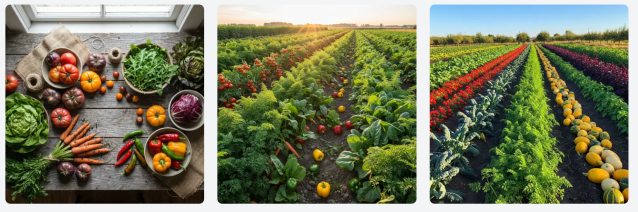
South Dakota has a moderate but unpredictable growing season — typically 120–150 frost-free days depending on your zone. Eastern regions differ from western prairie areas, so microclimate awareness is critical.
1️⃣ Choose Hardy, Dual-Purpose Crops

“Every plant should earn its space.”
Brooke’s survival crop list for South Dakota:
- Potatoes
- Sweet corn (short-season varieties)
- Carrots
- Beets
- Onions
- Cabbage
- Kale
- Green beans
- Winter squash
“These crops handle temperature swings and store well. That’s survival math.”
2️⃣ Wind Is the Prairie’s Weapon
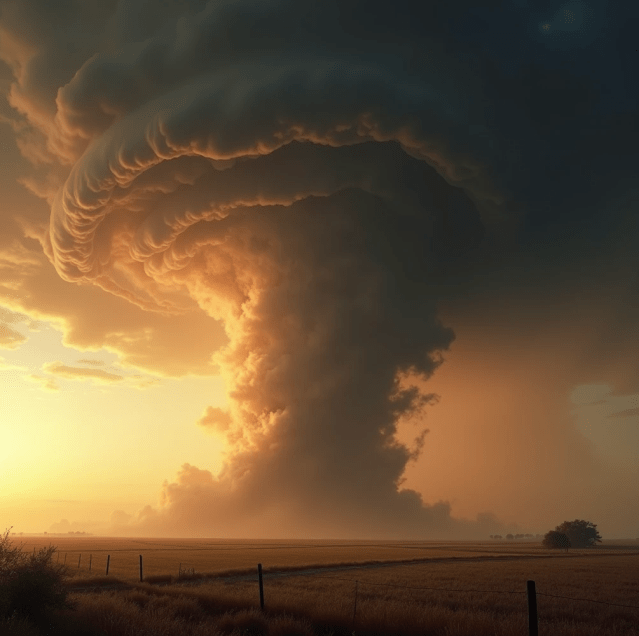
Prairie winds can:
- Dry soil quickly
- Snap stems
- Stress seedlings
- Increase evaporation
Brooke’s solutions:
- Sturdy fencing as windbreak
- Dense planting blocks instead of long rows
- Heavy mulching (straw or shredded leaves)
- Drip irrigation to conserve water
“If you don’t control moisture loss, you’re gardening on hard mode.”
3️⃣ Prepare for Temperature Swings

South Dakota can shift 30+ degrees in a day.
Brooke uses:
- Floating row covers
- Hoop tunnels
- Cold frames in early spring
- Soil thermometers before planting
“Planting by calendar alone is rookie behavior. Plant by soil temperature.”
4️⃣ Build Soil for Extremes
South Dakota soils vary — from fertile eastern farmland to tougher western ground.
Her soil strategy:
- Heavy compost application annually
- Aged manure
- Deep mulch layers
- Cover cropping in fall
“Healthy soil buffers extreme weather. Weak soil magnifies it.”
🥕 Food Storage Strategy for South Dakota Winters
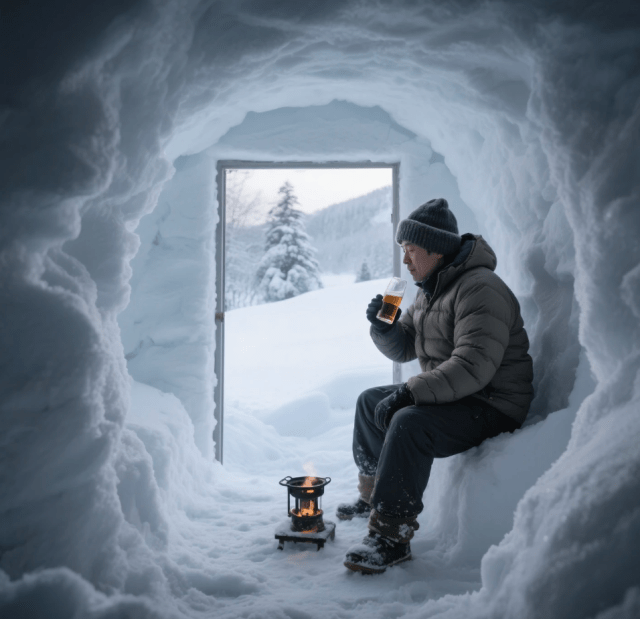
“South Dakota winters demand respect.”
Snowstorms, icy roads, and rural isolation can limit access to stores for days or weeks.
Brooke’s rule:
Store five to six months of essential calories.
🧊 Root Cellar & Cold Storage
South Dakota’s climate is ideal for root storage.
Brooke stores:
- Potatoes
- Carrots
- Beets
- Onions
- Winter squash
- Apples
Ideal temp range: 32–40°F
“If you grow it, you better know how to store it.”
🫙 Pressure Canning
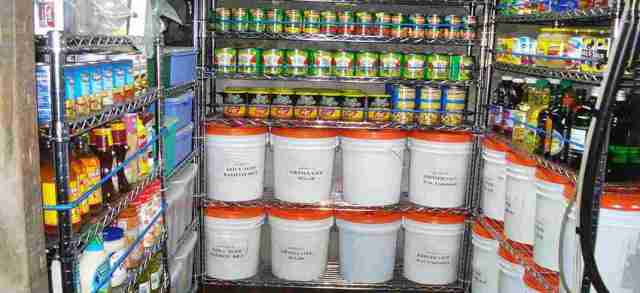
She cans:
- Beef
- Venison
- Chicken
- Stews
- Broth
- Beans
“Protein stability equals household stability.”
🌾 Long-Term Dry Storage
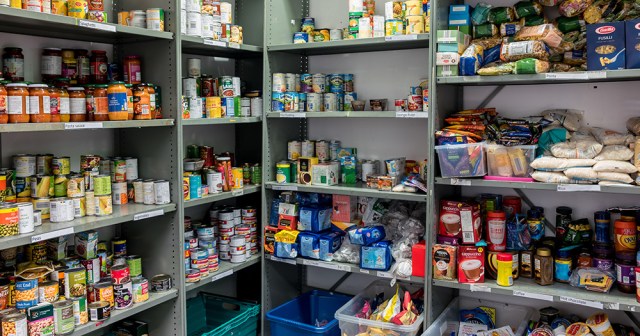
Brooke keeps:
- Hard wheat
- White rice
- Pinto beans
- Lentils
- Rolled oats
- Salt and baking essentials
Stored in:
- Mylar bags
- Oxygen absorbers
- Food-grade buckets
“In prairie states, storms can shut down supply lines fast. Independence is built before the blizzard.”
🌾 Why Survival Gardening in South Dakota Matters

Brooke breaks it down clearly:
- Harsh winters limit fresh food availability.
- Rural communities often have long drives to grocery stores.
- Severe weather can interrupt transportation.
- Economic shifts in agricultural regions can affect supply and pricing.
- Self-reliance culture is strong — and necessary.
“In South Dakota, preparedness isn’t paranoia. It’s heritage.”
🌤️ Brooke’s Final Take on South Dakota Survival Gardens

“Know your zone. Study your frost dates. Build wind protection early. Grow calorie-dense crops. Preserve aggressively.
And most importantly — don’t wait for a crisis to practice.
Preparedness is a lifestyle, not a reaction.
When the wind is howling across the prairie and your shelves are stocked, that’s not luck.
That’s discipline.
 TheDailyChristian