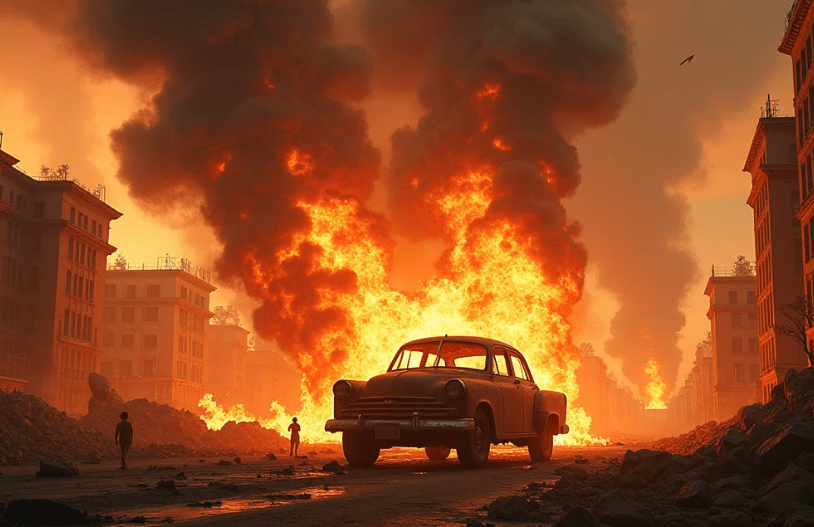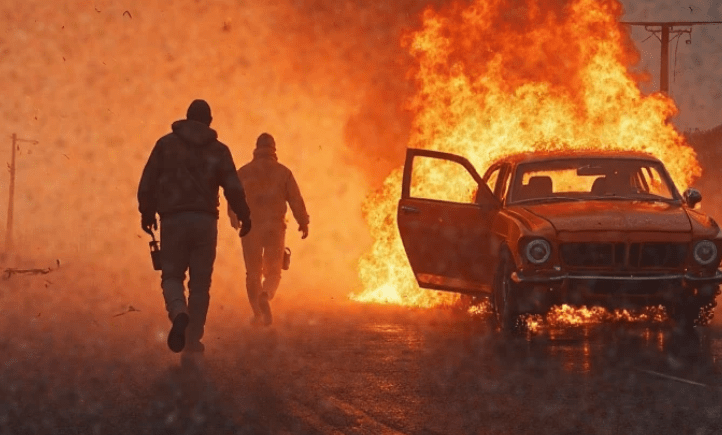
Top Survival Foods You Better Have Before Everything Goes Wrong (And It Will)

If you’re reading this, congratulations—you’ve at least realized that the world is one minor disaster away from going completely off the rails. Most people wander through life thinking the grocery store shelves magically refill themselves, or that disasters only happen on TV. Spoiler alert: they don’t. And when things inevitably go sideways, those same people will be crying in parking lots looking for bottled water. Meanwhile, you—if you actually follow through—might stand a fighting chance. But only if you stock the right survival food in your kit. And please, for your own sake, don’t pack the usual garbage people think qualifies as “emergency food.”

So let’s go through the best survival food items for your survival kit—the ones that won’t get you killed. I’ll even break down why they matter, though frankly, it’s the kind of common sense people should already know.


Why Survival Food Matters (If That Isn’t Obvious Already)

Look, survival isn’t a cooking show. You’re not going to be flambéing anything when the power’s out or when you’re trekking through debris and broken glass. Survival food has one job: keep you alive. That means it has to meet a few basic criteria that too many people ignore:

  • Long shelf life – Because you’re not rotating your stock like a grocery store.
  • High-calorie density – Starving is a terrible hobby.
  • Low preparation requirement – You may not even have clean water, let alone a working stove.
  • Portability – If your kit weighs as much as your regrets, you won’t make it far.

If a food item doesn’t meet those requirements, it doesn’t belong in your survival kit. Period.


1. Peanut Butter: The Undisputed Champion of Not Dying

Peanut butter is cheap, dense, portable, shelf-stable, and calorie-loaded. It’s basically the perfect survival food. Unless you’re allergic—in which case, well, you’ve got a different set of problems.

One jar can pack over 2,500 calories, tons of fat (which you need when you’re burning energy like a madman), and protein. You don’t need to heat it, cook it, or refrigerate it. You don’t even need to like it—survival isn’t a gourmet experience.


2. Energy Bars: Because You Won’t Be Sitting Down for a Meal

Forget your fancy protein bars with quinoa sprinkles and “forest berry drizzle.” I’m talking about high-calorie, dense energy bars—the type hikers choke down because they’re too useful to ignore.

These bars take up almost no space and deliver a hit of carbs, fats, and sugars that can keep your body from shutting down while you’re slogging through a disaster zone.

Just keep in mind that some bars pretend to be healthy and barely hit 150 calories. If you want to survive, not starve, pick bars in the 300–400 calorie range. And no, you don’t get bonus points for organic.


3. Canned Meat: The Not-So-Glamorous Lifesaver

A lot of people gag at the idea of canned meat, which tells me they’ve never been hungry enough. Tuna, chicken, spam, salmon—pick your protein. These cans last forever, they’re packed with nutrients, and they can be eaten straight from the can if you don’t mind looking like a character from a post-apocalyptic movie.

To make it even better, canned meats don’t need refrigeration until they’re opened. Just remember to pack a can opener unless you plan on bashing the cans open with a rock like a caveman.


4. Rice and Beans: The Classic Combo That Refuses to Die

If civilization ends tomorrow, rice and beans will probably still be around in some dusty pantry. And for good reason:

  • Together, they form a complete protein.
  • They’re cheap.
  • They store forever—especially if you repackage them with oxygen absorbers.

Yes, they require cooking and water, which isn’t ideal. That’s why these belong in your home stash or long-term survival bag, not your small emergency kit or bug-out bag. Still, they’re worth mentioning because few foods give you more nutrition per dollar.


5. Freeze-Dried Meals: The Fancy Option (But Actually Smart)

Freeze-dried meals get mocked by people who think survival food should taste like cardboard. But here’s the reality: these meals are lightweight, last 20–30 years, and only require hot water. That’s a pretty sweet deal when the alternative is gnawing on dry pasta.

Get meals that have at least 500 calories per pouch, not those pathetic backpacking meals made for people pretending to “rough it.” Go for brands known for high calorie counts and decent macros.

And don’t forget: freeze-dried isn’t the same as dehydrated. Freeze-dried lasts much longer and keeps more nutrients intact. Your future half-starved self will thank you—though you might not deserve it.


6. Instant Oatmeal: Low Glamour, High Payoff

Instant oats are a survival staple. They’re cheap, flexible, lightweight, and ridiculously easy to prepare. In worst-case scenarios, you can even “cold soak” them in water if you have to. Sure, the texture will be awful, but again, this is survival—not brunch.

Pick plain oats, not the sugary varieties. You need calories, not cavities.


7. Trail Mix: Because You’ll Need Fuel, Not Motivation

Trail mix is what happens when nuts, dried fruit, and chocolate decide to form a survival alliance. It’s loaded with fats, carbs, and sugar—all things your doomsday body will burn through in minutes.

Make sure your trail mix includes:

  • Nuts (fat and protein)
  • Dried fruit (quick carbs)
  • Chocolate or M&Ms (morale and calories)

Skip the trendy stuff with kale chips or yogurt drops. The goal is survival, not pretending to be healthy during the apocalypse.


8. Hardtack or Survival Rations: The Food Brick You’ll Hate but Depend On

Hardtack is basically the bread equivalent of a brick—hard, tasteless, and nearly indestructible. But it lasts decades if kept dry and can keep you alive when everything else runs out.

Modern emergency rations (like 2,400–3,600 calorie bars) are much more efficient. Yes, they taste like slightly sweet cardboard, but they’re designed to survive heat, cold, moisture, and probably nuclear winter. And you only need a few bars to survive a couple of days.


9. Shelf-Stable Ready-to-Eat Meals (MREs)

If you want the convenience of a full meal without any preparation, MREs are the way to go. They come with heaters, so you can eat hot food even if everything around you is on fire—literally or metaphorically.

They’re heavy, so don’t pack too many in a go-bag, but having one or two can make a miserable situation slightly less unbearable.


Final Thoughts: If You Don’t Prepare Now, Don’t Complain Later

Most people wait until disaster hits before realizing they should’ve prepared. Don’t be one of them. A survival kit without proper food is just a fancy bag of regrets. Start with the basics above and pack enough calories to sustain you for at least 72 hours. More if you actually want a fighting chance.

Because when things fall apart—and they will—your survival kit is the only thing standing between you and becoming another cautionary tale that people pretend they learned something from.

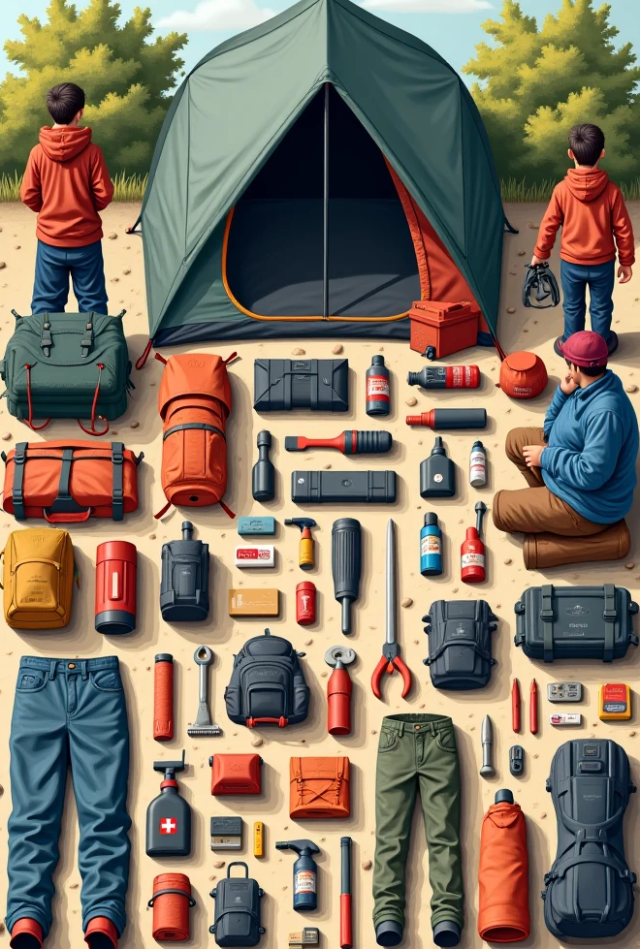
The Ultimate EDC Checklist: Are These Key Items in Your Kit?

Imagine this scenario for a moment—you’re heading out the door, running errands, or even just walking to the mailbox. Everything seems perfectly normal. Then, suddenly, the unexpected happens. A power outage. A car breakdown. An emergency situation where you need to think on your feet and act fast.

Now, ask yourself: Are you really prepared for the unexpected?

Most people go about their day with the bare minimum in their pockets or bags: a wallet, a smartphone, and a set of keys. But what if that wasn’t enough? What if you could make a few small changes to your everyday carry (EDC) that could help you in a survival situation or simply make life a little easier?

It’s time to think beyond the basics and upgrade your EDC. When disaster strikes—whether it’s a natural disaster, power outage, or even just an unexpected situation—you’ll want to be as prepared as possible. With the right EDC, you can navigate these events with confidence, without being caught off guard.

Let’s go over the crucial items every survivalist should have in their everyday carry kit. These tools could very well be the difference between surviving and being caught unprepared.

1) Multi-tool

A multi-tool is perhaps the most essential item in your EDC. This versatile tool is your Swiss Army knife for modern-day survival. From knives and screwdrivers to bottle openers and pliers, a quality multi-tool will serve you in nearly any situation. Whether you’re fixing a broken item, opening a package, or handling an unexpected repair on the go, having a multi-tool at your disposal is invaluable.

Survival Prepper Tip: Choose a multi-tool that’s compact, durable, and easy to carry. Look for one that includes a knife, scissors, pliers, and a few screwdrivers. Don’t forget about the weight – you want something that’s easy to carry without weighing you down.

2) Flashlight

When the lights go out, a flashlight is your best friend. Whether you’re facing a power outage at home, navigating through a dark area, or even just trying to find something in a poorly lit space, a flashlight is a must-have in your EDC. Opt for a small, durable, and powerful flashlight that can be easily carried in your bag or pocket. There’s nothing worse than fumbling around in the dark when you need light the most.

Survival Prepper Tip: Look for a flashlight that uses rechargeable batteries, which can save you money in the long run. Solar-powered models are an excellent choice for preppers who want a sustainable option. Always have spare batteries in your kit as well.

3) Fire Starter

When you’re caught in a situation where you need warmth, cooking, or a signal for help, a reliable fire starter can be a game-changer. A Ferro rod fire starter is compact and easy to carry, and it’s capable of igniting a fire even in wet conditions. You never know when you might need to create a fire to cook food, stay warm, or send out an emergency signal. Fire is also essential for purification, whether you’re boiling water for drinking or disinfecting something.

Survival Prepper Tip: Practice using your fire starter before you need it. The last thing you want is to struggle with it during an emergency. Keep a few fire-starting supplies, like cotton balls soaked in petroleum jelly or tinder, in your kit for easy ignition.

4) Water Bottle

Water is life, and in any survival scenario, access to clean drinking water is critical. Carrying a durable, reusable water bottle ensures you’re never without hydration when you need it. Additionally, a high-quality water bottle with a built-in filter can help you purify water from lakes, streams, or questionable sources. Having access to clean water is a fundamental survival skill, and carrying it with you makes it a part of your everyday readiness.

Survival Prepper Tip: Choose a stainless steel or BPA-free plastic water bottle. If you’re worried about contamination, consider one with a built-in filtration system. This ensures you can purify water from a variety of sources in the wild.

5) First Aid Kit

When you’re in a survival situation, injuries can happen fast—whether it’s a cut, burn, sprain, or something more serious. A small but well-stocked first aid kit is essential in your EDC. You should be able to address minor injuries and have supplies for more serious situations, like infection prevention or wound care.

Survival Prepper Tip: At the very least, your first aid kit should include antiseptic wipes, bandages, gauze, medical tape, tweezers, pain relievers, and any personal medications. Don’t forget to include an emergency whistle, as it can help you signal for help if you need it.

6) Paracord

Paracord is one of those items that you’ll be glad you packed, even though you might never need it. However, when you do, you’ll be amazed at its versatility. From building shelter, tying down gear, making repairs, to even using it for fire-starting (by stripping it), paracord is a survivalist’s go-to utility tool. Keep at least 10 feet of it in your EDC kit.

Survival Prepper Tip: Choose a high-quality, 550-paracord with a higher tensile strength. It should be durable enough to withstand harsh conditions. If possible, look for a paracord bracelet, so you have it easily accessible.

7) Survival Blanket (Mylar Blanket)

A Mylar survival blanket, also known as a space blanket, is a must-have in your EDC. It’s small, lightweight, and helps retain body heat in extreme temperatures. It can also be used as a reflective signaling device in emergencies. These blankets are an essential part of your kit because they protect you from hypothermia and other weather-related dangers.

Survival Prepper Tip: The reflective nature of Mylar blankets makes them ideal for signaling. Use them in survival situations to attract attention from rescuers. Consider carrying a small survival shelter or poncho for added protection.

8) Knife

A high-quality, folding pocket knife is essential for your EDC. From preparing food to cutting rope, a sharp knife can help you handle multiple survival tasks. Choose a compact, easy-to-carry knife that is capable of handling heavy-duty tasks. Make sure the blade is durable, and the handle is comfortable to grip.

Survival Prepper Tip: When selecting a knife, consider the lock mechanism for safety. Always sharpen your blade and check for rust to maintain optimal performance.

9) Compact Tool Kit

While a multi-tool is great, sometimes you need specialized tools for specific tasks. A small, compact tool kit with essentials like a small wrench, pliers, or even a screwdriver set can be a lifesaver. This can help you with repairs or minor fixes during your day-to-day life or in emergency situations.

Survival Prepper Tip: A lightweight, minimal tool kit with just a few essential tools will help you make repairs on the go without adding unnecessary bulk to your kit.

10) Tactical Pen

A tactical pen is another item that can be part of your EDC kit without drawing attention. While it functions as a regular pen, it also serves as a self-defense weapon, glass breaker, and even a tool for small repairs. It’s an inconspicuous but practical addition to your gear, and it could come in handy in a wide variety of scenarios.

Survival Prepper Tip: Choose a tactical pen made of heavy-duty materials, like aluminum or titanium, so it can withstand rugged use. Ensure it also has a reliable writing mechanism to make it functional as a regular pen.


Final Thoughts:

In a survival situation, your ability to adapt, improvise, and make use of the resources at hand is what will keep you alive. Your EDC is more than just a collection of random items. It’s a critical component of your overall preparedness strategy. The key to an effective EDC is to make sure you have the tools that you need to handle unexpected situations, whether that’s a minor inconvenience or a full-blown emergency.

By having these items in your kit, you’re setting yourself up for success. Keep refining your gear, add more items as necessary, and always stay alert. The world is unpredictable, but with the right tools in your pocket, you’ll be ready for whatever comes your way.

Survival Prepper Tip: Regularly review your EDC kit. Seasons change, your needs evolve, and new gear becomes available. Keeping your kit up to date will ensure that you’re always ready for whatever life throws your way.

The Forgotten Hazard When Bugging Out

When most folks talk about bugging out, they focus on the obvious threats: looters, martial law, roving gangs, civil unrest, and the ever-looming collapse of modern infrastructure. You’ve heard it all before. Pack your bug-out bag. Choose your route. Scout a fallback location. Stock up on MREs, water filters, knives, ammo, comms gear—the whole nine yards.

And yet, while the prepping world drowns itself in gear reviews and tactical hypotheticals, one crucial hazard gets completely and unforgivably overlooked.

I’m talking about complacency’s ugly cousin: Group Fragility. That’s right. The people you trust, the ones you’re planning to survive alongside—your family, your so-called “mutual assistance group,” your bros from the shooting range—they might be the very thing that gets you killed.

Let me say it plain: a bug-out plan is only as strong as its weakest member.

Now before you roll your eyes and tell yourself, “I’ve trained with my team,” or “My wife’s tough,” or “We’ll be fine because we’ve practiced,” let me stop you right there. Practice doesn’t equal performance under real pressure. And emotional breakdowns, moral disagreements, and physical weaknesses don’t show themselves when you’re camping for fun over a long weekend.

They show themselves when the stakes are real. When someone’s bleeding. When you’re out of clean water and three days into a storm. When someone you love starts panicking and you realize: “This is what’s going to get us killed.”

You Think You’re Ready? Think Again.

The fantasy of bugging out is seductive. The romantic image of disappearing into the woods, rifle slung over your shoulder, hunting deer and living off the land—it’s so appealing it blinds people. But reality has no use for fantasy. The truth is most people can’t even handle a power outage without losing their minds, let alone a full-blown collapse that drives you from your home with nothing but your bug-out gear and a prayer.

Sure, you can pack iodine tablets and solar chargers. But you can’t pack mental stability. You can’t pack maturity. And you sure as hell can’t pack grit.

I’ve seen it happen. Big, strong men break down crying when they realize they forgot to bring spare socks and now their feet are soaked, blistered, and infected. Gung-ho preppers who bought $3,000 rifles but didn’t bring tampons for their wives. Families that fall apart arguing over where to camp because no one ever decided who the leader was. The gear didn’t fail. The people did.

The Real Enemy Is Human Weakness

So what is the “forgotten hazard” I’m so mad about? It’s the human element. The people in your party are walking question marks under pressure. They are liabilities—until they’ve been tested under fire, for real, and have proven otherwise.

Bugging out isn’t about gear. It’s about mindset. It’s about psychological resilience, leadership, discipline, and trust forged through shared hardship. Without that, your so-called team is just a group of panic-prone strangers carrying matching backpacks.

Your spouse, your kids, your best friend—if they’ve never suffered, never hiked ten miles with a rucksack while sick, never made a decision under extreme duress—they are not ready. And if you haven’t prepared them for that moment, then you are not ready either.

Emotional Collapse Is Contagious

Ever seen what happens when someone panics in a group setting? It spreads. Fast. Like a virus. One person screams, and suddenly three people are hyperventilating. One person freezes in the middle of a river crossing, and now everyone’s stuck in place, vulnerable, visible, exposed.

Fear is louder than logic. And once it takes root, it doesn’t matter how much food you stockpiled or how fancy your GPS watch is. Fear will kill you.

What happens when the teenager in your group refuses to keep walking and bursts into tears from exhaustion? What happens when your partner gets a stomach bug and can’t walk for two days? What happens when two people start screaming at each other over which direction to go?

Let me tell you what happens. You stop moving. You waste precious daylight. You compromise your location. You become prey.

You Better Start Training People Now

If you’re reading this and feeling uncomfortable, good. That means you still have time. Time to fix this. Time to take off the blinders and face the uncomfortable truth: survival is about people, not just products.

Start drilling your team—your real team, not your fantasy squad. Take your kids hiking in the rain. Make your partner build a fire without matches. Go camping without any electronics and leave the granola bars at home. Eat beans, sleep on cold ground, hike until your muscles scream.

And do it all together.

Why? Because the only way to root out weakness is to force it to the surface. And once you’ve seen it—once your daughter breaks down crying, or your best friend lies to your face about losing the compass—then you can start building real trust. Not the feel-good, “we’re family” trust. I’m talking about battlefield trust. Hard-earned, honest, proven trust.

That is the only kind that matters when society collapses.

Leadership Isn’t Optional

Another thing most bug-out plans lack? Clear hierarchy. When everyone thinks they’re in charge, no one is. And when bullets are flying or you’re sprinting from a wildfire, hesitation will kill you.

Designate a leader now. Establish a chain of command. Decide who makes the call when things go sideways—and make sure everyone agrees ahead of time.

Don’t fall into the trap of “we’ll decide when it happens.” That’s a fantasy. In real life, there will be no time. You’ll need to act instantly, or you’ll all be corpses under a tarp.

Don’t Forget Morality Clashes

This part stings the most. What if the person you’ve planned to bug out with suddenly disagrees with how far you’re willing to go to survive?

Will you loot if necessary? Will you kill to protect supplies? Will you lie to strangers, leave people behind, steal from the dead?

You might think you know what you’d do. You might think you know what your loved ones would do. But let me tell you from experience: people’s morals mutate fast when their stomach is empty and their hands are shaking from fear.

Talk about it now. Set boundaries. Make plans. Or get ready for a knife in the back when things get dark enough.

Final Word: Your Real Bug-Out Plan Is Psychological

You can pack all the gear in the world, memorize every knot, and learn every edible plant. But if your group breaks down because of fear, conflict, or weakness, none of that will save you.

The forgotten hazard isn’t the EMP. It’s not the government. It’s not even the weather.

It’s the people standing next to you.

So fix that now. Train them. Test them. Talk to them.

Or die with them.

Your choice.

Losers Can’t Survive Without a Bug Out Bag

Bug-Out Bases in the First State: Top 30 Survivalist Campgrounds in Delaware

Top 30 Delaware Campgrounds Every Survival Prepper Should Know

As a seasoned survival prepper in Delaware, I’ve scouted the state for campsites that offer more than just a place to pitch a tent. Whether you’re preparing for an emergency bug-out or seeking a weekend retreat to hone your skills, these 30 campgrounds provide the perfect blend of seclusion, natural resources, and accessibility.

CLICK HERE TO LEARN HOW TO SURVIVE A FAMINE

1. Cape Henlopen State Park
Located in Lewes, this park offers over 150 campsites nestled among pine forests and dunes. With access to the beach and fishing piers, it’s ideal for coastal survival training.

2. Delaware Seashore State Park
Situated between Rehoboth and Bethany Beach, this park features campgrounds with ocean views, providing opportunities for saltwater fishing and marine survival practice. The Outbound+4Wikipedia+4VacationIdea+4

3. Killens Pond State Park
In Felton, this park offers 17 walk-in primitive campsites surrounded by hardwood forests. The 66-acre millpond is perfect for freshwater fishing and canoeing. The Tech Edvocate+3Delaware Today+3Outdoor With J+3

4. Lums Pond State Park
Near Bear, this park features the largest freshwater pond in Delaware. With 17 miles of hiking trails and opportunities for boating, it’s a great spot for practicing waterborne survival skills. Wikipedia+1Only In Your State+1

5. Trap Pond State Park
Located in Laurel, this park is home to the northernmost stand of bald cypress trees in the U.S. It offers canoeing, hiking, and primitive camping experiences. campinglife101.com+1Only In Your State+1

6. Redden State Forest
Spanning over 12,400 acres, this forest in Georgetown provides free primitive camping and 44 miles of trails for hiking and biking. The Outbound+1Outdoor With J+1

7. Blackbird State Forest
Located north of Smyrna, this 6,000-acre forest offers primitive camping and diverse trails for hiking and horseback riding. Wikipedia

8. Holts Landing State Park
Near Bethany Beach, this 205-acre park features a crabbing pier and boat ramp, making it ideal for practicing water-based survival techniques. Wikipedia

9. Gulls Way Campground
This family-friendly campground offers tent and RV sites, providing a balance between comfort and wilderness exposure.

10. Cape Henlopen State Park
Beyond its main campground, this park offers additional primitive sites for those seeking a more rugged experience.

11. Pine Tree Campground
Located in Lincoln, this campground offers a variety of sites, including some that are more secluded, suitable for prepping practice.

12. Tuckahoe Acres
Situated in Rehoboth Beach, this campground offers a mix of amenities and natural surroundings, perfect for weekend getaways. VacationIdea

13. Historic Blueberry Farm
This unique site offers a blend of history and nature, providing a different perspective on survival camping. The Tech Edvocate

14. Holly Lake Campsites
Located in Lincoln, this campground offers a variety of amenities and natural settings, suitable for both beginners and seasoned preppers.

15. Homestead Campground
Situated in Lincoln, this campground offers a mix of amenities and natural surroundings, ideal for prepping practice.

16. Lost Lands RV Park
Located in Delmar, this park offers RV sites and is close to natural areas for exploration. VacationIdea

17. Tall Pines Campground Resort
In Lewes, this resort offers a mix of amenities and natural settings, suitable for both relaxation and prepping practice.

18. Treasure Beach RV Park & Campground
Located in Selbyville, this park offers RV sites and is close to natural areas for exploration. VacationIdea

19. Deep Branch Family Campground
Situated in Lincoln, this campground offers a variety of amenities and natural settings, ideal for family outings and prepping practice.

20. Sun Outdoors Rehoboth Bay
Located in Ocean View, this campground offers a mix of amenities and natural surroundings, suitable for both relaxation and prepping practice.

21. G & R Recreation Campground
Situated in Dagsboro, this campground offers a variety of amenities and natural settings, ideal for family outings and prepping practice. VacationIdea

22. Pine Haven Campground
Located in Lincoln, this campground offers a mix of amenities and natural surroundings, suitable for famalies!

23. Brumbley Family Park
A smaller, lesser-known site in Greenwood, this quiet family campground is ideal for those seeking solitude, with good tree coverage and open space for skills training and shelter building.

24. Cozy Acres Campground
Tucked away in Delmar, this spot lives up to its name. While it offers some comforts, it’s remote enough to double as a great location for practicing self-sufficiency and off-grid living.

25. Lums Pond Equestrian Camping Area
Separate from the main campground, this equestrian area at Lums Pond is a hidden gem for preppers. Less crowded and more rustic, it’s excellent for testing gear or staging survival scenarios.

26. Killens Pond Primitive Area
Beyond the main camping loops, Killens Pond features primitive sites that are secluded and wooded. Great for solo training weekends or trying your hand at no-fire, no-tools shelter building.

27. Fort DuPont State Park (Scout Camping Area)
This historical site near Delaware City isn’t widely known for camping, but scouts and survivalist groups sometimes use it. Ideal for group training, especially in urban survival simulation.

28. Possum Hill Camping Area (Blackbird Forest)
An isolated and forested location, Possum Hill offers backcountry-style camping with minimal services. It’s perfect for those wanting to get as close to wilderness prep as Delaware allows.

29. Redden Lodge Area (Redden State Forest)
Adjacent to Redden Lodge, this zone allows for both organized group camping and more rugged tent setups in the surrounding forest. Wildlife sightings here are common—great for tracking and foraging.

30. Big Oak County Park (Kent County)
A lesser-known park in Smyrna, Big Oak has open fields and wooded areas that are ideal for stealth camping or group drills. The area’s remoteness makes it a valuable asset for preppers who need training space with minimal foot traffic.

Conclusion: Where Preparedness Meets the First State’s Wild Heart

When you live in Delaware and think like a prepper, you start seeing the land differently. You don’t just look for beauty—you look for utility. You assess every grove, field, and pond for its survival value. And the truth is, while Delaware might be one of the smaller states in the country, it’s packed with high-value locations for anyone serious about readiness, resilience, and rugged living.

These 30 campgrounds aren’t just vacation spots—they’re training grounds. Each one offers something different: Killens Pond is your water purification classroom. Redden State Forest is your stealth movement and shelter-craft zone. Cape Henlopen? That’s coastal survival at its finest. Whether you’re practicing bug-out drills, sharpening your foraging skills, or testing your bug-out bag over a long weekend, these spots give you controlled environments to fail, learn, and improve before the real test ever comes.

And let’s be honest—complacency is a prepper’s biggest enemy. If you’re just stocking food in a basement and calling it preparedness, you’re missing the point. Skills > gear. Practice > theory. That’s why getting into the wild—Delaware’s wild—is mission-critical.

These parks, forests, and family-run campgrounds let you train solo, run weekend missions with your MAG (Mutual Assistance Group), or introduce your family to off-grid living. Some are perfect for bow hunting and small-game tracking. Others are ideal for bushcraft, water navigation, or signaling practice. Heck, a few even push you close to the edge of urban zones, which gives you the chance to prep for worst-case scenarios like civil unrest or supply line collapse.

I’ve spent years hiking these trails, sleeping under tarps, digging catholes in the cold, and learning how Delaware’s changing seasons shape both challenge and opportunity. I’ve tested my fire-making skills in Blackbird Forest during a February freeze, and I’ve learned the hard way how swarming mosquitos in Trap Pond can destroy your morale faster than an empty canteen.

That’s the real takeaway here: Preparedness isn’t a destination—it’s a lifestyle.

The good news? Delaware is quietly one of the most prepper-friendly states on the East Coast if you know where to look. From beachside sand dunes to cypress swamps, from pine forests to rolling meadows—you’ve got terrain variety and tactical options all within driving distance. And with so many under-the-radar camping areas, you can find solitude without needing to go hundreds of miles out west.

So pack your gear, load up your med kits, run your checklists, and get out there. The time to train isn’t when things fall apart—it’s right now, when the grid’s still humming and the skies are still clear.

Because when the power goes out, when the food stops showing up at stores, or when you need to move your family fast—you’ll either be the one who trained, or the one who wished they had.

Delaware is more than enough to make you dangerous—in the best possible way.

Stay sharp. Stay quiet. Stay ready.

Survival Strategies for Massachusetts: Preparing for the Worst Natural Disasters

The Ultimate Prepper’s Guide to Massachusetts: Staying Ready for Any Natural Disaster

Living in Massachusetts, we all know that the weather can turn on a dime. Whether it’s snowstorms, hurricanes, or floods, we face a variety of natural disasters that demand preparedness. For a survival prepper like myself, the key to getting through any disaster is being ready, no matter what mother nature throws our way. In this post, I’ll walk you through how Massachusetts residents prepare for the worst natural disasters the state is prone to and provide survival prepper tips tailored to the unique challenges of living here.

The New England Winter: Preparing for Snowstorms and Blizzards

When it comes to natural disasters in Massachusetts, the winter months pose one of the greatest risks. Nor’easters—those fierce winter storms that dump heavy snow and bring powerful winds—are something we prep for every year. These storms can knock out power lines, cause road blockages, and leave entire neighborhoods in a state of emergency for days.

Survival Prepper Tip 1: Stock Up on Non-Perishable Foods and Water
You don’t want to be caught without food or water when the power goes out during a blizzard. Canned goods, dry foods like rice and beans, and a good supply of bottled water are essential. Make sure to have at least three days’ worth of supplies for each member of your family.

Survival Prepper Tip 2: Have a Reliable Heating Source
Massachusetts is known for frigid temperatures during winter, so you’ll want a backup heating source in case the power goes out. Propane heaters, wood stoves, or kerosene heaters can keep your home warm when the grid goes down. Make sure your chimney is cleaned regularly if you’re using a wood stove or fireplace.

Hurricane Season: Dealing with Coastal Storms

Though Massachusetts isn’t as frequently hit by hurricanes as some Southern states, we’ve still seen our fair share of damage from these powerful storms. Coastal areas are especially vulnerable to storm surges, high winds, and flooding. As a prepper, I always keep a watchful eye on hurricane season, which runs from June to November.

Survival Prepper Tip 3: Create an Evacuation Plan
If you live near the coast, evacuation is sometimes the best option during a hurricane. Know your evacuation routes and make sure your family is familiar with them. If you’re in a flood-prone area, consider having a “go bag” packed with essentials like clothing, medication, and important documents so you can leave quickly if needed.

Survival Prepper Tip 4: Reinforce Your Home
For those living near the coast, it’s important to fortify your home against strong winds and storm surges. Invest in storm shutters, and reinforce your roof, windows, and doors. Consider sandbagging around your home’s perimeter to protect against flooding.

Flooding: An Increasing Threat in Massachusetts

CLICK HERE TO LEARN HOW TO SURVIVE A FAMINE

Flooding is one of the biggest concerns for Massachusetts residents, especially as the climate changes and rainfall patterns become more unpredictable. While we don’t see the catastrophic flooding of places like New Orleans, our state is still vulnerable to flash floods and coastal flooding. Areas near rivers, the Cape Cod region, and Boston are particularly at risk.

Survival Prepper Tip 5: Elevate Important Items
In case of a flood, it’s crucial to protect your valuable items. Store important documents in waterproof containers and elevate electronics, furniture, and anything that could get ruined. If you live in a flood-prone area, consider installing sump pumps to prevent basement flooding.

Survival Prepper Tip 6: Create a Flood-Proof Emergency Kit
Flooding can leave you stranded in your home or in a temporary shelter for an extended period. Make sure your emergency kit includes a flashlight, batteries, a first-aid kit, and extra medication. Include items like waterproof matches, water purification tablets, and extra clothing.

Tornadoes: Rare, But Dangerous

Though Massachusetts isn’t known for frequent tornado activity, the state is not immune. Tornadoes can spring up unexpectedly, especially during severe thunderstorms in late spring and summer. While the risk of a direct hit is low, it’s always a good idea to be prepared for the possibility.

Survival Prepper Tip 7: Know Your Shelter Locations
If a tornado is heading your way, you need to seek shelter immediately. A basement or storm cellar is your safest bet. If you don’t have access to a basement, go to the interior part of your house on the lowest floor, away from windows. Keep a small “tornado kit” with essentials like blankets, water, and non-perishable snacks in your shelter area.

Earthquakes: Not a Major Threat, But Still Possible

Though Massachusetts is not on a fault line like California, the state can experience small to moderate earthquakes. The last significant earthquake to hit Massachusetts was in 1755, but smaller tremors are not unheard of. While a major earthquake is unlikely, it’s still worth knowing how to prepare.

Survival Prepper Tip 8: Secure Heavy Items
In the event of an earthquake, unsecured heavy furniture and appliances can fall and cause injury. Use brackets, anchors, or straps to secure shelves, TVs, and large appliances to the wall. Keep a first-aid kit on hand in case of injury.

Extreme Heat and Drought: A Growing Concern

As global temperatures rise, Massachusetts is experiencing hotter summers and occasional drought conditions. Prolonged heatwaves can put a strain on the power grid and increase the risk of wildfires. While we don’t see as many wildfires as the West, they can still occur, especially during dry conditions.

Survival Prepper Tip 9: Stay Hydrated and Plan for Power Outages
In extreme heat, staying hydrated is crucial. Always have plenty of water on hand, and consider purchasing a portable fan or solar-powered cooling system if you live without air conditioning. If your area is prone to power outages during storms or extreme heat, invest in a backup generator.

Winter Storms and Emergency Power

Massachusetts winters can throw everything at you, from snowstorms to ice storms, so it’s essential to be prepared for these cold and potentially power-sapping conditions. Ice storms can knock out power for days, making it imperative to have backup energy sources and supplies.

Survival Prepper Tip 10: Invest in a Generator and Backup Power
Power outages during winter storms can leave you without heat or refrigeration for extended periods. A reliable backup generator is one of the best investments a prepper can make. Make sure you have enough fuel stored to last for several days, and consider a propane or solar generator for a long-term solution.

Conclusion

Living in Massachusetts means preparing for the unexpected, and the state’s natural disasters require us to be proactive in our readiness. From winter storms to hurricanes and floods, knowing how to react and have the right gear ready is essential for survival. If you take the time now to prepare your home and family, you’ll be more than ready to face whatever comes your way. Stay safe, stay prepared, and remember that a good prepper is always ready for the worst—no matter the disaster.

The Stockpiler’s Survival Guide

In 2002, a man named Jack Whittaker from West Virginia hit the Powerball jackpot. It was the biggest prize of its time—hundreds of millions. Most folks would think he hit the ultimate jackpot. But if you dig deeper, you’ll find a cautionary tale that every prepper should take to heart.

Jack’s windfall didn’t bring joy. It brought chaos, greed, tragedy, and death. The moment people found out he was rich, they came out of the woodwork—begging, scheming, and circling like vultures. His house turned into a battleground of handouts and deception. He faced constant legal troubles, and worse, he lost both his daughter and granddaughter under tragic circumstances that many say were linked—directly or not—to the poison of sudden wealth.

Eventually, Jack said publicly that he wished he had torn up that lottery ticket.

CLICK HERE TO LEARN HOW TO NEVER STARVE WHEN DOOMSDAY HITS!

And that got me thinking.

As preppers, we’re not chasing lottery wins. But if you’re stockpiling wisely—if you’ve been planning for what others refuse to see coming—then in the eyes of the unprepared, you’re rich. Maybe not with cash, but with things that matter when the system collapses: food, water, fuel, skills, and know-how.

And just like Jack, if the wrong people find out, you become a target.

When SHTF, desperation turns good people bad. Neighbors turn into looters. Friends can become beggars. And strangers—well, don’t even count on mercy from them. It won’t matter if it’s your kid’s formula, your last bag of rice, or the meds you set aside for your spouse. If someone knows you have it, they will do anything to get it.

Lesson One: Conceal What You Have.

You don’t need to parade your supplies on social media. You don’t need to show off your stash in YouTube videos or brag about your “bug-out” plans at work. Loose lips sink ships. In a true crisis, every can of beans becomes gold. Every gallon of water becomes leverage.

Think about this: If every grocery store and supermarket shut down tonight, and folks knew you were stocked, your house might not survive the week. And that’s not paranoia—it’s math. Hungry people act fast. Starving people act violently.

Take a lesson from Jack Whittaker: if you have value—whether it’s dollars, gear, or provisions—keep it quiet. Because the more they know, the more they’ll take. And they won’t ask nicely.

Now, let’s talk about how to keep your prepping smart, quiet, and effective. Here are ten essential prepper tips every stockpiler should follow if they want to survive and stay off the radar.


10 Survival Prepper Tips for Smart Stockpiling and Stealth Survival

1. Don’t Tell, Don’t Show

It’s tempting to share your plans with friends or neighbors, especially if you’re proud of your setup. But limit your disclosures. Tell only those you trust with your life—and even then, keep details vague.

2. Diversify Your Stash

Don’t keep all your supplies in one place. Spread your stockpile across your home, vehicle, shed, and even hidden caches if possible. That way, if one area gets compromised, you’re not left high and dry.

3. Practice OPSEC

Operational Security (OPSEC) is a mindset. Don’t throw out packaging from large food purchases. Avoid bulk deliveries when neighbors are watching. Blend in. Be the “average Joe” who shops like everyone else.

4. Train, Don’t Just Store

All the gear in the world is worthless if you don’t know how to use it. Practice purifying water, making fire without matches, cooking off-grid, and self-defense. Build muscle memory.

5. Develop Community—but Quietly

Survival is easier in a group, but choose your circle carefully. Build quiet alliances with like-minded individuals. Barter, trade, and train together—but keep things low-key and never disclose your full inventory.

6. Gray Man Strategy

Look harmless, unprepared, and average. In public, don’t dress like you’re headed into the wild. When disaster strikes, don’t be the guy with the latest tactical gear walking down the street. Blend in to avoid attention.

7. Rotate and Maintain Supplies

Your food, fuel, and meds have expiration dates. Rotate stock, label everything, and use a spreadsheet if needed. The worst time to realize your food is spoiled is when your life depends on it.

8. Harden Your Home

Your house is your first line of defense. Reinforce doors, add security film to windows, set up motion lights, and consider solar cameras. You’re not being paranoid—you’re being ready.

9. Prepare for Power Loss

Most people think about food and water but forget energy. Stock up on batteries, solar chargers, hand-crank radios, and backup heating options. When the grid fails, you need to adapt quickly.

10. Have an Exit Plan

Sometimes you can’t shelter in place. Know where you’ll go, how you’ll get there, and what you’ll bring. Keep bug-out bags ready and have alternate routes. Never assume your first plan will work.


Survival Isn’t Just About Stuff—It’s About Mindset

Jack Whittaker’s story is more than a tragedy—it’s a mirror. When society collapses, the rules change. The rich won’t be the ones with stock portfolios—they’ll be the ones with clean water, warm meals, and working flashlights.

And just like Jack learned, if people know you’ve got something they don’t, they’ll come for it.

So stay sharp. Stay quiet. Stockpile smart. And remember: stealth is strength.

We prep not to boast, but to survive. And the best preppers don’t just prepare for disasters—they prepare to stay invisible when the world starts watching.

Why Wilderness Survival Skills Are Not Enough

They say if you know how to build a fire, catch a fish, and make shelter from what nature gives you, you’re good. You’ll survive.

But that’s only part of the truth.

After 14 years living part-time off the grid — and the last three almost full-time — I’ve learned something they don’t often tell you in survival books or YouTube channels: wilderness survival skills are not enough.

CLICK HERE TO LEARN HOW TO NEVER STARVE WHEN DOOMSDAY HITS!

Don’t get me wrong. I’ve got the basics down. I can start a fire in the rain with soaked tinder and a ferro rod. I can snare rabbits, track elk, and purify water five different ways. I can read the wind like most men read a screen. And I’ve watched enough people glorify those skills like they’re some sort of mystical badge of honor.

But here’s the truth: Skills will keep you alive — they won’t keep you human.

When the sun drops behind the trees and the cold sinks into your bones, when you haven’t seen another face in ten days, when your food runs out and you’re tired of eating boiled bark tea and smoked squirrel — that’s when you learn survival is mental, emotional, and spiritual just as much as it is physical.


1. Mental Endurance Beats Physical Skill

There’s a moment in every extended survival situation when the novelty wears off. It’s usually around day 6 or 7. That’s when your mind starts playing tricks on you — when isolation, discomfort, and hunger begin whispering lies.

“You can’t do this.”
“Why are you even out here?”
“What if no one’s coming?”

You can have all the gear and know-how in the world, but if you don’t have the mental endurance to stay calm, make decisions under pressure, and silence the noise in your head — you’re done. I’ve seen guys with military training lose it out here, not because they didn’t know what to do, but because they couldn’t control their thoughts.

Discipline in the mind matters just as much as muscle in the arm.


2. Community > Competence (Yes, Really)

Lone wolf survival sounds romantic. But real survival — the long haul — isn’t meant to be done alone. Out here, I’ve learned to appreciate the power of community. A partner to keep watch while you sleep. Someone to spot danger you missed. A friend to say, “You’re not crazy, this is just hard.”

Even if you’re physically alone, the people you’ve invested in beforehand — friends, family, the tribe you trust — they’re your backup plan. And your reason to keep going.

Outlasting a storm is one thing. Outlasting loneliness is another.


3. Faith is the Fire That Doesn’t Go Out

This one’s personal, and not everyone will agree. But for me, faith in God is the difference between surviving and thriving.

There have been moments when I was one wrong step away from a broken leg and a slow death. Moments when the wind howled so loud I thought it might tear my cabin apart. Moments when the silence of the forest pressed in so heavy, it felt like drowning.

And in those moments, I talked to God. Not like some ritual. Not out of fear. But because I know I didn’t make this world — and I sure can’t hold it together by myself.

“My flesh and my heart may fail, but God is the strength of my heart and my portion forever.”
— Psalm 73:26

When you’re stripped of comfort, the only thing left is character. And character is either shaped by truth — or shattered by lies. My anchor has always been Scripture. Not as a crutch, but as a compass.


4. Resilience Means Nothing Without Purpose

You can suffer through almost anything if you know why you’re doing it. That’s true in war, in survival, in sickness, in life.

Out here, I’ve asked myself: Why am I doing this? What am I preparing for? What am I protecting?

If your only goal is to not die, then your world gets very small, very fast. But if your goal is to live well, protect others, steward the land, honor your values — then every hardship becomes training, not torment.

Purpose gives suffering meaning. And meaning gives suffering power.


5. Preparedness Without Wisdom Is Just Hoarding

You can stockpile food, ammo, and gadgets until your shed bursts. But if you don’t have the wisdom to use it wisely, share it well, or protect it humbly, then all you’ve done is delay the collapse — not survive it.

I’ve seen preppers treat people like threats, not neighbors. I’ve seen men stash enough rice for 10 years but couldn’t grow a tomato or mend a sock. That’s not resilience — that’s fear in disguise.

Real preparedness is practical, relational, and spiritual. It’s not just about building walls. It’s about knowing what’s worth protecting inside them.


Final Thoughts

So, no — wilderness survival skills are not enough. They’re a tool, not the toolbox.

If you want to survive — truly survive — in a world gone sideways, then you need:

  • A sound mind
  • A steady soul
  • A community you trust
  • A faith that anchors you
  • And a purpose that outlives you

I’ll keep training. I’ll keep sharpening knives and tuning traps and learning how to tan hides and build things with my hands. But I’ll also keep reading Scripture by lamplight, writing letters to the people I love, praying when the coyotes cry, and reminding myself that this life — even the hard parts — is a gift.

“The Lord is my shepherd; I shall not want… Even though I walk through the valley of the shadow of death, I will fear no evil, for You are with me.”
— Psalm 23:1,4

Survival is more than staying alive. It’s living like it matters.

The Ultimate Doomsday Prepper Starter Pack

The Ultimate Doomsday Prepper Starter Pack: A Movie Critic’s Guide to Survival Skills

When it comes to preparing for the inevitable end, the world of doomsday prepping has captured our imagination. Hollywood has long been fascinated with apocalyptic scenarios, from plagues to natural disasters and alien invasions. And while some may dismiss preppers as a fringe group, the reality is, the need for survival preparation is more mainstream than ever. Whether you’re preparing for a natural disaster or a total societal collapse, having the right skills and equipment can make all the difference in your survival. So, let’s explore the ultimate doomsday prepper starter pack, featuring essential survival skills, key tools, and Hollywood films that might just offer some valuable lessons along the way.


1. Water Filtration

First and foremost, it’s all about water. Sure, you can live without food for a while, but without clean water, you’re a goner. Investing in a water filtration system, like the Lifestraw or a high-end portable filtration pump, is essential. This ensures that even if your water sources become contaminated, you’ll have the tools to purify them. Survival movies like The Road (2009), where a father and son trek through a post-apocalyptic landscape, emphasize the dire need for basic essentials like clean water.

2. Fire Starting Kit

Nothing says survival more than the ability to make fire. It’s warmth, light, and the means to cook your food. A fire starting kit, whether it’s a reliable ferro rod, waterproof matches, or a flint-and-steel set, should be an absolute staple. In films like Cast Away (2000), where Tom Hanks’ character is stranded on an island, his struggle to start a fire symbolizes the core of human survival. A fire means hope in a hopeless world.


3. Shelter Building and Tarp Setup

The ability to quickly set up shelter can be the difference between life and death in the wilderness. From tents to tarps, being able to shield yourself from the elements will keep you safe and comfortable when it all hits the fan. If you’ve ever seen Into the Wild (2007), where Emile Hirsch’s character endures nature’s harshness, you understand that shelter is a must-have in your prepper toolkit.

4. Emergency Food Supplies

Survivalist films always emphasize one thing: food is vital. Whether it’s protein bars, freeze-dried meals, or canned goods, having an emergency food supply can keep you going for days. One movie that hammers this point home is The Martian (2015), where Matt Damon’s character uses his ingenuity to grow food and survive on Mars. It’s a perfect reminder that with the right tools and preparation, you can survive in the most unexpected places.


5. First Aid and Medical Knowledge

In any survival scenario, injuries are bound to happen. Having a first aid kit stocked with bandages, antiseptics, and pain relievers is non-negotiable. More importantly, you’ll want to know how to use the supplies effectively. Movies like 127 Hours (2010) and The Revenant (2015) show us the raw reality of survival, where characters find themselves in dire medical situations, and the most important thing is knowing how to tend to wounds.


6. Self-Defense Skills

Self-defense is another critical skill for preppers, as societal breakdowns often bring about dangerous situations. Knowing how to protect yourself, whether with hand-to-hand combat or weapons training, is essential. The Walking Dead (TV series) has drilled this concept into our minds, with its depictions of human survival in a post-apocalyptic world where both zombies and humans are threats. The importance of self-defense is highlighted in the brutal, no-holds-barred world the characters navigate.


7. Navigation and Orienteering

In an emergency, you may need to navigate through unfamiliar terrain or find your way to safety. Skills in map reading, compass usage, and GPS navigation are vital. The Grey (2011), starring Liam Neeson, is a prime example of how navigation and situational awareness can make or break your survival chances. After a plane crash in the wild, Neeson’s character must rely on his wits to survive in the harsh conditions.


8. Building a Bug-Out Bag

Having a well-packed bug-out bag is a must for any prepper. It should include essentials like a multi-tool, fire starter, first aid kit, extra clothing, and survival food. World War Z (2013) is an exciting example of the bug-out bag in action. Brad Pitt’s character goes on a worldwide hunt for a solution to the zombie pandemic, and it’s his preparedness that keeps him one step ahead of the chaos.


9. Mental Toughness

Perhaps the most underrated survival skill is mental toughness. Whether you’re facing a natural disaster or a long-term societal collapse, your mindset can determine your success or failure. The Road (2009), a bleak but beautiful tale about a father and son’s journey through a destroyed world, shows us that survival isn’t just about the physical tools—it’s about keeping your mental state strong when everything around you is crumbling.


10. Knowledge of Renewable Energy

When the grid goes down, renewable energy sources like solar power can be your saving grace. Solar-powered lights, chargers, and even solar ovens can provide a way to stay functional when your conventional energy sources are unavailable. Children of Men (2006) hints at a world on the brink of collapse, where technological breakdowns and energy crises are just as dangerous as societal chaos.


11. Bartering and Negotiation Skills

In a world where currency becomes obsolete, bartering will be the next best thing. Whether it’s trading food, supplies, or knowledge, being able to negotiate and barter will be key. The TV series The Walking Dead again comes to mind, as characters constantly negotiate for resources in a world where everything is scarce. Understanding value beyond traditional currency can ensure that you stay afloat in a collapsed economy.


Survival Prepper Skills to Master Before the End

  1. Water purification – Learn how to filter and purify water, one of your most precious resources in any survival situation.
  2. Fire making – Practice starting a fire in different environments and with various methods.
  3. Shelter building – Learn how to create emergency shelters using tarps, tents, and natural resources.
  4. Foraging – Understand which plants and insects are safe to eat and which are not.
  5. Trapping and hunting – Basic knowledge of trapping and hunting can provide you with much-needed food.
  6. Basic carpentry – Learn how to build structures and create useful items from wood.
  7. Self-defense – Take a class on hand-to-hand combat or weapons handling to protect yourself.
  8. Signaling for help – Practice using mirrors, flares, or other signaling methods to attract rescue teams.
  9. Cooking over a fire – Learn how to prepare meals using just a campfire or other primitive methods.
  10. Critical thinking and problem-solving – A clear mind can help you assess any situation and come up with a creative solution.
  11. Leadership and team coordination – Being able to lead and work in a group during stressful times is vital for long-term survival.

Hollywood Movies That Relate to Survival Prepping

  • The Road (2009) – An emotionally charged film about survival in a post-apocalyptic world where every decision counts.
  • The Martian (2015) – Matt Damon proves that ingenuity and resourcefulness are key to surviving in isolation.
  • Into the Wild (2007) – The true story of Chris McCandless, who seeks freedom in the wild, teaches us the importance of self-reliance.
  • Cast Away (2000) – Tom Hanks’ epic solo survival saga is a masterclass in patience, creativity, and mental fortitude.
  • The Grey (2011) – A gripping tale of survival against nature’s harshest elements, proving that perseverance can defy the odds.

Frozen Solid: Surviving the Coldest Winters in New Hampshire

Living in New Hampshire means dealing with a variety of natural disasters that can strike at any moment. Whether it’s the extreme cold of winter, the torrential rains of spring, or the occasional blizzard, we Granite Staters have learned that preparation is key. In a state as unpredictable as New Hampshire, being ready for any emergency can mean the difference between life and death. From building the right emergency kit to ensuring your home is fortified against the elements, here’s how New Hampshire residents are preparing for the worst that Mother Nature can throw at us.

1. Winter Storms and Blizzards

Let’s start with winter, which is probably the most well-known challenge in New Hampshire. With its long, harsh winters, snowstorms, and blizzards can easily leave roads impassable and power outages lasting for days. The first line of defense against a New Hampshire winter storm is a well-stocked emergency kit. Make sure you’ve got enough food, water, and other essential supplies to last for at least 72 hours.

  • Tip #1: Keep extra blankets, sleeping bags, and warm clothing on hand in case your heating system goes down. You might also want to have a wood stove or alternative heat source to keep your home warm.
  • Tip #2: Stock up on emergency food supplies such as canned goods, freeze-dried meals, and high-calorie snacks. Don’t forget about a manual can opener!
  • Tip #3: Ensure you have an emergency power source. A generator is a great investment, but if you can’t afford one, invest in a good supply of rechargeable batteries, solar-powered chargers, and power banks.

2. Flooding

New Hampshire has its share of rivers and streams, and during heavy rainstorms or the spring thaw, flooding can be a serious risk. The Merrimack and Connecticut Rivers, among others, have a history of flooding when storms hit or when the snowpack melts too quickly. If you live in a flood zone, it’s vital to be aware of evacuation routes and have a plan in place.

  • Tip #4: Install sump pumps in your basement and have backup power in case the electricity goes out. A flooded basement can cause irreversible damage if left unattended.
  • Tip #5: Elevate electrical appliances and items like important documents to higher ground. Consider waterproofing your basement if you live in a flood-prone area.

3. Tornadoes

While New Hampshire is not typically known for tornadoes, these vicious storms have been known to strike, particularly during the spring and summer months. Strong tornadoes are rare, but they can still cause significant damage.

  • Tip #6: Build a safe room or basement in your home where you can take shelter during a tornado. Make sure your family knows where to go and how to stay safe.
  • Tip #7: Invest in a NOAA weather radio with a battery backup. This way, you’ll always be informed of severe weather warnings.

4. Earthquakes

Earthquakes aren’t a daily concern in New Hampshire, but that doesn’t mean we’re immune. The state has experienced tremors in the past, and scientists believe the area is capable of more significant seismic activity in the future. Though rare, it’s always smart to be prepared.

  • Tip #8: Secure heavy furniture and appliances to the walls to prevent them from falling during an earthquake. Have an evacuation plan in place, and know where the safest areas are in your home.
  • Tip #9: Keep a stash of water and food that doesn’t require cooking or refrigeration in case utilities are disrupted.

5. Wildfires

With increasing temperatures and drier conditions, New Hampshire is beginning to see a rise in wildfires. While the risk is lower than in other parts of the country, we’ve had a few out-of-control blazes in recent years.

  • Tip #10: If you live near wooded areas, create defensible space around your home by clearing dead leaves, branches, and brush. Keep a hose, shovel, and rake nearby to help manage smaller fires.

6. Hurricanes and Tropical Storms

While New Hampshire is located far from the usual hurricane tracks, we are still vulnerable to the tail ends of major storms that make their way up the coast. These storms can bring heavy rains, high winds, and dangerous coastal flooding.

  • Tip #11: Keep your gutters clean and ensure that your property’s drainage system is functioning properly. Heavy rainfall can cause rapid flooding if there’s nowhere for the water to go.
  • Tip #12: Have a sturdy emergency kit on hand, especially if you live near the coast. Consider investing in storm shutters or plywood to protect your windows from high winds.

7. Severe Winter Cold

New Hampshire’s winters can get so cold that frostbite and hypothermia become a real risk. In some areas, temperatures can dip well below freezing for weeks at a time. It’s important to know how to stay warm and how to care for others in these extreme conditions.

  • Tip #13: Keep extra layers of clothing available, including insulated gloves, boots, and socks. A good winter coat and thermal underwear are lifesavers during long bouts of cold.
  • Tip #14: If you have elderly family members or neighbors, check in on them regularly. They’re more susceptible to the cold, and their homes may not be as well-insulated.

8. Food and Water Storage

New Hampshire’s varied weather conditions mean that emergencies can come in all seasons. Stocking up on food and water supplies is an absolute necessity, as grocery stores and other essential services may not be readily available during or after a natural disaster.

  • Tip #15: Store at least a two-week supply of non-perishable food and water. Don’t forget about pets or other animals—make sure you have enough food and water for them too.
  • Tip #16: Invest in high-quality water filters, as flooding can often contaminate local water supplies. Having a way to purify water from lakes or rivers could save your life in a worst-case scenario.

9. Communication Plans

During a disaster, communication can be challenging. Cell towers may go down, and landlines may be cut off. New Hampshire residents need to ensure they have a reliable means of communicating with family and emergency responders.

  • Tip #17: Establish a family emergency plan. Ensure everyone knows where to meet in the event of a disaster, and keep a list of emergency contacts, including out-of-state relatives.
  • Tip #18: Consider investing in satellite phones or two-way radios as a backup communication system. These can be life-saving if traditional cell networks fail.

10. Home Fortification

The state of New Hampshire can experience a variety of natural disasters, and it’s crucial to fortify your home against the elements. Whether it’s reinforcing your roof to withstand heavy snow, installing storm-resistant windows, or ensuring your foundation is strong enough to hold up during flooding, preparation starts with your home.

  • Tip #19: Keep your roof clear of snow and ice in the winter months. Ice dams can cause major water damage if left unchecked. Regularly check your roof’s condition and make necessary repairs before winter hits.

Conclusion

New Hampshire residents know that survival isn’t just about having a few canned goods and a flashlight. It’s about being prepared for any situation. From snowstorms to flooding, tornadoes, and hurricanes, the state’s weather can change on a dime, and it’s up to us to be ready for whatever comes our way.

Being prepared means staying vigilant, having the right supplies, and knowing how to react in an emergency. It’s about taking the time to create a plan, fortifying your home, and stocking up on essentials so that you can weather any storm that comes your way. Living in New Hampshire means facing the best and worst of nature’s fury, but with the right preparation, we’ll be ready for whatever the future holds.

CLICK HERE TO LEARN HOW TO SURVIVE A FAMINE

Do This Before Your Neighbors Become Dangerous

Do This Before Your Neighbors Become Dangerous: A Survivalist’s Guide

In times of crisis, the greatest threat may not come from distant enemies but from those living closest to you. When societal structures begin to crumble, neighbors—once familiar faces—can quickly become unpredictable and even dangerous. As a survivalist, it’s imperative to prepare not only for external threats but also for the potential dangers lurking next door.

Understanding the Threat

The collapse of societal norms can lead to desperation. People who once adhered to the rule of law may resort to violence or theft to secure resources. In such scenarios, your immediate environment becomes a battleground. Recognizing this reality is the first step in fortifying your home and ensuring the safety of your loved ones.

1. Fortify Your Home’s Exterior

Your home’s perimeter is your first line of defense. Strengthen it by:

  • Reinforcing Doors and Windows: Install solid core doors and metal or reinforced frames. Use security film on windows to prevent easy break-ins.
  • Securing Entry Points: Add deadbolts, slide bolts, and security bars where appropriate. Ensure all gates are locked and consider adding a secondary locking mechanism.
  • Installing Motion-Sensing Lights: These can deter intruders and alert you to movement around your property.

2. Establish a Safe Room

A designated safe room can be a lifesaver. This should be a room with:

  • Reinforced Walls and Door: Use materials like steel or solid wood.
  • Communication Tools: Keep a charged phone and a two-way radio.
  • Supplies: Stock with water, non-perishable food, first-aid kit, and self-defense tools.

3. Develop a Neighborhood Watch

Community vigilance can be a powerful deterrent. Organize a neighborhood watch by:

  • Establishing Communication Channels: Use group messaging apps to stay informed.
  • Setting Up Regular Check-Ins: Regularly assess the well-being of neighbors, especially the elderly or those living alone.
  • Sharing Information: Report suspicious activities to local authorities and fellow neighbors promptly.

4. Maintain Situational Awareness

Always be aware of your surroundings. This includes:

  • Monitoring Local News: Stay updated on events that could impact your area.
  • Observing Unusual Activities: Note unfamiliar vehicles or people in your neighborhood.
  • Trusting Your Instincts: If something feels off, investigate further or alert others.

5. Secure Water and Food Sources

In times of crisis, access to clean water and food can become scarce. Prepare by:

  • Storing Water: Aim for at least one gallon per person per day for at least three days.
  • Stockpiling Non-Perishable Foods: Include items like canned goods, dried fruits, and grains.
  • Purification Methods: Have water purification tablets or filters on hand.

6. Arm Yourself Responsibly

While firearms can be an effective means of self-defense, they come with responsibilities. Ensure:

  • Proper Training: Take courses on firearm safety and usage.
  • Secure Storage: Keep weapons locked and out of reach of unauthorized individuals.
  • Legal Compliance: Adhere to all local and state laws regarding firearm ownership and use.

7. Create Diversion Strategies

In case of an intruder, having diversion tactics can buy you valuable time. Consider:

  • Noise Makers: Use alarms or whistles to disorient intruders.
  • Escape Routes: Plan and practice multiple exit strategies.
  • Decoy Items: Place valuables in less obvious locations.

8. Build Strong Relationships with Trusted Neighbors

Not all neighbors will pose a threat. Cultivate relationships with those you trust by:

  • Offering Help: Assist with tasks or share resources.
  • Sharing Information: Keep them informed about potential threats or emergencies.
  • Establishing Mutual Aid Agreements: Agree on how to support each other during crises.

9. Practice Regular Drills

Preparation is key. Conduct regular drills to:

  • Test Emergency Plans: Ensure everyone knows their role during a crisis.
  • Identify Weaknesses: Spot areas in your defense plan that need improvement.
  • Build Confidence: Familiarize everyone with procedures to reduce panic during real events.

10. Stay Informed and Adapt

The landscape of threats can change rapidly. Stay informed by:

  • Attending Workshops: Participate in survivalist and preparedness seminars.
  • Reading Relevant Literature: Keep updated with books and articles on home defense and survival tactics.
  • Networking: Join online forums or local groups to exchange knowledge and experiences.

Conclusion

The safety of your home and loved ones depends on proactive preparation. By fortifying your home, establishing strong community ties, and staying vigilant, you can mitigate the risks posed by dangerous neighbors in times of crisis. Remember, in the world of survivalism, it’s better to be over-prepared than caught off guard.

For further reading and resources on home defense and survival tactics, consider exploring the following:

Stay safe, stay prepared.