When we hear the word “preparedness,” we usually think about preparing our house for survival or improving our prepping skills.
These things will not matter, however, if we fall sick when SHTF.
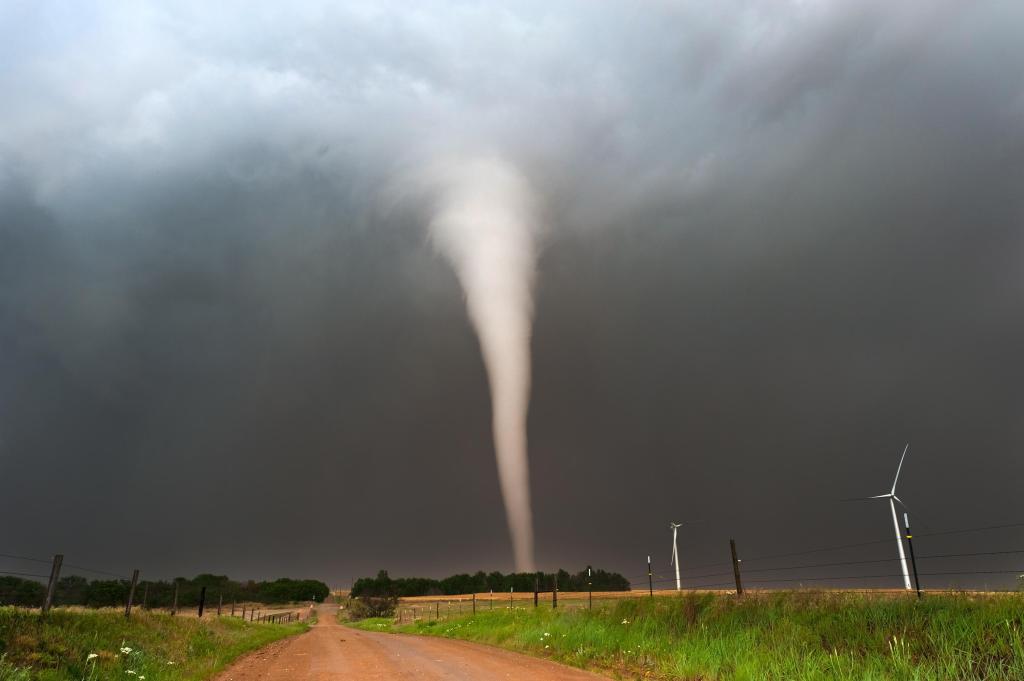
Imagine if a tornado hit, and you suddenly raised a 104°F fever.
You wouldn’t even be able to protect yourself – much less your whole family.
Having a strong immune system is a crucial aspect of preparedness.
When emergencies strike, the last thing you want is to be bogged down by illness.
That’s why you should take simple steps to keep your immune system in top shape.
First and foremost, make sure you sleep at least 7 hours every night.
Sleep is essential for every aspect of our lives.
Next, eat wholefood meals.
A lot of people nowadays are poisoning their bodies with ultra-processed foods and packaged meals.
Make sure to include plenty of fruits, vegetables, and whole grains in your meals.
These foods are rich in vitamins and minerals that are essential for a healthy immune system.
Also, consider adding probiotic-rich foods like yogurt and kefir to your nutrition, as they help to keep your gut healthy, which is where 70 percent of your immune system is located.
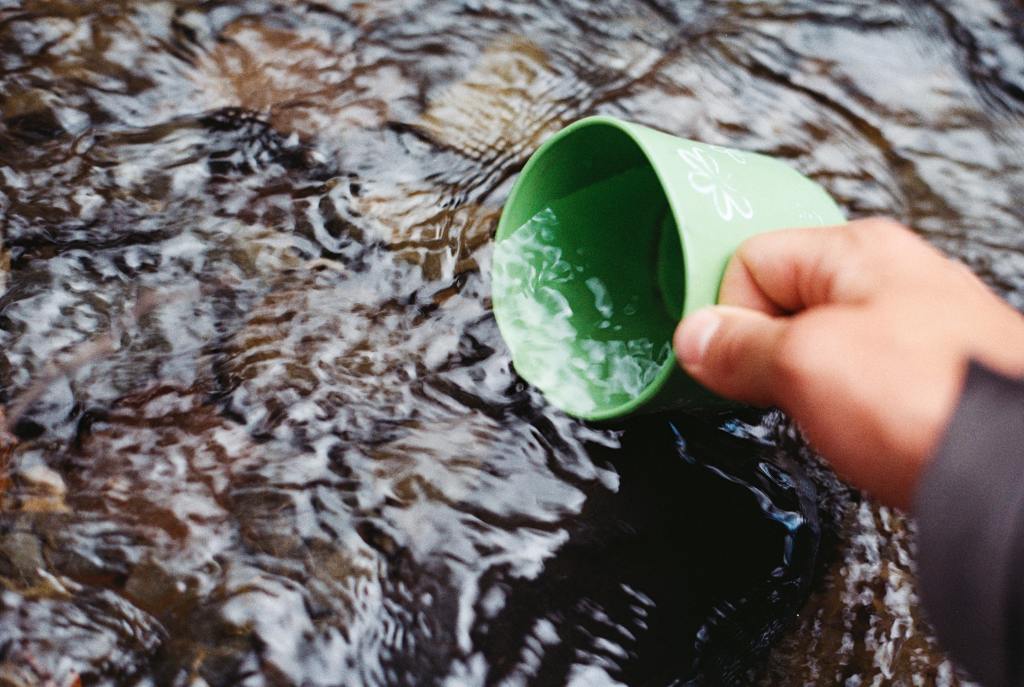
In addition, stay hydrated by drinking plenty of water throughout the day.
Water helps to flush out toxins and keep your immune system functioning properly.
These 3 things are the most important factors in a strong immune system.
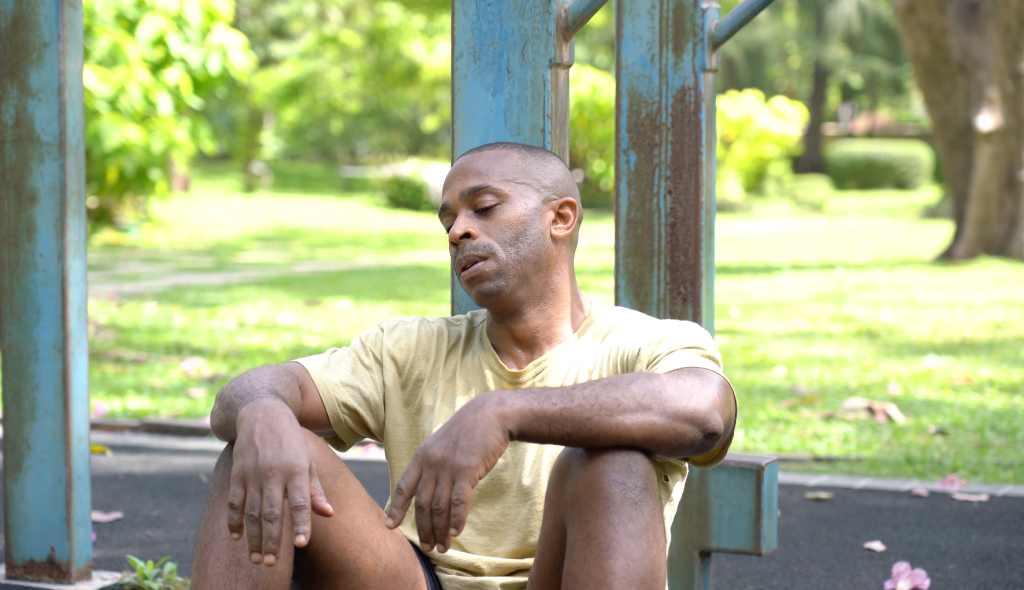
But we shouldn’t neglect exercise. It helps our bodies function properly and shields us from disease.
If your job involves manual labor, then you probably have that covered.
Otherwise, you should aim for at least 30 minutes of moderate exercise daily.
Whether it’s a brisk walk, a jog, or a gym session, make sure you move your body every day.
You should also minimize stress.
Chronic stress can be detrimental to our health.
If you find yourself stressed daily, you need to look for a way to change that.
Keeping our immune system strong is not often discussed in the prepping world.
Yet, staying healthy is a crucial aspect of preparedness.
If you think someone will benefit from the tips in this newsletter, why don’t you forward it to them?
I am one of the most tolerant people you’ll ever meet.
I don’t mind if someone is a bit late for our appointment…if they talk over me during a conversation…or if they are sometimes slightly rude.
I always give people the benefit of the doubt.
But as a prepper, there is one thing that I can’t tolerate…
Waste.
I regularly people wasting their resources as if they want to destroy Earth.
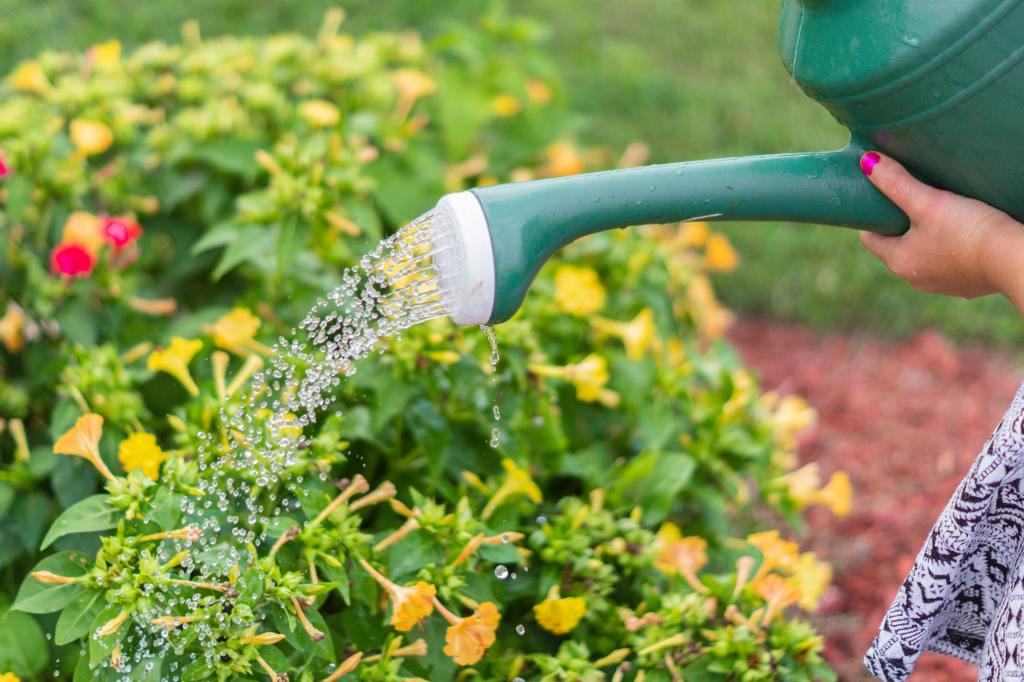
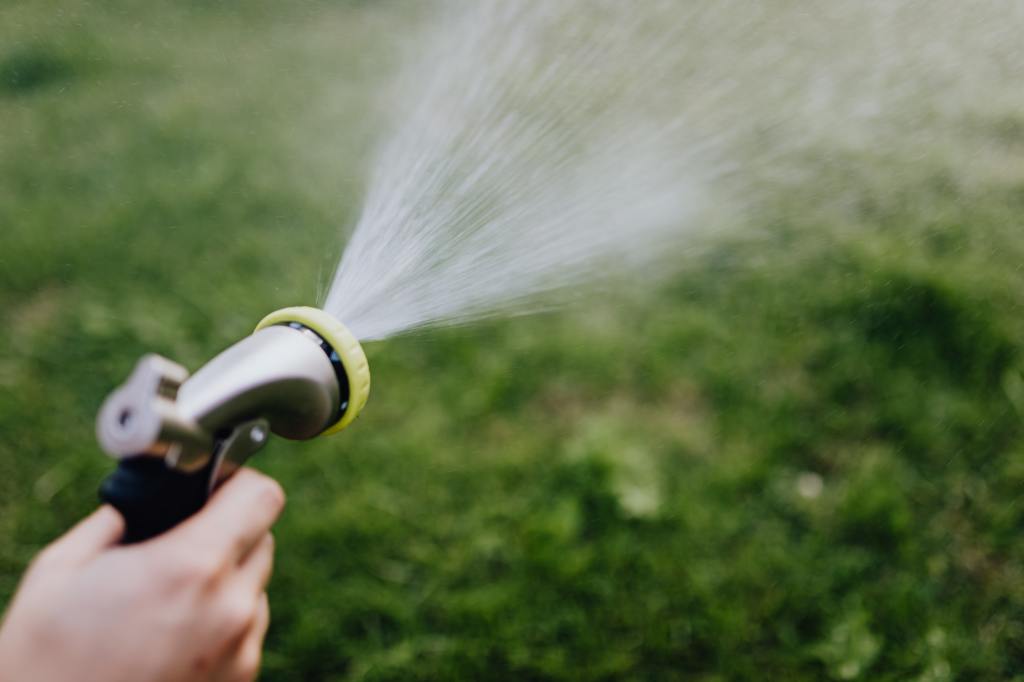
Just last week, I saw someone water their garden an hour after it stopped raining.
I am not kidding…
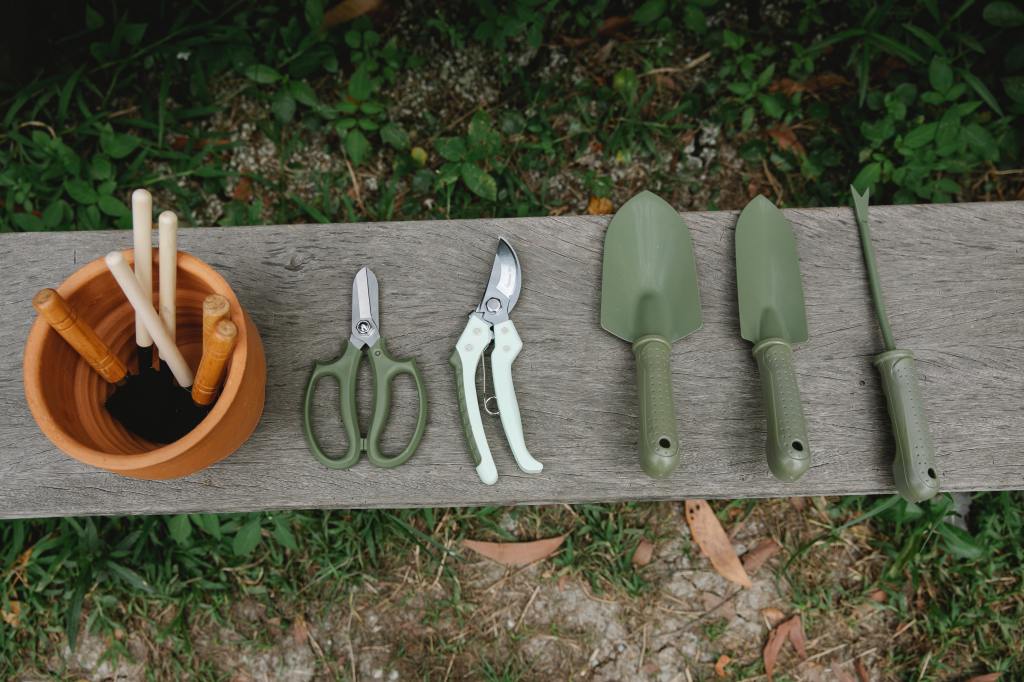
I decided to use the frustration I felt when I saw that, and write about simple ways to spend minimum water when tending to your garden.
I’ll share with you simple tips that I use myself, as well as ideas I discovered just last night when I was doing research.
Water your plants in the morning or evening when temperatures are cooler to reduce evaporation.
Use a watering can, hose, or soaker hose instead of a sprinkler, which can waste a lot of water.
Water your plants deeply and less frequently, rather than a little bit every day. This encourages deep roots and reduces the need for frequent watering.
Consider using drought-resistant plants that are well-adapted to your local climate.
Place mulch around your plants to reduce water evaporation and help retain moisture in the soil.
Gather rainwater in barrels or buckets to use for watering your garden, instead of using tap water.
Use a drip irrigation system to deliver water directly to the roots of your plants, which is more efficient and reduces water waste.
Maintain healthy soil by adding compost and organic matter, which helps retain moisture and reduce the need for frequent watering.
As you can see, some of these ideas are basic, while others require some lateral thinking (especially the first one!)
By implementing these water conservation techniques in your garden, you will greatly reduce your water usage.
And you will also create a more sustainable garden that is better equipped to handle droughts and dry spells.
Do you know any other techniques on how to waste less water when tending to your garden?
Have you ever been to the oral aisle at the supermarket?
There is a huge variety of products.
Manual and electric toothbrushes…
Fluoride and non-fluoride options kinds of toothpaste…
Mouthwash…
The list goes on.
Dental hygiene is important, but it always gets me thinking…
How did our ancestors brush their teeth?
They didn’t have these items.
But apparently, they survived.
I figured that there must have been some kind of a “trick” that they did.
And that in a survival situation, it might come in handy.
When I did some research, I found that they used a variety of methods.
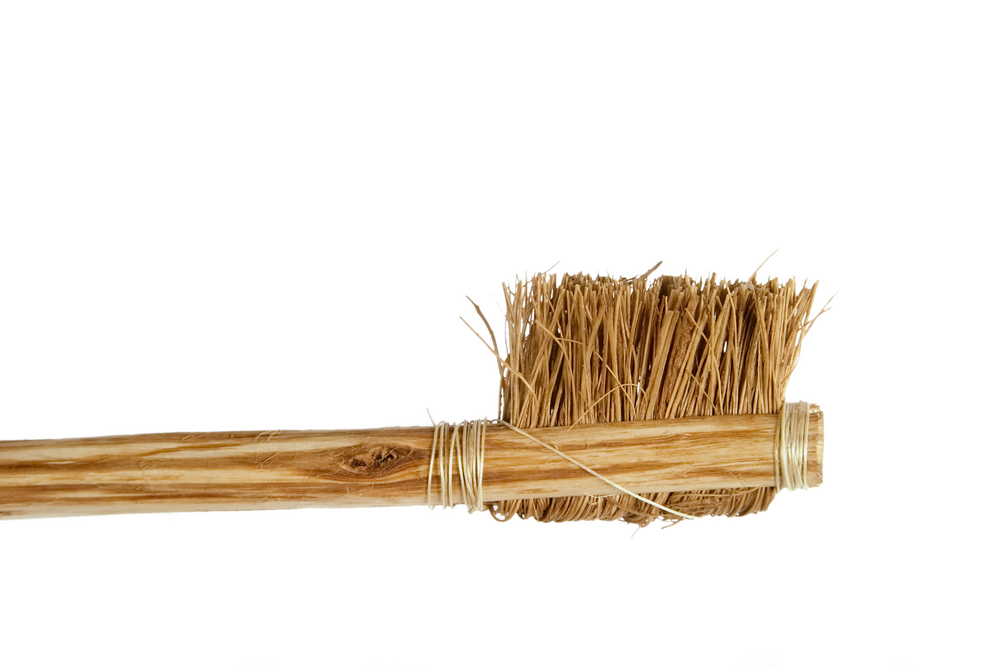
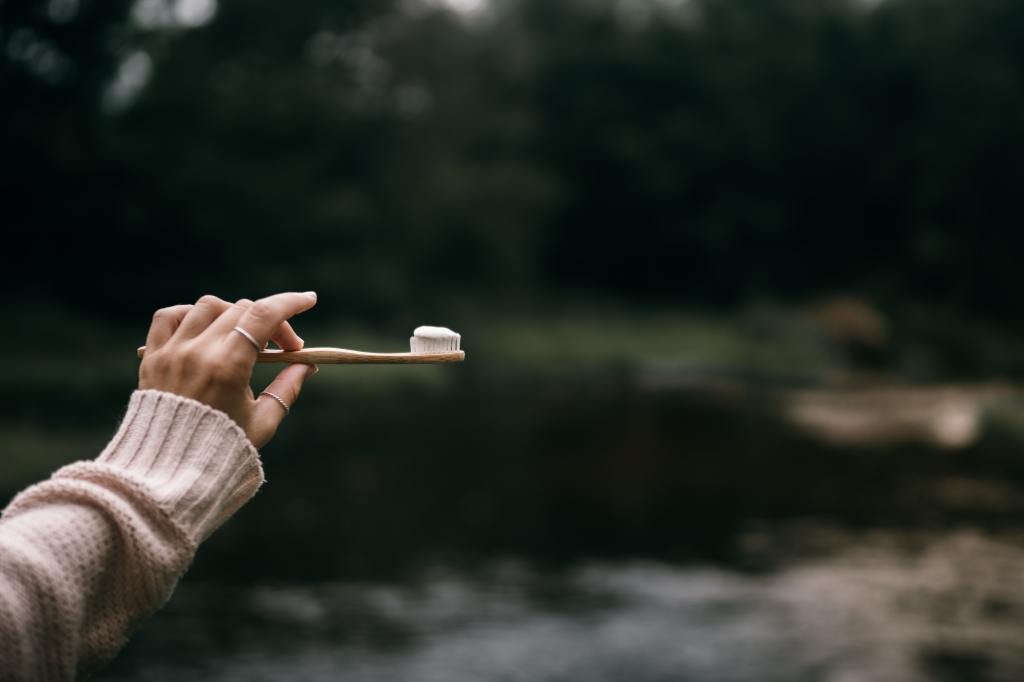
For example, the ancient Egyptians and Greeks used tooth sticks, which were thin sticks or rods that were used to clean their teeth and massage their gums.
The sticks were often made from twigs or other natural materials and were used much like a toothbrush.
In other cultures, people chewed on twigs or leaves that were believed to have cleansing and medicinal properties.
Some used a mixture of ashes and salt to brush their teeth, while others rubbed their teeth with a cloth or used a fingernail to clean them.
As you can see, there are many different ways to maintain oral hygiene.
In a survival situation, it’s okay if you don’t have your usual tools with you.
You can take care of your teeth and gums as best you can, using improvised methods if necessary.
To maintain good dental hygiene in an emergency, it is recommended to:
Rinse your mouth with water regularly to release food particles and plaque.
Use a toothbrush or tooth stick to clean your teeth if possible.
Brush your teeth with baking soda or salt if toothpaste is not available.
You can carry these things in your kit.
But even if you don’t have anything with you, you can improvise to take care of your basic oral needs.
Something is always better than nothing.
We should keep this in mind in every prep we do.
If you happen to know any other ways to maintain oral health in emergencies, I would love to hear them!
Did you know getting good at chess would improve your prepping abilities?
Don’t worry, I’m not going to ask you to learn how to play chess.
In fact, I don’t even know the rules of that game!
But I do know that it requires a lot of strategic thinking.
And that professional chess players can quickly think of 15 or 20 moves ahead in each move.
This is exactly what is needed for prepping.
Being prepared means more than just stocking up on food and weapons.
It means having a comprehensive plan in place that covers a wide range of scenarios and contingencies.
Without a plan, we risk being caught unaware and unable to respond effectively to emergencies.
But planning for emergencies is not easy.
There is always something different to prepare for.
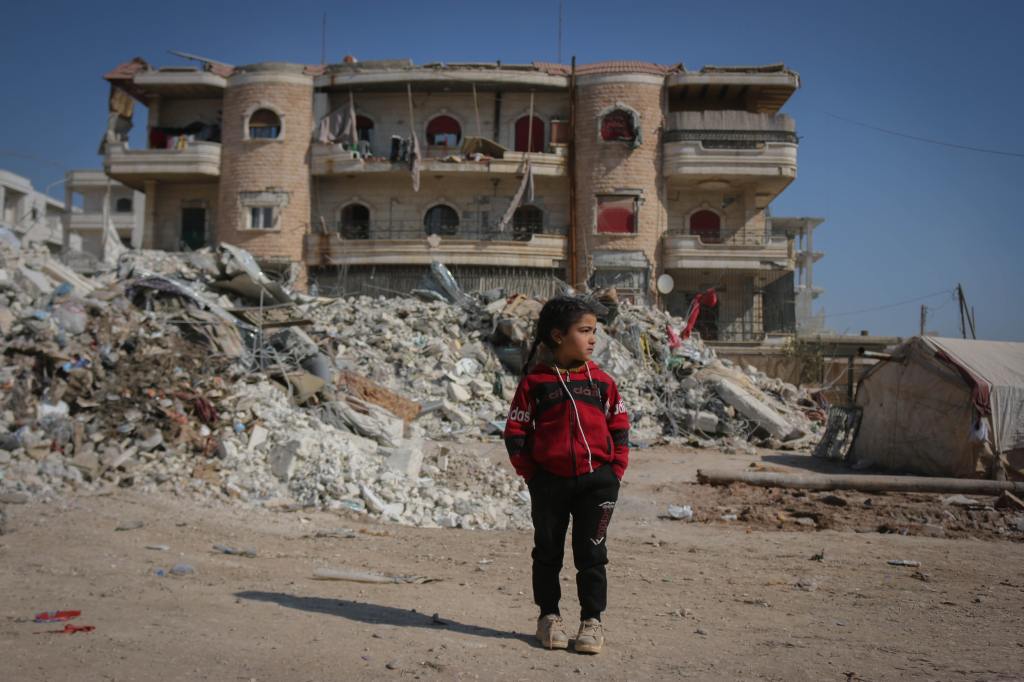
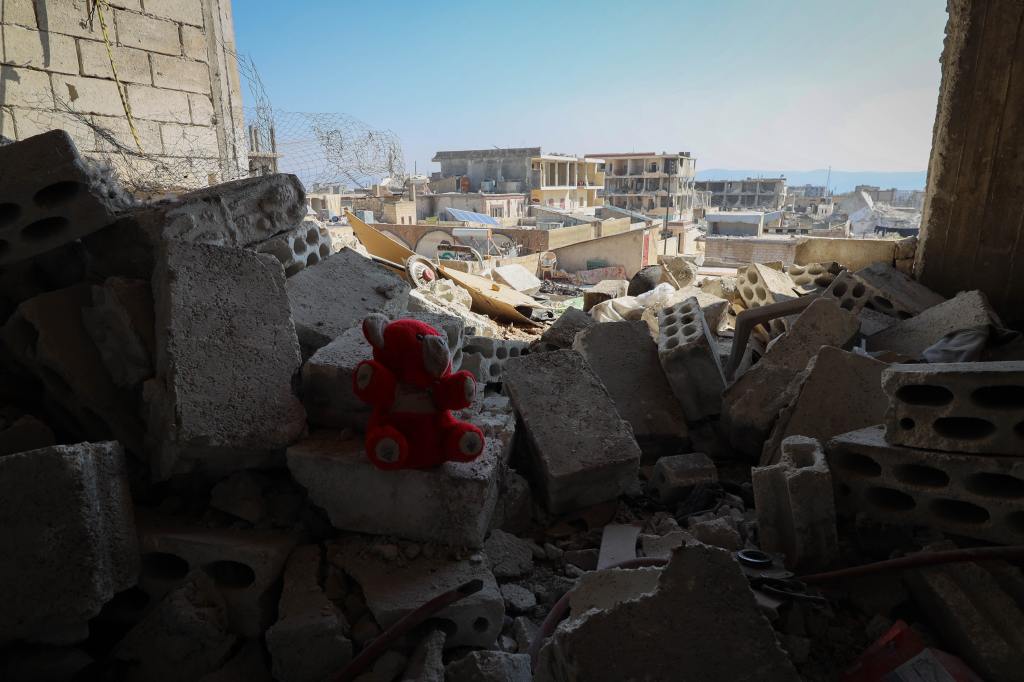
Earthquakes…
Tornados…
Power Outages…
One can’t ever account for everything.
Sometimes we don’t even know what we are preparing for.
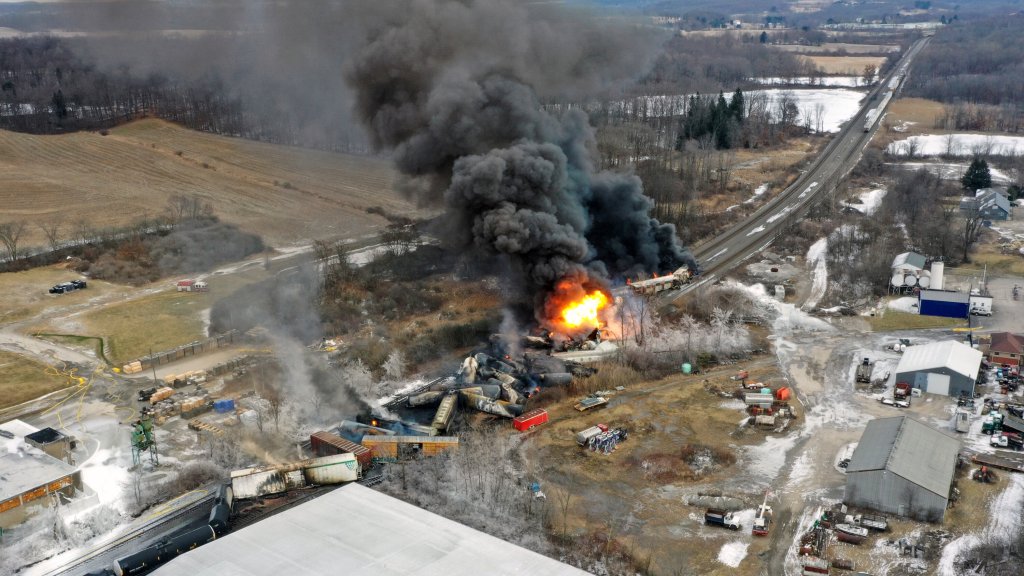
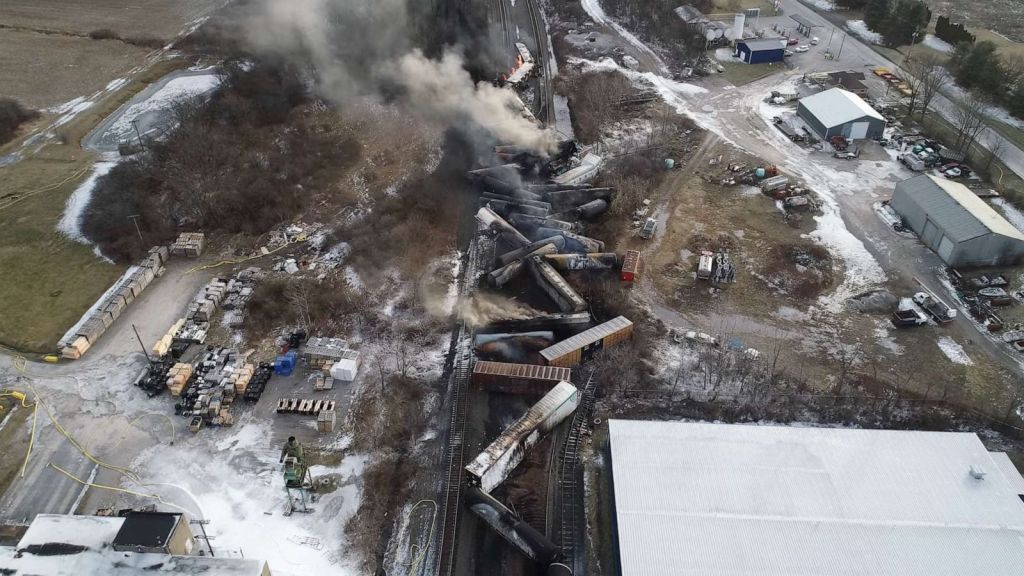
Take the chemical spill in Ohio, for example.
How could the residents see this coming?
And how could they even prepare for it?
Well, the truth is, with a proper planning system, you can prepare for anything.
You’ll see how in a minute.
First, you need to know:
Why Planning Is So Important.
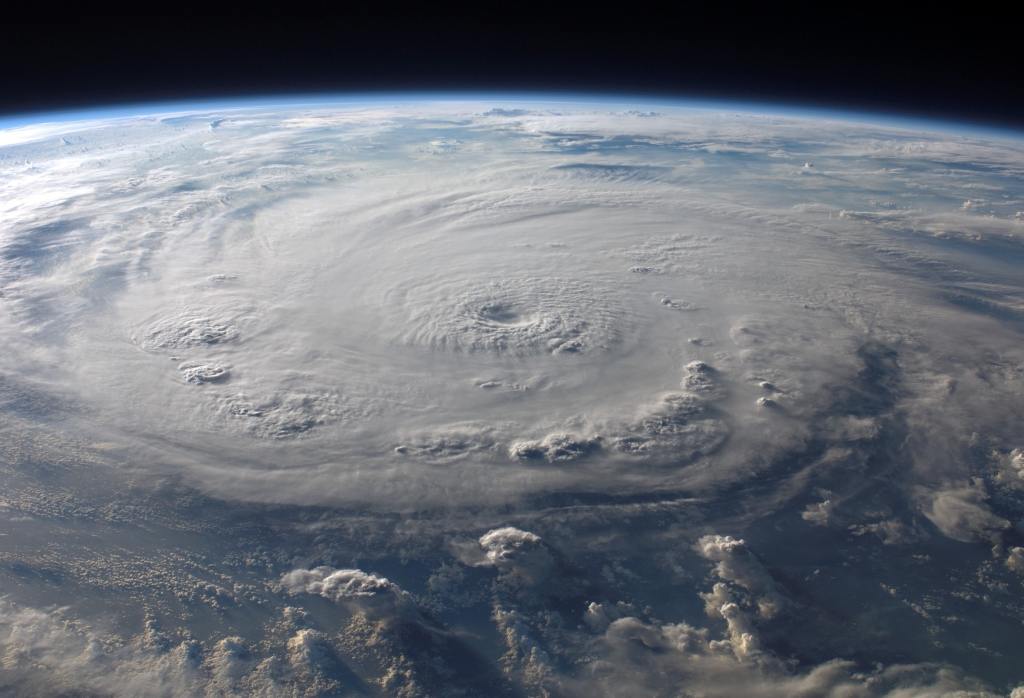
Imagine you lived in an area that is prone to hurricanes.
You’ve stocked up on food and water…
You have a generator…
…and you’ve secured your house as best you can.
You feel confident that you are prepared for the next big storm.
But suddenly, a huge storm hits.
One that is bigger than any other storm your area has seen.
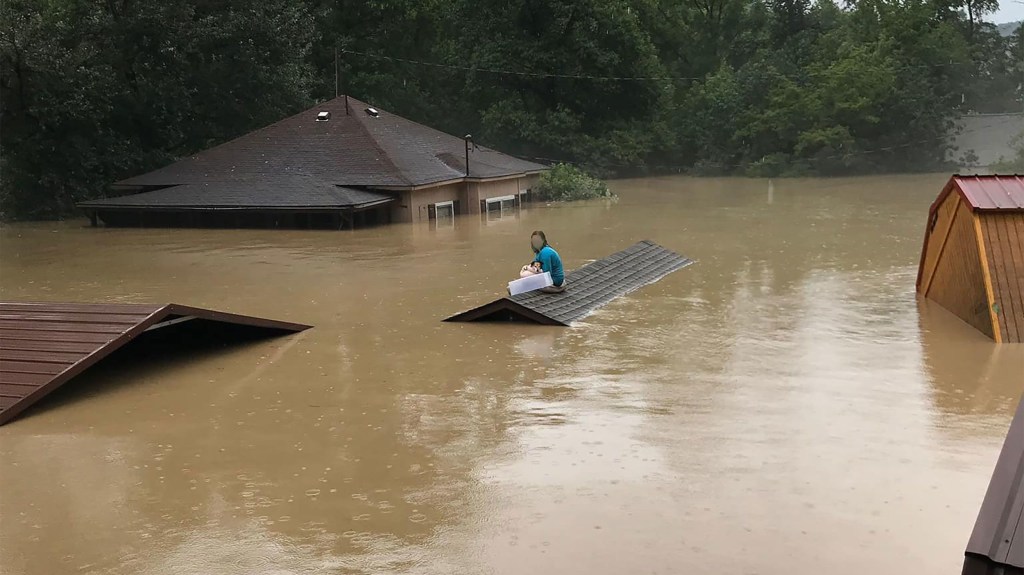
It completely destroys your preparations and your house is not safe anymore.
You have to bug out.
But the issue is, it happened on a school day. And your children still haven’t gotten back from school.
How will you let them know where to meet?
Your smartphone is not working because the power grid stopped working.
It’s a disaster!
Well, this is where foresight comes in handy.
If you had agreed on a meeting place in case your preparations didn’t work, then this would have been solved.
Getting good at planning means preparing for things that most people would not even think about.
Of course, this was a far-fetched scenario…
But it goes to show…
A proper plan can help you and your family overcome even the craziest catastrophe.
That’s why I’ll show you simple ways to become good at this skill.
And give you ideas on how to practice your planning abilities so that you are always ready.
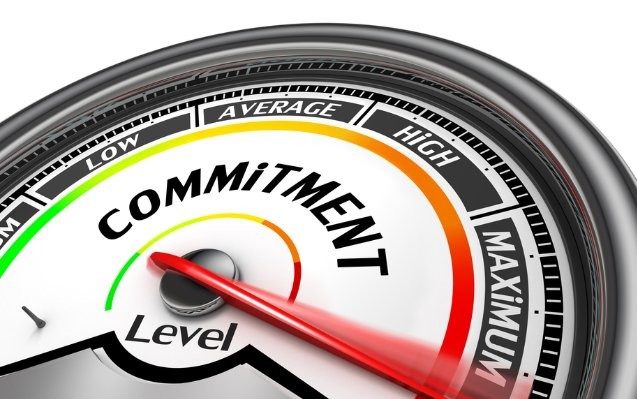
Find Your Commitment Level
Before you start working on your planning skills, there is something that you have to figure out first…
You need to assess your level of commitment.
The reason this is so important is that developing this skill is not something easy.
You will not become good at it overnight.
Just like professional chess players work very hard to improve their skills, you will have to go over some roadblocks.
If you are aware of your commitment level before you even start, however, you will be in a much better position to work through these roadblocks.
Before you read the rest of the article, ask yourself these questions:
How much time and effort are you willing to invest in planning for emergencies?
If improving your planning skills gets too hard, would you continue working on them?
What challenges are you willing to face?
Take your time and honestly answer these questions.
This way, you can set realistic goals for yourself and ensure that you don’t overcommit or burn out.
How To Improve Your Planning Skills
Once you’ve figured out your commitment level, it is finally time to improve your planning abilities.
When it comes to planning for emergencies, there are some key elements that every prepping plan should include.
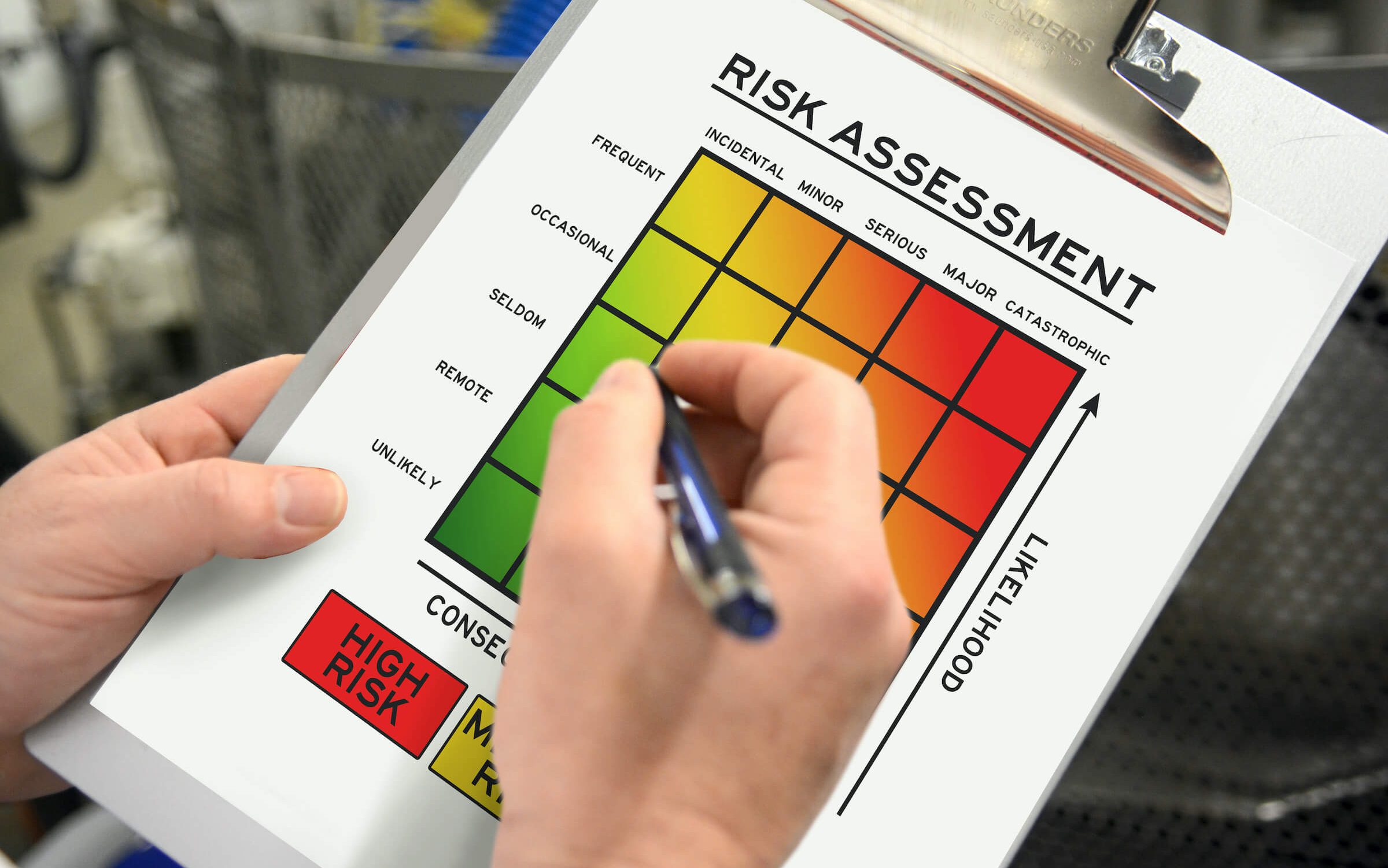
These elements include risk assessment, threat analysis, resource inventory, and contingency planning.
Let’s explore each of these elements in more detail:
Risk assessment.
This is the process of identifying potential risks and hazards that could affect you and your loved ones.
This includes natural disasters, economic collapse, civil unrest, and other potential emergencies.
You can even include risks that are not your plan.
Neglecting to prepare for something is also a risk.
Consider everything that could go wrong.
Threat analysis.
This is where you evaluate the risks.
Conduct a threat analysis to evaluate:
The likelihood of each threat.
The potential impact of each threat.
This will help you prioritize your planning efforts and allocate resources.
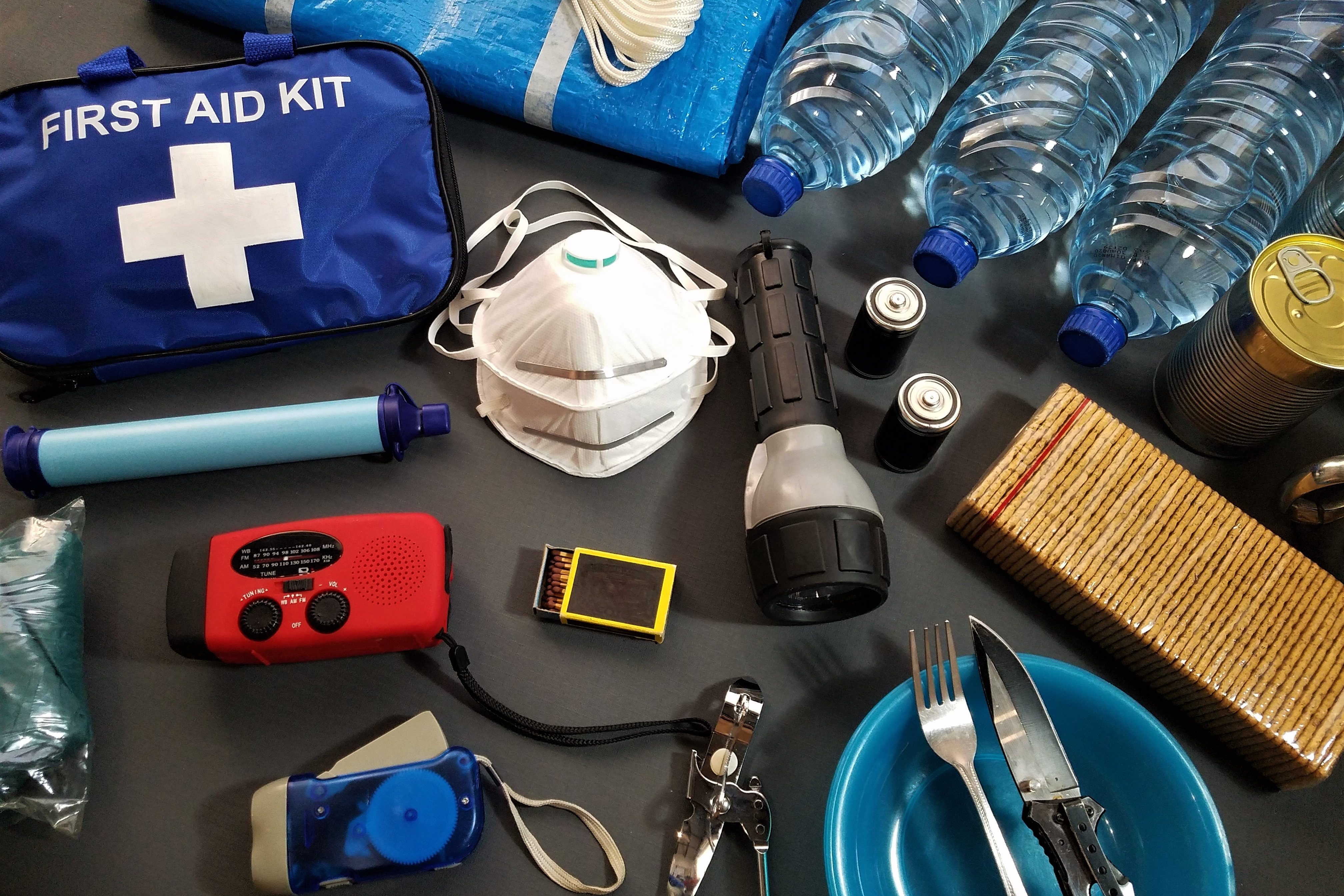
Resource inventory.
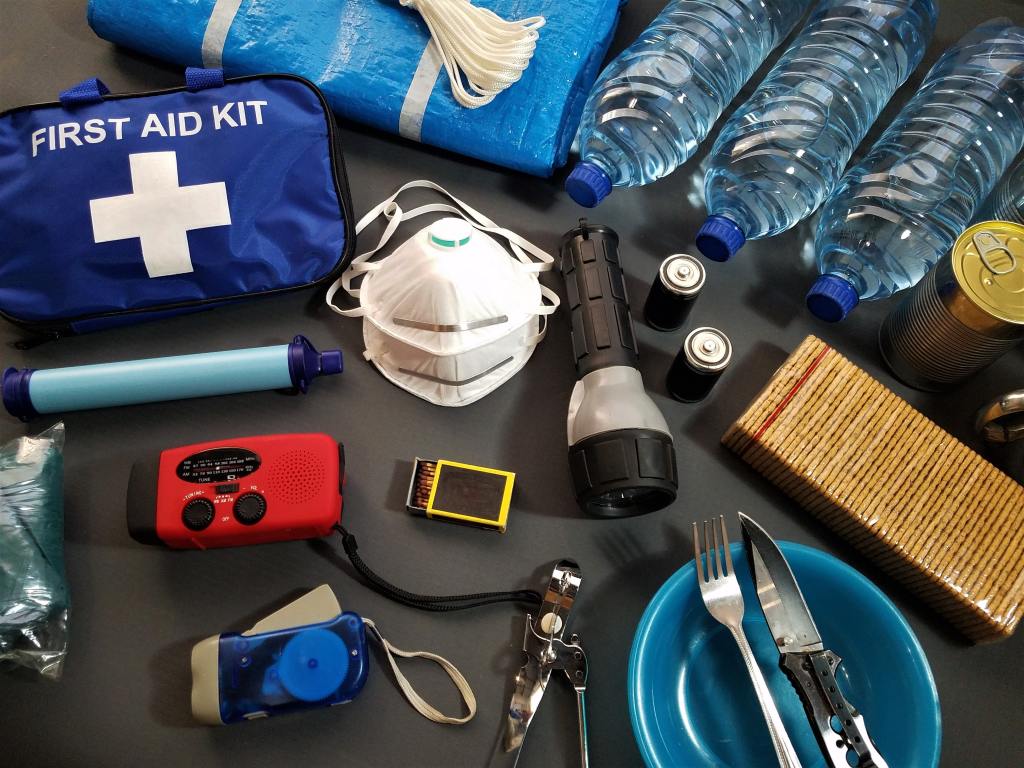
A resource inventory involves taking stock of the resources you have on hand and identifying any gaps in your preparedness.
This includes:
Food,
Water,
Medication
Weapons and ammunition
Other essential items.
Contingency planning.
Contingency planning involves developing a plan B in case your primary plan fails (Remember the storm example?).
This can include backup evacuation routes, secondary locations for shelter, or contingency supply sources.
By including these key elements in your prepping plan, you can be better prepared for a wide range of emergencies and increase your probability of survival.
Tips That Will Make This Easier
If you’ve read this far, you have probably realized that this will take some work.
But, remember, you are committed.
Which means that you are willing to do whatever it takes to become better at planning.
However, this doesn’t mean that you can’t use simple advice that will make this journey easier.
Start small.
If you are not an experienced prepper, it is easy to become overwhelmed.
Start with a simple plan for a specific scenario, such as a short power outage.
This will help you build confidence and develop your planning skills.
Once you feel ready, move on to harder challenges, such as natural disasters.
Set goals.
Determine what you want to achieve with your prepping plan.
And set realistic, measurable goals to help you stay motivated and on track.
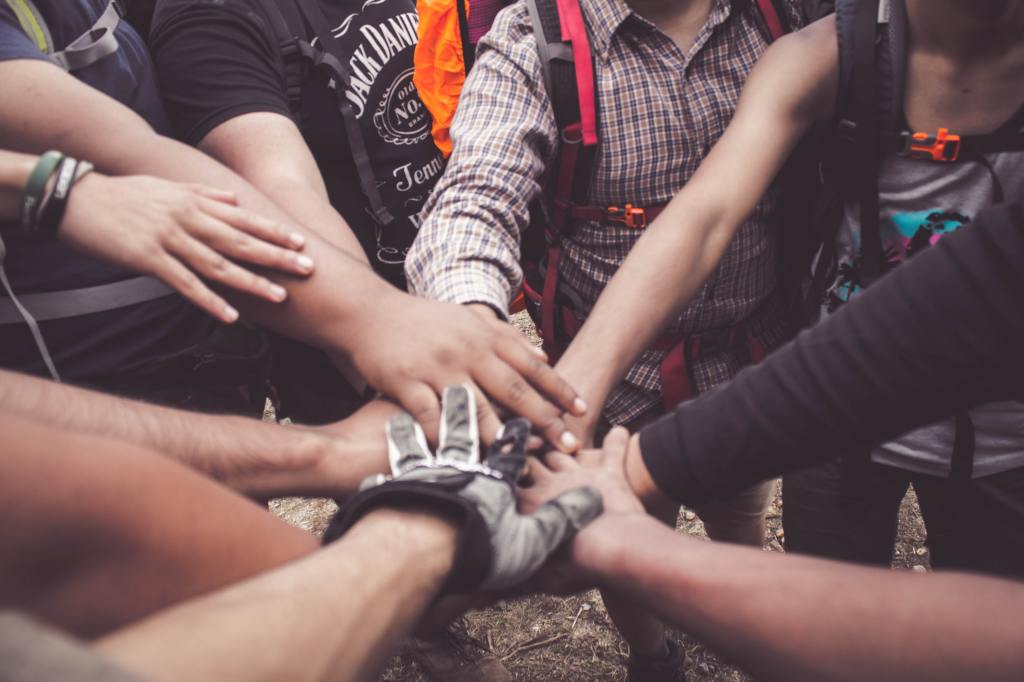
Involve your family.
Doing everything alone is tough. And definitely not fun.
If you involve your whole family in the prepping process, everything will proceed much smoother.
Plus, everyone is going to be on the same page so they will know what to do in emergencies.
Stay organized.
Keep your prepping plan and items organized and easily accessible so you can quickly respond to emergencies.
You can use checklists, journal entries, or your preferred way of taking notes.
Continuously review and update your plan.
The risks we face are constantly changing.
So it’s important to regularly review and update your prepping plan to ensure that it remains effective and relevant.
Planning is a crucial part of prepping.
And can make a huge difference in ensuring your family’s safety.
By developing this skill, you will be in a much better position to survive any emergency.