From Spark to Flame: 10 Essential Fire Starting Techniques

You think you’re ready for the collapse? You think those fancy gadgets and your YouTube education are going to save you when the grid goes dark, the food trucks stop rolling, and the weak start begging for warmth? Think again. Fire is life, and if you can’t conjure a flame out of cold dirt and sweat, you’re just another statistic waiting to happen.

Let me tell you something that’ll stick: Mastering fire isn’t optional. It’s mandatory. It’s the backbone of any real survival setup. You can’t purify water, cook food, stay warm, fend off predators, or signal for rescue without it.

So strap in, sit down, and shut up. This is the only fire-starting lesson you’re getting before the world chews you up.


🔥 10 Essential Fire Starting Techniques
1. Ferro Rod and Striker

This ain’t your grandpa’s Bic lighter. A ferrocerium rod throws sparks hot enough to melt steel—5,500°F. Pair it with a carbon steel striker or the back of your knife and aim for a decent tinder bundle. It’s weatherproof, idiot-proof, and guaranteed to work if you know how to use it.

Survival Skill #1: Know your ferro rod angles. 45-degree strike, consistent pressure, and keep that wrist steady.

2. Flint and Steel
Older than your bloodline and twice as reliable. Strike steel against flint to shower sparks onto char cloth or dry fungus. This is old-world firecraft, and if you can’t manage it, you’re not ready.

Survival Skill #2: Make char cloth at home using cotton scraps and an Altoids tin. If you can’t DIY that, go home.

3. Bow Drill

Yeah, it’s primitive. Yeah, it’s hard. But when your gear fails and your pack’s lost, this baby will still save your skin. You need spindle, hearthboard, bow, and bearing block. No room for weakness or laziness here.

Survival Skill #3: Learn wood types—poplar spindle, cedar board. Get it wrong and you’ll smoke without fire.

4. Fire Plough

Rub a softwood stick into a groove on a hardwood base. Friction builds. Ember forms. Labor-intensive? Hell yes. But in a survival pinch, it’s a lifesaver.

Survival Skill #4: Endurance. If your arms quit, so do you. Keep grinding.

5. Magnesium Block

Scrape off magnesium shavings, then hit it with a spark. It burns hotter than your ex’s temper. Windproof. Wet-proof. Apocalypse-proof.

Survival Skill #5: Always scrape into a pile. Don’t scatter like a fool.

6. Solar Fire (Magnifying Glass or Fresnel Lens)

Use the sun like the burning eye of judgment. Focus that beam onto dry tinder and wait. It’s clean, silent, and free—just like you should be.

Survival Skill #6: Understand sunlight angles. No sun? No dice. Back it up with other methods.

7. Battery and Steel Wool

Touch steel wool to both battery terminals and watch it ignite. Fast and furious. 9-volt works best, but AA will do in a pinch.

Survival Skill #7: Keep steel wool in a Ziploc. Moisture kills this method dead.

8. Lighter

Yeah, I said it. Carry a damn Bic. But don’t trust it. Lighters break. They leak. They lie. But as a backup, it’s a must.

Survival Skill #8: Refillable Zippos are better in the long haul. Learn to repack the cotton and replace the flint.

9. Matches (Stormproof Preferred)
Stockpile the good ones. Dip regular matches in wax for homemade stormproofing. Keep them dry, sealed, and accessible.

Survival Skill #9: Know how to strike with frozen fingers. Practice in the cold.

10. Fire Piston

Science meets caveman. Rapid air compression ignites char cloth in a sealed piston. It’s exotic, but efficient. Just don’t be the idiot who loses the O-ring.

Survival Skill #10: Practice piston technique. This tool punishes the clumsy.


🛠️ 3 DIY Survival Fire Hacks

Hack #1: Vaseline Cotton Balls

Cotton balls soaked in petroleum jelly. Stuff them in an old film canister or pill bottle. Light one spark and you’ve got a 10-minute firestarter. Cheap, lightweight, and rainproof.

Hack #2: Egg Carton Fire Bombs

Take a cardboard egg carton, fill each cup with dryer lint or sawdust, pour in melted wax. When cool, rip off a section and light it. Better than commercial cubes, and made from trash.

Hack #3: Crayon Candles

Out of candles? Break out the kid’s art kit. A single crayon burns 15–30 minutes. Stack three and wrap in foil with a wick, and boom—emergency heat source.


🔥 Why Fire Is Your First and Last Line of Defense
Let me be brutally clear: fire is the only thing between you and death in a real collapse. If you can’t start a fire in 60 seconds under pressure, cold rain, and exhaustion, you’re not a survivor—you’re a liability.

Think the government will save you? That your neighbors will share? That your bug-out bag will somehow work itself? Wake up. The wild doesn’t care. Fire does.

Fire signals to rescue. Fire sterilizes your water. Fire cooks the bacteria out of squirrel meat. Fire scares off predators—man and beast. Fire gives you light when the dark swallows everything.


💥 Final Warning from the Edge

You don’t rise to the occasion. You fall to your level of training. The time to practice isn’t when your fingers are numb and your lungs are wheezing from panic. It’s right now—before the grid fails, before the looters roam, before the cold comes creeping.

Master these 10 techniques like your life depends on it—because it does. Load your bag with the right tools. Memorize the hacks. Drill the skills until they’re muscle memory.

If you’re not building fires weekly, you’re playing with fantasy, not prepping for reality. Don’t be the guy with the $300 knife and no clue how to make a coal.

Get angry. Get obsessed. Get ready.
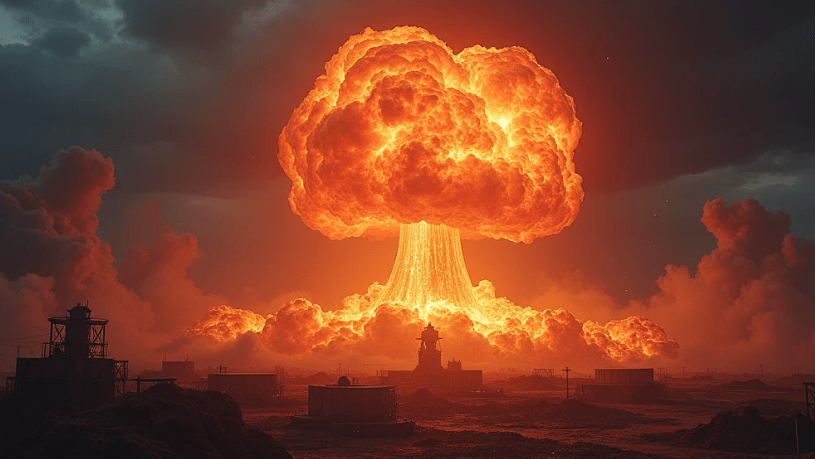
12,000 nuclear warheads : Nuclear Warheads by Nation

Global Arsenal: Nuclear Warheads by Nation

By a Survival Prepper Who Hates War

You don’t have to be a conspiracy theorist to see the writing on the wall. Just look around. The world is bristling with nuclear weapons—hundreds here, thousands there—all prepped to unleash hell in an instant. I’m not some warmonger or doomsday cultist. I’m a survivalist. And I prepare because history tells us time and time again: when you trust governments with this kind of firepower, you’re rolling the dice with human existence.

Today, I’m breaking down the global nuclear arsenal. Not because I admire it. Hell no. But because knowledge is power—and knowing who holds these weapons, and in what quantities, tells you where the flashpoints are. And where not to be when it all goes sideways.

1. Russia – Approx. 5,889 warheads

Let’s start with the bear in the east. Russia has the largest stockpile of nuclear weapons on Earth. Most of these are part of their strategic arsenal—intercontinental ballistic missiles (ICBMs), submarine-launched ballistic missiles (SLBMs), and long-range bombers. Thousands are retired and awaiting dismantlement, but don’t be fooled: around 1,550 are deployed and ready to fly at a moment’s notice.

Russia’s doctrine has shifted toward tactical nukes too—lower-yield weapons designed for use on the battlefield. In a conflict, that makes escalation a lot more likely. You toss a so-called “small” nuke into the mix, and it’s only a matter of time before someone responds with a bigger one.

2. United States – Approx. 5,244 warheads

Right behind Russia is the U.S., with thousands of nuclear warheads scattered across land-based silos, submarines, and air bases around the world. We’ve had these things since Hiroshima and Nagasaki, and instead of phasing them out, we’ve modernized them. New delivery systems, faster response times, more precise targeting.

I don’t say this with pride. I say it with fear. Our own government talks about deterrence like it’s some magic shield. But deterrence is just another word for mutually assured destruction—MAD, they call it. Fitting, isn’t it?

3. China – Approx. 500 warheads (and growing)

China used to be a distant third, but they’re catching up fast. The Chinese Communist Party is building new missile silos in the desert, expanding their submarine fleet, and investing in hypersonic weapons. Analysts think they could have 1,500 warheads by 2035.

They claim a “no first use” policy, but policies change. If there’s one thing I’ve learned, it’s that doctrines mean squat once the missiles start flying.

4. France – Approx. 290 warheads

France likes to remind the world that it’s independent—and its nuclear deterrent is part of that mindset. Their warheads are primarily deployed on submarines, with a few air-launched options. Small arsenal, relatively speaking, but still enough to end millions of lives.

You don’t need thousands of nukes to destroy civilization. A few hundred well-placed warheads can collapse global infrastructure in a matter of hours. EMPs, radiation, firestorms—choose your poison.

5. United Kingdom – Approx. 225 warheads

The UK relies heavily on its Trident submarine fleet. Like France, their arsenal is smaller, but just as deadly. They’ve recently announced plans to raise the cap on warheads—a reversal of disarmament trends. That tells you where we’re headed. Not toward peace, but rearmament. All it takes is one spark—one miscalculation—and boom. Goodbye, London. Goodbye, humanity.

6. Pakistan – Approx. 170 warheads

This is where things get especially dicey. Pakistan’s nuclear posture is India-focused, but the region is volatile. Border clashes, terrorism, political instability—you name it. And let’s not forget that Pakistan is a country where the military holds major sway, and where extremist elements have occasionally infiltrated institutions.

They’ve developed tactical nuclear weapons too—designed to be used in battlefield scenarios. That scares the hell out of me. Tactical nukes lower the threshold for use. Once the line is crossed, there’s no going back.

7. India – Approx. 164 warheads

India and Pakistan are locked in a nuclear arms race that gets less press than it should. India has a no-first-use policy, but again, policies mean little in the fog of war. They’ve got missiles that can reach deep into China and Pakistan, and their triad—land, sea, and air-based delivery—is developing fast.

We’re talking about two countries with historical animosities, border disputes, and major populations packed into small geographic areas. If a nuclear exchange broke out here, the global fallout—literal and political—would be catastrophic.

8. Israel – Estimated 90 warheads (undeclared)

Israel doesn’t officially admit to having nukes, but everyone knows they do. Their policy of “nuclear opacity” is strategic—keeping enemies guessing. But it’s also dangerous. In the Middle East, where trust is thin and grudges run deep, opacity breeds suspicion.

Israel has submarine-launched missiles, air-based delivery, and possibly land-based systems. Their focus is deterrence, particularly against Iran. But if things spiral, that deterrence can become devastation.

9. North Korea – Estimated 30–50 warheads

This is the wild card. North Korea doesn’t just have nukes—they broadcast them like trophies. They’ve tested ICBMs that can reach the U.S. mainland, and they’re refining their warheads for miniaturization and deployment.

The scariest part? We don’t fully know what they’ve got or how stable their chain of command is. In a crisis, logic and strategy might take a back seat to desperation.


The Bigger Picture

In total, we’re looking at over 12,000 nuclear warheads across the globe. Even if only a fraction of those were used, the result would be apocalyptic. According to scientists, just 100 nukes dropped on cities would trigger a nuclear winter—blocking sunlight, destroying crops, and killing billions through starvation.

And yet, we keep building more.

That’s the insanity of it. We’re stockpiling civilization-ending weapons as if it’s business as usual. Politicians talk about modernization and defense budgets like they’re upgrading smartphones. But we’re not upgrading—we’re gambling with the only planet we’ve got.

Why I Prep

I’m not prepping because I think I can survive a full-blown nuclear exchange. No one really “survives” that. I prep because it gives me options. A remote homestead, clean water, radiation filters, food stores—these aren’t luxuries. They’re necessities in a world where the next war might be the last.

But more than prepping for survival, I speak out because I still have hope. Hope that sanity will prevail. Hope that people will realize the madness of nuclear brinkmanship before it’s too late. I hate war because I love life. I love the land, the forests, the animals, the sound of a creek in spring.

Nukes don’t just end wars. They end everything.

Final Word

Here’s what I’ll tell you, prepper to prepper, citizen to citizen: don’t trust any nation with your future. Know what’s out there. Know who holds the keys to Armageddon. And keep your gear ready—not because we want this war, but because the ones in charge sure don’t seem to mind flirting with it.

Stay alert. Stay prepared. And above all, stay human.

The SHTF Wake-Up Call: How to Prepare for a World Where What You Have Is All That Matters

The SHTF Wake-Up Call: How to Prepare for a World Where What You Have Is All That Matters

If you’re still sitting around, thinking that everything is going to be fine and that some miracle will come along to save you, then it’s time for a serious wake-up call. You’ve been warned, and if you haven’t taken action yet, you’re a fool. When shit hits the fan (SHTF) for real, you won’t have time to run to the store and pick up a few cans of beans. You won’t have a backup plan that depends on someone else’s help. The hard truth is, what you have on hand will be ALL that matters. That’s it. You think you’re prepared? Think again. You can’t survive on optimism or hope alone.

So, let me make it crystal clear: You better have your act together now, or you’re done.

The problem with most people today is that they’re completely blind to the real threats we face. They walk around, heads buried in their phones, oblivious to the fact that this whole society could collapse in the blink of an eye. But it’s not just some far-off apocalypse I’m talking about. I’m talking about economic collapse, social unrest, grid failures, natural disasters, pandemics, and everything in between. The kind of world where your food, your water, your shelter, and your ability to protect yourself from the chaos around you will depend entirely on what you’ve managed to gather and the skills you’ve learned.

That’s right. Skills. Skills that you better start mastering now.

Here’s the thing: when the grid goes down and the grocery stores empty out, you won’t be able to waltz into your friendly local convenience store to grab a snack. And let me tell you, unless you live in a rural area and have prepared for the worst, you won’t be seeing those preppers with “lots of ammo and supplies” coming to save you. It’s every man for himself, and you will quickly realize just how unprepared you are if you don’t start taking this seriously.

So, let’s get into it. If you want to survive the collapse, you need to have the right skills in your back pocket. Here are 15 critical SHTF survival skills you need to master before it’s too late.

1. Water Filtration and Purification

If there’s one thing that’s more precious than gold when SHTF, it’s water. You can go without food for weeks, but you can’t survive more than a few days without water. Stockpiling water is smart, but you also need the knowledge to purify any water you come across. Learn how to boil water, use filtration systems, and make DIY purification methods.

2. Fire Starting

A fire isn’t just for cooking or warmth. It’s a beacon for rescue, a deterrent for predators, and a signal to others. Learn how to start a fire with limited supplies. I’m talking about using flint and steel, magnifying glasses, fire starters, and even primitive methods like rubbing sticks together. If you can’t make fire, you’re screwed.

3. Food Preservation

Stockpiling food is essential, but do you know how to make it last? Canning, dehydrating, and fermenting food are all necessary skills. If you’re relying solely on canned goods, you’re setting yourself up for failure in the long run. Learning how to preserve your own food can make the difference between life and death.

4. Self-Defense

Let me say it loud and clear: the world isn’t going to be a safe place when SHTF. People will become desperate, and desperation breeds violence. If you don’t know how to defend yourself—whether that’s with a firearm, a knife, or your bare hands—you’re putting yourself at extreme risk. Learn how to use weapons, but also know how to fight without them.

5. Shelter Building

When your home is no longer safe, you’ll need to know how to build a shelter. Do you know how to construct a lean-to, a tarp shelter, or even use natural resources for protection? If you’re stuck in the wilderness, your survival depends on your ability to stay dry, warm, and protected.

6. Hunting and Fishing

You’re not going to find a butcher shop to supply you with steaks once society falls apart. Knowing how to hunt, fish, trap, and forage is vital for long-term survival. You need to have the skills to put food on the table in a world where hunting for a meal isn’t just a recreational activity.

7. First Aid and Medical Knowledge

When help isn’t on the way, you better know how to take care of yourself. You need more than just a basic first aid kit—you need to know how to use it. Learn basic field medicine, including how to treat wounds, fractures, infections, and even how to perform CPR. The human body is fragile, and when it goes wrong, you’ll be on your own.

8. Navigation

If the GPS goes down, are you prepared to find your way? Learn how to read a map and use a compass. In a collapsed world, you’ll need to be able to navigate through urban areas or the wilderness. Whether you’re running from danger or searching for a safer place, the ability to find your way will be crucial.

9. Bartering

Cash is worthless when the economy collapses, but goods and services still hold value. If you don’t understand how to barter, you’re going to be at a serious disadvantage. Learn how to negotiate and trade supplies or skills to get what you need.

10. Composting and Growing Food

When you can no longer rely on grocery stores, you better know how to grow your own food. If you can’t grow your own crops or raise livestock, you’ll quickly run out of resources. Learn how to compost, plant, and maintain a garden. It’s one of the most valuable survival skills you can have.

11. Mental Toughness

Let’s face it: survival isn’t just about physical skills; it’s also about mental resilience. If you lose your nerve when things get tough, you won’t last long. You need to stay calm, think critically, and be able to make tough decisions when everything around you is falling apart. Mental toughness will be your secret weapon.

12. Improvised Weapons

When ammunition and weapons are scarce, you need to know how to improvise. A sharp stick or a hammer can be just as effective as a firearm in a pinch. Learn how to turn everyday objects into weapons for self-defense.

13. Electricity Alternatives

You won’t have access to the grid when it goes down, so you better know how to create your own power. Solar panels, wind turbines, and hand-crank generators are all viable options. You also need to know how to repair basic electrical systems.

14. Communication

When cell towers and the internet are gone, you need to know how to communicate without relying on modern technology. Ham radios, signal fires, and other low-tech methods will keep you connected when everyone else is in the dark.

15. Mental Health Care

When society breaks down, your emotional and psychological state can make or break your survival. Depression, stress, and anxiety can destroy your ability to function. Learn techniques for maintaining mental health during chaotic times. You need to stay strong, calm, and focused.


3 DIY SHTF Survival Hacks

Now, let’s talk about some simple, DIY hacks that can save your life when SHTF. If you’re relying on a pre-made kit, you’re already behind the curve. Here are three hacks you need to know:

1. DIY Water Filter

You don’t need an expensive water filtration system to clean dirty water. Create a simple water filter using sand, gravel, charcoal, and a piece of cloth. Just layer these materials in a plastic bottle, and it will filter out the bigger contaminants, leaving you with cleaner water. It won’t purify it entirely, but it will make it much safer to drink.

2. DIY Solar Still

If you’re out in the wilderness without access to clean water, a solar still can help. Dig a small hole, place a container at the bottom, and surround it with plastic sheeting. Place a small stone in the center of the plastic to create a low point, and the sun will cause the water to evaporate, collect, and drip into the container. It’s a slow process, but it can provide clean water.

3. Fire Starter with Cotton Balls and Vaseline

When you don’t have matches, and you need to start a fire, make your own fire starter. Soak cotton balls in Vaseline and store them in a waterproof container. When you need to start a fire, just light one of these balls. The Vaseline will act as an accelerant, giving you a fast and hot flame to get your fire going.


If you think all of this is overkill, fine. Keep living in your fantasy world where someone else will save you when the world falls apart. But remember this: when SHTF, what you have is all you’ll have. No backup plans, no help from anyone. It’s time to wake up, get real, and start preparing. Or you’ll be one of the ones begging for help when it’s already too late. Your survival starts now, not tomorrow.

Naked in the Cold: How to Survive Freezing Temperatures Without Clothes

Let me paint a scenario for you, and don’t you dare shrug it off like it’s some movie plot. You’re out in the woods. Maybe you fell into a river, maybe your gear burned up in a freak accident, maybe some psycho stripped you and left you for dead. Doesn’t matter how it happened. The point is: you’re naked, it’s freezing, and you’ve got one job—stay alive.

And I hate to break it to you, but most of you wouldn’t last more than an hour. You’d panic, cry, curl into a ball, and die like a damn amateur. Not because nature is cruel (it is), but because you never trained for rock-bottom scenarios. You thought your gear would save you. You thought “that’ll never happen to me.” Well guess what? Nature doesn’t care about your fantasies. You either adapt, or you die.

So here it is. The hard, cold truth about how to survive when you’ve got nothing. No gear, no clothes, and death breathing down your neck.


First Rule: Panic Kills

You panic, you die. Simple as that. When you start hyperventilating, wasting energy pacing, or screaming for help that’s not coming—you’re burning calories and losing heat. STOP. BREATHE. ASSESS.

Your body is a machine. The moment you’re exposed to freezing temps, it goes into triage mode. Blood rushes to your core to protect vital organs. Your fingers and toes? They’re already expendable. You need to act, not freak out.


Step 1: Get Out of the Wind

Wind is the silent killer. It steals your body heat ten times faster than still air. Find a windbreak—fast. Rock outcroppings, dense bushes, downed trees, snowdrifts—use whatever you can. Dig into the earth or snow if you have to. Create a trench or burrow like your life depends on it, because it does.


Step 2: Insulate Yourself with Nature

No clothes? Fine. Nature’s full of insulation—if you’re not too soft to use it.

Stuff your body with:

  • Dead leaves
  • Dry grass
  • Pine needles
  • Moss
  • Bark shavings

Pack it everywhere: under your arms, between your legs, down your back. Build layers between you and the air. You look like a swamp monster? Who cares? Ugly people survive. Dead people don’t.


Step 3: Fire Is Non-Negotiable

If you can make fire, you make fire. I don’t care if it takes an hour. I don’t care if your hands are bleeding. Fire is warmth. Fire is life.

No tools? Then you’d better have the mental grit to make a bow drill or hand drill. Use dry wood only. Dead standing wood—not fallen, not wet.

DIY Survival Hack #1: Bark Tinder

Strip birch bark or cedar bark into fine fibers and crumple it up. It lights even when damp and burns hot.


Step 4: Shelter—Your First Home is Your Body

You can’t build a mansion out there, but you can make a microclimate.

  • Dig a pit shelter, about 2–3 feet deep.
  • Line the bottom with leaves or pine needles.
  • Build a roof with branches and more debris.
  • If you’ve got snow, use it—snow insulates, moron.

Trap your body heat. Sleep curled up in the fetal position. Don’t sprawl out like you’re on a damn beach.


Step 5: Move, But Not Too Much

You need to generate heat, but not burn calories recklessly. Marching around naked in sub-zero temps? That’s suicide.

  • Do short bursts of exercise: jumping jacks, squats, or arm circles.
  • Keep blood flowing to your extremities.
  • But don’t sweat—sweat is death in the cold. Once you’re wet, you’re done.

15 Cold Survival Skills You’d Better Learn Yesterday:

  1. Fire from friction – Make a bow drill, hand drill, or even fire plow.
  2. Primitive insulation – How to find, dry, and use natural materials to trap heat.
  3. Deadfall shelter building – Quick shelters from branches and snow.
  4. Understanding hypothermia – Recognize signs: slurred speech, shivering stops, confusion = you’re already in danger.
  5. Water purification – Snow isn’t clean; boil or filter it, or risk parasites.
  6. Snow melting without fire – Use body heat or dark containers to melt it slowly.
  7. Cold weather first aid – Treat frostbite and trench foot without a kit.
  8. Tracking wildlife – You may need to hunt or trap. Know the prints and patterns.
  9. Primitive snares – Use vines, shoelaces (if you’ve got ‘em), or bark strips.
  10. Navigating in snow – Landmarks vanish; learn sun and shadow tricks.
  11. Improvised footwear – Bark, grass, or thick moss tied with vines—protect your feet!
  12. Stone blade crafting – Shatter rocks to make usable edges.
  13. Snow cave construction – Done right, a snow cave keeps you at 32°F even if it’s -10°F outside.
  14. Mental survival conditioning – Training yourself to push through panic, pain, and despair.
  15. Signal making in snow – Contrasts with debris, fire smoke, or body tracks.

DIY Survival Hack #1: Body Heat Battery

If you’re freezing and alone, dig a depression in the snow and line it with dry material. Curl up, pee if you have to, and trap your own heat. Human urine, gross as it sounds, is warm and sterile and can raise core temp briefly. You’re not too good for it. Use everything.


DIY Survival Hack #2: Makeshift Mittens and Socks

No gloves? Wrap your hands and feet in multiple layers of natural debris, then cover that with bark or strips of flexible wood. Bind with vines or twisted grasses. It’s not pretty—but it buys you time.


Eat or Die Trying

Calories = heat. You need fat and protein, period. Look for:

  • Grubs under logs (yes, eat the damn bug)
  • Squirrels, rabbits (trap ‘em or club ‘em)
  • Edible bark (inner bark of pine and birch is chewable)
  • Fish (use sharpened sticks as spears)

If you’re too squeamish to eat a raw grub, you don’t deserve to survive. Sorry, but that’s the truth.


Final Word: This Ain’t Hollywood

You’re not Bear Grylls, and no one’s coming with a helicopter. When you’re naked in the cold, it’s just you, your wits, and your will to live.

Most people would rather die than crawl through mud, eat bugs, or sleep in a pile of leaves. They want dignity. Guess what? Dignity is for funerals. Out here, you either fight for every shivering second, or you freeze to death while whispering regrets.

So memorize this: You are not fragile. You are not helpless. You are not dead—until you give up.

You want to survive the cold with nothing? Then start acting like someone who deserves to survive.

And don’t wait for disaster to find you. Go out, strip down, and test yourself. Train. Prepare. Because the next time you’re naked in the cold, there won’t be a second chance.

You either make it out… or you become one more frozen idiot people tell stories about.