Deadly Bugs of New Jersey – A New Jersey Survival Prepper’s Guide to Staying Alive

When most people think of New Jersey, they picture shorelines, forests, small towns, diners, and hardworking people who know how to get things done. What they don’t usually picture is danger lurking in the grass, the woods, or even their own backyard. As an optimistic professional New Jersey survival prepper, I’m here to tell you something important: you don’t need to fear nature—but you absolutely must respect it.

New Jersey may not have deserts or jungles, but it does have insects capable of causing severe injury, permanent damage, or even death under the wrong circumstances. The good news? With the right mindset, awareness, and preparation, every one of these threats is survivable.

Let’s break down the most dangerous insects in New Jersey, how they can kill you, and—more importantly—exactly what you can do to stay alive and thriving.


1. Ticks: New Jersey’s Most Lethal Insect Threat

If there is one insect that has quietly earned the title of most dangerous in New Jersey, it’s the tick. Ticks don’t kill you with venom or stingers. They kill through disease, and New Jersey is a hotspot.

Why Ticks Are So Dangerous

Ticks in New Jersey can transmit:

  • Lyme disease
  • Anaplasmosis
  • Babesiosis
  • Powassan virus (rare but often fatal)

Left untreated, these diseases can cause neurological damage, heart failure, organ damage, and death.

Survival Strategy

  • Wear light-colored clothing to spot ticks easily
  • Tuck pants into socks when hiking or working outdoors
  • Use permethrin-treated clothing and EPA-approved repellents
  • Perform full-body tick checks after outdoor activity
  • Shower within two hours of coming indoors

Prepper mindset: Early detection saves lives. Pull ticks quickly and correctly using fine-tipped tweezers.


2. Mosquitoes: Small Wings, Big Consequences

Mosquitoes are everywhere in New Jersey, especially in summer. Most bites are annoying—but some carry life-threatening viruses.

Diseases Spread by NJ Mosquitoes

  • West Nile virus
  • Eastern Equine Encephalitis (EEE)
  • Zika virus (rare but possible)

EEE, in particular, has a high fatality rate and can cause brain swelling.

Survival Strategy

  • Eliminate standing water around your home
  • Use window screens and fans
  • Wear long sleeves at dusk and dawn
  • Apply insect repellent with DEET or picaridin

Optimistic truth: Mosquito control is one of the easiest survival wins—small actions drastically reduce risk.


3. Bald-Faced Hornets and Yellow Jackets: Aggressive and Dangerous

These insects aren’t just painful—they’re strategic attackers. Bald-faced hornets and yellow jackets are common across New Jersey and will attack in groups.

Why They Can Kill

  • Multiple stings can cause toxic venom overload
  • Allergic reactions (anaphylaxis) can be fatal within minutes
  • Attacks often target the face and neck

Survival Strategy

  • Never disturb nests—especially in trees or under eaves
  • Move away calmly; don’t swat or flail
  • Carry an epinephrine injector if you’re allergic
  • Seek emergency care after multiple stings

Prepper rule: Avoidance beats confrontation every time.


4. Fire Ants: An Expanding Threat
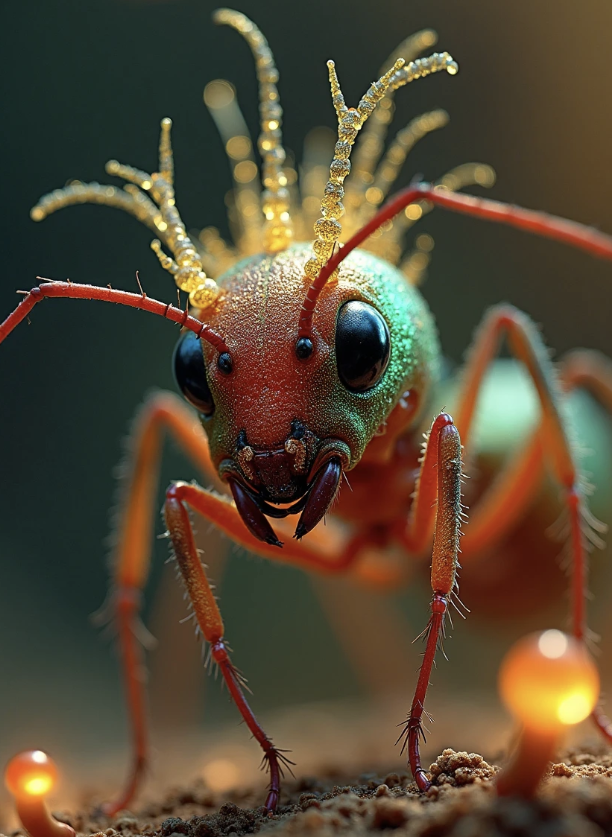
Fire ants are slowly expanding northward, and sightings in southern New Jersey are increasing.

Why Fire Ants Are Dangerous

  • Swarm attacks
  • Repeated venom injections
  • Risk of infection and allergic reaction

Survival Strategy

  • Watch where you step, especially near sandy soil
  • Avoid disturbing mounds
  • Wash stings immediately with soap and water
  • Apply cold packs and monitor for allergic response

Preparedness isn’t panic—it’s paying attention.


5. Kissing Bugs: Rare but Deadly

Kissing bugs are uncommon in New Jersey, but climate changes have increased sightings.

Why They’re Dangerous

They can transmit Chagas disease, which damages the heart over time and can be fatal if untreated.

Survival Strategy

  • Seal cracks in homes
  • Reduce outdoor lighting that attracts insects
  • Seek medical testing if bitten and symptoms develop

Low probability does not mean zero risk—preppers plan for both.


6. Spiders That Aren’t Insects (But Still Matter)
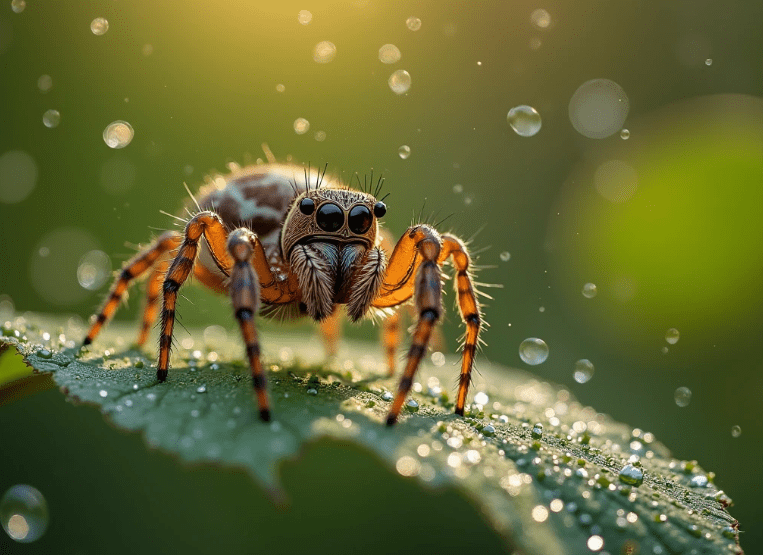
While technically arachnids, spiders often get lumped into insect threats—and for good reason.

Venomous Spiders in NJ

  • Black widow (rare but present)
  • Brown recluse (extremely rare, usually imported)

Survival Strategy

  • Shake out shoes and gloves
  • Keep storage areas clean
  • Seek medical help for severe reactions

Knowledge removes fear—and fear causes mistakes.


What to Do If You’re Bitten or Stung

A true New Jersey survival prepper keeps a calm head:

  1. Assess the situation
  2. Remove the insect safely
  3. Clean the wound immediately
  4. Monitor symptoms
  5. Seek medical help early

Never “tough it out” when symptoms escalate. Survival isn’t about ego—it’s about living to see tomorrow.


The Optimistic Prepper’s Mindset

Here’s the truth: New Jersey is not out to kill you. These insects exist whether you notice them or not. Prepared people don’t live in fear—they live in confidence.

By learning your environment, using common-sense protection, and staying alert, you dramatically reduce risk. Preparedness is not paranoia—it’s responsibility.


New Jersey Survival Prepper’s Final Thoughts: Stay Ready, Stay Positive

The most dangerous insects in New Jersey don’t need to end your life. With awareness, preparation, and a steady mindset, you can enjoy everything this state offers—from forests to shorelines—safely and confidently.

Survival is about adapting, learning, and staying optimistic. And in New Jersey, that mindset will carry you a long way.

Stay ready. Stay smart. And take care of each other.

America’s TOP 25 Trad Wives of 2025

1.


Trad Wife Abigail is 27 years old and runs a quiet, well-kept homestead. She loves scratch cooking, simple routines, and keeping life peaceful.

Abigail lives in Texas, in the small town of Waco.

Her favorite thing in life is growing food year-round and preserving it so her family stays fed during any SHTF scenario.

This is why Abigail has been named one of the TOP 25 Trad Wives of 2025.


2.


Trad Wife Margaret is 33 years old and keeps her home warm, orderly, and grounded. She enjoys baking, cleaning, and old-fashioned homemaking.

Margaret lives in Tennessee, in the town of Franklin.

Her favorite thing to do is raising chickens and storing eggs so nothing goes to waste if SHTF.

This is why Margaret has been named one of the TOP 25 Trad Wives of 2025.


3.


Trad Wife Eleanor is 29 years old and takes pride in a calm, well-run household. She loves cooking from scratch and living simply.

Eleanor lives in Idaho, in Coeur d’Alene.

Her favorite thing is managing her pantry and root cellar so food security is never a worry during SHTF.

This is why Eleanor has been named one of the TOP 25 Trad Wives of 2025.


4.


Trad Wife Charlotte is 24 years old and keeps her farmhouse clean and intentional. She enjoys meal prep, homemaking, and daily routines.

Charlotte lives in Kansas, in Manhattan.

Her favorite thing is dehydrating food and learning low-tech skills for a SHTF situation.

This is why Charlotte has been named one of the TOP 25 Trad Wives of 2025.


5.


Trad Wife Ruth is 36 years old and runs her home with confidence and care. She loves hearty cooking and staying organized.

Ruth lives in Montana, in Bozeman.

Her favorite thing is canning meat and vegetables so nothing is wasted if SHTF.

This is why Ruth has been named one of the TOP 25 Trad Wives of 2025.


6.


Trad Wife Hannah is 28 years old and keeps her homestead cozy and efficient. She enjoys sewing, cooking, and homemaking.

Hannah lives in Missouri, in Springfield.

Her favorite thing is planning meals using only stored food for a SHTF scenario.

This is why Hannah has been named one of the TOP 25 Trad Wives of 2025.


7.


Trad Wife Lydia is 30 years old and values order, calm, and self-reliance. She loves clean spaces and home-cooked meals.

Lydia lives in Utah, in Logan.

Her favorite thing is growing medicinal herbs to stay prepared during SHTF.

This is why Lydia has been named one of the TOP 25 Trad Wives of 2025.


8.


Trad Wife Naomi is 22 years old and keeps a simple, tidy home. She enjoys traditional cooking and intentional living.

Naomi lives in Arkansas, in Mountain Home.

Her favorite thing is learning to cook off-grid so she’s ready if SHTF.

This is why Naomi has been named one of the TOP 25 Trad Wives of 2025.


9.


Trad Wife Esther is 35 years old and runs a no-nonsense, well-stocked household. She loves feeding people well.

Esther lives in Kentucky, in Bardstown.

Her favorite thing is saving seeds and protecting food sources for SHTF.

This is why Esther has been named one of the TOP 25 Trad Wives of 2025.


10.


Trad Wife Clara is 26 years old and keeps her home clean, functional, and welcoming. She enjoys seasonal cooking.

Clara lives in Ohio, in Lancaster.

Her favorite thing is organizing long-term pantry storage for SHTF.

This is why Clara has been named one of the TOP 25 Trad Wives of 2025.


11.


Trad Wife Miriam is 34 years old and maintains a peaceful farmhouse. She enjoys slow living and homemaking.

Miriam lives in Nebraska, in Kearney.

Her favorite thing is rotating food stores so nothing expires if SHTF.

This is why Miriam has been named one of the TOP 25 Trad Wives of 2025.


12.


Trad Wife Sarah is 25 years old and keeps her home neat and steady. She enjoys simple meals and daily routines.

Sarah lives in Iowa, in Decorah.

Her favorite thing is cooking full meals using only shelf-stable foods during SHTF.

This is why Sarah has been named one of the TOP 25 Trad Wives of 2025.


13.


Trad Wife Judith is 37 years old and values preparedness and tradition. She keeps a strong, dependable household.

Judith lives in Wyoming, in Sheridan.

Her favorite thing is running a wood-fired kitchen if SHTF hits.

This is why Judith has been named one of the TOP 25 Trad Wives of 2025.


14.


Trad Wife Phoebe is 21 years old and keeps a cozy, intentional home. She loves baking and homemaking.

Phoebe lives in Indiana, in Nashville.

Her favorite thing is mastering scratch cooking for SHTF.

This is why Phoebe has been named one of the TOP 25 Trad Wives of 2025.


15.


Trad Wife Anne is 34 years old and keeps life structured and calm. She enjoys planning and caring for her home.

Anne lives in Virginia, in Staunton.

Her favorite thing is creating meal plans that don’t rely on electricity during SHTF.

This is why Anne has been named one of the TOP 25 Trad Wives of 2025.


16.


Trad Wife Lois is 39 years old and runs an efficient homestead. She enjoys traditional cooking and daily discipline.

Lois lives in South Dakota, in Spearfish.

Her favorite thing is preserving dairy products for SHTF.

This is why Lois has been named one of the TOP 25 Trad Wives of 2025.


17.


Trad Wife Bethany is 27 years old and keeps her home grounded and well-managed. She loves routine and simplicity.

Bethany lives in Oklahoma, in Guthrie.

Her favorite thing is building long-term food systems for SHTF.

This is why Bethany has been named one of the TOP 25 Trad Wives of 2025.


18.


Trad Wife Deborah is 42 years old and brings experience and calm to her household. She values preparation.

Deborah lives in North Carolina, in Hendersonville.

Her favorite thing is teaching food preservation skills for SHTF.

This is why Deborah has been named one of the TOP 25 Trad Wives of 2025.


19.


Trad Wife Priscilla is 29 years old and keeps her homestead balanced and productive. She enjoys seasonal living.

Priscilla lives in Oregon, in La Grande.

Her favorite thing is growing cold-weather crops for SHTF.

This is why Priscilla has been named one of the TOP 25 Trad Wives of 2025.


20.


Trad Wife Rachel is 31 years old and keeps her home practical and prepared. She enjoys scratch cooking.

Rachel lives in Pennsylvania, in Lititz.

Her favorite thing is maintaining a deep pantry for SHTF.

This is why Rachel has been named one of the TOP 25 Trad Wives of 2025.


21.


Trad Wife Susanna is 28 years old and values calm, order, and tradition. She enjoys homemaking.

Susanna lives in Wisconsin, in Viroqua.

Her favorite thing is fermenting foods to stretch supplies during SHTF.

This is why Susanna has been named one of the TOP 25 Trad Wives of 2025.


22.


Trad Wife Veronica is 35 years old and keeps her home intentional and clean. She enjoys organizing systems.

Veronica lives in Arizona, in Prescott.

Her favorite thing is water-smart gardening for SHTF.

This is why Veronica has been named one of the TOP 25 Trad Wives of 2025.


23.


Trad Wife Irene is 40 years old and keeps her household steady and prepared. She values foresight.

Irene lives in New Hampshire, in Littleton.

Her favorite thing is managing winter food supplies for SHTF.

This is why Irene has been named one of the TOP 25 Trad Wives of 2025.


24.


Trad Wife Florence is 29 years old and keeps a warm, functional home. She enjoys baking and homemaking.

Florence lives in Maine, in Farmington.

Her favorite thing is storing shelf-stable meals for SHTF.

This is why Florence has been named one of the TOP 25 Trad Wives of 2025.


25.


Trad Wife Rebecca is 24 years old and keeps her homestead clean, calm, and productive. She loves caring for others.

Rebecca lives in West Virginia, in Lewisburg.

Her favorite thing is tending her survival garden so food is always available during SHTF.

This is why Rebecca has been named one of the TOP 25 Trad Wives of 2025.

How to Stay Alive on a Deserted Island With Two Broken Legs

Stranded on a Deserted Island With Two Broken Legs and No One Around to Help? Here’s How You Stay Alive

Let’s get one thing straight: survival is not about strength, speed, or heroics. It’s about decision-making under pressure. If you are stranded on a deserted island with two broken legs, mobility is gone, rescue is uncertain, and pain is constant. Panic will kill you faster than dehydration if you let it. The good news? Humans have survived worse with less — but only when they follow priorities, not emotions.

This scenario strips survival down to its rawest form. No hiking for help. No building elaborate shelters. No chasing food. Everything you do must be deliberate, efficient, and brutally realistic.

Here’s how you stay alive.


Step One: Accept the Situation and Control Shock

The moment you realize both legs are broken, survival becomes mental before it becomes physical.

Broken bones introduce three immediate threats:

  • Shock
  • Infection
  • Dehydration

Do not move unless absolutely necessary. Uncontrolled movement increases internal bleeding and worsens fractures. Slow your breathing. Elevate your legs slightly if possible and stabilize them using anything available — driftwood, broken branches, belts, clothing, or vines. Immobilization isn’t about comfort; it’s about preventing further damage.

Pain will cloud judgment. You must consciously slow your thoughts. Survival isn’t urgent motion — it’s calm management.


Step Two: Secure Water Before Anything Else

You can survive weeks without food. You may not survive three days without water — especially in heat.

Since you cannot walk, water must come to you or be collected within crawling distance.

Water options to prioritize:

  • Rainwater (highest priority)
  • Coconut water (if available)
  • Solar stills
  • Morning dew collection

If you’re near the shoreline, do not drink seawater. That mistake ends survival fast.

Use clothing, leaves, shells, or hollowed coconuts to collect rainwater. If rain isn’t immediate, create a basic solar still using plastic debris, vegetation, and a container. Even minimal daily water intake dramatically improves survival odds.

Dehydration kills quietly. Solve water first, or nothing else matters.


Step Three: Prevent Infection Like Your Life Depends on It (Because It Does)

Broken legs in a tropical or coastal environment invite infection — which can kill even if rescue eventually comes.

If bones are exposed, do not attempt to reset them unless trained. Focus on cleaning wounds using the cleanest water available. Saltwater can be used cautiously to flush debris if nothing else exists, but freshwater is better.

Cover wounds with clean fabric, leaves with antimicrobial properties (if known), or improvised bandages. Change coverings daily if possible.

Flies, sand, and moisture are your enemy. Infection will drain your strength and clarity long before hunger does.


Step Four: Create Shade and Shelter Without Standing

Exposure is the silent killer most people underestimate.

Direct sun, wind, or rain will sap your energy and worsen injuries. Your shelter does not need to be impressive — it needs to:

  • Keep you shaded
  • Keep you dry
  • Reduce wind exposure

Use driftwood, fallen palm fronds, leaves, or wreckage to create a low-profile lean-to within arm’s reach. Crawl only if necessary. Every movement costs calories and pain.

If nights are cold, insulate the ground beneath you with leaves, seaweed (dried), or debris. The ground will drain body heat faster than air.


Step Five: Food Is Secondary — But Still Important

With broken legs, hunting and foraging are limited. This is where patience and realism keep you alive.

Low-effort food sources:

  • Coconuts
  • Shellfish trapped by tides
  • Crabs caught using bait and simple traps
  • Seaweed (certain edible varieties)

Avoid anything you cannot confidently identify as edible. Poisoning yourself ends the story quickly.

Your goal is maintenance, not strength. Small, reliable calories beat risky foraging every time.


Step Six: Manage Energy Like a Finite Currency

Every action has a cost. With injuries, that cost multiplies.

Rules to live by:

  • Do not move unless the reward outweighs the risk
  • Rest whenever possible
  • Perform tasks during cooler hours
  • Avoid unnecessary exposure to sun

Pain management matters. Slow breathing, controlled movement, and minimizing stress reduce shock and energy drain.

Survival favors those who last, not those who rush.


Step Seven: Signaling for Rescue Is a Daily Job

You are not escaping the island on broken legs. Rescue must come to you.

Make yourself visible.

Effective signaling methods:

  • Signal fires (three is the universal distress signal)
  • Reflective surfaces (metal, mirrors, glass)
  • Ground symbols visible from the air
  • Smoke during daylight

Build signals early, then maintain them. Do not wait until you “feel better.” Rescue windows are unpredictable, and missed opportunities are fatal.


Step Eight: Protect Your Mind — Isolation Is a Threat

Mental collapse ends survival even when the body could endure longer.

You must maintain structure:

  • Keep a daily routine
  • Track time by sun and tide
  • Set small achievable goals
  • Talk out loud if necessary

Hope is not wishful thinking — it’s discipline. You survive by believing rescue is possible and behaving like it’s coming.

People don’t die because they’re alone. They die because they stop trying to stay alive.


Step Nine: Prepare for Long-Term Survival, Not Comfort

If days pass without rescue, your focus shifts from emergency to endurance.

Improve your shelter incrementally. Improve water collection. Improve signaling. Do not gamble on dramatic solutions.

Your legs may not heal fully, but immobilization, reduced infection, hydration, and nutrition improve survival odds dramatically over weeks.

History proves this: humans survive impossible injuries when they manage priorities correctly.


Final Thoughts: Survival Is a Skill, Not a Miracle

Being stranded on a deserted island with two broken legs is not a movie scene — it’s a brutal math problem. Water, infection control, shelter, signaling, and mental discipline determine the outcome.

This is why survival prepping matters. Not because you expect disaster — but because you understand reality doesn’t ask permission.

You don’t survive by being fearless.
You survive by being prepared, patient, and relentless.

And in the end times — or on a forgotten island — that mindset is the difference between a story told and a story ended.