

Most people wander through life convinced that the world will always provide clean, running water. They think the tap will flow forever, the power grid will hum smoothly, and city infrastructure will never buckle under pressure. Well, congratulations to them. They’re oblivious. The reality is that the systems everyone relies on are barely held together with duct tape and wishful thinking. One natural disaster, one political blunder, or one supply-chain hiccup and suddenly people are fighting each other over a half-empty bottle of off-brand water.
But if you’re reading this, you’re at least somewhat aware that you can’t depend on the world to take care of you. And that’s why it’s time to talk about a method of survival water purification that most people either ignore or scoff at: purifying water with sunlight.
Yes, sunlight. The one resource the world hasn’t figured out how to ration yet.
It’s called SODIS—short for Solar Water Disinfection—and despite how brilliant it is, most people will never bother learning it because they assume a clean world will always be handed to them on a sanitized platter. Good luck to them when the taps go dry.
Let’s rip off the bandage and look at how this actually works, and more importantly, which containers—glass or plastic—actually matter when you’re staring down contaminated water and a future that gets darker every year.
The Ugly, Brutal Reality of Water in a Collapse

Before we get into sunlight purification, it’s worth reminding everyone why this matters. Water is the first thing to go during any disaster. Municipal systems fail. Wells get contaminated. Store shelves get wiped out by the same people who never thought ahead but suddenly feel entitled to hoard everything in sight.
You don’t need a full societal collapse to lose access to clean water. A chemical spill, a blackout, a storm knocking out treatment plants—any of these is enough to turn your reliable tap water into a roulette wheel of intestinal doom.
So yes, you’d better know at least one backup purification method—preferably several. And sunlight just happens to be one of the easiest, most overlooked, and most reliable when everything else goes up in flames.
How Sunlight Purifies Water (For Those Who Never Paid Attention in Science Class)
Here’s the part the world likes to pretend is “too hard,” which is hilarious because it’s one of the simplest survival methods on Earth.
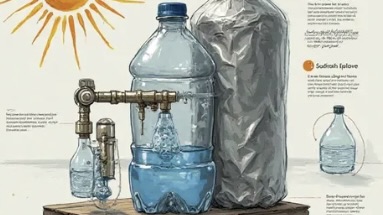
Solar Water Disinfection (SODIS) works because UV-A radiation from sunlight, combined with heat, disrupts, damages, and destroys microorganisms—the same nasties that give you diarrhea, dysentery, and dehydration, which conveniently kill more people in disasters than bullets ever will.
All you need is:
- Contaminated but reasonably clear water (mud doesn’t count; strain it first), and
- A transparent container.
Expose the water to direct sunlight for 6 hours on a sunny day. On cloudy days, 2 consecutive days is safer. The UV radiation penetrates the water, wrecking pathogens’ DNA, leaving them unable to reproduce or harm you.
That’s it. Not magic. Not complicated. Just sunlight doing what sunlight has always done, long before humans got too comfortable and forgot how fragile civilization is.
But Here’s the Big Question: Glass or Plastic?
People love to argue about this, usually without understanding anything beyond a headline they skimmed three years ago. The answer isn’t as simple as “one is good, one is bad,” but survival rarely gives you perfect choices anyway.
Let’s break it down.
Plastic Bottles: The Unlikely Hero (with Annoying Limitations)
Plastic—specifically clear PET bottles—is the standard for SODIS. Why?
Because PET plastic does a great job at letting UV-A radiation pass through. The very thing people complain about (“sunlight degrades plastic!”) is ironically why it works so well for this method.
Advantages of PET bottles
- Lightweight – Carrying them is easy when everything else already weighs a ton.
- More UV-A passes through than many types of glass.
- Cheap – And scavenged everywhere; even the clueless masses leave them lying around.
- Safer if dropped – A broken glass bottle can ruin an entire day.
But of course, there’s a catch
Plastic doesn’t last forever. It can scratch, becoming less effective. And yes, extreme heat can make it degrade. But let’s be honest: if you’re in a survival scenario and your biggest concern is chemical leaching instead of dehydration, your priorities need a tune-up.
For quick SODIS use, PET bottles get the job done. Period.
Glass Bottles: The Noble but Imperfect Alternative
You’d think glass would be better—after all, it’s cleaner, more durable over time, and won’t leach anything sketchy. But glass isn’t always the hero people imagine.
Glass Advantage
- No chemical concerns – If this is what keeps you up at night.
- Durable long-term – Doesn’t scratch or degrade like plastic.
- Doesn’t warp in heat – Important if you’re stranded somewhere scorching.
But here’s the kicker
Glass is thicker. The thicker the material, the less UV-A gets through. And UV-A is the entire point. Not all glass is created equal—some types block UV radiation so effectively that they turn the bottle into a museum display case instead of a disinfecting tool.
Also:
- It’s heavy.
- It breaks.
- And most glass bottles aren’t shaped to maximize sunlight exposure.
In short, glass can work, but it requires the right kind—thin, clear, colorless, non-tempered glass—and most people aren’t exactly swimming in that during emergencies.
So Which Should You Actually Use?
If you’re thinking like a prepper instead of an Instagram homesteader, here’s the truth:
Use PET plastic when you need results fast.
It’s the quickest, most accessible, most UV-friendly option.
Use glass if you:
- Have the right type
- Trust it to transmit enough UV
- Want something long-lasting for repeated use
- Aren’t hiking with it
- Won’t be furious when it breaks (because it will)
And yes, in a real emergency, you use whatever container you have.
Some people overthink this until they’d rather stay thirsty.
The Real Problem Isn’t Glass vs. Plastic — It’s People
Sunlight purification is one of those skills that should be common knowledge. Every family should know it. Every emergency kit should include the right bottles. Every community should be prepared to teach it during a crisis.
But the world isn’t built that way. People trust technology too much, ignore basic self-reliance, and scoff at simple solutions. They wait for governments, charities, or neighbors to solve their problems. And when those systems fail—because they always do at some point—they’re left panicking, helpless, and dehydrated.
Meanwhile, the ones who bothered to learn skills like SODIS…
Well, we drink clean water while everyone else scrambles.
Final Thoughts (Not That Anyone in Charge Is Listening)
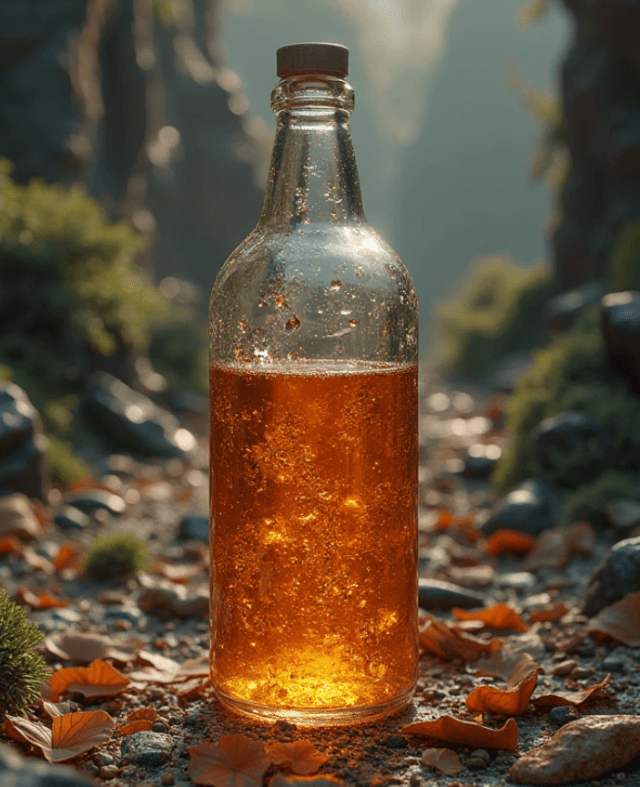
Sunlight purification is simple. Reliable. Proven. Yet most people won’t use it until they’re desperate—and even then, they’ll probably do it wrong. The world isn’t getting more stable. Resources aren’t getting more abundant. And clean water certainly isn’t going to magically become easier to access.
So learn the skill. Practice it. Store the right containers. And accept the reality that once things go downhill, you’re on your own.
Because when the world finally breaks—and it will—those who know how to treat their own water will be miles ahead of those who thought the tap would run forever.
Survive smart. Assume nothing. Trust no system. And let the sun do at least one job right.

 TheDailyChristian